
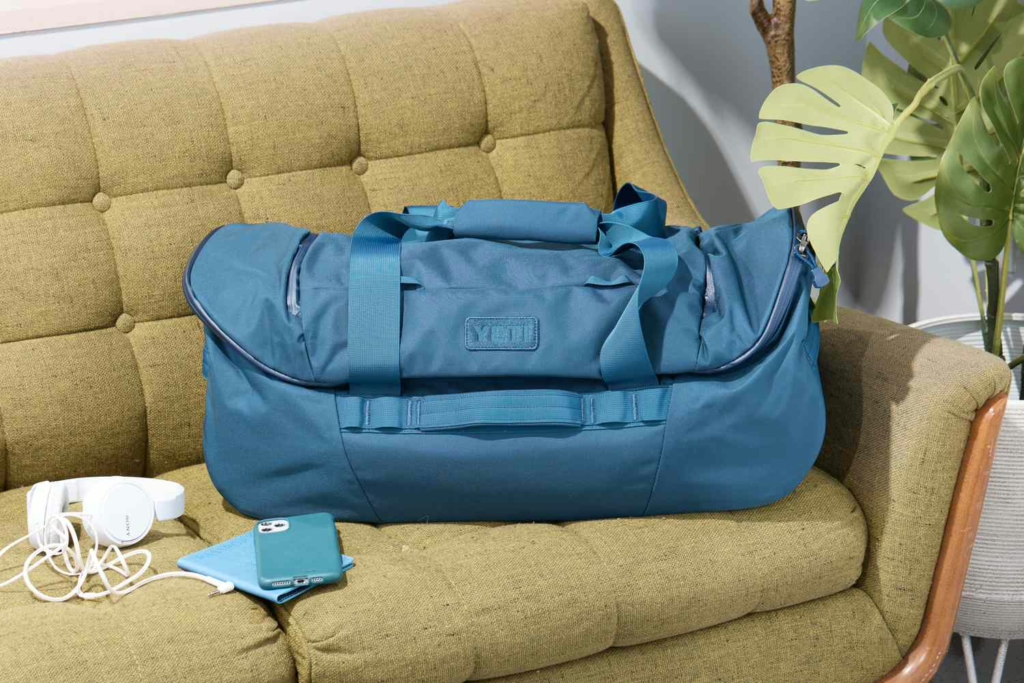
How to make duffle bag more rigid?
Your duffle bag might be sagging from all your travel essentials. You’re not alone. The weight of heavy items stresses your bag’s bottom and side seams, which turns your trusty travel companion into a shapeless mess.
A sturdy bag with proper interfacing and reinforced stitching will boost its durability and make it better for travel. The rigid bottom insert helps stabilize the base and provides structural support you need for heavy-duty use.
You might want to upgrade your existing duffle or create a custom bag from scratch. by collaborating with a custom duffle bags manufacturer. This guide shows you effective ways to find the right mix of stability and functionality. Let’s see how can change flexible duffle into a travel-ready, structured companion.
Selecting Materials for a Sturdy Bag Foundation
How to make duffle bag more rigid? Your duffle bag’s strength comes from the materials you choose. Quality materials make your bag last longer and help it keep its shape when loaded.
① Heavy-duty fabrics that maintain shape
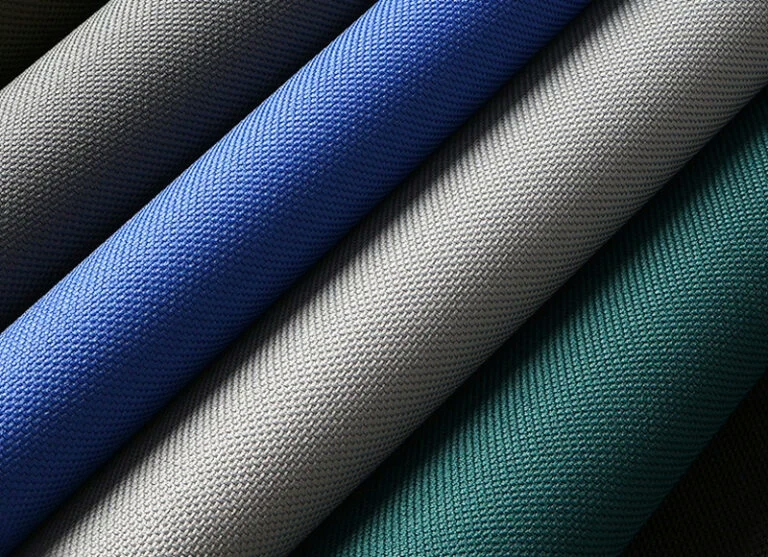
How to make duffle bag more rigid? A sturdy duffle bag needs the right fabric. Polyester works great because it’s tough and strong. This synthetic fabric can take rough handling and won’t wear down easily, which makes it perfect for adventures while staying lightweight. Polyester with higher denier counts lasts longer. A 600 denier count gives medium weight, but a 1000 denier count provides much greater strength.
Canvas fabric has stood the test of time as a reliable choice. The tight weave makes it incredibly robust and helps it carry heavy loads without wearing out. Your bag gets natural water resistance from canvas, which protects against moderate rain or splashes.
Here are some premium options to boost durability:
- Ballistic nylon (especially 1680 denier) has a unique basket weave that resists wear amazingly well
- Cordura® nylon works exceptionally well under stress
- Ripstop nylon uses a reinforcing grid pattern that stops tears from getting bigger
② Interfacing options for different levels of rigidity
Good fabric needs proper interfacing to hold its shape. Think of interfacing as your bag’s hidden support system that keeps it from turning into a fabric puddle.
Fusible fleece or Pellon 987F works well for light structure. These materials add body without making things too stiff, which works great for smaller parts like straps or interior lining.
Thermolam (Pellon TP971F) shines when you need medium structure. This needled fleece lies flat and gives better support than regular fleece. Many crafters call this their go-to interfacing.
Peltex 70 Sew-in or Decovil gives you greatest rigidity with professional results. These heavyweight materials create bags that stand up by themselves. They take more work to use but turn regular fabric into self-supporting structures.
Smart crafters often combine interfacings. Many pros put Shape Flex on fabric before adding fusible fleece. This creates a smoother finish and stops that “crinkly” look you sometimes get with heavy interfacing.
Expert Advice:
” How to make duffle bag more rigid? Embed flexible fiberglass rods along the bag’s natural fold lines: these pliable yet unbreakable spines create directional reinforcement that combats lateral collapse, delivering surgical rigidity exactly where duffle bags need structural defiance against deformation.“
— Ishtiak Parag, Managing Director at Victor Bags Factory Ltd.
Creating a Custom Duffle Bag Bottom Insert
A custom bottom insert can turn a floppy duffle into a sturdy travel bag. This addition gives your bag stability, protects your gear, and helps it stand upright independently.
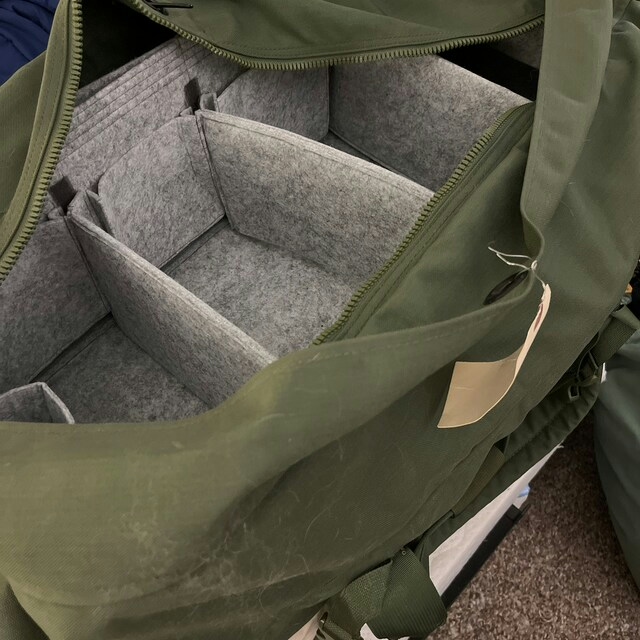
Measuring and cutting the perfect-sized insert.
Getting the right measurements is vital to create a bottom insert that works. You should measure the length of your bag along the bottom center seam and the width along the side seam. The perfect fit needs about 1/8” less than both your length and width measurements. This small reduction makes room for the fabric casing and ensures a snug fit.
These materials make great rigid inserts:
- Plastic canvas (easy to cut with scissors)
- Acrylic or plastic sheets (lightweight and durable)
- Corrugated plastic (ultra-lightweight and stable)
- Flexible cutting boards (accessible to more people and appropriately rigid)
Making a washable fabric cover with foldover flap.
A removable fabric cover with a foldover flap keeps the insert in place and allows washing. Cut your fabric twice the length plus 2” by the width plus 1”. You can sew a 1/4” hem along both narrow ends by folding under 1/4”, pressing, folding under another 1/4”, pressing again, and topstitching.
The French seam comes next. Fold the fabric lengthwise with wrong sides facing (right sides out), making one end 1” shorter than the other. The extra inch folds over the top of the upper fabric layer. Pin the side seams and sew 1/8” seams down both sides. Turn it inside out, finger press the seams, and sew 3/8” seams down both sides.
Securing your insert to prevent movement.
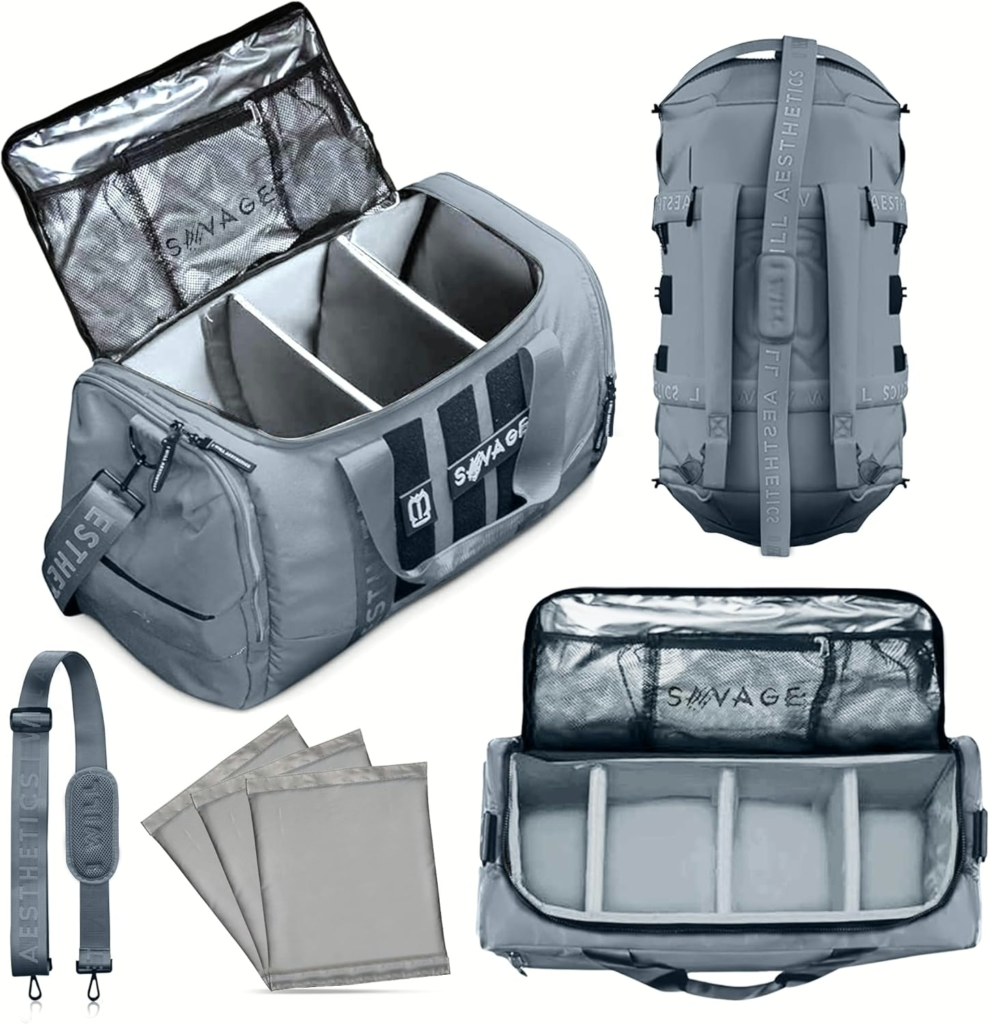
Slide your completed insert inside the duffle bag. The precise measurements usually keep it naturally in place. You can add a few hand stitches along the side seams for extra security. Another option is a custom divider that attaches to the bag sides, which stops gear from moving during transport.
More travelers now add their rigid bottom as part of a complete organizational system that has packing cubes around the sides. This creates a protective frame for valuable items.
Advanced Techniques for Rigid Bag Construction
Professional bag manufacturers use several proven techniques to craft duffle bags that keep their shape even with heavy loads. These methods take your bag beyond simple materials and turn it into a tough travel companion.
⑴ Reinforcing stress points with proper stitching
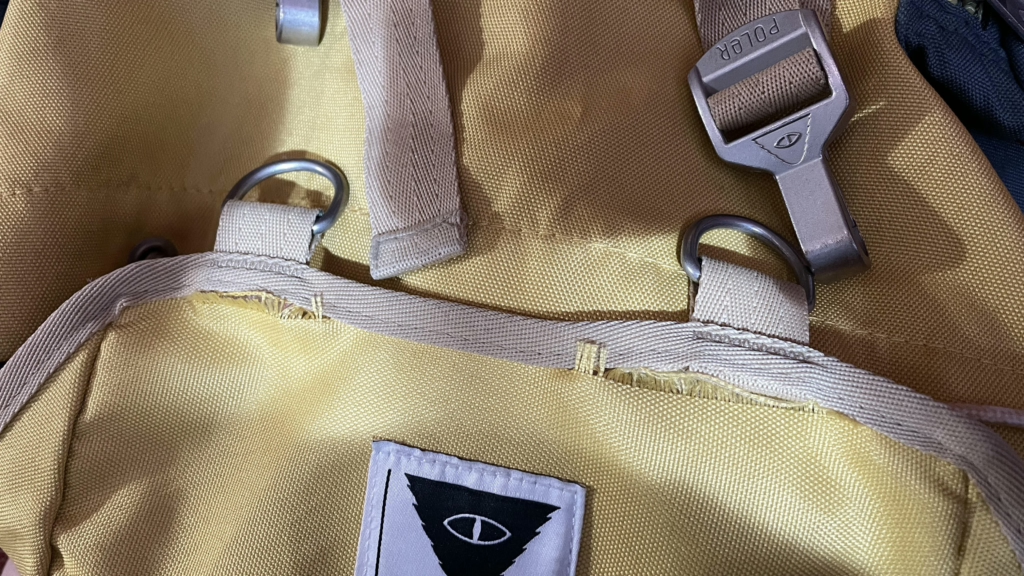
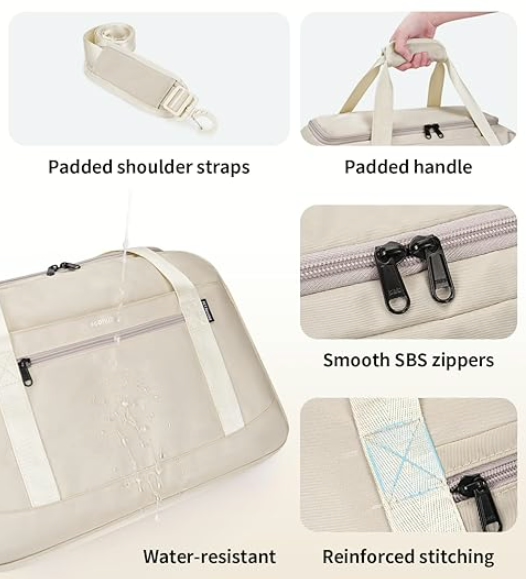
A rigid duffle bag’s life span depends on how you reinforce high-stress areas. You should focus on handle attachment points that face constant tension when you lift your packed bag. X-pattern stitching works better than straight stitches to distribute weight in these spots.
Heavy-duty nylon thread makes areas stronger, especially where the bag connects to its frame or handles. Quality stitching along seams and stress points improves your duffle’s durability and makes it last longer.
⑵ Adding structural piping to maintain shape
Piping isn’t just about looks—it builds a framework that helps your bag stay shaped. Many crafters used to find it scary, but now experienced bag manufacturers love this technique because it:
- Gives the bag structure so it stands up empty
- Makes defined edges that won’t bend under weight
- Adds a professional finish to your design
You can make your own piping. Cut fabric twice as wide as your piping cord diagonally to the weave. Wrap it around store-bought piping cord, then secure it with Wonder Under fusible web instead of basting stitches for a cleaner look.
⑶ Incorporating hidden support panels
Hidden reinforcement panels add strength without ruining the bag’s looks. Plastic canvas works great—cut squares a bit larger than areas that need support. These panels go inside:
- Behind magnetic snaps to stop fabric tears
- Under rivets and bag feet for stability
- Along side panels for vertical structure
You might want to mix sewn and welded techniques for a balanced build. This creates strong, durable, and waterproof seams that make the bag’s structure even better.
Balancing Rigidity with Travel Requirements
Expert Advice:
” Incorporate laminated EVA foam between fabric layers - this closed-cell structure adds memory-like rigidity to critical stress zones while remaining 30% lighter than traditional interfacing, solving how to make duffle bag more rigid without bulk.“
How to make duffle bag more rigid? Making rigid duffle bags needs a good look at travel rules and what works best in practice. The right mix will give you a bag that works well whatever your destination.
Weight considerations for air travel
Airlines have strict rules about luggage weight. Most international flights limit carry-on bags to 7-15kg. So any method to add stiffness must think over how it affects weight. Duffle bags have a big edge over hard-shell luggage - they’re lighter, which lets you pack more without going over airline limits.
Here are better options than heavy materials to add strength:
- Aluminum stays (like those in some store-bought duffles) that add structure without much weight
- Light foam layers (3mm) that protect your stuff without adding much bulk
- Strong points only where needed instead of the whole bag
TSA-friendly rigid bag designs
At the time you add stiffness to your duffle, note that security needs matter. TSA checks often mean opening your bag, and complex rigid parts might cause issues.
To make inspections easier, focus on lockable zippers that match international security rules. Put rigid parts away from zippers so the bag opens fully during checks. Clear pockets help organize things and speed up security while making the bag stronger too.
Collapsible rigid structures for storage
The sort of thing I love is how some bags use collapsible rigidity—parts that stay firm while you use them but fold flat in storage. New ultralight duffle bags weigh nowhere near a pound and can pack down to a water bottle’s size.
You can have both fixed rigidity and folding ability. Some brands put aluminum stays near zippers, and this is a big deal as it means that bags can stand open wide for packing but still fold flat. You could also make your own system with:
- Rigid bottom panels that come out when needed
- Side supports that fold in when not in use
- Dividers that help organize and add structure
These methods keep your bag sturdy on trips while fitting nicely in storage at home—just what travelers want from their duffle bags.
Suggested Reading:
- Top 10 Bag Manufacturers In Vietnam You Should Know
- Top 7 Duffle Bag Manufacturers in the USA
- Best 8 Manufacturer Of Bags In The Philippines
Conclusion
How to make duffle bag more rigid? Your duffle bag can become a well-laid-out travel companion with the right materials, construction techniques, and practical features. High-denier polyester or canvas paired with proper interfacing will give your bag the stability it needs while keeping it flexible.
A custom bottom insert and reinforced stress points are the foundations of achieving the right rigidity. Adding structural piping and hidden support panels will create a professional duffle that keeps its shape even with heavy loads. Your bag will still meet airline requirements.
These improvements work best when you balance durability with practical travel needs. Smart design choices help your bag stand firm during use but fold down easily for storage. Looking to upgrade your travel gear? The team at leelinebags.com specializes in custom duffle solutions. You can ask them for expert advice at info@leelinebags.com.
Frequently Asked Questions About How To Make Duffle Bag More Rigid
1. How can I make my duffle bag more rigid without adding excessive weight?
How to make duffle bag more rigid? To boost rigidity, choose heavy-duty fabrics such as high-denier polyester or canvas. Then, include suitable interfacing. For lightweight structure, consider adding aluminum stays or thin foam layers strategically placed in critical areas of the bag.
2. What are some effective materials for creating a sturdy bottom insert?
Effective materials for a rigid bottom insert include plastic canvas, acrylic sheets, corrugated plastic, or flexible cutting boards about how to make duffle bag more rigid. These options provide stability without adding significant weight. Remember to create a removable fabric cover for easy cleaning.
3. How can I reinforce stress points on my duffle bag?
How to make duffle bag more rigid? Focus on reinforcing high-stress areas like handle attachment points with X-pattern stitching using heavy-duty nylon thread. This distributes weight more effectively than straight stitches. Additionally, consider adding hidden support panels made from plastic canvas behind areas that experience frequent tension.
4. Are there ways to make a duffle bag rigid yet still collapsible for storage?
Yes, you can incorporate collapsible rigidity by using removable rigid bottom panels, foldable side supports, or custom dividers that add structure while organizing contents. Some designs even feature aluminum stays near zipper lines, allowing the bag to stand open for packing yet fold flat when needed.
5. How can I balance rigidity with airline regulations for carry-on luggage?
Choose lightweight reinforcement materials to stay rigid and follow airline rules. How to make duffle bag more rigid? Focus on adding strength at key points instead of the whole bag. Ensure your bag has TSA-friendly features like lockable zippers that meet international security standards, and position rigid elements away from zipper lines for easy inspection.