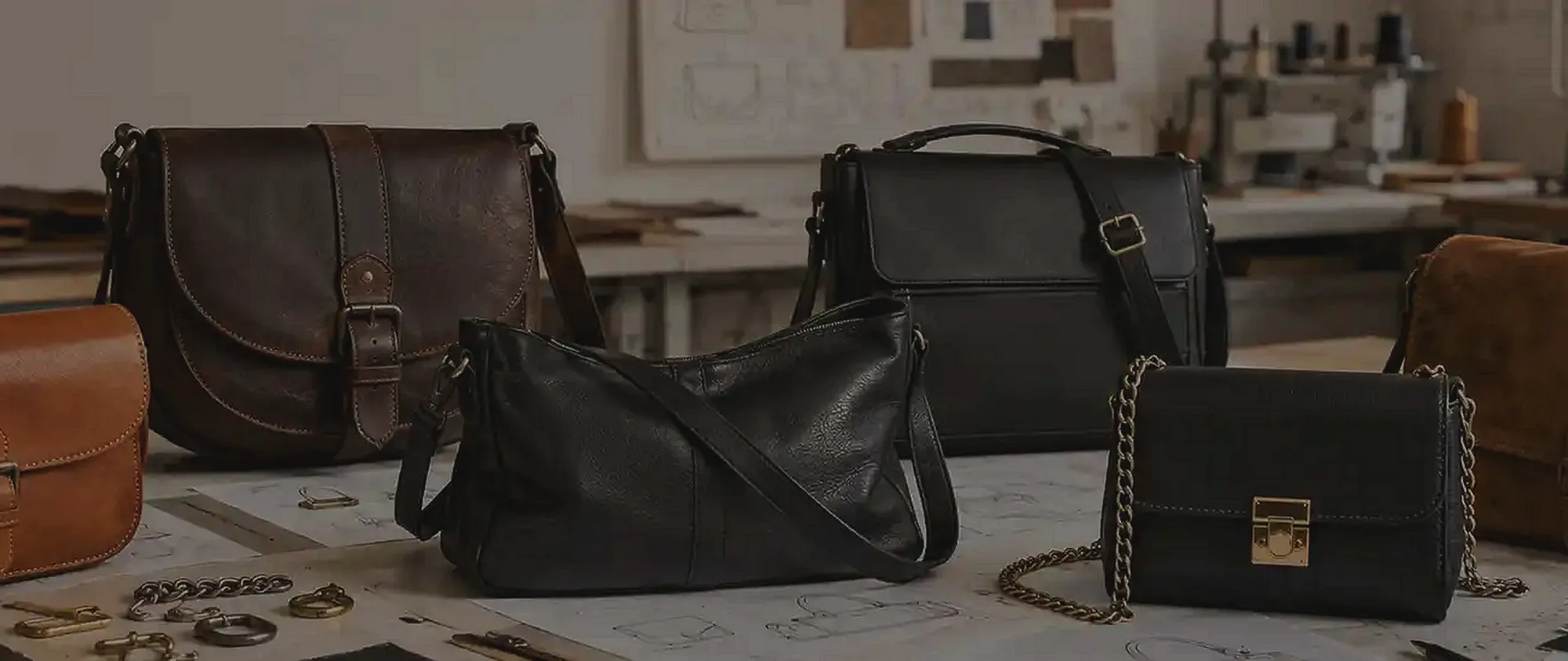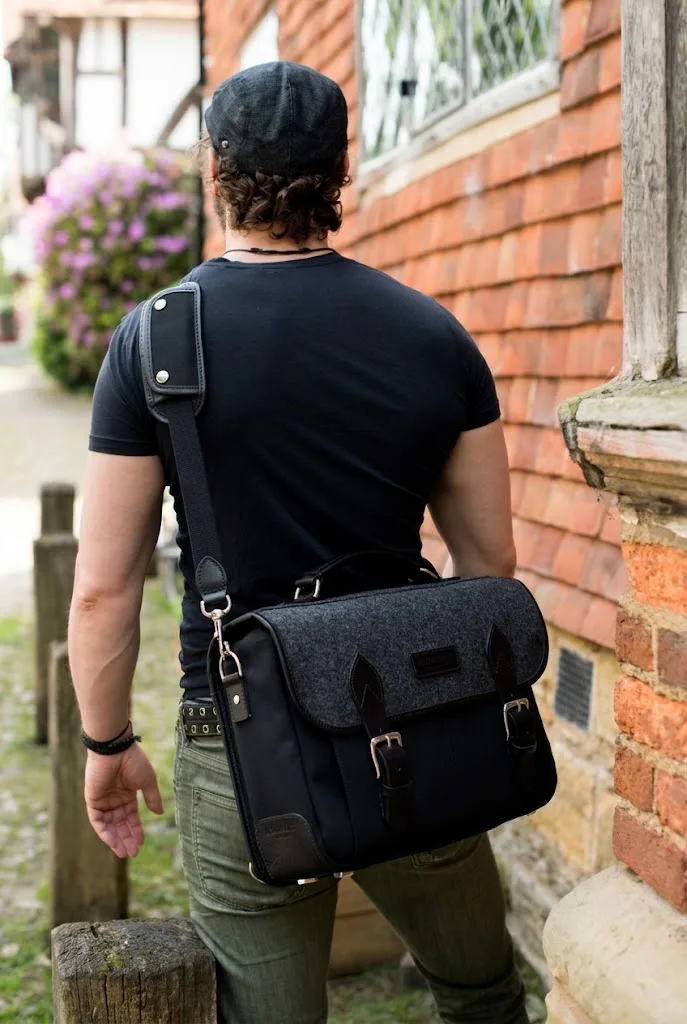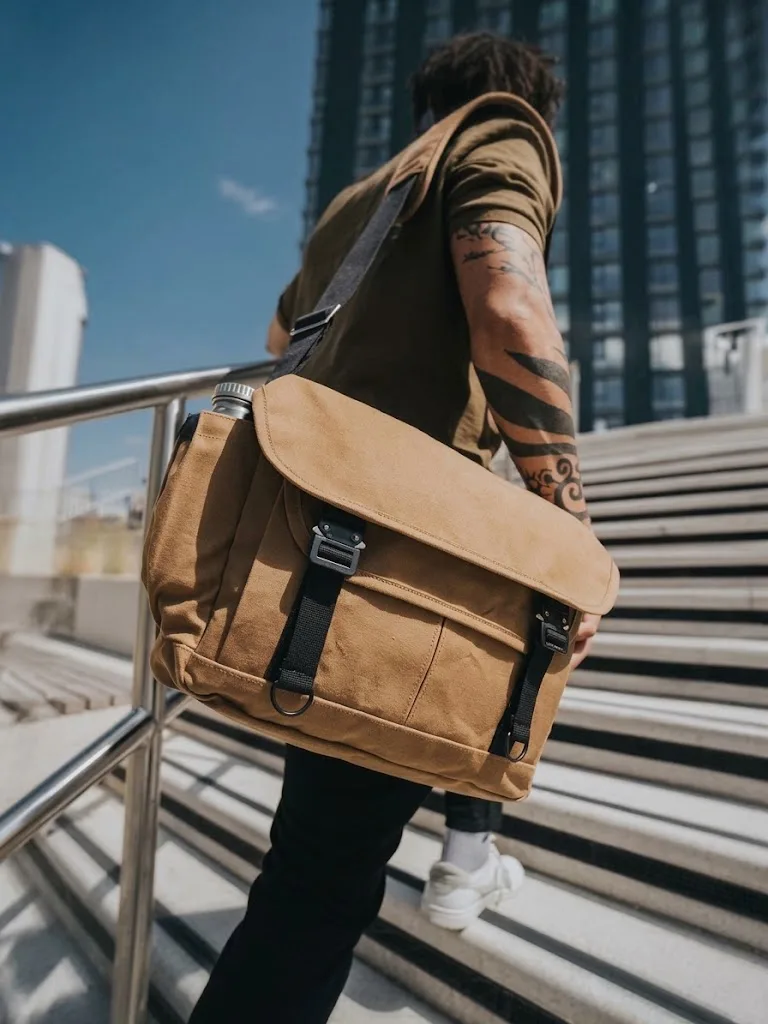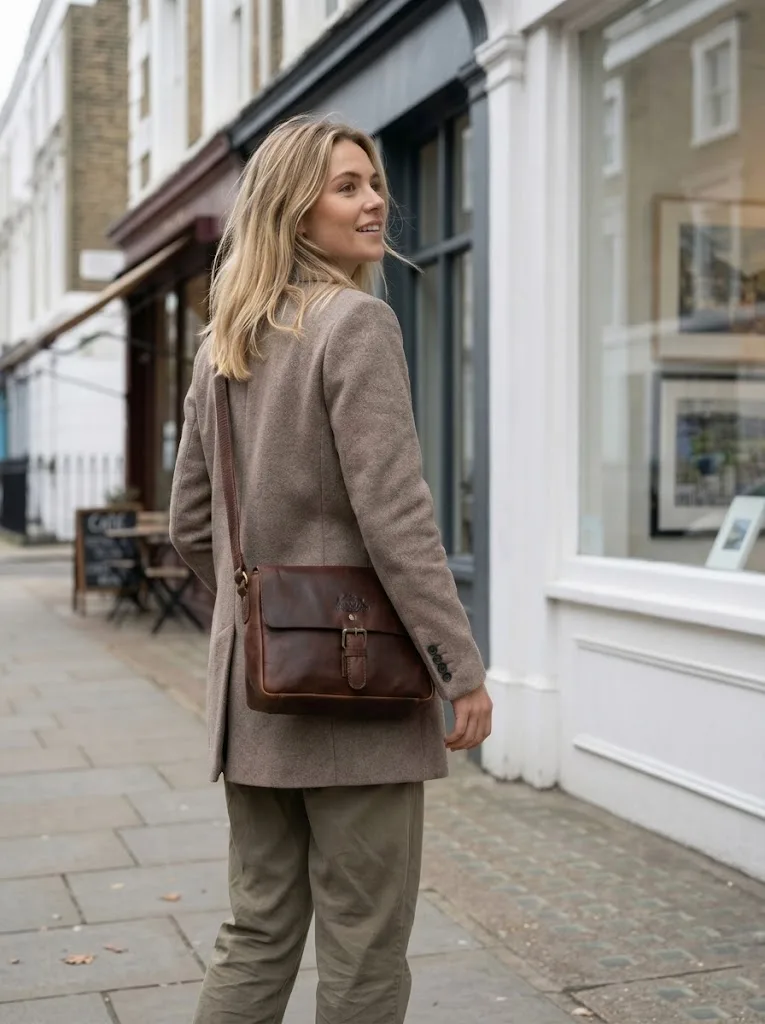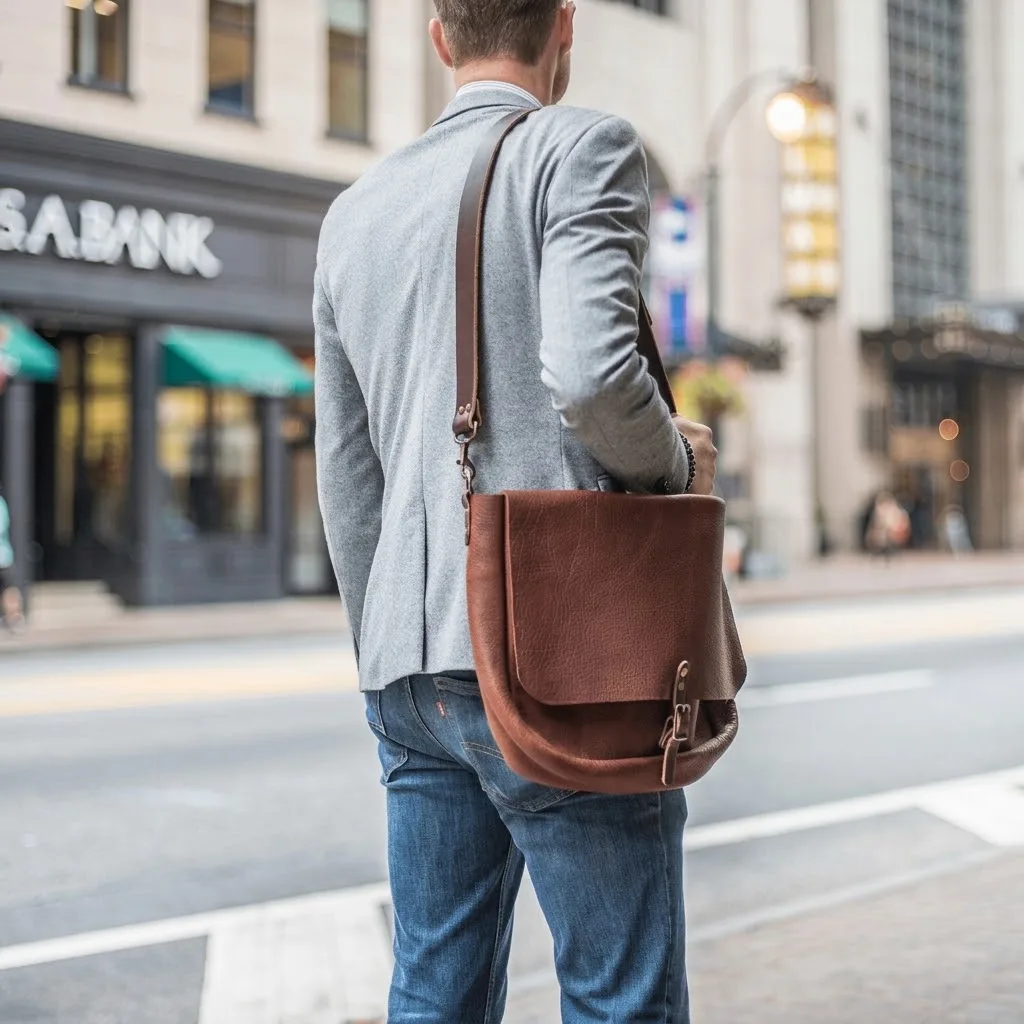

A person in a red jacket crossing an open shore with a brown leather flap messenger bag on the shoulder
Flap · Sleeve · Strap

Custom Messenger Bags Manufacturer Sized to the Device, Not a Guess —13–17 Inches.

The sleeve is cut before the pattern is, because the bag is bought for what it holds. Send the device list, the closure and who carries it, and the quote comes back in 48 hours with the sleeve dimensions cut to that list — the pattern drawn from the sleeve, so the fit is fixed on paper before production starts.

  • 100pieces minimum, any format
  • 7 daysto the first worn sample
  • 6–8weeks bulk production

Messenger formats

The Shapes This Floor Runs

A messenger brief arrives with a device list and a closure in mind, not a shape. These are the formats that brief usually lands on, cut to their own patterns.

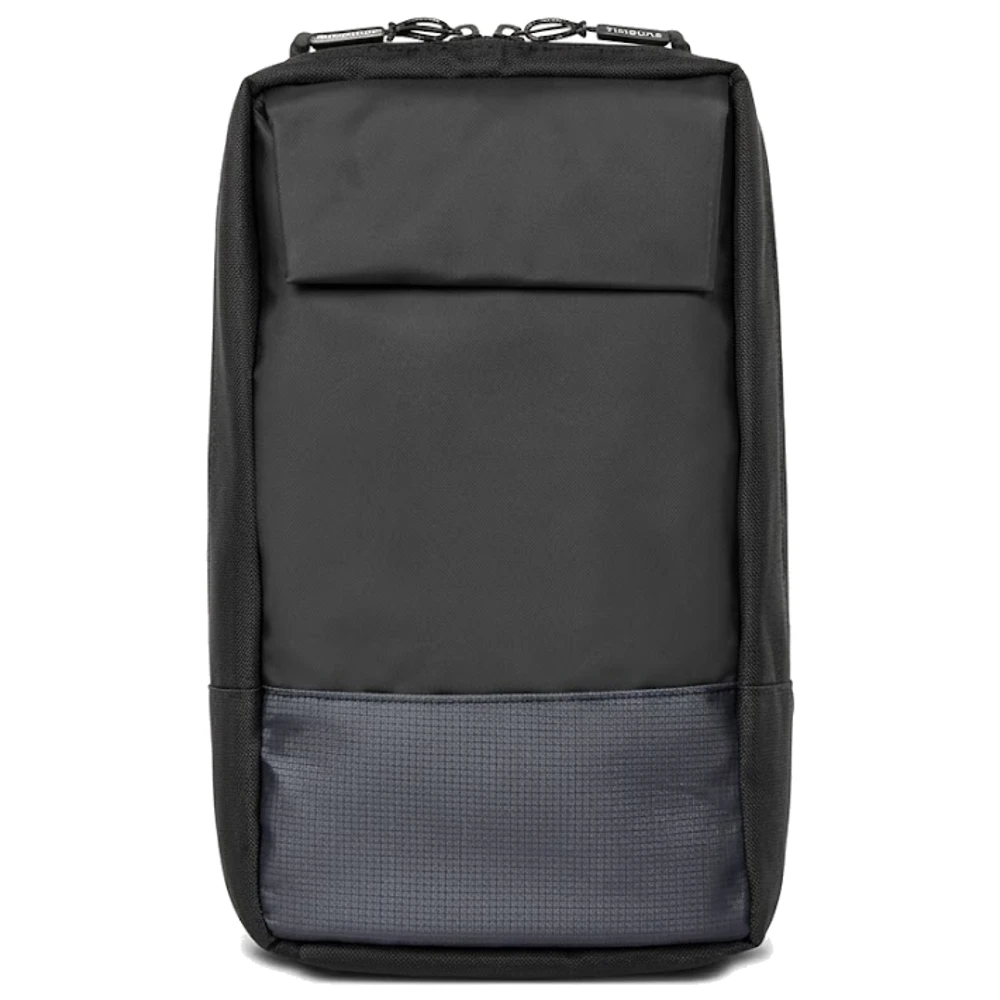
  • A black nylon crossbody sling with a fold-over flap, a zip pouch tucked underneath and a mesh panel on the lower front, on a single wide strap

    Castle Crossbody Sling

    • The smallest shape here: a compact flap sling with a zip pouch tucked under the flap.
    • Worn as a sling at the chest or hip, for a brief that is a phone and keys, not a laptop.
    • The smallest shape here: a compact flap sling with a zip pouch tucked under the flap.
    • Worn as a sling at the chest or hip, for a brief that is a phone and keys, not a laptop.
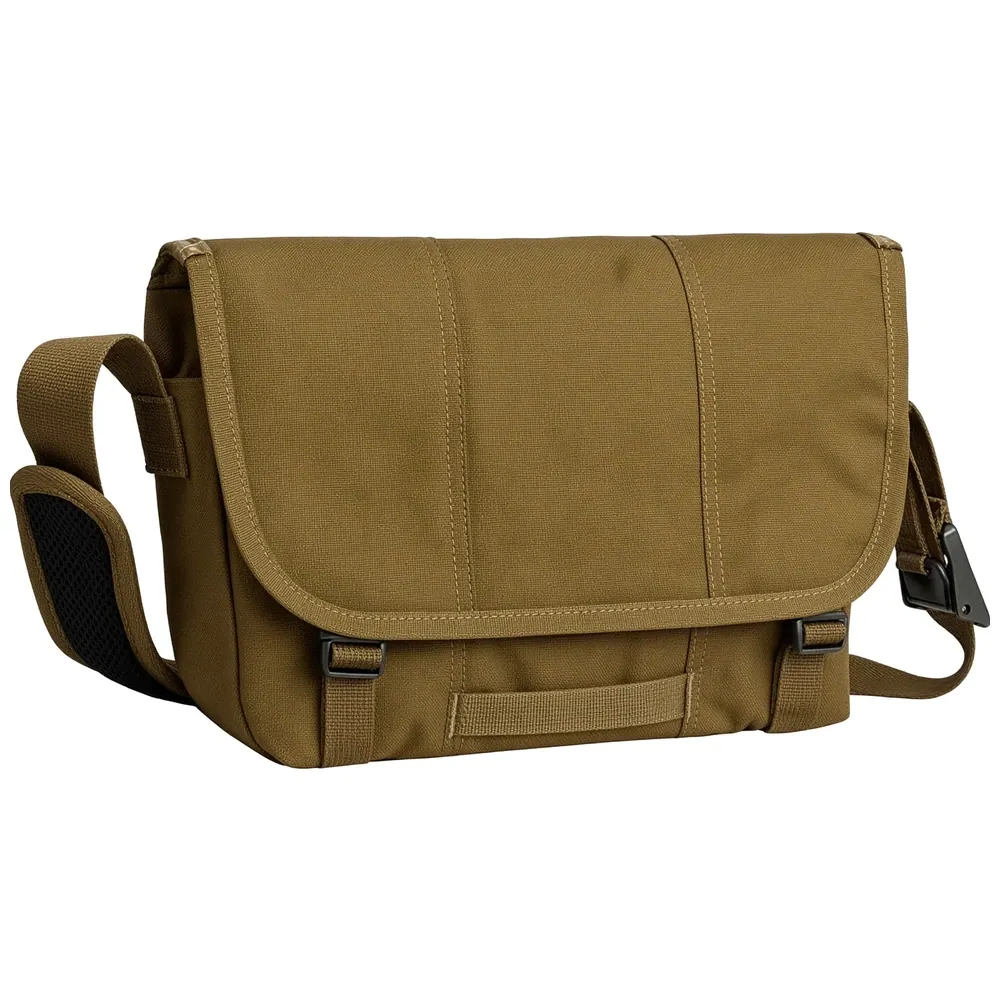
  • A khaki canvas messenger bag with a full-width flap closed by two buckles and a top grab handle, on a long strap

    Flight Classic Messenger Bag

    • A canvas flap on twin buckles with a top grab handle, so it slings across the body or carries by hand.
    • The commuter default, built to repeat across a whole colour range without drifting.
    • A canvas flap on twin buckles with a top grab handle, so it slings across the body or carries by hand.
    • The commuter default, built to repeat across a whole colour range without drifting.
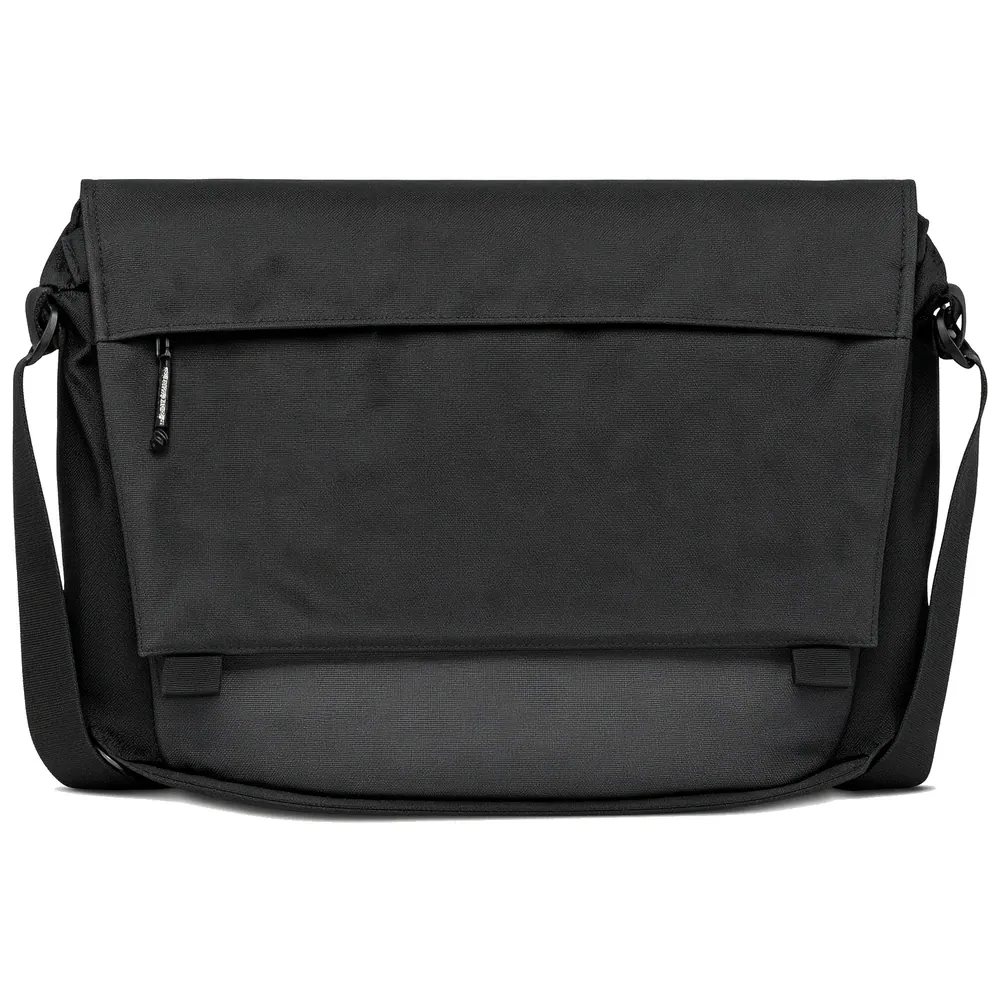
  • A black nylon messenger bag with a wide fold-over flap carrying a zip pocket on its face, on a long webbing strap

    Stark Messenger Bag

    • A wide flap with a zip pocket set into its face, so a phone comes out without opening the bag.
    • The roomy daily carry, for a brief that needs more space than a standard shape allows.
    • A wide flap with a zip pocket set into its face, so a phone comes out without opening the bag.
    • The roomy daily carry, for a brief that needs more space than a standard shape allows.
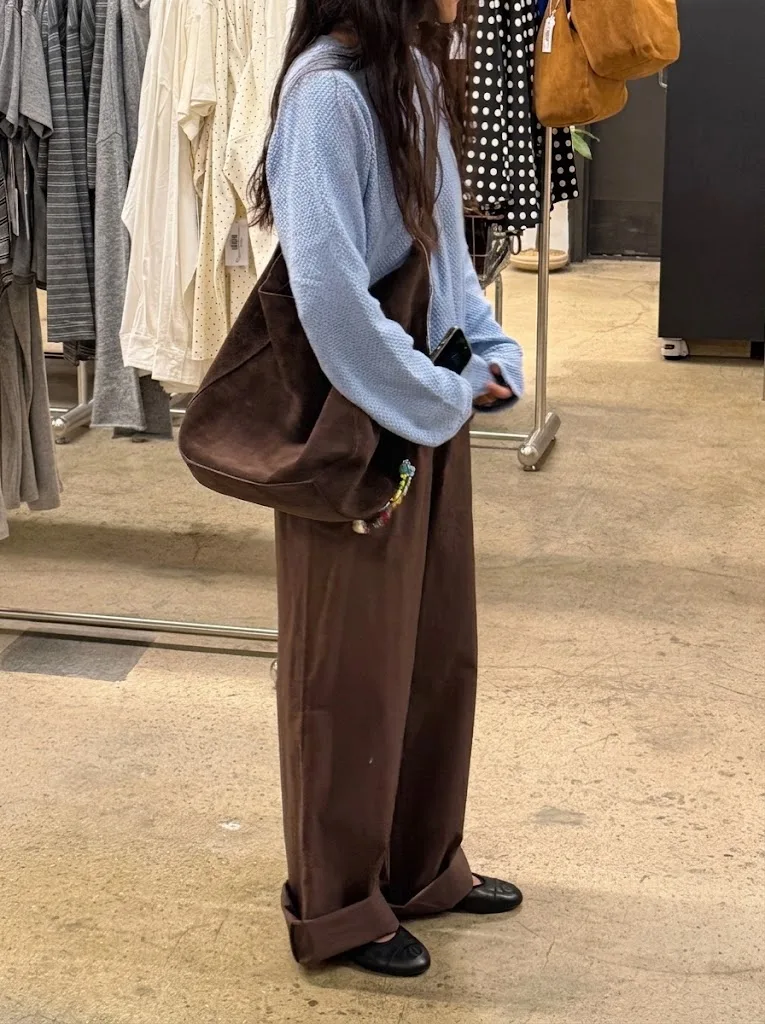
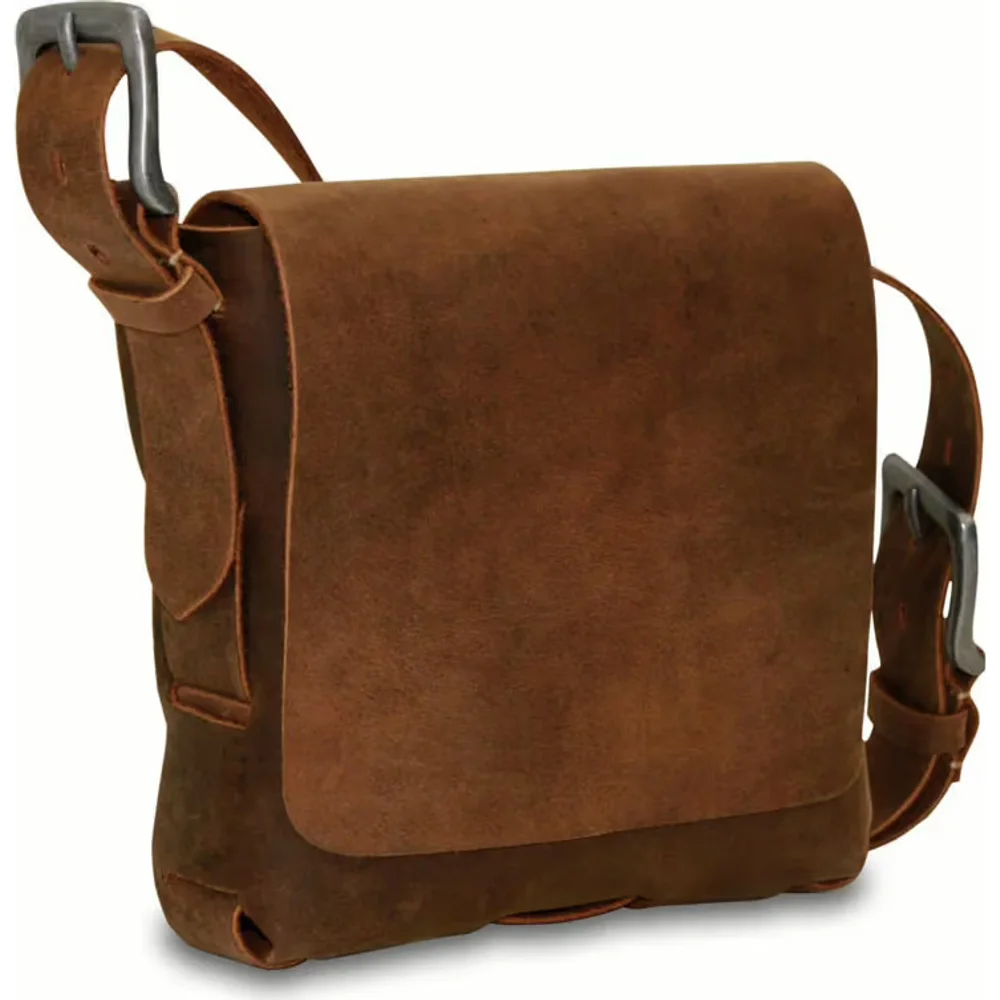
  • A brown suede messenger bag under a buckled flap strap with brass fittings, carried on a long strap

    Custom Classic Messenger Bag

    • A suede body under a single buckle strap, with room for a full-size laptop in a padded sleeve.
    • The larger everyday carry for a brief that wants more depth than a commuter flap allows.
    • A suede body under a single buckle strap, with room for a full-size laptop in a padded sleeve.
    • The larger everyday carry for a brief that wants more depth than a commuter flap allows.
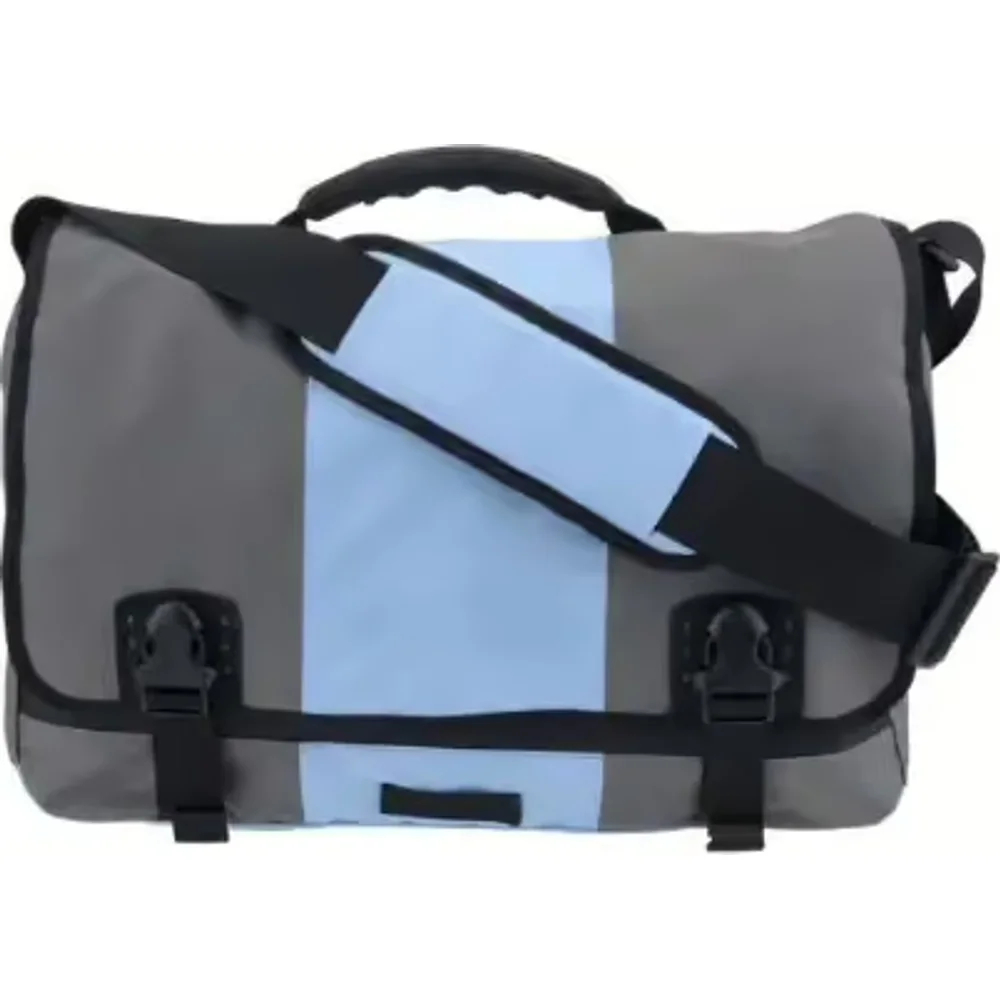
  • A navy and pale blue messenger bag with a flap closed by two side-release buckles and a two-tone webbing strap

    Commute Messenger Bag

    • A flap over a zip-front body on side-release buckles, so the bag is opened one-handed without unthreading the strap.
    • A running or cycling brief where the closure has to hold a bag that is moving.
    • A flap over a zip-front body on side-release buckles, so the bag is opened one-handed without unthreading the strap.
    • A running or cycling brief where the closure has to hold a bag that is moving.
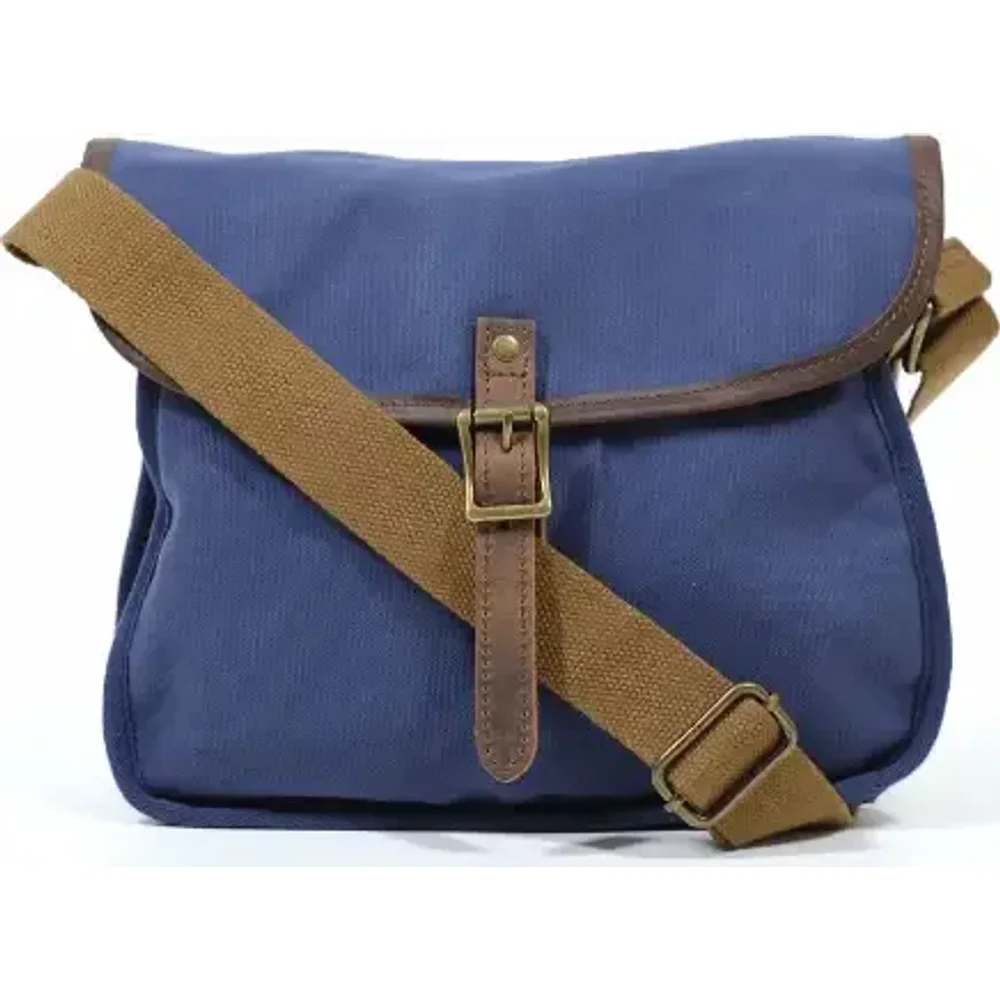
  • A blue canvas messenger bag with a front pouch pocket and a webbing strap finished with a metal buckle

    Especial Stash Messenger Bag

    • A canvas flap over a front pouch pocket, on a wide webbing strap set with a metal buckle.
    • A promotional or team brief, where the mark goes on the flap and the pouch carries the daily kit.
    • A canvas flap over a front pouch pocket, on a wide webbing strap set with a metal buckle.
    • A promotional or team brief, where the mark goes on the flap and the pouch carries the daily kit.

What is specified

Material, Mark and the Features Between Them

A messenger brief decides three things at once: what the bag is made of, how the brand goes onto it, and which functional features the run carries. All three are set before the pattern is cut.

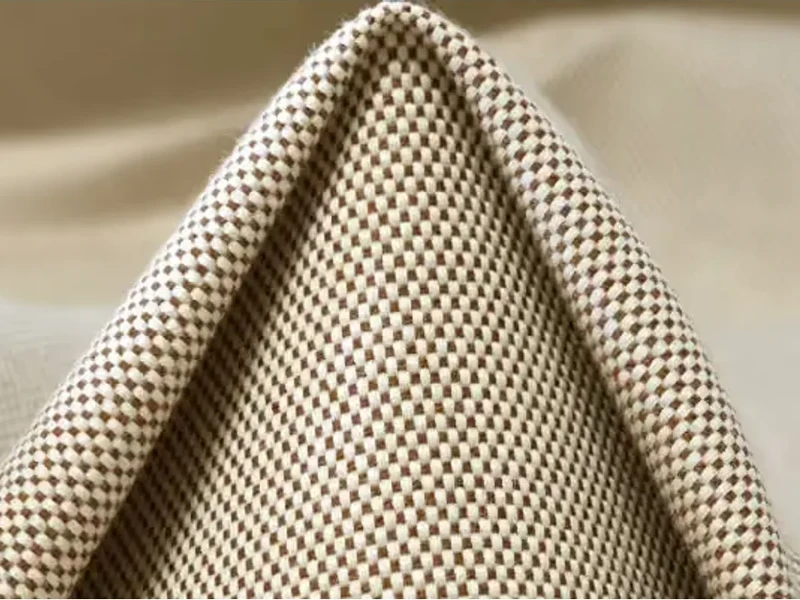
  • A folded length of natural cotton canvas fabric catching soft light against a pale background

    Materials

    Chosen against how the bag is carried, not only how it looks.

    • Premium cotton canvasOrganic cotton canvas, grown and woven to a certified standard.
    • Durable polyesterRecycled polyester spun from plastic bottles.
    • Water-resistant nylonA coated weave that keeps rain off the sleeve.
    • Waxed canvasCanvas taken through a wax bath, so the face repels water.
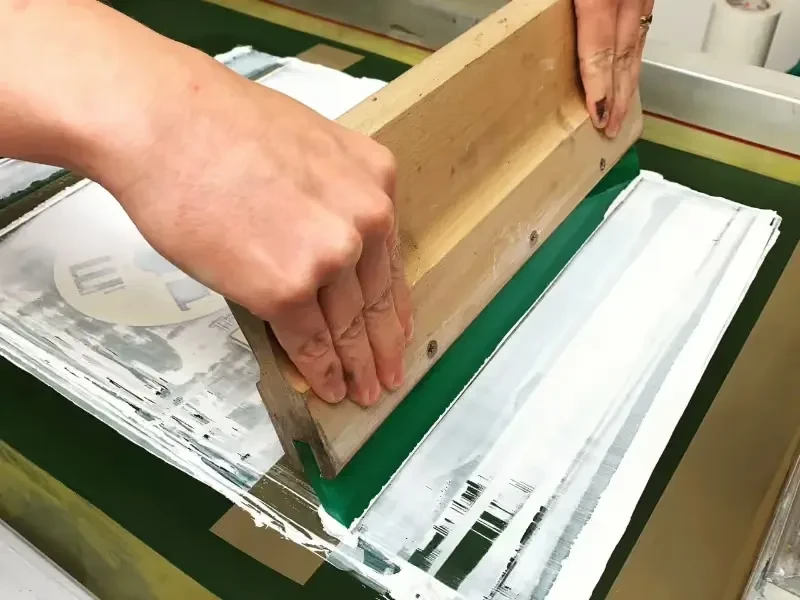
  • Hands pulling a squeegee across a silk screen to lay ink onto a panel in a printing frame

    Customization

    Four ways onto a messenger face, all using water-based inks.

    • Screen PrintingOne print colour, for a smooth, slightly raised feel.
    • EmbroideryUp to 12 thread colours, for a textured, professional finish.
    • Heat TransferUnlimited colours, for a firm, plastic-like face.
    • Direct-to-FabricUnlimited colours and detail, for a soft hand feel.
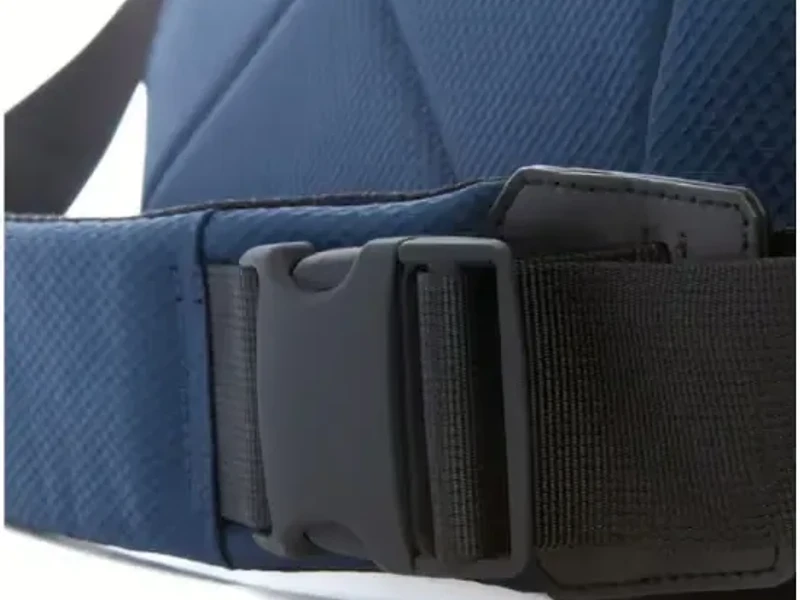
  • A close view of a blue messenger bag showing the webbing strap run through a side-release buckle

    Features

    Added to any format above, down to fittings left to biodegrade.

    • Adjustable shoulder strapsCut to the drop the wearer sets, over the shoulder or across the body.
    • Padded laptop compartmentsCut to the device the sleeve is built for.
    • Multiple organisation pocketsDividers that hold the kit without it shifting.
    • Reinforced bottom panelsA thicker panel at the base, where the bag takes the load.

Where a brief starts

Start With What Arrives, It Becomes a Build

A messenger bag brief rarely arrives finished. A pencil sketch, a reference bag, a spec or a note written by an AI assistant all move the same way once they reach the plant: the device the sleeve holds, the closure and who carries it are read off whatever comes in, and the rest is drafted back as a pattern, a sample and a costed run.

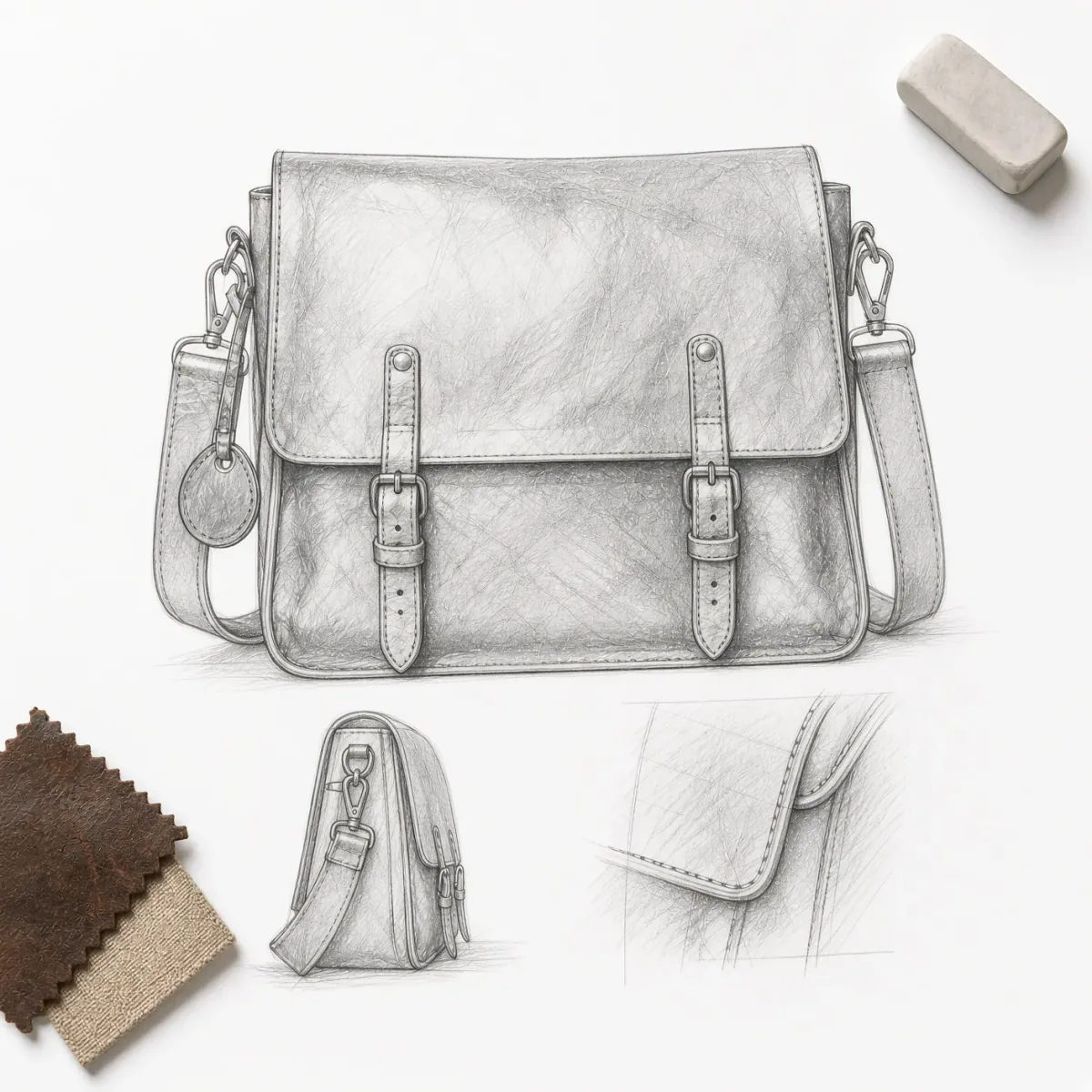
A pencil rendering of a leather flap messenger bag beside a colour swatch, a side view and a stitched-corner detail
01From a drawing

A sketch or idea

  • A rough concept is enough — a shape, a proportion and a rough size open the brief.
  • Sketches are read against the sleeve, because the device usually sets the depth before the face is drawn.
  • A phone photo of a notebook page works; the plant redraws it to scale.
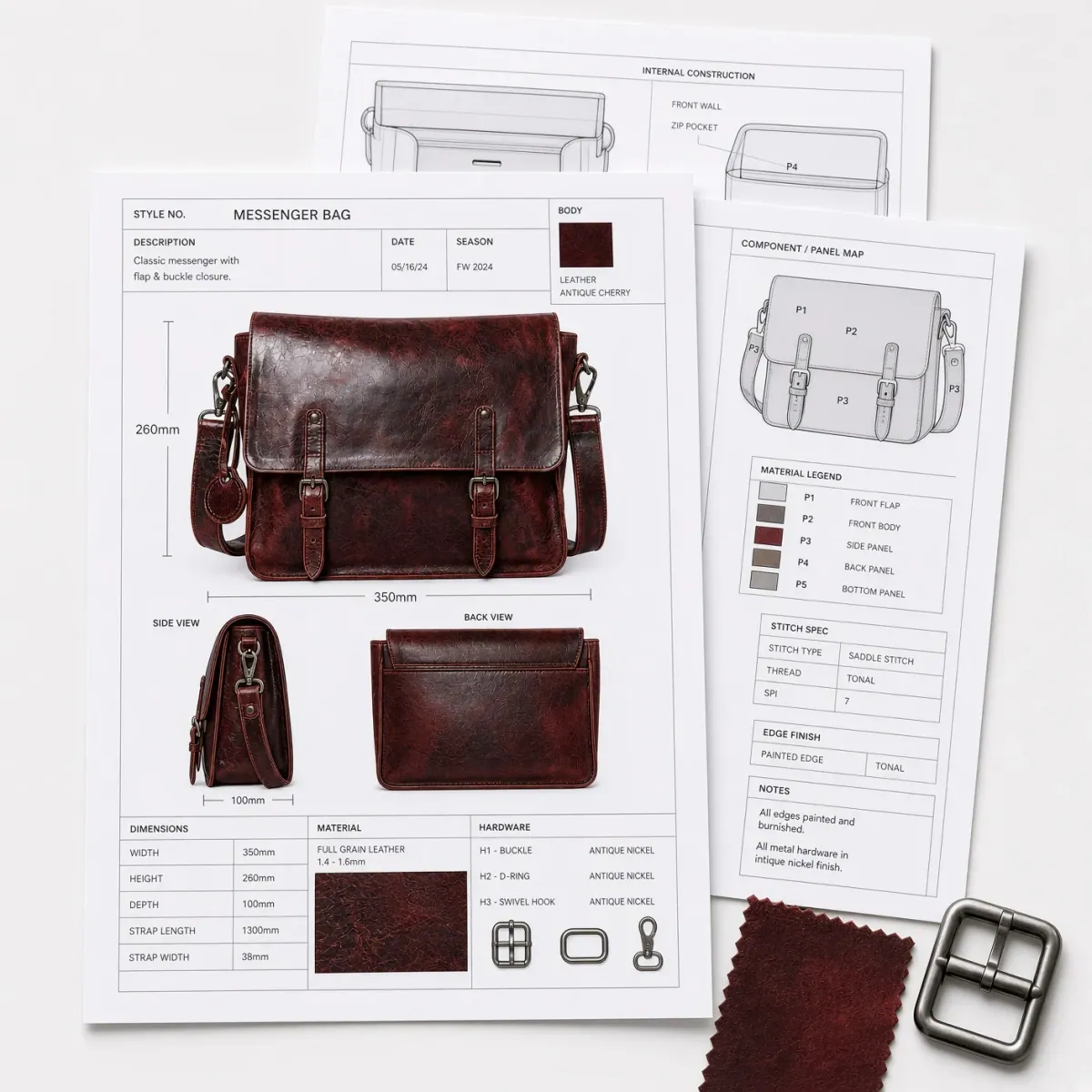
A printed messenger bag tech pack showing the front, side and back views with dimensions, a panel map and a hardware legend
02A spec or sample

A tech pack or sample

  • Send a tech pack, a spec sheet or a reference bag and the run is built to it.
  • A reference bag is measured off, not copied — sleeve, closure and strap drop are pulled into the spec.
  • Where the pack is complete, it is confirmed against the tooling before a panel is cut.
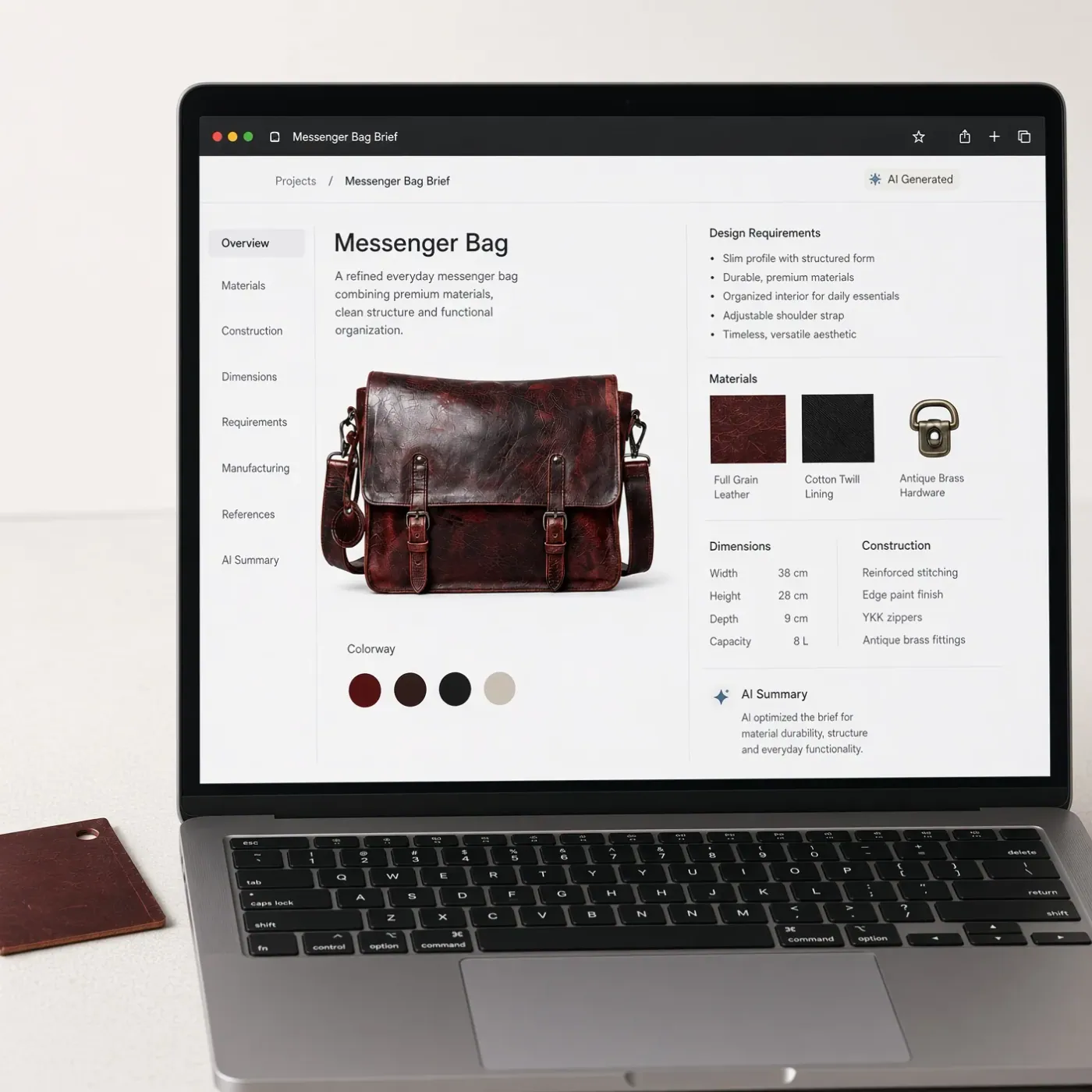
A laptop screen showing an AI-generated messenger bag brief with material swatches, a colourway row and a requirements list
03A written prompt

An AI-generated brief

  • A spec from ChatGPT, Gemini or Copilot is productionised, not dismissed.
  • AI drafts usually pin the look and leave the sleeve and closure open; those are tightened before the pattern is cut.
  • What comes back is a cuttable spec — dimensions, materials and hardware, not a picture.

Sizes

Three Cuts, Set by the Device

The messenger bag sleeve is cut to the device the bag is bought for, so the size is chosen first and the pattern follows it. Any of the three can be run to custom dimensions.

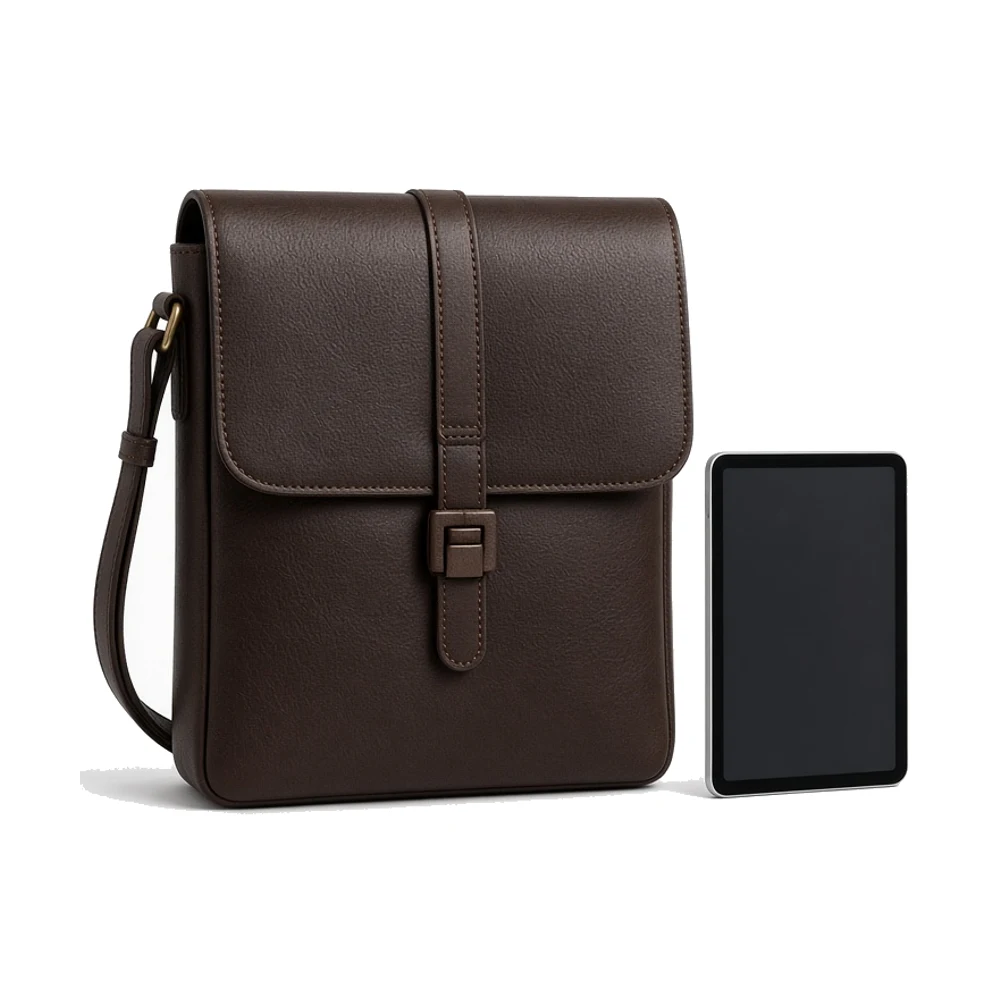
  • A brown leather flap messenger bag with a single centre buckle, standing beside a tablet that shows its compact size

    Compact

    10 x 12 x 3 in
    • Tablets and small laptops.
    • Lightweight, streamlined body.
    • The commuter carry with no bulk to spare.
    Size the Compact for Me
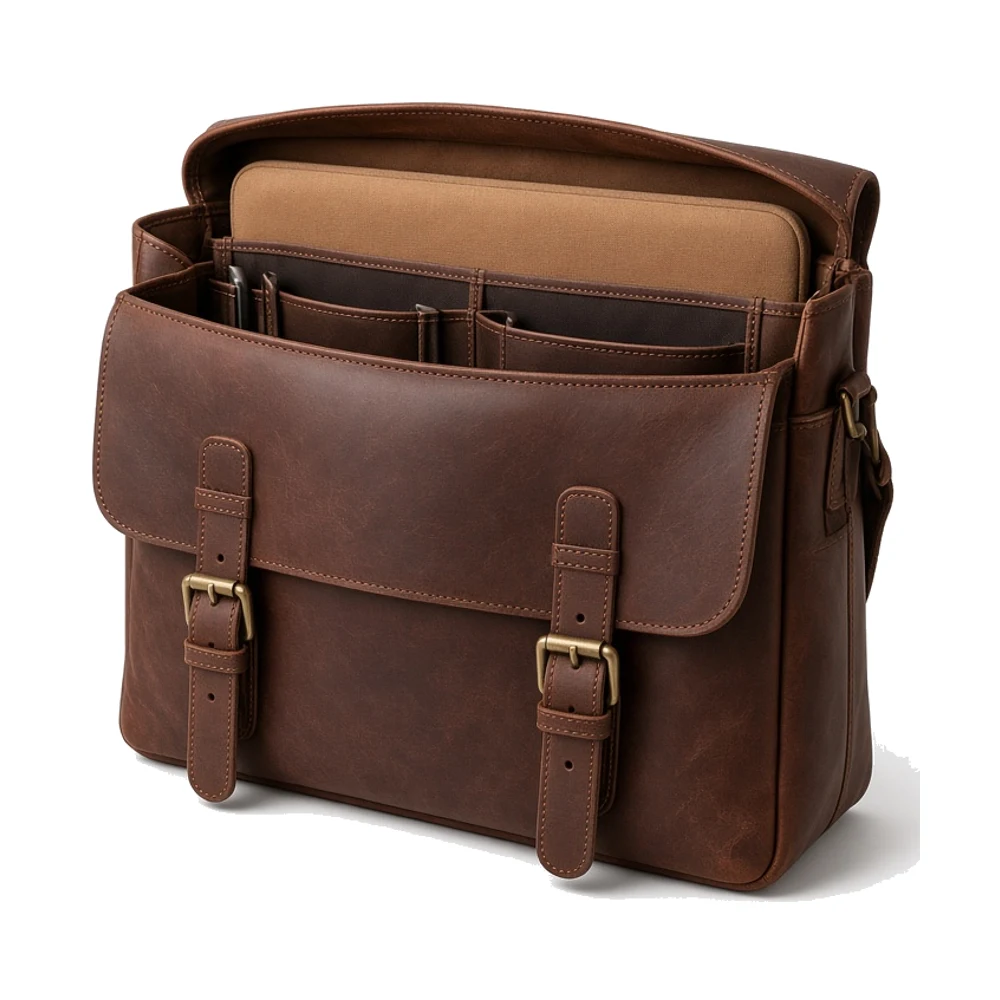
  • A brown leather messenger bag with the flap folded back, showing the padded laptop sleeve and the interior slip pockets

    Standard

    14 x 16 x 4 in
    • Fits laptops up to 15 inches.
    • Multiple organisation compartments.
    • The everyday and team order size.
    Quote the Standard Size
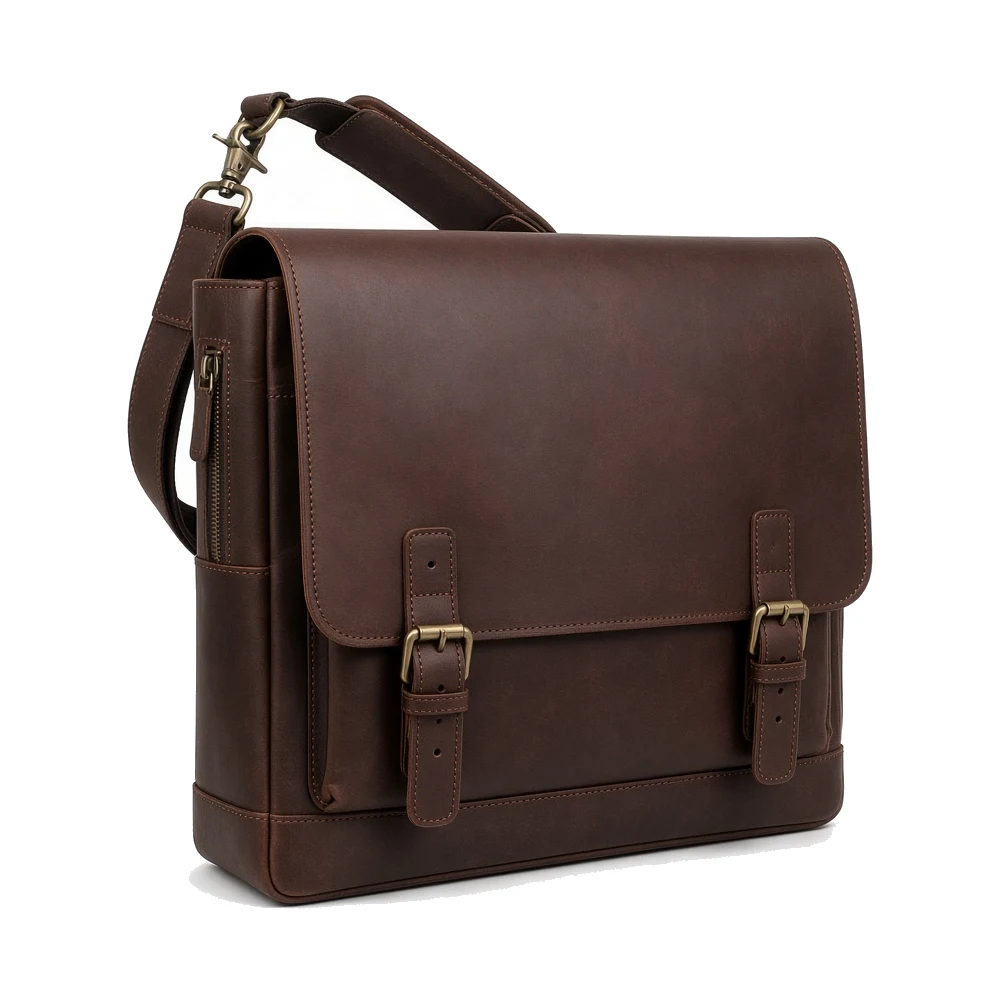
  • A large brown leather flap messenger bag with twin front buckles and a shoulder strap, showing its wide body

    Large

    16 x 20 x 5 in
    • Accommodates a 17-inch laptop.
    • Extra padding on the sleeve and the base.
    • The presentation and travel size.
    Spec the Large Cut

Spec to quote

Send the Device List. The Sleeve Comes Back Sized.

A messenger quote is worked off three things: the device the bag has to hold, the closure the brief wants, and who carries it.

Buyer accounts

The Second Order Is the Test

An events coordinator, a marketing director and a sustainability officer, on the messenger bag sleeve ladder, the mark and the recycled stock their runs turned on.

Michael RodriguezEvents Coordinator, Global Enterprises

Three laptop sizes, one order. The sleeve was cut per device, 17-inch on the Large and 15-inch on the Standard, matching the proof.

A full-size sample landed in seven days, and the three cuts ran at the hundred-piece floor.

Next season's order went back on the same pattern number, the sleeve spec unchanged.

Sarah JohnsonMarketing Director, TechSolutions Inc.

Embroidery ran twelve thread colours onto the flap, a textured mark where screen printing gives a single flat colour.

Placement was proved on the sample before the run was cut, and held piece to piece across the lot.

Daily carry across a season never dulled the mark.

Emma ChenSustainability Officer, GreenPath Co.

Recycled polyester from plastic bottles was the brief, not a preference, and it had to be documented, not merely described.

Water-based inks went onto the run, and the organic cotton canvas arrived with its certificate attached.

Across the season, nothing in the finish announced that the stock was recycled.

Messenger questions

Frequently Asked Questions About Custom Messenger Bags

The questions that come up on most messenger enquiries, answered where the figure already sits above.

How is the laptop sleeve set to a device, not to a size chart?

The device decides it, before the pattern is cut. A sleeve quoted as "fits a 15-inch laptop" is cut to a nominal screen size, and two 15-inch machines can differ by more than a centimetre in thickness once the lid and the feet are measured. So the sleeve is set against the exact models a run will carry, and the flap depth and the panel width are both cut from it. Moving the sleeve afterwards means a new pattern, not an adjustment.

Which part of a messenger bag decides the rest of the specification?

The closure, because it sets how the bag is opened and how much of the face is free. A flap over a zip, a flap over twin buckles and a flap over side-release buckles draw a different pattern, and stress the panel differently where the flap folds. The format picked in the grid above carries its closure with it, and the printed mark is planned around the fold, not across it.

Does the flap keep rain out of the opening?

A flap sheds water off its face, but the fold is where a messenger is weakest — rain that runs the flap gathers at the seam where it meets the body, and a flap that does not seat flat along that seam carries it into the opening. Keeping it out comes down to the stock the flap is cut from and how evenly it closes: the water-resistant nylon and the waxed canvas shed the rain, and a closure that pulls the whole edge down keeps the seam shut where a single centre buckle lets the corners lift.

Will a printed mark survive the fold of a flap?

It depends on the method, and the fold is exactly where a printed face fails first. A mark laid across a hinge line cracks as the flap is worked, so the four methods in the options band are placed clear of the fold, or chosen for a face that is not a hinge. Which of them suits a given flap is settled at the sample stage, on the worn sample and not on a flat proof.

Can the sleeve be re-specified for a second device after the first run?

Yes, and it is worth planning for. A sleeve is cut from the pattern, so it is re-specified by re-cutting the sleeve panel and not the whole bag — which means the outer format, the closure and the mark all stay exactly as they were between the two runs. Specify the sleeve as its own panel at the first brief and a later device change costs one panel, not a new pattern.

Can several formats in one launch share a single sleeve specification?

The sleeve, yes; the pattern, no. One sleeve standard across a range keeps the device fit identical whichever format a buyer picks, and it keeps the bags reading as one line. A format still carries its own pattern and closure, because a flap depth is set by the bag body — what is shared is the sleeve, not the cut.

Do the sleeve materials have to be named before the certifications are agreed?

The certificate is agreed against the brief, and the sleeve is the first thing a messenger brief names, so the stock is settled before a certification is. The plant runs to ISO 9001, with BSCI, OEKO-TEX 100, GRS and REACH available on request, and whether a given brief can be met against one of them is settled against the brief, never claimed in advance. Where a claim matters to a market — a recycled content figure, or a restricted-substance limit — the requirement is named at the quote and not after the run is cut, because it decides the stock the bag is made from.

Start a messenger run

Name the Device.
The Sleeve Is Cut to It.

The devices the bags have to hold, the closure you want and who carries them are enough to quote from, and enough to start.

Get a Quote