Titles, descriptions and categories are all searched.
↑↓ NavigateEnter OpenEsc Close
Production Process 500,000 Units a Month— Bulk Starts on a Signature, Not a Promise.
Runs fail quietly: a panel cut a millimetre wide, a batch stitched in a substitute thread, a carton sealed before the marking is read. None shows until the dock, where the fix costs a container. So the check is written where the part is made, and the fault stops there. Send the build, the quantity and the date; the sequence comes back named.
Nothing releases until the gate before it has signed off. Read any row across: what the floor does, what the buyer holds when it is done, what catches a fault. The checks are named because they make the sequence auditable.
01
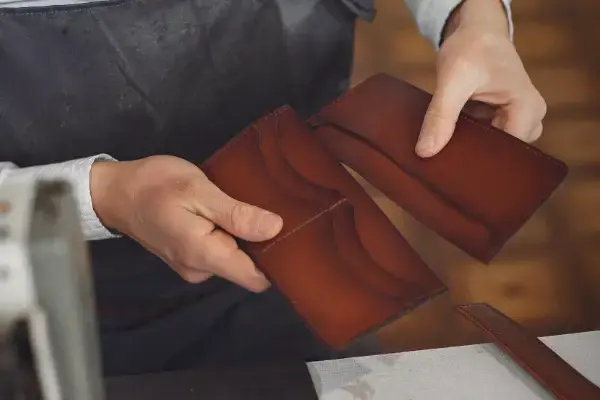
Material selection and sampling
Fabric, lining and hardware are proposed to the brief; the first sample is built on the bulk machines.
Closes with
A first physical sample and a signed material list
Caught here
Incoming fabric cleared to the tech pack before it reaches the table
Weight and hand of a roll compared with the approved standard
Colour matched on the approved swatch, not the screen
02
Development and approval
The second sample carries the revisions and runs the durability and water-resistance tests the design calls for.
Closes with
A tested second sample, approved in writing
Caught here
Second sample built in the bulk material and bulk colour
Wear and water-resistance tested on that run of the sample
Written approval logged before bulk cutting begins
03
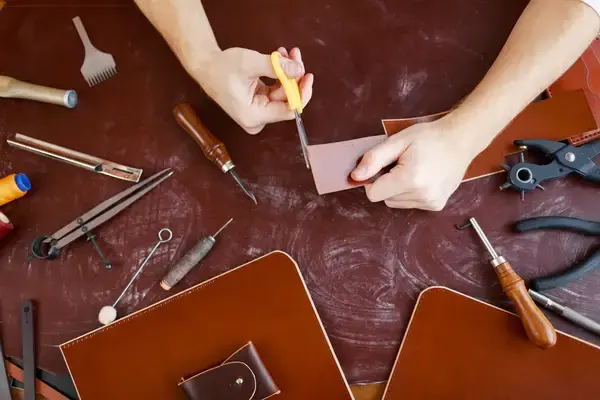
Cutting
The pattern is nested and cut — CNC table, laser or die — with the marker laid to waste first.
Closes with
Panels cut to the final template
Caught here
First bundle compared to the template before the line is released
Pieces from the first and last cut of the run set side by side
Bundle card stays with its stack, so a mis-pick surfaces before assembly
04
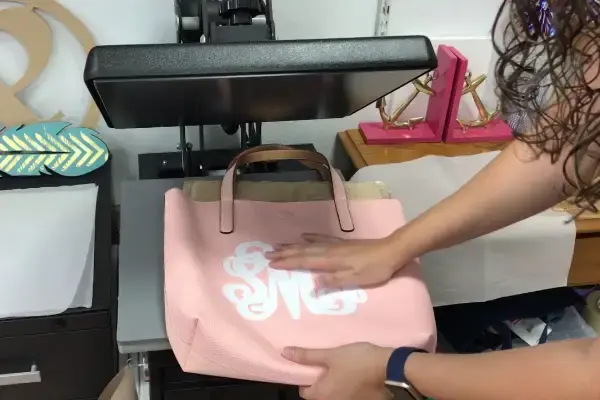
Printing and sewing
The mark goes on first — screen, digital or heat transfer — before seams run in the specified thread.
Closes with
Panels printed and stitched to the approved sample
Caught here
Print position registered to the sample before the batch runs
Stitch density held to the sample on straight run and bar-tack
Reinforcement added at strap and handle joins
05
Assembly and finishing
Panels, lining, hardware and fittings meet on the line; a finished bag is matched back to the approved sample.
Closes with
Finished bags with hardware and lining fitted
Caught here
Fit checked on a bag as it leaves the line
Hardware matched to the specified type, finish and size
Thread trimmed and the bag checked clean before inspection
06
Inspection and packing
A bag is drawn and inspected for material, workmanship, measurement and function, then packed to the plan.
Closes with
Inspected bags, packed to the shipping list
Caught here
Pre-shipment draw to AQL 2.5 majors, 4.0 minors
Zip, clasp and buckle cycled on the sample bag from the draw
Carton labels verified to the packing list before sealing
What is signed, and when
The Paper Trail, Signed and Released
A gate is only as good as the document that records it. The ledger below names the document written at a gate, whose signature releases it, and what comes next — paper a buyer can hold the floor to.
DocumentSigned byReleases
01Approved material listBuyerRelease to sampling — the first sample is built to this list
02Signed second sampleBuyer, on the physical pieceRelease to bulk — no panel is cut before this exists
03Pattern and marker recordPlant QC leadRelease to print and sew — the approved file governs the run
04Seam and print approved samplePlant QC lead, matched to the signed sampleRelease to assembly — a drifting seam is stopped at the bundle
05Final bag proofed to the approved sampleLine QC, checked bag by bagRelease to inspection — a bag with a mismatched hardware fit is held
06Inspection report and packing listInspector and packer, countersignedRelease to ship — the carton is sealed to a signed list
Opening a run
Proved at the Sample, Held to the Date
A production date is worth having only if it survives the sample. The terms below are settled before the first bundle moves, so the window on the purchase order is one the floor has already planned around.
Order floor100 pieces, one style
Priced as a single run.
A second style is quoted as its own run.
First sample7 days after approval
Counted once the material list is fixed.
A physical piece, before bulk opens.
Bulk window15–30 days after approval
Runs off the approved second sample.
Covers cutting, print, sew, finish and inspect.
Sampling feeits own line, credited on bulk
Quoted with the first sample.
Deducted from the production invoice once the run is placed.
Why it holds
One Floor, One Schedule
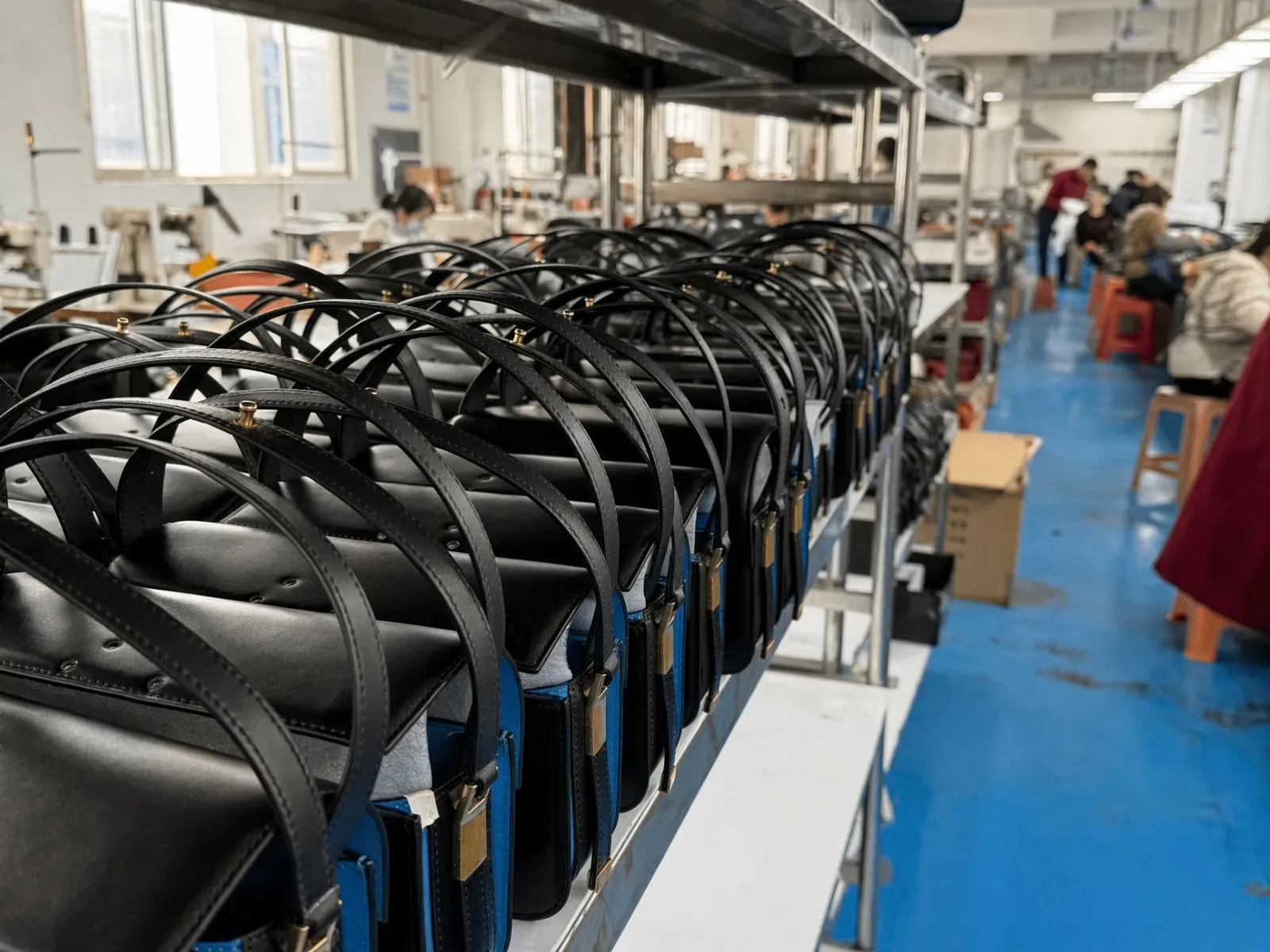
A sequence is only as strong as the floor underneath it. The figures below are why a gate here can be fixed where it happens instead of blamed across a supply chain.
20lines
Nothing is sent out
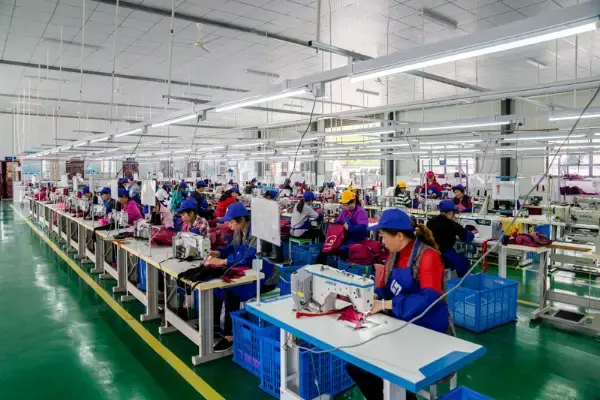
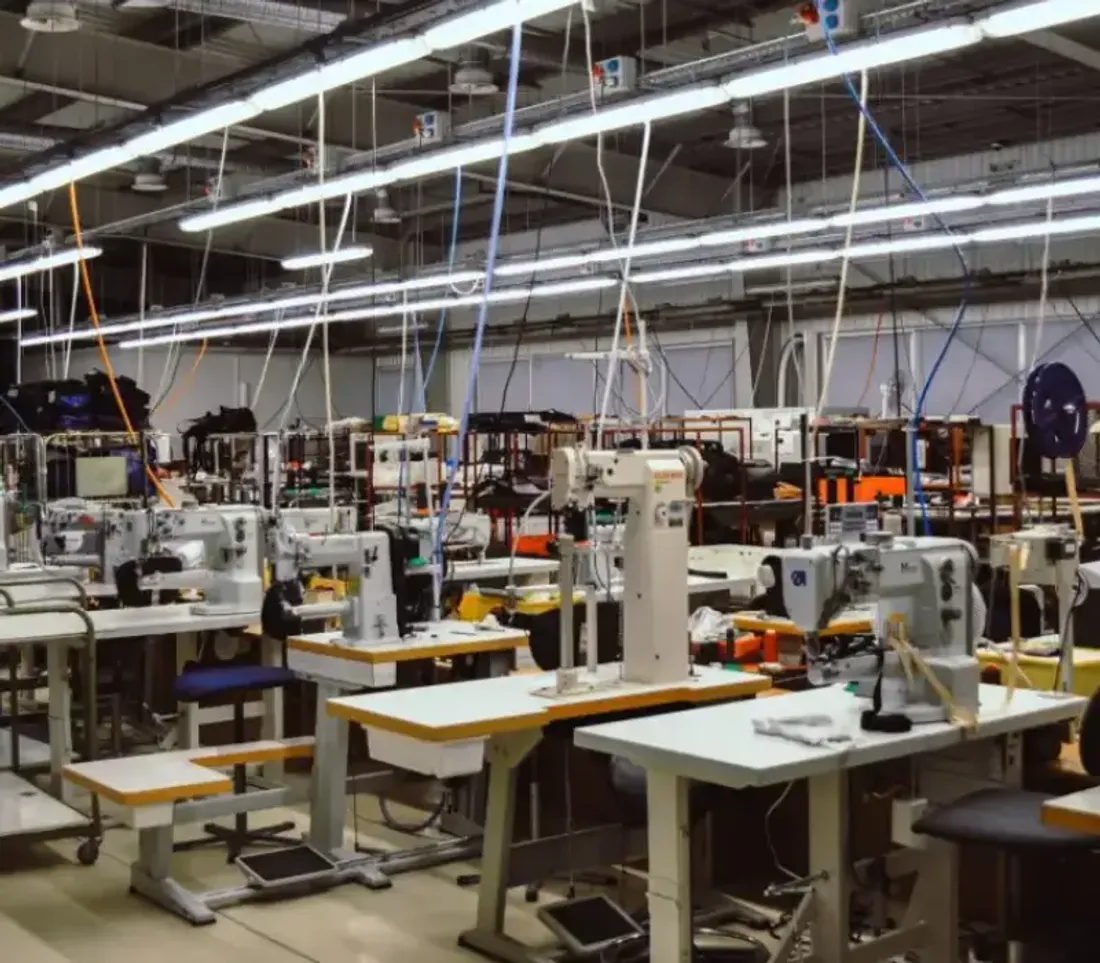
Cutting, printing, stitching, assembly and inspection run on the same twenty lines. A fault is worked on the floor that is holding the panels.
50,000m²
A gate and its neighbour, one roof
The floor area is what lets a gate and its neighbour share a schedule. There is no truck between printing and assembly to lose a day or a bundle.
500+on the floor
Room for a second build
The headcount is spread across the twenty lines, so a second style does not wait for the first to clear the floor. Its own slot opens while the other run is still moving.
Sequence to date
Name the Build. The Window Comes Back.
One floor holds the whole sequence, so a date comes back as a schedule, not an estimate — planned onto the lines that carry it.
Frequently Asked Questions About Production Process
The questions that come up once a run is open, answered where their terms already sit above.
The signed sample passed — what keeps the bulk run identical to it?
The signed sample itself. It stays on the floor for the run, and the gates after approval are measured to the physical piece, not a drawing — the cut to the pattern, the stitch to the stitched sample, the finished bag to the piece that was passed. Drift shows up as a difference on the table, not as a complaint after the cartons land.
A fault shows up after a gate has closed — does the whole run stop?
It is worked at the gate that produced it, not carried forward and patched downstream. A fault caught in assembly traces back to the bundle that carried it — the cut, the seam or the hardware pick — and only that bundle is held while the rest of the run keeps moving. That is the difference between correcting a batch and stopping a delivery.
I need a change after the sample is signed — how late can it still go in?
Up to the gate that would have to be re-opened. A material change stops at the approved material list; a structure change stops at the signed sample; a marking change stops before the print batch runs. Past those points the change is a new build with its own sample, because a change made after the gate has no standard left to test it.
Is a reorder the same build, or does it start from a new brief?
The same build. The pattern, the print plates, the thread and hardware specification and the lined-in sample are held to the style, so a repeat opens on what was approved, not on a fresh brief. The gates remain, but the development gate is already satisfied — the first delivery proved it.
The PO is placed — how much of the run do I actually see?
The whole floor, through one person. The contact who took the brief works the same building as the lines, so a question about a single bundle is answered by walking to it instead of ringing an agent or a sister company. Nothing in the run is invisible from where that person stands.
Two styles in one order — does the second queue behind the first?
No. A style keeps its own pattern, print plate and tooling, and it also takes its own slot on the line, priced and scheduled apart from the rest. What does not split is the oversight: the project contact runs the styles on one calendar so cutting and packing land together.
What does the carton carry when it lands?
The bags packed to the agreed packing list, in the agreed sleeve, fold and divider, with the carton labelled to that list. The inspection report written at the last gate travels with it, so a discrepancy on arrival is matched to a document, not to memory.
Open the sequence
Send the Build. The Gates Are Ready.
A brief that names the style, the quantity and the date gets a sequence back — the sample window, the bulk window and the gate the run opens on, stated before the first bundle moves.