3–5 L
Kids and compact
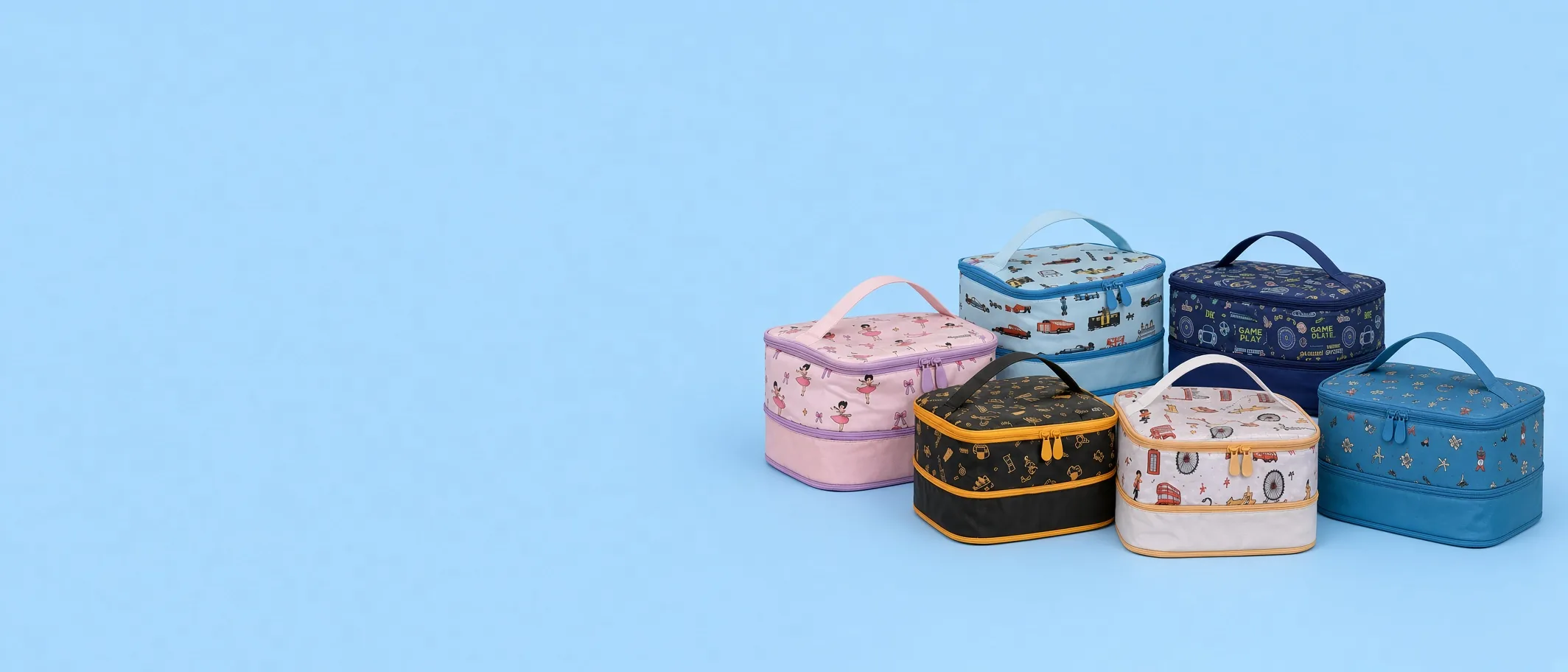
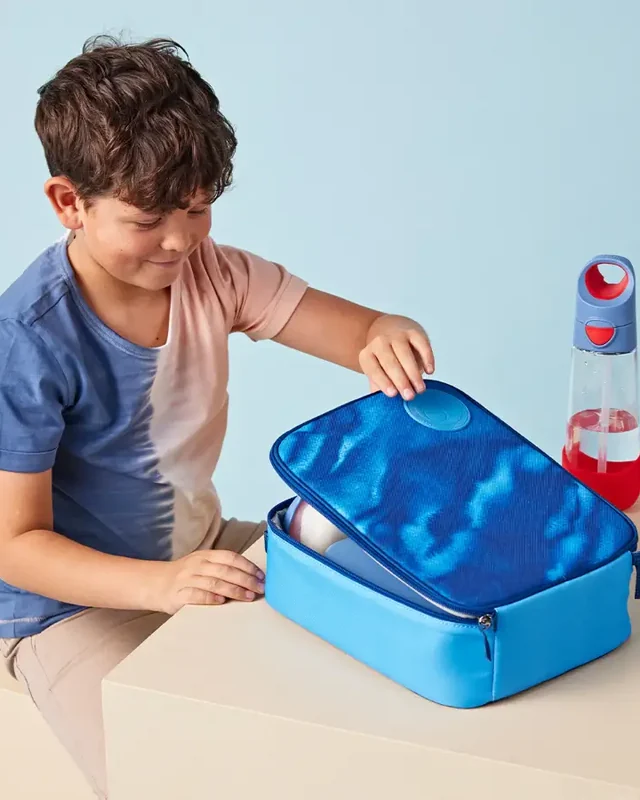
A lunch box and a bottle. All-over print on polyester, a carry handle, a name pocket. The highest reorder rate of any tier — a design is outgrown inside a school year.

The lining, the insulation core and the walls around them are specified to the hold time a brief asks for, not to a thickness picked off a shelf. Send the format, the capacity and how the bag is carried — back comes the build to those, a sample measured in a 23 °C room with the centre probe read at 15-minute intervals, and the pre-production unit before the run is released, at a 100-piece minimum.
Lunch bag types
The shapes this floor builds most, each cut to its own pattern and not scaled from another. A format that is not here is still workable — the pattern is drafted to a sketch or a reference bag the same way.
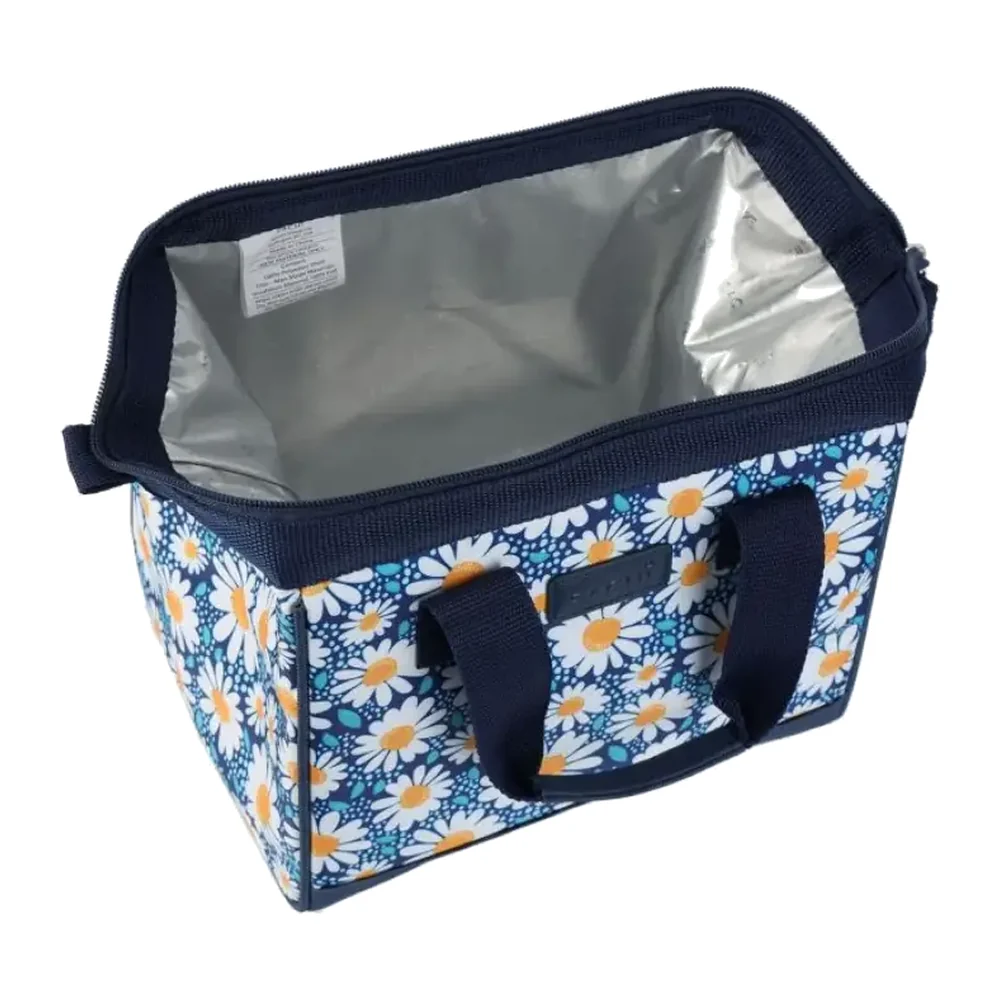
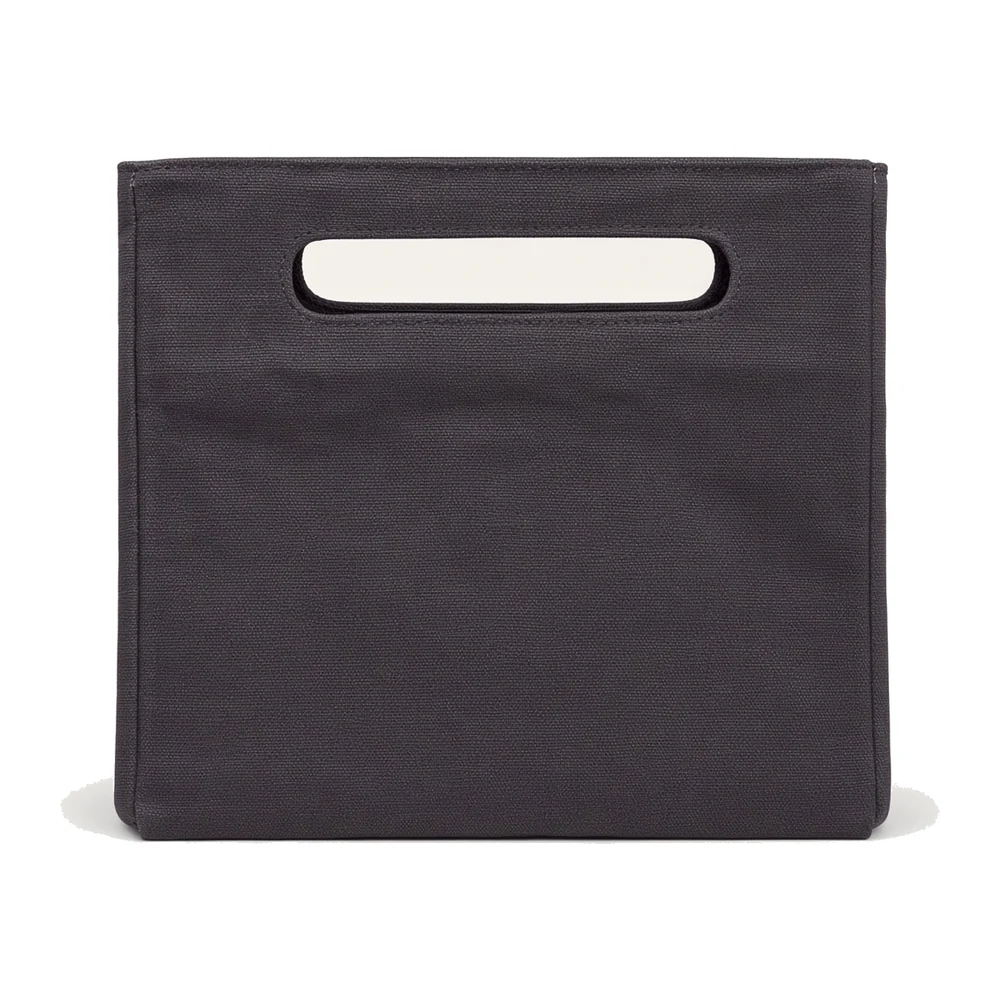
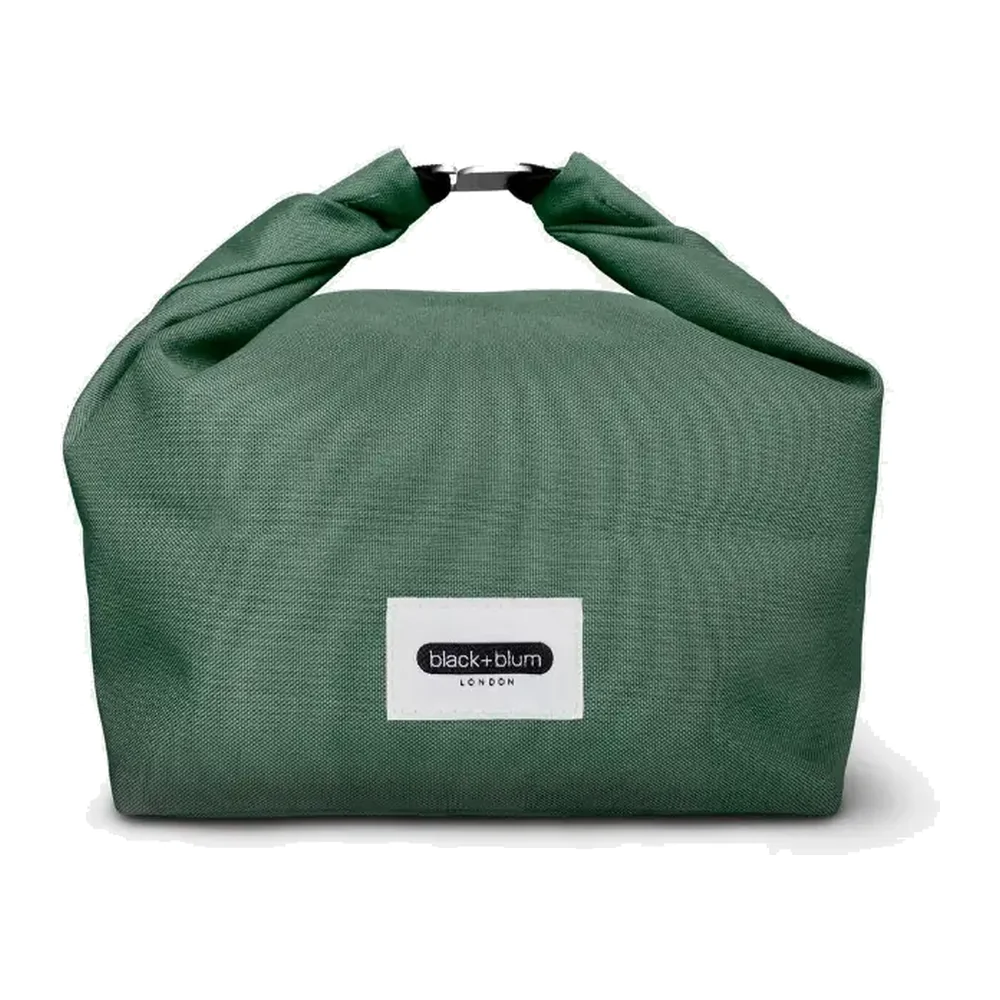
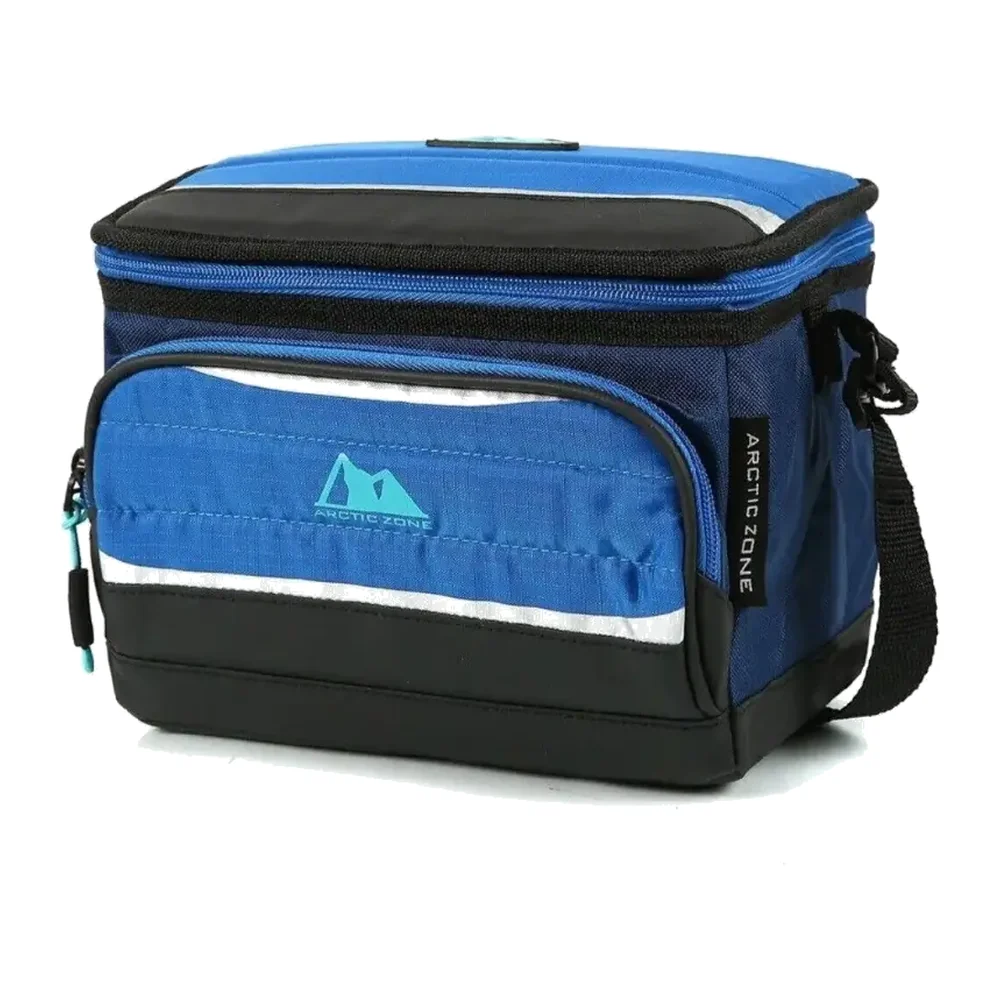
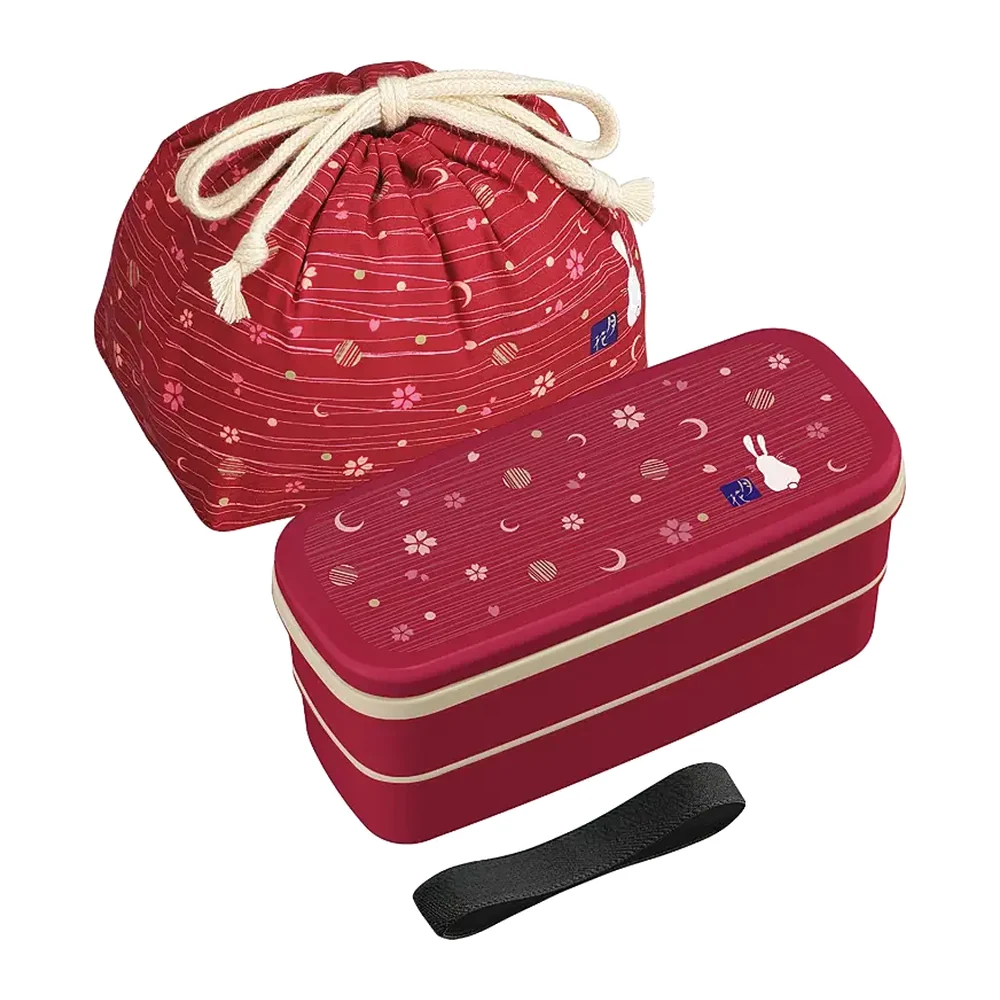
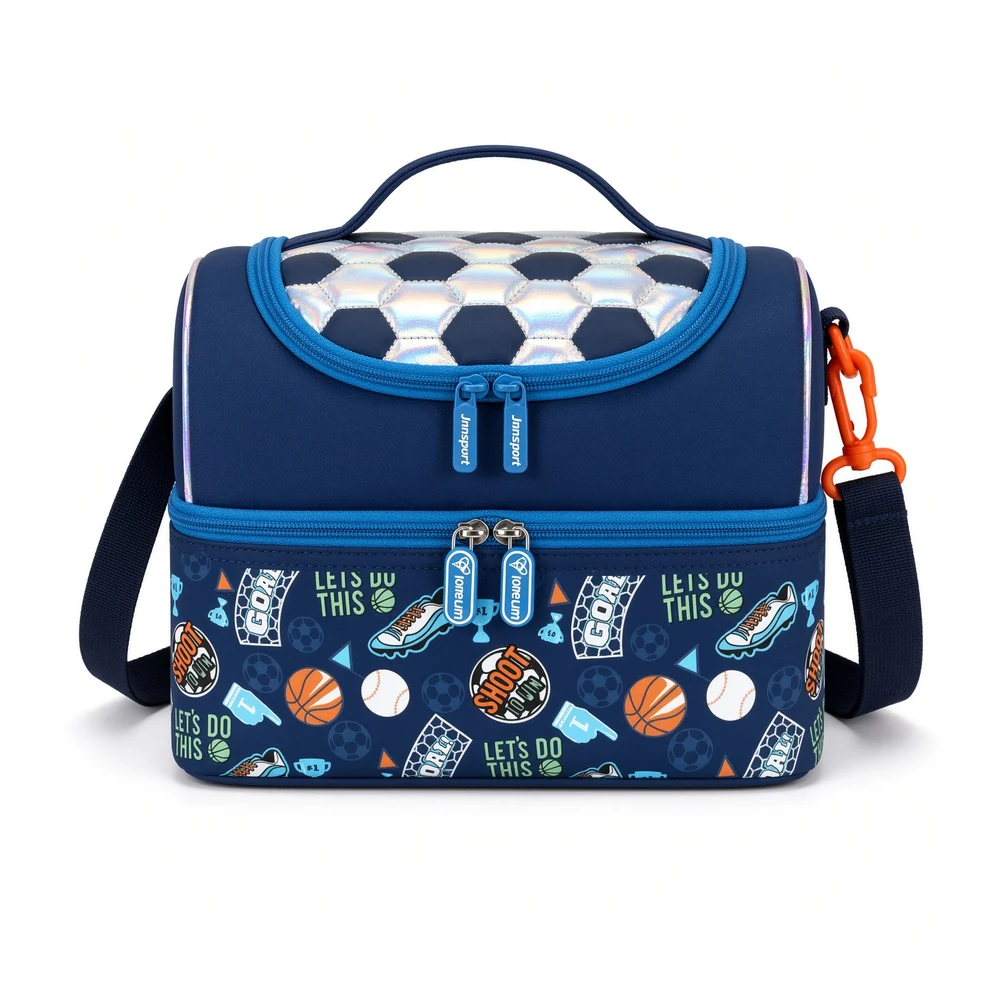
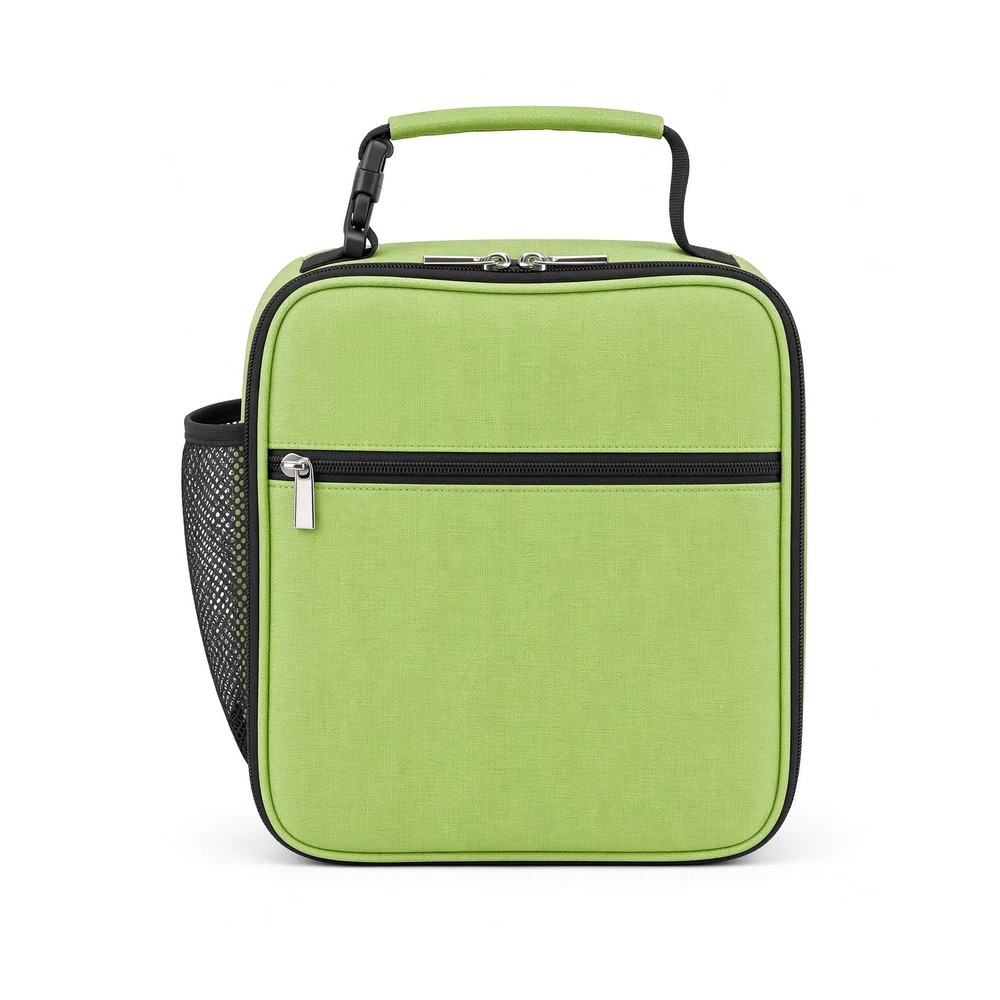
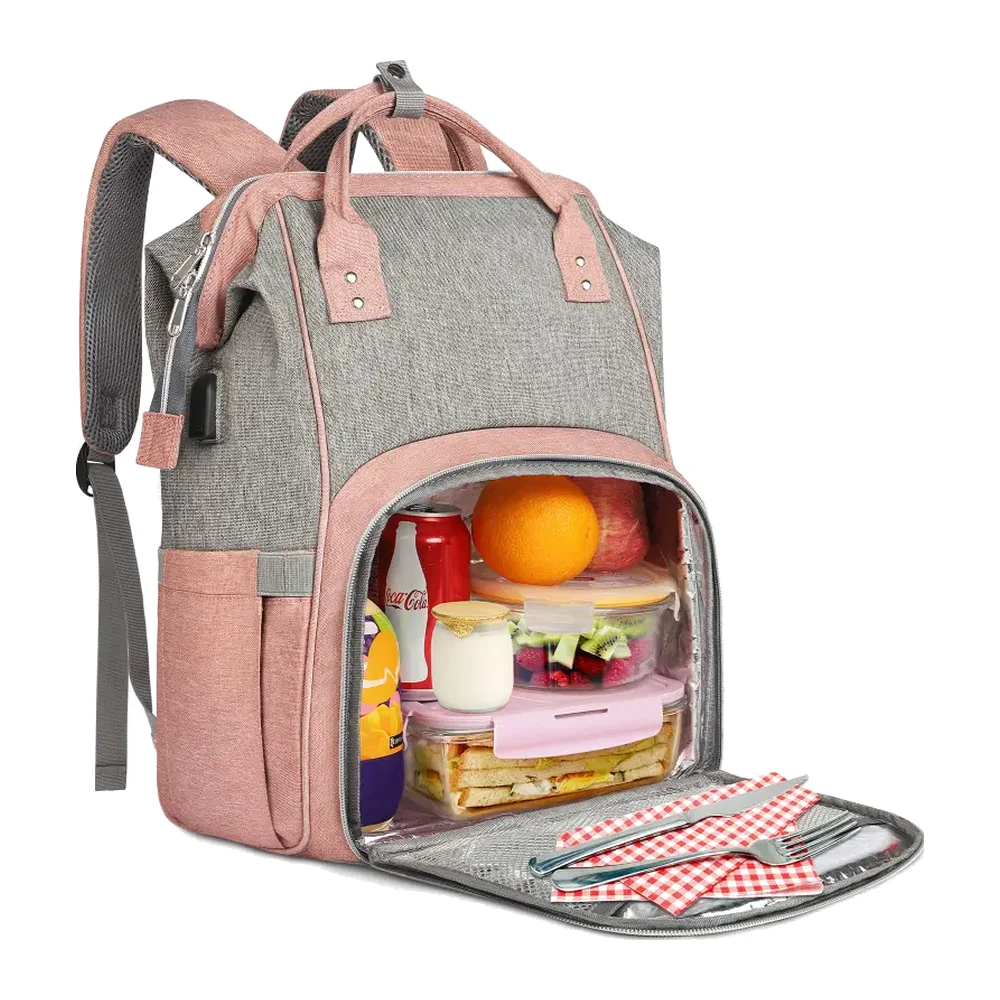
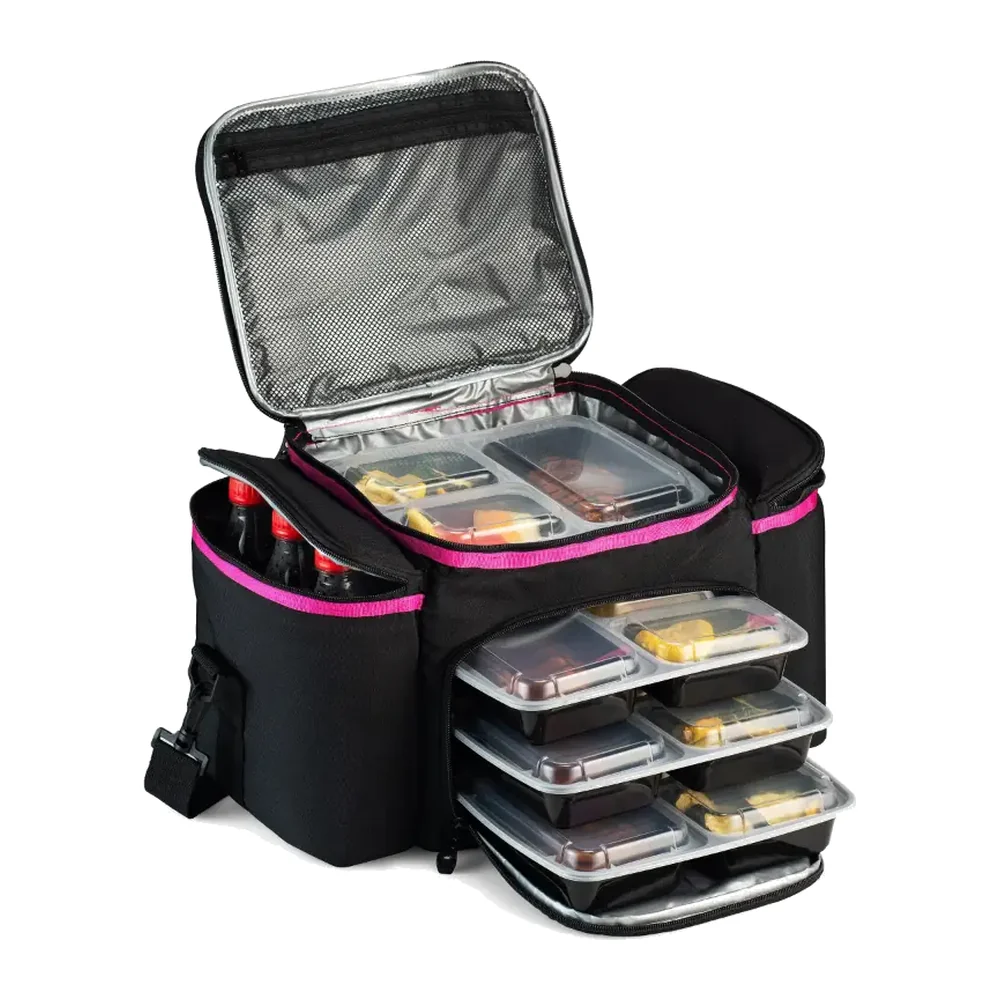
The band is worth picking before the core. No lunch bag carries the coldest wall and the most room at once — thickness takes bulk, weight and compartment space — so the format a run ships in is what caps the thickness it can take.
3–5 L
A lunch box and a bottle. All-over print on polyester, a carry handle, a name pocket. The highest reorder rate of any tier — a design is outgrown inside a school year.
6–10 L
Two or three meal containers, a drink and snacks. The highest-volume tier in the category, and the build most corporate programmes buy.
10–15 L
Portioned containers, an ice-pack sleeve, a supplement pocket. Sold on the compartment layout as much as on the hold time.
12–25 L
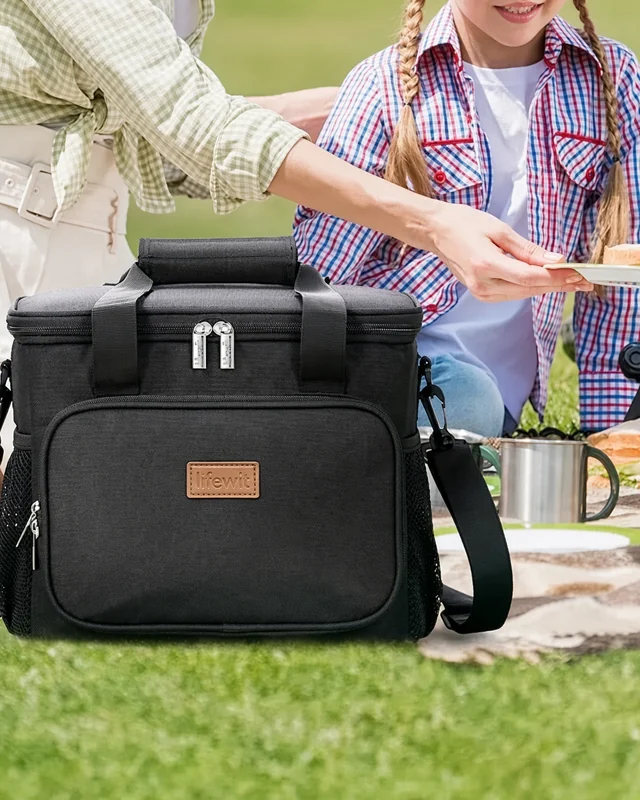
Food and drink for a small group, picnics and day trips. Demand is seasonal, so the run is planned around it.
What the bag is
A lunch bag is the one category where the inside is the product. Four layers sit between the meal and the room, and each is chosen for a different job — which is why a brief that has named a format has said very little about the bag yet.
300D–600D polyester · 210D–1680D nylon · 600D–900D Oxford · 12–16oz canvas · organic cotton · neoprene · PVC-free TPU
EPE foam 3 / 5 / 8 mm · EVA foam · PE foam and foil composite
PEVA · food-grade aluminium foil · TPU-laminated film
EVA board · PP panel · foldable panel
The hold time
A retention claim without its conditions is not a specification. What follows is the envelope a lunch bag build is measured against — a chilled load in a 23 °C room, the centre probe read at 15-minute intervals, and the temperature it has to stay under at each checkpoint.
| Checkpoint | What the probe is reading | The limit |
|---|---|---|
| 0 h | Baseline, taken with the lid closed and the load already in | ≤ 5.0 °C |
| 2 h | First check, lid unopened since the baseline | ≤ 8.0 °C |
| 4 h | Mid-point, across a normal working morning | ≤ 12.0 °C |
| 6 h | Final check, at the end of the retention window | ≤ 15.0 °C |
Fittings and hardware
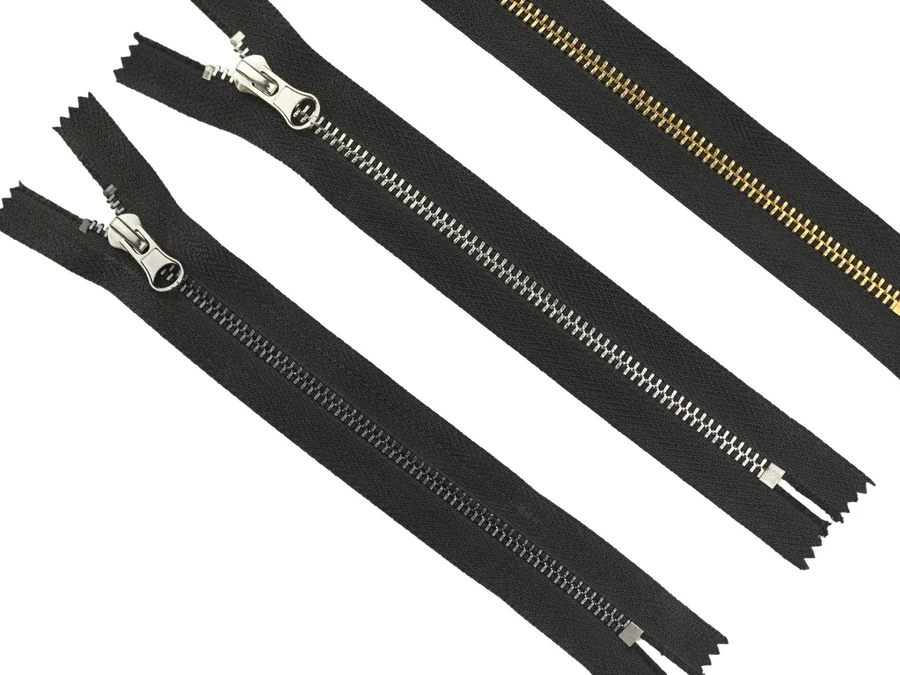
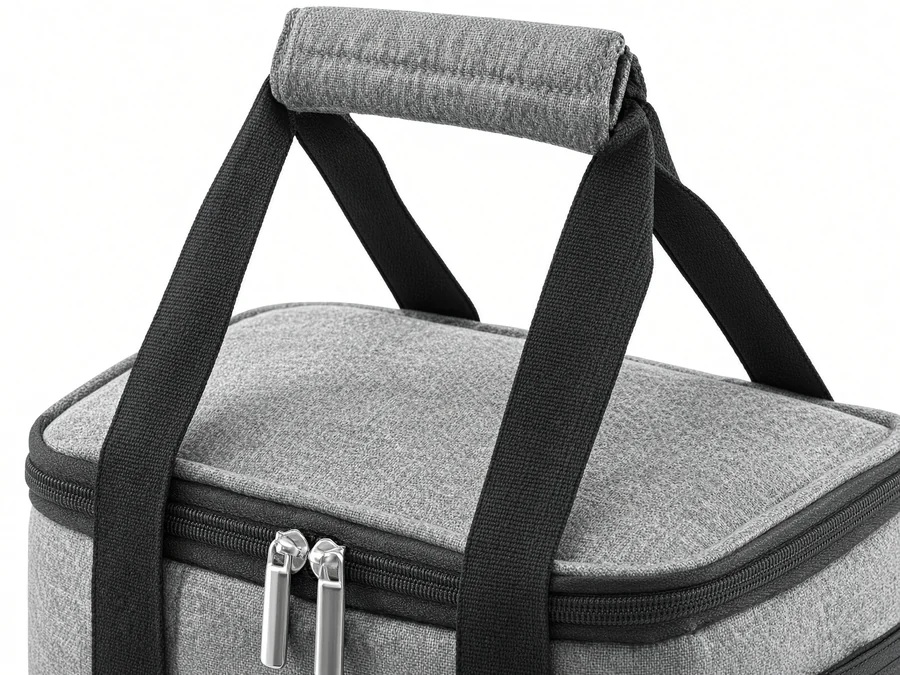
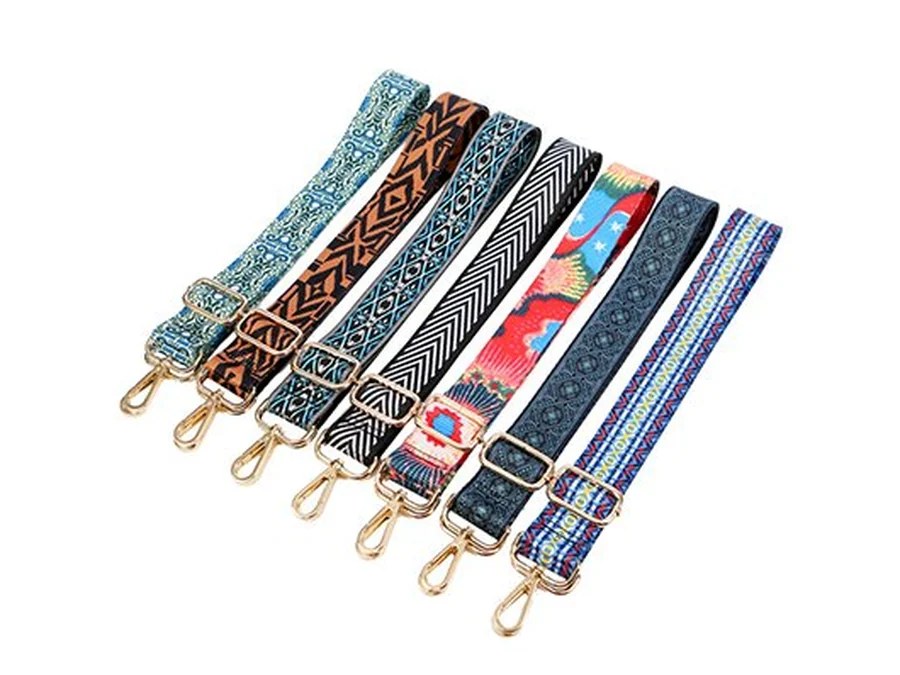
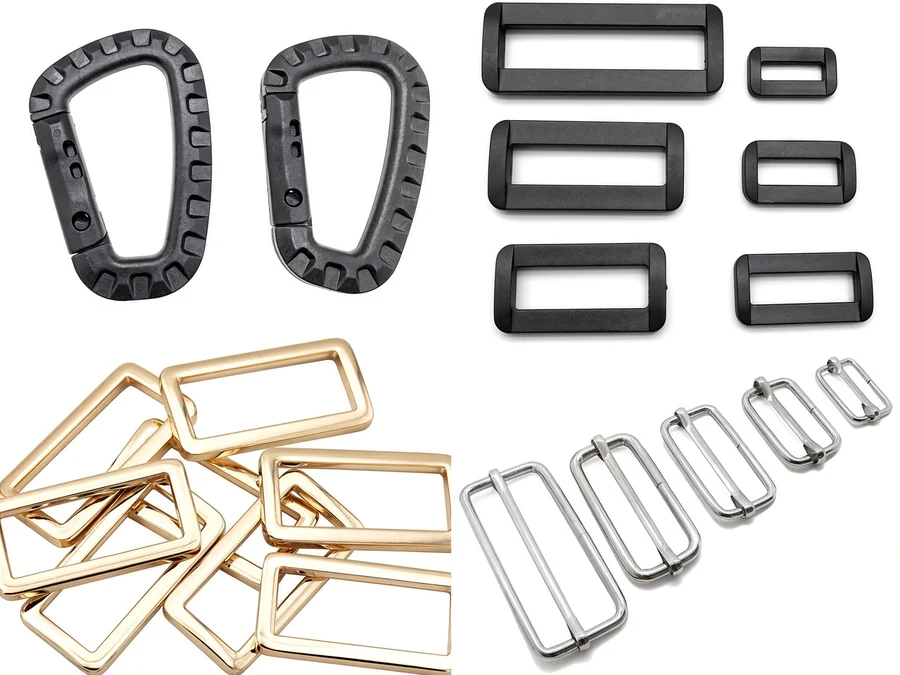
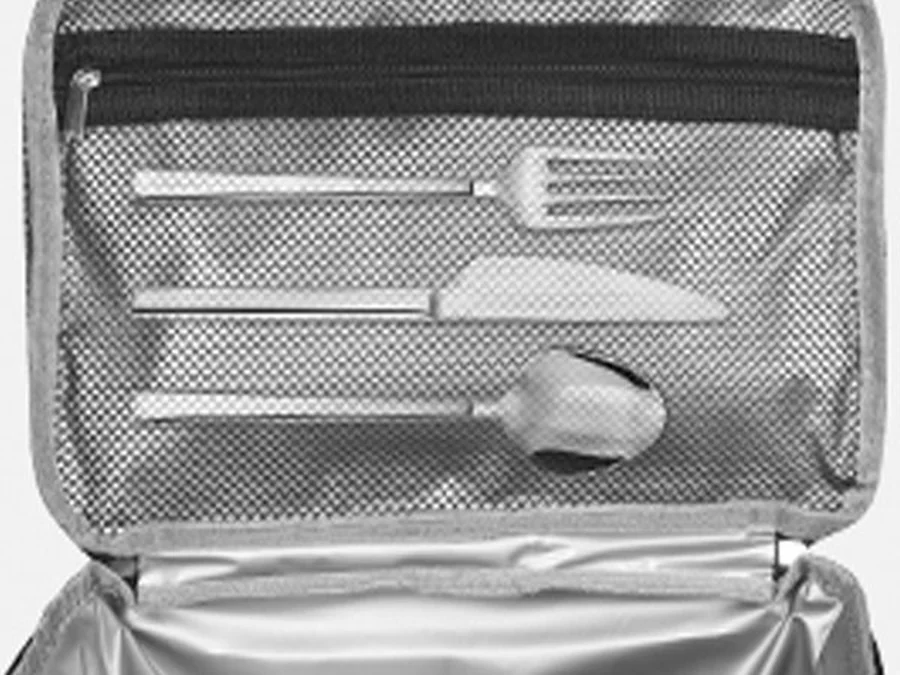
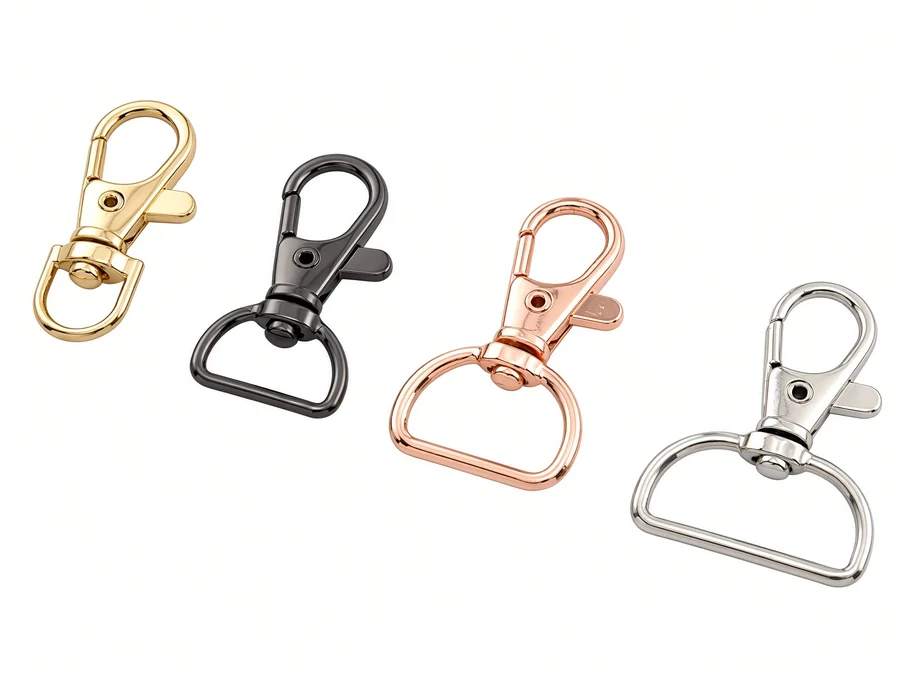
The liner and the core decide how long a lunch bag holds. The fittings decide how it carries, and they are what a brief regularly moves late — after the pattern is drawn and the sample is signed. The parts below are the ones a buyer can name.
Credentials, on file
Four credentials held at the facility, renewed through an audit rather than issued per order.
 OEKO-TEX 100The shell, the webbing and the thread tested for the substances a lunch bag sits against.
 ISO 9001:2015Audited at facility level, with the liner’s leak check written into the procedure.
 BSCILabour conditions, working hours and floor safety, inspected to the amfori code.
 GRSThe recycled share of a shell, traced to the finished bag.
Recycled shell
A recycled shell on a lunch bag is a document trail, not a shade. Under the GRS it holds when the yarn lot, the mill record and the shipment trace back one to the next, and it is the shipment certificate — not the fibre story — a retailer ends up reading.
After-sales
A lunch bag run is judged after the cartons land, not at the loading dock. These are the terms that hold once the invoice is settled, and who answers for them.

A brief that moves after the sample — a pocket, a name window, a colourway — is a change order, not a renegotiation.
What the lining and the core each need to keep holding a temperature, so a buyer knows how the bag is meant to be cleaned before the first one comes back.
A unit that arrives wrong or fails in ordinary use is built again, and a longer cover can be written into the order for a run that has to hold up through a season or a warranty of its own.
A request is tracked from the moment it lands, so the answer comes back with a status rather than a promise to look into it.
Spec to quote
A quote is worth having only when it names the build: the core, the lining and the hold time, settled before a price is written, not after.
Buyer accounts
Two programmes, on what a lunch bag had to clear before it was filled: a recycled-shell office bag bound for a daily wipe-down, and a corporate run where the core had to carry a two-day event with no refrigeration on site.
 Rachel D.Owner of Eco Essentials
First order: 100 pieces of a recycled-shell office bag, the mark screen-printed on the front panel. Seven days on, the sample returned in the bulk cloth, not a substitute.
Shipped on the 6–10 L office format: two or three meal containers, an ice-pack sleeve, and a daily wipe-down.
Reorder came back on the same pattern, one colourway swapped across the 100. Nothing from the first run needed replacing, which was the liner’s doing — the same film grade through a year of daily wipes.
 James P.Marketing Manager at BrightWorks Inc.
500 pieces for a corporate run, one colourway, the company mark embroidered on the lid. Artwork on the panel changed after the sample had already been signed.
Taking the core to 8 mm against the 5 mm the brief opened on kept a two-day event with no refrigeration on site inside the six-hour window.
That change cost one lid run and nothing else, cut into the existing pattern. All 500 shipped inspected against the signed sample.
In use
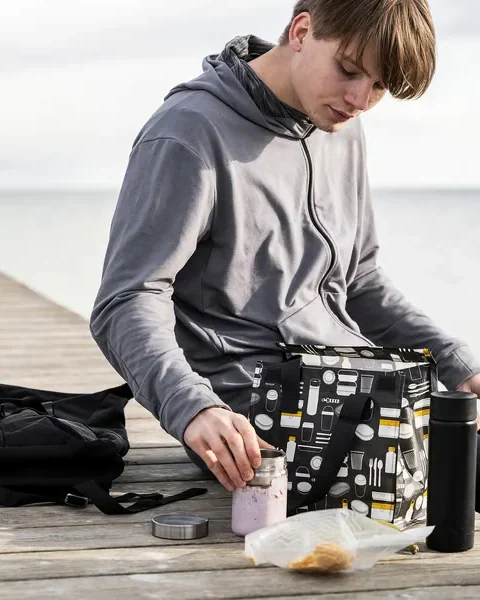
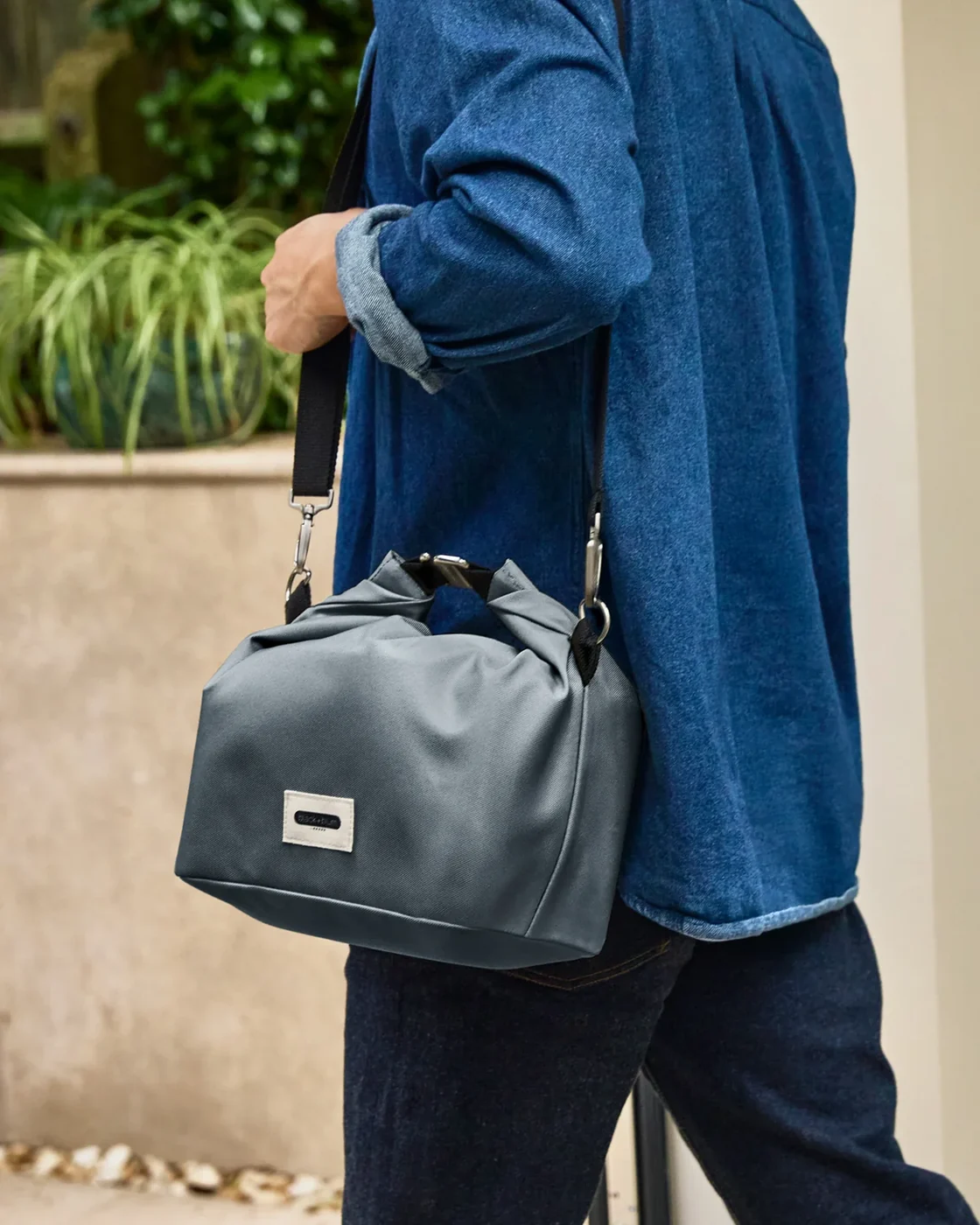
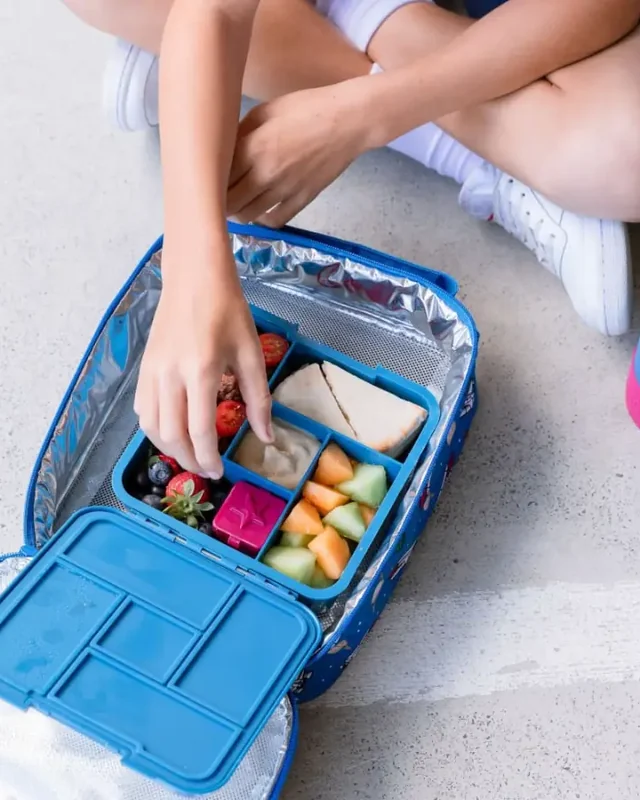
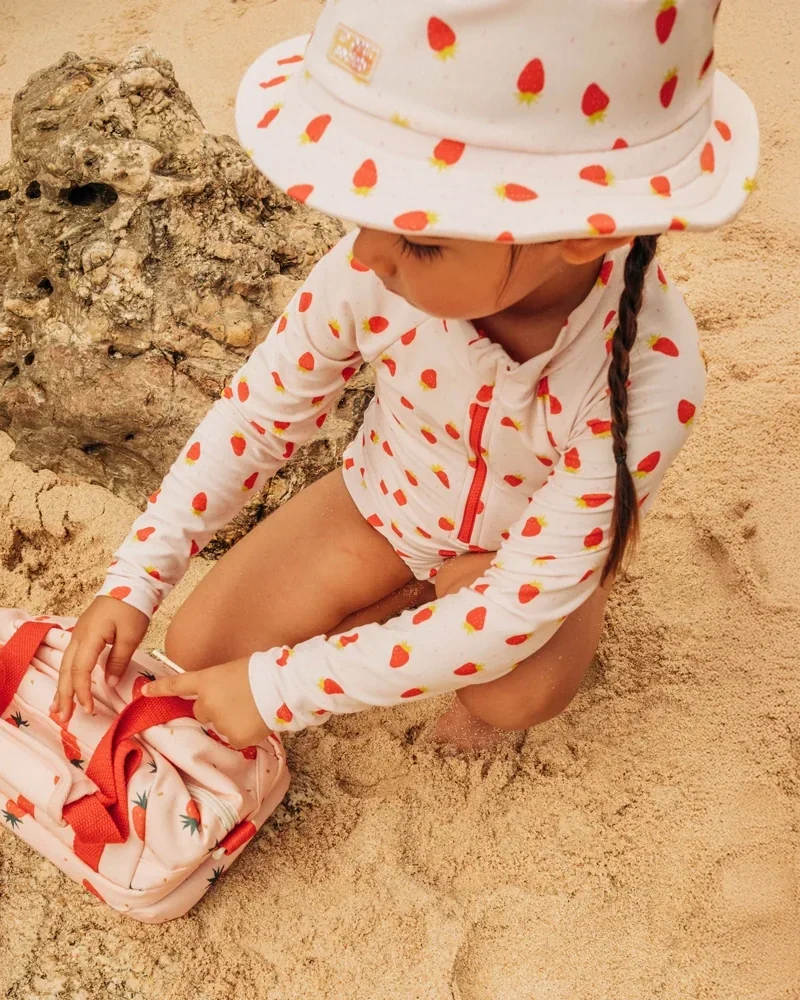
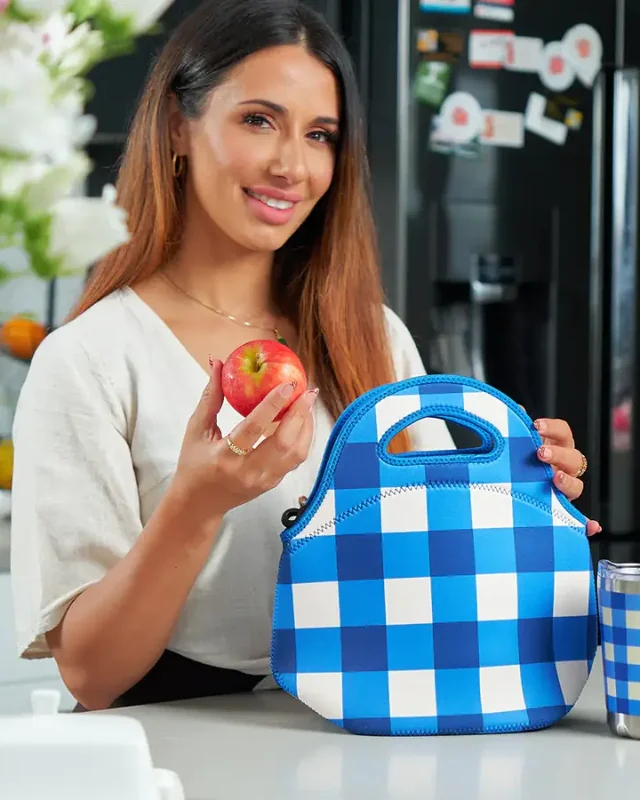
Carried on a shoulder, packed at a bench, opened on a beach, laid out for a school lunch — the same construction, photographed where the lunch bag is actually used.
Drag or scroll sideways
Lunch bag questions
The questions that come up on most insulated lunch bag enquiries. Where a figure already sits in a section above, the answer points at it, so no number is published twice.
Where the bag is going stops it, not how much cold it could hold. Thickness costs bulk, weight and compartment room, which is the wrong trade on a bag that has to lift into a work bag or a school bag. A short commute and a lunch eaten at midday does not need the wall a two-day event does. The thickness range and what each option is for are set out in the retention section above, and the choice is settled at the sample, against the load the brief names.
The liner is bought against food-contact limits, not to a colour, and which limits apply follows the market the bag is sold into. What a retailer or a customs officer ends up asking for is the report tied to the film lot that went into the run — not a general statement that the material is food-grade, and not a factory certificate, which covers the operation and the textile and says nothing about the film. A brief spanning two markets is built to the stricter of the two.
Because a freshly welded or laminated film can hold solvent for weeks, and a sealed polybag inside a sealed carton gives it nowhere to go. It is also the one failure a final inspection cannot catch, since nothing on the bag has failed — the smell is the first thing a buyer meets and the last thing checked. Liner lots are smelled on arrival and not at packing, and bags air before they are pouched.
The shell decides it, not the artwork. A polyester kids’ carrier usually takes all-over sublimation, because the print goes into the fibre and survives the wipe a family gives it. A flat panel on Oxford or canvas takes a screen print, which sits on the surface and is the one to watch around a fold or across a join — that is where it lifts. A heat transfer holds photographic detail and is the method most often chosen on appearance alone, so its adhesion is checked after a wipe, not only at delivery.
A chilled load in a warm room makes the outer the coldest surface in it, and a bare non-woven shell will show condensation where it meets the air — that is the damp patch a bag leaves on a desk or inside a backpack. It is controlled at the shell: a coated or laminated outer sheds the moisture instead of holding it, and a brief that expects the bag to sit in a warm office should specify one. The inner film does a different job. It keeps the food off the foam and does nothing for the face that touches the air.
A microwave, no. A foil liner reflects the field and an EPE or EVA core takes no heat either way — a lunch bag is built to hold a temperature, not to raise one, and a brief that needs a reheated meal is asking for a different build. A freezer is the easy direction: the film and the core are already specified for a chilled load, which is the condition the retention envelope is written around. Whichever way the brief goes, the liner is where it is settled, at the sample.
Start an insulated run
A run is signed off against the protocol, not the price list: the core thickness, the lining and the retention envelope the units will be measured against, with a pre-production unit inside seven days. What holds the build to those is what the contract is written on.
