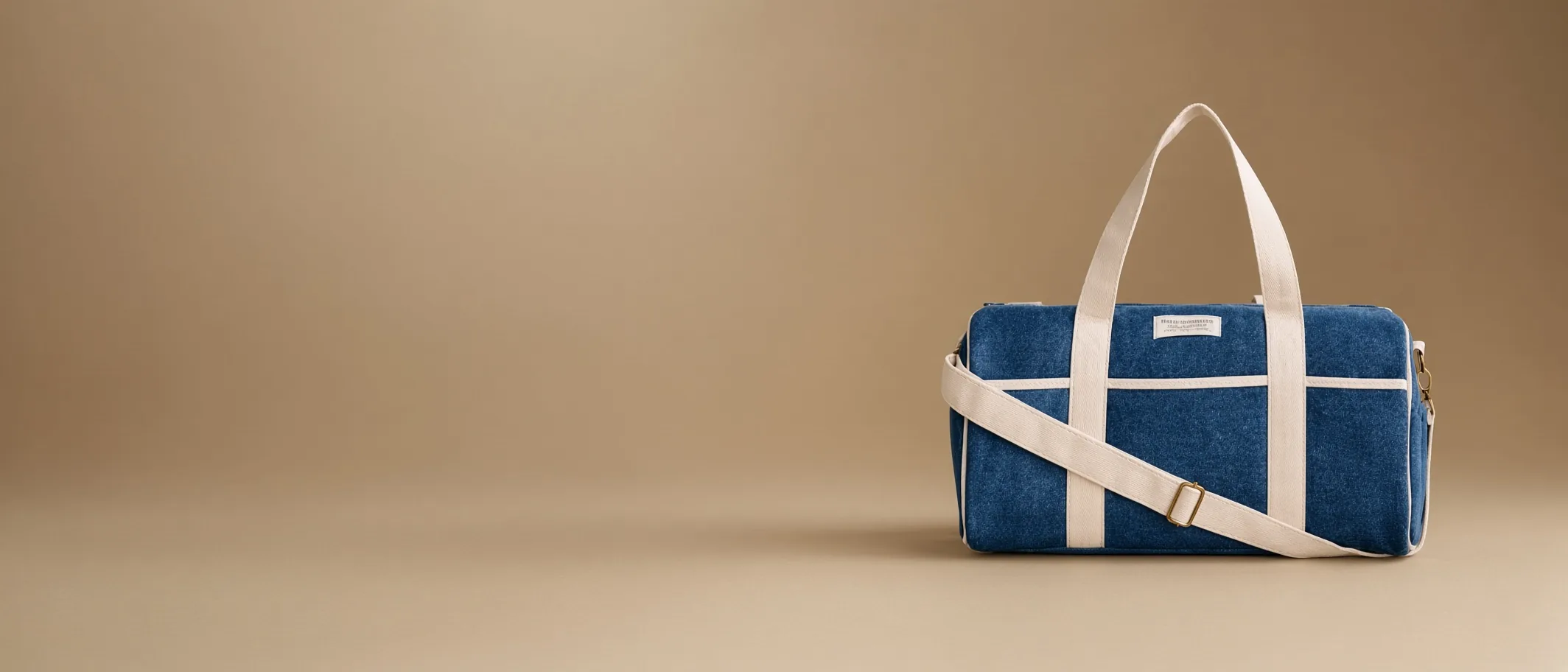
A finished duffel-style bowling bag in blue denim with cream webbing handles and a shoulder strap, on a warm tan studio ground
Point Load · Spread by the Board

Custom Bowling Bag Manufacturer No Flat Face — 16 lb Wants a Formed Cradle.

The ball does not settle into a pocket the way soft kit does. It rolls against whatever holds it: the well it sits in has to be formed to its curve, the shelf under it has to take its whole weight at one point, and the shoe zone beside it has to keep both apart. Send the ball count, the carry type and the shell — the cradle, the base board and the marking come back on a physical sample.

  • 21.6 cmball diameter the well is cut to
  • 3-pointring, board and base seam
  • 1–3ball counts run

The builds

The Ball Count and the Carry Cut the Build

A bowling range is cut along two lines at once: how many balls the bag has to hold, and how the bowler moves it. The well, the shoe zone and the mark position all follow from those two, which is why they are the first questions a run is quoted on.

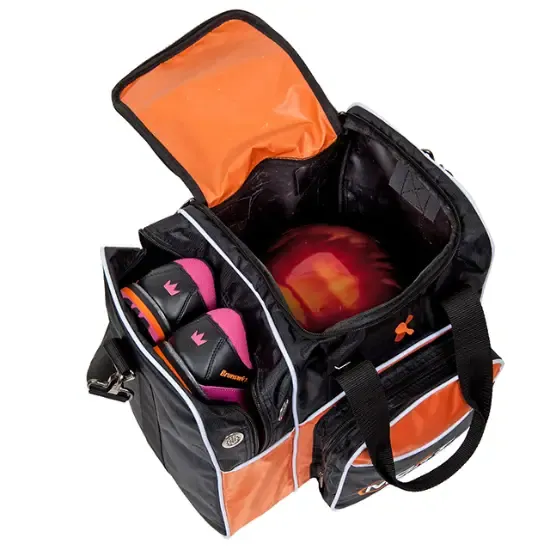
  • An open bowling bag in black and orange with a single ball sitting in its well and a pair of shoes held in a side compartment

    Single Ball Bags

    • The entry bowling bag — one ball and one shoe zone in a body short enough to swing one-handed.
    • Built for a junior or casual bowler — a new range is usually quoted on this build first.
    • Light enough for a single shoulder strap, leaving the top panel clear for a full-width mark.
    • The entry bowling bag — one ball and one shoe zone in a body short enough to swing one-handed.
    • Built for a junior or casual bowler — a new range is usually quoted on this build first.
    • Light enough for a single shoulder strap, leaving the top panel clear for a full-width mark.
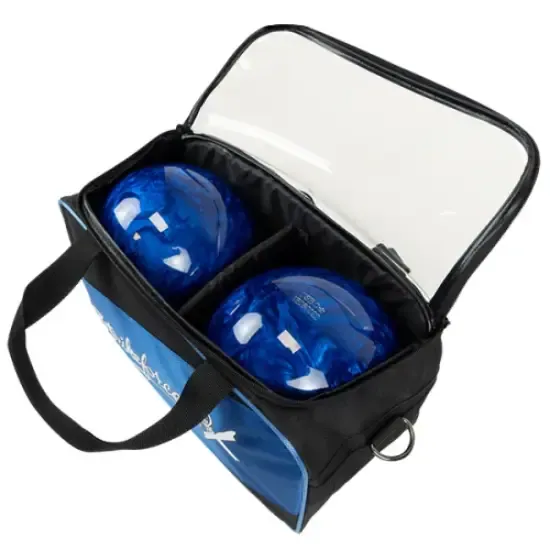
  • An open two-ball bowling bag in blue and black with two blue balls seated in separate wells under a propped lid

    Double Ball Bags

    • The league bowling bag — two balls, a pair of shoes and a towel, on twin handles or a strap.
    • Two wells sit side by side, turning the footprint from a box into a rectangle that sets the shelf width.
    • The load splits across both wells; the shelf between them can run thinner and the bag stays flat.
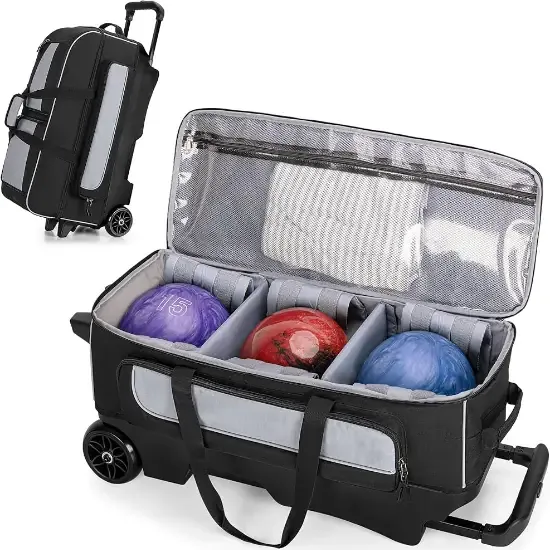
  • An open three-ball roller bag in black and grey with three balls in individual wells and a pull handle extended beside a second bag on wheels

    Triple Ball Roller Bags

    • Three balls in a row is where a hand-carried bowling bag stops working and a roller takes over.
    • Depth is set by the three wells; the shell runs wider than a double, cut to a fixed carton plan.
    • The largest capacity in the range, and the build that needs a reinforced base before any handle.
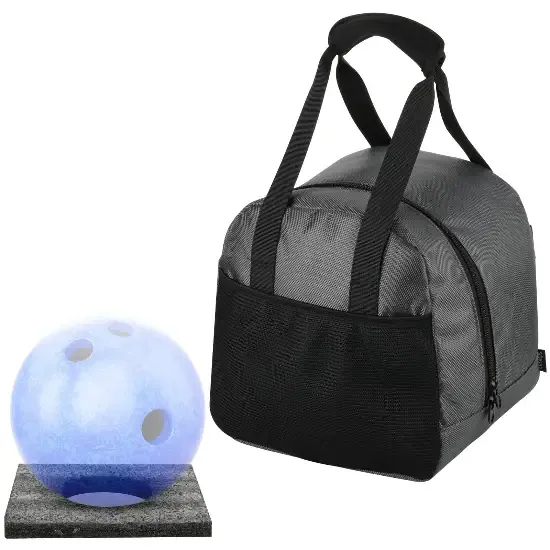
  • A soft grey bowling tote with black webbing handle and a single blue ball set on a floor plate beside it

    Bowling Tote Bags

    • A soft-sided carry with no rigid shelf, for the bowler who moves one ball at a time.
    • A full-width zip replaces the hinged well — the ball lifts straight out with one hand.
    • The lightest build in the range, and the one that folds away between seasons.
    • A soft-sided carry with no rigid shelf, for the bowler who moves one ball at a time.
    • A full-width zip replaces the hinged well — the ball lifts straight out with one hand.
    • The lightest build in the range, and the one that folds away between seasons.
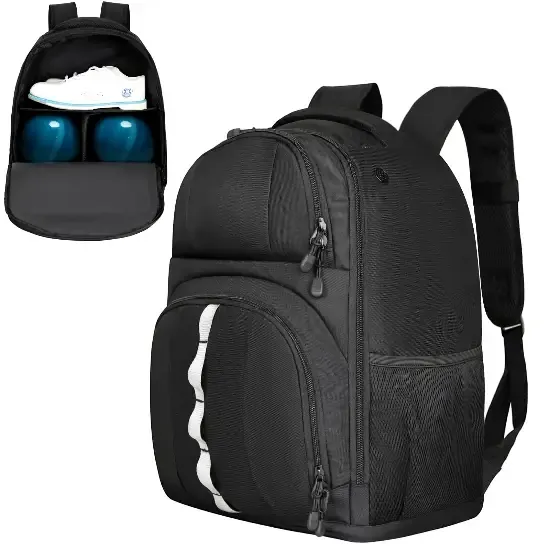
  • A black bowling backpack shown closed with two mesh ball pockets behind a shoe compartment, and an inset view of the open front

    Bowling Backpack Bags

    • Worn on both shoulders, its two wells riding low to keep the load near the spine.
    • Boxed wells hold their curve, which is what stops the pack sagging between the two loads.
    • A pair of straps replaces the carry handle, freeing both hands on the walk into a centre.
    • Worn on both shoulders, its two wells riding low to keep the load near the spine.
    • Boxed wells hold their curve, which is what stops the pack sagging between the two loads.
    • A pair of straps replaces the carry handle, freeing both hands on the walk into a centre.
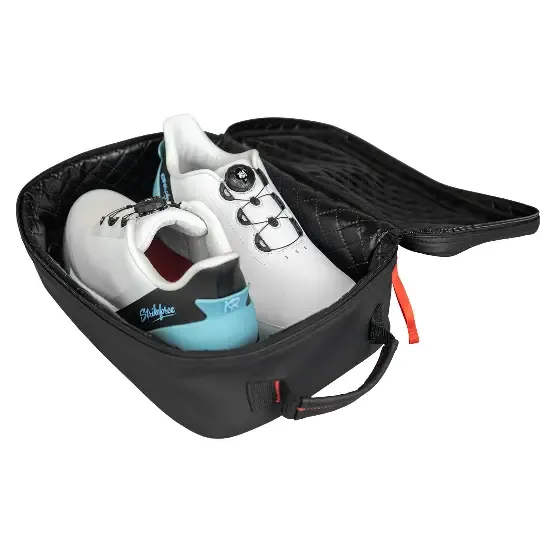
  • An open black shoe bag holding a pair of white and blue bowling shoes

    Bowling Shoe Bags

    • A vented bag for the shoes alone, cut to a bowling shoe — flatter and longer than a trainer.
    • Vented, not sealed, because a bowling shoe comes off a lane and goes straight in.
    • Usually the second piece in a kit, marked to match the bowling bag it travels with.
    • A vented bag for the shoes alone, cut to a bowling shoe — flatter and longer than a trainer.
    • Vented, not sealed, because a bowling shoe comes off a lane and goes straight in.
    • Usually the second piece in a kit, marked to match the bowling bag it travels with.
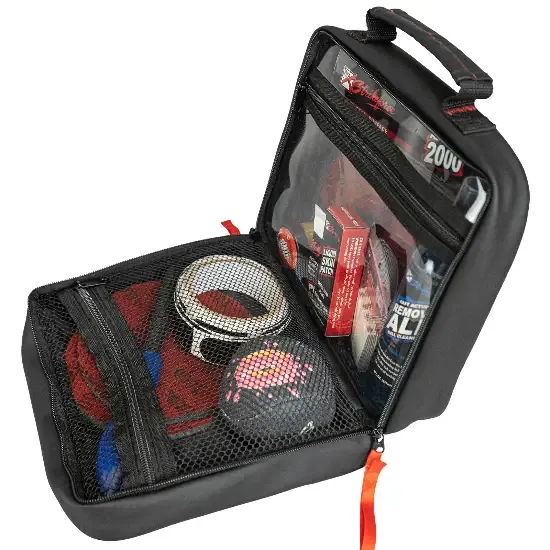
  • An open black accessory case with mesh, elastic loops and small bottles held in place inside a zipped lid

    Bowling Accessory Bags

    • For the tape, powder, wrist support, towel and spare laces that loose-roll inside a bowling bag.
    • Cut as a fitted case or a soft pouch — a standalone line, or a piece inside a kit order.
    • The cheapest piece to re-mark, and the one that carries a pro-shop or club logo on its own.
    • For the tape, powder, wrist support, towel and spare laces that loose-roll inside a bowling bag.
    • Cut as a fitted case or a soft pouch — a standalone line, or a piece inside a kit order.
    • The cheapest piece to re-mark, and the one that carries a pro-shop or club logo on its own.
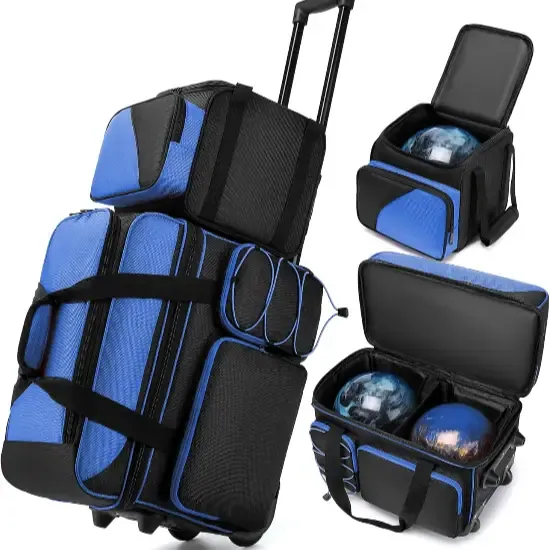
  • A black and blue tournament roller bag with an extended telescopic handle and three balls in wells, shown with two smaller companion bags

    Tournament Roller Bags

    • A tournament bowling bag — more ball capacity, a wider base and a case that survives an airline hold.
    • The shell is boarded and the corners reinforced, because this is the build that gets checked.
    • The marking sits on a face that stays upright — a logo reads when the case stands on end.
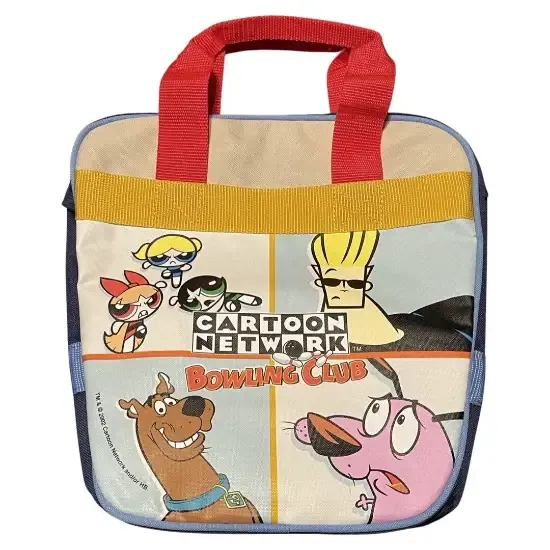
  • A child-sized tote bag with red webbing handles and a printed character panel across the front

    Youth & Junior Bags

    • A junior bowling bag sized to a smaller ball and a shorter reach, the handle dropping to a small hand.
    • A lighter shell and a simpler closure, because a junior bag goes in and out many times a session.
    • Usually ordered by a programme or a club rather than a single bowler, matched across a squad.

The cradle

A Ball Rests on a Ring, Not in a Pocket

Soft kit settles into whatever pocket it is put in. A bowling bag cannot rely on that: a ball rolls against the nearest seam and works the stitches open from the inside, or it sits on one point of the base and pushes through the lining there. The fix is a well cut to the ball’s curve, a ring that carries it, and a board under the ring that gives the weight somewhere to go.

BALLseated in the wellRINGcarries the curveBASE BOARDspreads the point load
  • 21.6 cmmax ball diameter
  • 16 lbmax ball weight the well takes
  • 3-pointring, board and base seam

The contact ring

Where the ball actually meets the bag — not the base of the well, but a ring part-way up its curve

How it is built

  • The well is cut as a partial sphere, not a box; the ball seats on its curve.
  • A padded ring around the equator carries it evenly and holds it off the seams.
  • A flat shelf would put the whole weight on one point and let the ball creep.
The base board

The boarded panel under the well that takes the ball’s weight and spreads it across the bag’s footprint

How it is built

  • A stiffened board sits under the ring, stitched to the shell’s base seam.
  • It carries that load out across the base instead of one patch of lining.
  • On a roller, the handle brackets and wheel housing anchor to that board.

The footprint

What the well and the board together set on a bench or a car seat

How it is built

  • The well adds height and the board adds width to what sets on a bench.
  • A two-ball build is a rectangle; a single-ball build is a box.
  • That footprint is the first figure a multi-ball order is quoted on.

Material options

Chosen for What the Ball Does to the Cloth

A ball of several kilograms bears on one cradle trip after trip, which makes a bowling bag’s material question an abrasion question. The six stocks below are chosen as much for how they wear where the load sits as for how they look on a shelf.

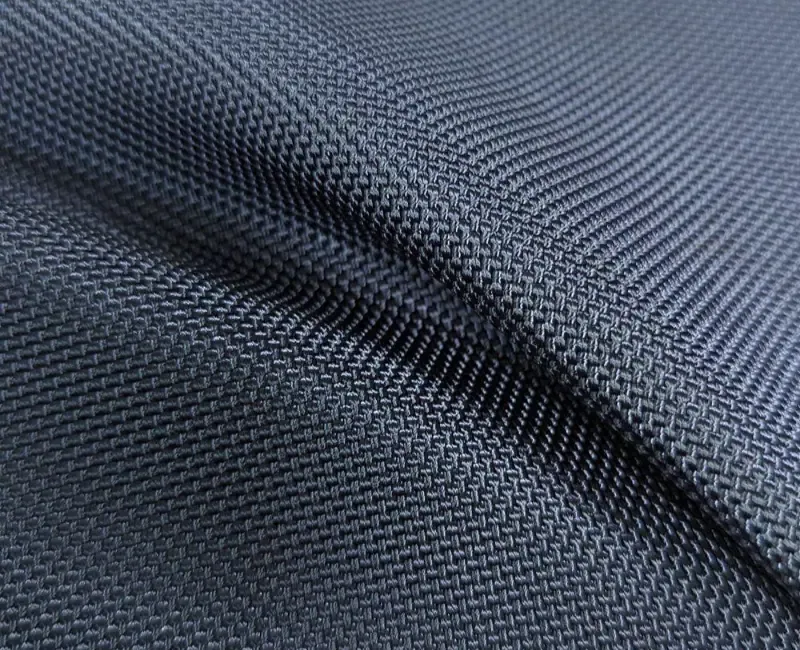
  • A close view of black ballistic nylon cloth, the basket weave filling the frame

    Ballistic Nylon

    • The default shell: a tight weave that resists the scuff a ball leaves.
    • Cut in a light and a heavy denier for a junior tote or a tournament roller.
    • Takes a backed panel where the base board is stitched into the shell.
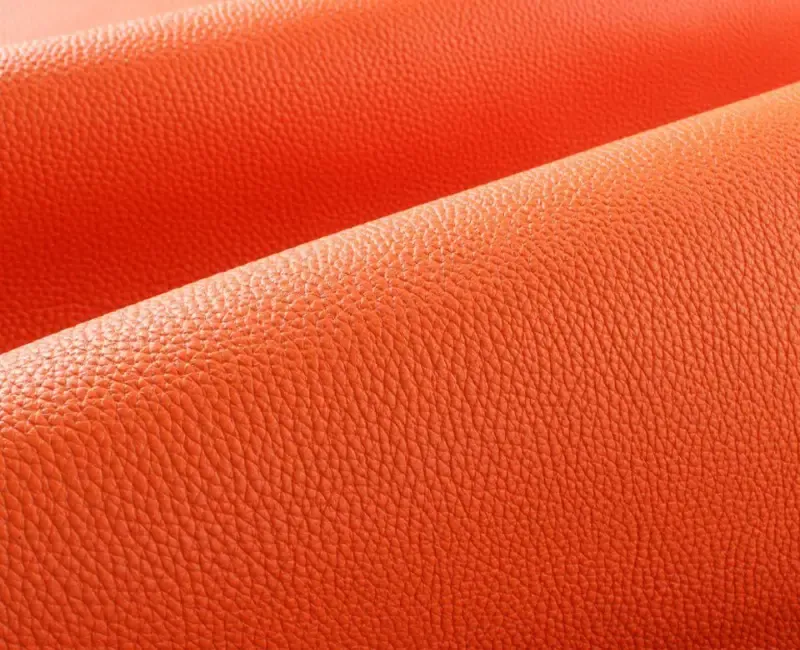
  • A close view of two folds of orange full-grain leather, the grain catching the light

    Genuine Leather

    • Cut for the pro-shop and tournament build, where the bag ages well.
    • Grain and colour matched across one hide, keeping a small run consistent.
    • Used as trim and base, not a whole shell, which would add weight.
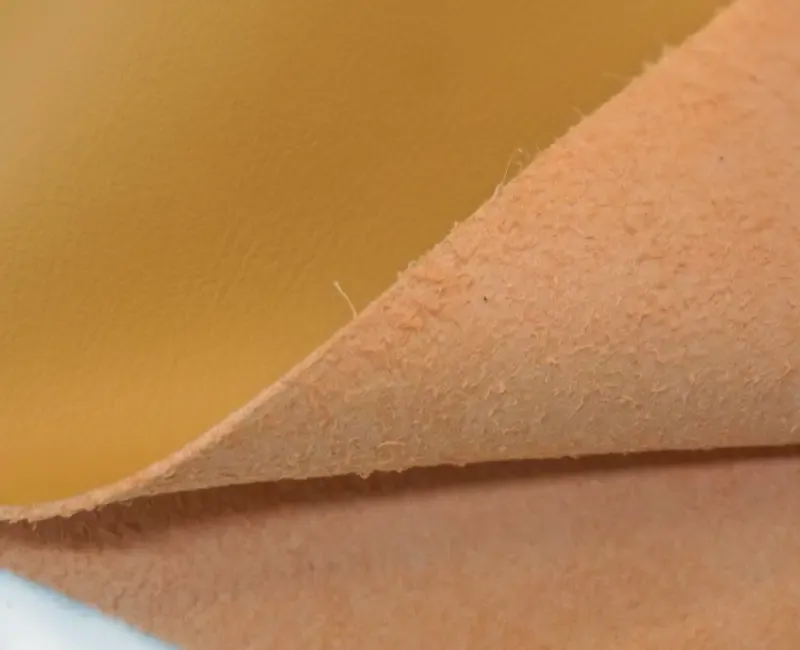
  • A close view of a fold in pale suede-backed microfiber, showing the brushed reverse side

    Microfiber Linings

    • The cloth the well is lined in, because the ball touches it on the way in and out.
    • A short brushed face holds the ball without scratching a polished cover.
    • Offered with an antimicrobial finish for the lane dust a well collects.
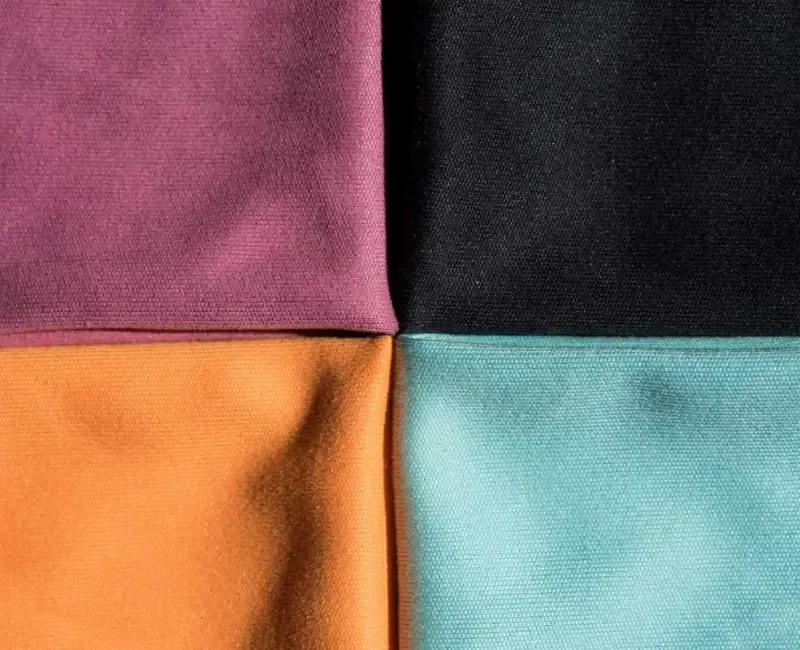
  • Four swatches of woven PVC-backed cloth ranged in purple, black, orange and teal

    Reinforced PVC

    • The backing layered behind a base panel, where the ball bears hardest.
    • Holds a moulded profile: a well or wheel housing is shaped, not sewn.
    • Wipe-clean and stable across the temperature swing of a boot or garage.
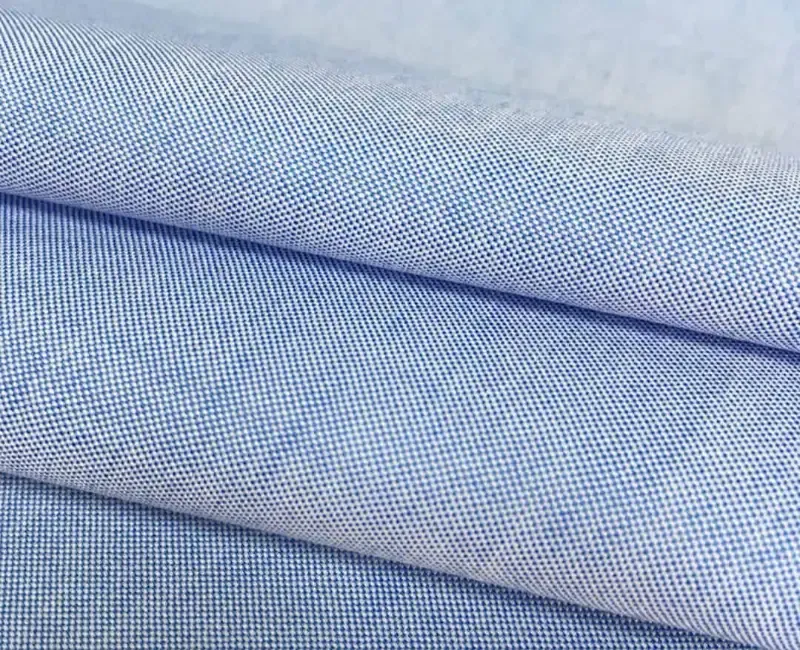
  • A close view of folded light-blue oxford cloth, the fine weave running across the frame

    Oxford Fabric

    • The entry-point shell for a budget or junior bag, in two weights.
    • Takes screen print, heat transfer and sublimation for a club design.
    • A backing is specified on any face that carries a ball.
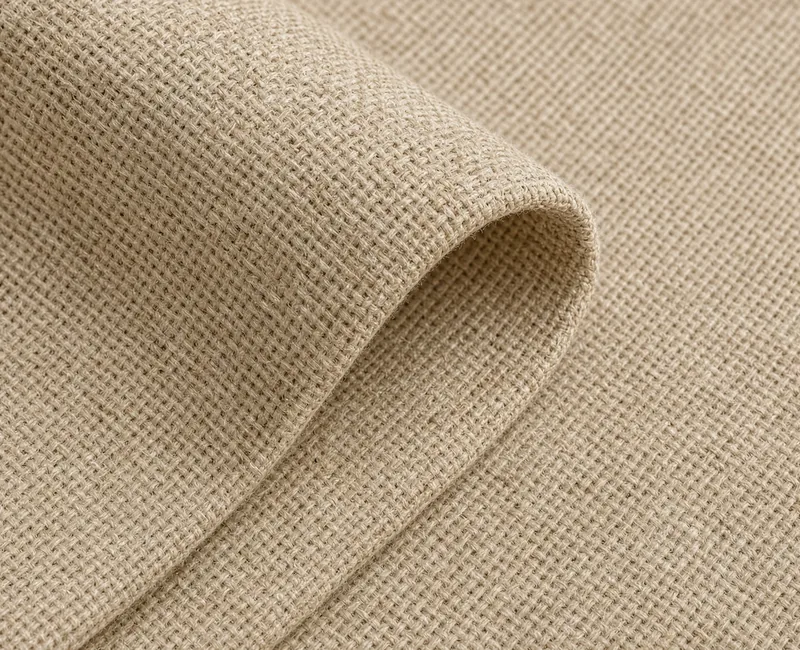
  • A close view of a fold in natural beige recycled woven cloth, the heavy weave and a soft edge filling the frame

    Recycled Stock

    • Recycled polyester woven to match the virgin stock’s abrasion spec.
    • Traceable back to the mill, the recycled claim documented rather than asserted.
    • Plant-based leathers available for a trim, where the story matters.

Colour and marking

The Mark Has to Read in Chalk

A bowling bag is opened and closed between frames, so its mark is touched more than it is looked at. The finishes below are chosen for a face that is wiped clean and handled constantly — and the colour is held across a whole order, because a bag line that does not match reads as a set of one-offs.

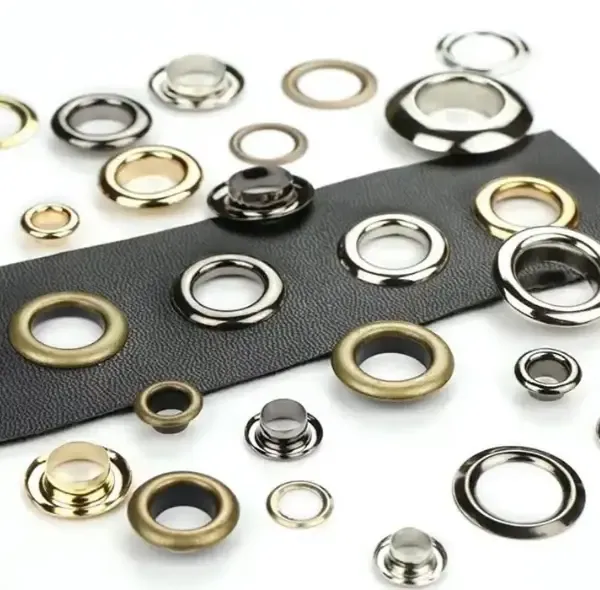
A tray of metal grommets, eyelets and studs in brass, nickel and black finishes

Hardware and fittings

  • Zips and pulls built for a panel that opens and closes all session, in metal, coil or moulded teeth.
  • The slider and the pull are chosen as the two parts a hand touches most, so both can carry the brand.
  • D-rings, clips and swivels finished in nickel, brass or matte black, mounted on webbing, not on the shell.
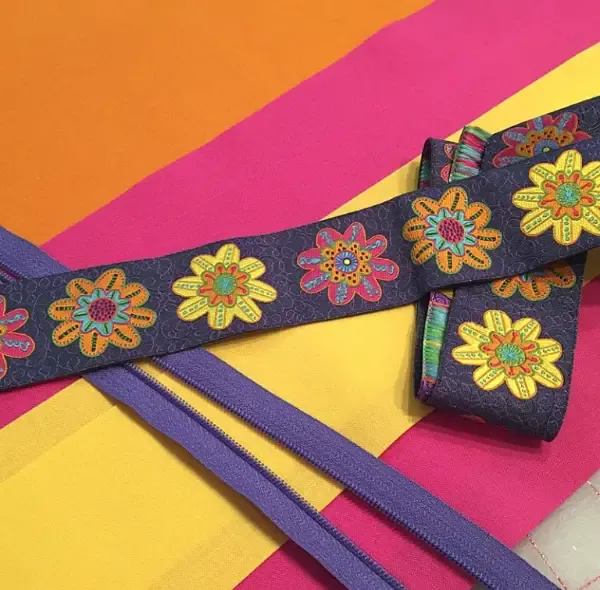
A strip of embroidered floral webbing with zips laid across a yellow and pink ground

Embellishments

  • Embroidery for a crest or a name, with a backing placed behind it on any coated face that is stitched.
  • Screen print for a large flat panel mark, and heat transfer for a design that has to move with the cloth.
  • A moulded badge for a panel that takes a wipe-down, keeping a raised edge where print would wear flat.
A row of small handbags in orange, tan, green, taupe and black, a matching round pouch set beside them

Colour matching

  • A club or school colour is matched to the reference at the mill before the first shell is cut.
  • The whole order — ball bag, shoe bag and accessory case — pulls from that one lot, not from the shelf.
  • A reorder is matched against the original swatch, not a bag in use, because a shell fades and a swatch does not.
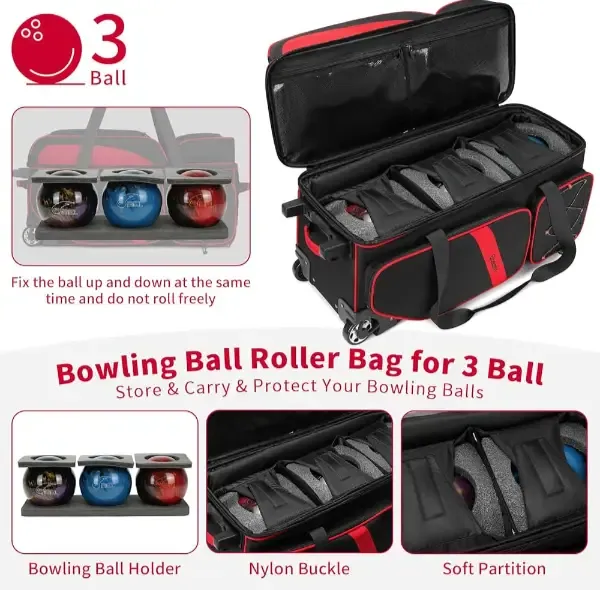
An open three-ball roller bag shown with its ball wells, a cutaway view of the shelf under them and detail panels of the buckle and partition

Structural choices

  • The well count — single, double or triple — is the first choice, and it sets the footprint the carton is cut to.
  • A wheel system turns a hand-carried build into a roller on the base board the cradle already requires.
  • The strap can be a fixed webbing run, an adjustable shoulder strap or a padded pair, chosen with the ball count.

Who it is for

One Well, Different Buyers

A bowling bag is not one product sold six ways. The well is one decision, but what surrounds it — the strap, the mark, the carton — changes with who is ordering and how many. The lines below are orders this floor runs, and what they ask the build to do.

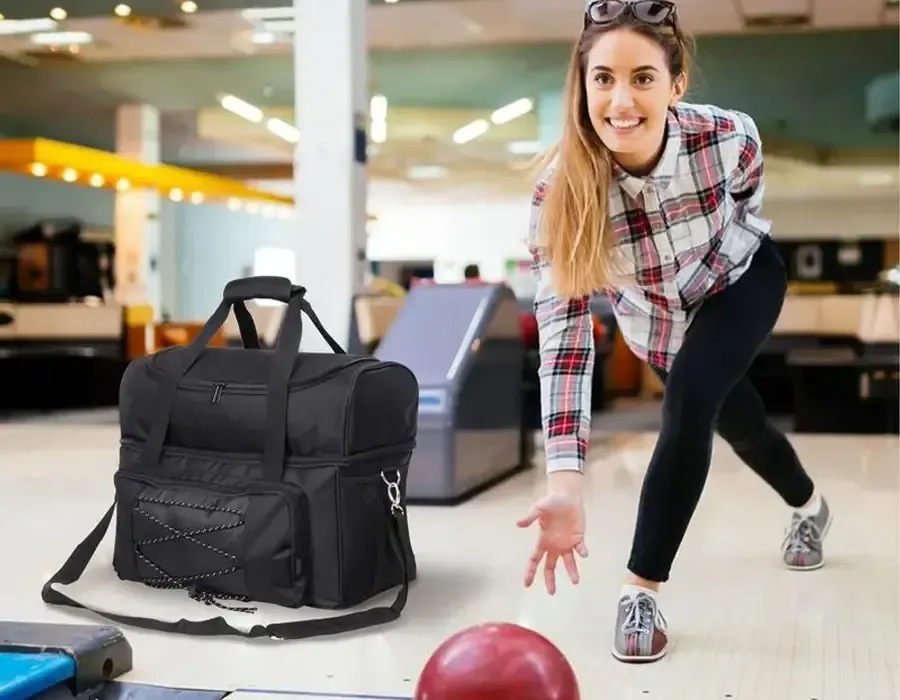
  • A bowler crouched at the foul line mid-delivery with a black ball bag standing open on the lane behind her

    League Players and Club Shops

    What it asks of the build

    A double-ball bag on a shoulder strap, matched to a club colour and marked on the panel that faces out when it is carried.

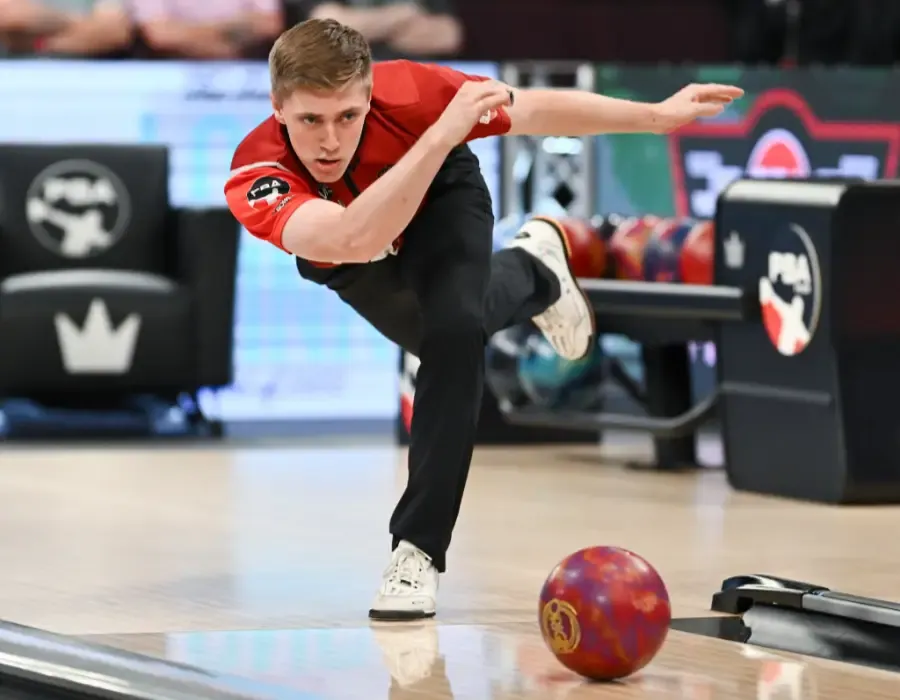
  • A professional bowler mid-delivery on a tour lane, arm extended, a ball travelling down the lane ahead of him

    Centres and Touring Players

    What it asks of the build

    A three-ball roller with a reinforced base and boarded corners, sized for a tournament weekend and a lane-to-lane schedule.

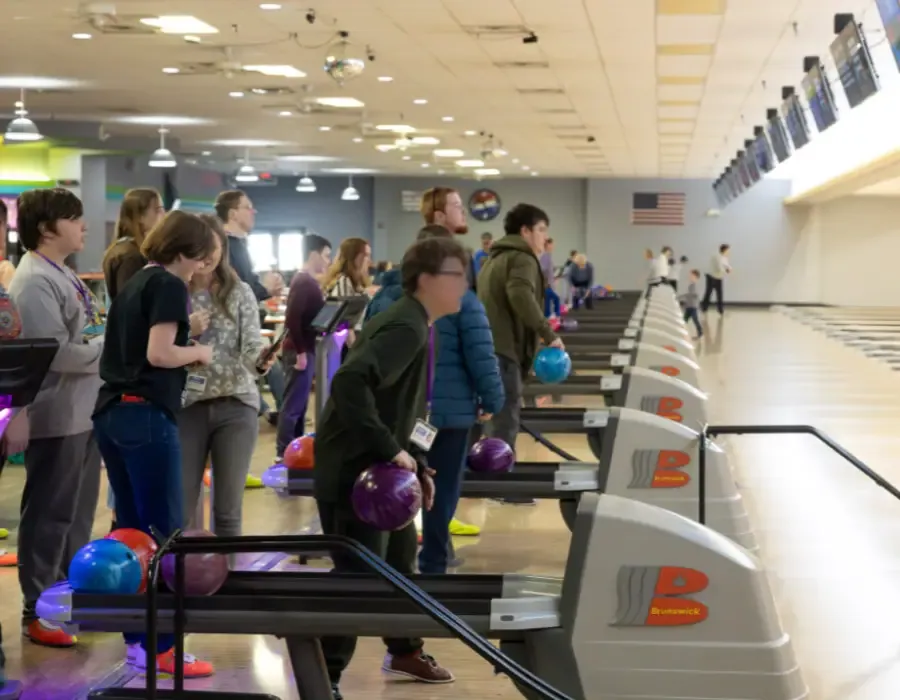
  • A bowling centre concourse with a row of lanes, ball racks and players lined up to bowl

    Orders That Ship by Air or Car

    What it asks of the build

    A checkable roller on a boarded shell, marked with the logo facing out when the case is stood upright in a hold.

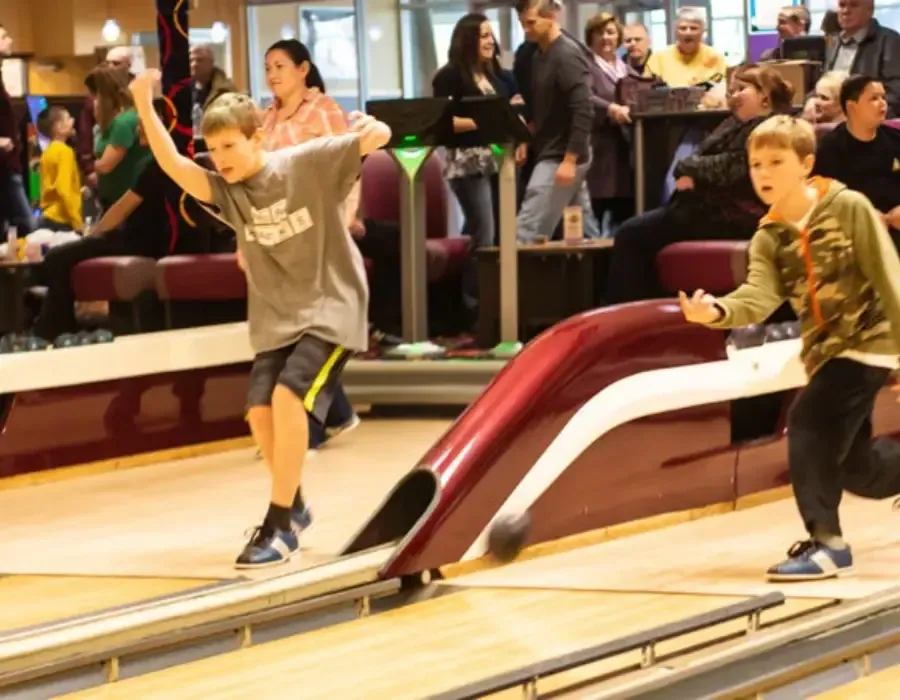
  • Two children mid-throw on adjacent lanes with a crowd of spectators behind them

    Clubs Kitting Junior Squads

    What it asks of the build

    A lighter single-ball build with a handle cut to a shorter reach, darker lining to live with lane dust, and the easiest closure to open.

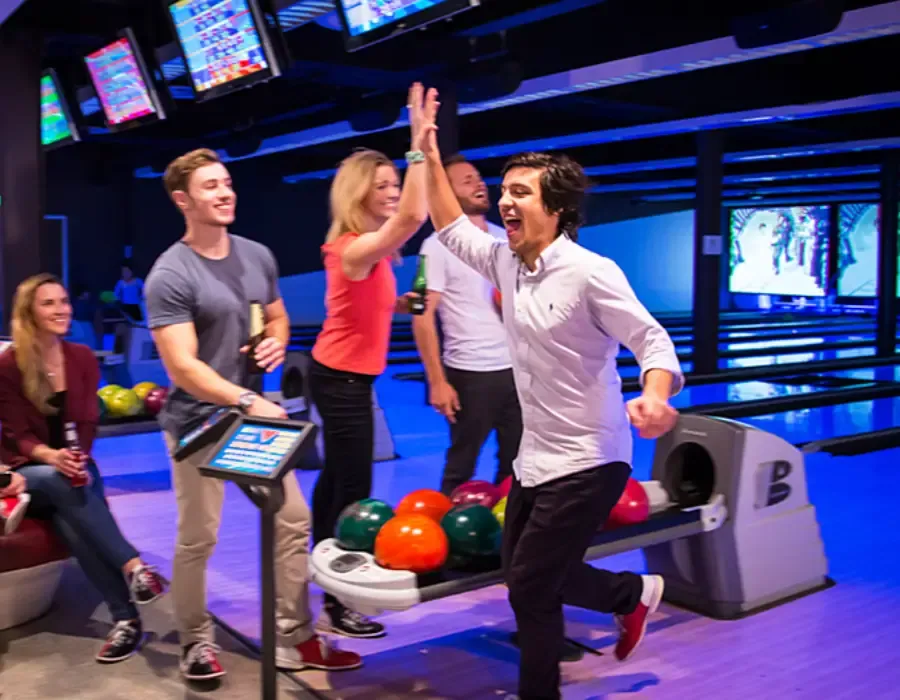
  • A group of colleagues celebrating a strike on a lane, one raising a hand for a high-five

    Companies and Event Organisers

    What it asks of the build

    Shot at a fixed colour and a fixed mark, quoted as one run rather than a range, with the carton plan worked out for the venue.

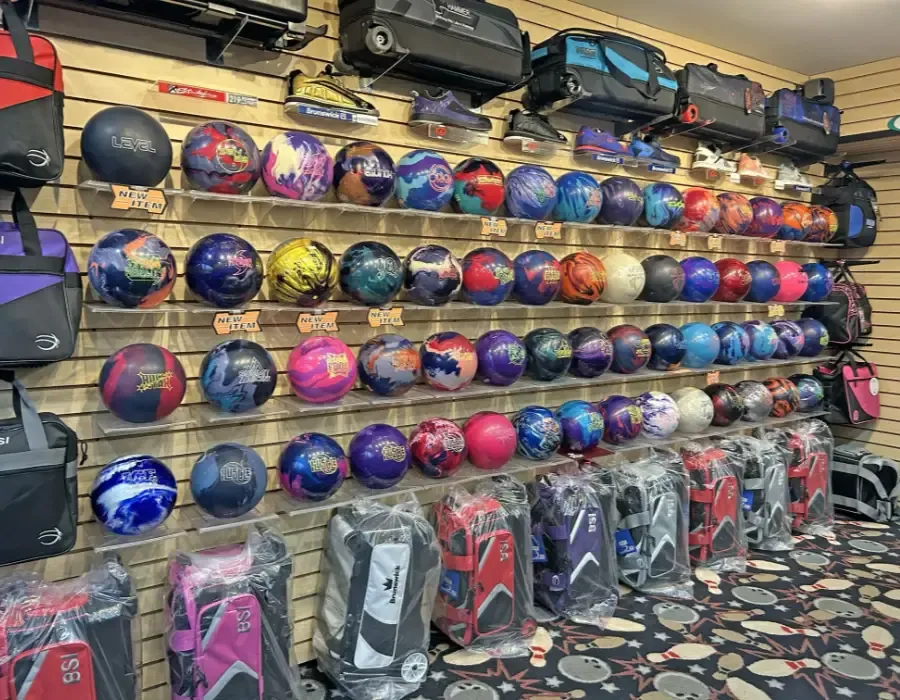
  • A pro-shop wall shelved with rows of bowling balls and bags displayed on hooks above them

    Pro Shops and Distributors

    What it asks of the build

    A small range that reads as one family — a ball carrier, a shoe piece and an accessory case on shared trim.

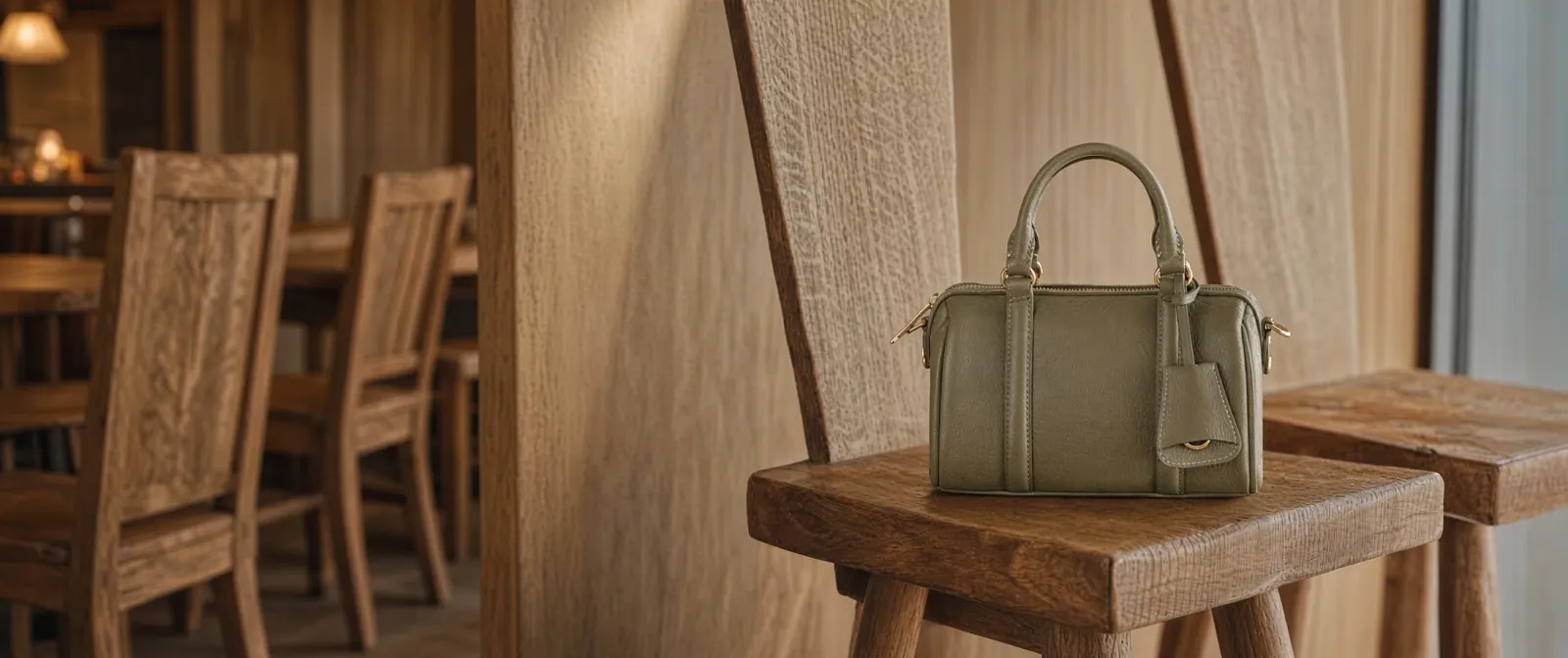
A leather top-handle bowling bag in olive green standing on a wooden stool in a warm café interior

Build to quote

Name the Ball Count. The Well Is Cut to It.

Send the ball count, the carry and the shell — the well, base board and marking come back quoted.

Competitive comparison

How the Terms Compare, Supplier by Supplier

Most pages in this category call themselves a factory. The order terms are what separate one from another — the run minimum, the sample window, the lead time, the defect rate and what ships with the carton. Set beside the common practice in the category, the gaps speak for themselves.

Bowling bag manufacturing metrics for LeelineBags, set against typical manufacturers
CapabilityLeelineBagsTypical Manufacturers
Minimum Order Quantity100 pieces500–1,000 units
Sample Turnaround5–7 days14–21 days
Production Lead Time30–45 days45–60 days
Quality Defect Rate< 0.3%1–3%
In-House Testing LabYesThird-party only
Vertical IntegrationFullPartial/None
Dedicated Project ManagerYesShared/None
IP Protection AgreementsStandardUpon request only

Buyer accounts

What the Buyers Said Once the Balls Were Seated

Two accounts from the original run — a ball company building its first bowling bag line and an events organisation under a championship deadline — and what a bag had to do for both.

Klaus W.Product Director

A ball company's first bag range is harder than it sounds: a soft bag was shaped for nothing like a rolling 7.26 kg sphere.

Bagging the ball in a padded pocket failed by design. The bag that worked was cut around a formed well, its ring seating the ball at 21.6 cm and holding it off the seams.

League use confirmed it across the range. A second order asked for the same well, board and mark positions — proof the tooling was repeatable.

Jennifer L.Events Director

Championship orders run to a printed date, not a sample cycle.

Players arrived with one ball and one pair of shoes, and the build carried a flat shoe bay beside a formed well. One colour lot and one print setup kept the row reading as one run.

Colour and carton plan were fixed before the run opened; the bags landed on time and dropped where the venue needed them.

Bowling bag questions

Frequently Asked Questions About Custom Bowling Bag Manufacturer

The questions that come up on most bowling-bag enquiries. Where a figure already appears in a section above, the answer points at it instead of repeating it a second time down the page.

Does a bowling ball need a well of its own, or can it share a compartment with the shoes?

Its own, and a vented one beside the ball is the reason the shoe bay is where it is. A ball is hard and round; drop it into one bay with a pair of long flat shoes and it rolls across them, marks them and settles on top of them the first time the bag is tipped. The shoe bay sits alongside the well, vented through mesh or a grommet: a shoe that has just come off a lane goes in dry while the ball stays in its own seat.

At what ball count does a hand-carried bag stop working and a roller start?

Three. Two balls on a shoulder strap is a league bag a player carries in one hand all evening; three turns that same shape into something that is set down between shots and dragged between lanes, which is where a telescopic handle and a wheelbase earn their place. That is also why the roller builds are cut on the board the well already needs — the handle brackets and the wheel housing anchor to it, not to the shell.

Can the well be cut to a ball size other than the standard?

Yes, and the sizing is the first line of any quote. The well follows the ball, so a run specified for a larger or smaller ball is a different moulding, not a padded-out copy of the standard one — the ring has to meet the ball, and padding changes where the ball sits, not how big it is. A junior programme and a men’s league line therefore usually run as two well sizes even when the shell is shared.

Why does the handle sit off the centre of a bowling bag?

Because the weight does. A soft kit bag can be lifted from the middle of the panel because the load settles under the hand, but a ball stays where it is; a handle centred on the bag tells the bag to hang at an angle. Siting the handle over the well keeps the ball hanging plumb under the grip. On a single-ball build that puts the handle noticeably off-centre, which is why the position is drawn on the pattern, not added after the shell is cut.

What keeps a ball from working into the bag’s own seams while it is closed and carried?

The ring, and the fact that the well follows the ball rather than being squared off. A ball loose in a rectangular compartment rolls to the nearest corner and bears on the seam there, and over a season it works the stitching open from the inside. Held on a padded ring around its equator, the ball is seated rather than loose, and never reaches the seam in the first place.

How do the wells sit in a backpack build without sagging between them?

They are boxed, which holds the curve. Two loaded wells hanging low against the back pull on the panel between them, and a soft panel left unsupported sags into the gap season by season, so both balls shift. Boxing the wells — giving both a framed edge — is what keeps the two seats rigid and the pack flat against the spine. It is the one build where the well structure and the carry structure are one piece.

The ball wore a hole through the base of a previous supplier’s bag. How is that prevented here?

The weight never lands on the base. A ball left loose on a bag’s floor puts its whole weight through one patch of lining, and that patch is what fails first. Here the ball is seated on the ring rather than the floor, and the load leaves through the board into the base seam, spread across the footprint. The lining under the ball holds none of it.

Start a bowling run

Send the Ball Count.
The Well Is Cut to It.

Name the build, the ball count and the carry. Back comes the well and its base board, the inside plan, the marking method and a physical sample at a hundred pieces.

Get a Quote