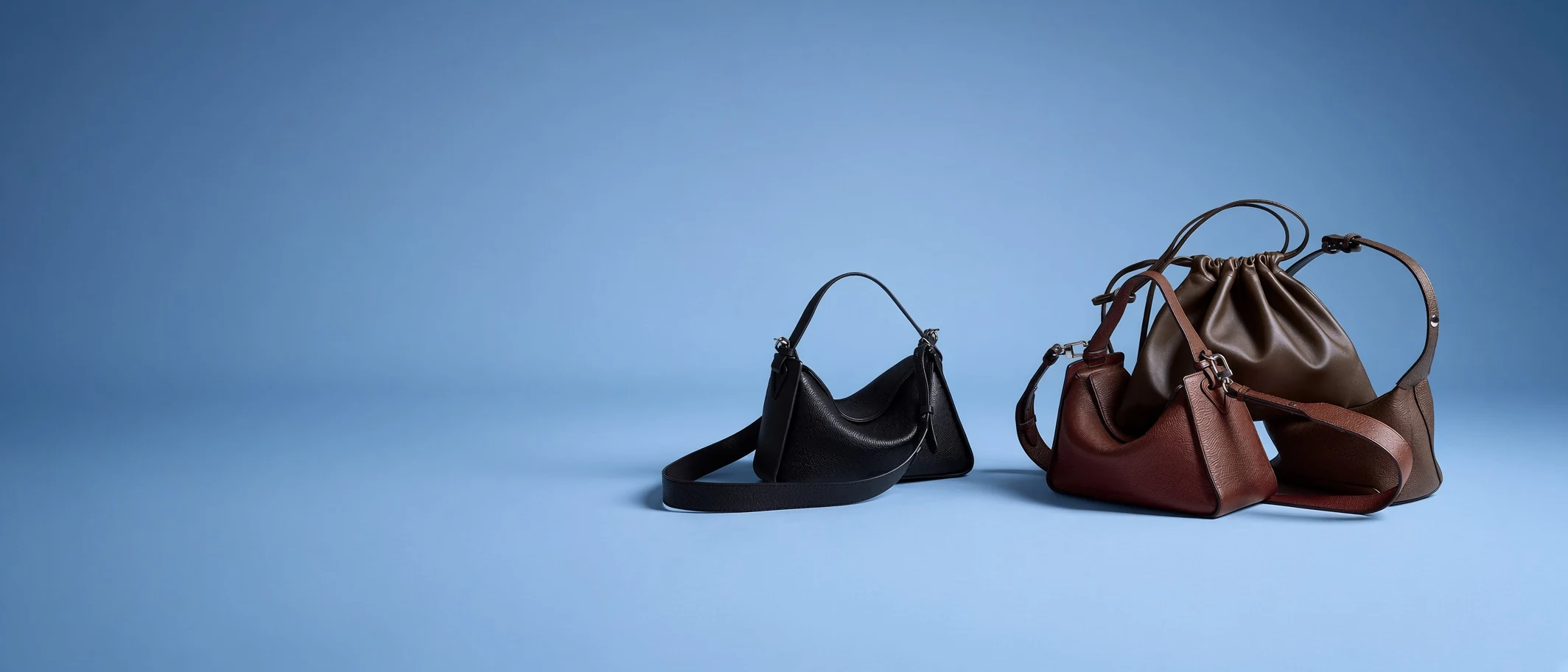
A group of leather crossbody bags on a pale blue ground — a black shoulder bag with a wide adjustable strap, a tan and a burgundy crossbody bag with buckled straps, and a brown drawstring pouch behind them
A Strap That Moves · Tested in Parts

Custom Crossbody Bag Manufacturer The Adjuster Slips —Anchors Held at 22 kgf.

Two anchor points carry the whole load, and no other bag strap moves against the wearer while it is being carried. Send the drop measured to the person, the weight the bag will hold, and where the clip has to sit — the quote returns in 48 hours with the anchor pull targets and the adjuster held load, and the sample inside seven days.

  • 48–62 cmdrop, strap top to bag mouth
  • 20–38 mmstrap width, set by carried load
  • 100pieces minimum, any format

Crossbody formats

The Shapes This Floor Runs

The crossbody shapes this floor runs, cut to a pattern of their own, with the anchor position set where the bag body allows. What a shape is for is on the tile.

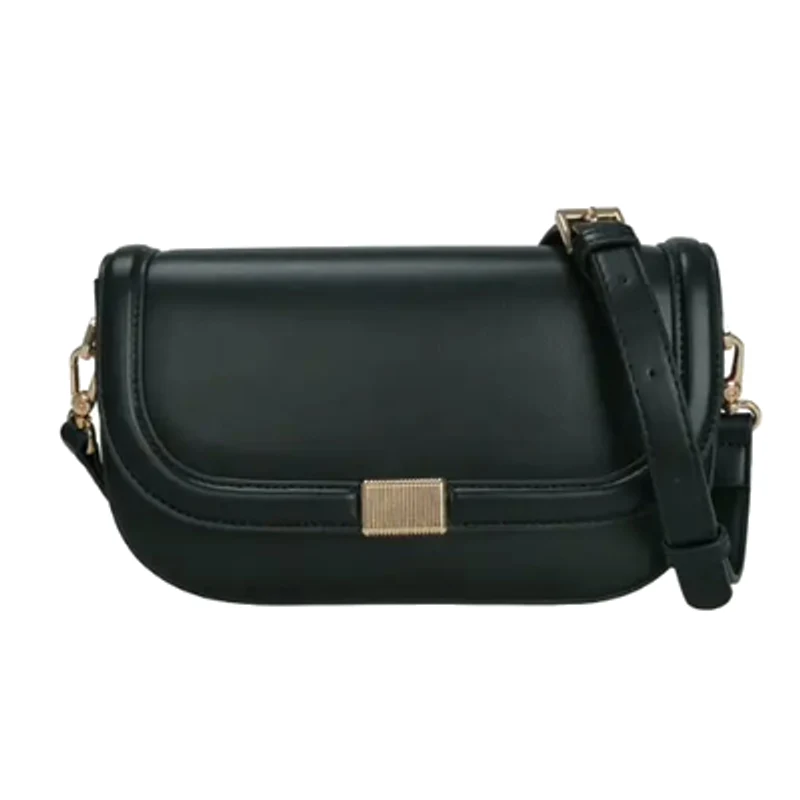
  • A dark green leather crossbody bag with a fold-over flap, a gold rectangular turn-lock and a slim adjustable strap

    Classic Flap Crossbody

    • A front flap on a turn-lock, so the bag is opened and closed one-handed on the move.
    • The everyday carry for a label that wants one shape to run across several colourways.
    • A front flap on a turn-lock, so the bag is opened and closed one-handed on the move.
    • The everyday carry for a label that wants one shape to run across several colourways.
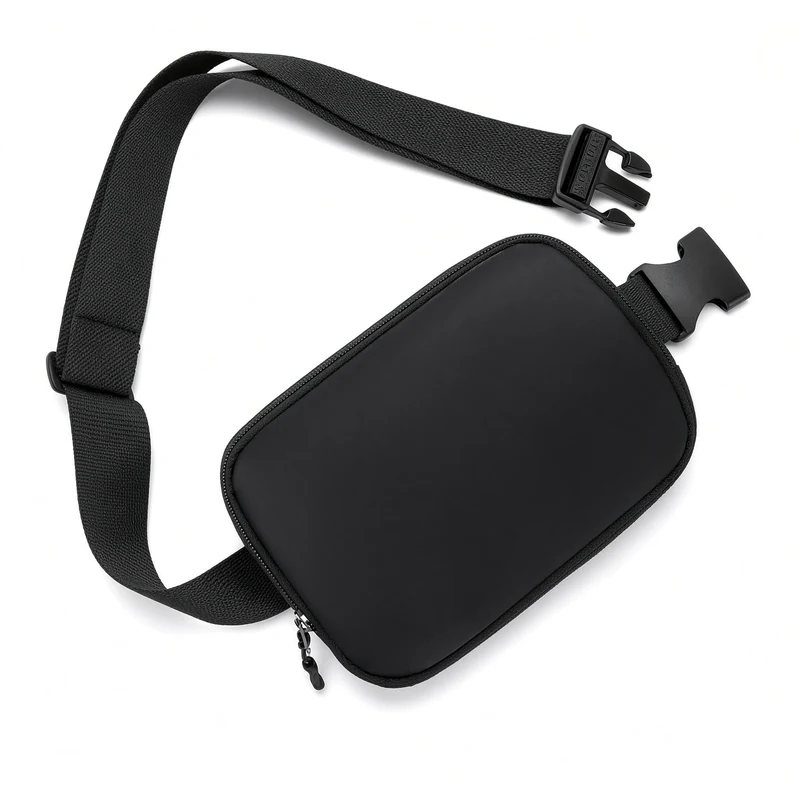
  • A black belt bag with a wide woven webbing strap and a side-release buckle, its strap looped around it on a white ground

    Belt Bag / Fanny Pack

    • A rectangular body on a wide webbing strap, worn at the waist or slung across the chest.
    • A running, travel or festival brief where the bag has to stay on the body hands-free.
    • A rectangular body on a wide webbing strap, worn at the waist or slung across the chest.
    • A running, travel or festival brief where the bag has to stay on the body hands-free.
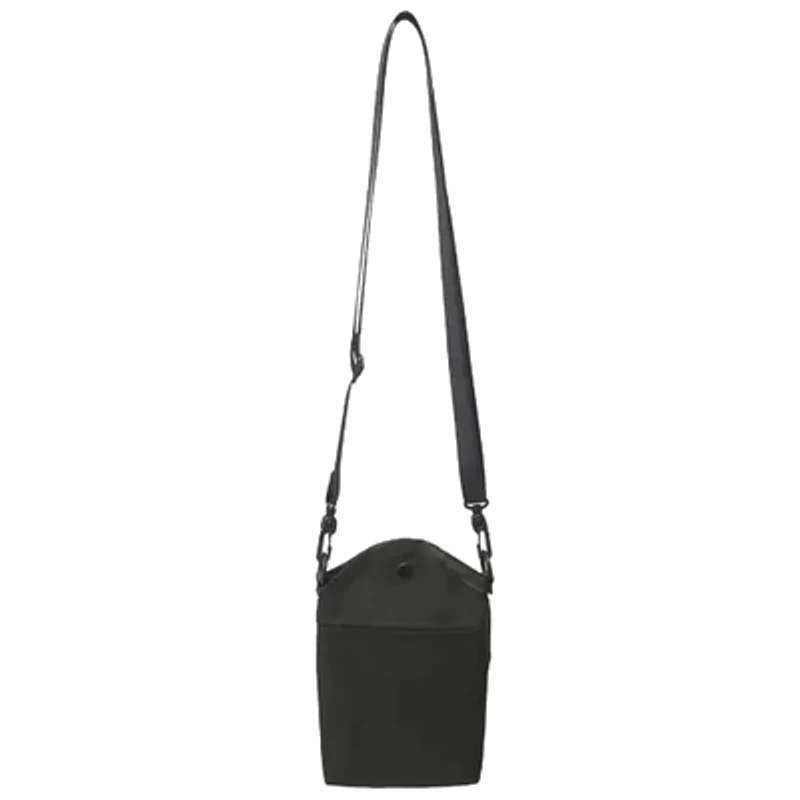
  • A small black leather bucket bag hanging from a long thin strap against a pale grey ground

    Mini Crossbody

    • A bucket body on a long thin strap, small enough to sit at the hip.
    • The strap is the whole design, so the drop is set to the wearer before the pattern is cut.
    • A bucket body on a long thin strap, small enough to sit at the hip.
    • The strap is the whole design, so the drop is set to the wearer before the pattern is cut.
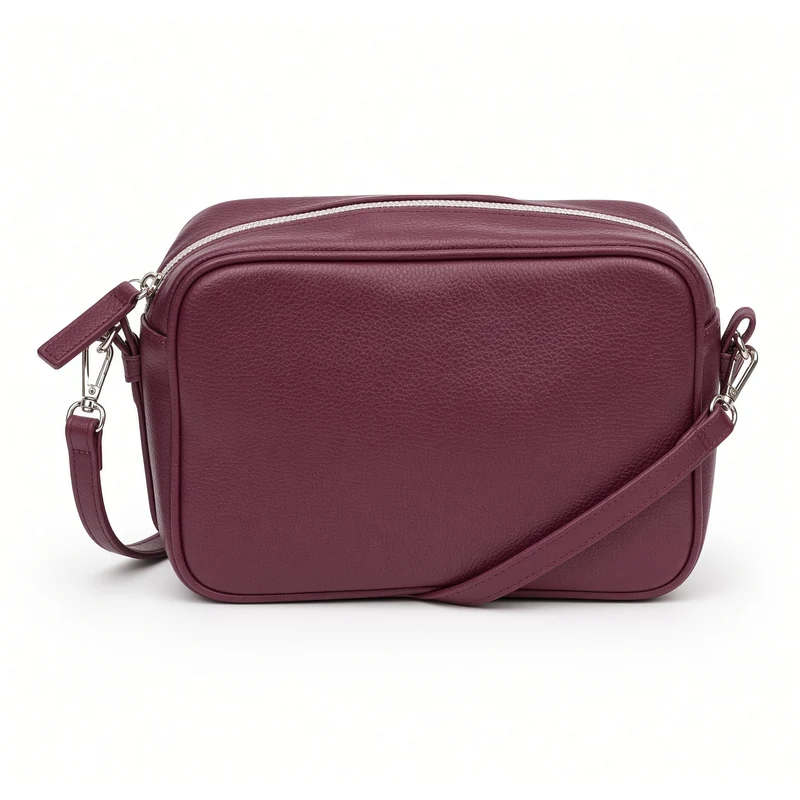
  • A plum grained-leather camera crossbody bag with a full-width zip and white piping, its strap clipped to a side D-ring

    Camera Crossbody

    • A boxy body with a padded face and a trimmed zip running the full width.
    • A structured everyday shape that holds its form when it is empty and set down.
    • A boxy body with a padded face and a trimmed zip running the full width.
    • A structured everyday shape that holds its form when it is empty and set down.
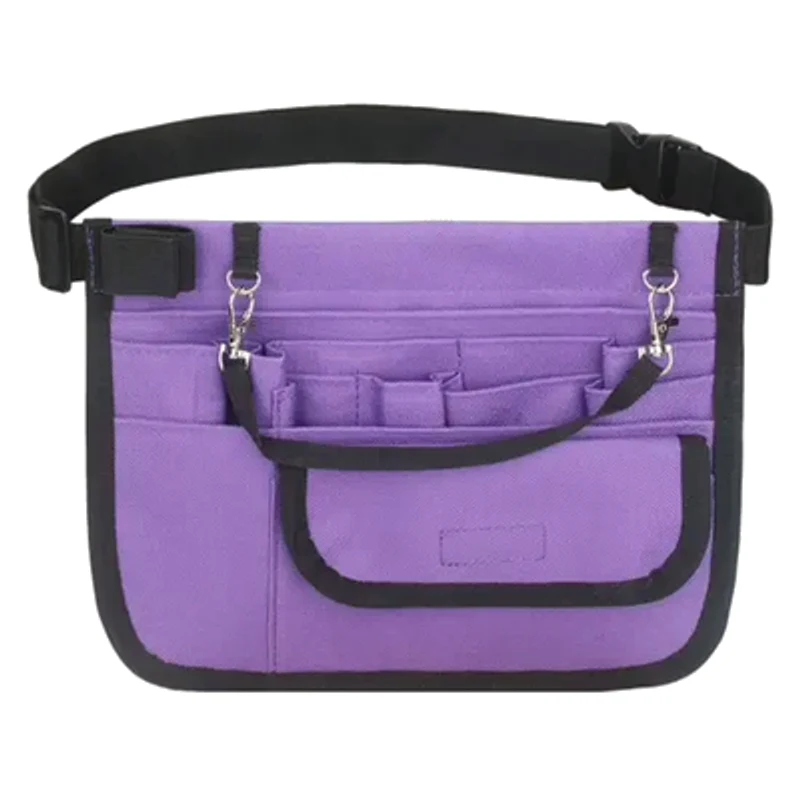
  • A purple multi-pocket crossbody organiser with two front compartments, twin swivel clips and a wide strap

    Medical Organization Crossbody

    • Twin front compartments and a run of slip pockets under a flap, on twin swivel clips.
    • A nursing, field or tool-carry brief where the contents have to be found without looking.
    • Twin front compartments and a run of slip pockets under a flap, on twin swivel clips.
    • A nursing, field or tool-carry brief where the contents have to be found without looking.
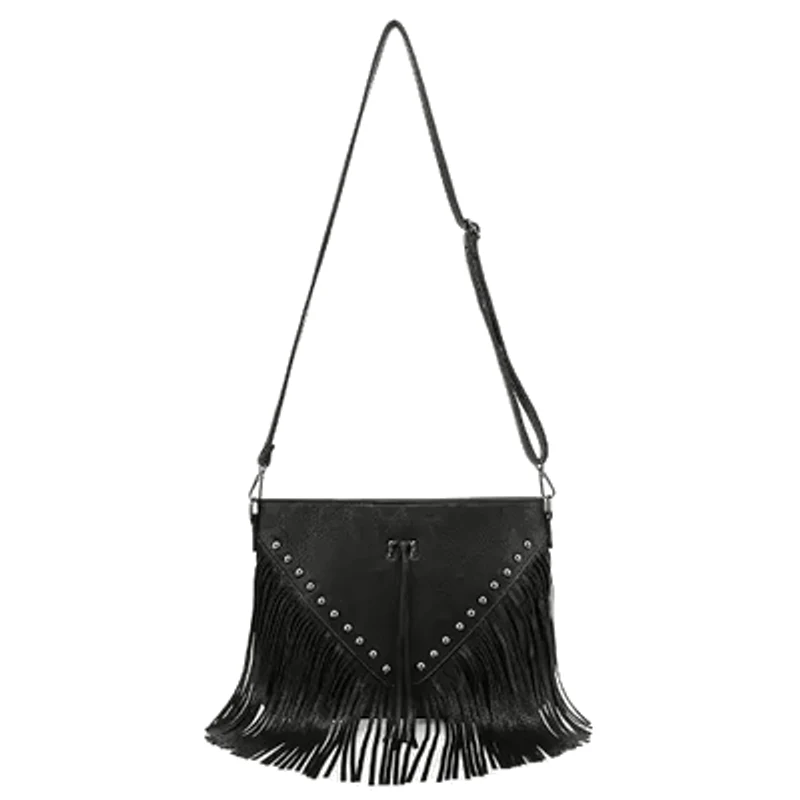
  • A black suede crossbody bag with a full-width cut fringe and a knotted strap, hanging against a pale ground

    Bohemian Fringe Crossbody

    • A flap body under a full-width cut fringe, on a knotted strap.
    • A festival or fashion brief where the strap is part of the look and not only the carry.
    • A flap body under a full-width cut fringe, on a knotted strap.
    • A festival or fashion brief where the strap is part of the look and not only the carry.

The strap

A Strap Moves. The Parts Are Tested Apart.

A handbag handle is a fixed joint. A crossbody strap is a mechanism, and no other bag strap is adjusted, carried against the body and taken off. The parts below are tested apart, because the point that holds a bag at rest is not the point that survives it being carried.

The carried load
  1. Entersat the anchor
  2. Runsdown the strap
  3. Holdsat the adjuster
  4. Leavesoff the clip
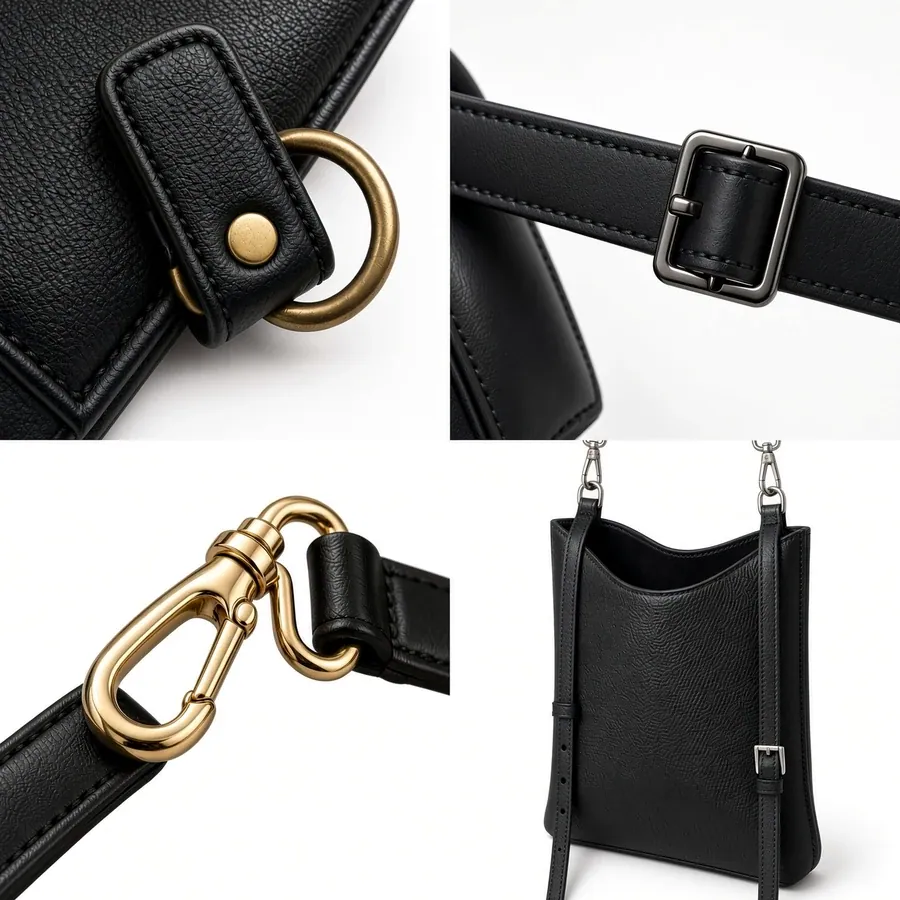
Four close-ups of a crossbody strap: a stitched tab with a brass D-ring riveted to a black panel, a black buckle on a leather strap, a gold swivel snap clip on a black loop, and a black bucket bag carried on a buckled strap

The Anchor

  • A stitched tab, D-ring or riveted plate.
  • The load goes into a bar-tack or a reinforced panel.
  • Pull-tested to 22 kgf.

The panel behind the anchor tears before the anchor itself — tested as one assembly.

The Adjuster

  • The slider the strap is re-sized on.
  • Matched to the strap width, held flat so no edge is pinched.
  • Cycled through a day of adjustment.

It slips rather than breaks — the bag rides lower the longer it is carried.

The Clip

  • A swivel snap or gate hook that makes the strap detachable.
  • Opens one-handed, seated on the bag’s axis.
  • Plated to 96 hours of salt spray.

Once the finish goes, the base metal takes the rub and the gate works loose.

The Drop

  • The length between the strap top and the bag’s mouth.
  • 48 cm to 62 cm: hip, waist and across the body.
  • Cut from the drop, then left fixed.

A bag bought on strap length and not on drop sits wrong at any size.

Material options

Leather, Vegan Leather and Woven Nylon

The stocks a crossbody range is built on. Because the bag is carried against the body, a stock is chosen as much for how it wears where it rests as for how it looks on a shelf.
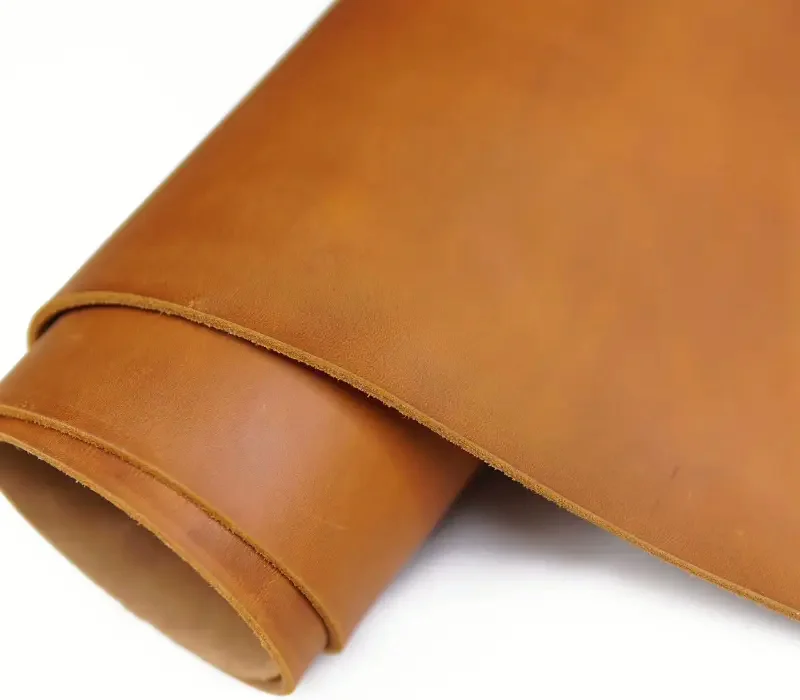
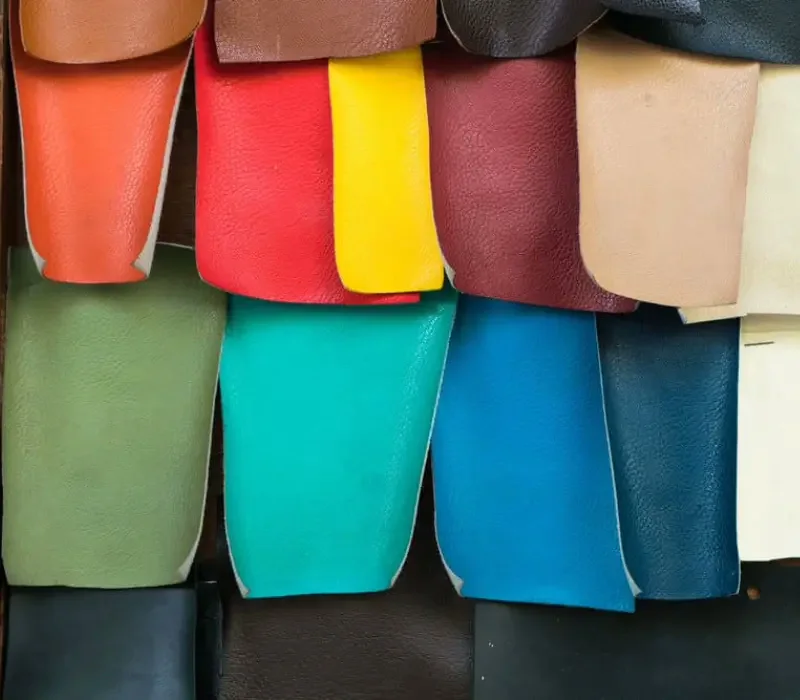
  • A length of tan full-grain leather rolled into a soft cylinder, catching warm light against a dark background

    Genuine Leather

    • Takes the shape of the wearer where the strap crosses the shoulder, and darkens slightly there as it does.
    • Cut from one hide for a run, so the grain and the colour match across a set without a finish to hide it.
    • The choice where the bag is meant to look better after a year than it did in the first week.
  • Rolls of PU-coated leather in blue, tan, burgundy, black and cream ranged across a pale surface

    Vegan Leather

    • A PU or plant-based face on a woven backing, so the colour repeats exactly across a large run.
    • Holds a colour where it rubs, but does not take the wear of the body the way a hide does.
    • Becomes the cheaper option once a run gets large, because no two skins have to be matched.
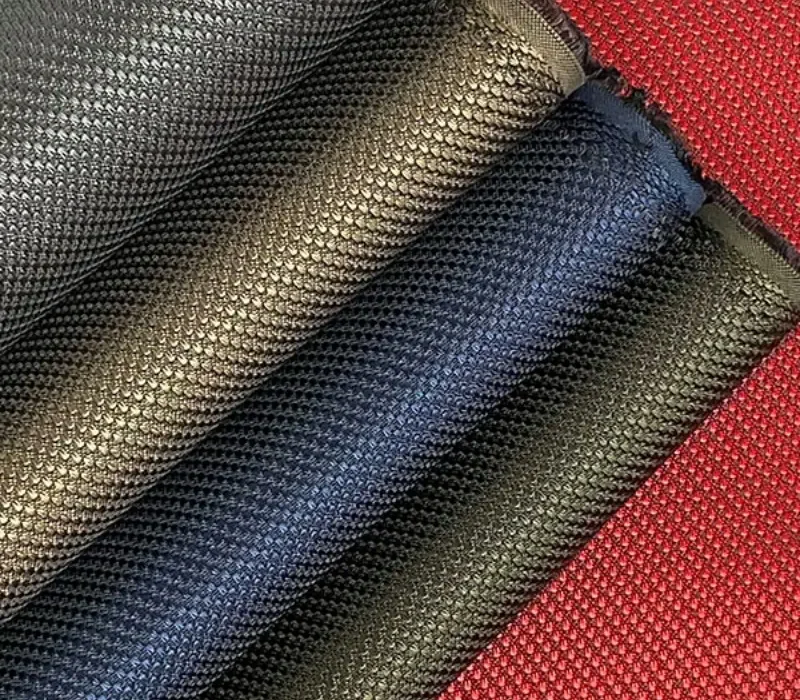
  • Several lengths of woven nylon fabric in navy, gunmetal, black and red, each threaded over a rod

    Nylon

    • A woven body on a webbing strap: the only one of the three that can be washed after a summer of being carried.
    • Resists water where a leather or a coated face marks, making it the pick for a bag worn outdoors.
    • Light enough to sit on the body all day without the strap cutting in.

Putting the mark on

The Mark and the Method, and the Tooling It Needs

The ways a brand goes onto a crossbody, run through the same factory the bag is built in. The tooling and the run length a method needs are printed against it, because that is what decides which of them is worth doing.

  • Embossing

    • A die presses the mark up out of the surface, so it reads as a raised block under a thumb, with no ink on the face at all.
    • A die is cut once, so the method pays for itself from a few hundred pieces upward.
  • Debossing

    • The same die, pressed the other way, sitting the mark into the surface where it collects a shadow and stays legible on a busy grain.
    • Shares tooling with embossing, so a brief can carry both from one die.
  • Screen Printing

    • Ink laid flat on the panel, in solid or multi-colour, taking the vibrancy a press cannot give a hide.
    • One screen per colour, with the setup charged once per design.
  • Edge Painting

    • A coloured edge run along the cut face of the flap and the strap ends, matching the stock or set against it for a contrast line.
    • A hand operation, so it adds a step per piece and shows on the unit cost.
  • Mixed Media

    • A leather patch on a woven body, or a metal badge on a coated face, so the brand carries a depth that one flat mark cannot give it.
    • Two surfaces to fix, so the piece count is set before the run and not after it.
  • The Interior

    • A printed lining, a colour drawn from the brand palette, a branded label, or a line of text set inside the flap.
    • Cut from the same pattern, so it adds a step to the run and not a second production line.

Production

A Claim Is Only as Good as the Practice Behind It

The practices behind a crossbody run, inside the plant, stated as the practice rather than the promise.

  • Water is recycled inside the finishing and dyeing lines, so a charge of it does several passes before it leaves.
  • Machines are specified and run for consumption, on a schedule set to the load and not to the shift.
  • Leather and fabric offcuts are collected by grade and returned to the supply chain.
  • Chemicals are managed to a standard audited from outside the plant, and not only to the local requirement.
  • Labour practice is audited across the production locations, and the audit is available to a buyer on request.
A hand lifting a black leather crossbody bag by its strap beside a wall of green leaves

What comes with the run

The Work Either Side of the Stitching

A crossbody brief is settled long before the first panel is cut, and the services below run on either side of the floor, naming a deliverable rather than a capability.
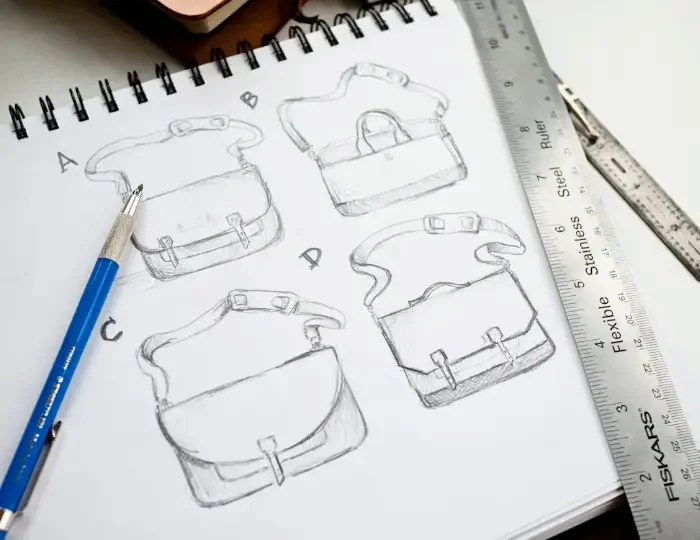

  • A hand sketching crossbody bag fronts in pencil on a ruled notebook page, a tape measure and a pen beside the drawing

    Design Consultation

    • The sketch is developed into a pattern and a spec sheet, so the sample is cut to a drawing, never to a description.
    • A tech pack comes back in five working days, with the anchor positions and the drop already set on it.
  • A person in a pale blue jacket holding a small structured crossbody bag by its strap against a soft background

    Prototyping & Sampling

    • A first unit is cut and assembled so the drop, the strap width and the anchor positions can be worn and felt, not read off a drawing.
    • The sample is returned inside seven days, and its cost is credited against the bulk order when the run proceeds.
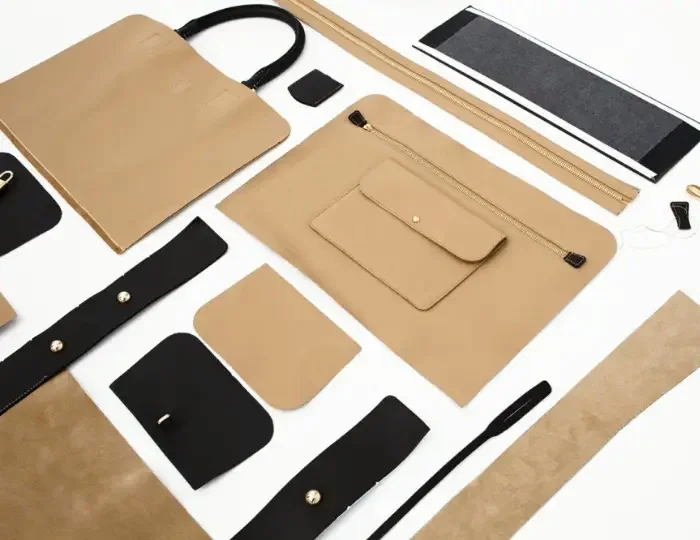
  • Flat leather and canvas panels in tan, black and grey laid out alongside straps, zips and a cut ruler on a white surface

    Material Sourcing

    • Stocks are offered as cut swatches with the minimum and the lead time printed against a stock, so the material decision carries its own terms.
    • The swatch set arrives in two to three working days, for holding against the bag the brief describes.
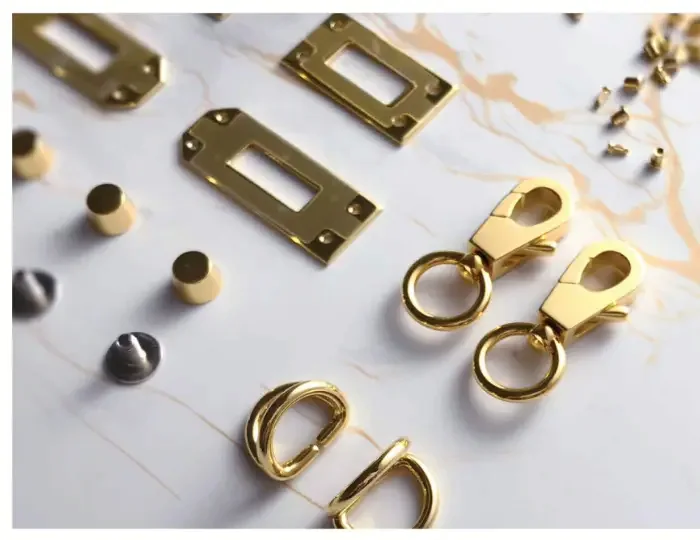
  • Anchor plates, keeper loops and swivel snap hooks in polished gold with a few gunmetal studs, laid out on a pale marble surface

    Hardware Selection

    • The fittings are matched to the strap width and to the carried load, so the adjuster and the clip are specified together, never chosen apart.
    • What a fitting is held to, and why the four parts are tested separately, is set out in the carrying section above.
  • A grid of workshop photographs showing operators in blue shirts at machines stitching, pressing and assembling bags across a factory floor

    Production Scaling

    • One quality standard runs across the whole band, starting at the hundred-piece floor and running up to a ten-thousand-piece season.
    • The pattern, the anchors and the strap specification do not change with the quantity, so a reorder matches the first run.
  • Two crossbody camera bags with woven webbing stripes across the front, on a cream surface

    Private Labeling & OEM

    • The label, the packaging and the hang tags are specified as part of the order, never sourced separately.
    • The mark goes on through the methods in the customization section below, and the packaging is quoted with the bag.

Spec to quote

Send the Drop and the Weight. The Strap Comes Back Costed.

A crossbody quote is worked off three things: the drop measured to the wearer, the weight the bag will carry, and where the clip has to sit.

Buyer accounts

The Second Order Is the Test

A womenswear label and a menswear label, on what a crossbody strap had to clear before the first run went out.

Jessica C.Founder, womenswear label

Two hundred mini buckets in navy opened the label, cut to a 52 cm drop and tested on a real shoulder before the first season shipped.

Drop decided the run, not the leather. A first sample sat high on a 1.65 m frame, so the anchor tabs moved down and the strap was re-cut before the pattern locked.

Second orders came back on the same navy and pattern, so two seasons read as one range. Repeat orders rose 22%; returns on a strap that sat wrong fell 18%.

David M.Buyer, menswear label

Five hundred black camera crossbodies went out with the fittings in a single finish, so the range read as one line.

Swivel snaps carried the risk: 96 hours of salt spray, then a season of clipping with nothing fitted in transit.

Strap and bag come apart, which matters at retail — the strap is swapped without the bag. First-season returns carried almost nothing rejected for the clip.

Crossbody questions

Frequently Asked Questions About Custom Crossbody Bag Manufacturer

The questions that come up on most crossbody enquiries — answered where the figure already sits above.

How is the drop worked out for a bag that will be worn, not just carried?

The drop is set against the wearer, before the pattern is cut — not against a size chart, because the same bag hangs at the hip on one person and at the waist on the next. It is agreed first, and the strap length and the anchor positions are cut from it, which is the order the carrying section sets out. Moving the anchors afterwards to rescue a drop means a new pattern, not an adjustment.

Which part of a crossbody strap gives out first?

The adjuster, and it slips long before anything breaks. A strap is not a fixed handle: it is re-sized while the bag is being worn, and the slider is what holds that length under a moving load. The plate and the clip are visible and get attention, but a bag that has gone slack on the shoulder is nearly always the adjuster. That is why the four parts are tested separately — the carrying section lists what a part is held to.

Once the drop is set, what happens to the tail of the strap?

The tail is finished and held, not left to swing. At the length a bag is carried on, the adjusting tail is stitched flat and run through a keeper, or on a two-layer strap it is fed back through the slider so nothing hangs under the arm. A mini adjusts the most, and is where the tail is worth specifying.

Can the strap be replaced on its own once the bags are in use?

Yes, on any format specified with a detachable clip, and it is worth specifying for that reason alone. The strap is the part of a crossbody that wears first, so a clip makes it a replaceable part, and not a reason to retire the bag — which is also the most checkable sustainability claim this page makes. The clip takes the plating the rest of the fittings take, so a replacement strap matches the original hardware.

Can a logo go on the strap itself, or is the strap too narrow?

It depends on the width, and the width is set by the load. A strap carrying a full bag is wide enough to take a repeat mark run along it or a deboss at the anchor ends; a narrow one is not, and forcing a mark onto it crowds the weave. The marks available, and the tooling behind them, are set out in the customization section, and which one a given strap can carry is settled at the sample stage.

Can several shapes in one launch share a single strap specification?

Yes, and sharing it is usually the right call. One drop, one strap width and one set of fittings across a range means the bags sit the same way on the wearer and read as one line on a shelf, and not as several runs separately matched. A format still keeps its own pattern and anchor positions, because the anchor sits where the bag body allows it — what is shared is the strap standard, not the cut.

Does the strap leather have to be named before the certifications are agreed?

It has to, because the certificate set follows the stock and not the shape. The plant runs to ISO 9001, with BSCI, OEKO-TEX 100, GRS and REACH available on request, and which of them a run can be met against is settled against the brief rather than claimed in advance. A recycled figure or a restricted-substance limit is named at the quote, before the leather is cut.

Start a crossbody run

Name the Drop.
The Strap Comes Back Specified.

The drop, the carried weight and where the clip sits are enough to quote from, and enough to start.

Get a Quote