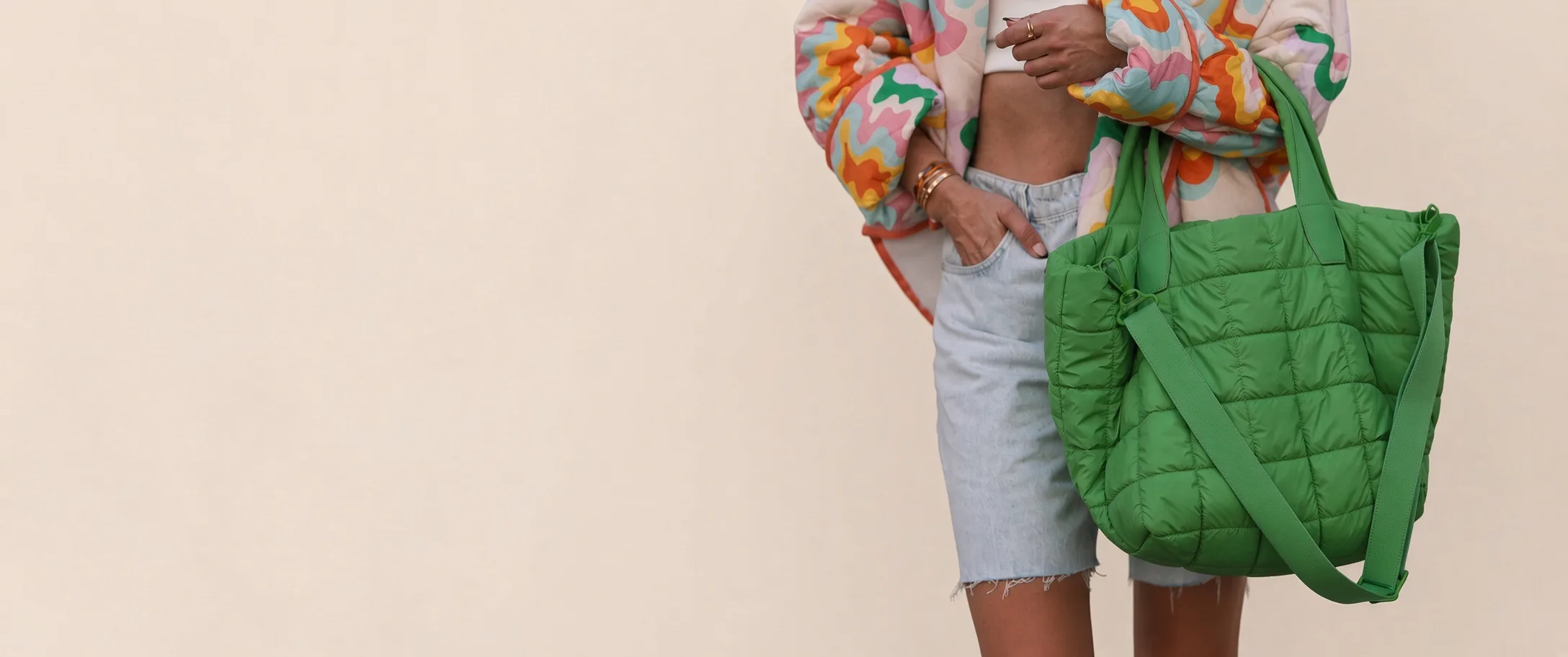
A model in a patterned jacket holding a green quilted tote with a crossbody strap, against a pale studio wall
Structural Quilting · Stitch, Fill, Pattern

Custom Quilted Tote Bag Stitched Too Wide, the Face Sags — 8–12 per Inch Holds the Shape.

What a sample signs is what the run should repeat — and that is where a quilted order goes wrong. The pitch drifts, the fill weight slips, and the panel that left the bench stops matching the one on the line. Send the face, the fill weight and the load — the quote returns in 48 hours, the sample inside seven days.

  • ±1.5 ΔEcolour tolerance
  • 2–6 mmbatting thickness
  • 4patterns on the face

Quilted formats

The Faces This Floor Quilts

Six quilted totes this floor builds most. The pattern, the fill and the finish are reworked to a brief, so a face that is not here is drafted to the reference.

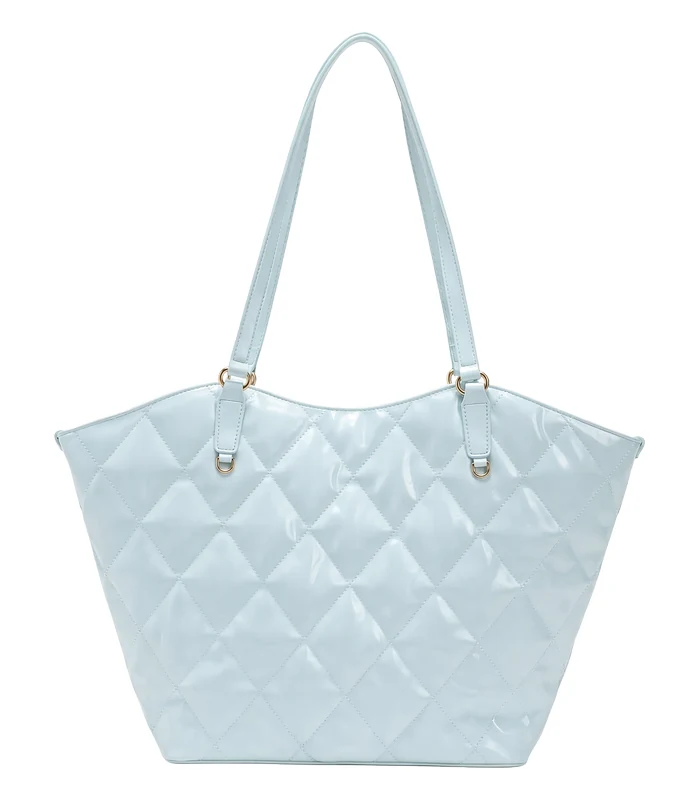
  • A pale blue diamond-quilted tote with long shoulder straps and gold D-rings, shown against a white studio ground

    Diamond Quilted Business Totes

    • Soft cloth slumps across the face once the bag is set down.
    • A tight diamond holds the panel standing through the day.
    • Soft cloth slumps across the face once the bag is set down.
    • A tight diamond holds the panel standing through the day.
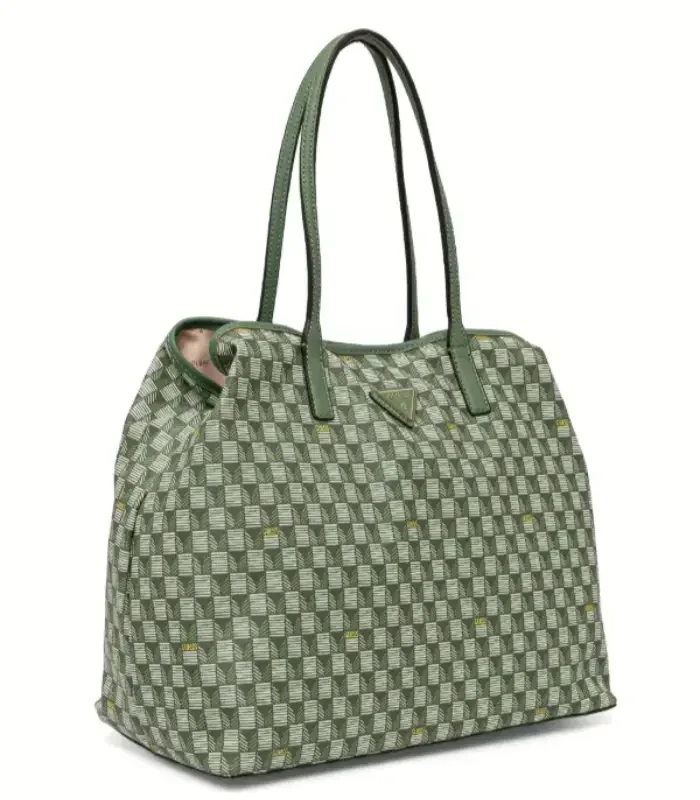
  • A sage-green quilted travel tote with long woven handles and a wave-finished face

    Wave Pattern Quilted Travel Totes

    • Stiff padding makes a soft cabin bag hard to fold away.
    • The wave crosses the width, so the panel folds flat.
    • Stiff padding makes a soft cabin bag hard to fold away.
    • The wave crosses the width, so the panel folds flat.
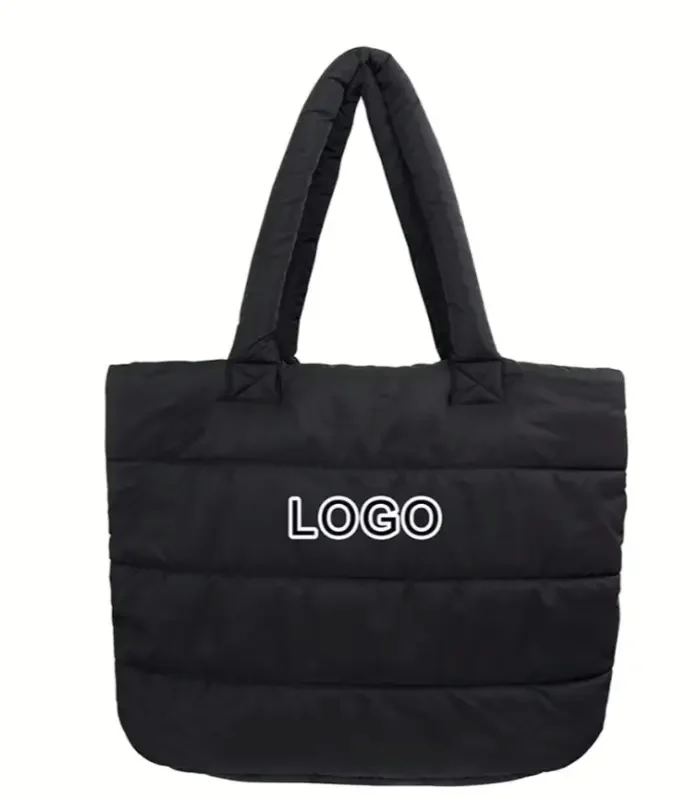
  • A black channel-quilted shopping tote with a woven handle and a plain centre panel for a logo

    Custom Branded Quilted Shopping Totes

    • A logo printed on a puffed quilt sinks into the dimples.
    • A channel-quilted face stays flat, so the mark prints clean.
    • A logo printed on a puffed quilt sinks into the dimples.
    • A channel-quilted face stays flat, so the mark prints clean.
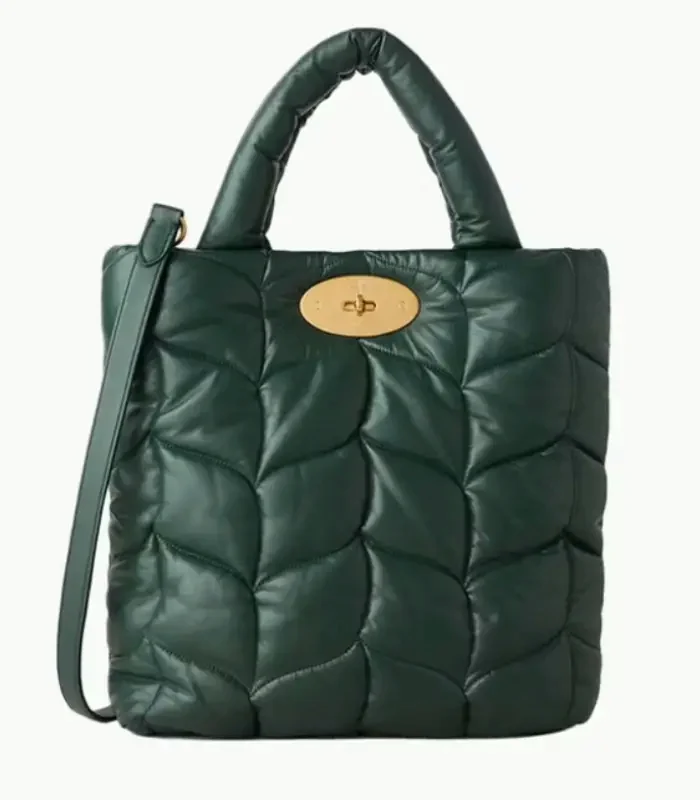
  • A deep-green quilted gift tote with a padded round handle and a gold turnlock

    Luxury Quilted Gift Presentation Totes

    • A light fill lets a gift tote collapse inside the box.
    • A high-density fill holds the shape through the presentation.
    • A light fill lets a gift tote collapse inside the box.
    • A high-density fill holds the shape through the presentation.
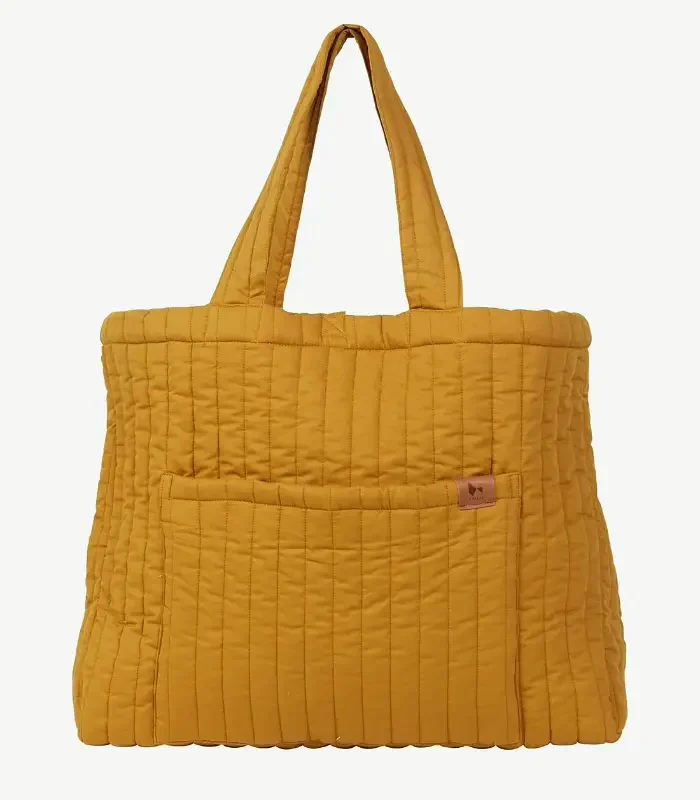
  • A mustard-yellow channel-quilted promotional tote with a front slip pocket and self-fabric handles

    Quilted Promotional Event Totes

    • A busy pattern slows a high-volume promotional run.
    • A flat, open pattern keeps the line quick and the stacks clean.
    • A busy pattern slows a high-volume promotional run.
    • A flat, open pattern keeps the line quick and the stacks clean.
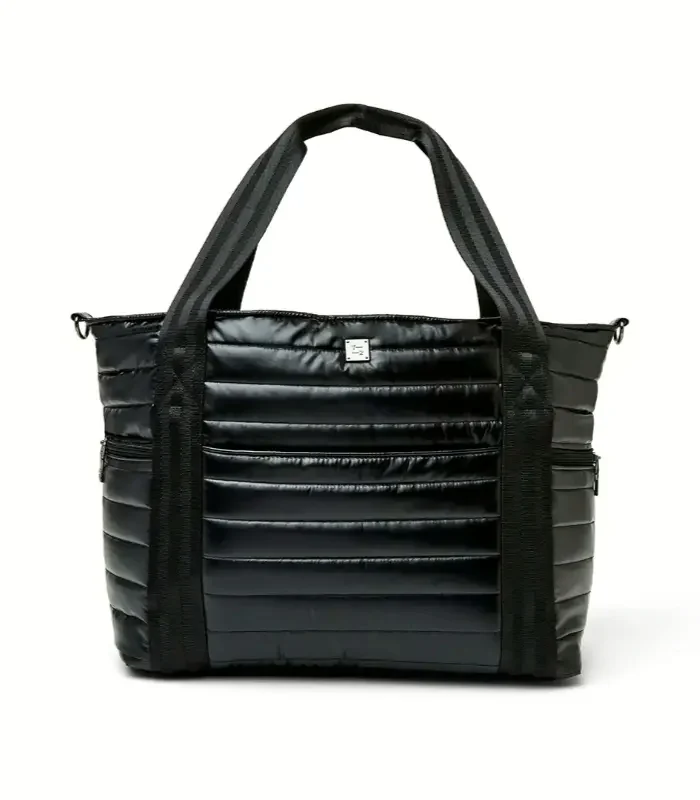
  • A black quilted commuter tote with a zip top, webbing handles and a side pocket

    Technical Quilted Commuter Totes

    • An unpadded tote lets a laptop knock against the body.
    • A padded, zipped panel keeps the machine off the shell.
    • An unpadded tote lets a laptop knock against the body.
    • A padded, zipped panel keeps the machine off the shell.

How a quilt carries

Stitch, Fill and Pattern Set the Panel

A quilted bag is bought for the quilting, and the quilting is what makes it structural. What is set at the pattern stage decides whether the face holds or the seam lets go.

FACEFILLBACKINGPITCH
The stitch holds the fill bridged between two lines. Widen the pitch and the batting drifts.
01

Stitch and fill

8–12 spi · 2–6 mm
  • The figure that decides whether the panel holds.
  • Wider ladders let the batting bridge and drift.
  • A packed panel then splits along the seam.
  • The fill is the structure, not the softness.
  • Batting folds into a case; foam holds a shape.
02

Pattern on the face

Diamond · wave · channel · grid
  • Pattern is proportional to the load.
  • A close diamond stiffens and spreads a point load.
  • A wide channel lets the face roll and fold.
  • Spacing is decided on the pattern and carried across the run.

Specification

What the Order Settles

The fill, the stitch and the fabric have to agree with one another, and a quilted tote run sets them at the pattern stage, before a panel is cut.

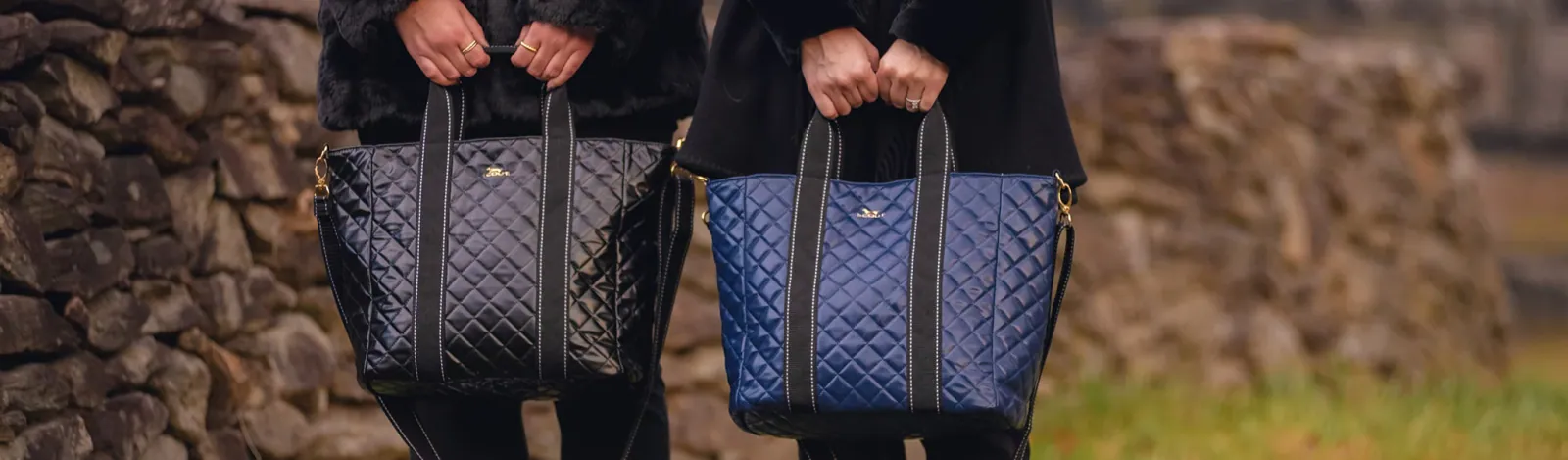
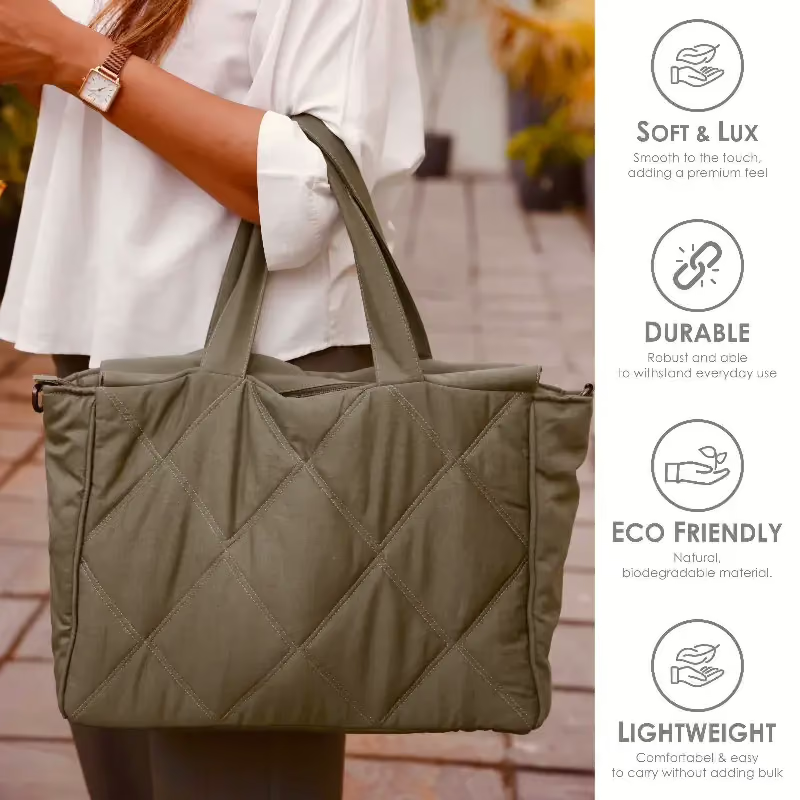
An olive quilted tote carried on the arm against a garden wall

Material and denier

Nylon at 210D and 420D holds a waterproof face on a quilted tote. Polyester at 300D and 600D stays light and strong.

  • Quilted nylon — 210D and 420D, waterproof face on request
  • Quilted polyester — 300D and 600D, recycled yarn in the range
  • Quilted cotton — 10 oz and 12 oz duck
  • Quilted vegan leather — PU or microfibre
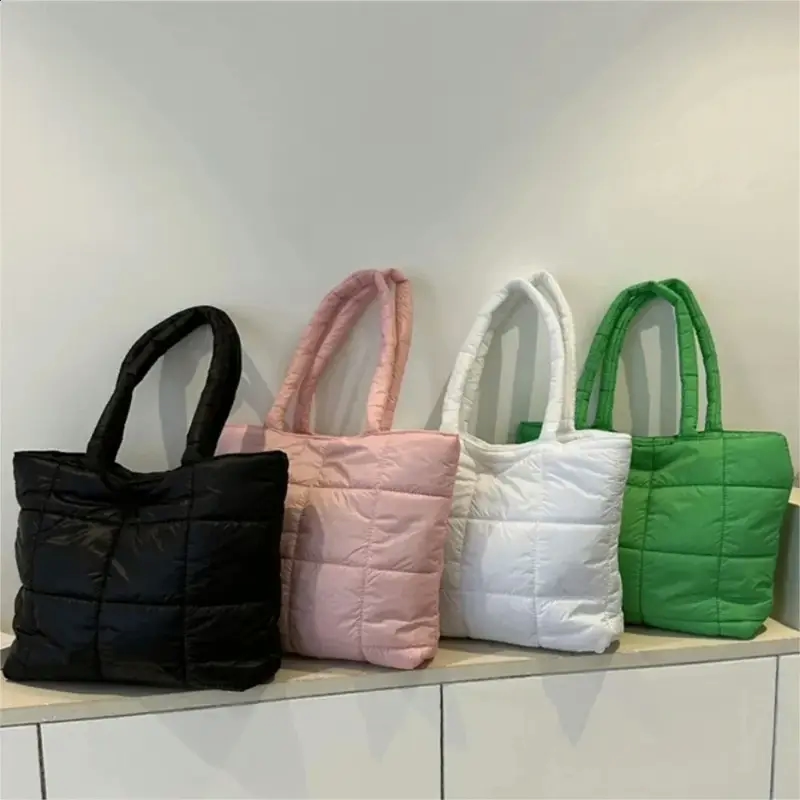
Quilted tote bags in black, pink, white and green lined up on a shelf, one per fill weight

Padding weight

The fill is the backbone of a quilted tote. A 2 mm batting keeps the bag light and adds a subtle structure.

  • Lightweight — 2 mm polyester batting, the lightest, folds flat
  • Medium — 4 mm foam or synthetic fill, the all-round choice
  • Premium — 6 mm high-density foam, holds a shape under load
  • Eco-friendly — recycled polyester fill for a documented claim
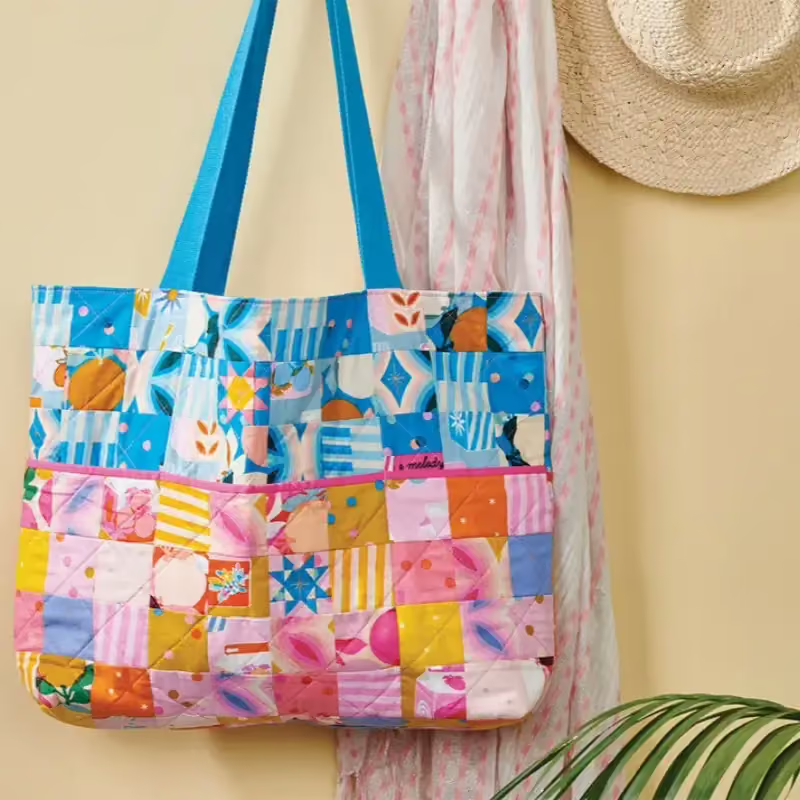
A pieced patchwork quilted tote hanging against a wall, showing the pattern across the face

Pattern across the face

The pattern turns a flat panel into a shaped one, and the line spacing is fixed before the first panel is cut.

  • Diamond — the classic, at a pitch set tight or broad
  • Wave — running horizontal, vertical or curved
  • Channel — at a width fixed before the pattern is run
  • Custom brand or grid — logo integration on a flat field
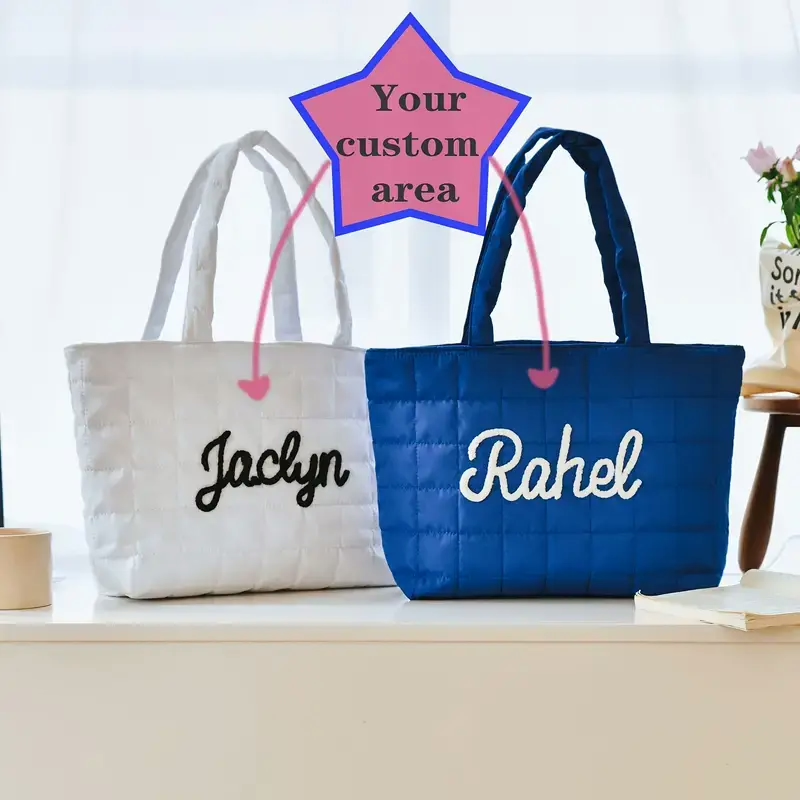
A white and a blue quilted tote, each with a name embroidered on the front panel

Finishing and hardware

Lining comes in practical nylon and polyester, or a branded cloth that carries the brand story.

  • Lining — nylon, polyester or a branded cloth
  • Colour — Pantone matching to ±1.5 ΔE across the run
  • Thread — a matching, contrast or heavy-duty spec
  • Hardware — nickel, brass, gunmetal or matte black

Quilting matched to the load

Send the Load. The Quilt Comes Back Set.

Send the brief; a quilted spec comes back priced, with a sample to check before the run opens.

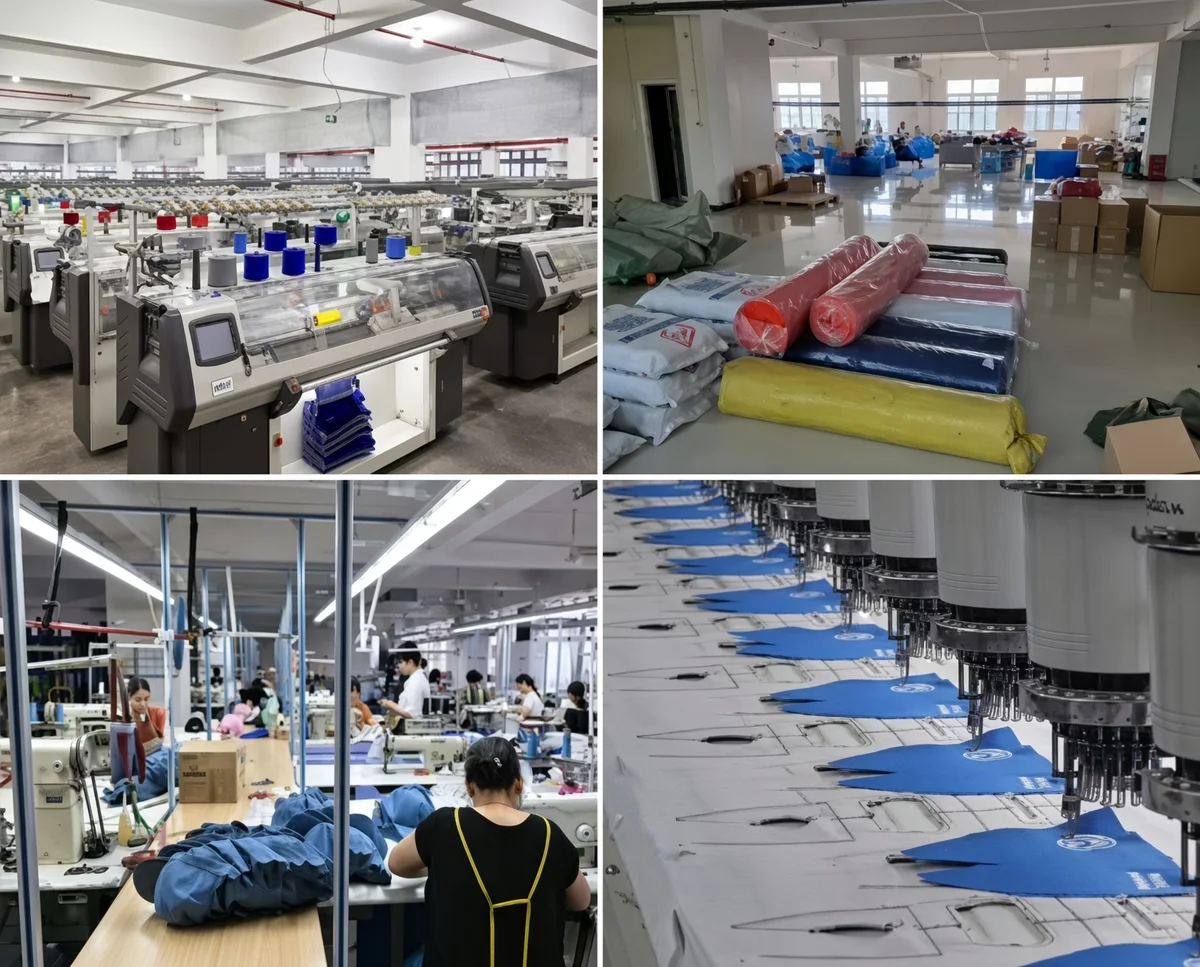
Inside the workshop — rows of computer-guided quilting machines, a fabric prep area, sewers along the line, and a multi-needle quilting head stitching blue panels

Manufacturing capability

Inside the Plant the Panel Is Quilted

A 50,000 m² floor built around the quilted tote — climate-controlled cloth prep, a dedicated cutting zone and a computer-guided quilting line, with QC stations downstream.

  • Computer-guided stitch heads hold the pitch across a full panel.
  • Stitch density set to 8–12 per inch and checked off the panel.
  • Climate-controlled cloth prep and a cutting zone ahead of the line.
  • 500+ machinists and quilters working a single floor.
  • A QC station checks the quilted panel before it reaches assembly.

Where it sells

Where the Order Fits, and Where It Stops

A quilted tote run is built for a brand or a retail buyer placing a repeatable order, and it is the wrong floor for a shopper, a one-off sample or a consumer channel. Both sides are set out below, because the buyer worth having is the one who can see the line before the quote.

  • Order size

    FitsA first run at 100 pieces per construction, scaling to a programme.

    StopsA one-off wholesale sample — the floor prices the hundred-piece run.

    BuyerA brand or retail buyer placing a repeatable order.

    Not forA shopper, a one-off reseller, or a marketplace relist.

  • What is built

    FitsA quilted face over a bonded fill, stitched to a held pattern.

    StopsA luxury house finish — edge-paint, hand-stitched welt or lined frame.

    BuyerA brand that owns the pattern and its mark.

    Not forA buyer who needs the bag designed — made-to-order, not a design house.

  • Artwork

    FitsEmbroidery, appliqué, a debossed label or a woven badge.

    StopsA fine print on a filled panel — the mark sinks into the dimples.

    BuyerA label supplying finished artwork.

    Not forA buyer who needs original artwork created for the run.

  • The buyer role

    FitsA sourcing lead, founder or retail buyer who can sign a specification.

    StopsA private-label programme run on buyer-facing data the brand already owns.

    BuyerThe party who places the order and owns the range.

    Not forA consumer channel — dropship, fulfilment arbitrage or a DTC storefront.

Buyer accounts

The Quilted Panel Held. Reorders Came Back

Two order-side accounts on the same quilted tote — a fashion label building a first run and a retailer placing a seasonal repeat — told through the fill, the pitch and the pattern that had to hold.

Stellan VossFounder, Voss & Rye

Bridging keeps a quilted face flat, and the first run set it by eye. At 3 mm the batting sagged across the widest channel, so the face read uneven once packed.

The fix was a 5 mm bond pitched at 9 per inch, proved on one size first. Sample panels come in the bulk cloth, so the face is judged as production, not as a mock-up.

Across four patterns and two cloths, no panel has split along the stitch. Diamond over 2 mm batting held the lightest silhouette; channel over 6 mm foam kept the shape standing.

Liora MorinHead of Buying, Maison Claremont

Retail runs live on the reorder, and a quilted face makes it harder. The pattern is set per size, so a second colourway has to land on the same pitch.

Two cloths ran through one grid. Pantone held to ±1.5 ΔE across the run, so a colour added later sat beside the first, not near it.

Four patterns ran one season, and the second came back on the identical lines. A tight pattern runs dearer than a broad channel over the same shell, so the grid was set once.

Quilting questions

Frequently Asked Questions About Custom Quilted Tote Bag

The questions a quilting brief turns on — the fill, the stitch line, the pattern, and the points where a quilted panel is the wrong build.

A thin fill folds flat and a thick one holds a shape — which does a quilted tote need?

It follows from what the bag does when it is full, not from how soft the face should feel. A thin layer of batting under a running channel keeps the panel light and lets it fold flat; a foam sheet holds a shape once the bag is packed and set down; a dense layer keeps a gift face plumped through handling. The thickness is bonded, never laid loose, so it stays where it is put instead of drifting to the seam.

Why does a quilted panel split at the stitching once it is packed?

Because the stitch that holds the fill is also the line the panel tears along once the ladders are set too far apart. Under a packed load the batting bridges a wide gap on its own, drifts into one channel and leaves the next unsupported, and the seam then takes the pull instead of spreading it. Setting the pitch to what the fill can actually bridge is what prevents it — the drawing above dimensions that gap as the pitch.

Will a logo stitched into a quilted face still read once the bag is carried?

Not as a flat print would. A dense stitch pulls the cloth in and the padding lifts the surface, so a fine mark stitched straight into a filled panel sinks into the dimples and distorts. A mark on a quilted bag is either appliquéd or worked against a flatter panel of the face, with the pattern arranged so the lines stop clear of the artwork instead of running through it.

Does the fill migrate, or does it hold through a wash?

It holds where it is bonded, not where it is laid loose. A batted fill resting between two cloths bunches into one corner the first time the bag is cleaned; a bonded or laminated fill stays put, because the stitch not only compresses the layers together but holds the fibre sheet flat. What travels with a run is the mill sheet naming the fill and its bonding, so the claim is checked against the roll, not the sample.

Stitching pulls cloth into the panel — how does a run still hit its finished size?

A quilted panel finishes smaller than the flat cloth cut for it, because the stitch draws the face in as it closes the channel. The pattern is dimensioned at the finished size, with the take-up added back before a panel is laid, and the seam where the pitch changes is placed to keep the corners square. The dimension the pattern carries is the finished one, not the cut one.

Can a whole run keep one quilting pattern across a colour range?

It can when the pattern is set as a size, not drawn free. The line spacing and the point at which the pitch changes at a seam are fixed on the pattern, so the diamond lands the same way on a navy panel as on a cream one, and a reorder comes back on the same lines. What shifts between colourways is the thread and the hardware finish, not the grid.

Is a quilted tote heavier than a plain one — does the quilting add weight?

It does, and the fill is where the weight comes from, not the cloth. The stitch line itself adds almost nothing; the millimetres of batting or foam inside the face are what carry the extra grams, so a bag quilted for structure in a dense fill weighs noticeably more than the same body left plain. Choosing the fill against the load is how the weight is kept off the shoulder.

Start a quilted run

Name the Quilt.
The Panel Comes Back Specified.

Tell us what the bag carries and how the face is used. Back comes the fill weight, the stitch density, the pattern and a physical quilted sample at the hundred-piece floor.

Get a Quote