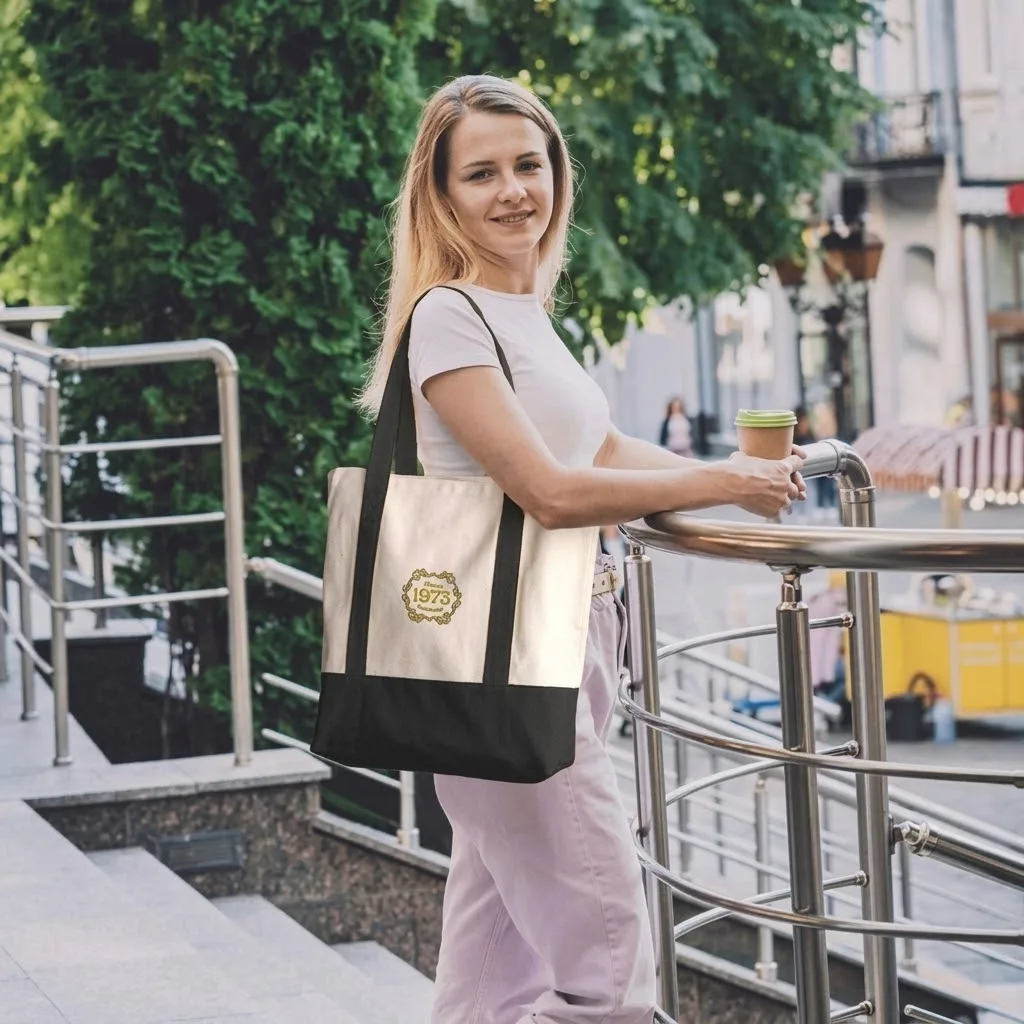
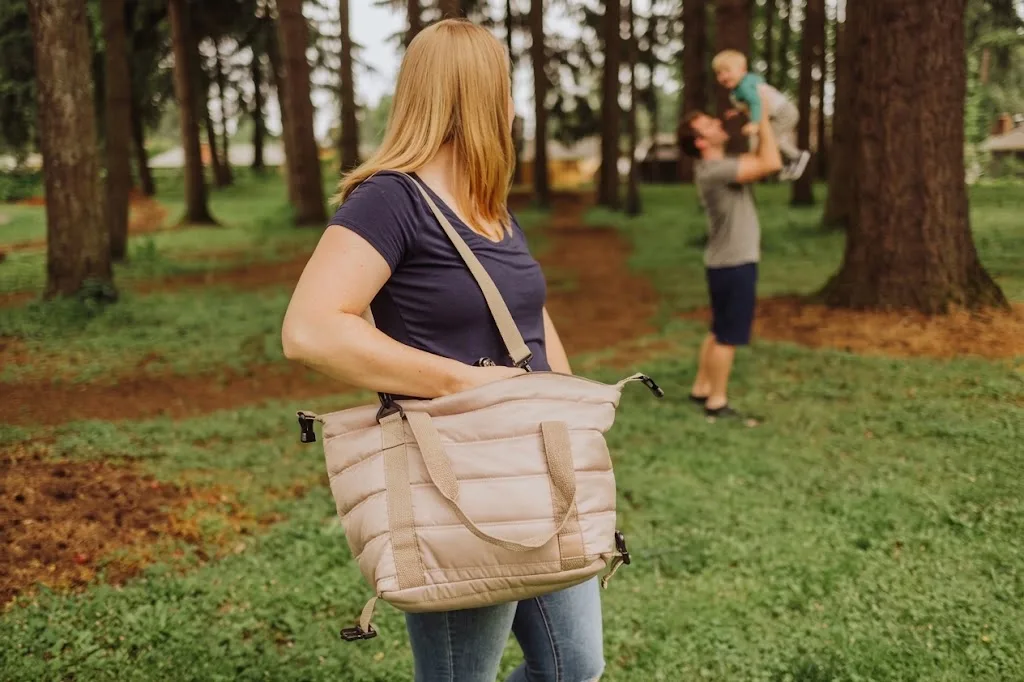
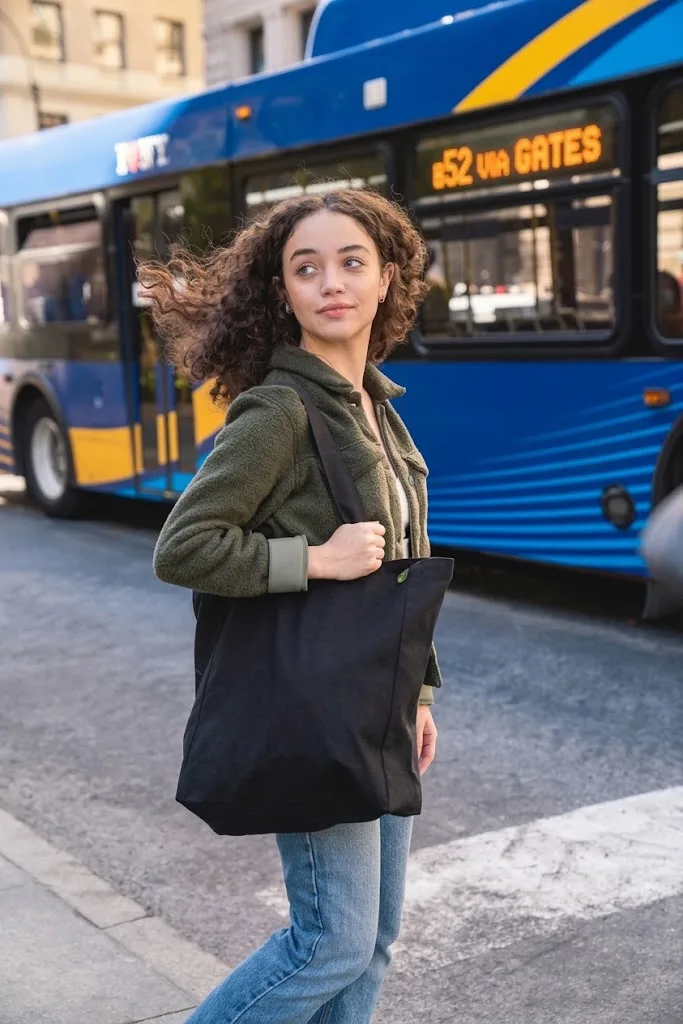
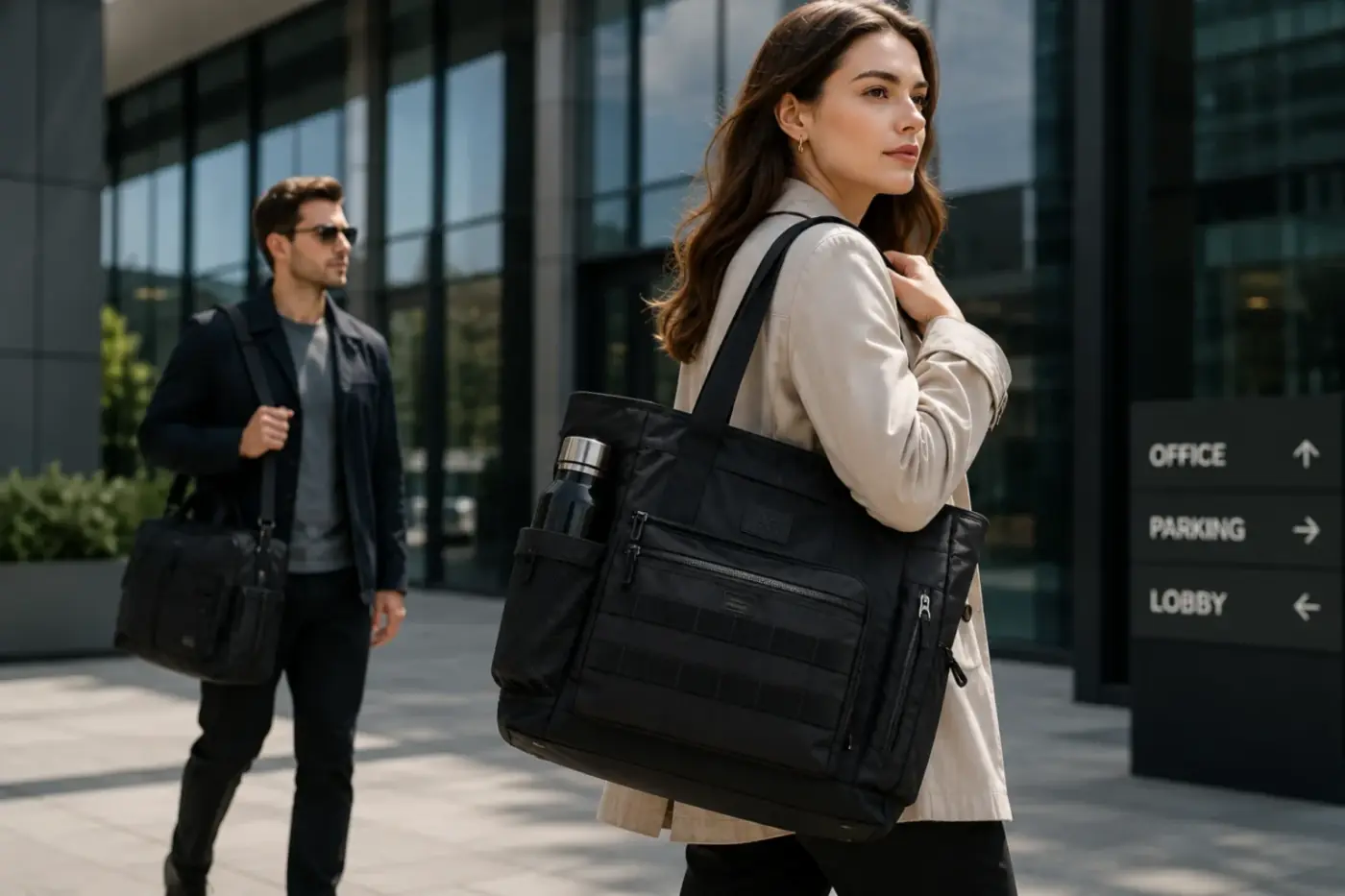
A shopper carrying a large black multi-pocket canvas tote through a glass-fronted office lobby
Canvas weight · seam strength · load path

Custom Tote Bag Manufacturer 10–18 oz Canvas, Matched Where Totes Fail First

The handle stitch gives out first, then the base seam, then the panel — a single route the load takes from the hand into the cloth. Weight decides where it gives, so the cloth and the handle are specified to what the bag has to move, and the build is set past the point the load arrives at.

  • 339–610g/m² canvas weight
  • 2weights held in stock
  • 4–6weeks bulk production

Tote types

Choose Your Tote Bag Type

The tote types we build most often. One that is not here is still workable: the pattern is drafted to the sketch or the reference bag the same way.

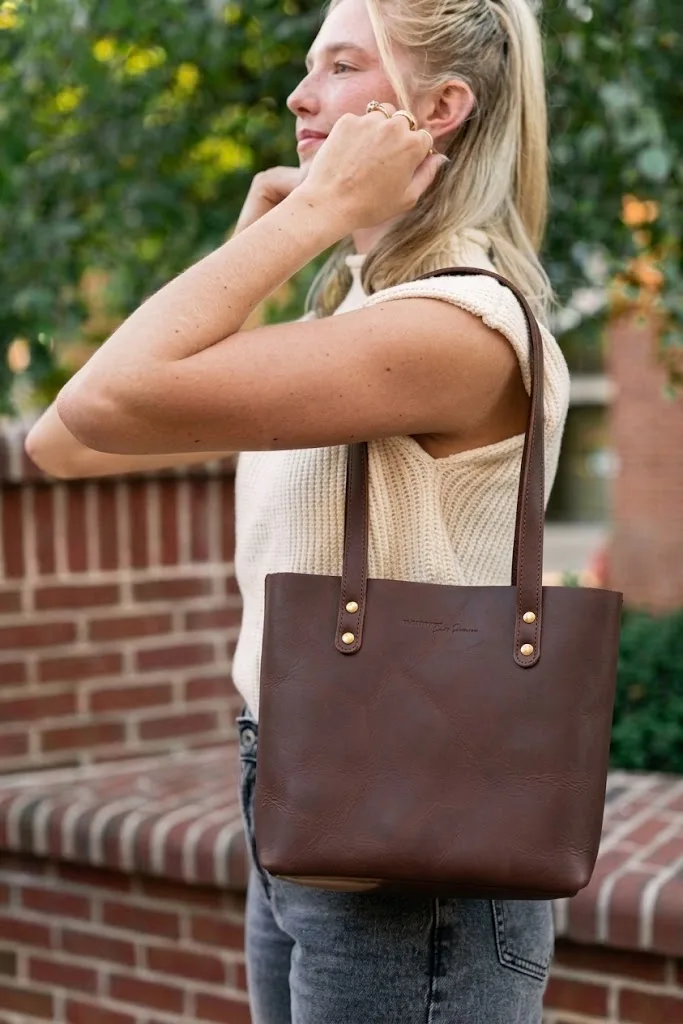
  • A small black leather tote bag with a top handle and studded side panels, made as a custom sample

    Small City Tote Bags

    • A compact everyday carrier sold on its finish rather than its capacity
    • A short top handle plus a shoulder strap, on a body shallow enough to stay on the arm
    • Sold in a colour range, so the order is usually several colours on one body
    • A compact everyday carrier sold on its finish rather than its capacity
    • A short top handle plus a shoulder strap, on a body shallow enough to stay on the arm
    • Sold in a colour range, so the order is usually several colours on one body
  • A navy recycled cotton tote bag with a printed heart motif and webbing handles

    Recycled Cotton Tote Bags

    • The plainest body in the range — something to carry a message and nothing else
    • No lining, no closure and no fixed base: the cheapest construction to cut
    • Where a claim has to be proveable, the fibre documents travel with the order
    • The plainest body in the range — something to carry a message and nothing else
    • No lining, no closure and no fixed base: the cheapest construction to cut
    • Where a claim has to be proveable, the fibre documents travel with the order
  • A green reversible tote bag shown from the side, with an external slip pocket

    Reversible Tote Bag

    • Bought to show two faces — a different colour or a different brand treatment on each side
    • Seams are finished on both sides, since one of the two faces is always on show
    • Two-way construction needs a wider seam allowance than a one-face tote
    • Bought to show two faces — a different colour or a different brand treatment on each side
    • Seams are finished on both sides, since one of the two faces is always on show
    • Two-way construction needs a wider seam allowance than a one-face tote
  • A natural undyed cotton canvas tote bag with long self-fabric handles

    Canvas Tote Bags

    • The reference construction the rest of the grid is built on
    • A plain body with long handles, structured enough to stand open when it is set down
    • Taken undyed, or dyed to a shade the buyer names
    • The reference construction the rest of the grid is built on
    • A plain body with long handles, structured enough to stand open when it is set down
    • Taken undyed, or dyed to a shade the buyer names
  • A cream canvas tote bag with a red contrasting base and red webbing handles

    Promotional Tote Bags

    • Ordered in the largest numbers, so the construction is chosen to cut clean and stack flat
    • A simple body with webbing handles, kept free of details that raise the unit
    • Dated to a launch, so the delivery window is fixed rather than preferred
    • Ordered in the largest numbers, so the construction is chosen to cut clean and stack flat
    • A simple body with webbing handles, kept free of details that raise the unit
    • Dated to a launch, so the delivery window is fixed rather than preferred
  • A white foldable tote bag with black webbing handles and a zip front pocket

    Foldable Tote Bags

    • Made to be carried folded — a pocket or a pouch in the bag turns it into its own case
    • The fold line runs across the blank middle of the panel, never through the handles
    • A snap, a zip or a flat pouch is what holds it closed once it is packed down
    • Made to be carried folded — a pocket or a pouch in the bag turns it into its own case
    • The fold line runs across the blank middle of the panel, never through the handles
    • A snap, a zip or a flat pouch is what holds it closed once it is packed down
  • A grey insulated tote bag with a black base and webbing handles

    Insulated Tote Bags

    • Food carrying: the brief is a barrier against heat, not a canvas to hold a load
    • A washable inner lining inside an outer shell, with the two sealed where they meet
    • The zip runs around the mouth, so the opening is shaped to the access
    • Food carrying: the brief is a barrier against heat, not a canvas to hold a load
    • A washable inner lining inside an outer shell, with the two sealed where they meet
    • The zip runs around the mouth, so the opening is shaped to the access
  • A dark green quilted tote bag with a padded top handle and a detachable shoulder strap

    Quilted Tote Bags

    • Carried as personal hand luggage, so it is bought near-leather in weight and finish
    • Quilting stitched through a padded layer, with the fill bonded so it does not drift
    • The quilting runs panel by panel, so the pattern decides where the lines fall
    • Carried as personal hand luggage, so it is bought near-leather in weight and finish
    • Quilting stitched through a padded layer, with the fill bonded so it does not drift
    • The quilting runs panel by panel, so the pattern decides where the lines fall
  • A cream canvas tote bag with dense embroidered floral and geometric panels

    Embroidered Tote Bags

    • The embroidery is the product here, so the bag around it is kept plain
    • A dense stitched panel pulls the cloth in, which a plain bag does not have to allow for
    • The order lines are built around the embroidery files first and the pattern second
    • The embroidery is the product here, so the bag around it is kept plain
    • A dense stitched panel pulls the cloth in, which a plain bag does not have to allow for
    • The order lines are built around the embroidery files first and the pattern second

Where it fails

Where a Loaded Tote Fails First

A tote does not wear out evenly. Weight leaves the hand and arrives in the cloth through a single route, and the bag gives way at one of three points on it — almost always the same one.

123
  1. 1

    The handle

    Flat webbing, rope or ribbon

    • The pull is vertical — nothing keeps a loaded bag hanging level

    • The webbing rarely breaks — it is woven along both edges and outlasts the cloth it is sewn to

    • The failure is at the turn — folded over a sharp edge and stitched flat, the strip saws through the panel

    FixTurned at a folded reinforcing tab, never a raw edge, so the load meets cloth rather than a corner.

    FormsFlat webbing spreads the pull across its whole width and is the default on anything carrying weight. A rope handle concentrates the same pull onto one narrow line of stitch, so it needs a wider anchor. A ribbon handle is the lightest of the three and has to be lined.

  2. 2

    The attachment

    The box-X, on both faces

    • This is where most totes die — the panel is cut along the stitch line, not torn through

    • Two straight lines concentrate the load — every kilogram presses into the same few millimetres

    • One panel face carries it all — stitched to the front alone, the load hangs off one skin

    FixA box-X across the handle end, piercing both faces, so the load spreads over a rectangle.

    FormsStitched alone, the box-X spreads the pull across a rectangle of cloth and is the default up to a mid-weight duck. At 16 oz and above the anchors are riveted as well, carrying the load through the panel rather than resting it on the stitch line.

  3. 3

    The panel

    The body, its base, its sides

    • The seam opens before the cloth rips — a single-row seam along the bottom edge is the first to go

    • The base corners take the most — that is where the flat panel turns into the floor

    • Side panels hold the shape — without them the bag folds inward whenever it is not full

    FixTwo rows at the load-bearing seams, with the base seam bound rather than raw.

    FormsA regular flat bottom folds out of the body panel and is the simplest thing to make. A scissor bottom is seamed as its own piece, so the bag stands open on the ground with a load in it, and the corners are reinforced before assembly rather than after it.

Fabric weight

Pick the Canvas by Weight

Tote canvas is sold by mass per square yard. The number is not a quality grade — it is the answer to how much cloth is standing between your product and the ground.

10oz/yd²

339 g/m²

EverydayStocked

Built to carry

A weekly grocery run, a stack of books, clothing on a hanger.

Fold-over webbing, a gusseted base, the handle end box-X stitched through both faces.

Stops being right when

Loads that get past a few kilograms, or a bag folded flat and reopened daily — the crease lands on the handle stitch.

12oz/yd²

407 g/m²

Carry-all

Built to carry

A laptop, a lunch, cables and a water bottle in the same bag, every day.

Rolled webbing, a structured front panel, and a bound base seam.

Stops being right when

A rigid edge pressed against the inside, or a wet market floor — this weight is not water-finished as standard.

14oz/yd²

475 g/m²

Trade

Built to carry

Tools, samples, hospitality linen, bottles in quantity.

Heavy webbing through a folded tab, riveted at the anchor, reinforced base corners.

Stops being right when

A buyer who wants a soft, foldable bag — at this weight it holds a shape whether you want it to or not.

16oz/yd²

543 g/m²

Heavy dutyStocked

Built to carry

Repeated loads, insulated and cooler construction, a bag that gets dragged rather than carried.

Boxed base, riveted handle anchors, corner panels doubled before assembly.

Stops being right when

A promotional order pricing to a number. Nothing about this weight is cheap, and it is the wrong spec for a giveaway.

18oz/yd²

610 g/m²

Field

Built to carry

Equipment, fixtures, contractor and site use.

Riveted and sewn anchors, a board or liner set between layers, corner panels reinforced twice.

Stops being right when

Retail packaging — it will not fold to a shelf-ready flat, and the freight per unit climbs with it.

Where the line sits

What the Floor Takes On, and What It Leaves

Most factories answer this question with a yes, because a yes is what gets the order. The tote briefs below are the ones this floor is genuinely set up to run, and the ones it will decline rather than quote badly.

The briefDecisionWhy
A brief that names what the bag will carryWe take itName the load, and the weight, handle and seam follow.
A construction reused across colourwaysWe take itThe second colour is the same bag, not a second order.
A heavier canvas than the brief asked forWe take itIf the use outruns the weight you named, we say so early.
A tote priced below the cloth it is made fromWe passUnder ten ounces it is a folded promotional bag.
A logo we cannot make read on the weaveWe passFine type or a gradient that no weight will hold.
A weight chosen for reassurance rather than for the loadWe passAn eighteen-ounce duck costs more on the roll and the freight.

Customization

Everything You Can Specify

A tote is a blank panel until the order sheet is filled in. What the cloth is, what sits on it and what colour it comes in are all fixed at the sample stage — and changing any of them after the pattern is cut means cutting a new one.

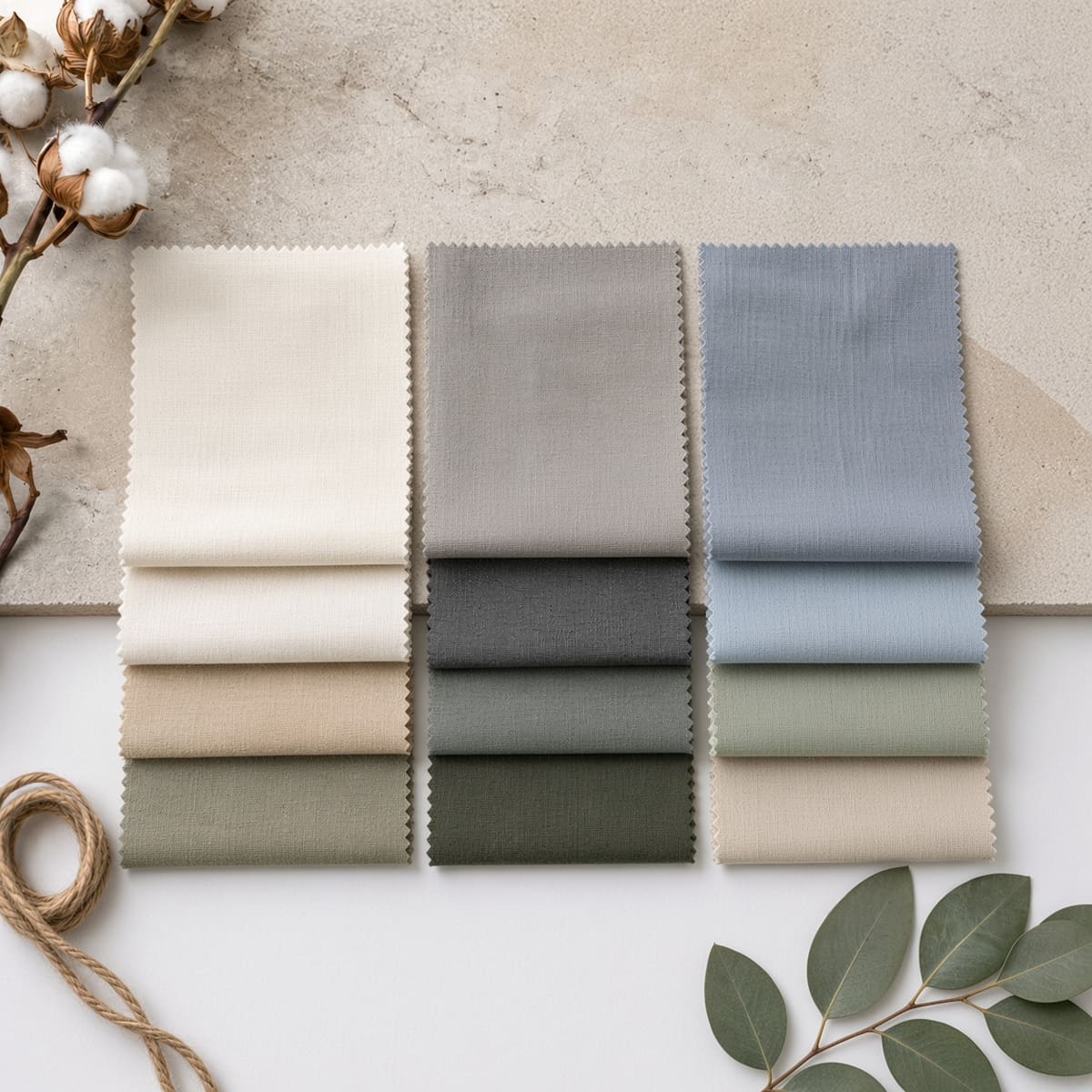
Swatch cards of tote canvas in four weights, arranged in columns of cream, slate, blue and green with a cotton boll and a coil of jute alongside

The cloth

  • Cotton canvas

    The default. Takes a print, holds a shape, and is the fibre every weight on the ladder above is quoted against.

  • Recycled cotton

    Short-staple fibre spun back up — the same gram-for-gram weight at the same ounce, with slightly less strength than virgin cotton.

  • Recycled polyester (rPET)

    Bottle polymer spun to yarn and quoted in denier rather than ounces. Holds far more printed colour than cotton will, and takes a heat transfer better.

  • Organic cotton

    The same duck at the same weight, grown to a chain-of-custody standard rather than being a different cloth.

  • Polyester

    Vivid colour and sharp detail, but heat-sensitive — it prints and washes differently from cotton, which is a decision, not a detail.

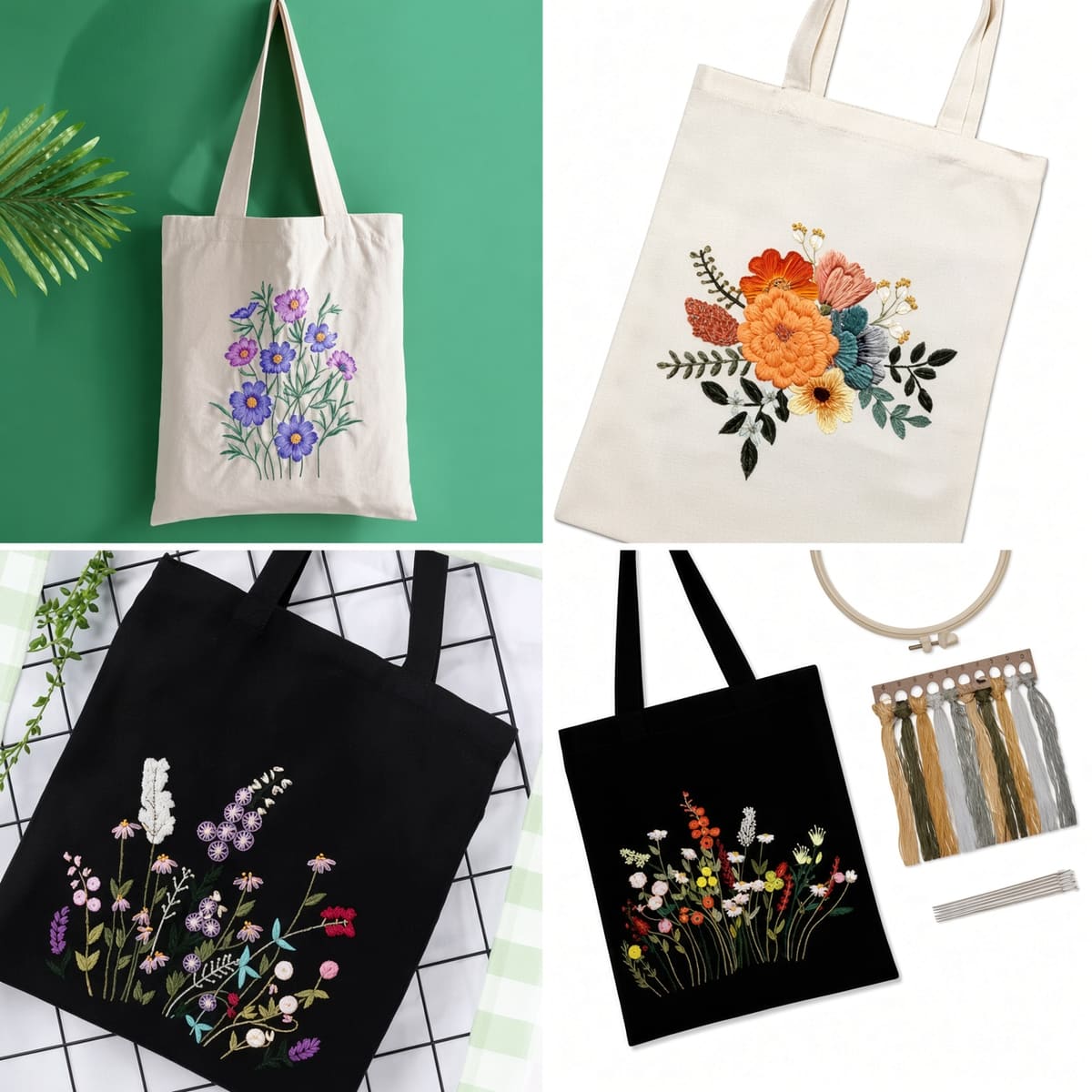
Four canvas totes, cream and black, each carrying a floral design in embroidered thread, with a ring of thread spools beside one

The mark

  • Screen print

    Pigment ink laid into the weave. The workhorse for flat colour, and the cheapest way to carry a one- or two-colour mark across a large run.

  • Heat transfer

    A printed film pressed onto the cloth. The finest detail of the six, and the first to lift at a fold because it sits on the panel rather than in it.

  • Embroidery

    Thread stitched through the panel. Raised and tactile, and it needs a stabiliser behind it or the stitch line puckers the duck.

  • Digital print

    Full colour and gradients with no screen to cut, which is what makes a photographic mark viable on a short run.

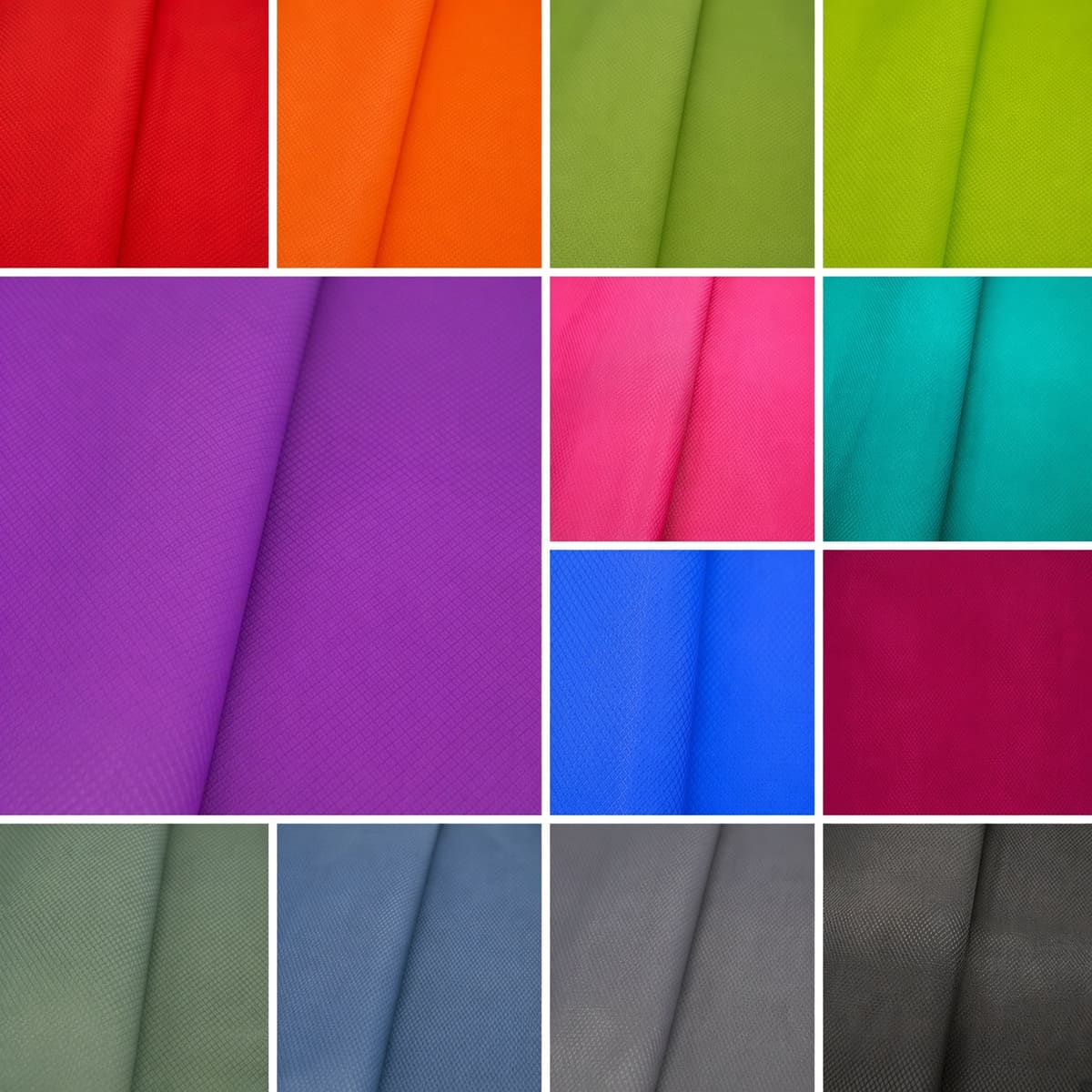
A grid of cloth panels in a wide range of dyed colours, red through purple, blue, green and grey

The colour

  • Brand colour matching

    The ink and the cloth are mixed to your brand guide rather than matched by eye to the nearest stock swatch.

  • Pantone matching

    Available on the print, the thread and the webbing together, so the mark and the handle land on the same colour rather than close to it.

  • Colourways on one construction

    One pattern and one weight run across several colours, because the set-up is paid once rather than per colour.

  • Stocked cloth, or mill-dyed

    Cloth held in stock runs in the weights on the shelf. A colour outside that palette is dyed at the mill, which raises the quantity, because the mill sets the dyelot rather than the pattern.

Run schedule

Sealed, Then Built Against It

A canvas tote gives way at the handle anchor, along a seam, or on a mark that looked right in a photograph and disappeared into the weave. Two stages below exist to find those on one piece; the rest of the run is measured against the piece they produce. The day-ranges are typical, and the bulk phase is the window you are quoted.

  1. 01

    3–5 working days

    Tech pack and cloth lock

    • Weight, weave, handle construction and marking method, locked before anything is cut.
    • Change the weight after this and the entire pattern re-cuts.
    • Clears whenThe weight, handle form and marking method are signed off in writing.
  2. 02

    2–4 working days

    The pattern is proven flat

    • One panel cut, stitched and marked before any bulk cutting starts.
    • Off-grain cutting, a sagging handle, a mark lost in the weave — all found here.
    • Clears whenThe pattern and the mark are cleared on a single panel.
  3. 03

    5–7 working days

    The sample is sealed

    • Full-size tote sample, built in the bulk cloth and inspected to spec.
    • An approved sample in a drawer is not a control. A sealed one is what the line runs to.
    • Clears whenA sealed sample, a signed spec sheet and a bulk start date.
  4. 04

    4–6 weeks

    Bulk runs to the sealed sample

    • Cut, sewn and reinforced against the sealed piece, never against the drawing.
    • In-process checks at each station catch drift in dozens, not at the final audit.
    • Clears whenThe handle anchor and boxed base are verified on the line.
  5. 05

    3–5 working days

    Released, packed, delivered duty paid

    • Inspected against the sealed sample before the cartons are closed.
    • Packed for a container crossing water, shipped duty paid, cleared at the far end.
    • Clears whenThe inspection report, the load photographs and one invoice.

Weight matched to the load

Send the Brief. We Size the Canvas.

Two numbers decide a tote quote: what the bag will carry and how many you need. Give us both and the specification comes back matched to the load, costed at MOQ.

Use cases

The Runs a Tote Actually Sits In

A tote is bought for a job rather than a look, and the brief changes with where the bag is handed over — the weight, the base and the mark all follow the run. These are the runs this floor builds most.

  • Four colleagues meeting around a table in a bright office, laptops, notebooks and coffee open in front of them

    Corporate events and conferences

    • Packed with the delegate pack, then carried long after the badge is binned.
    • One mark, read across a room, on a weave heavy enough to take the day.
    • Run dated to the event and held in the brand’s colours, not a stock promo tote.
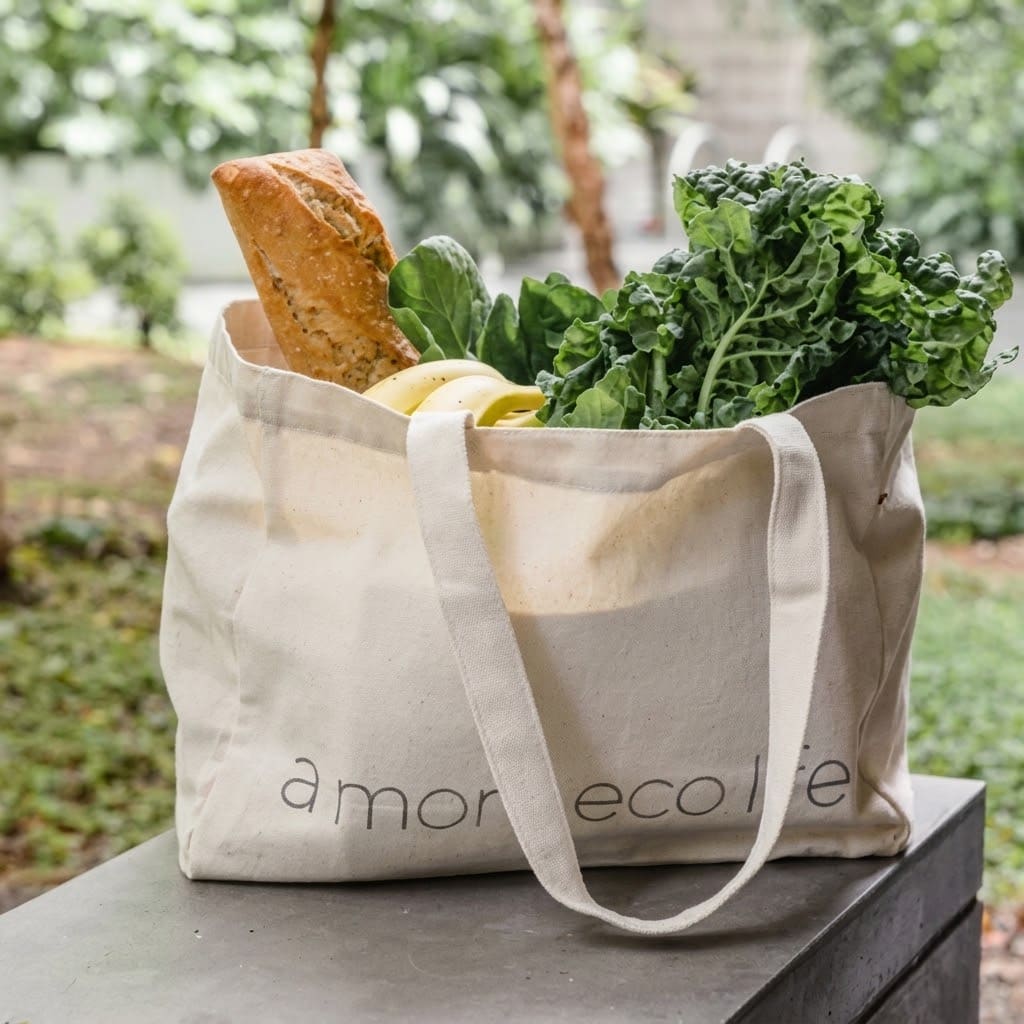
  • A natural canvas tote printed with a thin lowercase brand mark, packed with a baguette, bananas and leafy greens

    Retail and reusable packaging

    • Replaces the single-use bag at the till with a tote built to survive reuse.
    • Carried out of the shop and used again, so the mark is seen by people the shop never met.
    • Ordered small enough to test a range before committing to one.
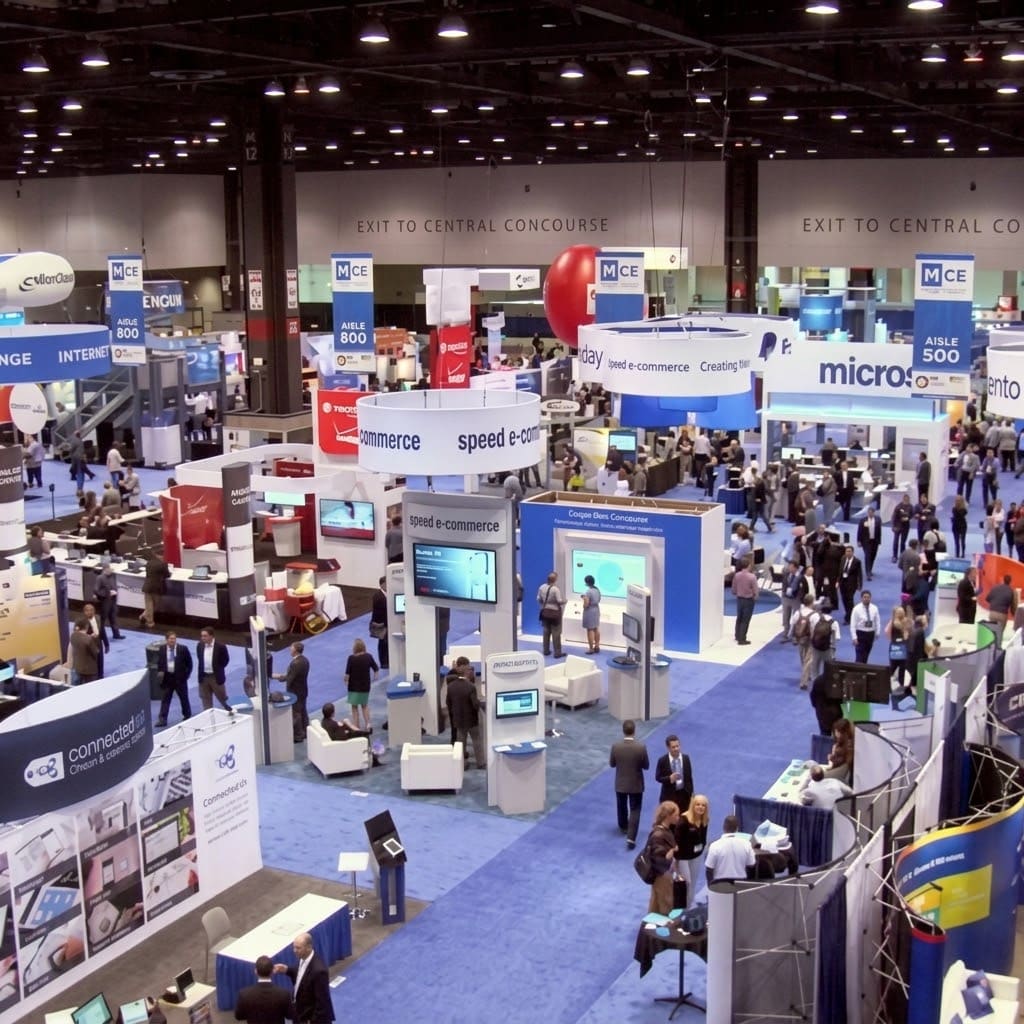
  • A crowded exhibition hall seen from above, ranked rows of branded booths along a blue aisle carpet

    Trade shows and exhibitions

    • Carries the samples and the literature all day, then leaves with the visitor.
    • Specified for load, because a show tote fails at the handle before anywhere else.
    • Mark chosen to take a hall floor rather than one clean flat-lay.
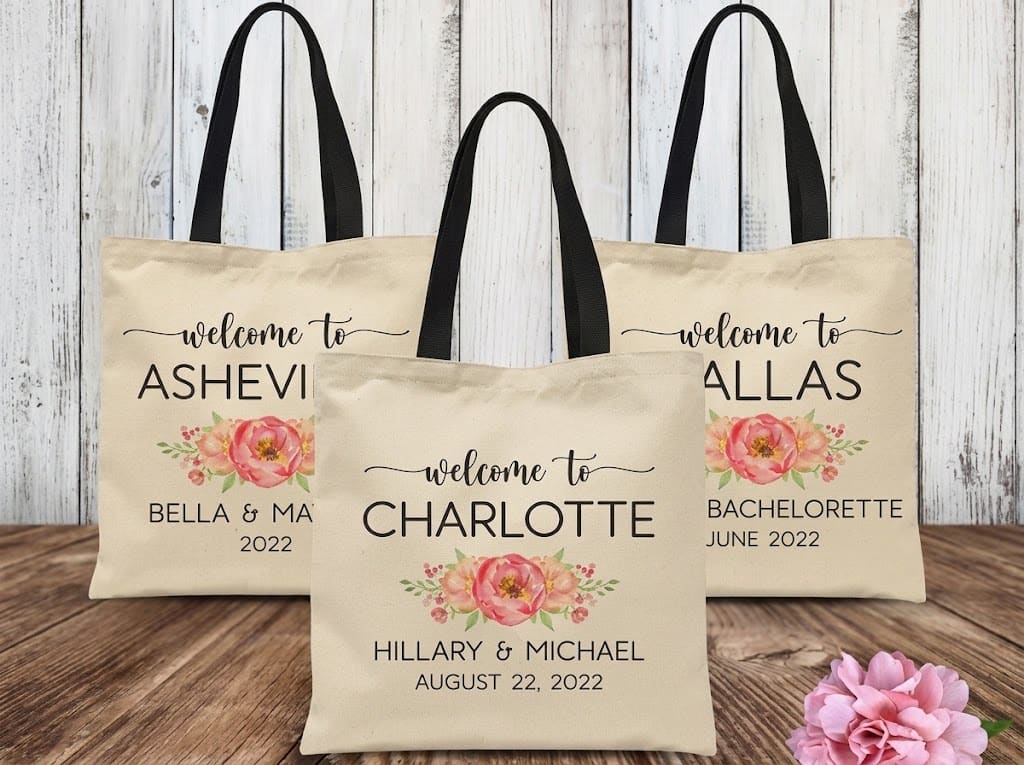
  • Three cream canvas totes printed with script lettering and a floral motif, personalised for a wedding party and a bachelorette weekend

    Gifts and seasonal promotions

    • Replaces wrapping paper with something that is kept and used instead.
    • Presented filled, so the boxed base and the anchor are seen loaded, not flat.
    • A mark that reads clean up close, since a gift is not seen across a room.

Buyer accounts

First Run Held. Orders Came Back

Two buyers on what a tote run had to survive — a sustainability-led range and a run of event totes — and how the order answered it.

Emily CarterFounder · GreenEarthCo.

GreenEarthCo. sells into grocery and zero-waste shops, which fixed the brief: a printed recycled cloth that takes a full weekly shop. Weight came back at 12 oz recycled cotton rather than the 10 oz the first sketch assumed — anything lighter creases at the handle stitch.

The pre-production sample arrived sealed inside two weeks, at full size in the bulk cloth, so the weave could be judged by hand before a hundred pieces were cut.

A hundred pieces ran first, in two colourways off a single pattern. An AQL 2.5 inspection cleared the lot before the cartons closed, with load photographs before anything left the floor.

The reorder went in at 1,800 pieces on the same weight, only the colours changing. The mill certificate and the roll's tolerance travel with the run — what a zero-waste buyer asks for first.

Mark StevensCEO · UrbanMarket

UrbanMarket gives away totes across a season of trade shows, which sets a hard date and a hard load: samples, catalogues and a laptop, carried out of a hall and across a car park. The spec settled on 14 oz duck, riveted at the handle anchor.

A full-size sample was sealed inside two weeks, and the mark was proved on the panel before the run was cut. Saturated colour on a stiff weave is where a logo goes soft.

The first order ran 1,200 pieces in ten weeks, dated to the opening show rather than to the plant's convenience, and print held right across the lot with the count cleared before the cartons closed.

Two further seasons have gone out on the same construction, changing only the colour of the print. Reorders now go in on the pattern number alone.
Tote questions

Frequently Asked Questions About Custom Tote Bag Manufacturer

The questions that come up on most tote enquiries. Where a figure already appears in a section above, the answer points at it rather than repeating it a second time down the page.

What canvas weight should I choose for a custom tote bag?

It follows out of the load, not out of a taste in cloth. Say the heaviest thing the bag will routinely carry and the weight picks itself — a grocery load sits at the light end of a ten-to-eighteen-ounce range, tools and equipment at the top. The weight is the first decision because it settles the handle construction and the seam, and the section above sets the choice out weight by weight.

Why do most tote handles fail before the bag does?

Because the handle is the point where a load concentrates, and on a cheaply built tote it is stitched to one panel face with two straight lines. The webbing itself rarely breaks — it is the cloth around the stitch that saws through. Anchoring the handle end with a box-X and running it through both faces spreads that pull across the panel instead of along two lines of thread.

Will a printed tote still look right in a year?

Two things decide it, and neither is the ink. On an open cotton duck a photograph or a soft gradient loses the detail that made it recognisable, at any distance the bag is actually seen from — and where the artwork will not read on the weave, the answer is a different method rather than a badly printed one of the same. The rest is the fold. A panel is printed flat and folded into a bag, and a print folded while the ink is still soft cracks along exactly that crease a few weeks later, which is the failure a buyer meets as a store return rather than as a sample. Printed sheets here are folded only after curing, with the fold line placed clear of the artwork.

Are the totes actually eco-friendly, or is that just the material name?

The material is the easy half and the claim is the half worth asking about. Recycled cotton and recycled polyester are real and they are what most eco-positioned totes are made from, but the material alone does not survive scrutiny. What travels with the run is the mill certificate for the cloth, the weight tolerance on the roll, and the restricted-substance screening results.

What actually decides what a tote costs?

Three things, and none of them is the logo. The weight of the cloth sets the material cost and moves the freight with it; the construction decides how much handling the bag takes; and the marking method decides the set-up, because a screen or a die is paid for once regardless of how many pieces run under it. A quote is built from the weight and the construction rather than from a category price list, and the weight ladder above names the construction each weight forces.

What gets confirmed on a tote sample before the run?

Three things that cannot be checked on a screen: how the cloth actually feels at the weight you chose, where the handles sit when the bag is loaded, and how the mark reads against that weave at arm’s length. A drawing cannot answer any of them, which is why the sample is signed off before cutting starts, and why a change at that point costs nothing.

What happens if a tote run arrives with a defect?

A lot is released on a sampling inspection to AQL 2.5, drawn at random from the finished run and passed before the cartons close — so most of this is caught on our floor rather than on yours. Where something does arrive wrong, the run is remade or credited rather than argued about. The handle anchor, the attachment and the base seam are the three places a loaded tote actually fails, and a print that greys out is the fourth; a claim against any of them is checked against the spec the run was cut to.

Why does a tote sample take two weeks before the bulk run starts?

Because two of those stages exist to stop a run, not to prepare one. The pattern is proved on a flat panel first, and only then is a sample built and sealed — so a weight that handles wrong or a print that cracks along the fold shows up on that one piece, before the bulk is cut rather than halfway through it. That is a cheaper place to find it than in the middle of a hundred. The schedule above sets out each stage and what it closes on.

Start a tote run

Name the Load.
We Size the Cloth.

Tell us what the bag has to carry and how it gets used. Back comes the fabric weight, the handle construction, the marking method and a physical sample at a hundred pieces.

Get a Quote