
Material Cutting to a 0.5% Defect Ceiling — a Drift That Never Reaches the Seam.
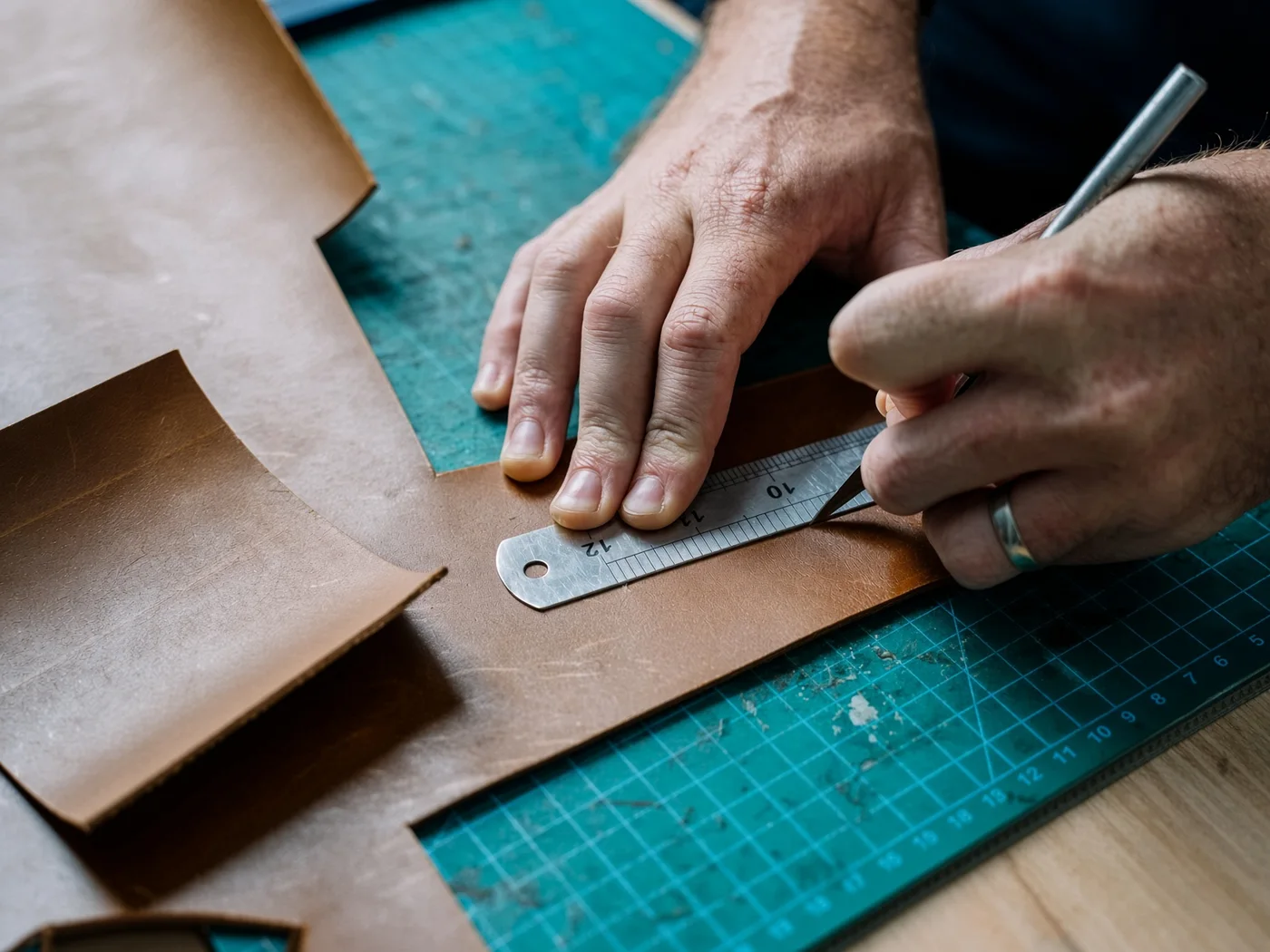
Paper templates drift, and it stays hidden until a panel will not close on the seam. Cut from a single digital file and nested into the hide, the five-hundredth piece leaves the table at the width of the first. Send the panel and the piece count; the method and the tooling come back named.
- to 4 mmsingle pass through hide or board
- 3×faster than CO₂ on thin stock
- 100pieces minimum on a run
How the panel is separated
Laser, Table or Die, the Panel Picks the Method.
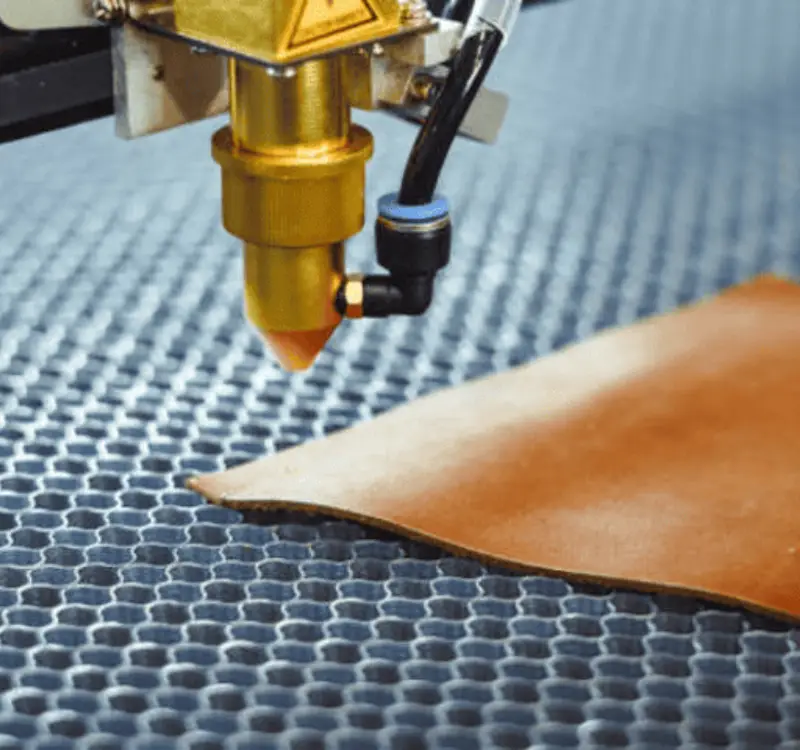
The material and the shape decide which method makes a panel, and the wrong one is what costs a run — a die that cannot hold a curve, a beam that scorches a pile, a blade that shifts on a stretch.
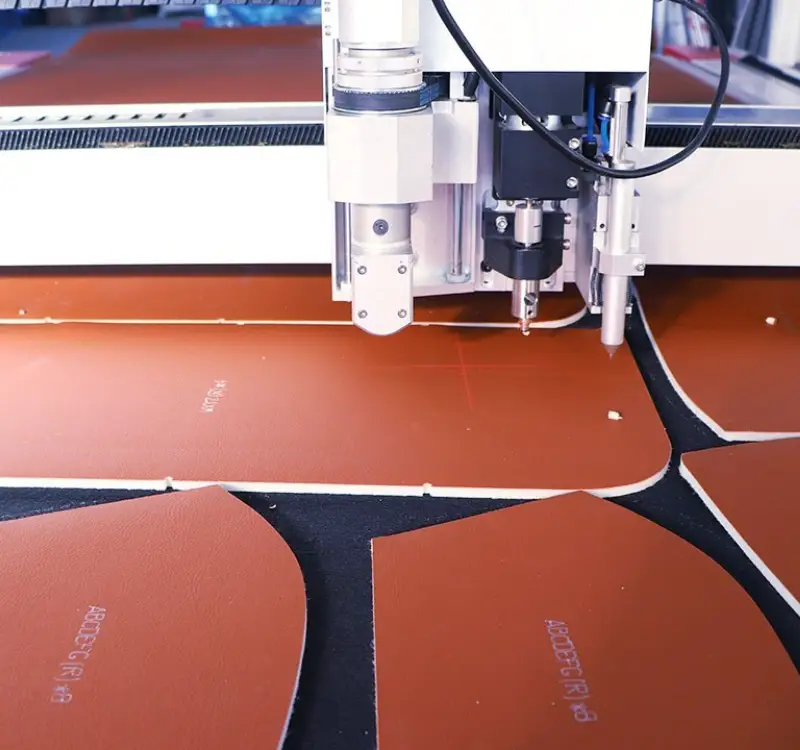
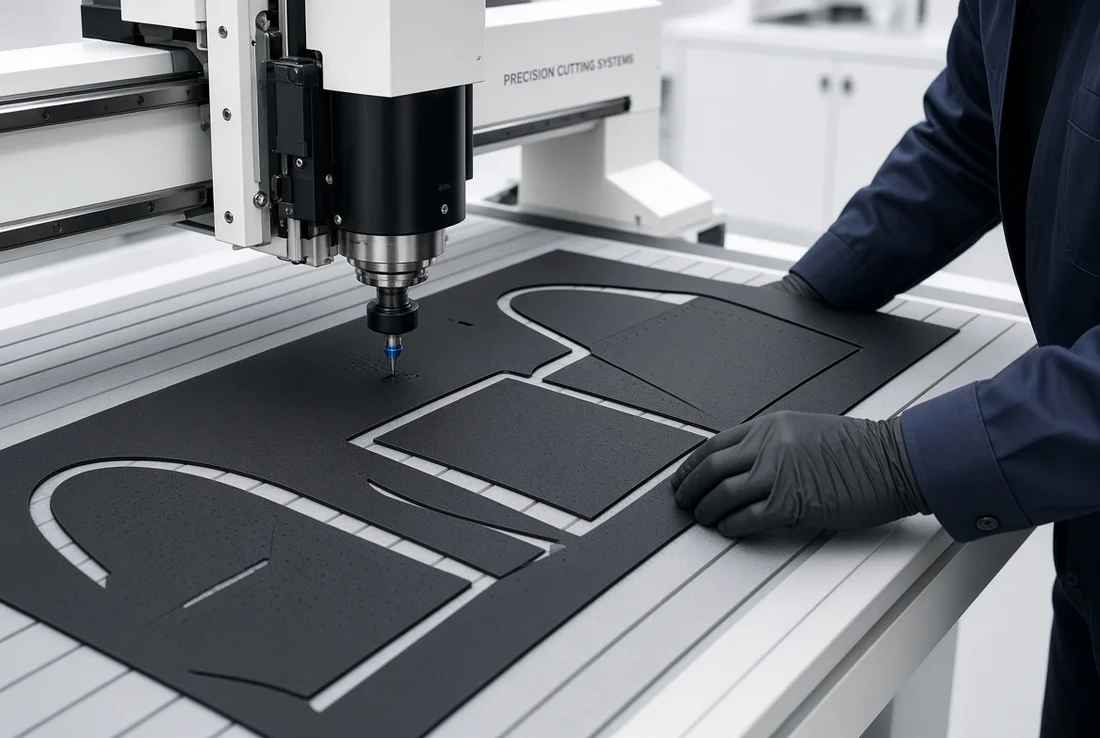
CNC Cutting Table
How it cutsA computer-controlled blade follows a pre-designed digital template, so the same file drives the sample and the bulk run.What it takesFabric, leather and synthetic panel stock, laid on the table and cut in one pass.Choose it whenPanels with a grain, a pile or a drape the pattern has to respect, and runs where the cut holds the same line a thousand pieces deep.Drivedigital template, no paper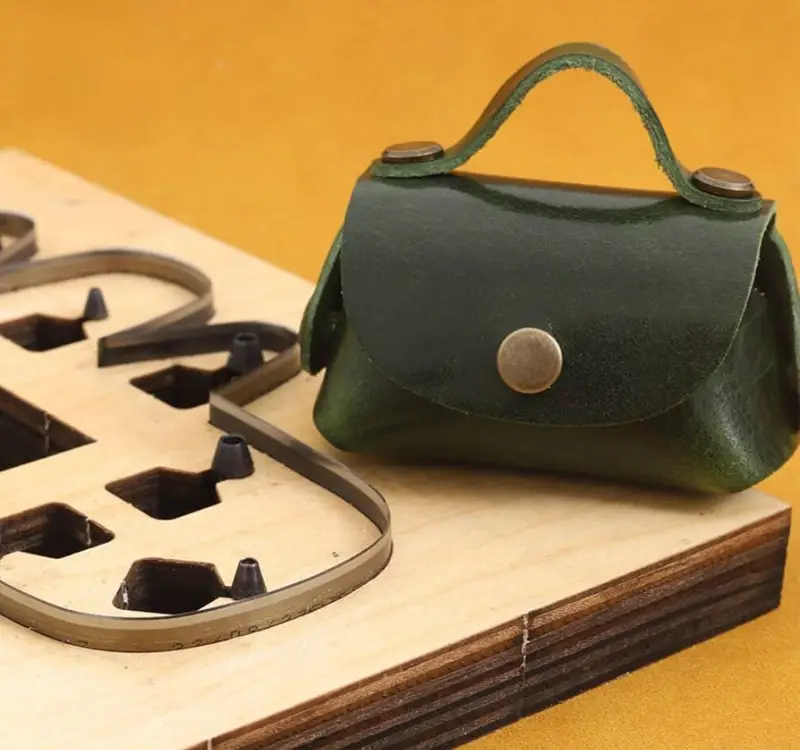
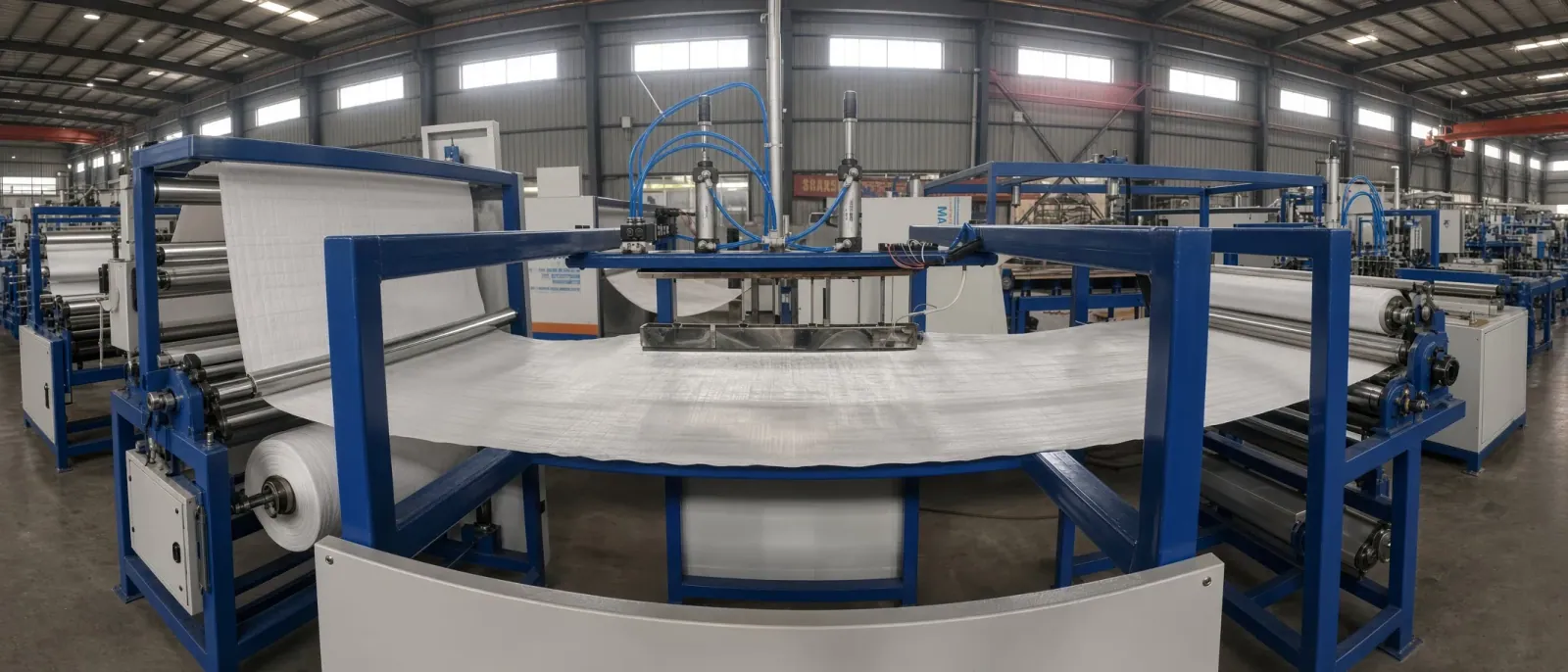
Die Cutting
How it cutsA steel rule die is pressed through stacked material, so the shape is set once and repeated by the press, not by a blade path.What it takesBulk fabric, leather and board where the shape repeats and the volume carries the tool.Choose it whenHigh-volume runs of a single shape, where a die amortised over the order costs less per part than any cutting pass.Toolingsteel rule, one size per die
What the cut returns
Tighter Nesting. Drawn Once.
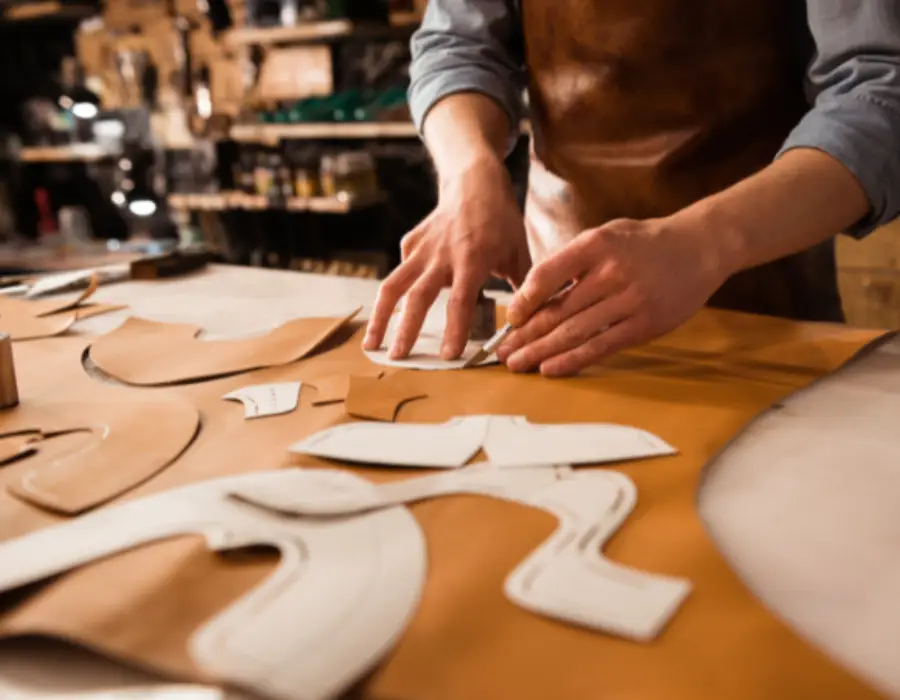
A cut is where a run can lose money to the offcut, and where a range is either locked to one size or held open. Nesting and grading are both settled on the table, before the stitching floor sees anything.

Cutting to a schedule
Set by the File,
Held by the Tool.
One file carries the sample, the bulk order and the reorder, so nothing is redrawn between them and the blade lands in the same place whatever the quantity. The terms below are settled before that file is released.
Order floor100, one style
- Priced as a single run.
- A second style opens its own.
First sampleseven days from the file
- Counted from the released file.
- A single panel, before bulk starts.
Bulk window15–30 days from release
- Runs from the sample's file.
- Covers cutting, bundling and check.
Toolingdie and pattern held
- A repeat reuses it.
- Not charged a second time.
Panel to quote
Name the Panel. Back Comes a Costed Cut.
A cutting quote is only worth having if it names the method the panel will be cut on. Send the material, the shape and the quantity, and the answer comes back method, tooling and window stated.
Cutting questions
Frequently Asked Questions About Material Cutting
The questions that come up before a cutting run opens, answered where their figures already sit above.
The floor is 100 pieces — is a small first run worth opening?
The floor sits on the order, not on the ambition. A short first run is cut on the table or the laser from the same file a die would later be made from, so nothing about it is throwaway — the first panels are a test to hold in the hand, not a paid preview. When the style comes back, the die is made against a pattern that already exists.
Can a laser hold the fine internal cut-outs that ruin a die?
A laser traces the shape, so an internal opening with a small radius is a path in the file, not a second tool. A steel die cannot press an inside corner narrower than the rule it is bent from, and that corner is where a die-cut panel tears or crushes. The beam carries what the die drops.
Will a pile or a stretch fabric drift across a long run?
The material is laid and nested before the blade moves, so the direction a panel runs with the grain is set on the file, not left to whoever lays the table. A paper template cannot carry that direction, so the cut walks a little and the drift only shows once the piece is sewn, as a side that no longer lines up.
Is the die charged again when the style is reordered?
No. A die and a graded pattern are held against the style for as long as it lives, so the second order starts from the file the first one used. A reorder skips the tooling line, and the second delivery comes off the same die seat as the first.
How is a panel that has drifted caught before it is stitched?
Drift is a cutting fault only until it is stitched into a seam — after that it is an assembly fault, and a run pays for it on the line. Catching a panel before it is bound into a bundle is what keeps a small error small.
Does tighter nesting make the bag recycled or recyclable?
Nesting decides how much of a hide leaves the table as offcut; it does not change what the panel is made of. A recycled-content claim rests on the certificate behind the stock, and a material saving is not on its own an environmental claim. Laying the pattern tighter is a cost the order sees, not a label the panel carries.
Does adding a size to the range mean a new pattern?
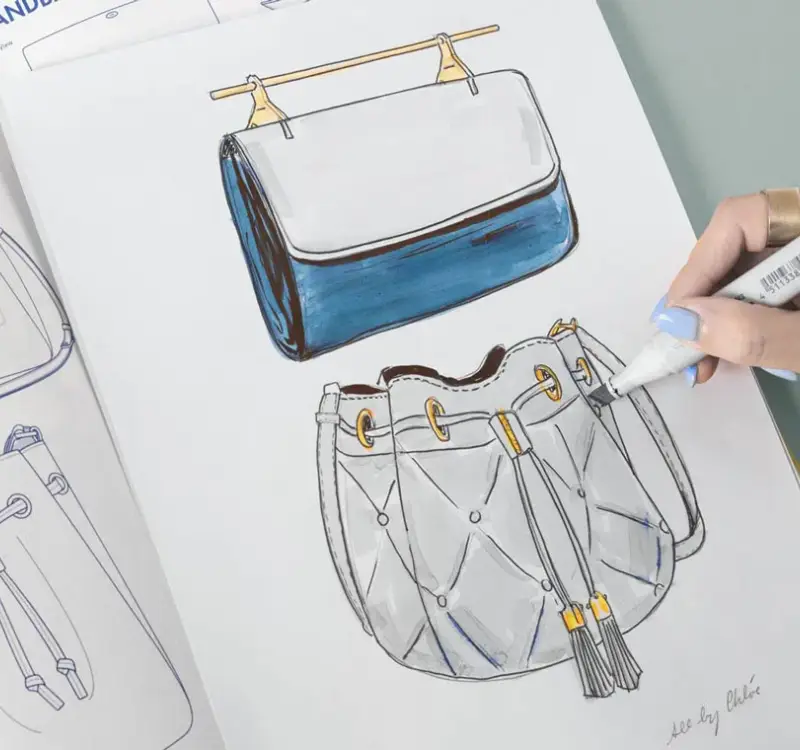
The pattern is graded, not redrawn, so a small and a large of the same bag come off one file. A fit correction is entered once and passes to the rest of the range, which keeps a size run consistent without a separate drawing, a separate die or a separate tooling cost per size.