
Custom Cosmetic Bag Manufacturer Lining Laminated Past the Stitch Line, Holding a Spill.
A cosmetic pouch is drawn from what has to go in it — height set by the tallest bottle, width by how many sit side by side. That pattern is what lets a first run start at the minimum of 100 pieces and a reorder come back the same.
- 4constructions
- 15–30day production
- 100+vetted suppliers
Product range
The Cosmetic Bag Range, Built to Order
Patterns are on file for all the categories shown here, and everything follows one of four constructions — the legend at the foot of the grid sets out what those are.
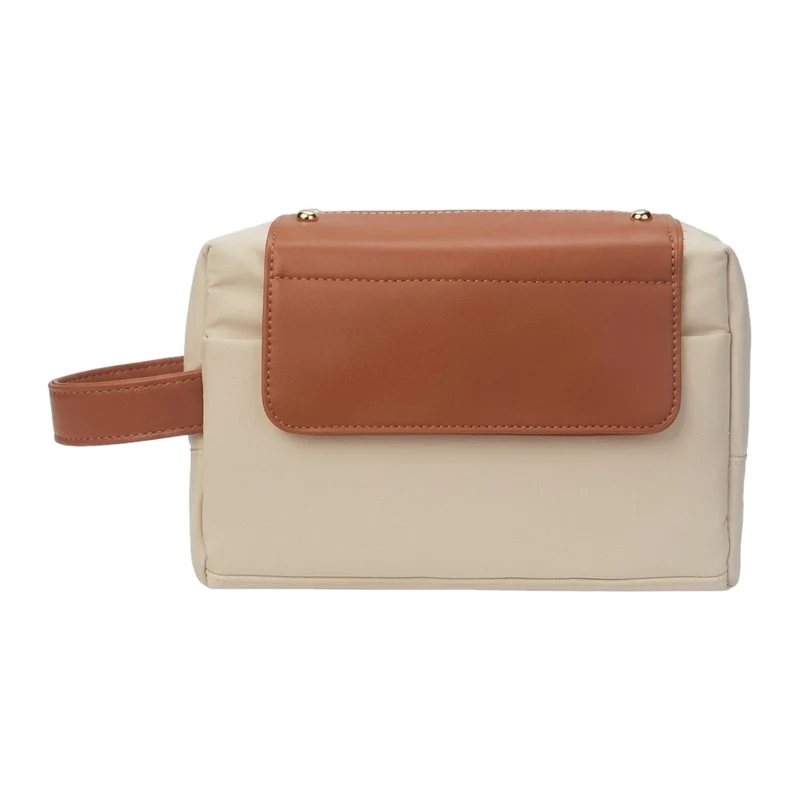
Custom toiletry bag
Standing
- A wash bag sized to a bottle height, with or without a hanging hook
- A flat pouch swallows a full bottle and sits badly; the gusset sets the standing shape
- Side gusset cut to bottle height, so the bag stands loaded and empty
- A wash bag sized to a bottle height, with or without a hanging hook
- A flat pouch swallows a full bottle and sits badly; the gusset sets the standing shape
- Side gusset cut to bottle height, so the bag stands loaded and empty
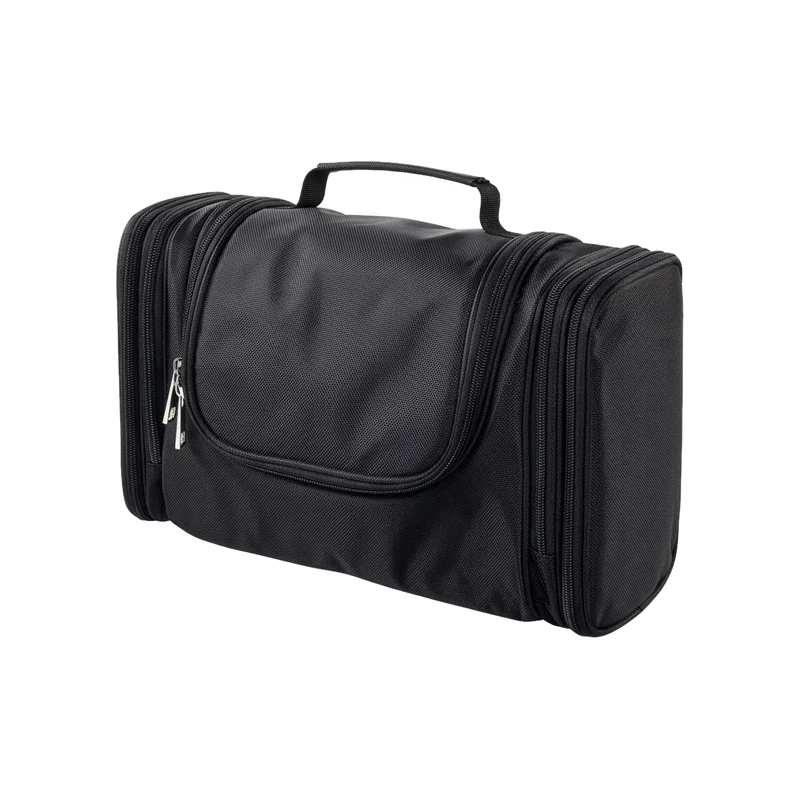
Travel cosmetic bags
Standing
- Multi-piece sets in one fabric, packed as a single retail unit
- A set lives or dies on the pieces matching; a shade apart reads as a mismatch
- One dye lot reserved for the whole set, graded across the sizes
- Multi-piece sets in one fabric, packed as a single retail unit
- A set lives or dies on the pieces matching; a shade apart reads as a mismatch
- One dye lot reserved for the whole set, graded across the sizes
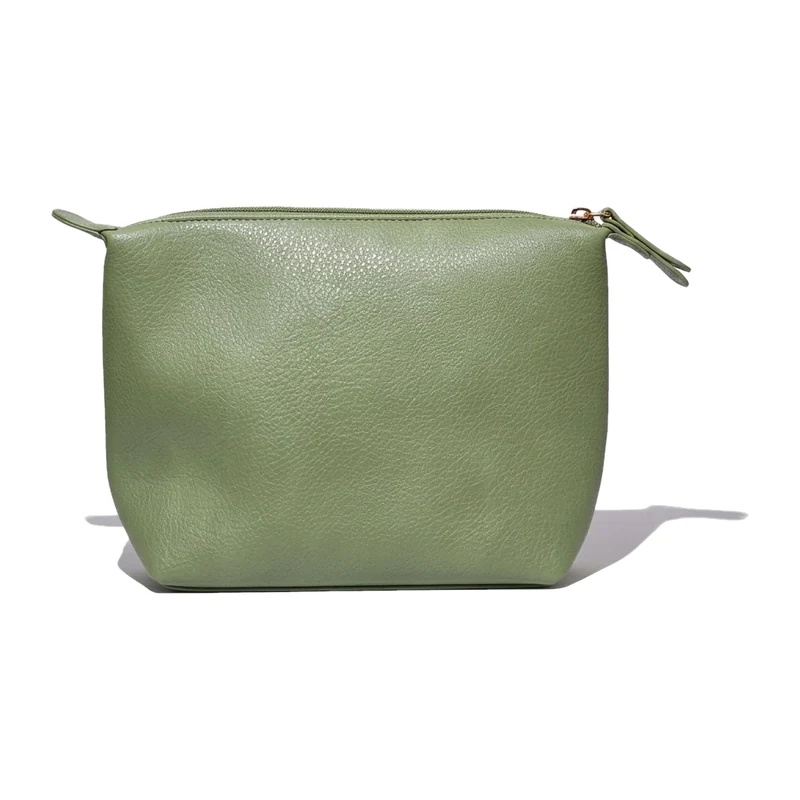
Vegan cosmetic bags
Rigid
- PU and bio-based microfibre on the same patterns as a leather build
- Cheap PU delaminates at the fold line within a season of daily opening
- Backing weight specified to the fold, and a peel test on the laminate lot
- PU and bio-based microfibre on the same patterns as a leather build
- Cheap PU delaminates at the fold line within a season of daily opening
- Backing weight specified to the fold, and a peel test on the laminate lot
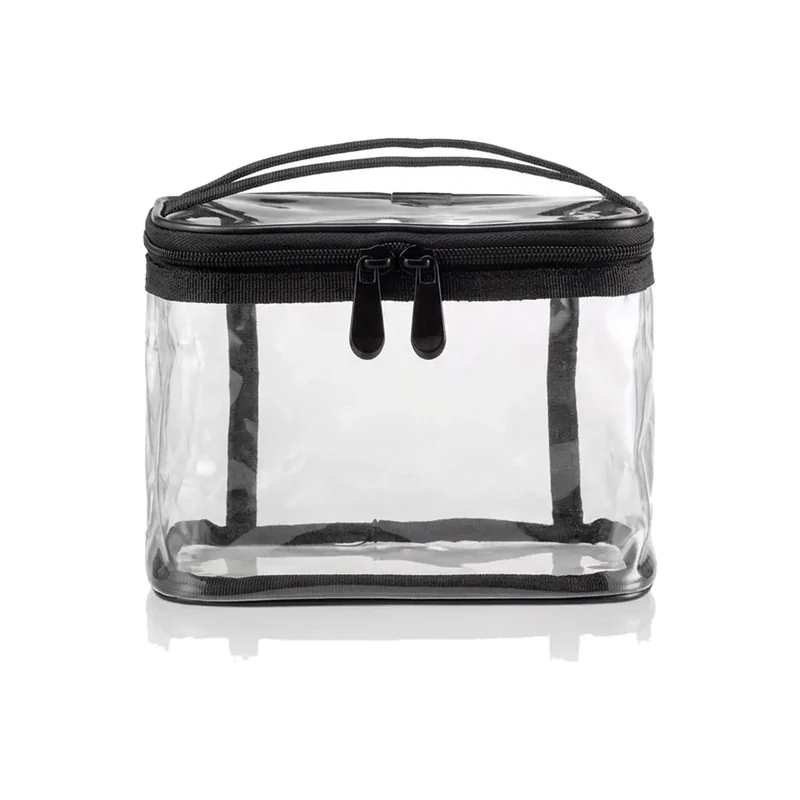
Clear PVC cosmetic bags
Flat
- Transparent pouches for travel security checks and retail gifting
- PVC carries the phthalate restriction, and a cheap film clouds within months
- Screened per lot, with the trim welded rather than stitched
- Transparent pouches for travel security checks and retail gifting
- PVC carries the phthalate restriction, and a cheap film clouds within months
- Screened per lot, with the trim welded rather than stitched
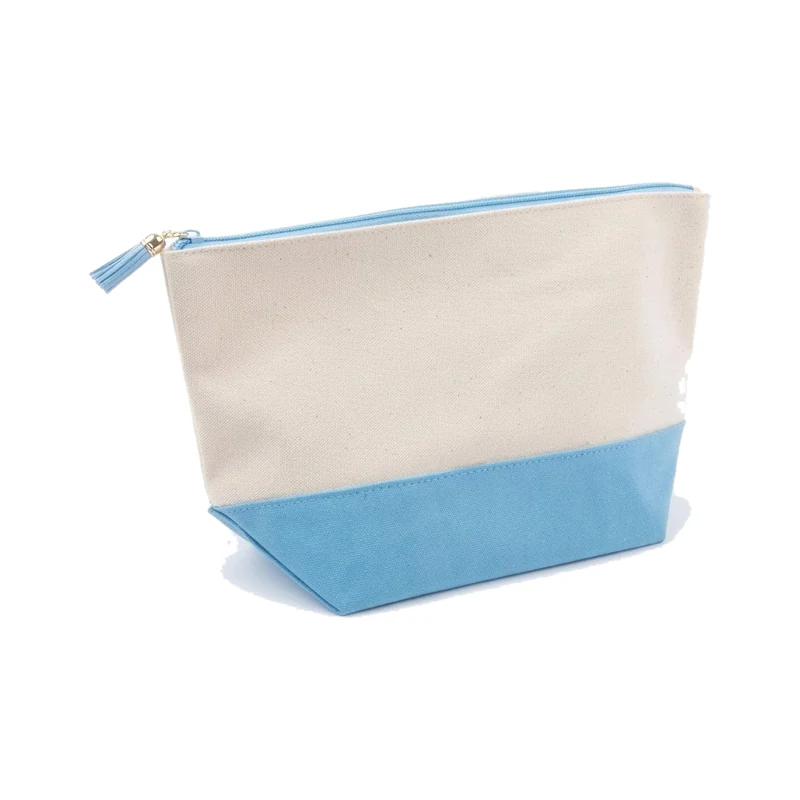
Canvas cosmetic pouches
Flat
- Cotton canvas in 8oz to 12oz, printed or left natural with a woven label
- An unwashed canvas shrinks at the first wash and the zip pulls the seam
- Pre-shrunk fabric, and the seam allowance set for the wash you specify
- Cotton canvas in 8oz to 12oz, printed or left natural with a woven label
- An unwashed canvas shrinks at the first wash and the zip pulls the seam
- Pre-shrunk fabric, and the seam allowance set for the wash you specify
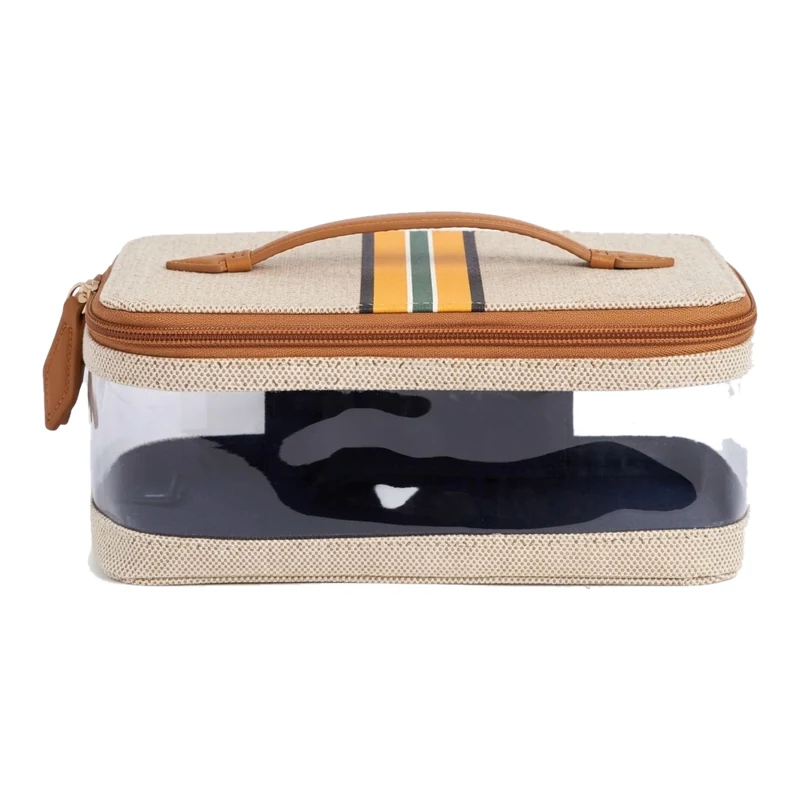
Recycled material cosmetic bags
Standing
- GRS-certified recycled polyester and RPET on standard cosmetic patterns
- A recycled-content claim needs the transaction certificate, not the label
- Chain-of-custody paperwork shipped with the lot that carries the claim
- GRS-certified recycled polyester and RPET on standard cosmetic patterns
- A recycled-content claim needs the transaction certificate, not the label
- Chain-of-custody paperwork shipped with the lot that carries the claim
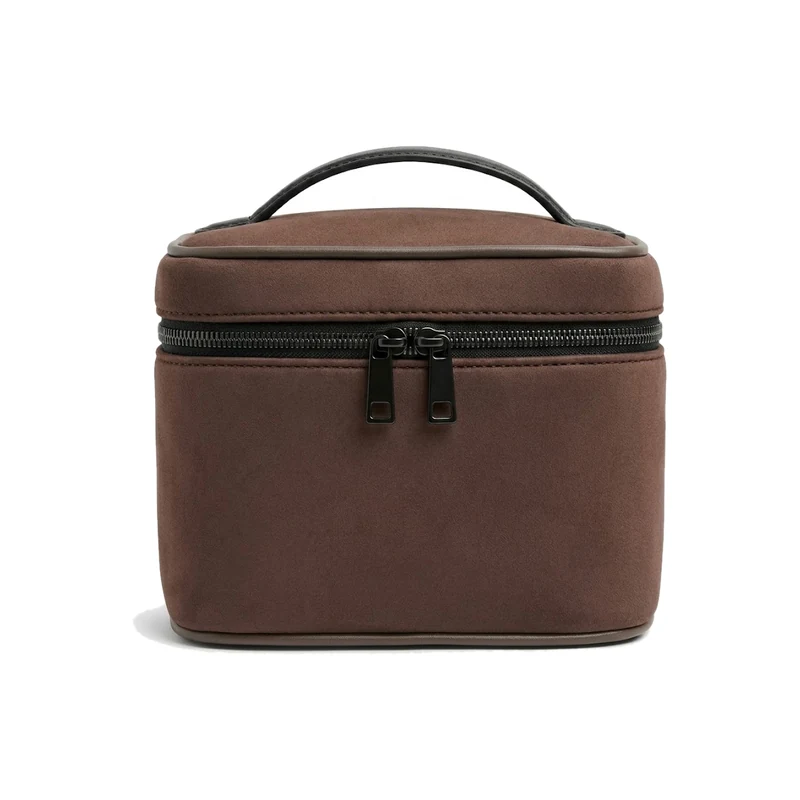
Insulated cosmetic bags
Standing
- Foil-lined pouches for skincare that has to stay out of the heat
- The foil layer creases at the zip and the lining lifts at the crease
- Lining laminated past the stitch line, so the zip never runs through the barrier
- Foil-lined pouches for skincare that has to stay out of the heat
- The foil layer creases at the zip and the lining lifts at the crease
- Lining laminated past the stitch line, so the zip never runs through the barrier
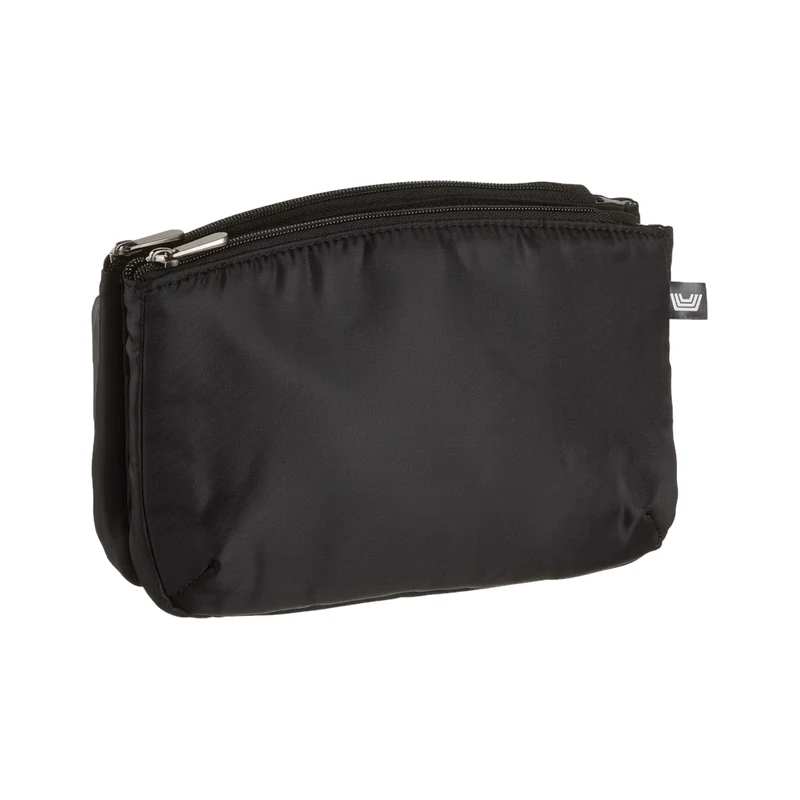
Zippered cosmetic bags
Flat
- The flat pencil-case form — the volume SKU for promotional and gifting runs
- A flat pouch is all zip: the tape takes the load when the bag is overstuffed
- Coil or moulded teeth, tape stitched both sides, ends bar-tacked at the stress point
- The flat pencil-case form — the volume SKU for promotional and gifting runs
- A flat pouch is all zip: the tape takes the load when the bag is overstuffed
- Coil or moulded teeth, tape stitched both sides, ends bar-tacked at the stress point
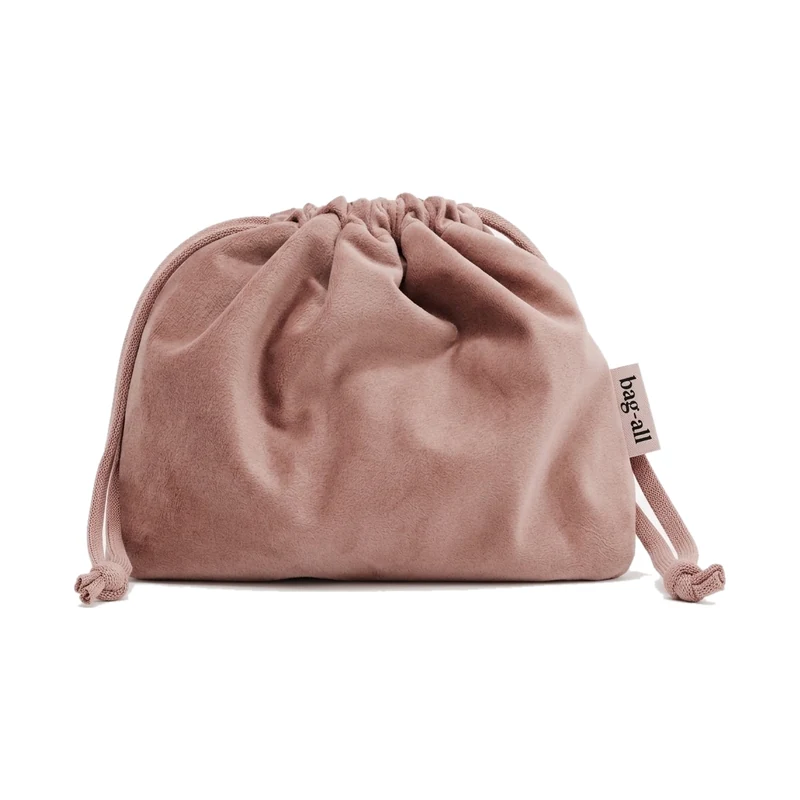
Drawstring cosmetic bags
Hanging
- A cord-through-channel pouch for gifting and subscription inserts
- Cord ends fray, then escape the channel at the eyelet
- Eyelets set with the cord and tested through repeated open-and-close
- A cord-through-channel pouch for gifting and subscription inserts
- Cord ends fray, then escape the channel at the eyelet
- Eyelets set with the cord and tested through repeated open-and-close
The four constructions
Flat
One panel, one zip, no gusset. The cheapest form to build, and where most promotional runs are quoted.
Standing
A gusset or boxed base, so the pouch stands on a shelf and holds its shape loaded.
Hanging
Folds out flat and hangs from a swivel hook. The travel form, with the most assembly in it.
Rigid
EVA or board between outer and lining, for a case that holds its own corners.
Build
How It's Built
The shell that photographs best is rarely the one that survives a bathroom shelf. Each material below leads with what it is for and closes on what picking it commits you to. Under them are the three decisions where a cosmetic pouch actually fails.
Shell
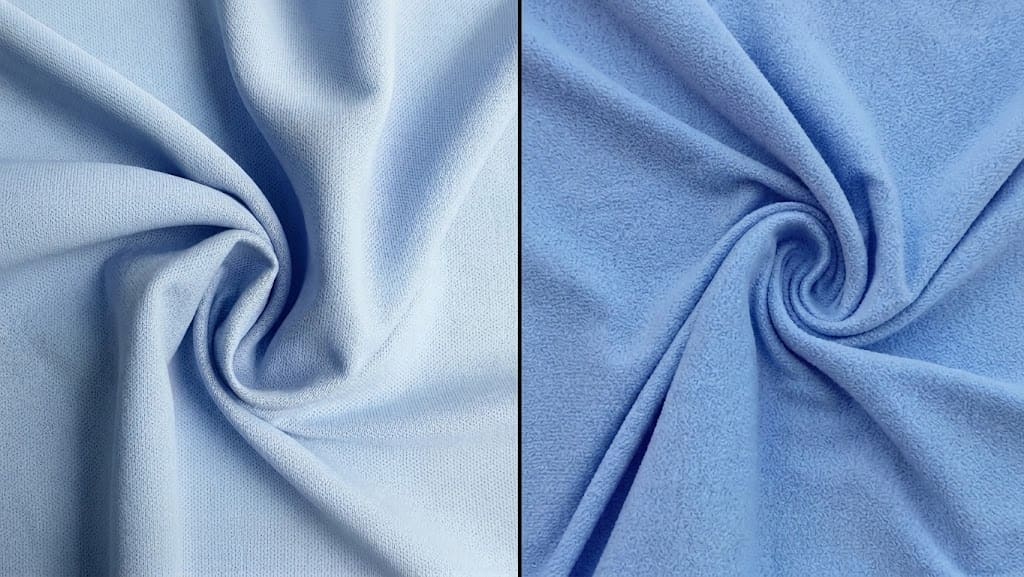
Nylon and polyester
The default for a working cosmetic bag. Light, printable across the whole face, and the cheapest way to get a full-colour pattern onto a pouch.
- 210D and 420D ripstop for travel, 600D for a structured build
- Takes sublimation, heat transfer and screen print without a primer
- Colour holds for years, which is why it carries most patterned ranges
What it commits you to. A lightweight weave needs a coating to be water-resistant, and an uncoated shell stains where a wipe-clean one would not.
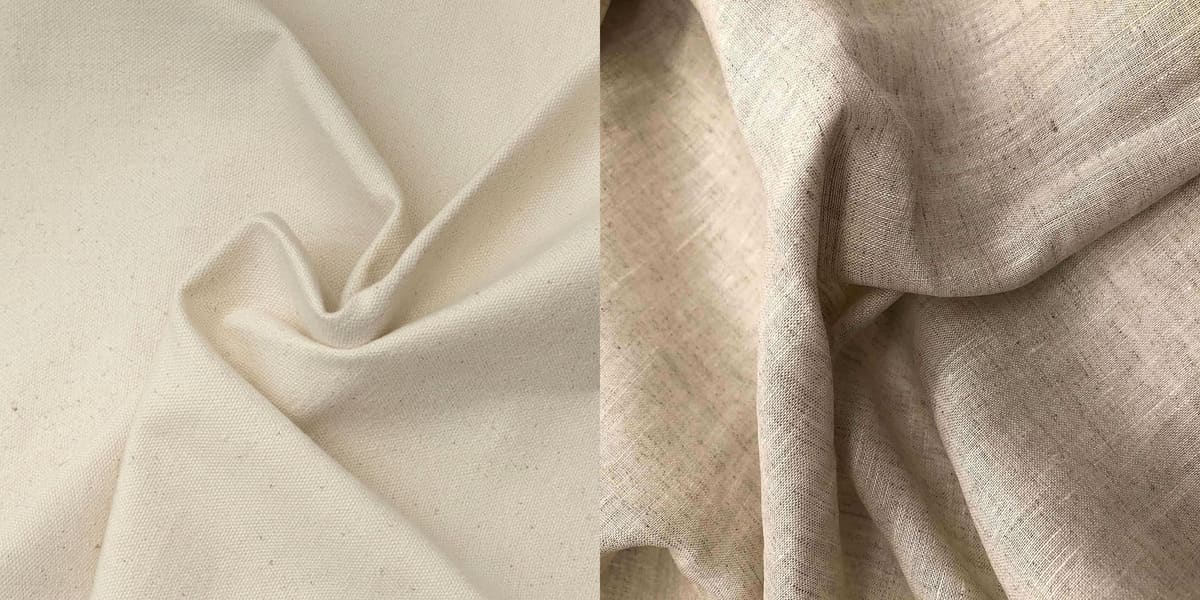
Cotton and linen
The two natural fibres, and what an eco-positioned brand usually picks. Cotton canvas holds a print with more depth than a synthetic weave, and linen brings a slub texture that reads as cloth rather than as a coated film.
- Cotton at 8–12oz and linen at 6–10oz, printed, embroidered or left natural
- Both take screen print and embroidery where a synthetic weave cannot
- Both read as considered products rather than promotional giveaways
What it commits you to. Cotton shrinks on the first wash unless pre-shrunk, and linen creases at the fold. Neither wipes clean, so both are wrong for anything holding liquid.
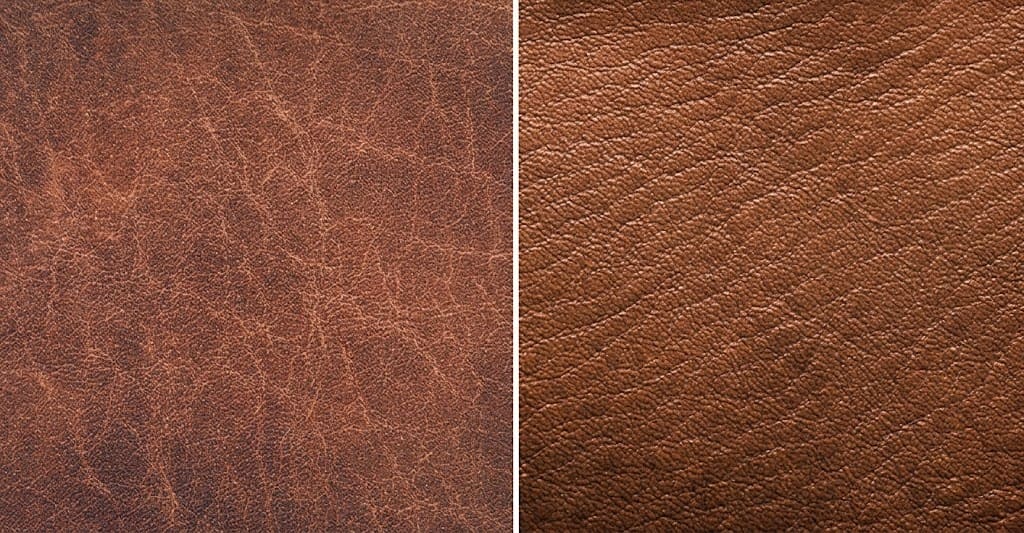
PU and vegan leather
The premium-looking surface without a hide. Pebbled, matte, patent or embossed, and the finish that carries a debossed logo best.
- A wipe-clean face, which matters for anything holding liquids
- Holds a deboss, a foil stamp and a metal plate cleanly
- Structured enough to keep a case corner without extra stiffening
What it commits you to. Cheap PU delaminates at the fold line within a season. Backing weight and a peel test are what separate the grades.
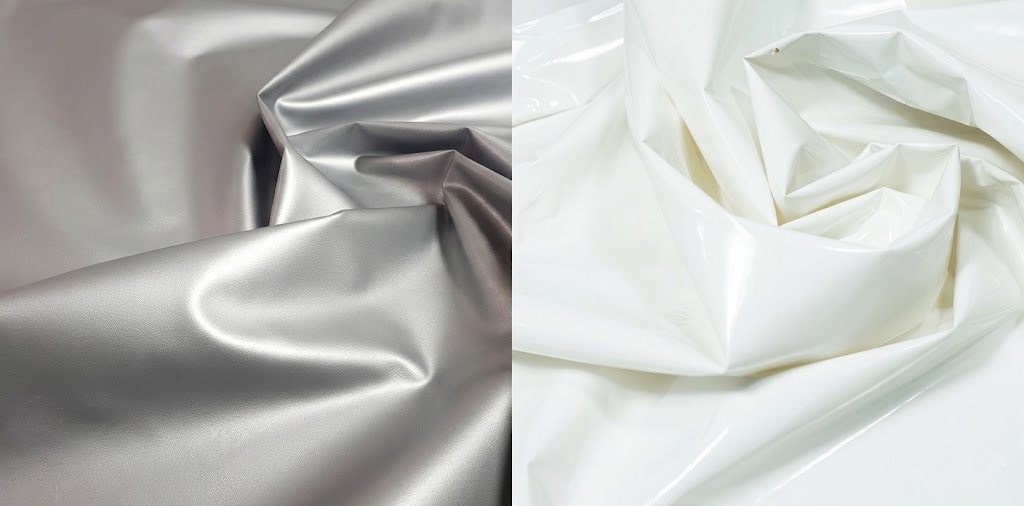
PVC and TPU film
The clear pouch. Full contents visibility, which is what makes it the airport-security and retail-display form.
- Transparent, so contents read without opening the bag
- Waterproof in itself, with no coating step to add
- Frosted, holographic and coloured-trim variants from the same tooling
What it commits you to. A cheap film clouds and cold-cracks within months, which is why phthalate-free and TPU are the grades worth quoting.
Where the building goes wrong
- 01
Which zip, and where the tape is stitched
A flat pouch is almost all zip, and the zip is the first thing to come back as a complaint.
Settled on the pattern rather than at the machine: the tape position and the tooth type change the panel shape, so a zip chosen after cutting is a re-cut.
- 02
How the panels join
On a coated shell, the join decides whether the pouch holds a spill and whether the coating survives a fold.
Weld or stitch is a construction choice, not a finishing step — it sets the pattern’s seam allowance and decides which shells the build will take at all.
- 03
The shape empty and loaded
A pouch that collapses empty photographs badly, and one that will not close loaded is returned.
Gusset depth is read off the contents on the brief, so it is fixed before the first pattern rather than adjusted after the first sample.
Design support
Design Support, Before the Pattern Is Cut
A cosmetic bag is largely specified ahead of the first cut: the consultation, the features that make it work, the mark on it, and the dimensions it has to hit.
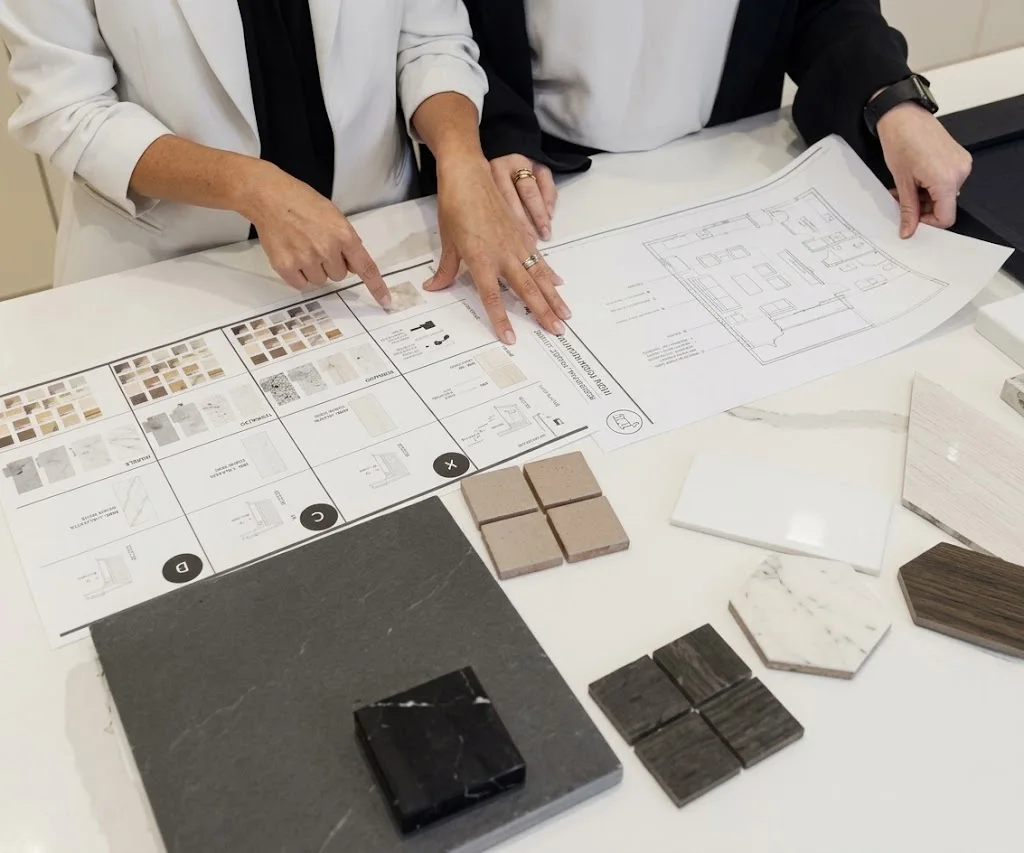
The brief, worked into a cuttable pattern
- Most cosmetic bag briefs arrive as a sketch and a colour chip, with the gap to a cuttable pattern left open.
- That gap is closed before anything is cut.
- Material and colour guidance for the pouch you are actually selling
- The lining and zip spec chosen for what the pouch carries, not for the price
- A sampling plan you sign off before bulk starts
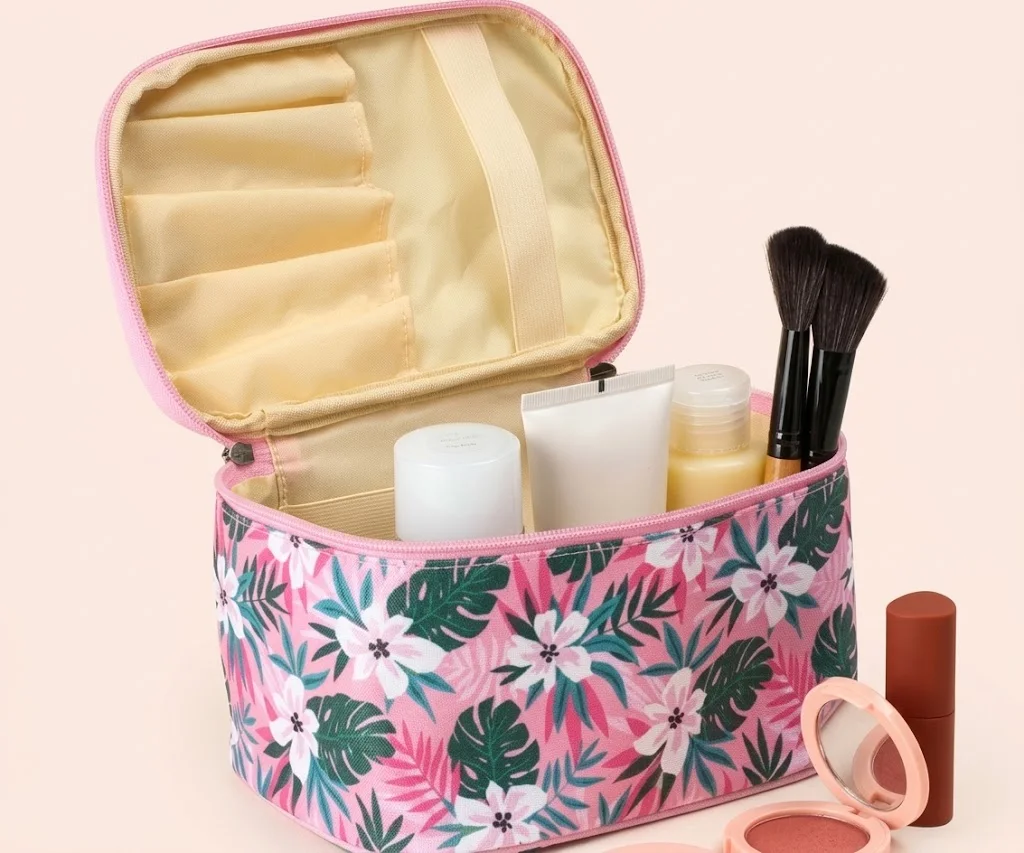
Added only where it earns its place
- A pouch built to a stock template is fabric around a zip, and nothing in it holds the product it shipped with.
- The inside is built around what the pouch has to carry.
- Extra pockets, adjustable straps and closures that open one-handed
- Interior compartments and elastic holders measured to your bottle and brush diameters
- Add-ons that hold the unit cost the brief allows
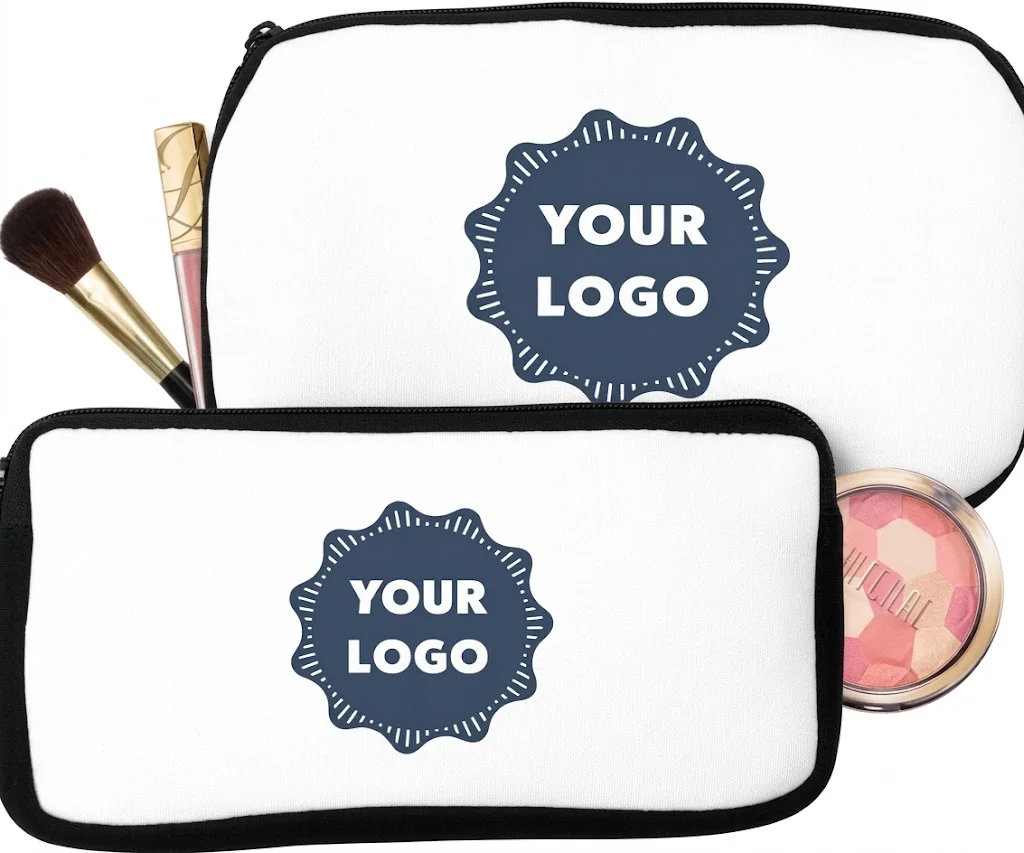
Your mark, on the surface it suits
- A logo on a cosmetic bag, specified off a colour chart with no sample, arrives wrong on the weave or gone by the third use.
- The method is chosen for the surface before the artwork is set.
- Embroidery, screen printing or heat transfer, matched to the fabric
- Placement and size proved on the pre-production sample
- One mark that repeats across every pouch in the run
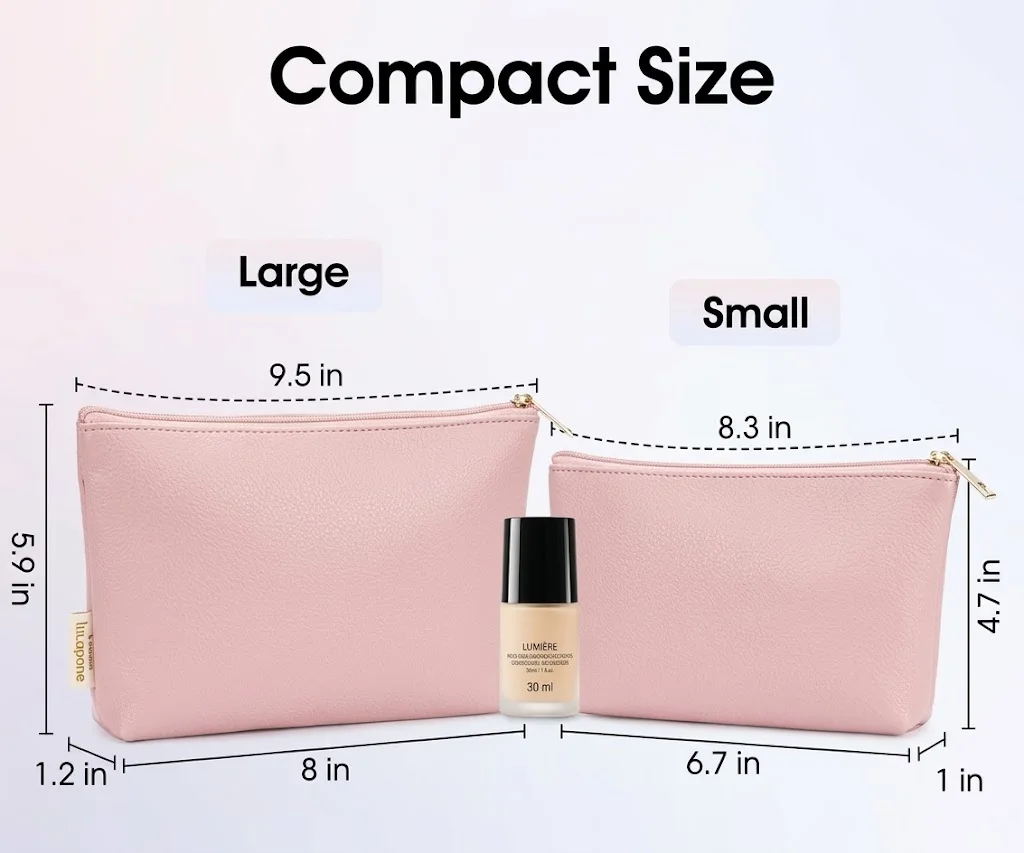
Sized to the contents and the shelf
- A stock pouch is sized to a supplier’s convenience, not to a shelf that already has a hero product on it.
- The cosmetic bag is cut to the contents and the shelf.
- Sized around the widest compact and the tallest item on the range list
- Pocket layout and closures that survive a full pouch
- One construction shared across sizes, so a one-off does not price as one
Sustainability
The Green Claim, and What Backs It
On a cosmetic bag it is one of three things — a material choice, a certificate or a story — and only two of those survive a buyer’s audit. Below is what can be put in writing, and what each choice commits you to.
- 01
Recycled content, from a spool you can name
- Recycled polyester and rPET for a cosmetic bag run on the same patterns as virgin fabric
- Bought through a certified chain rather than a broker, so the feedstock traces to a named source
- The transaction certificate is issued per run, so the claim is backed for the buyer who has to prove it
- 02
A construction built to be taken apart
- A pouch is normally a coated shell, a foil lining and a plastic zip fused into one panel
- Where the brief needs it, it can be built as one polymer family instead
- One family is what makes a take-back scheme possible at all — the sorters downstream have something to separate
- 03
A paper trail that ends in a document
- The difference between a green pouch and a green story is a file
- A lot carrying an environmental claim ships with the paperwork behind it
- Name the market the pouch lands in and the dossier is specified for that market, priced as its own line
- 04
The part you cannot recycle, avoided
- Some of a cosmetic bag’s footprint is not in the material
- It sits in how much of the roll is used, how small the first order can be, and whether a reorder starts from a new pattern
- Say which of those matters most to you and the order is built around it from the first pattern
Own floor, small runs
A Hundred Pieces, Still Our Line.
A minimum that low usually means the work is brokered out, and the run is only as good as whoever took it. This is our own floor: the pouch is cut, welded, zipped and inspected in one building.
What this won't do
The Limits, Named Up Front
A build has boundaries, and a factory that cannot name its own is not being straight with you. These are the four places a cosmetic pouch brief stops fitting what this line is set up to run — and what happens at the edge of it.
Built for
A soft pouch that folds flat
The line is set up for nylon, coated polyester and film, and all three are soft-bodied. A pouch that folds into a bag or a drawer is what that build is good at.
Where it stops
A structured case is a different build
A pouch with a board or a moulded shell needs different tooling, and cannot be run on this line at all. If the pouch has to stand up on its own, say so on the brief and it routes to a different quote.
Built for
A wipe-clean cosmetic bag interior
A PU or film shell over a coated lining, which is the pairing the line is jigged for. It is the build for a cosmetic bag carrying liquid, powder or a damp brush.
Where it stops
The lining decides the shell
Ask for a soft or satin interior on a wipe-clean cosmetic bag shell and the assembly changes: velvet and satin are bound at the seams, which is more work, and they will not wipe clean. Name which one the pouch is for and the shell is specified to match rather than assumed.
Built for
One order on one construction
Several cosmetic bag forms and colourways sharing one zip spec, one lining family and one pattern set, quoted as a single run so the set-up is amortised across it.
Where it stops
Two constructions is two set-ups
A second construction in the same order needs its own pattern set, its own sample and its own inspections, so it does not share a set-up the way a second colourway does. The quote says so before you commit rather than halfway through the run.
Built for
A first cosmetic bag order at the minimum
Once a sample is signed off, a run can be cut and shipped without a further approval step. That is what lets a first order be a test rather than a commitment.
Where it stops
Changes after sign-off are re-cuts
The sample is what releases the cut, so a spec change after it is signed is a re-cut rather than an adjustment. The cheapest moment to change anything is before the sample is approved, not after cutting starts.
How we work
What Working With Us Looks Like
Most of what makes a cosmetic bag good or disappointing is settled before the line starts, not after. These are the four points in a run where buyer input changes the outcome.
Buyer feedback
Customer Verdicts On the Run
Two buyers on what the pouch had to survive — a skincare launch and a promotional event — and how the run answered it.

Nadia Fournier
Marketing Manager · Luxe Skin Care
A skincare launch, six pouches cut to the bottle each one would hold, plus a plain film range to sit beside them. LeelineBags came to the brief on a recommendation from two colleagues in the category.
Sustainability was the hard constraint: recycled polyester through a GRS-certified chain, with a transaction certificate issued against the run, because a retail compliance team reads that document rather than the packaging copy.
The working sample landed in seven days, and nothing was cut until it had been signed. MOQ held at 100 pieces per form, which is what let a first order carry more than one colourway.

Tom Whitaker
Owner · Beauty Essentials Wholesale
A promotional event set the deadline, and the brief was narrow: a cosmetic pouch sized to an exact run of skincare bottles, with the emblem embroidered rather than printed.
Size came first. Every pouch had to hold its bottle snug, without rattle or pinch at the gusset. The harder problem was the embroidery — fine lines and a colour gradient across a coated shell, where a stitch either tracks the colour or breaks it.
LeelineBags ran the emblem on the pre-production sample and the gradient held across the stitch. Nothing moved to bulk until that piece was signed, and the run landed inside the quoted window with the event date intact.
From the line
Out of the Plant, Onto the Shelf
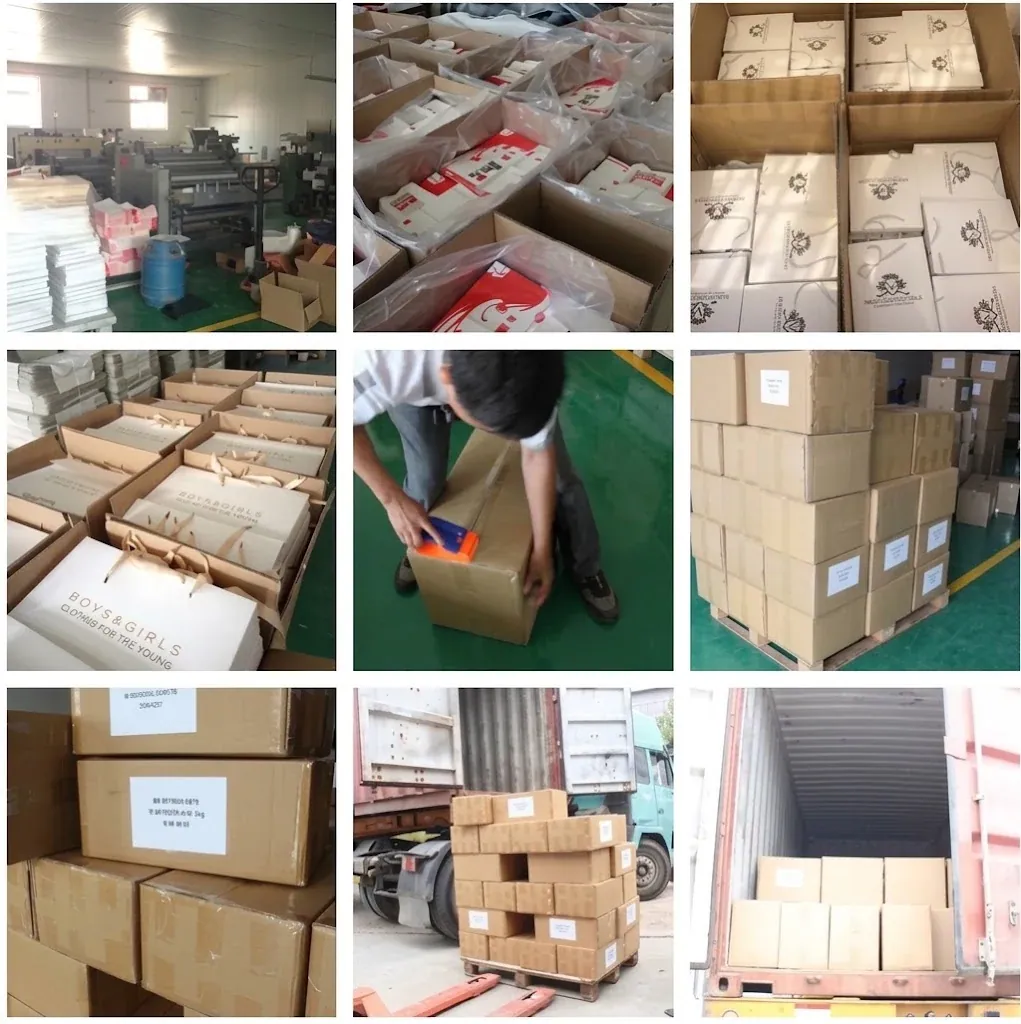
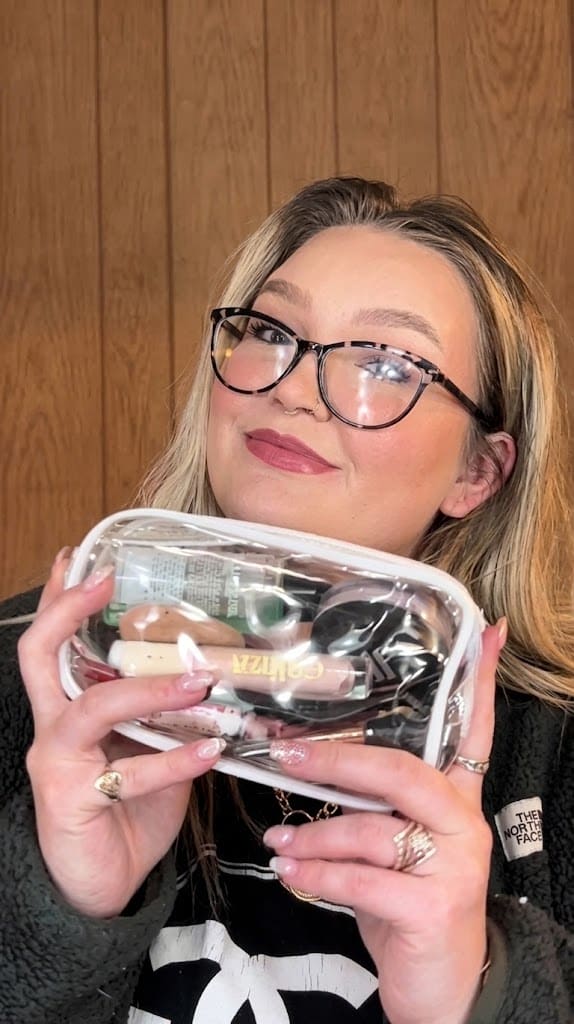
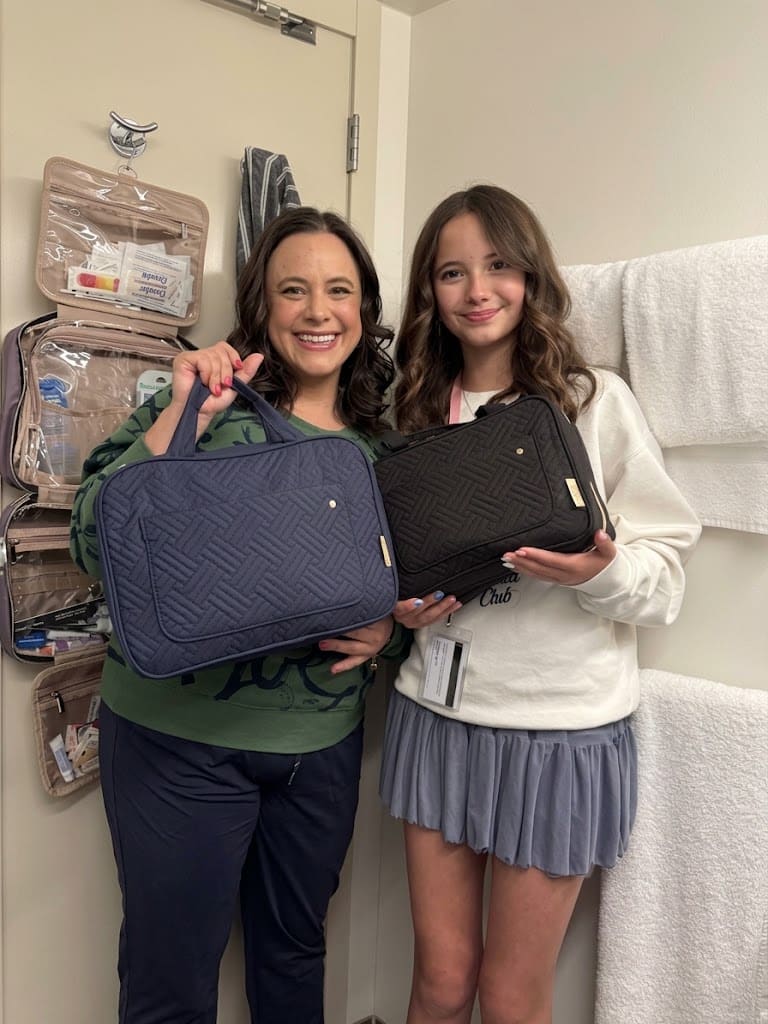
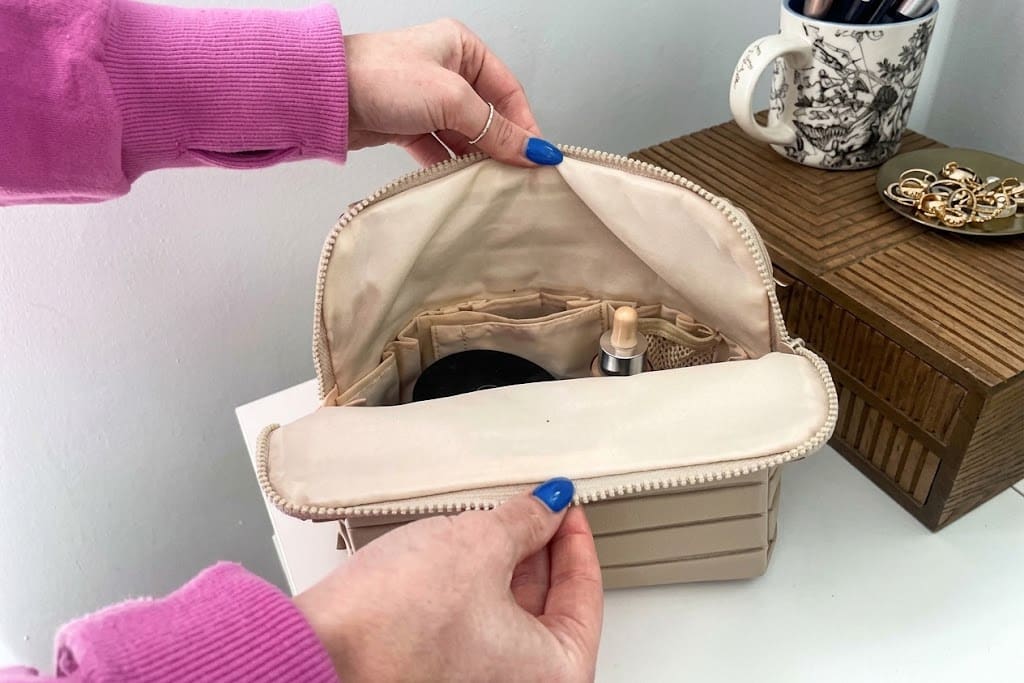
First runs, samples and reorders — the same construction, photographed as it shipped.
Cosmetic bag questions
Frequently Asked Questions About Custom Cosmetic Bag Manufacturer
The questions that come up on most cosmetic bag enquiries. If yours is not here, it will be answered in the first reply.
What is the minimum order quantity for a custom cosmetic bag?
The minimum applies per form and colourway rather than per order, which is what lets one run cover several pouches of the same construction in different colours. A style that needs new tooling — a custom slider, or a logo die cut to your mark — carries a set-up cost on top of the unit price, quoted with the sample.
Do cosmetic bags need a lining, or can they be single-layer?
A flat promotional pouch is often built single-layer, and that is a legitimate way to hit a price. Anything holding liquid, powder or a wet brush needs a lining, because an unlined coated shell stains inside and a bare fabric weave soils permanently. If the pouch is going on a shelf next to a product, the lining is what makes it wipe clean.
Which materials are best for a cosmetic bag that has to wipe clean?
A PU or film outer wipes clean on the outside, but the interior is what decides whether the pouch survives a spilled bottle or a damp brush. Name which one the pouch has to do — wipe clean or stay soft — and the shell and lining are specified as a pair against it.
Can you make clear PVC or TPU pouches that pass phthalate limits?
Yes. Clear pouches are built in phthalate-free film and screened per lot, with the limit and the market it applies to written into the order. TPU is the upgrade where a softer feel and better cold-crack resistance matter, and it takes the same printing methods.
How long does a cosmetic bag order take, sample through to shipment?
A working sample is turned round in seven days, and production then runs 15–30 days. What matters more is why the window does not move — a cosmetic pouch is a small-panel build with more zip and lining assembly than a flat bag of its size, and the sample is signed off before cutting starts rather than after. The date is set against your sell-through, not against a batch that would rather be filled.
What are the payment terms?
Thirty per cent on order, with the balance before shipment. The pre-production sample is signed off before cutting starts, so nothing goes into bulk until you have approved the piece you will actually receive. Third-party inspection before loading is welcome on any order, at cost.
How does a logo go onto film or PU without a printed panel showing?
It depends on the surface rather than on the method. A deboss presses the mark into PU with no ink at all, and on film the print sits behind the surface so it cannot be picked at. Say which material the pouch is going on and the method that leaves the least visible print is quoted — the sample is where you see it before committing.