 Woven
Fabric Options Canvas Is 8–24 oz — The Reorder Comes Back the Same Stock.
Name a fabric by the word alone and the mill, the weight and the finish stay open, so the run is made to whatever the cutting list holds. The quote returns the stock by its denier or its ounce, the coating on its face and its mill.
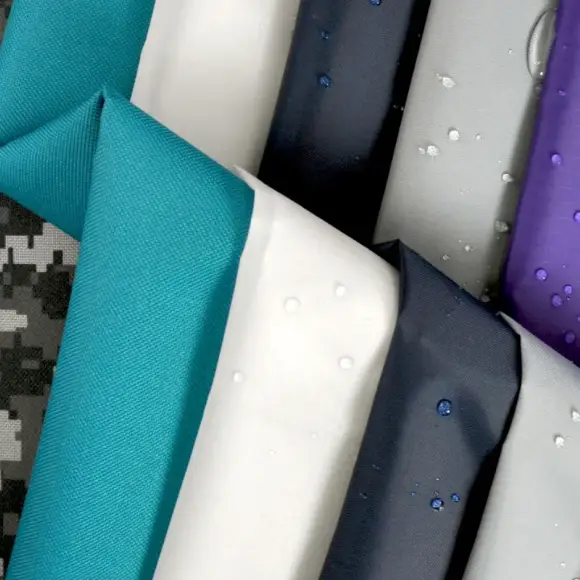
- 210D–1680Dwoven stock held on the shelf
- 0.5–2.0mmhide, PU and cork caliper
- Ninestocks sent as swatches
What a fabric name does not say
Specification First, the Name Follows.
A fabric is bought on four specifications that the name never carries. Fix them and the quote prices the stock that ships rather than the word on the label.
- Composition
What the fibre is
- Cotton, a poly blend, plant or recycled decides wear, print and label.
- A blend moves all three, so the ratio belongs in the specification.
- Left open, the second run is a new material with the same label.
- Weight
The denier or the ounce
- A denier or an ounce can triple the weight of a fabric whose name never changes.
- Weight decides whether a bag holds its shape or folds flat in the hand.
- It is the first number a fabric is quoted on, before finish or colour.
- Finish
What is on the face
- A water-repellent coat, a PU backing, a matte or an embossed surface, or nothing.
- The finish is what the buyer feels, and what survives a full season of use.
- It is applied to the roll before the roll reaches the cutting table.
- Origin
Which mill, under which certificate
- The same nominal fabric across two mills handles differently and dyes to a different depth.
- Where a claim depends on origin, the document travels with the roll.
- The mill is named on the specification, so the claim survives an audit.
Stock on the shelf
The Library, Stock by Stock.
The cards give what a stock is for and the one number that fixes it. A swatch of any of them can be sent before an order is placed, because a fabric read on a screen is a different fabric in the hand.
- Woven
 Woven
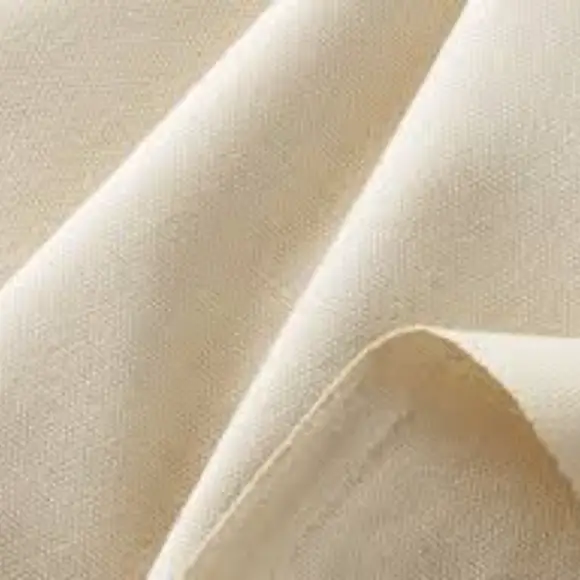
Canvas
A cotton plain-weave that softens with use and takes dye and print deeply, then holds colour through wash.Best forTotes, shopping and beach bags, book bags, tool rolls and aprons.Weight8–24 oz · cotton or poly-cotton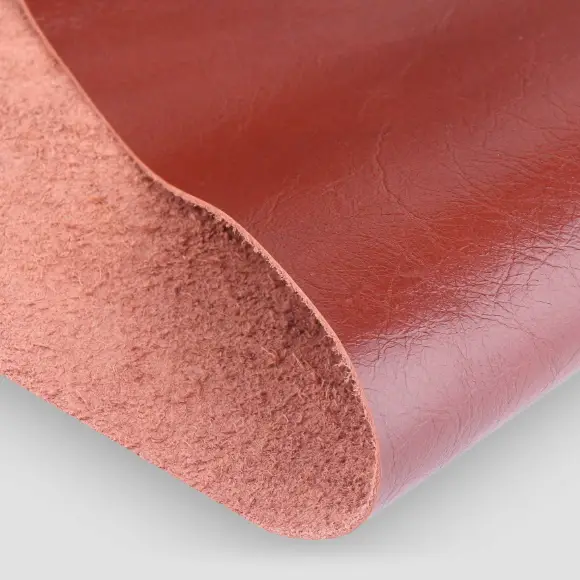 Hide
Genuine Leather
A hide that darkens and creases with wear, cut full-grain or top-grain and finished to soften with age.Best forHandbags, briefcases and wallets, luggage and laptop sleeves.Caliper0.8–2.0 mm · full-grain or top-grain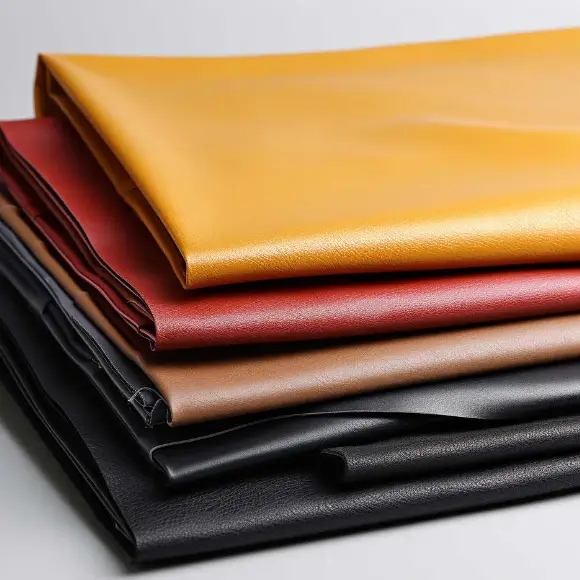 Hide
PU Leather
A coated synthetic that reads as leather at a fraction of the cost, in the widest colour range held.Best forFashion handbags, cosmetic bags, small accessories and tech sleeves.Caliper0.6–1.2 mm · water-based PU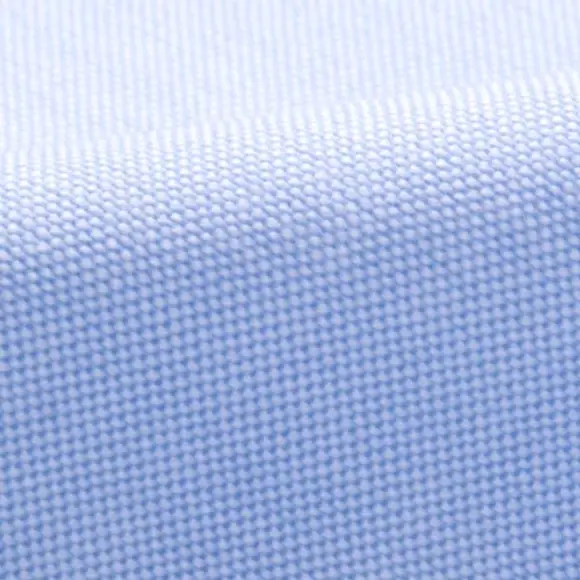 Woven
Oxford Cloth
A basket-weave synthetic, coated behind so it sheds water and resists abrasion where the bag is set down.Best forBusiness and laptop bags, luggage, outdoor kit and packing cubes.Density300D–1680D · PU or PVC coated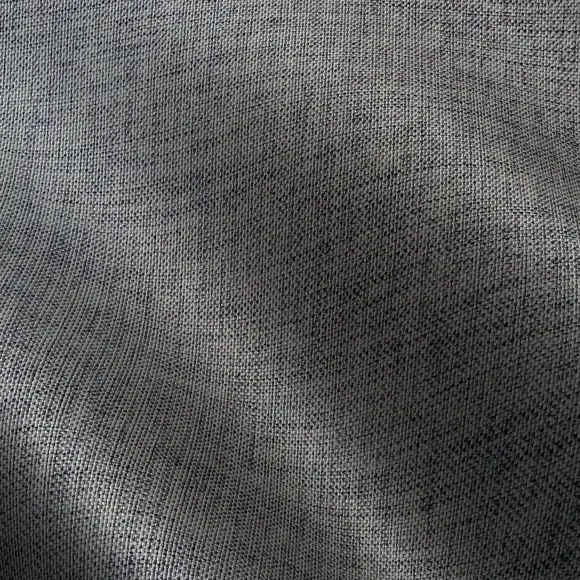 Woven
Polyester
A dense synthetic that holds colour, dries fast and resists creasing, so printed panels stay flat in the bag.Best forSports and promotional bags, casual packs, book bags and totes.Density210D–600D · 70–200 g/m²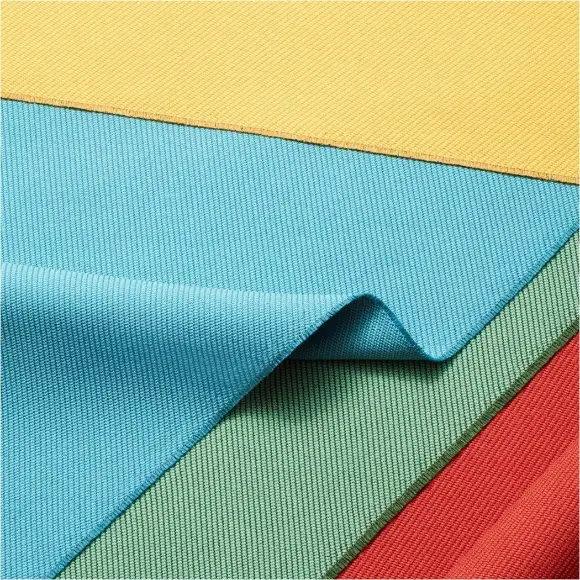 Recycled
 PET Fabric
Polyester spun from recycled bottles, with much the same handle, dye take and weight range as virgin stock.Best forBrands making a recycled-content claim, shopping and fashion bags.CertificateGRS available · 300D–600D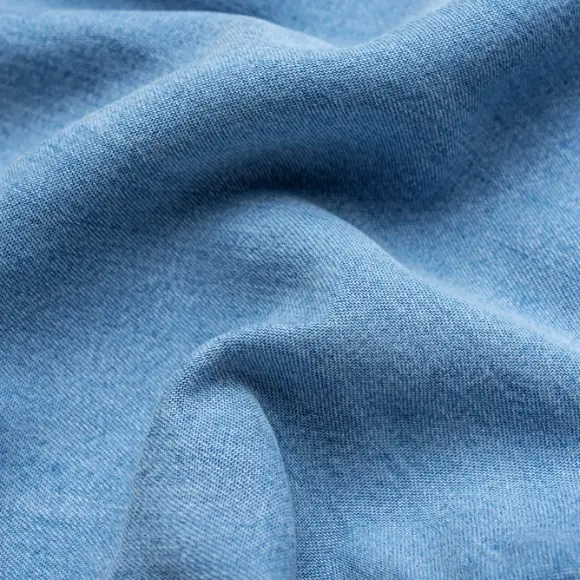 Plant
Tencel
A lyocell fibre spun from wood pulp, soft and cool against the hand, with a drape heavy wovens cannot match.Best forHigh-end handbags, cosmetic bags, garments, travel accessories.Weight100–200 g/m² · 100% lyocell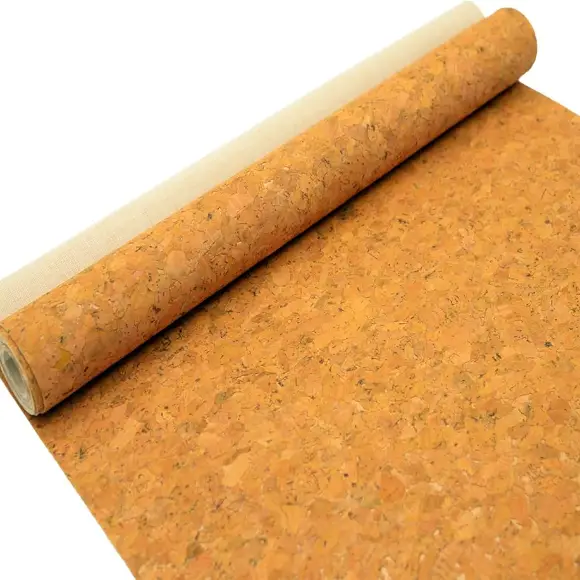 Plant
Cork Fabric
A shaved cork laminate on a cotton backing: warm to the touch, lightweight and water-resistant for years.Best forVegan handbags, wallets, small fashion accessories and card holders.Caliper0.5–1.0 mm · cotton-backed
Swatch to quote
Point at a Roll. It Comes Back Specified.
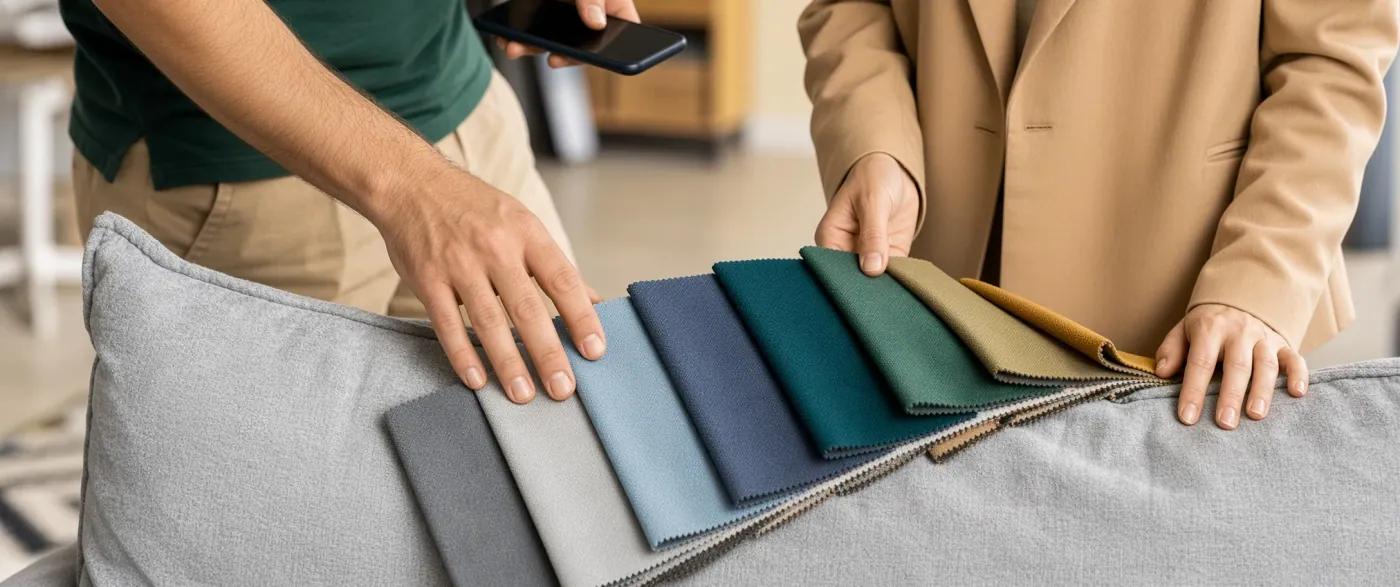
A fabric quote is worth having only if it names what the roll actually is. Send the stock you want, or the handle you want, and the answer is built around that roll.
Fabric questions
Frequently Asked Questions About Fabric Options
The failures a fabric choice actually causes — a seam that puckers, a coat that splits at the fold, a lot that drifts on a reorder — answered where the stock is specified above.
Can two fabrics go on one bag without the join showing?
Yes — a coated woven for the outer, a lighter stock behind the lining, a hide on the handle and the trims. The stocks are quoted together because the join is where a mix shows: a heavy outer stitched to a thin lining puckers along the seam, so the lighter side is stabilised before the run rather than after it. For the lining itself, see our comparison of handbag lining types.
Can a light fabric be made to hold a structured shape?
By building the structure behind it rather than into it. A board, a foam laminate or a fusible interlining sits under the stock, so a light woven can carry a crisp edge while the outside keeps its lighter hand. The backing adds a cutting step and a little weight, and it is chosen with the trim so the two do not fight at the seam.
Will a coated stock crack where the bag folds?
The fold is where a coating gives out first. A PU backing or a water-repellent face is bonded to the roll and bends with the weave underneath, so a thick coat over a loose weave splits along a hard crease long before the fabric itself wears. The fold is tested on the roll the run is cut from, and a tighter weave or a thinner coat is specified where the design keeps a permanent crease.
The reorder rolls are from a new lot — will the shade shift?
Only when the reorder is cut from a different lot. Colour is set by the lot, not by the name: two lots of one nominal shade sit a half-step apart — invisible on a swatch seen alone, obvious once panels from both are side by side on a finished bag. The lot code goes onto the cut sheet for the style, so a reorder is matched to that lot before the roll is bought. Where the lot has run out, the nearest is sent as a swatch and nothing is cut until it is approved.
Does a recycled stock limit the weight or the colour?
Not in practice. Recycled polyester runs across the same weight range and takes dye as deeply as the virgin fibre it replaces, so the design does not change to suit the material. What it adds is a paper trail: the recycled-content claim rests on documentation held for the lot behind the roll, and that document travels with the fabric specification so the claim can be proven after the bags are made.
What if nothing on the shelf suits the design?
The shelf is where a quote starts rather than where it stops. A brief that names a weight, a colour and a use is sourced against that specification — the composition, the finish and the mill are settled before a roll is bought, and the stock is tested on the roll the run will be cut from rather than on a mill sample card. A swatch of the sourced stock comes back before the order is committed.
Why does the same bag cost more in one fabric than another?
Weight is the usual reason, ahead of fibre. A heavier woven takes more metres per panel and more machine time, and a coated stock costs more than the bare stock it is coated from. That is why the quote names the weight and the coating beside the fabric, so two candidates can be compared on what actually moves the price.