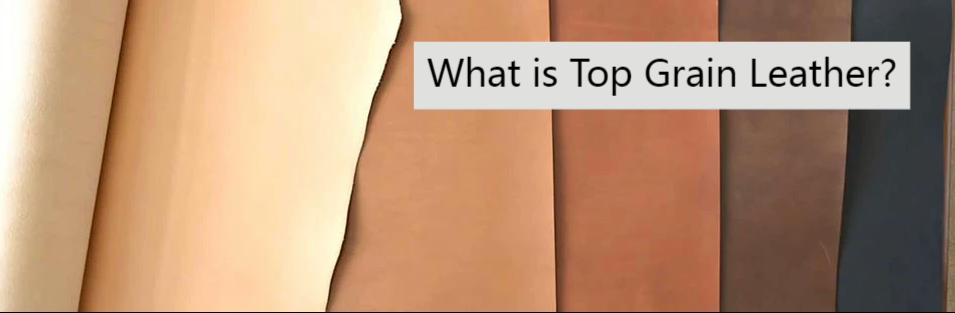
Top grain leather lasts 5 to 10 years. With proper care, it can last even longer. Professional leather makers worldwide prefer it as the second-highest quality leather available. Many contract bag manufacturers use top grain leather. It’s durable and versatile, so it’s a top choice for premium bags.
Enthusiasts love full grain leather’s natural markings. But, top grain leather’s controlled process offers unique benefits. The outer layer of the material is sanded and buffed. This creates a smoother, more uniform texture that resists stains. This versatile material has become essential for high-traffic applications, from luxury furniture and automotive upholstery to fashionable handbags.
This guide explains top grain leather’s unique qualities. It also covers why pros prefer it. You’ll learn about its manufacturing process and benefits. Also, you’ll see why premium products use it a lot.
Table of Contents
What Top Grain Leather Really Means?
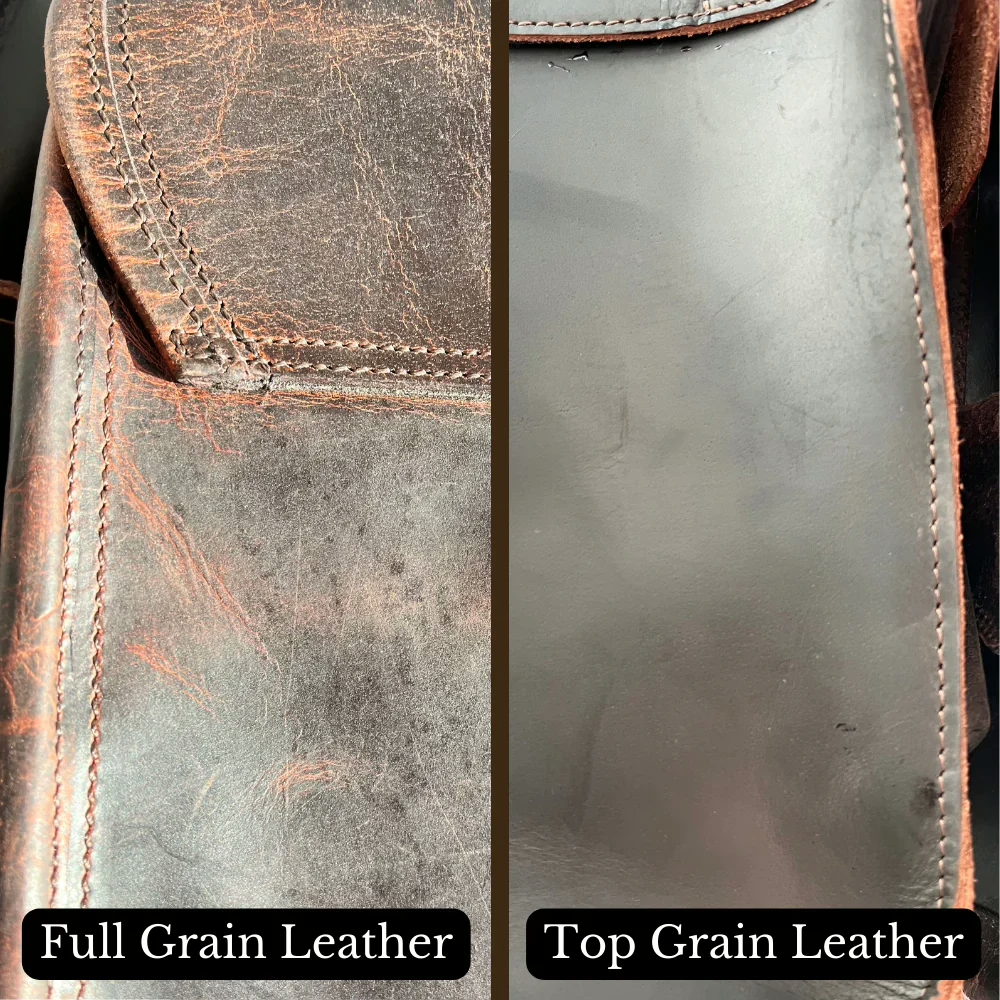
Top-grain leather comes from a detailed process. It starts with selecting premium cowhide. The hide gets split into two layers. The top layer has the epidermis. The bottom layer is called the ‘corium’.
▷ Technical Definition and Manufacturing Process
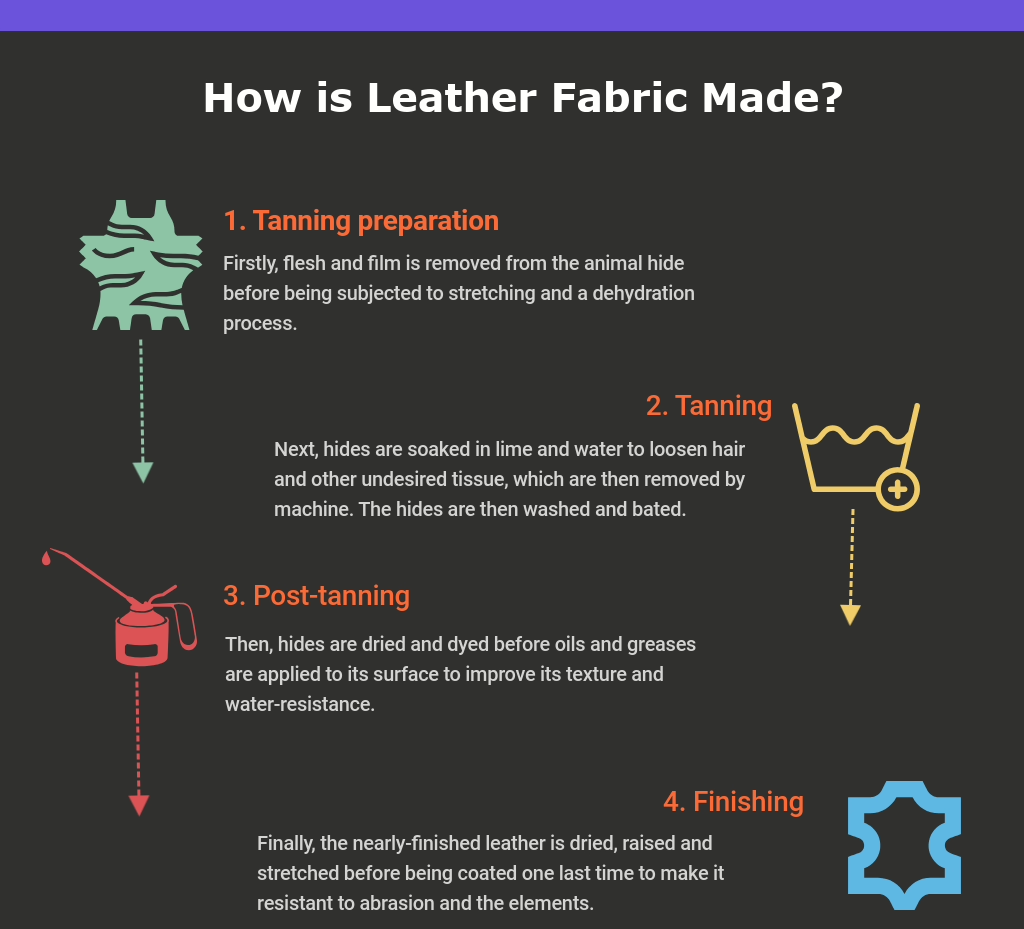
Tanneries begin their production by selecting the best hides. The hides go through specialized sanding to remove the outer layer. This process eliminates natural flaws like scars, insect bites, and wrinkles. The leather receives pigment treatments for even coloring, and protective coating applications follow.
▷ Key Characteristics That Define Top Grain Leather
The tanning process gives top-grain leather its unique properties. A smoother, more consistent texture appears after sanding. The finish makes it resist stains and spills better than other leathers. The material becomes more flexible because sanding removes the tougher fibers.
▷ Industry Standards and Grading Systems
The leather industry maintains strict quality control during production. Top-grain leather ranks as the second-highest quality grade in the leather hierarchy. Production standards must:
- Premium hide selection
- Exact sanding and buffing techniques.
- Even application of protective finishes.
- Regular quality control checks
Tanneries must meet prominent industry measures for thickness, which range from 3-12 ounces (1.2mm-4.8mm). Each finished product needs inspection to meet these strict standards before distribution.
Expert Insight:
” When working with top grain leather, focus on maintaining uniform thickness during production to enhance consistency across large-scale manufacturing. This ensures a seamless finish and reduces material wastage, which is critical for industries like automotive and fashion. “
———— Kate Yang, Guangzhou Fiedle Leather Bag Co.,ltd – Foreign Trade
Why Professional Leather Makers Prefer Top Grain?
Professional leather makers pick top grain leather. It’s versatile and easy to work with in manufacturing. Craftsmen can create uniform products in large batches thanks to the material’s workability.
1. Manufacturing Advantages and Flexibility
The sanding and buffing process makes top grain leather extremely workable. Removing surface flaws creates a smooth, consistent canvas. Craftsmen can then cut and shape it easily. The finishing process lets manufacturers add treatments. These make the leather more resistant to stains and wear. This versatility helps producers create everything from car upholstery to fashion accessories while maintaining quality standards.
2. Cost-Effectiveness in Production
Top grain leather costs between USD 4.00 and USD 12.00 per square foot, making it affordable for manufacturers. The leather industry produces more than 7 billion square feet of top grain leather each year. This high volume and fast processing help manufacturers use hides that might not work otherwise. So, they waste less and save money.
3. Quality Control Benefits
Professional leather makers follow strict quality checks throughout production.
- They check each hide’s thickness carefully.
- They match colors perfectly between batches.
- They test how well it holds up and resists wear.
- They follow detailed finishing inspection steps.
The controlled manufacturing process will give consistent quality in large production runs. The standardized surface treatment leads to predictable results in both looks and performance, which makes top grain leather perfect for large-scale production.
Top Grain vs Full Grain: A Technical Comparison
| Category | Full Grain Leather | Top Grain Leather |
|---|---|---|
| Durability | Best | Very Good |
| Production | Minimal processes applied | Top layer sanded off |
| Surface | Has blemishes | Smooth |
| Patina | Rich patina | No patina |
| Price | Most expensive | Average |
| Weight | Heaviest | Average |
| Suitable For | Rugged leather goods | Formal leather goods |
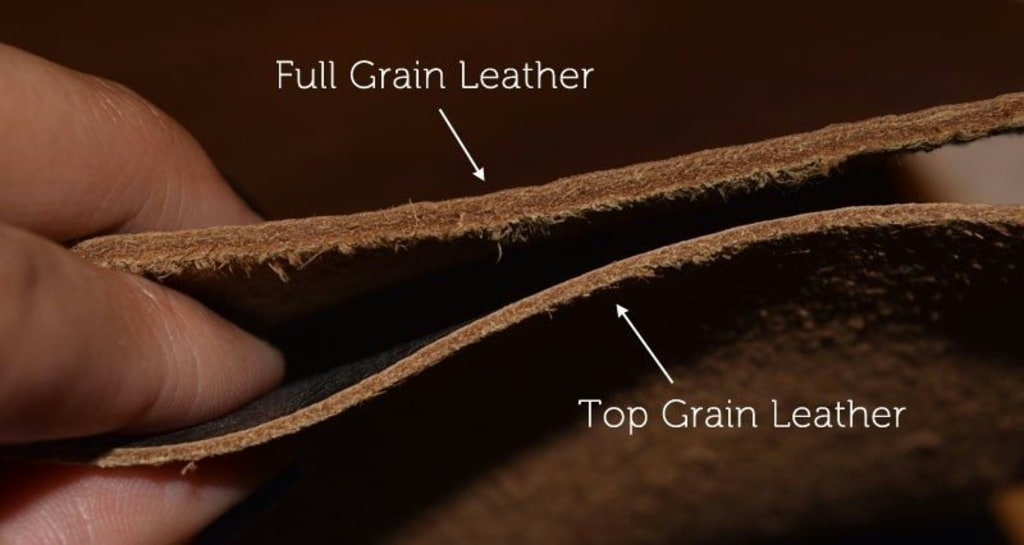
Understanding the structural makeup shows clear differences between full grain and top grain leather. Full grain leather keeps its complete natural surface and all original markings. Dense fibers make up the strongest part of the hide. Top grain leather goes through surface changes as manufacturers sand and buff it to remove imperfections.
Structural Differences and Properties
These leather types prove their physical characteristics differently. Full grain leather has its natural grain. It is more durable and water-resistant. Top grain leather loses some strength when manufacturers sand it. This process removes the strongest fibers from the hide’s surface layer.
Performance in Different Applications
Each leather type shines in different uses. Full grain leather is ideal for high-traffic areas. It develops a unique patina that improves its looks over time. Top grain leather is perfect for commercial uses where looks matter most. It resists stains better and needs less maintenance.
Value Proposition Analysis
The value goes beyond just the price tag. Full grain leather costs more but lasts longer and develops unique character as it ages. Top grain leather is a cheap option that is still good quality. This makes it great for large-scale commercial production.
These leathers age differently. Full grain leather develops a rich patina while top grain leather keeps its original look throughout its life. This difference affects their long-term value, especially for durable items.
Expert Insight:
” Incorporating advanced eco-friendly tanning processes can not only improve the environmental footprint of top grain leather production but also align your products with growing consumer demand for sustainable, premium goods.“
———— Elena Huang, Outdoor&sport manufacturer of bags, supplier China
Market Demand and Consumer Preferences
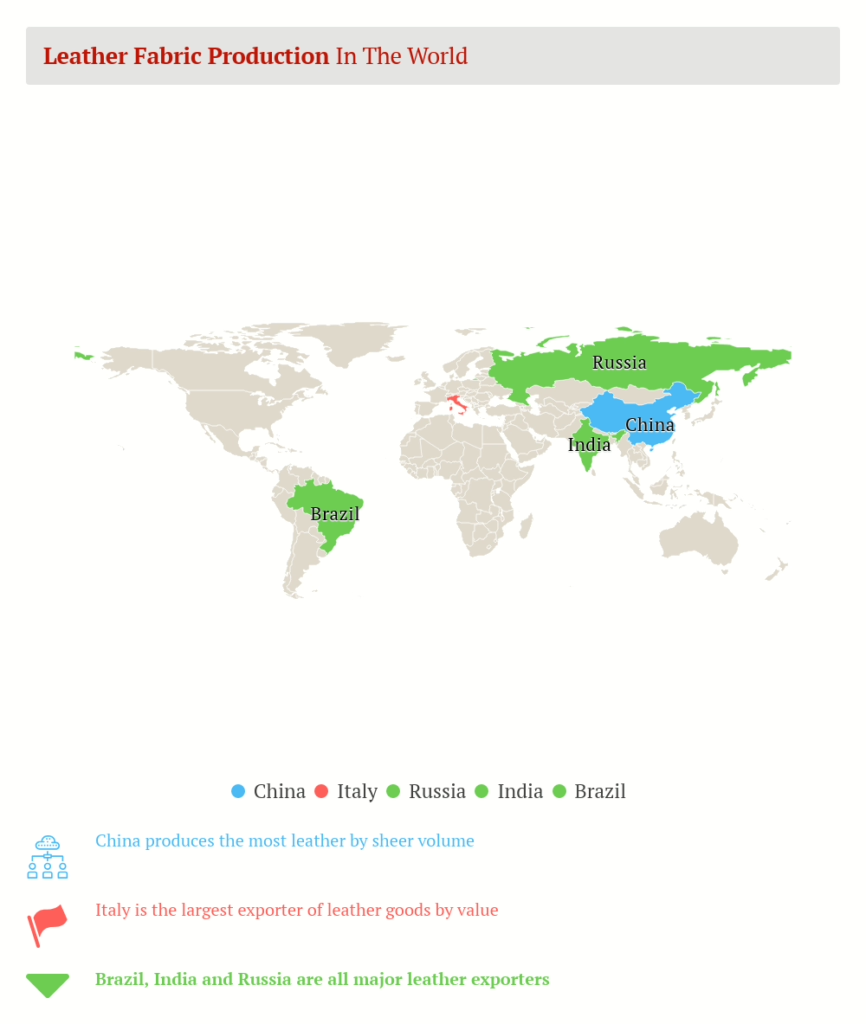
The global leather goods market hit USD 242.85 billion in 2022. Market experts predict a steady growth rate of 6.6% through 2030. Top grain leather claims much of the market share. Rising consumer disposable income and changing fashion priorities shape this trend.
Current Industry Trends
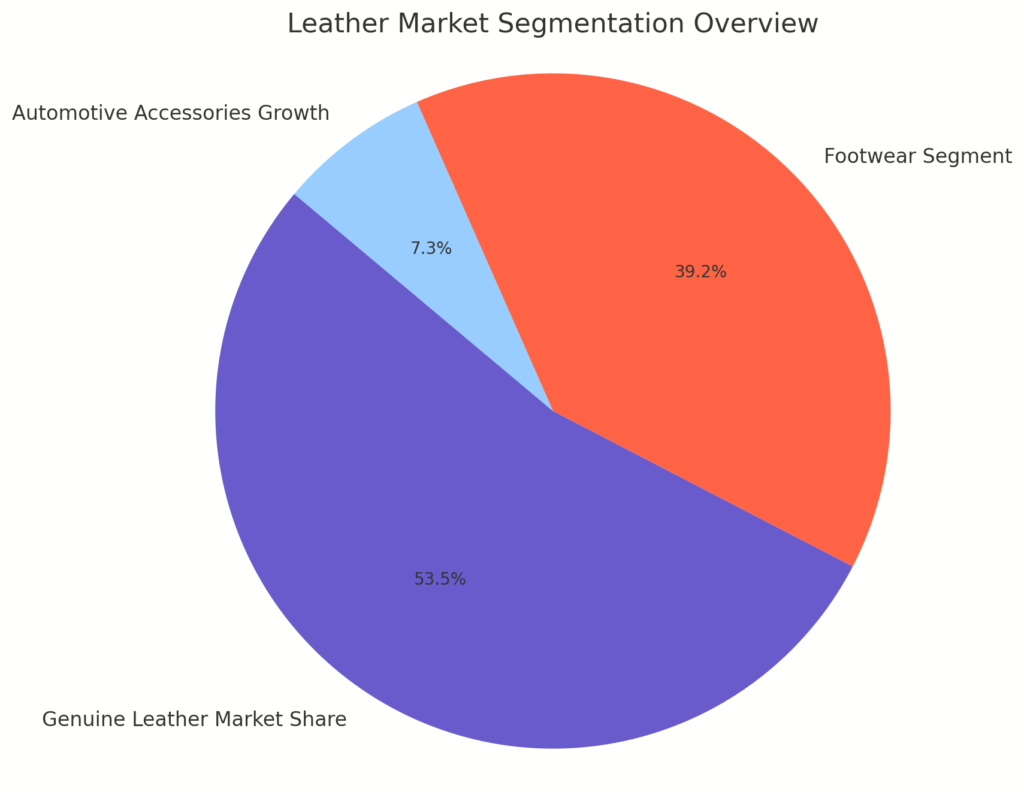
Genuine leather rules the market with a 53.6% share. Consumers clearly want authentic materials. Sustainability has become a game-changer. Manufacturers now use eco-friendly tanning processes and create innovative leather finishes. The footwear segment dominates at 39.3%. Automotive accessories follow with an annual growth of 7.3%.
Consumer Buying Patterns
Asia Pacific leads the pack with 36% market share. China and India show impressive growth in leather goods consumption. American buyers account for 20% of global leather goods sales, a demand that Leather Goods Manufacturers in the USA strategically leverage by prioritizing quality craftsmanship and localized supply chains. The market breaks down into these key segments:
- Footwear and accessories
- Automotive upholstery
- Fashion apparel
- Luxury goods
Price Point Considerations
Top grain leather products stay competitively priced instead of targeting premium segments. Material costs range between USD 4.00 to USD 12.00 per square foot. Quality-conscious consumers find these prices quite reasonable. Manufacturers create value-based pricing strategies based on order volume and design complexity. Automotive accessories show remarkable potential. Buyers spend more on luxury cars and interior products these days.
Further Reading:

The Truth About Ostrich Leather: What Luxury Brands Won’t Tell You

What is Nubuck Leather: Properties, How its Made and Where

How to Make and Sell Leather Goods: From Craft to Profitable Business

What is Saffiano Leather : Benefits and Uses in Fashion
Conclusion
Top grain leather is the perfect balance. It blends leather makers’ craftsmanship with the quality and practicality that consumers want.
Professional leather makers value top grain leather. It has a perfect mix of quality and cost-effectiveness. It won’t develop full grain leather’s patina. But, it resists wear and stains better. So, it’s perfect for high-traffic uses. Its durability and classy look make it a top choice in auto, fashion, and furniture.
For more information or to learn how we can support your leather goods production, contact us at [email protected] or visit leelinebags.com.
FAQs
Q1. How does top grain leather compare to genuine leather?
Top grain leather is of higher quality than genuine leather. It’s made from the top layer of the hide. It’s sanded and finished to remove imperfections. This gives it a more consistent and smooth look. This process makes top grain leather more durable and stain-resistant than genuine leather.
Q2. What are the main advantages of using top grain leather?
Top grain leather has benefits. It is stain-resistant, looks uniform, and is cheap. It’s also more pliable and easier to work with. So, it’s ideal for mass-producing products like furniture, car upholstery, and fashion accessories.
Q3. How long can top grain leather products last?
With proper care, top grain leather products can last 10 to 20 years or longer. Its durability makes it popular for handbags, wallets, belts, shoes, and briefcases.
Q4. What are some potential drawbacks of top grain leather?
While top grain leather has many advantages, it does have some limitations. Sanding removes the natural texture of full grain leather. This can reduce its breathability. It may also be more susceptible to stretching over time compared to full grain leather.
Q5. Why do professional leather makers prefer top grain leather?
Top grain leather is popular with pros. It’s versatile and made with a controlled process. It offers superior workability, allowing for consistent quality across large production runs. The material’s flexibility lets producers create many products. They will all have a uniform look and performance. This makes it ideal for large-scale production.