The right lunch bag material is not just about looks. I find it gives you good value over time. It makes the bag last longer. It keeps food at the right temperature. It’s also easy for people to use. All these things help people remember your brand. If you choose a bad material, people might not be happy. But, picking the right material builds better bonds. This is true for your employees, partners, and customers.
In this article, I will show you the 10 most common materials for lunch bags. Understanding these characteristics helps you make informed decisions when partnering with custom lunch bag manufacturers to develop purpose-built solutions.I’ll explain how each material can meet different needs. You will see how they fit various situations.
Table of Contents
Comparison Table of Lunch Bag Material
| Material | Key Advantages | Durability | Thermal Performance | Best For |
|---|---|---|---|---|
| 1. Polyester | Water-resistant, lightweight, cost-effective | ★★★★☆ | 4-6h (with insulation) | Promo gifts, corporate events |
| 2. Nylon | Superior tear resistance, flexible, lightweight | ★★★★★ | 4-6h (insulated) | Field teams, rugged use |
| 3. Recycled Polyester | Eco-durable, stain-resistant, maintains shape | ★★★★☆ | 4-6h | CSR initiatives, green branding |
| 4. EVA Foam | Superior insulation (0.033W/m·K), shape recovery | ★★★★☆ | ★★★★★ (6-8h+) | Insulated core layers |
| 5. PEVA | Food-safe, chlorine-free, moisture barrier | ★★★☆☆ | 4-5h | Food-contact linings |
| 6. Reflective Foil | Heat reflection, lightweight | ★★★★☆ | 3-5h (core enhancer) | Thermal liner boosting |
| 7. PVC | Waterproof, cost-efficient, versatile finishes | ★★★★☆ | 2-3h | Budget bulk orders |
| 8. Cotton Canvas | Biodegradable, heavy-duty feel, reusable | ★★★☆☆ | 1-2h | Sustainable branding |
| 9. Layered Plastics (PP/PE) | Food-safe (-35°C to 120°C), leakproof | ★★☆☆☆ | 2-3h | Pre-made meal solutions |
| 10.TPU Laminate | Waterproof & breathable, FDA-compliant, ultra-durable | ★★★★★ | 5-7h | Medical/healthcare sectors |
1. Polyester Lunch Bag Material

Key Features:
- Durability and Strength: Polyester, particularly in dense Oxford weaves like 600D polyester, handles heavy use and weight well. If you need a lunch bag for the daily routine of commuting, the office, or a worksite, polyester offers great long-term value.
- Water Resistance: This material keeps out spills, rain, and dampness. I like that you don’t have to worry about food getting wet inside, even if it’s raining.
- Lightweight and Portable: Even though it’s strong, I find polyester is still light and easy to carry. It doesn’t add much extra weight. I recommend it if portability is important for your employees or clients.
- Insulation: Many polyester lunch bags include extra insulating layers, like EVA foam and reflective foil. When you combine 600D polyester with good insulation, I’ve seen bags keep food cold or hot for 6–8 hours. From my experience, this means the people who get these bags can use them often. This practical use helps build a stronger impression of your brand.
- Style Variety: With polyester, I suggest you can create colorful, custom-branded lunch bags. There are many colors, patterns, and prints. You can match your brand identity or a specific campaign.
2. Nylon

Key Features:
- Durability & Tear Resistance: Nylon fabric resists scrapes and wear well. This means your lunch bags won’t show much damage even after many uses. For teams or customers who commute, travel, or handle their bags with less care, I suggest nylon because it withstands this friction.
- Great Flexibility: I believe a big plus for nylon, compared to other lunch bag materials, is its flexibility. It adapts to the shape and contents inside. This gives comfort and makes it useful, whether the bag is packed full or has just a few items.
- Lightweight Design: You’ll notice nylon keeps lunch bags light. I think your staff or clients will appreciate this, often when they’re using them on the go.
- Long-Term Use: With good care, nylon lunch bags, last for several years, even with everyday use.
- Works Well with Insulation: Most insulated fabric lunch bags I’ve seen use nylon as the strong outer layer. When you pair it with EVA foam or EPE pearl cotton insulation, these bags can hold food temperature for about 6–8 hours under normal conditions. I believe this is an essential feature for employee lunches, catered meetings, and wellness programs.
Expert Tips: ” For cold chain logistics or lengthy outdoor events, I recommend considering a lunch bag material with advanced multi-layer insulation—such as a combination of EVA foam and reflective foil—to ensure optimal temperature retention for extended periods.”
—————— Casey Blankinship, Omni Associate Merchant- Food Storage/Lunch Bags
3. Recycled Polyester

Recycled polyester lunch bags are very strong, have high tensile strength, and keep their shape well. People who receive these bags will notice they hold their form, don’t wrinkle easily, and can handle the stress of commuting or workplace use.
Many modern designs use 100% recycled polyester for the main outer part, like the Zero Harm Recycled 4 Lunch Cooler bag. This type of construction helps bags last a long time and maintain a professional appearance for your brand.
If easy care is a priority for you, recycled polyester is water-resistant, lightweight, and simple to clean. A damp cloth often removes stains or spills. This means less time spent on cleaning for both your teams and clients.
This lunch bag material also resists stains and lingering smells. This quality helps bags stay fresh, even with heavy use at work and frequent opening and closing.
4. EVA Foam

Why I Find EVA Foam So Good for Lunch Bags?
- Great at Keeping Temperature:
EVA foam has low thermal conductivity (~0.033 W/m·K). This means your lunch bags can keep food hot or cold for many hours. I believe this temperature control is very important. It helps make sure food is safe and enjoyable for your staff or clients, especially when they travel or have long workdays. This is a big reason many people like EVA foam for insulated lunch bags. - Very Flexible & Soft:
EVA foam has a density range of 20–150 kg/m³ and Shore hardness (25–60 Shore A). This allows us to make it fit the comfort or structure you prefer. You can pick a firmer EVA foam if you want strong support. Or, you can choose a softer one for designs that are comfortable and easy to carry. This gives a high-quality feel each time someone uses it. - Lasts Long & Bounces Back:
This material returns to its shape fast after being pressed because of its low compression set. Even if lunch bags get squashed in briefcases or gym bags, they will keep their shape and look good. EVA foam’s tensile strength (0.3–0.5 MPa) and elongation at break (200–600%) stop bags from tearing. This helps your branded items last a good while. - Keeps Water Out:
Because it has a closed-cell structure, EVA foam doesn’t soak up water or spills. I find this means food and other items inside stay safe from rain, leaks, or messy places. This is perfect for teams working outside or people who commute.
5. PEVA (Polyethylene Vinyl Acetate)
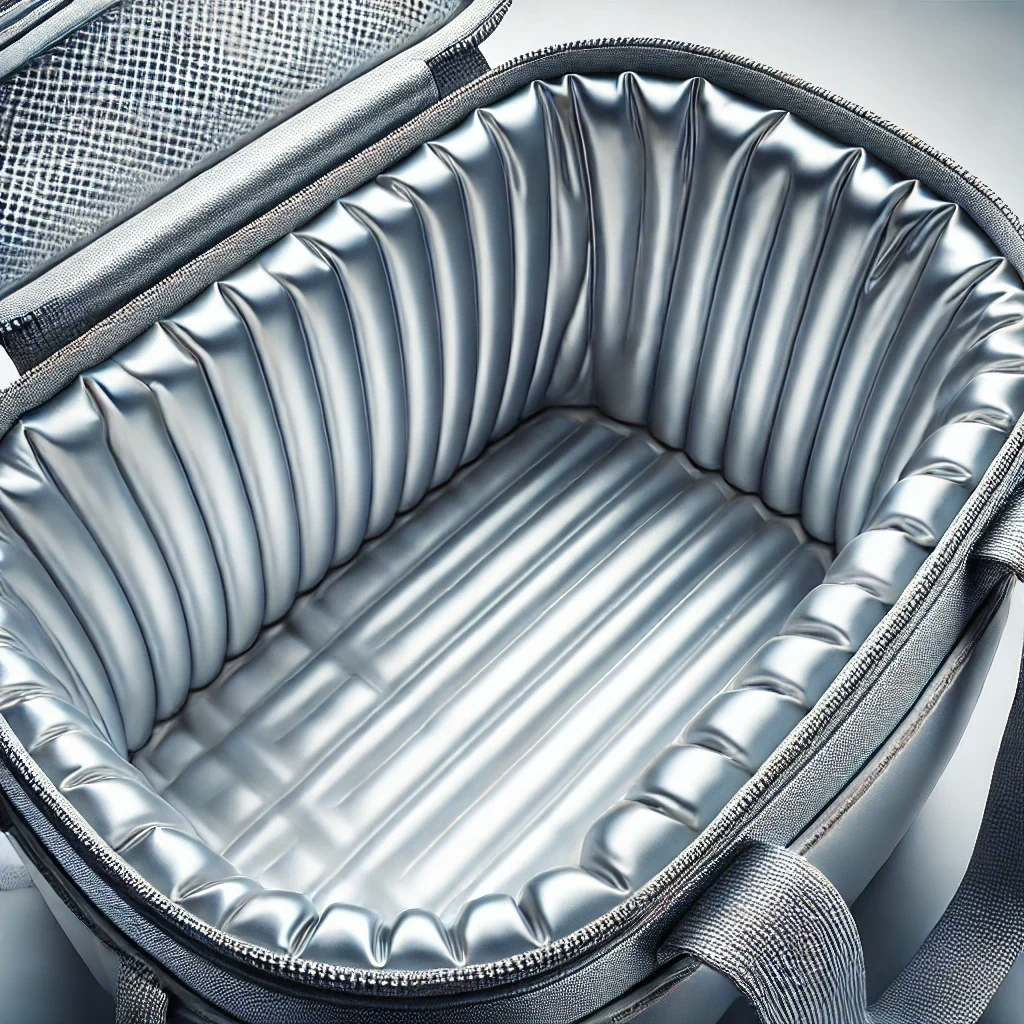
PEVA is free from chlorine. This makes it safer for direct food contact. This shows your employees or clients you care about their health when you pick lunch bags with PEVA linings.
PEVA is quite elastic. This means bags can be shaped and handled with ease. Your team will find these bags easy to carry and store. They are great for office workers, field teams, or students. Its surface feels smooth. It is often transparent when it has no dye. This gives your branded lunch bags a modern look and clean finish.
PEVA liners create a strong barrier against moisture and leaks inside lunch bags. They stop spills from reaching the insulation. This also helps the bag keep its temperature-control ability. You won’t have to worry about stubborn food odors. PEVA does not absorb smells. This helps keep things fresh and clean with everyday use.
6. Reflective Foil (Aluminum Foil Lining)

- Excellent Thermal Insulation: Reflective foil reflects heat well. This keeps hot food hot and cold food cold. This two-way protection greatly slows down heat changes. So, your food stays fresh.
- Typical Insulation Time: Reflective foil lining alone keeps food at the right temperature for about 3–5 hours. For instance, I know the Mountain Guest lunch bag uses this. It can keep food warm for up to 4 hours in actual use. If you add gel packs or more foam, it can insulate for up to 10 hours. I think that’s quite impressive for extended needs.
- Lightweight and Not Bulky: Some materials are heavy. But aluminum foil lining adds almost no weight or bulk to your lunch bags. This makes them easy to carry and comfortable for your team or clients. I appreciate this practical aspect.
- Better Multi-Layer Performance: I often see this material used in double or multi-layer designs. Putting an outer fabric with an inner foil layer gives you better durability and temperature control. Many top bags use this setup because it effectively stops quick temperature changes.
7. PVC (Polyvinyl Chloride)

PVC resists tears and punctures well. These lunch bags hold up to everyday use, whether for commuting, in the office, or at school. They don’t rip or lose shape quickly. This material creates a waterproof barrier. It protects food from spills, leaks, and rain. I think this makes it good for changing weather or outdoor use.
PVC is quite flexible. So, I recommend you consider ordering lunch bags in hard, semi-hard, or soft styles. You also have many surface finishes to pick from. You can choose glossy, matte, smooth, or textured looks to match your brand or campaign.
If cost is a big factor, PVC lunch bags often have a lower price. The low cost to make this material helps you get more for your money. It’s a smart choice if you need to order many bags.
8. Cotton Canvas Lunch Bag Material

Cotton canvas is known for its tough, heavy-duty weave. It doesn’t tear easily and handles everyday use. Cotton canvas is a natural fiber. This means it can break down naturally. You can often find it in 100% certified organic form. I believe using canvas lunch bags shows your company cares about a greener planet. This is particularly true if you choose organic cotton and dyes that are kind to the environment.
These bags are useful for more than just food. Your employees can use them for art supplies, small items, or everyday things. I recommend them as a good reusable option instead of one-time use plastics or paper.
Cotton canvas is excellent for screen-printing. You can use non-toxic, earth-friendly inks. This way, you can show off your logo or designs and still support your brand’s green image.
9. Layered Plastics (PP & PE)

I know that PP and PE are safe and hygienic materials for direct food contact. They meet strict national and international standards. PP can handle microwave reheating. It also freezes down to -35°C. PE is effective even at -60°C. I believe this means your clients or employees can store, move, and reheat their food without worry.
Layered designs, like those with double or triple layers, offer better insulation. They also resist leaks more effectively. This feature helps keep hot foods warm and cold foods chilled for a longer time.
I notice many people use two or three-layer PP or PE bags. They are good for picnics, office meals, and travel. These bags separate meals well and keep food fresh.
10. TPU (Thermoplastic Polyurethane) Laminate

- Waterproof & Breathable:
TPU laminate forms a very thin, solid layer over a fabric base, like polyester. This barrier stops water leaks completely but still lets air pass through. This way, your food stays dry without getting damp. I believe this solves a big problem for keeping meals fresh and the bag hygienic. - Exceptional Durability:
Lunch bags made with TPU laminate are very long-lasting for work and everyday use. It doesn’t crack, tear, or wear out easily, even after more than 300 wash cycles. I think this means your branded bags will look good and work well for years. - Safe for Food Contact:
I want to point out that certified types like Eco-PUL™ and ProSoft FoodSAFE® TPU Laminates meet strict U.S. food-safety rules from the FDA and CPSIA. These materials are free from BPA, lead, phthalates, PFAS, and PFOA. So, I’m confident you can tell clients and employees these bags are safe for storing food directly, over and over. - Green & Sustainable:
I’ve learned that many TPU laminates are now biodegradable. They are made from renewable vegetable oils, not just petrochemicals. I think this is great because they cut down on landfill waste. They also help your business support its corporate ESG goals.
Expert Tips: ” If your brand operates in regions with strict food safety regulations, select a lunch bag material certified for direct food contact, like FDA-approved TPU laminate, to guarantee both compliance and consumer trust.”
—————— Steven Cai, Packaging & Printing Expert @ ZY PACK | Owner @ CCY Promotion
Conclusion
Picking the right Lunch Bag Material matters a lot for your business. This choice builds your brand and makes sure your customers are satisfied.
At Leelinebags, we work hard to give you the best choices. We want to help make your products more attractive and sell better. Do you need lunch bags made just for you? Or perhaps you want to check out different materials? I recommend you get in touch with us. You can email us at info@leelinebags.com or check out our website at leelinebags.com. We are best bag manufacturer China, and China insulated lunch bag manufacturers, I’d be happy to help you pick the perfect material. This will make your brand even better!
Related Reading: 10 Premium Made in USA Lunch Bag Types Driving Retail MarginsFAQs
Q1. What factors should we consider when choosing a lunch bag material for our branded products?
When selecting a lunch bag material, consider durability, insulation performance, ease of cleaning, water resistance, eco-friendliness, and the ability to showcase your brand’s logo or design effectively.
Q2. Which lunch bag material offers the best insulation for keeping food fresh during the workday?
Materials such as EVA foam, PEVA, and reflective foil linings are excellent for insulation, helping to maintain food temperature for several hours—an important feature for employee lunches and corporate events.
Q3. How does the choice of lunch bag material impact our brand image and sustainability goals?
Opting for eco-friendly lunch bag material like recycled polyester or organic cotton canvas can strengthen your company’s reputation for sustainability and social responsibility, while also appealing to environmentally conscious clients and staff.
Q4. Are there lunch bag material options that are easy to clean and maintain for daily corporate use?
Yes, materials like polyester, nylon, and PVC are known for their easy-to-clean surfaces, making them ideal for frequent use in office settings or as part of wellness programs.
Q5. Can we customize any lunch bag material with our company logo and colors?
Most lunch bag material options—including polyester, cotton canvas, and PVC—support a variety of branding techniques such as screen printing, embroidery, and debossing, allowing you to align the product with your brand identity.