Titles, descriptions and categories are all searched.
↑↓ NavigateEnter OpenEsc Close
Hardware Accessories 96 Hours of Salt Spray — a Test Report Ships with the Batch.
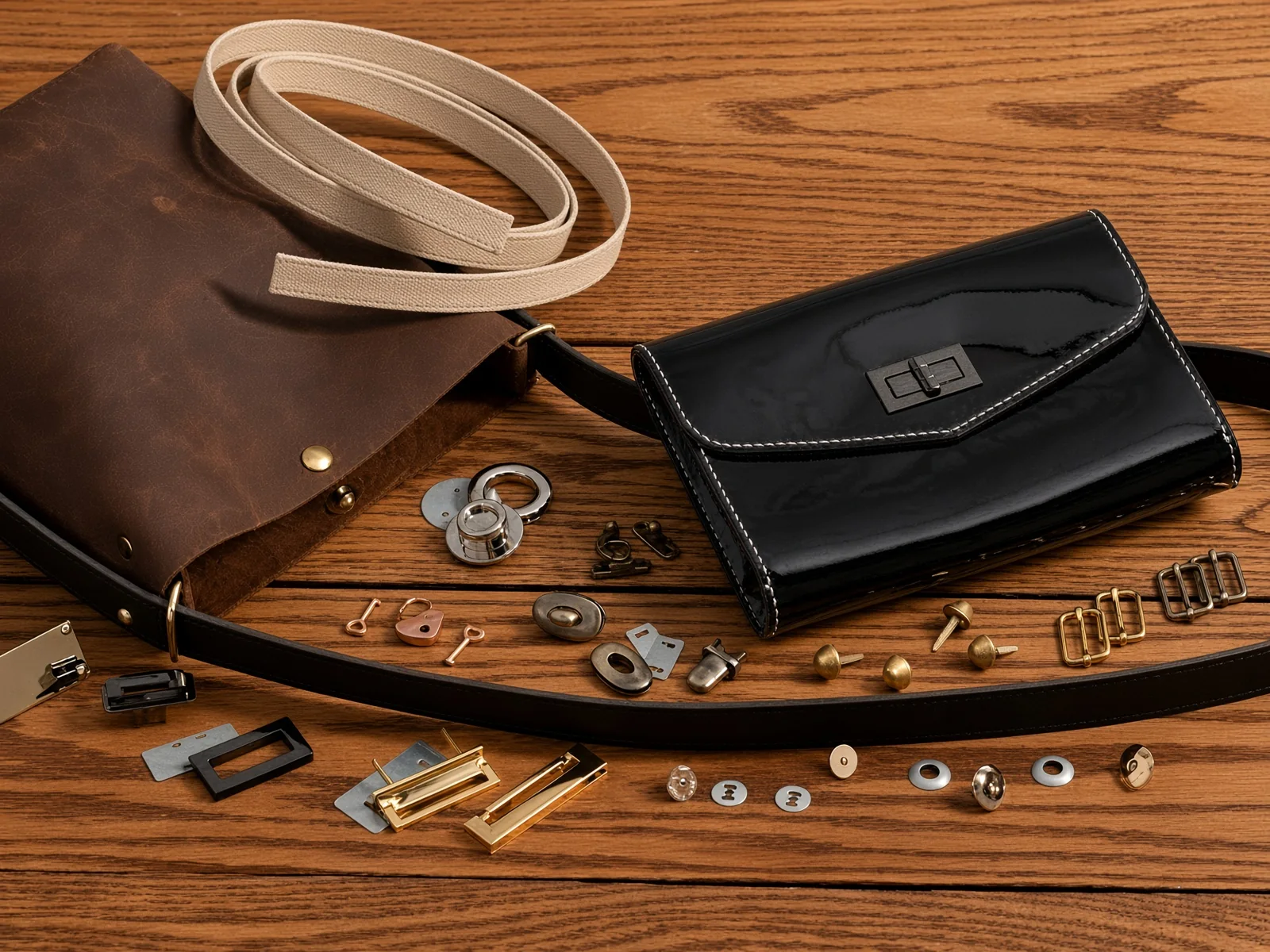
A fitting is chosen by the load it carries and the finish it has to keep, not by what sits in the sample tray. Send the style, plating and quantity, and the quote comes back with the part number, the plating batch and the test report — the three records that hold a reorder to the first run.
A fitting is only as good as the batch it came from. A hardware line is run against the plant's spray, pull and cycle bars before a bulk order is released, because the failure a buyer meets is not a part that looked wrong on the sample but one that was plated in a different bath a season later.
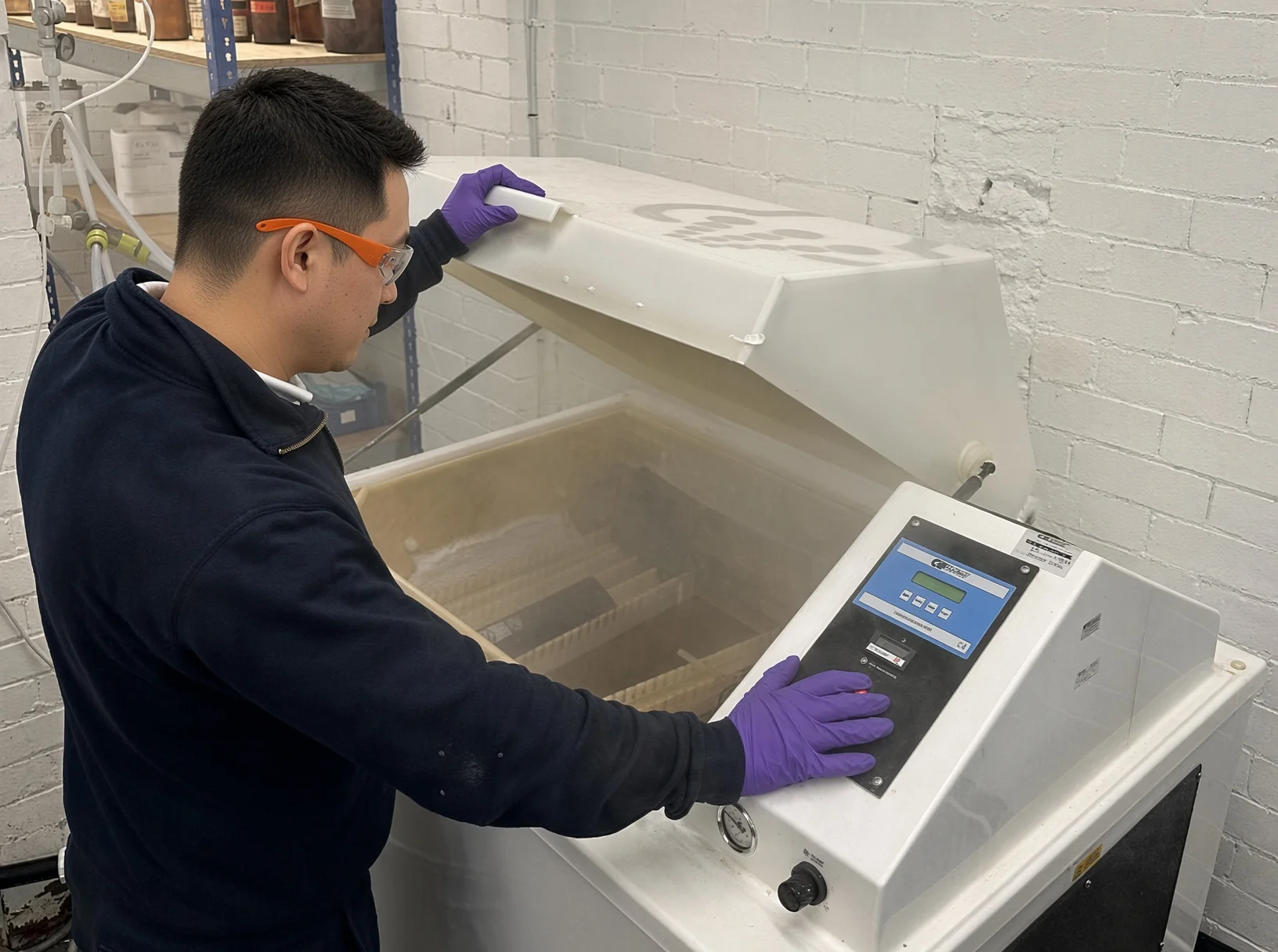
96 hASTM B117 · salt sprayCorrosionAn assembled fitting — buckle, ring and rivet together — is fogged at salt concentration, and a batch that shows red rust inside the window is rejected before it reaches the stitching line.
D6770ASTM · pull testLoad at the attach pointA handle, a D-ring or a strap anchor is pulled as a whole assembly with the webbing and the stitch in place, because a buckle is only as strong as the tab it is riveted through.
Cycleon a rigWear at the moving partA slider, an eyelet or a swivel is opened and closed on a rig until the wear shows, so the part that fails first is found on the bench, not in a customer's hand.
The exposed fittings
Zip, Buckle, Foot — All Three Fail Differently.
The parts below take the wear a bag is judged on. A zip, a buckle and a foot are specified by material, load and finish, not by a picture in a catalogue, because the chain, the tab and the base are different problems.
01
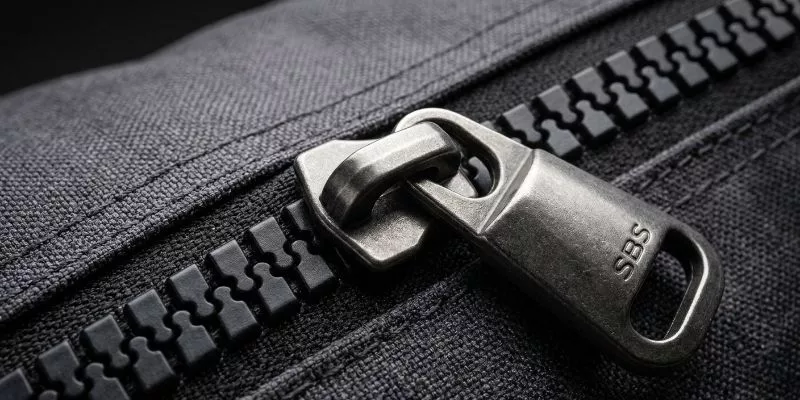
Zipper
How it closesA coil or a toothed chain closes on a slider, the tape holds the stitch and the pull answers the hand — so the load is shared across three parts, not one.
Built fromMetal teeth behind a leather edge that is opened daily; nylon coil where the zip has to flex around a curve; a moulded plastic chain where the bag gets wet or outdoor use.
Right forA closure that has to disappear into a leather edge, or one built for a heavy duffle mouth. The two ends of the same choice, quoted separately.
Chainmetal · nylon · mouldedStopcrimped, matched to the tape
02
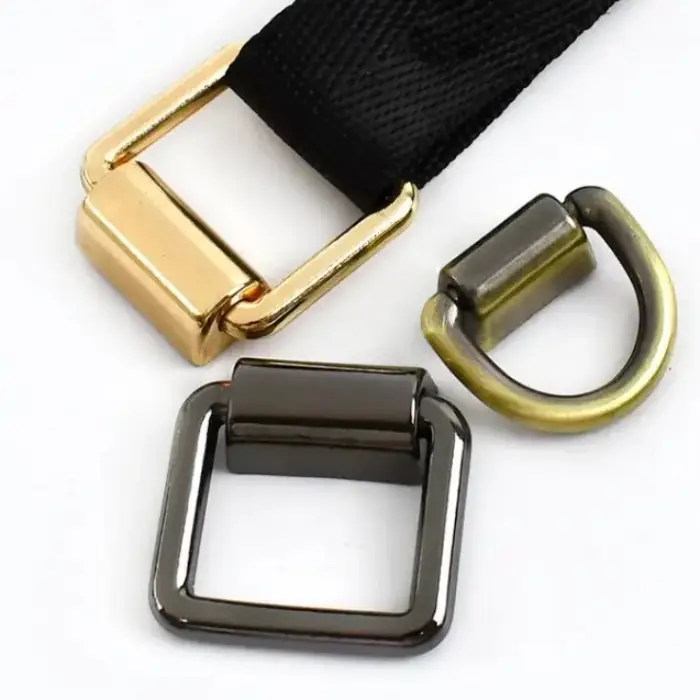
Buckle
Where the load goesA buckle joins two runs of webbing or closes a flap, and the load travels through the bar and the webbing looped onto it, never through the frame alone.
Built fromA cast alloy for a handbag or briefcase fitting; a stamped steel slide for a travel strap; a moulded polymer where colour and weight matter more than a mirror polish.
Right forAny point where the bag is carried, cinched or hung — and where the plating has to hold its colour from the sample through the reorder.
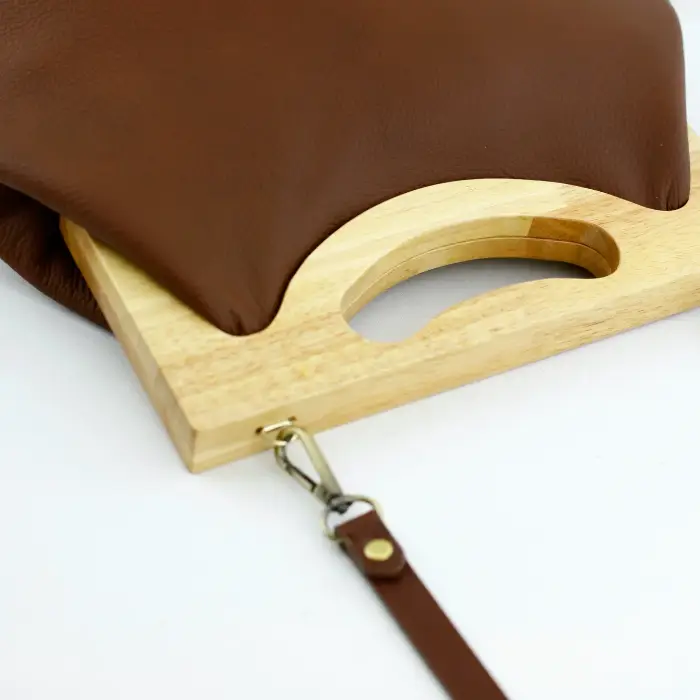
What meets the floorA foot lifts the base clear of the ground and meets the pavement first, so the leather or canvas at the corner is never the part that wears through.
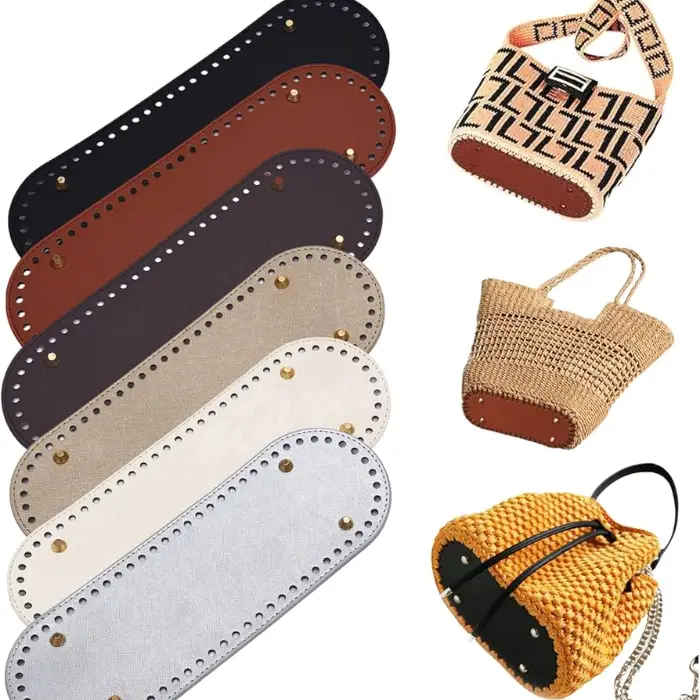
Built fromA metal stud for a leather bottom that needs weight and shine; a moulded pad for a softer, lighter bag; a screw-in foot where the base has to be serviceable later.
Right forA bag that stands on a counter, a train floor or a pavement — and a base whose corners are the first thing a return complaint names.
Basestitched or screwedFinishnickel · brass · black
Fitting to quote
Specify the Fitting. The Part Comes Back Named.
Paste the style, the plating and the quantity. The brief comes back costed — alloy, finish and plating batch on one sheet.
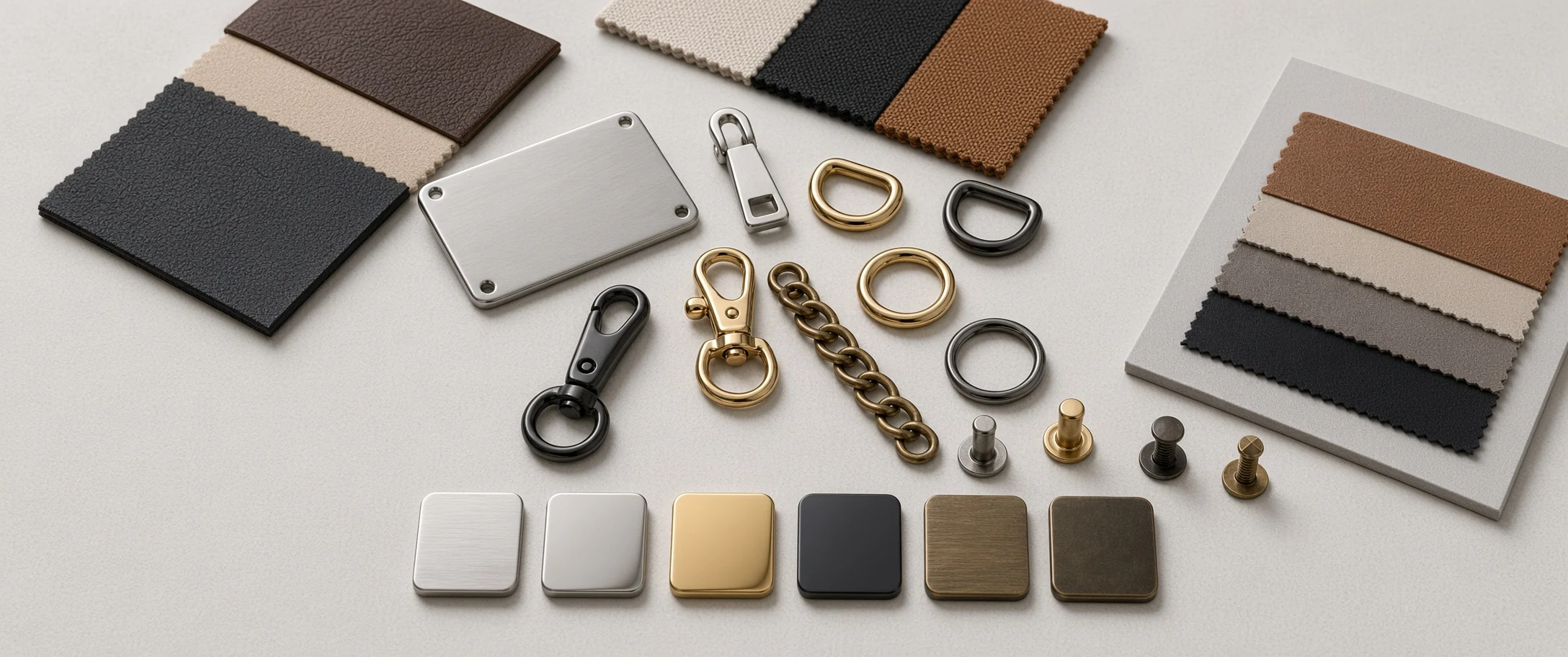
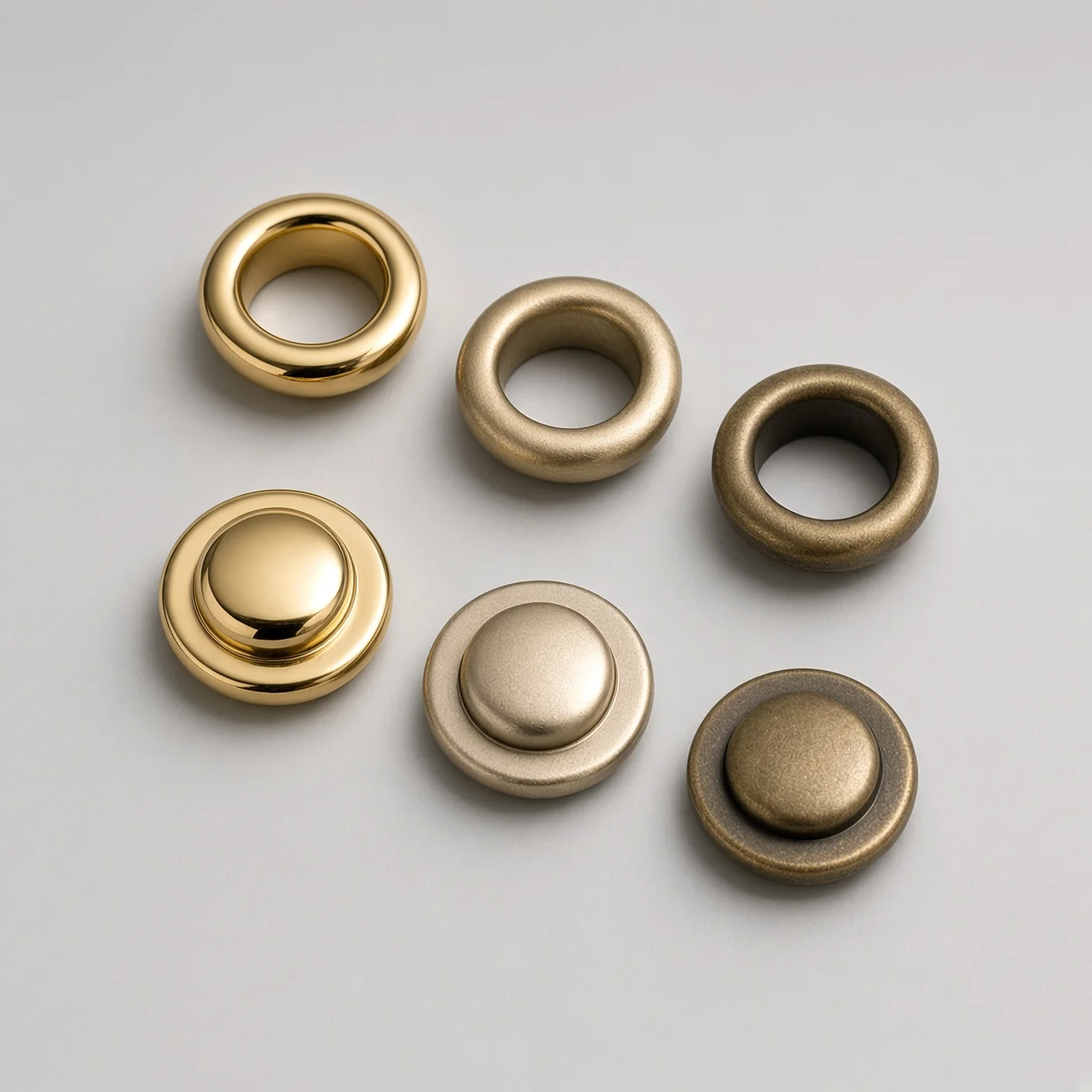
The same colour name can hide a different alloy and a different bath, and the two fittings read as separate objects on the shelf. What a hardware spec buys is the layers under that colour — a metal that answers the polish, a bath that lays it and a coat that protects it.
01
Base metal
Zinc alloy casts into a buckle, a ring or a stud and takes a deep polish; stainless steel is stamped where the part bears load and needs no plating over it. A casting keeps a mirror, a thin stamping cannot.
02
Plating method
Metal is laid in a bath, not painted on: a large or flat part hangs on a rack so its visible face sits even, and small parts run loose in a barrel. The quote names the method, because the process leaves a mark in the colour.
03
Sealing coat
Gold, rose gold and antique brass oxidise faster than nickel, so a clear seal goes over them. That seal leaves no tone for a swatch to show, so unsealed gold matches the bench sample and then discolours where a hand grips it.
Finishes quoted
Light gold
Gunmetal
Nickel
Antique brass
Matte black
Inside the shell
Sewn In Before the Shell Closes.
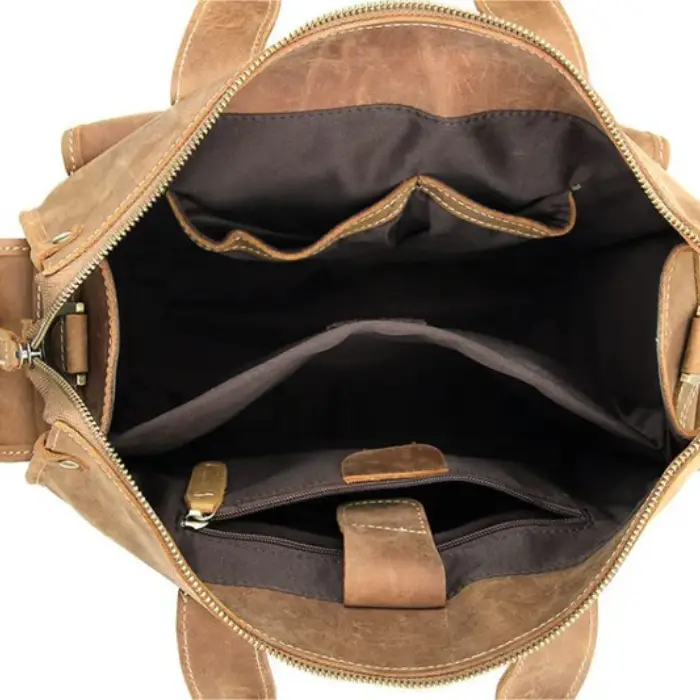
The interior is a build step, not a finish. A divider, a frame and a lining are cut and set while the bag is still open, so the inside a customer meets is settled on the same pattern that decides the outside.
Compartment Design
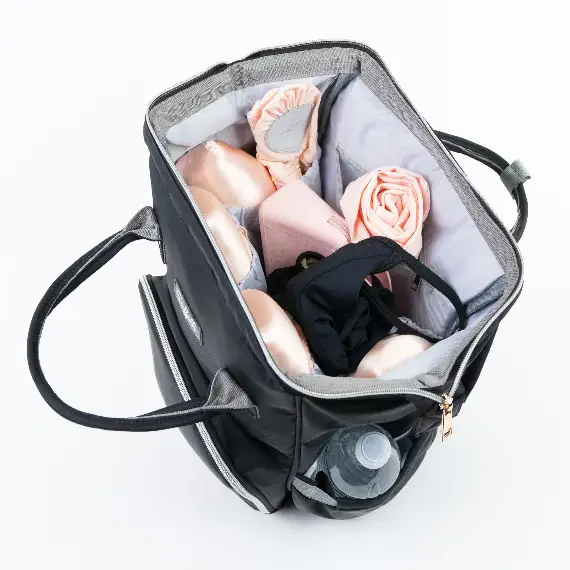
The pockets follow the bag — a laptop, a bottle, a set of keys.
Both are cut on the body pattern, so a divider meets the seam without a kink.
A padded sleeve or a zip pocket changes the cut, quoted before the sample.
Support Frame
A steel wire or sprung frame runs along the top edge or the base of the bag.
A backpack stands open and a briefcase keeps a flat edge without added weight.
Where the shell already holds its shape, the frame is left out, not added.
Lining Material
Woven, coated or printed, the lining is matched to the outside it sits behind.
Soft against a folded garment, wipeable in a lunch bag, light so dark contents read.
Sewn in before the shell closes, a later change is a re-cut, not a trim.
Hardware questions
Frequently Asked Questions About Hardware Accessories
The questions that come up before a hardware set is specified, answered where their figures already sit above.
Will a reorder match the first batch's plating colour?
It will if the second run is drawn from the same bath or one matched against the signed-off sample. The failure is a reorder plated to a colour name — "light gold" — at a different plant, which reads as a half-shade drift beside the first delivery. Batch records are held against the style for that reason, and the comparison is made on the assembled bag, not on a disc.
Two buckles look the same in a photo. Why does one cost more?
Because the photo shows colour, not construction. A cast zinc buckle gives a crisp rim and real weight in the hand; a stamped steel slide is thinner, lighter and cheaper to make, and no plating closes that gap. A quote that lists the base metal and the method compares like with like; one that lists only the colour does not.
Can one bag carry several plating finishes, or must the fittings match?
Several are normal — a brushed body plate with a polished zip pull, an antique brass foot under a nickel buckle. What separates a deliberate mix from an accidental one is the hardware sheet: a line per finish, with its own alloy and bath. A set that was never specified as separate lines arrives mixed for reasons nobody can trace.
Can the brand mark be built into the fitting, and what does it cost?
It can be an applied plate, an engraved or debossed face, or a puller cast with the mark in it. The method decides the tooling: an applied plate uses a standard part, while a cast mark needs a die cut for that shape. A separate die line is a one-time cost, and it should appear as one rather than buried inside the unit price.
The zip splits open at the curve — is it the chain or the slider?
Usually the chain, because a coil or a toothed chain that has to follow a curve needs slack the slider cannot give it. A zip dragged around a tight mouth pulls the teeth apart at the bend, while the same slider holds a straight run without trouble. A split that appears only where the closure turns means the chain was specified for a straight seam.
Will a metal foot tear out of a soft base?
It will if the stud is pressed through an unsupported shell. The fix is decided before the foot: a stiffened panel in the base, or a screw-in foot with a backing plate that spreads the load. Leaving the base construction to be settled after the foot is chosen is how the first corner of a run starts to fail.
If a fitting fails in the field, is it the plater or the bag maker?
It is the line that set it, traced from the assembled part. A buckle, its rivets and the webbing tab are recorded together, so a claim can be followed to the plating batch, the rivet setting or the tab stitch instead of being passed between suppliers. An order split across a plater and a stitcher with no shared record is where that trace stops.
Can the hardware survive a wash or a salt-air market?
It can, when the finish and the base metal are specified for the use. An alloy that is right for a handbag can pit in a bag that is washed or carried in sea air, so a fitting sold into that use is drawn from a corrosion-resistant base and finished with a seal over the colour. A style that is machine-washed is briefed as one, not upgraded afterwards.
Specify the fitting
Name the Load. The Part Is Chosen.
A brief that names the bag, the plating and the quantity gets a costed answer back — with the alloy, the finish and the sample settled before the run is cut rather than after the first delivery arrives.