Camel Leather is a durable and premium material that you’ll appreciate if you’re looking for quality and style in your accessories. As a custom handbag manufacturer, we using camel leather means crafting products that stand out for their toughness and unique texture, ensuring your bag lasts and looks great over time.
More and more, camel leather is gaining popularity in high-end bags, shoes, and accessories. Its natural strength combined with a luxurious feel makes it a top choice for those who want something both practical and elegant. If you value materials that age beautifully and offer a distinct look, camel leather is worth knowing about.
In this article, you’ll discover why camel leather is becoming a favorite among designers and customers alike. From its special qualities to how it’s used, we will guide you through everything you need to know. Ready to explore the charm of camel leather? Let’s dive in!
Table of Contents
What Is Camel Leather?
It is made from the hides of camels, known for its unique thickness and strength. Compared to cowhide, camel leather is much thicker—usually between 2 to 3 mm—and has up to ten times more fibers per square centimeter. This fiber density makes camel leather up to ten times stronger than regular cow leather.

Key Characteristics of Camel Leather
- Durability and Strength: Its dense fiber structure gives outstanding resistance to punctures, tears, and abrasions. This makes it perfect for products needing long-lasting toughness, such as custom travel bags, boots, and belts.
- Lightweight and Flexible: Despite being thick and strong, it feels soft and flexible, offering comfort and ease in craftsmanship.
- Distinctive Look and Feel: It has a natural pebbled texture with irregular grain patterns, usually in a vibrant tan color. Each piece is unique, giving a rugged yet refined appearance.
- Low Maintenance: Camel leather retains its softness and durability with less need for frequent wax or oil treatments.
- Rarity and Premium Value: Due to limited supply and complex processing, it is a luxury material, often used in high-end fashion accessories.
You can identify camel leather by its combination of softness and density, along with its thick, pebbled grain surface. If you want materials that combine heritage, luxury, and robust performance, camel leather stands out as an exceptional choice.
Expert Opinion:
” Invest in advanced finishing techniques specific to camel leather to enhance its natural moisture resistance and extend product lifespan, thus reducing returns and boosting customer satisfaction for your luxury offerings. “
——————— Zahid Hussain, Technical Manager/Quality Control/Leather Technologist at SPS Aircraft services Dubai UAE. (Leather Technologist + MBA Marketing Management).
Distinctive Characteristics of Camel Leather
Camel leather stands out with its unique pebbled grain texture and visible natural imperfections. You’ll notice a vibrant tan color, which can also be dyed in shades like gold or silver, while still keeping its elegant grain pattern.
1. Strength and Durability
A major advantage is its extraordinary fiber density—up to 10 times denser than cowhide. This gives camel leather superior strength and abrasion resistance. According to a UNESCO report, it is 3 to 10 times stronger than cattle leather. The thicker dermal layer adds to its excellent tensile and tear strength, making it tough and long-lasting.
2. Texture and Feel
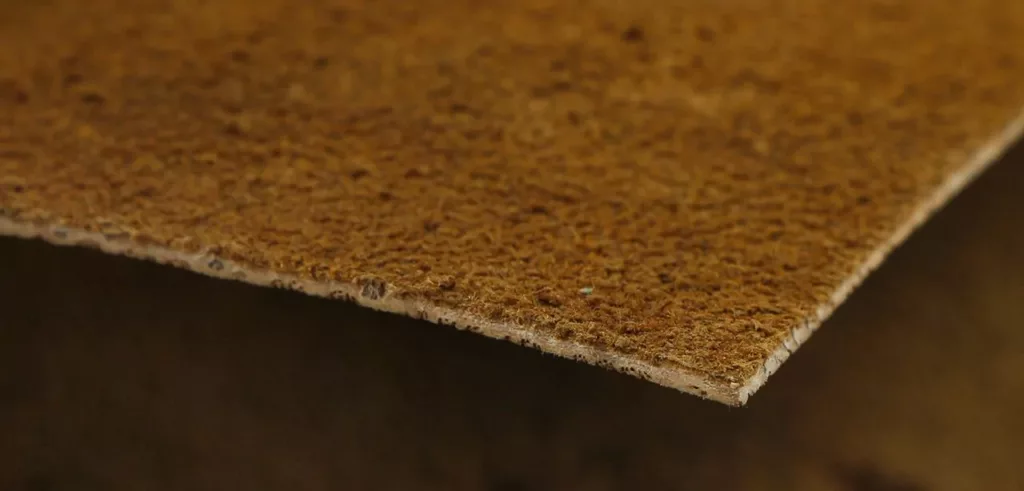
You’ll find camel leather softer and more flexible than ordinary cattle leather. It strikes a balance in coarseness—rougher than cow leather but softer than buffalo leather—which adds to its distinct tactile appeal.
3. Lightweight and Resilient
Despite its toughness, camel leather is naturally lightweight. Its origin from camels adapted to harsh climates gives the leather high resilience and resistance to environmental stress. Rich natural oils keep it supple and reduce cracking over time. This makes it ideal for durable, everyday products like bags, wallets, and belts.
Comparison: Camel Leather vs. Other Leathers
When choosing leather for your products, understanding the differences matters.
| Quality | Camel Leather | Cow Leather | Buffalo Leather | Goat Leather |
|---|---|---|---|---|
| Texture | Pebbled, unique, natural variation | Smooth to grainy, more uniform | Coarse, pronounced grain | Soft, fine grain |
| Fiber Density | Very high (~10x that of cowhide) | Lower | Moderate | Moderate |
| Strength | Exceptional (3–10x stronger than cowhide) | Good, but less than camel | High | Moderate |
| Weight | Lightweight | Medium | Heavy | Lightweight |
| Water Resistance | Naturally water-resistant | Variable (depends on finish) | Similar to cow leather | Less water-resistant |
| Cost | High | Moderate | Moderate | Low/Moderate |
| Availability | Limited / Rare | Widespread | Moderate | Moderate |
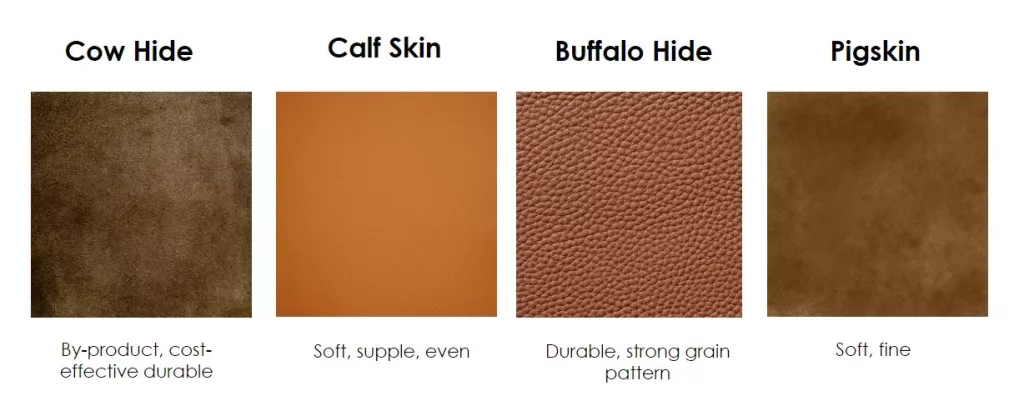
Strength and Durability
- It is tougher and more resilient than cowhide and goat leather, especially in harsh conditions.
- Cowhide is durable but can crack without proper care.
- Goat leather is softer and more flexible but less durable.
- Synthetic leather cannot match the strength or lifespan of camel leather.
Weight and Texture
- It is lighter than cowhide, making it comfortable for wearables.
- It features a unique, pronounced natural grain and rich tan color, giving products a luxurious look.
- Cowhide is smoother and more uniform.
- Goat leather is soft but lacks visual depth.
- Synthetic leather often looks artificial and less authentic.
Price and Availability
- Camel leather is scarcer and more expensive, adding exclusivity to your products.
- Cowhide is widely available and cheaper.
- Goat leather is moderately priced and used where flexibility is preferred.
For your luxury, durable, and low-maintenance leather goods, camel leather delivers unmatched quality and character.
How Camel Leather is Made?
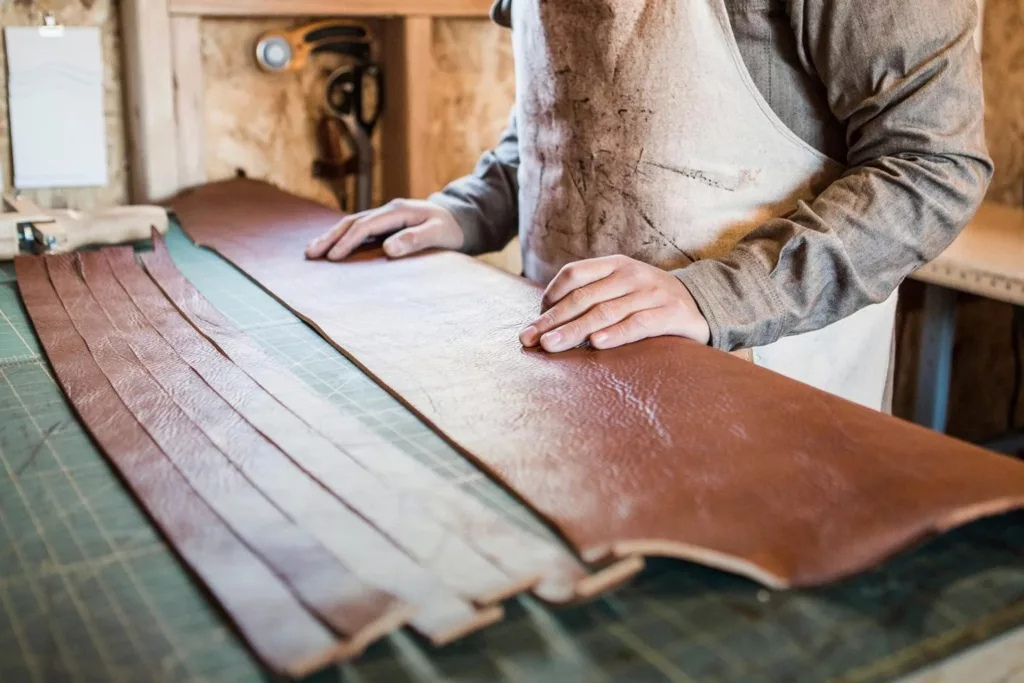
Camel leather production involves several careful steps to turn raw hides into strong, supple material you can trust for quality products.
① Collection and Preservation
First, raw camel hides are collected and preserved by salting or chilling. This stops the hides from decaying before processing.
② Cleaning and Hair Removal
The hides are soaked in water for hours or days to clean off dirt, blood, and salts. Then, they go through liming and unhairing, using lime to loosen hair. Scraping removes hair and the top skin layer, leaving a clean surface.
③ Fleshing and Tanning
Next, fleshing removes leftover flesh and fat for even thickness. Tanning stabilizes the leather; vegetable tannins or chrome salts are commonly used. Many producers prefer chrome-free tanning for a natural, hypoallergenic finish.
④ Post-Tanning Processing
This stage includes shaving to even thickness, retanning for firmness, dyeing for color, and fatliquoring to add softness and flexibility. Fatliquoring is key because camel leather is generally stiffer than other leathers.
⑤ Drying and Finishing
Drying reduces moisture to below 20% using vacuum, oven, or air methods. Then staking and milling soften the leather. Buffing improves texture, and final trimming and surface treatments add unique looks and protective layers.
⑥ Production Timeline and Quality Notes
- The entire process takes about 10 days.
- Leather loses up to 50% water during drying.
- Camel leather’s tight fibers give superior toughness and water resistance compared to cow or goat leather.
- You get thicker, more durable leather but smaller yields per hide due to camel size.
This detailed process ensures camel leather’s strength, beauty, and luxury appeal for high-end shoes, bags, and accessories you offer your customers.
Potential Drawbacks of Camel Leather
When choosing camel leather for your products, be aware of several key drawbacks that can affect your business.
☑ Limited Availability and High Cost
Camel leather is rare and mainly comes from tanneries in the Middle East, India, and Northern Africa. This limited supply causes prices to be quite high. For example, camel leather boots often sell for over $700, and cardholders can cost $140 or more. This cost factor might limit your ability to offer affordable products.
☑ Strong Odor Issues
Many camel leather products have a noticeable smell when new. This odor comes from traditional tanning methods, sometimes involving organic materials, and the nature of the hide itself. However, some tanneries—like those producing Viberg boots—use techniques that reduce this smell significantly. You should consider the tanning source carefully.
☑ Environmental and Practical Concerns
Camel leather production usually requires chemical tanning, which can harm the environment through water pollution and waste. Also, while camel leather resists moisture, it is not fully waterproof, so excess water exposure may damage it over time.
☑ Product Variety and Market Accessibility
Due to its rarity and cost, camel leather is available in fewer styles and options. Its high price and exotic nature can make it hard for average consumers to access, potentially limiting your market reach.
By understanding these drawbacks, you can better evaluate whether camel leather fits your product line and customer expectations.
Main Uses of Camel Leather
Camel leather is prized for its strength, durability, and unique look. You can find it in many products where long-lasting quality matters.
Fashion and Accessories
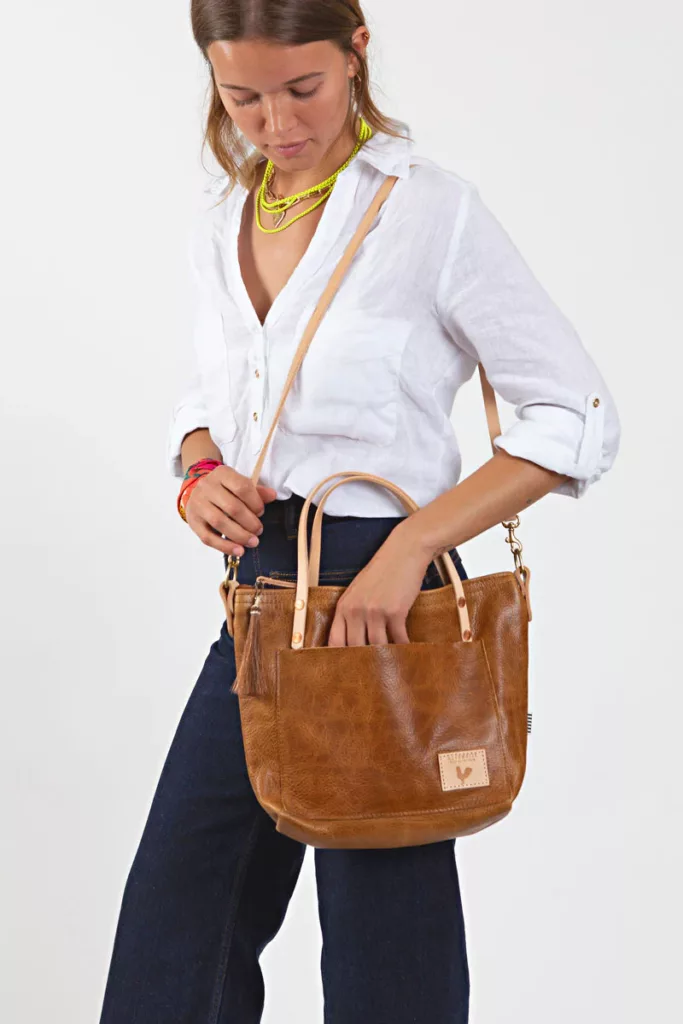
You can use camel leather for jackets, coats, handbags, wallets, belts, shoes, and boots. Its softness and flexibility make it comfortable to wear, while its high fiber density—up to ten times that of cowhide—means these items last much longer. A camel leather coat even won an international design prize, showing its value in luxury fashion. Besides clothing, camel leather works great for office bags, shoulder bags, and phone or tablet cases thanks to its durability and style.
Upholstery and Equipment
Camel leather is also used in car and aircraft seats because it meets strict safety and wear requirements. Traditional equestrian gear like saddles and bridles often use camel leather, especially in desert regions, for its toughness and endurance.
Craftsmanship and Tradition
Camel leather plays a role in historic and cultural products, including tents, traditional clothing, and bags favored by nomadic communities. Its unique natural markings make each piece exclusive, ideal for classic or handmade designs.
Expert Opinion:
” When selecting camel leather suppliers, prioritize those who provide detailed traceability and quality control data; this transparency ensures consistent material performance essential for maintaining product standards in competitive markets. “
——————— Monalisa K., Head of Business Operations at FALCON with expertise in leather industry.
Conclusion
Camel leather is a unique, premium material. It’s valued for its durability, distinct texture, and eco-friendly qualities. Its mix of strength and elegance makes it perfect for luxury products. These items need both style and lasting performance.
If you are interested in exploring camel leather for your products, such as custom handbags, we encourage you to reach out. Our team can provide samples and answer your questions to help you make the best material decision for your brand. Contact us at [email protected] or visit leelinebags.com to get started.
Related Reading: What Is Calfskin Leather: The Ultimate GuideFAQs
Q1. How does camel leather impact product pricing and exclusivity?
Camel leather’s rarity and strong fiber density make it more expensive than common leathers like cowhide. This exclusivity can justify premium pricing for your products and appeal to luxury markets.
Q2. What innovations in tanning improve camel leather’s odor and environmental footprint?
Modern tanning techniques, including chrome-free processes, reduce traditional odors and lower environmental impact compared to conventional chemical tanning. Choosing suppliers with eco-conscious methods benefits brand reputation.
Q3. How can camel leather be customized for different product lines?
It accepts various dyes and surface finishes, allowing customization in color and texture to match brand aesthetics while preserving its durable core properties.
Q4. What logistical considerations affect sourcing camel leather products?
Due to limited availability, lead times might be longer and minimum order quantities higher. Planning ahead with manufacturers experienced in camel leather can streamline production and inventory management.