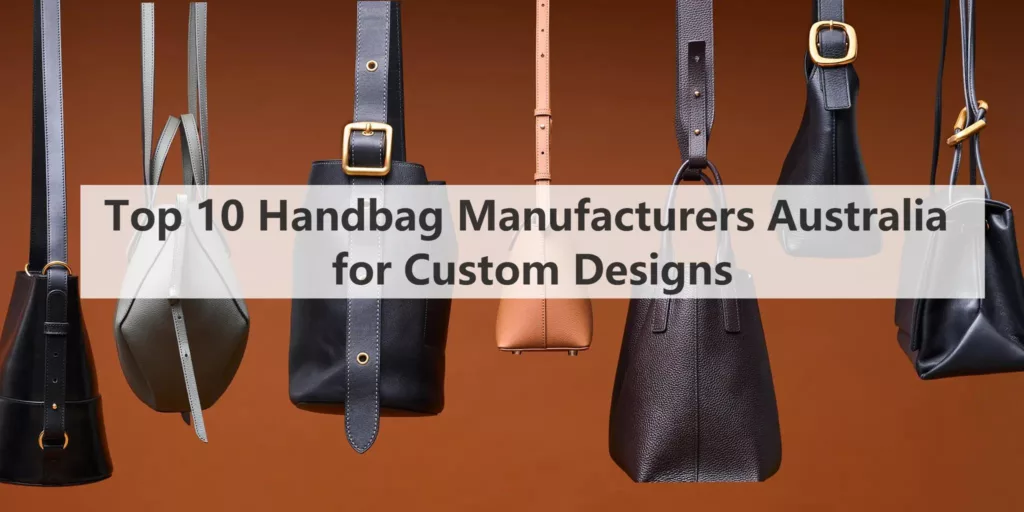
This list filters the noise for founders. The market for handbag manufacturers australia mixes small artisans with industrial studios. I evaluated partners using this framework:
- Service Model: End-to-End (design to delivery) vs. Cut-and-Sew only.
- Commercial Specs: MOQs, materials, and Australian Made licensing.
Compare domestic options with custom handbag manufacturers in China or Portugal. See our custom handbag manufacturer guide for global context.
Need low MOQs? Contact us.
Table of Contents
Handbag Manufacturers Australia Comparison
| Manufacturer | Location | Primary Service Model | Key Strength |
|---|---|---|---|
| 1. Simétrie Ltd | Melbourne | End-to-End | Bespoke Leatherwork |
| 2. Lizandez Pty Ltd | Melbourne | Upper-Market OEM | Premium Finishing |
| 3. GABEE | Australia | Wholesale/Custom | Stock Replenishment |
| 4. JD Factory Co | Australia | Cut-and-Sew Only | Material Execution |
| 5. The Jacket Maker | Offshore | End-to-End | Scalable Production |
| 6. Oroton | Australia | Wholesaler/Retail | Quality Benchmarking |
| 7. Mimco | Australia | Retail/Gifting | Trend Analysis |
| 8. TJ’s Leathercraft | Australia | Prototype Workshop | Golden Samples |
| 9. Belt N Bags | Australia | Wholesale/Custom | Accessory Matching |
| 10. Leo Monk | Sydney | Artisanal End-to-End | Custom Sizing |
Top 10 Handbag Manufacturers Australia
1. Simétrie Ltd (Melbourne)
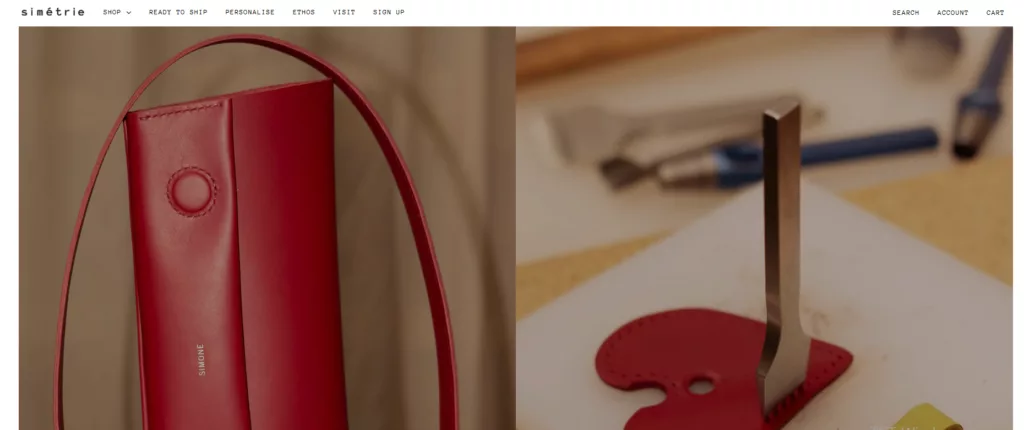
Most factories push volume; Simétrie prioritizes craftsmanship. This Melbourne studio provides end-to-end service, covering design consultation, sampling, and hardware sourcing. They specialize in vegetable-tanned leathers and sustainable kangaroo leather, which is significantly stronger and lighter than cowhide.
Commercial snapshot:
- MOQ: Extremely low (typically 10–50 units).
- Lead Time: Extended timelines due to artisan hand-finishing.
- Customization: Full bespoke options, from custom edge paint to foil monogramming.
Compliance check: While they manufacture locally, you must verify if your specific product qualifies for the official Australian Made logo. There is a strict legal distinction between a general “made in Australia” claim and holding the certified license.
Best for: 50–200 unit luxury capsule collections. Not for: Rapid scaling to 1,000+ units.
🚀 Actionable Insight: Negotiate pattern ownership before you pay for sampling. Many studios retain legal rights to the technical patterns, which prevents you from moving production to a larger factory when you are ready to scale.
2. Lizandez Pty Ltd (Melbourne)
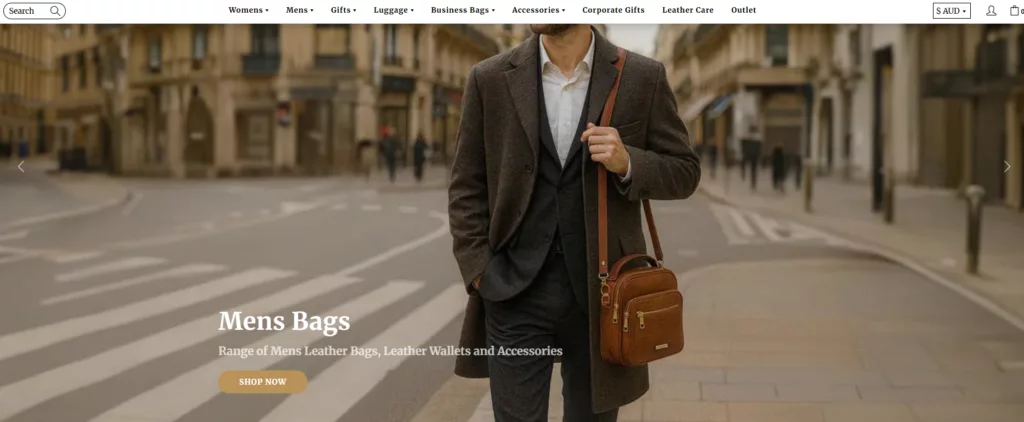
Lizandez specializes in the upper market tier, using Italian leather and premium finishing. Since they focus on retail, you must clarify their service model. Verify if they accept full custom manufacturing (OEM) via a tech pack or only branding of existing patterns (Private Label).
Commercial snapshot
- MOQ: Flexible for corporate orders; varies for bespoke.
- Samples: Retail pricing applies.
- Lead Time: Request quote.
Quality indicators Inspect edge work. Premium goods use burnished edges rather than paint that cracks over time. Check for durable hardware plating and zippers that lie flat.
Compliance & provenance Australian ownership doesn’t guarantee local production. Cross-reference specific SKUs with the Australian Made licensee database to confirm manufacturing origin before making marketing claims.
Best for: Boutique retailers and corporate gifting. Not for: Budget-driven mass scaling.
3. GABEE
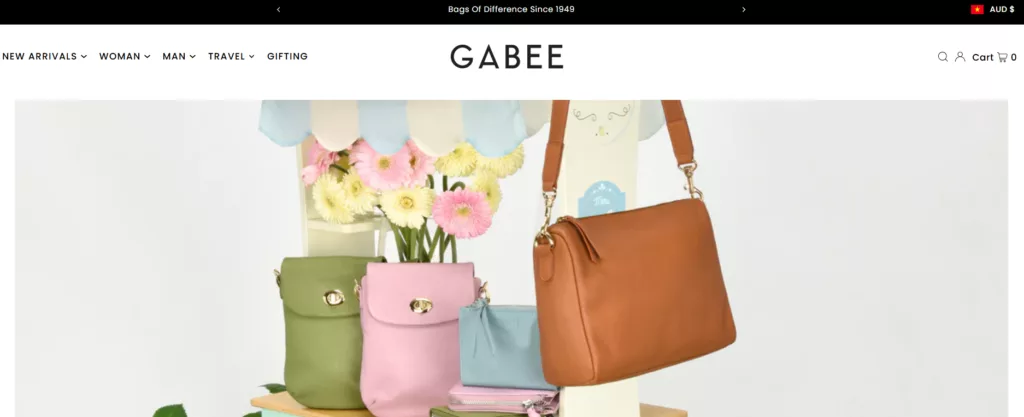
Gabee operates primarily as a heritage brand with a massive wholesale distribution network rather than a dedicated contract factory. They stock thousands of SKUs—including leather totes, crossbody bags, and accessories—offering a strategic advantage for retailers who need to fill shelves quickly without long lead times.
The critical step is distinguishing between buying wholesale and manufacturing. While they excel at branded wholesale, you must verify their capacity for true private label manufacturing (placing your logo on their silhouettes) versus simply acting as a distributor.
Commercial Snapshot
- MOQ: Wholesale accounts often open under $1,000. Custom OEM modifications require significantly higher volume per SKU.
- Provenance: Do not assume local manufacturing. If claiming domestic production, verify their Australian Made certification status. For offshore items, demand recent amfori BSCI social audits to ensure supply chain safety.
- Best for: Retailers needing reliable stock replenishment.
- Not for: Brands building unique, IP-heavy custom shapes.
⚡ Power Move: Clarify the IP rights upfront. Before paying a deposit, ask three specific questions: “Do you allow white-labeling on stock items?”, “What is the sample iteration count included in the development fee?”, and “What are the reorder lead times for custom hardware versus stock leather?”
4. JD Factory Co
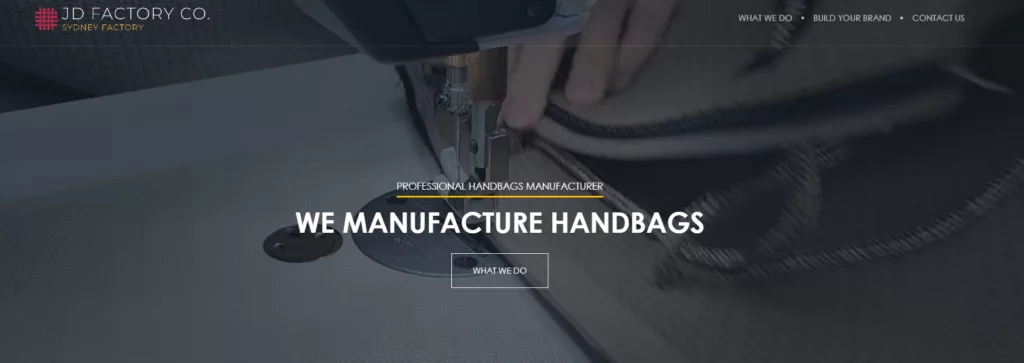
JD Factory is a production-only partner. They execute your vision but exclude design services, sourcing, and compliance testing. This model is efficient if you already own your tech packs and patterns.
Capabilities & Quality Verify their ability to handle mixed materials like heavy canvas, soft PU, and leather. Leather allows zero errors, so confirm they monitor needle sharpness to prevent permanent snagging. Check for consistent seam allowances and double-stitching at handle anchors.
Commercial Snapshot Expect MOQs around 50 units per style. Ask if they accept customer-supplied materials (CMT) to control input costs.
Australian Made Verify that cutting and sewing occur locally before using the Australian Made logo. Outsourcing these steps disqualifies you from the certification.
- Best for: Brands with finalized specifications.
- Not for: First-time founders needing sourcing or design help.
5. The Jacket Maker
Choose this offshore partner if you prioritize cost and scale over local manufacturing. They solve the capacity limits of local ateliers by offering end-to-end production. Their service handles technical design, leather sourcing, linings, hardware, and logistics. This consolidates your supply chain and eliminates the work of managing multiple vendors.
Commercial Snapshot
- MOQ: Low barriers to entry (typically 10–50 units).
- Shipping: Request DDP (Delivered Duty Paid) terms. The factory manages Australian import duties and customs clearance for you.
- Lead Times: Allow 4–6 weeks for standard production runs.
Compliance & Import Standards You cannot claim “Australian Made” status. Brands must strictly adhere to ACCC Country of Origin labeling requirements. Ensure leather chemical testing documentation meets Product Safety Australia mandates before shipment to avoid border seizures.
6. Oroton

Oroton is Australia’s oldest luxury accessories brand. They operate as a wholesaler and retailer, not a private label manufacturer.
Use their products to benchmark your own quality standards. Before finalizing a tech pack with your factory, study an Oroton bag. Check the edge painting smoothness, solid hardware weight, and stitch consistency. This provides a physical “gold standard” to show your actual suppliers.
Boutique owners can apply for wholesale accounts to stock finished goods. Be aware that while Oroton is an Australian heritage brand, manufacturing is often global. Verify Country of Origin labeling to ensure it matches your compliance needs.
- Best for: Boutique buyers seeking premium inventory and founders building quality benchmarks.
- Not for: Brands needing custom manufacturing.
🚀 Actionable Insight: When opening a wholesale account, ask about replenishment cadence for core SKUs. Request sell-through data to minimize your inventory risk.
7. Mimco
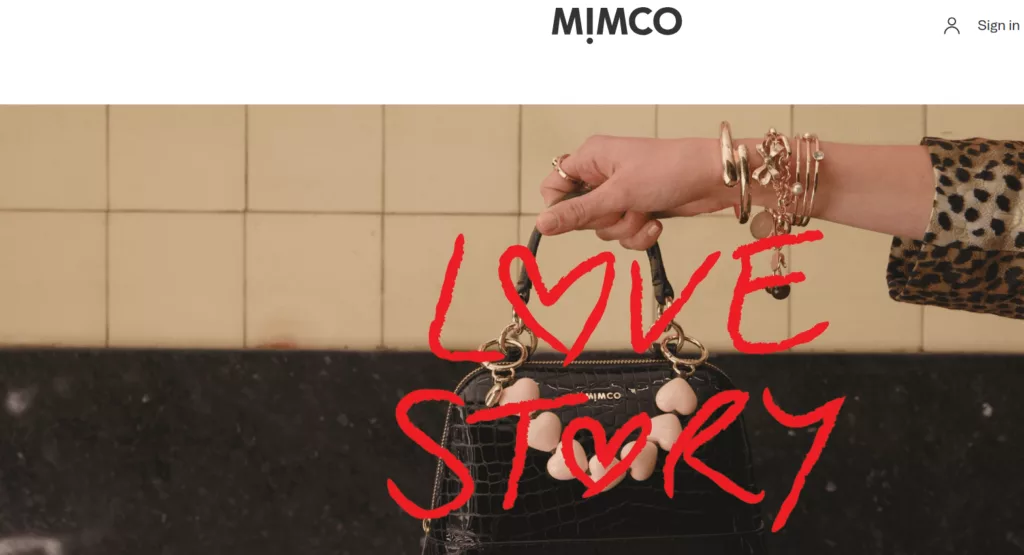
Mimco is a retail giant, not a contract manufacturer. You cannot hire them for private label production. Instead, use them as a “physical textbook” to reverse-engineer mass-market trends without risking inventory.
Leveraging Product Signals Treat their inventory as live data. Analyze silhouette shifts, strap adjustability, and pocket layouts. Use these functional specs to refine your tech packs before you pay for sampling.
Quality Benchmarking Do not rely on photos. Buy a sample to weigh the hardware and test zipper resistance. Send these physical references to your factory to define “acceptable quality” objectively.
Compliance & IP Distinguish between mechanics and design. Copying distinctive shapes or branded hardware violates intellectual property rights managed by IP Australia.
Sourcing Reality
- Service Model: Retail and corporate gifting.
- Origin: Primarily offshore production. Always verify Australian Made claims on specific labels.
- Best For: Market scans and establishing quality tolerances.
⚡ Power Move: If you like a specific mechanism on a Mimco bag (like a magnetic closure), buy it. Send the physical sample to your manufacturer and say, “Source a magnet with this exact pull strength.” This eliminates guesswork and ensures your final product functions correctly.
8. TJ’s Leathercraft
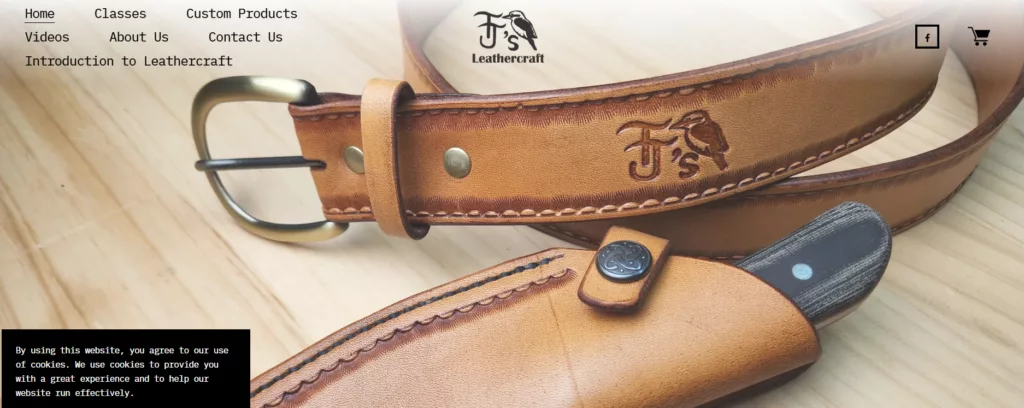
Scaling requires a factory, but perfection starts in a workshop. TJ’s Leathercraft operates as a hands-on studio rather than an industrial assembly line. This makes them a strategic partner for creating your “Golden Sample” before you approach volume handbag manufacturers Australia or overseas.
Use this bespoke service to refine technical details like gusset angles and edge finishing. You pay a premium per piece for artisan stitch consistency. Limit orders to micro-batches (1–10 units) or repairing samples that other factories failed to execute. This allows you to inspect material quality and construction durability physically before committing to a larger order.
- Best for: Founders who need to test a physical proof-of-concept.
- Not for: Orders exceeding 10 units or low-margin wholesale.
🧠 Expert Take: Plan for the handoff. A physical sample is useful, but a digital file is scalable. Ask explicitly if they can translate your prototype into a standard Tech Pack. If they work only on paper, you must pay a separate pattern maker to digitize the specs for mass production later.
9. Belt N Bags
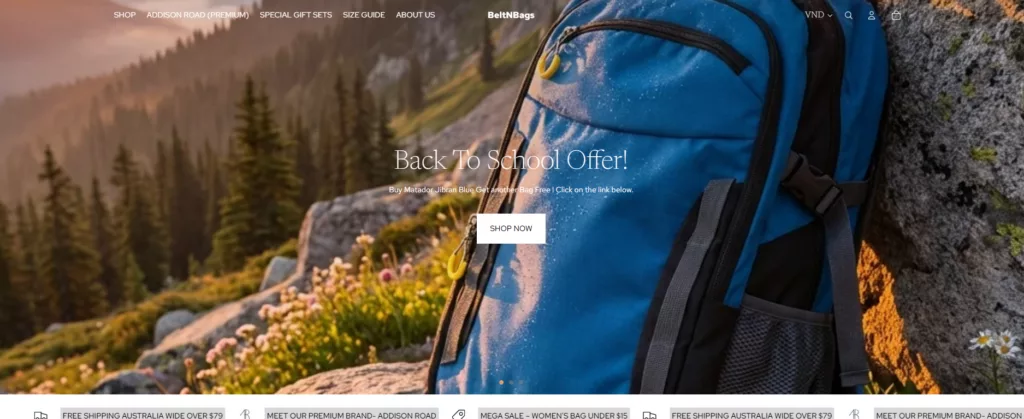
Belt N Bags streamlines inventory by supplying coordinated leather accessories like belts and wallets alongside handbags. This ensures cross-category color matching and simplifies logistics for retail buyers.
First, verify their production model. They operate primarily as a wholesaler, so you must confirm if they accept full custom manufacturing via tech packs or only private labeling on stock items. This distinction dictates your design limitations.
Commercial Snapshot
- MOQ: Wholesale stock enables low MOQs per SKU. Custom production requires higher MOQs per style.
- Timelines: Confirm lead times. Wholesale orders ship quickly, while custom sampling and production often take weeks.
- Origin: Verify valid Australian Made certification before making sales claims.
Best for: Retail buyers wanting coordinated accessory assortments. Not for: Highly engineered handbags or complex custom hardware.
10. Leo Monk
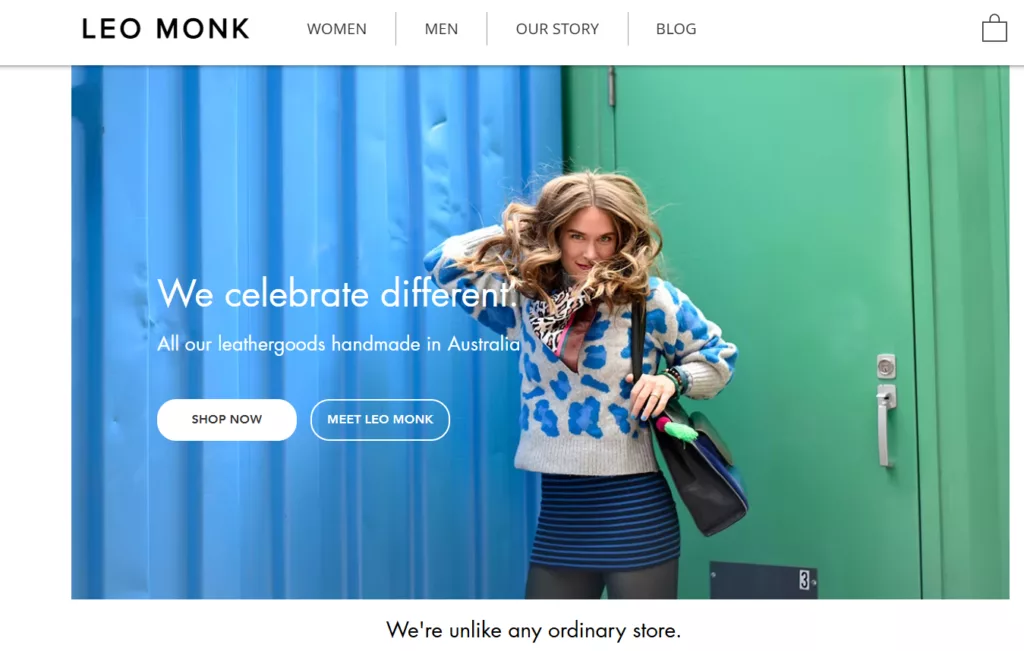
Based in Sydney, Leo Monk specializes in artisanal, end-to-end leather production. This studio model supports bespoke leather selection, custom sizing, and premium branding without industrial minimums.
Commercial Snapshot
- MOQ: Extremely low, which removes inventory risk.
- Pricing: Expect per-piece labor costs rather than volume discounts.
- Capacity: Limited. You must verify their ability to handle repeat runs on strict deadlines.
Quality Indicators Inspect physical construction carefully. Look for straight stitch lines and reinforced load points where straps connect. Check the durability of edge finishing. Handmade products naturally vary, so you must define your tolerance for “unique” versus “defective.”
Australian Made Claims If you intend to use the logo, verify their current status on the Australian Made licensee database.
- Best for: Premium micro-batches and limited collaborations.
- Not for: Retail rollouts needing 500+ units quickly.
The 5-Step Handbag Sourcing Action Plan
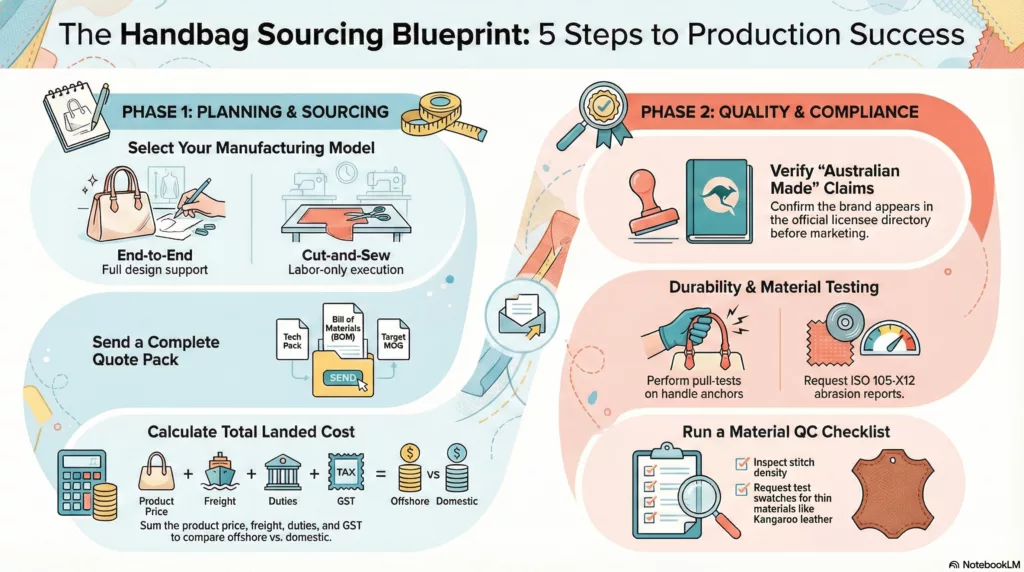
Turn your supplier list into a decision system. Follow this workflow to select the right partner, protect your budget, and ensure quality.
Step 1: Choose Your Manufacturer Model
Pick the service model that fits your skills.
- End-to-End: The factory manages everything. They handle design support, material sourcing, sampling, and production.
- Cut-and-Sew: You act as the project manager. You supply patterns and materials. The factory only executes the labor.
The Decision Rule: If you lack a tech pack, start with End-to-End. If you have full specs, use Cut-and-Sew to save time and money.
Step 2: Request a Complete Quote Pack
Factories cannot price a sketch accurately. Send a comprehensive package to get comparable bids. Include your Tech Pack and Bill of Materials (BOM). State your Target Price and Target MOQ clearly. Define your packaging and compliance needs upfront.
Step 3: Verify “Australian Made” Certifications
Verify claims before you market your bags. Do not rely on verbal assurances.
- Logo Check: Confirm the brand uses the official Australian Made logo correctly.
- Directory Search: Find the company in the licensee directory. Record their license ID.
If a supplier lacks certification, use neutral language like “Assembled in Australia” to avoid legal liability.
Step 4: Run an Australia-Aware QC Checklist
Australian markets demand high durability. Add these checks to your workflow.
- Stitching: Check tension and stitch density. Kangaroo leather is thin but strong. It shows needle holes permanently. Request test swatches to avoid mistakes.
- Stress Points: Reinforce handle anchors and D-rings. Perform pull-tests to ensure safety.
- Material Tests: Request specific data. Ask for ISO 105-X12 reports for color rub (crocking) and abrasion resistance. Document your pass/fail criteria.
Step 5: Decide When Offshore is Rational
If domestic costs hurt margins, look offshore. Calculate the total landed cost. Sum the product price, sampling, freight, duties, and GST. Reduce risk with an NDA and confirm you own the patterns.
Compare local options against custom handbag manufacturers in hubs like China or Portugal. For global sourcing steps, read our guide on the custom handbag manufacturer process.
Need help sourcing quality bags with low MOQs? Contact us to start your project.
Frequently Asked Questions for Handbag Manufacturers Australia
Q1. What is the difference between End-to-End and Cut-and-Sew manufacturers?
End-to-End (Full Service) manufacturers manage the entire process, including material sourcing, pattern making, and production.
Cut-and-Sew (CMT) factories only provide labor; you must supply the fabric, hardware, and tech packs.
Rule of Thumb: If you do not have a finalized Tech Pack, choose an End-to-End partner to avoid costly production errors.
Q2. What are typical MOQs and lead times for Australian handbag manufacturing?
Minimum Order Quantities (MOQs) depend on the facility type.
Artisan Studios: Often allow 10–50 units but require 8–12 weeks due to hand-finishing.
Industrial Factories: Typically require 100+ units per style with faster turnaround times (4–6 weeks). Always confirm if the MOQ applies per color or per design style to avoid overstocking.
Q3. How do I verify if a supplier is genuinely ‘Australian Made’ certified?
Never assume a product is local based on a logo alone. You must cross-reference the manufacturer’s license number in the official Australian Made Directory. If they are not listed, they may only be assembling imported components, which legally restricts you from using the green-and-gold kangaroo logo on your packaging.
Q4. What QC checks matter most for leather handbags?
Leather is unforgiving because needle holes are permanent. Focus your Quality Control (QC) checklist on these critical areas:
Stitch Tension: Ensure no puckering occurs on seams.
Edge Paint: Check for smooth application without cracking.
Stress Points: Pull-test handle anchors and D-rings.
Needle Marks: Specifically for kangaroo leather, ensure needles are sharp to prevent tearing.
Q5. If I manufacture offshore for Australian retail, what documents should I request?
To clear customs and meet ACCC regulations, request these documents before shipping:
Commercial Invoice & Packing List: For duty calculations.
Material Composition Report: To verify leather authenticity.
HS Code Classification: To ensure correct tariff rates.
Pre-Shipment Inspection Photos: To catch defects before goods leave the factory.
Still have questions about sourcing or need lower MOQs? Contact our team for a free consultation.