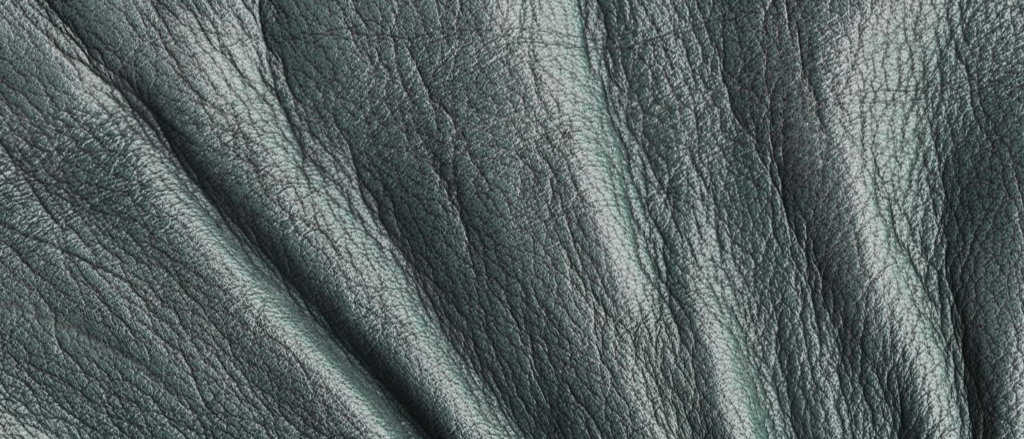
Nappa leather ranks among the world’s most premium leather varieties. This luxurious material comes from soft hides of calves, lambs, and kid goats. Emanuel Manasse made this full-grain leather at The Sawyer Tanning Company in Napa, CA, in 1875. The leather’s distinct features include a pleasant natural smell and exceptional flexibility. These qualities make it a top choice for leather goods manufacturers crafting high-end products.
The market now has many imitations due to Nappa leather’s premium status. Smart buyers should know how to tell real Nappa leather from fake ones. You’ll learn to identify authentic Nappa leather using your senses in this piece. The guide covers warning signs to look for during purchase. Let’s get started.
Table of Contents
What is Nappa Leather? Origins and Characteristics
The amazing story of Nappa leather starts with a breakthrough in leather craftsmanship. This leather stands out from regular varieties with its super soft texture and amazing durability. That’s why it’s become a treasured material for luxury goods around the world.
The Emanuel Manasse Legacy: Birth of Nappa Leather in California
Nappa leather’s story began in 1875 in Napa, California. German immigrant Emanuel Manasse created this special leather variety. Manasse was born in 1842 to a leather tanner’s family and brought his craft to America in 1864. He first settled in New Jersey but moved to Napa, California in 1871. Manasse created a new tanning process while at the Sawyer Tanning Company, which started in 1869. His technique created an incredibly soft and flexible leather that worked perfectly for gloves. This creation became one of the most important moments in leather manufacturing history. Manasse’s expertise earned him a partnership at the company in 1880. The company thrived for 120 years until closing in 1990.
Key Physical Properties of Genuine Nappa Leather
Real Nappa leather has several unique features that make it special:
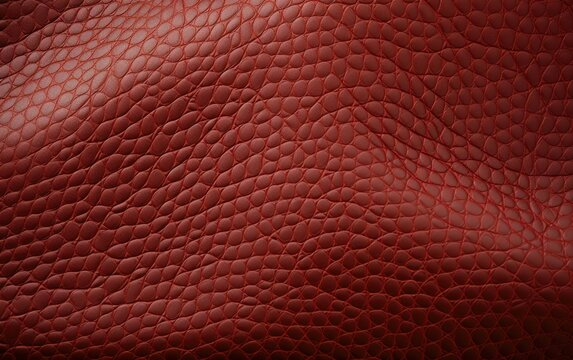
- Softness and Smoothness: It is famous for its incredible softness and smooth texture. The chrome tanning process creates these qualities.
- Durability: The leather feels soft but stays tough because it’s made from full-grain leather—the highest quality you can get. Its natural grain makes it stronger and helps it breathe better.
- Flexibility: On top of that, it bends and stretches easily. These qualities make it perfect for shoes and certain types of bags.
- Water and Heat Resistance: The chrome tanning process gives it great resistance to water, heat, and salt. This helps it last longer and adapt to different environments.
Common Sources: Lamb, Kid, and Calf Hides
It comes from specific animal hides chosen for their natural softness:
- Lamb Hides: Lambskin leads the way because it’s naturally soft and supple.
- Kid Goat Hides: Kid goat skin offers amazing softness with its own unique texture.
- Calf Hides: Calfskin brings together softness and durability in a perfect balance for certain uses.
Over the last several years, “Nappa” has come to describe any soft, full-grain leather, whatever tanning method is used. Notwithstanding that, real Nappa leather usually goes through chrome tanning. This process gives it unique properties and a luxurious feel that’s nowhere near easy to copy.
Expert Advice:
” Always store Nappa leather in breathable cotton dust bags away from direct sunlight; prolonged UV exposure weakens its natural oils and accelerates color fading.”
———— Fredrick Ward, Luxury Leather Golf bags manufacturer and distributor
Sensory Authentication: Using Your Senses to Identify Real Nappa

You need to use multiple senses to spot real Nappa leather’s unique features. These simple techniques will help you spot the difference between authentic Nappa and fake ones.
▷ The Touch Test: How Genuine Nappa Feels Under Your Fingers
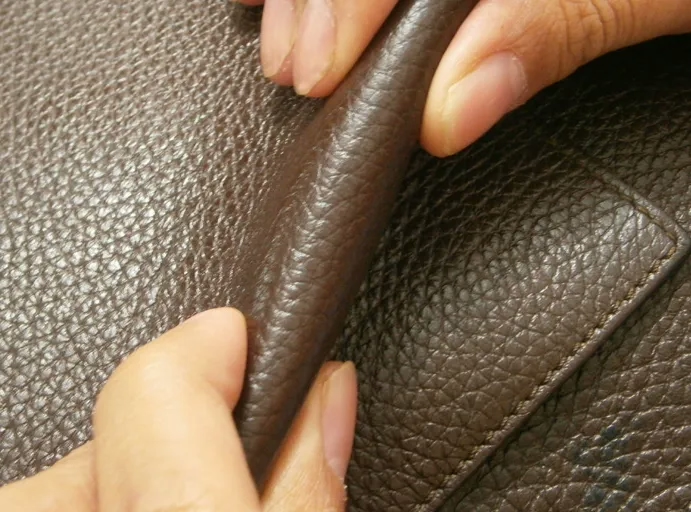
Real Nappa leather has a buttery soft and smooth feel under your fingers. The leather should feel supple and luxurious without any stiffness or rough spots. Press your fingers on the surface and watch how real Nappa wrinkles and moves like in human skin. Fake materials stay stiff and don’t respond naturally. Real Nappa also warms up to your touch, while imitations feel cold and plastic-like.
▷ The Scent Method: Identifying Authentic Leather Smell
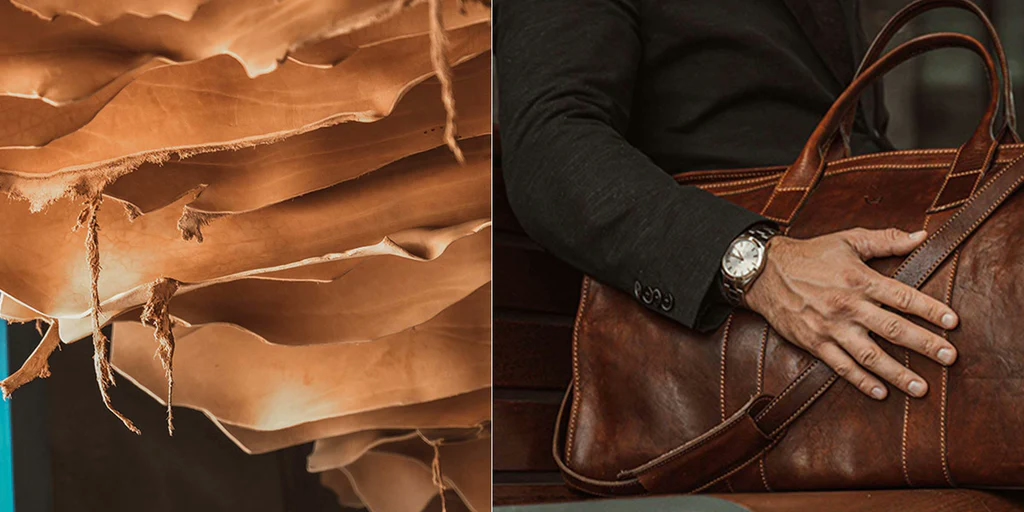
Your nose can tell you a lot about leather’s authenticity. Real Nappa leather has a rich, distinct smell that’s earthy and woodsy. This natural scent comes from the tanning process and fake leather can’t match it. Strong chemical smells or artificial scents point to low-quality or synthetic materials. Trust your nose – it rarely gets it wrong when spotting real leather.
▷ Visual Inspection: Grain Patterns and Surface Characteristics
A close look at Nappa leather’s surface reveals key signs of authenticity. Real Nappa shows a fine, uniform grain pattern throughout. Natural leather has slight variations and small imperfections because it comes from animal hide. Watch out for perfectly consistent patterns – they usually mean synthetic materials. Real leather’s pores are spaced randomly, while fakes have too-perfect patterns or no pores at all.
▷ Flexibility Assessment: The Bend and Drape Test
Real Nappa leather bends and moves with exceptional ease. Try a simple bend test by folding the leather gently. Genuine Nappa flexes smoothly without cracks or creases, showing its strength and durability. This natural draping quality lets real Nappa mold to body shapes or furniture curves. High-quality Nappa might change color slightly at the fold – another sign it’s real. Synthetic alternatives lack this natural flex and stay stiff or keep an unnatural shape when bent.
Product-Specific Authentication Techniques
Different Nappa leather products need specific verification techniques based on their construction and features, beyond basic authentication methods.
Handbags and Wallets: Understanding Stitching and Edge Finishing
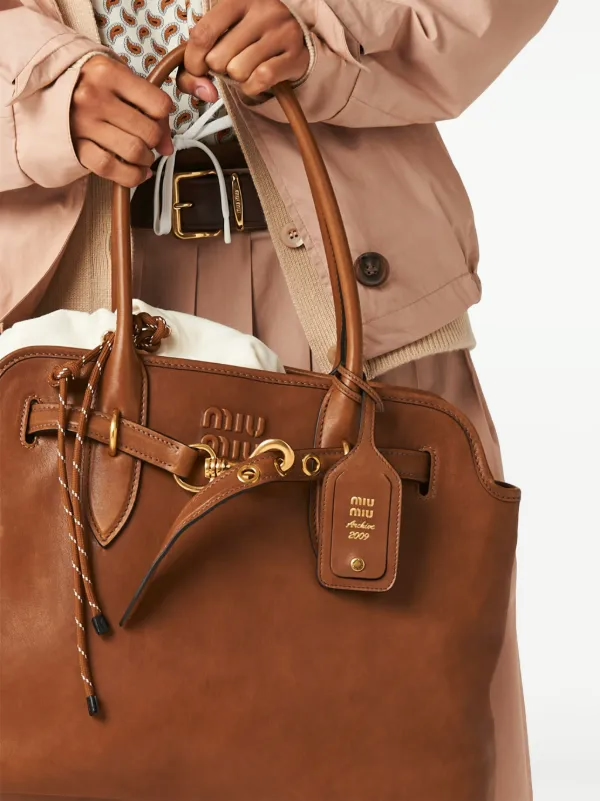
Stitching quality helps authenticate luxury Nappa leather accessories. Real Nappa wallets and handbags show consistent, even stitching throughout. The edges should be smooth and properly sealed, not rough or uneven. Quality is key in hardware. Real pieces use high-grade metal parts that feel sturdy and feature clear engravings. RFID-blocking Nappa leather wallets are a great example. They mix useful features with the leather’s soft feel and strong durability. Check the stitching inside where the leather and lining meet. Fake products often skip details in hard-to-see areas.
Automotive Upholstery: Spotting Real Nappa in Vehicle Interiors
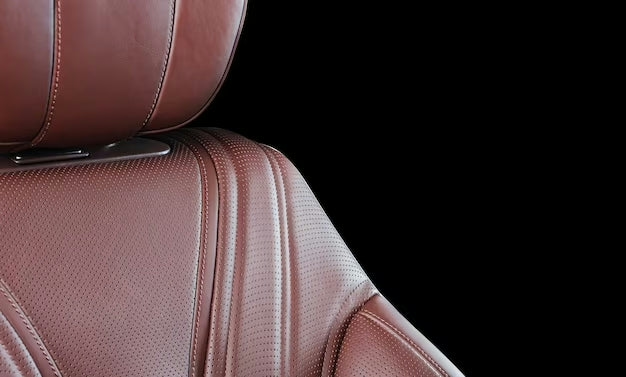
Top brands like BMW, Porsche, and Rolls-Royce often use real Nappa leather in their luxury cars. Many cars, from small to large, use different grades of Nappa leather. This includes brands such as Hyundai, Toyota, Honda, and Kia. Real automotive Nappa should be called “full-grain” instead of “corrected-grain.” This shows it’s higher quality. Full-grain Nappa might feel softer, though this isn’t always true. Vehicle interiors with genuine Nappa keep their luxurious feel while lasting longer. Real Nappa leather options in cars usually cost $1,000 more than standard leather. Premium vehicles don’t use Nappa leather everywhere. It’s mainly for key contact areas.
Furniture: Authenticating Nappa Leather Sofas and Chairs
A three-seater sofa made of full-grain leather starts at a few thousand dollars. This price highlights the luxury of Nappa leather furniture. Real Nappa shows natural imperfections without repeating patterns on its surface. Large pieces need stitched vertical seams. Animal hides have natural size limits. If there are large seamless areas, the material is likely synthetic. To spot real Nappa, tilt the furniture. Check the upholstery backing. Authentic pieces lack the polyurethane backing found in synthetic options. Fat wrinkles show up where animal fat bulges a bit. This is a clear sign of real full-grain leather.
Spotting Fake Nappa Leather: Red Flags and Warning Signs
Counterfeit products pose a major challenge to consumers looking for authentic Nappa leather in today’s competitive market. You need to know what real Nappa looks like to avoid buying imitations that won’t last or perform like the genuine article.
Common Counterfeit Materials Used to Imitate Nappa
Fake Nappa leather comes mainly from two petroleum-based materials:
- Polyurethane (PU): Many sellers market PU as “vegan leather” to copy Nappa’s softness. This material feels plastic-like and is different from real leather’s texture.
- Polyvinyl Chloride (PVC): PVC imitations are nowhere near as flexible as PU. These fakes look too perfect and lack the natural character marks you’ll find in genuine Nappa.
Manufacturing these materials releases toxic chemicals. The synthetics last just a few years while real Nappa stays strong for 10-20 years. These fake materials stick around in our environment for 200-500 years after production. Real leather, by contrast, biodegrades within 20 years.
Price Analysis: When Deals Are Too Good to Be True
Making genuine Nappa leather takes substantial resources, which explains its higher price tag. Sales happen occasionally, but very low prices usually mean you’re looking at fakes. Real Nappa costs much more than synthetic alternatives that run between $10-25 per square yard. Start by checking prices at trusted retailers to understand what authentic Nappa should cost. Be extra careful with deals that slash prices 60-80% below normal – that’s a big red flag.
Packaging and Documentation Verification
Authentic Nappa products usually come with cards that spell out their specifications. Read product labels thoroughly – genuine leather makers proudly announce their authenticity. Fake products often use unclear descriptions or skip material details altogether. Reputable brands always share clear information about their leather sources and manufacturing. Products costing over $500 are best bought through platforms that offer authentication guarantees and expert inspections before shipping.
Expert Advice:
” Blot liquid spills immediately with a microfiber cloth—never rub—and avoid commercial cleaners; instead, use a pH-neutral leather conditioner diluted with distilled water for spot treatment.”
———— robin bauer, Head of Department Beauty, Luxury Brands & Leather Goods
Conclusion
Great craftsmanship marks real Nappa leather, first made by Emanuel Manasse in 1875. This premium leather’s distinctive characteristics are easy to spot through careful examination. Its buttery softness, natural grain patterns, and unique leather aroma set it apart from other materials.
Different leather items must specific authentication approaches. Luxury handbag’s authenticity checks should focus on stitching and hardware quality. Automotive upholstery requires verification of full-grain quality. A close look at seams and natural imperfections helps authenticate furniture pieces.
We’re here to help with any questions about Nappa leather products or custom leather bags. Contact us at info@leelinebags.com or browse our collection of authentic Nappa leather items at leelinebags.com. Your investment in genuine Nappa leather will give lasting quality that gets better over time. This makes it a choice you’ll value for many years.
Recommended Reading:

◆  9 Top Leather Goods Manufacturers in the USA

◆  What is Embossed Leather: Types, How its Made and Where?
FAQs
Q1. How can I distinguish genuine Nappa leather from imitations?
You can spot genuine Nappa leather by its soft, smooth feel, natural grain patterns, and unique leather smell. It should feel supple, warm to the touch, and exhibit natural flexibility when bent.
Q2. What are the key characteristics of authentic Nappa leather?
Authentic Nappa leather is known for its softness, durability, and flexibility. It’s usually made from full-grain leather from lamb, kid goat, or calf hides. This leather goes through chrome tanning, which boosts its water and heat resistance.
Q3. Is Nappa leather more expensive than regular leather?
Yes, It costs more than regular leather. This is because it is of premium quality and goes through a special tanning process. For example, in automotive applications, Nappa leather upholstery can increase a vehicle’s cost by around $1,000.
Q4. How long does Nappa leather typically last?
When properly cared for, genuine Nappa leather products can last 10-20 years or more. This longevity lasts much longer than synthetic options. Those usually wear out in just a few years.
Q5. What should I look out for to avoid purchasing fake Nappa leather?
Be wary of prices that seem too good to be true, as genuine Nappa leather is expensive to produce. Look out for synthetic materials like polyurethane (PU) or polyvinyl chloride (PVC), which lack the natural characteristics of real leather. Also, check for authentication cards and clear product labeling from reputable brands.