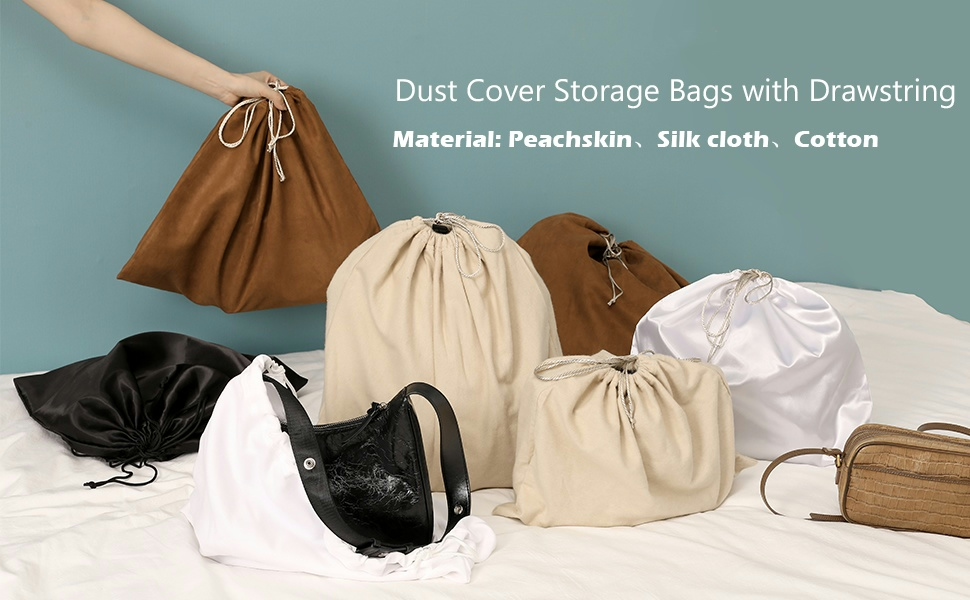
What is dust bags for handbags?
Have you ever noticed scratches or dirt on your favorite handbag? If so, you’re not alone. Many handbag owners feel frustrated when their favorite bags lose their perfect look. This is where custom handbag manufacturers come in. They offer dust bags that protect your handbags from dust, dirt, and potential damage.
Dust bags are soft pouches. They protect your bags from dust, moisture, and scratches. They are usually made from breathable fabric. This keeps your bag protected while it can still “breathe.””
Why are they important? Keep reading to discover how to keep your handbags in great condition for years. Don’t miss these helpful tips!
Table of Contents
What is Dust Bags for Handbags?
Dust bags for handbags are soft, breathable pouches. They protect your luxury accessories when you store or travel with them. These covers are often made of cotton, linen, or synthetic fabrics. They protect against dust, scratches, and damage from the environment. They let air flow to stop moisture from building up. This helps keep your handbag’s shape and structure.
Some key features:
- Breathable fabric
- Soft, lint-free interior
- Closure mechanism (drawstring, zipper, flap)
- Brand name or logo
- Variety of colors and designs
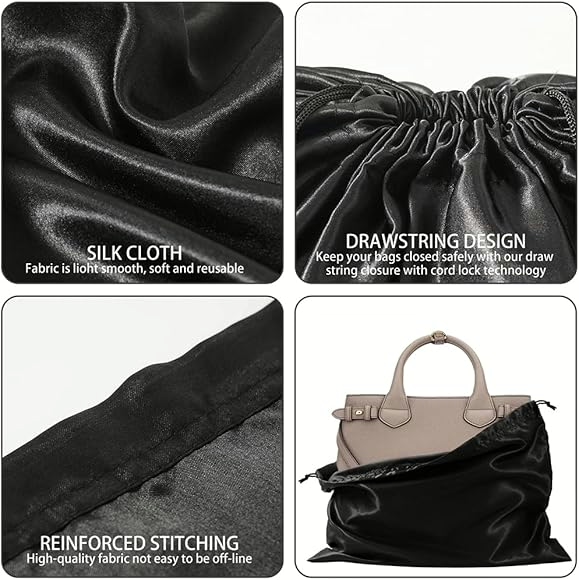
High-end brands like Gucci, Louis Vuitton, and Hermès use custom dust bags. These bags show off their logos. They are made from quality fabrics like cotton twill, satin, or flannel. Key features are lint-free interiors and secure closures, such as zippers and drawstrings. They come in sizes that fit small clutches to large totes.
By using dust bags for handbags, you ensure your investment stays pristine. They stop color from transferring between items. They also protect delicate hardware and help your accessories last longer. This makes them essential for caring for your handbag.
Expert Guidance:
” Recommend exploring dust bags with advanced coatings, such as hydrophobic or UV-resistant finishes, to enhance protection beyond basic fabrics. When considering “what is dust bags for handbags,” these specialized treatments can actively repel water and shield against light-induced degradation, offering a superior safeguard for premium leather and suede textures.“
———— Senait Fesshaye, General Manager at Dagoo Inc | General Manager at Qine Store | Founder of SaSu Tote Bags
Why Are Dust Bags Important?
If you have handbags, especially designer ones, you need dust bags to protect your investment. What is dust bags for handbags? These pouches serve as a breathable shield. They stop dust and debris. This prevents buildup that can dull finishes or stain delicate materials. They block long light exposure to stop fading and discoloration. This is important for keeping leathers and prints vibrant.
Here’s why they matter:
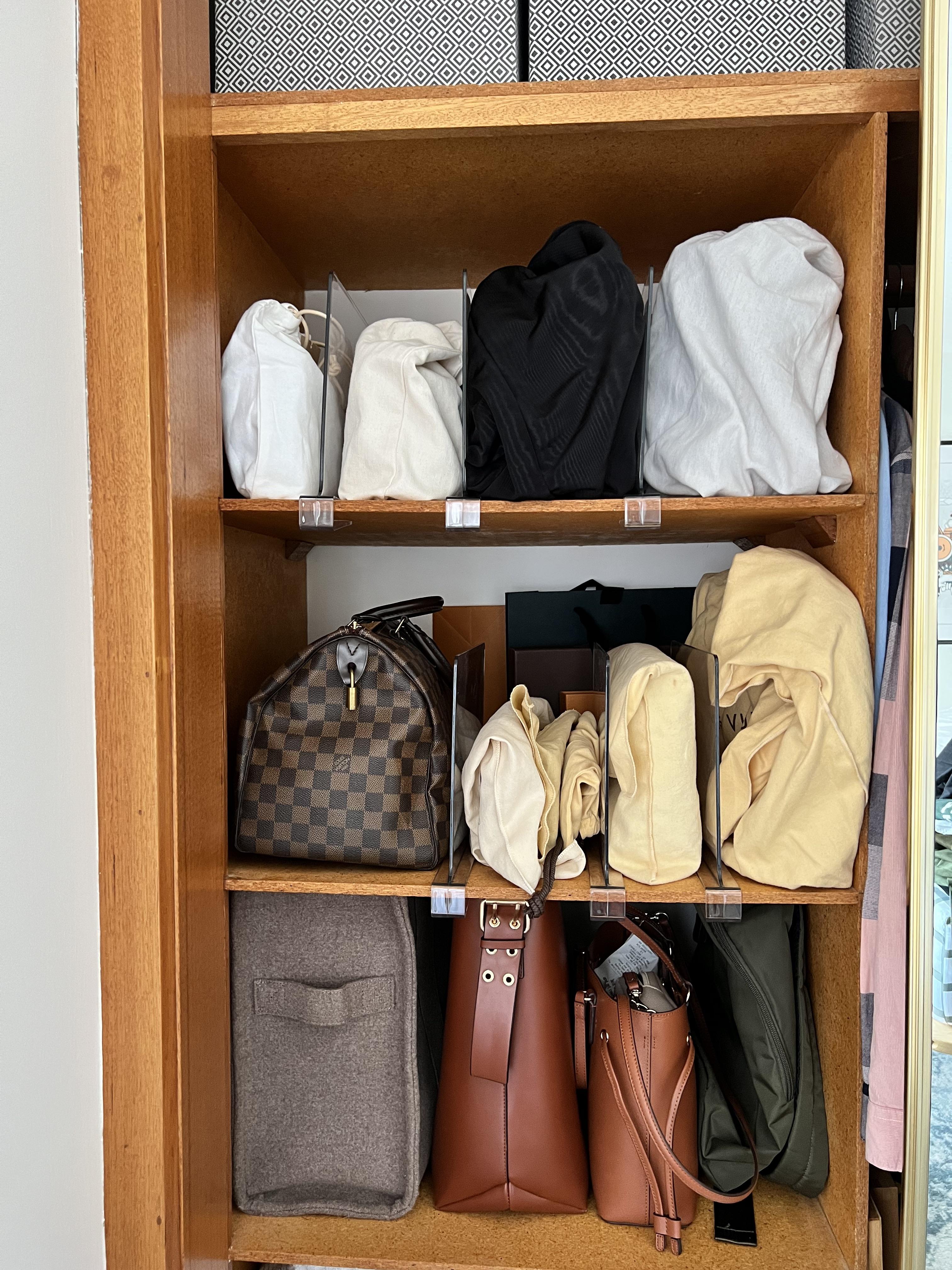
- Shape Preservation: Storing your bag in a dust bag helps it keep its structure. For best results, lightly stuff it with tissue paper before placing it inside.
- Scratch Prevention: The soft, lint-free fabric prevents scratches when items are stored together.
- Moisture Control: Cotton and linen let air flow through while blocking extra humidity. This helps stop mold and keeps leather from warping.
The proof is in the numbers:
- 82% of handbag owners use dust bags regularly.
- 68% report their bags last longer thanks to dust bags
- 91% of designer bag owners only use original brand dust bags
For luxury bags, this isn’t just about care—it’s about value. Storing handbags in dust bags keeps them in great shape. Buyers want them to look pristine, which helps maintain their resale value. Experts warn against plastic alternatives (they trap moisture) and emphasize natural fabrics. Whether it’s a Gucci tote or a Hermès Birkin, a dust bag ensures your treasure stays timeless.
Types of Dust Bags
When exploring What is dust bags for handbags? , you’ll find they come in 7 key designs, each tailored to different needs:
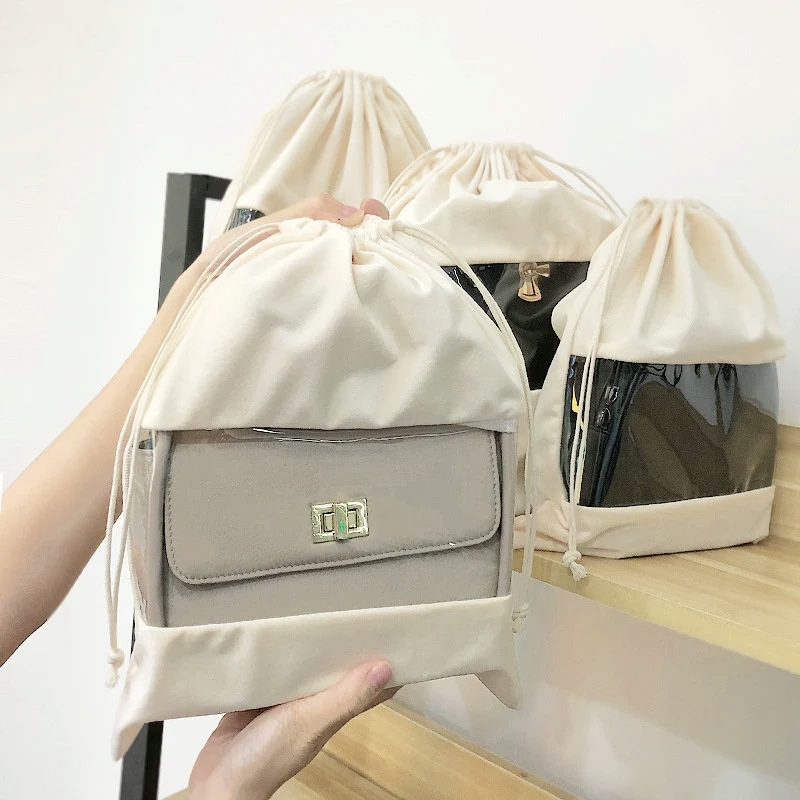
- Custom Drawstring Bags: These are the most common type. They have a pull-cord closure, making them easy to access and versatile.
- Flat Envelope-Style: Great for clutches or wallets. It has a flap closure that keeps flat items safe.
- Structured Box-Shaped: Rigid designs that protect structured handbags from losing their shape.
- Breathable Mesh: Allows airflow while blocking dust—perfect for humid climates.
- Quilted Bags: Extra padding shields delicate materials like satin or sequins.
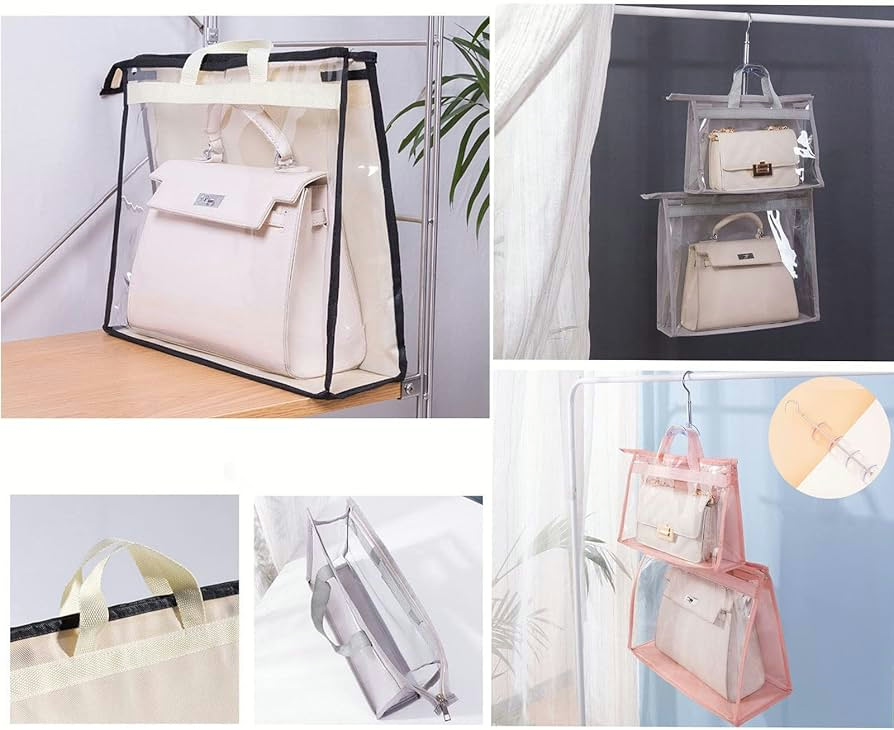
- Clear Plastic: Lets you view contents without exposing items to dust.
- Luxury brands like Gucci and Hermès offer logo items, usually with high-end purchases.
Materials matter:
- Natural fabrics like cotton, linen, or silk offer breathability.
- Synthetics fabric (nylon fabric, polyester) add durability.
- Non-woven fabrics balance cost and functionality.
Comparison of Dust Bag Materials:
| Material | Breathability | Sustainability Level | Cost-Effectiveness | Notes |
|---|---|---|---|---|
| Regenerated Cotton | High | Excellent | Moderate | Used by Gucci; reduces waste, recyclable. |
| Organic Cotton | High | Excellent | High | Offered by Organic Cotton Mart; non-toxic, eco-friendly production. |
| Recycled Polyester | Moderate | Good | Low | Used in Gucci dust bags; durable but less breathable. |
| Standard Cotton | High | Fair | Low | Common in Louis Vuitton, Hermes; widely available but may lack sustainability. |
Sizes go from small (8″x10″) for accessories to large (20″x24″) for travel totes. Most are in neutral tones to stop color transfer. Look for added features like hanging loops for closet storage, interior pockets for small items, or antimicrobial treatments to fight mildew. To keep your vintage find or designer bag safe, pick the right dust bag. This way, your treasures stay clean and pristine.
How to Use a Dust Bag Properly?
What is dust bags for handbags? Using a dust bag is important to keep your handbags looking good and lasting longer. Here are some simple tips to help you care for your bags:
▶ Store Your Bag Right After Use: Always put your handbag in its dust bag as soon as you’re done using it. This keeps it safe from dust, dirt, and any potential damage. By covering it quickly, you protect its look and avoid unnecessary wear.
▶ Add Some Filling: For structured handbags, stuff them with acid-free tissue paper or cotton clothes. This helps maintain the shape of the bag and keeps it from losing its form.
▶ Don’t Overcrowd: Make sure your handbag fits comfortably in the dust bag. Don’t overfill it, as this can cause wrinkles or harm the bag’s structure. If you have more than one bag, use separate dust bags to prevent scuffing or color transfer.

▶ Choose the Right Storage Spot: Store your dust bags in a cool, dry place, away from sunlight and humidity. Too much moisture can cause mold and mildew, damaging both the dust bag and the handbag.
▶ Clean Regularly: Dust bags collect dust over time, so clean them regularly. Most fabric bags can be machine-washed on a gentle cycle or hand-washed with mild soap. For leather dust bags, just wipe them down with a damp cloth.
▶ Make Sure There’s Airflow: When storing your handbag, ensure there’s good airflow. Dust bags allow air circulation, helping prevent moisture buildup. Don’t seal the bag completely, especially in humid places, to ensure it stays ventilated.
▶ Keep the Right Temperature: Store your dust bags in a climate-controlled area. The best temperature range is between 60-75°F (15-24°C) to prevent the material from degrading and to keep the bag in good condition.
▶ Label Your Bags: If you have many handbags, label your dust bags or keep a photo or note to easily identify each one. This saves you time when looking for a specific bag and helps you stay organized.
These tips will help protect your handbags. They will keep their shape and last for years.
Related Reading: Best 14 Handbag Manufacturers in China for BrandsSustainability Considerations
When asking “what is dust bags for handbags?”, sustainability is key. Dust bags keep your luxury items safe. But their impact on the environment depends on the materials used and how you handle them.
① Brand Progress & Shortfalls
- Gucci uses regenerated cotton and recycled polyester for its dust bags. This is part of its Equilibrium program. The focus is on recyclability and cutting down waste.
- Louis Vuitton & Hermès: Use standard cotton with limited transparency on sustainability. Their reports focus on product longevity, not eco-friendly materials—a gap for improvement.
- Smaller Brands: Organic Cotton Mart and Hayden Hill are great options. They sell handmade, organic cotton items and steer clear of toxic dyes and plastics.

② Your Role as a Consumer
You can make dust bags for handbags part of your eco-routine:
- Reuse Creatively: Turn them into drawstring backpacks (like Hermès fans), shopping totes, or produce bags to cut out single-use plastics.
- Recycle Responsibly:
- Compost clean cotton dust bags.
- Use programs like Trashie’s Take Back Bag for textile recycling.
- Avoid landfill by repairing or donating damaged bags.

③ Corporate Responsibility
Brands should:
▷ Switch to certified organic or recycled fabrics (like Gucci).
▷ Share material sourcing details transparently.
▷ Partner with recycling initiatives to close the loop.
Luxury lovers choose sustainable dust bags not just for care. It’s also about matching their values with brands that protect their investment and the planet.
Expert Guidance:
” Integrating silica gel packets within dust bags to control micro-climates and absorb excess moisture effectively. This nuanced approach to “what is dust bags for handbags” ensures that even in fluctuating storage conditions, your handbags remain free from subtle humidity damage that standard breathable pouches might not fully address.”
———— PAUL CHANG, Manufacture and Export fashion shoes / handbags
Conclusion
What is dust bags for handbags? Dust bags for handbags are an essential tool for protecting your bags. They keep your handbags safe from dust, dirt, scratches, and damage. This helps them stay in good condition and maintain their value over time.
Treat your handbag and its dust bag as part of your regular care routine. Using a dust bag regularly will help your handbag last longer. If you want to learn more about dust bags for handbags or order custom handbags, feel free to contact us at [email protected] or visit leelinebags.com.
FAQs
1. Q: What alternatives can I use if I don’t have a dust bag for my handbag?
A: If you don’t have a dust bag, opt for breathable fabrics like cotton pillowcases, linen pouches, or even a soft T-shirt. Avoid plastic covers, as they trap moisture and risk mold. These alternatives provide basic protection from dust and scratches while allowing airflow.
2. Q: Can I get custom dust bags made for non-designer handbags?
A: Yes! Many manufacturers offer custom dust bags for handbags, regardless of the brand. You can personalize them with monograms, colors, or fabrics (e.g., organic cotton, satin) to match your style. This is ideal for vintage bags or unique designs needing tailored protection.
3. Q: How do dust bags protect handbags during travel?
A: What is dust bags for handbags? Dust bags for handbags shield your bag from scuffs, spills, and friction in luggage. For extra safety, stuff the bag with tissue to retain shape, place it in a dust bag, and store it upright in your suitcase. Some dust bags even have padded interiors for added impact resistance during transit.
4. Q: Are dust bags suitable for delicate materials like suede or patent leather?
A: Absolutely. Dust bags for handbags are ideal for delicate materials. For suede, ensure the dust bag is lint-free to avoid fiber transfer. Patent leather benefits from a soft, non-abrasive interior to prevent scratches. Always store these materials in a cool, dry dust bag away from direct light.
5. Q: Where can I buy dust bags separately, and what’s the average cost?
A: Dust bags are sold online (Amazon, Etsy), through luxury retailers, or custom bag suppliers. Prices range from 5–15 for basic cotton bags to 20–50+ for premium or customized options. Look for sizes matching your handbag and features like drawstrings or antimicrobial linings.