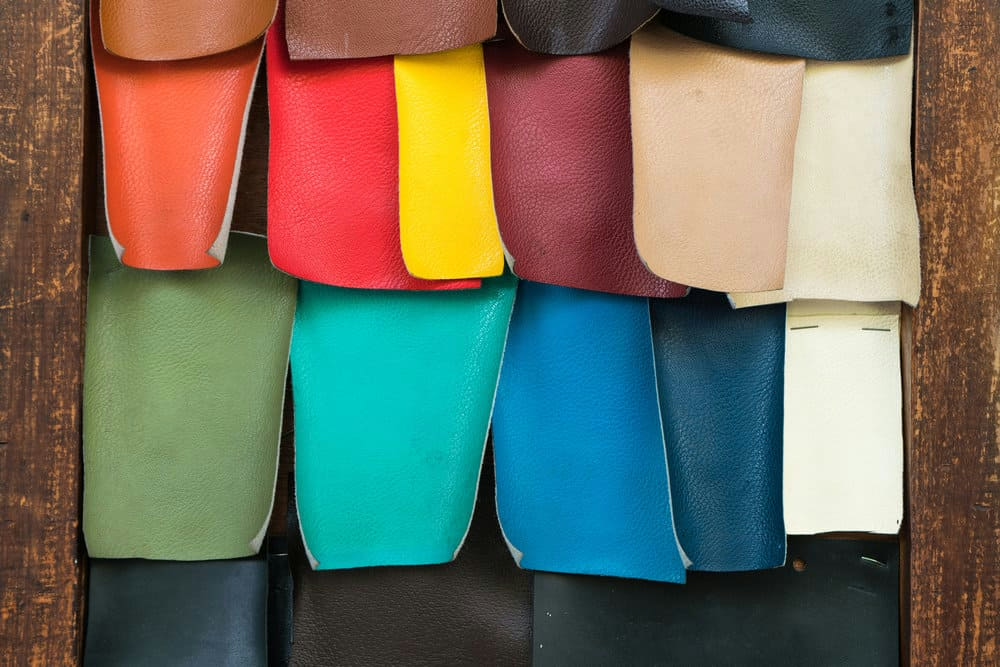
Traditional leather production generates a staggering 11-17% of all greenhouse gas emissions. Leather has long been the king of luxury markets. But in 2025, leather goods manufacturers are shifting to new types of vegan leather options. These alternatives are changing the industry.
Sustainable types of vegan leather is now as good as or better than traditional leather. It uses materials such as pineapple leaves and mushroom fibers. Mylo mushroom leather is strong and durable. It looks just like animal hide. Industry leaders Adidas and Stella McCartney have already adopted these groundbreaking materials.
The market offers many cruelty-free options that match your specific needs. These 9 remarkable types of vegan leather alternatives look and feel identical to conventional leather. Let’s take a look!
Table of Contents
Comparison Table of Best Vegan Leather
| Types of Vegan Leather | Raw Material Base | Key Properties | Environmental Impact |
|---|---|---|---|
| 1. Piñatex | Pineapple leaves | Tear strength: 163-210N, flexible | Uses agricultural waste, biodegradable |
| 2. Mycelium Leather | Mushroom roots | Strong, durable, consistent texture | Low carbon footprint (2.76 kg CO₂/m²) |
| 3. Desserto | Nopal cactus | Waterproof, breathable (0.6-1.2mm) | Low water use, absorbs CO₂ |
| 4. AppleSkin | Apple waste | High tensile strength (500-700N), waterproof | Reduces CO₂ vs. synthetic leather |
| 5. Cork Leather | Cork oak bark | Waterproof, flame-resistant, lightweight | Renewable harvest (trees live 180+ years) |
| 6. Grape Leather | Wine industry waste | Scratch-resistant, water-resistant | 70% renewable materials |
| 7. Leaf Leather | Teak leaves | Unique patterns, 30% lighter than leather | Reduces forest fire risk |
| 8. Bio-Fabricated | Lab-grown cells | Mimics real leather structure | 90% less CO₂, 95% less waste |
| 9. Recycled Plastic | PET bottles | Waterproof, scratch-resistant | Saves 16 tons CO₂ per ton produced |
1. Piñatex: Pineapple Leather That Rivals The Real Thing
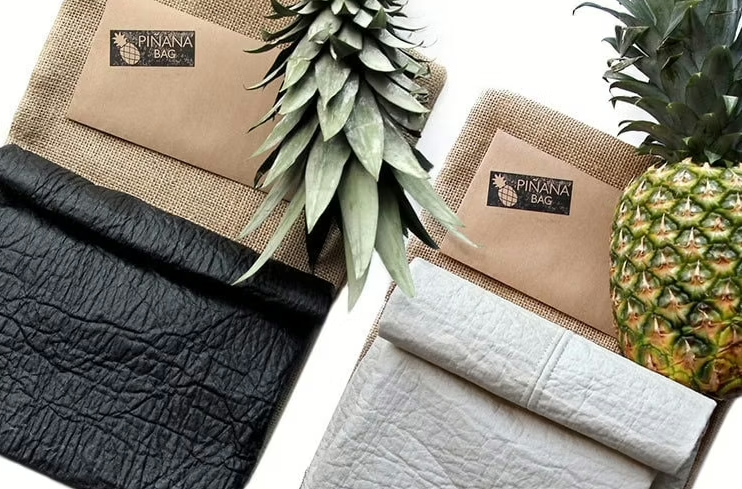
Pineapple waste is now a key source for a realistic types of vegan leather alternative. Spanish designer Dr. Carmen Hijosa created Piñatex in the 1990s. This new material uses waste from pineapple leaves. It looks and feels like animal leather.
How Piñatex Is Made?
In the Philippines, farmers often toss out about 40,000 pounds of pineapple leaves every year. Farmers don’t burn leaves or let them rot. Instead, they use decortication to extract long fibers. The process includes washing, often with recycled water, and sun-drying. Then, purification removes gum and pectin.
Visual and Tactile Properties
Piñatex stands out from other types of vegan leather with its unique texture. The original version featured a crinkly, uneven surface, and now you can find it in smooth, grainy, and metallic finishes. This lightweight, flexible, and breathable material feels much like traditional textiles.
The material looks more natural and luxurious than plastic-based types of vegan leather. It resists wrinkles and pilling well. You’ll find more natural characteristics in the Original collection, while the Performance collection feels closest to animal leather.
Durability and Aging Process
Though it’s not as strong as animal leather. The material meets international standards for abrasion resistance, seam rupture, tear resistance, and colorfastness.
2. Mycelium Leather: The Mushroom Revolution
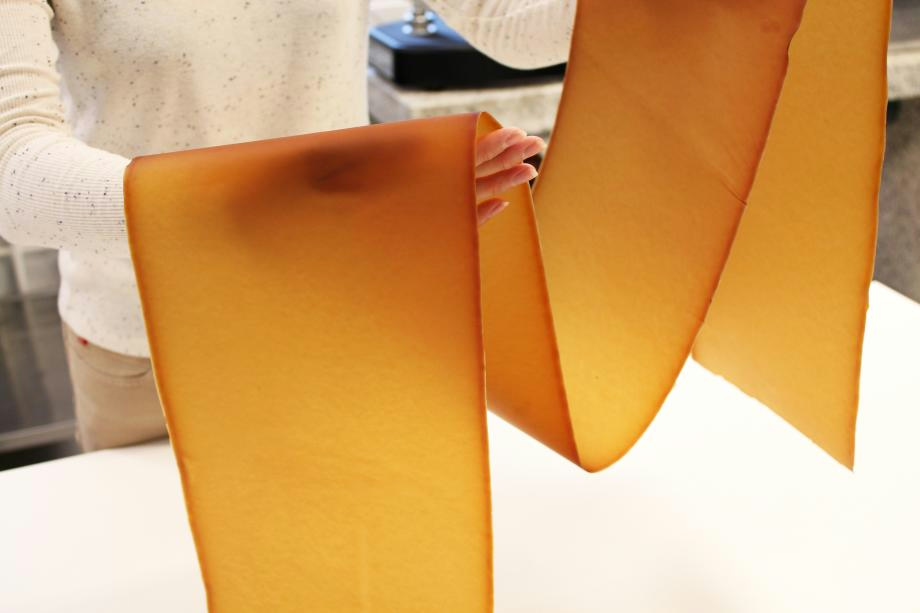
Mushroom-based materials are reshaping the scene of vegan leather through groundbreaking biotechnology. This process turns mycelium—the root structure of fungi—into premium materials that match animal hides. These green vegan leather alternatives work just like traditional leather without any harm to animals or our planet.
Why Mushroom Leather Looks So Authentic
Mycelium’s natural structure makes it incredibly authentic. The branching threads twist together as they grow. They form a strong material that is as tough and durable as animal leather. Mushroom leather offers uniform results. In contrast, animal hides can vary in both size and texture.
The numbers tell an impressive story. Animal leather takes 17,100 liters of water for each kilogram produced. This matters since synthetic options use 14 times less water. Environmental impact keeps getting better. Reishi’s carbon footprint could drop to 2.76 kg CO₂ equal per square meter with mycelium-only production.
Pro Tips:
“Integrate blockchain traceability for high-demand types of vegan leather like mushroom and cactus variants to verify ethical sourcing claims, as counterfeit ‘eco-friendly’ materials increasingly infiltrate luxury supply chains.”
———— Fredrick Ward, Luxury Leather Golf bags manufacturer and distributor
3. Desserto: Cactus-Based Vegan Leather

Adrián López Velarde and Marte Cázarez from Mexico made Desserto. It’s the first real leather alternative made from nopal cactus, also known as prickly pear. This new material looks and feels like leather. But, it’s eco-friendly and doesn’t harm the environment.
Production Process and Sustainability
The transformation from cactus to leather starts in organic plantations in Zacatecas, Mexico. Farmers harvest mature cactus leaves every 6 to 8 months without damaging the plant. The production follows a simple yet effective process:
- Workers wash, crush, and sun-dry the leaves for three days
- The process extracts proteins and fibers to create a bio-resin
- Manufacturers apply this resin to organic cotton or recycled polyester as a carrier material.
Texture and Appearance Comparison to Animal Leather
Desserto stands out because it looks so much like animal leather. The material provides:
- Better breathability and waterproofing than other vegan options
- Different thicknesses (from 0.6mm to 1.2mm) and textures
- Strong resistance to abrasion, rubbing, and tearing
Plant-based materials make up 90% of the product, yet it remains soft and luxurious. Desserto has no toxic chemicals, phthalates, or PVC. This makes it safer for users and better for the environment.
4. AppleSkin: Upcycled Fruit Leather
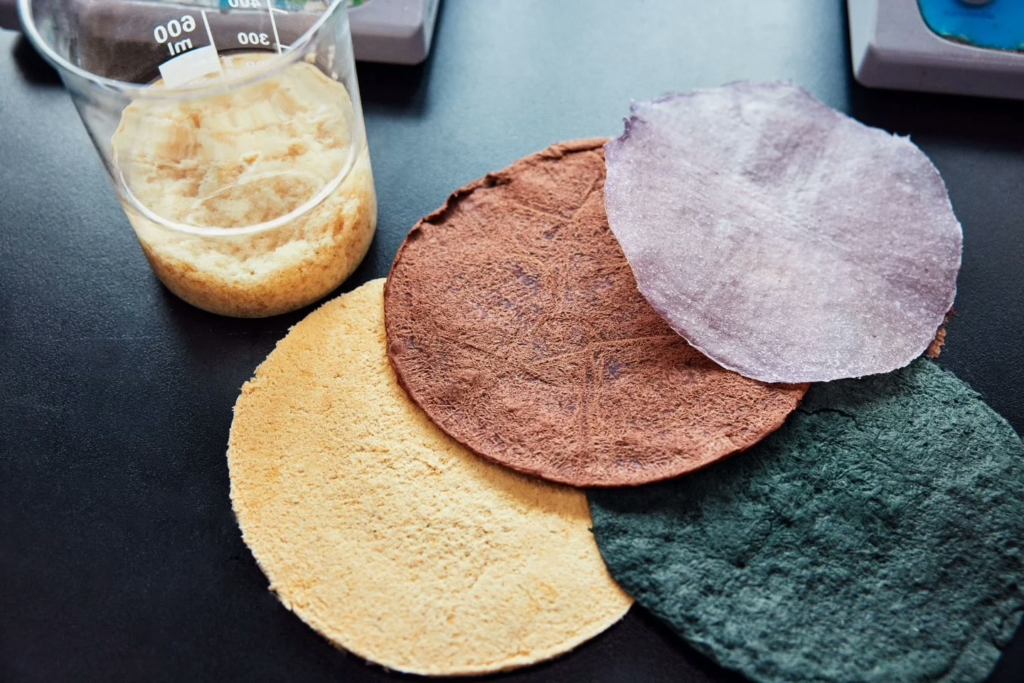
Apple waste becomes premium fashion accessories through AppleSkin’s innovative process. This material shows how circular economy principles can reshape the fashion industry scene by turning landfill-bound materials into sophisticated types of vegan leather.
Visual Characteristics and Feel
You might find it hard to tell AppleSkin apart from animal hide because of its authentic leather-like properties. The material offers a range of textures. You can find smooth finishes and embossed patterns that resemble classic leather grains.
The material works well for footwear and luxury accessories because of its versatility. It stays flexible yet durable and keeps its shape and appearance over time. Its special design lets it breathe and resist water. These features are loved by traditional leather fans.
Products made with AppleSkin can last five to seven years with daily use if properly cared for. This explains why manufacturers use it in everything from handbags and shoes to electric vehicle interiors.
AppleSkin has many benefits. But, it’s a hybrid material. It’s not fully biodegradable since it has polyurethane. Using renewable resources greatly cuts the CO₂ effect. This is much better than synthetic leathers made only from fossil fuels.
5. Cork Leather: Nature’s Waterproof Alternative

Cork oak trees are nature’s silent heroes in the Mediterranean. They give us one of the most remarkable types of vegan leather without harming a single animal. This natural vegan leather has a unique look. Many eco-conscious designers now prefer it to synthetic options.
Harvesting and Processing Methods
Cork oak trees (Quercus suber) need about 25 years before their first bark harvest. The bark gets harvested every 9-12 years, which lets the tree heal completely. These trees can live 180-200 years and provide 15-20 harvests in their lifetime.
Workers dry the harvested bark for six months. They boil and steam it to improve its elasticity. The material then gets flattened and pressed into thin sheets. These sheets bond to fabric backing—usually cotton or polyurethane. The bonding uses either suberin (cork’s natural adhesive) or special glues.
Unique Esthetic Properties
The surface of cork leather feels soft and smooth with a slight waxy touch. A natural honeycomb cell structure creates its distinctive texture. Air makes up 50% of its volume, which explains why it’s so light. Each piece shows unique natural vegan leather patterns and textures.
Cork leather looks better as it ages. You can find it in natural vegan leather tones or colored versions made with plant-based dyes. The material keeps its shape thanks to amazing elasticity.
Longevity and Wear Patterns
Cork leather stands up well to tears, scratches, and daily wear. Water rolls right off it, making it practical for everyday use. The material even resists flames, adding extra durability.
Products made from cork leather typically last 5-10 years or more with good care. The material stays softer than traditional leather but won’t crack or peel. On top of that, it fights off rot, dust, and dirt to keep looking fresh over time.
6. Grape Leather: Wine Industry Byproduct

The wine industry creates billions of kilos of grape waste each year. Italian designers found a way to make luxurious types of vegan leather from discarded materials. This circular economy approach by Italian company Vegea creates environmentally responsible materials from what used to be worthless vineyard waste.
Texture and Appearance
Grape leather feels soft like animal leather, but it resists moisture better. The material resists water and scratches, and stays remarkably durable with proper care. The final product looks high-quality and is suitable for luxury use. It is made without toxic solvents, heavy metals, or harmful substances. We mixed natural grape bio-oils with plant-based fibers. This creates a soft, textured finish. It’s perfect for everyday products and high-end fashion items.
Brands Pioneering Grape Leather in 2025
Many prestigious brands have adopted grape leather in their collections by 2025. Calvin Klein has released accessories including belts, cardholders, and footwear made from Vegea.
- Stella McCartney, with her steadfast dedication to sustainable materials, partnered with Veuve Clicquot to create the first types of vegan leather from Champagne grape waste, featuring bucket bags and platform sandals.
- H&M added grape leather to their Conscious Exclusive collection, while Bentley employed it for electric car interiors.
- Le Coq Sportif launched vegan sneakers with grape leather, including a classic model and retro runner with cork insoles.
7. Leaf Leather: Teak-Based Innovation

Teak leaves, usually thrown away as farm waste, have become a promising source of vegan leather through Thai craftsmanship. This environmentally responsible alternative shows nature’s detailed patterns and provides a tough material that stands out among types of vegan leather of all types.
Visual and Tactile Qualities
Leaf leather stands out because of its unique look. Each leaf has its own natural patterns and colors that change with age. Young leaves show brighter colors, while older ones have darker shades. These natural vegan leather differences make each finished product unique.
The texture feels soft yet well-laid-out. The material is about 30% lighter than real leather. This makes it ideal for accessories and clothing, while still looking and feeling high quality.
Durability and Aging Characteristics
This plant-based material proves remarkably tough. You can use it daily thanks to its water-resistant properties, and it still breathes well. The material handles pressure and regular use while keeping its shape.
Products made from teak leaf leather develop their own personality over time instead of wearing out. The colors stay true – customers say they’ve noticed hardly any changes even after years of use. This innovative vegan leather matches traditional leather’s looks and lasts just as long with proper care.
8. Bio-Fabricated Leather: Lab-Grown Solutions

Science meets sustainability through bio-fabricated leather. Cellular engineering creates animal-free materials that match traditional hides perfectly. These materials aren’t just like leather—they are leather, just without the animal involvement.
Visual Comparison to Animal Leather
Bio-fabricated leather is unique. Its chemical structure is like that of animal leather. The material responds to external forces just like traditional leather. The cellular agriculture process creates leather that captures the look, feel, and scent of conventional leather. Quality control becomes easier too. Manufacturers can create each square meter with the same thickness. Traditional leather can’t do this due to its natural variations.
Leading Brands and Products
The bio-fabricated leather industry has several notable players:
- Modern Meadow (Bio-Tex™) blends lab-grown bovine collagen with plant protein for luxury goods
- Faircraft secured $15.8 million to expand operations and collaborate with luxury brands
- VitroLabs attracted $46 million to bring its tissue engineering process to market
- 3D Bio-Tissues showed their lab-grown leather at Future Fabrics Expo, featuring leather from ethically-sourced horse cells
Luxury powerhouses like Stella McCartney, Gucci, BMW, and Hugo Boss have formed strategic collaborations with these manufacturers.
9. Recycled Plastic Leather: From Bottles to Fashion

You might have wondered about the fate of billions of plastic bottles we throw away each year. Smart manufacturers recycle discarded materials into stylish types of vegan leather. This innovation gives new life to materials that would otherwise end up polluting our oceans and landfills.
Appearance and Texture Improvements
Technology has made recycled plastic leather look and feel better than ever. Modern versions are more flexible and durable than their predecessors. The material matches genuine leather’s appearance while staying water-resistant and scratch-resistant. Companies can now control thickness and texture with precision. This allows them to create everything from soft, supple finishes to structured materials.
Environmental Considerations
Using plastic waste prevents pollution and reduces new plastic production. Recycled PVB leather saves about 16 tons of CO₂ and 50 tons of water compared to traditional methods. Some challenges exist – these materials might shed microplastics during washing and aren’t completely biodegradable. Still, they are nowhere near as harmful as animal leather or petroleum-based alternatives.
Pro Tips:
” Develop region-specific certifications for emerging types of vegan leather to address discrepancies in biodegradability standards – European compostability metrics often conflict with Asian industrial composting infrastructures, causing consumer confusion.”
———— Kate Yang, Guangzhou Fiedle Leather Bag Co.,ltd – Foreign Trade
Conclusion
Modern types of vegan leather is just as good as traditional leather in quality. Plus, it’s better for the environment. These creative materials give new life to waste products. Pineapple leaves, grape pomace, and apple residue become premium leather substitutes. Each vegan leather alternatives brings something special to the table. Mycelium leather stands out with its strength. Desserto breathes exceptionally well. Piñatex helps support green farming practices.
The environmental benefits are clear. Traditional leather needs 17,100 liters of water to produce one kilogram. Cactus leather needs just 0.02 cubic meters per square meter. These green options don’t use toxic tanning chemicals. They also cut greenhouse gas emissions by up to 90%.
Want to try premium types of vegan leather products yourself? Get custom vegan leather goods and bags,or want to know more about leather goods manufacturers USA, reaching out to us at [email protected]. You can also check out leelinebags.com.
FAQs for High Quality Vegan Leather
Q1. How does vegan leather compare to real leather in appearance?
High-quality types of vegan leather can closely resemble real leather in appearance and texture. Some materials, like mycelium and cactus leather, look just like animal hide. They have similar grain patterns and finishes.
Q2. What are some of the most innovative vegan leather materials available in 2025?
Some of the most innovative types of vegan leather in 2025 include Desserto’s cactus leather, mycelium leather made from mushroom roots, and bio-fabricated leathers grown in labs. These materials offer sustainable vegan leather alternatives with properties like those of animal leather.
Q3. Are there any drawbacks to using vegan leather?
Best vegan leather has many benefits. But, some types may not be as durable as animal leather and could wear out more quickly. But advancements in materials like mycelium leather are closing this gap, offering improved durability and performance.
Q4. What makes a leather alternative truly vegan?
Best vegan leather is made without any animal products. It can come from plant-based sources like fruit waste, cactus leaves, or mushroom roots. It can also be made from synthetic materials, such as recycled plastics. The key is that no animals are used in its production.
Q5. How do vegan leathers impact the environment compared to traditional leather?
Many types of vegan leather have a significantly lower environmental impact than traditional leather. Cactus leather needs only 0.02 cubic meters of water for each square meter. In contrast, making 1 kg of animal leather requires 17,100 liters. Vegan options cut greenhouse gas emissions. They also remove the need for harmful tanning chemicals.