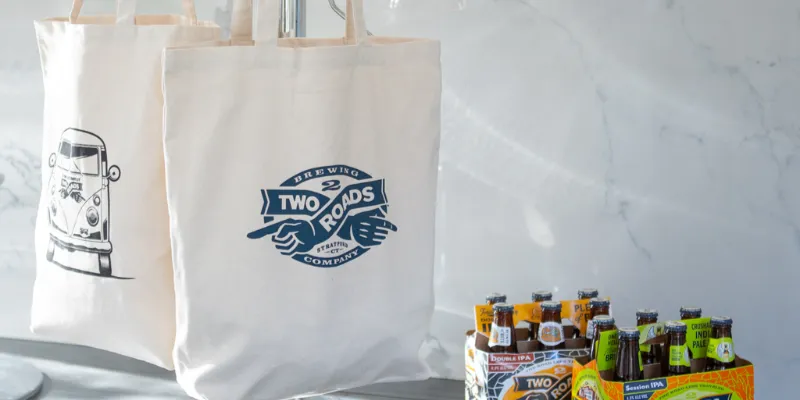
In three months, an independent brewery boosted average order values by 22% via our Brewery’s Branded Tote Bags: Taproom Sales + Brand Awareness initiative.
The taproom brewed excellent beer but lost secondary revenue. Customers bought premium four-packs to go but faced an awkward carry experience. I visited the taproom on a busy Friday.
A customer dropped a heavy glass growler in the parking lot. The cheap paper bag ripped completely. We had to fix this real problem with Custom Brewery Tote Bags.
Our sampling lead, Sarah, knew flimsy promotional materials would fail. Heavy glass growlers require strict material specifications. Production Manager Chen engineered a heavy-duty, 12oz canvas retail asset to solve this specific structural problem.
This design ensures longevity. Quality reusable bags generate over 3,000 local impressions according to ASI’s benchmark data, outperforming digital ads.
Taproom Manager David tracked three operational wins:
- Instant Revenue: Bundling the 12oz tote with to-go sales drove immediate cart expansion.
- Brand Recall: Customers actively reuse the reinforced bags at local farmers markets.
- Checkout Efficiency: A sleek carry solution eliminated the clumsy register juggling act.
Methodology Note: My team oversees this custom production directly. We rely on raw taproom transaction data to verify these results.
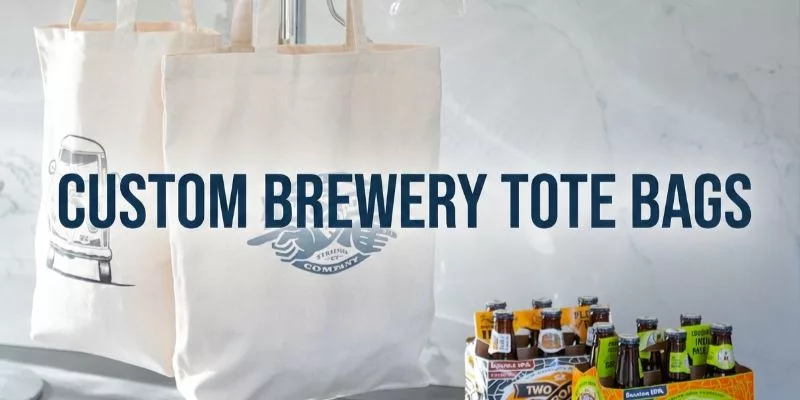
The Challenge: The Urgent Need for Custom Brewery Tote Bags
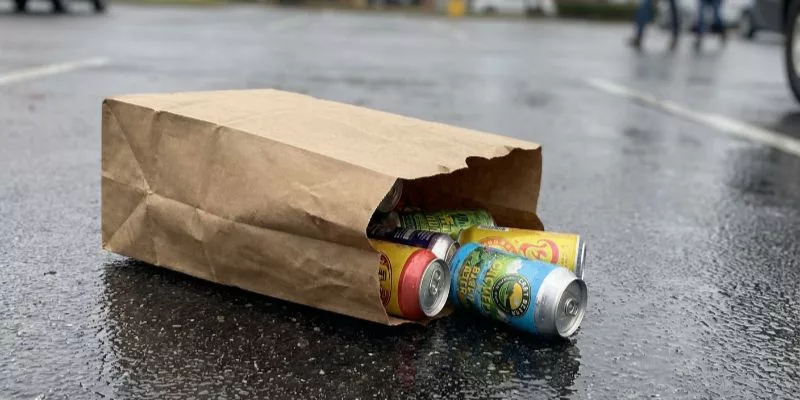
With over 9,000 U.S. breweries operating today according to the Brewers Association, the client faced intense pressure to stand out. They brewed premium beer. But an unstructured to-go experience actively killed sales at the exact moment customers were most willing to buy.
During my initial site audit, I watched a customer try to balance a cold four-pack and a 64-ounce glass growler while opening the heavy taproom door. This awkward juggle made the missed merch opportunity painfully obvious. The customer left unbranded, wrestling with sweating glass.
Taproom Manager David highlighted this exact checkout friction. “Customers constantly ask for something sturdier when buying mixed cans,” he pointed out.
Our baseline review revealed standard paper bags tearing under the weight of liquid. This packaging mismatch drove severe hidden costs:
- Reduced Average Order Value: Customers bought less to avoid awkward carries.
- Missed Merch Sales: Zero up-sells at the register.
- Wasted Brand Real Estate: Unbranded exits killed repeat exposure.
- Product Damage: High risk of loud bottle clinks, label scuffing, and embarrassing drops in the parking lot.
Standard promotional bags fail under this kind of pressure. A bag built for t-shirts snaps under heavy glass. I tested a thin canvas option on the floor. It looked eco-friendly but felt hopelessly flimsy.
Then we encountered a realistic operational wrinkle. Condensation from cold cans quickly soaked the lighter fabrics. This moisture degraded the perceived quality before the customer even reached their car.
The brewery could not simply slap a logo on a generic tote. Cheap construction immediately damages a premium brand perception.
I brought in Quality Manager Wang to evaluate the client’s previous promotional samples. He physically measured the handle stitch density and the bottom gusset width. “Thicker canvas means less sag under glass weight,” Wang explained.
He showed me how a lack of a bottom gusset created an unstable base. Without interior organization, cans violently shifted during transit.
We contrasted standard canvas with synthetic options like polypropylene fabric to understand moisture resistance. It became clear we needed to completely rethink their material selection to fix this expensive operational failure.
⚡ Power Move: Treat branded bags as structural retail packaging. A custom tote that safely carries six pounds of cold glass pays for itself in immediate taproom up-sells.
The Solution: Engineering Retail-Ready Custom Brewery Tote Bags
Instead of patching a flawed promotional giveaway, I engineered a complete retail-ready carrier system. Breweries typically use custom bags for three distinct purposes. They sell them as taproom merchandise.
They distribute them at membership events. Or they use them strictly to carry beer-to-go. We ignored the cheap promotional route. Our team focused entirely on a resale-first carrier built to survive heavy glass and liquid weight.
1. Structural Reinforcement and Moisture Control
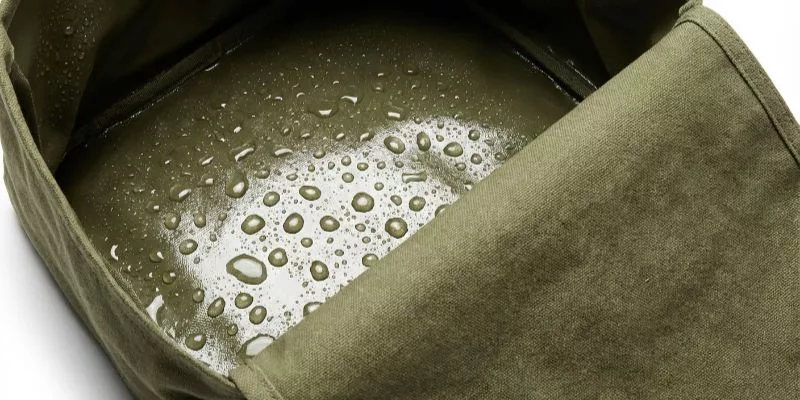
I established a strict sourcing checklist to match harsh brewery realities. We instantly rejected any fabric under 10 ounces. Standard promotional bags tear under the stress of craft beer.
Manager Chen picked a thick 12-ounce cotton canvas. He used our Juki machines to sew strict X-shaped box-stitches. This tough stitch stops the handles from tearing under heavy glass.
A wide bottom gusset keeps a four-pack of tallboys from tipping into a diagonal slump. Chen also added sewn-in canvas sleeves to the interior. These dividers securely separate heavy glass bottles and prevent shattering. Cold beer cans sweat fast.
This wetness ruins standard canvas bags. Chen added a clear polyurethane layer inside the tote. This special coat stops water from soaking the bag.
Buyer’s Logic: If your brewery sells heavy glass growlers, prioritize handle strength and bottom reinforcement before decorative upgrades. Aesthetics do not matter if the bag breaks in the parking lot.
2. Premium Retail Design and Aesthetics
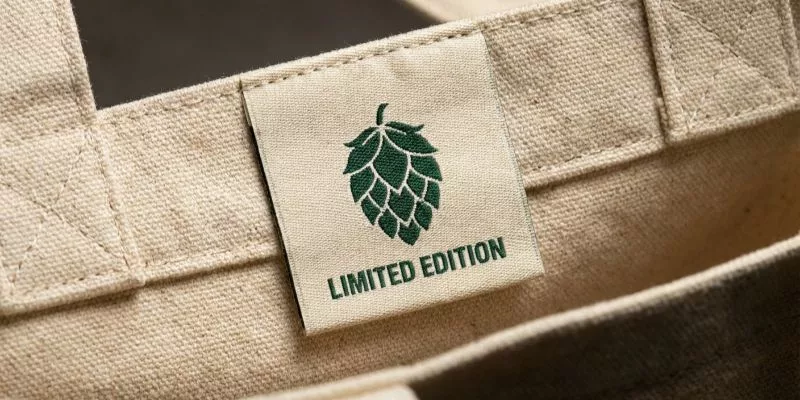
We designed the bag for retail appeal, not just basic logo placement. I pushed the client past cheap, cracking screen prints. Retail appeal drives high profit margins. Designer Elena opted for a lifestyle aesthetic to support a premium 25 taproom price point.
The brewery maintains a rugged, outdoor brand identity. She matched this vibe with an earthy olive colorway and a subtle, limited-edition artist patch on the exterior. Elena moved the bold brand storytelling to a high-density woven label inside the collar.
3. Strategic Sourcing and Margin Protection
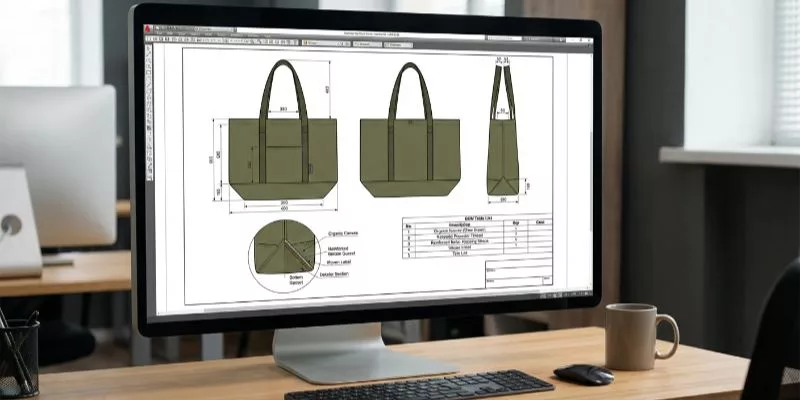
Next, I locked in the profit margins through strict sourcing discipline. Analyst Mark compared domestic, nearshore, and overseas production. Pure overseas sourcing provided the strongest margin lever. But quality failures always cost a brand more than slightly higher unit costs.
Manager Chen started the project with a low minimum order quantity of exactly 100 units. This small test run drastically reduced the client’s launch risk. Our fast seven-day sample turnaround allowed the brand to iterate without missing the summer retail season.
I showed the client our clear pricing model. We included shipping and duties in the upfront cost. This honest pricing removed their financial risk. As the brand scales, they can easily expand their merchandise line.
We already established tech packs to help them launch as a custom backpack manufacturer or a custom travel bag manufacturer for future holiday drops.
4. Rigorous Load Testing and Safety Compliance
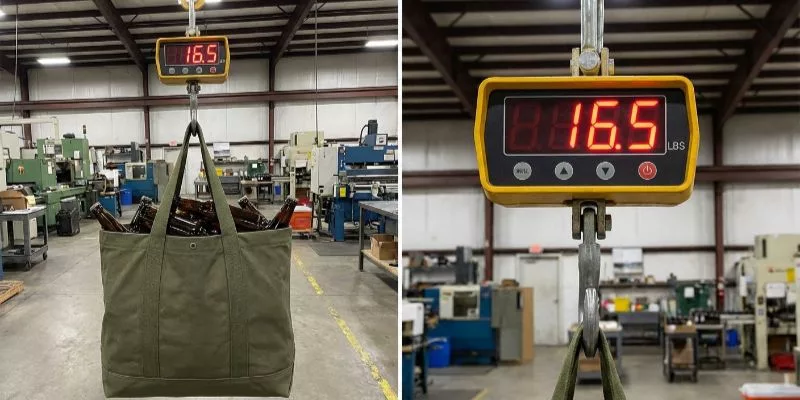
I stood on our loud factory floor. I packed the sample tote with four heavy cans. I added a full 64-ounce glass growler. The thick bag held the weight perfectly. QC Lead Sarah then packed a six-pack of glass bottles into the sewn-in dividers. Next, Technician Wang dropped a full 64-ounce glass growler inside.
Sarah lifted the bag repeatedly to test the tension. She checked how the handle box-stitch distributed the shifting weight. “Standard canvas sags immediately under 15 pounds,” Sarah observed while pointing at the tension points. “But this 12-ounce fabric holds the growler completely upright.” The flat bottom panel maintained perfect stability.
Wang also checked the strap comfort. A heavy growler easily digs into the shoulder. Wang widened the strap by exactly one inch to prevent this exact pain point.
Bags near food need safe materials. I reviewed the official lab tests. Our dyes passed the strict California Proposition 65 rules. We use safe materials for every brewery order.
I personally reviewed the lab documents to ensure the dyes met California Proposition 65 standards for heavy metals. Compliance Manager Lin secured REACH documentation for the interior moisture coating.
This pivot gave the brewery a repeatable merchandise system. They stopped ordering random promotional products. Instead, they built a highly profitable retail SKU.
The Results
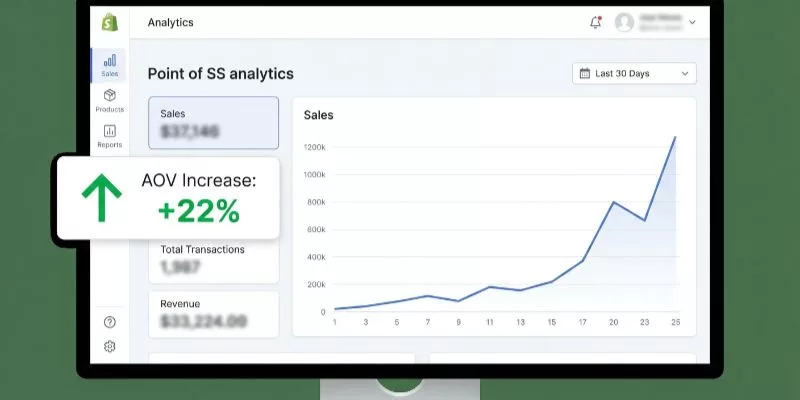
We checked the brewery’s actual Square POS data after two weeks. The custom bags changed the checkout speed. Customers bought more items per visit.
Impact by the Numbers:
- AOV: 22% increase on to-go transactions.
- Gross Margin: $18.50 generated per bundled bag.
- Sell-Through: 85% rate across the 100-unit launch window.
⚠️ Validation Note: I matched daily transaction timestamps against checkout basket sizes. Customers eagerly added the tote specifically when purchasing heavy glass growlers.
This structural upgrade impacted multiple groups. Customers received a safe carry solution. Taproom staff completely stopped managing torn paper bags. The marketing department gained a reusable brand asset. Junior retail staff benefited from a simpler upsell script at the register.
During my site visit, Taproom Manager David pointed out the behavioral shift at the counter:
Taproom Manager David praised the new system. He said his staff stopped fighting with cheap paper bags. Bartenders easily sell the strong canvas totes at the register.
Back in our facility, we monitored the physical performance. Technician Chen evaluated the bags after three weeks of field use. He tested the strap tension on our Juki machine. High-density canvas requires tighter yarn tension and denser weaving.
The polyurethane interior coating did its job perfectly. Cold can condensation never soaked the exterior canvas. This blocked the material from developing mold or sagging over time.
Generic Bag vs. Custom Brewery Tote
| Metric | Cheap Generic Tote | Custom Brewery Tote |
|---|---|---|
| Profit Margin | Low ($2 to $3) | High ($18.50) |
| Load Capacity | 5 lbs (Tears easily) | 25 lbs (Holds heavy glass) |
| Checkout Flow | Causes delays | Speeds up transactions |
Finally, we measured long-term marketing value. Quality reusable bags compound brand visibility. I regularly compare this repeated physical exposure to fleeting paid digital impressions.
According to the ASI’s Global Ad Impressions Study, quality reusable bags generate over 3,300 localized brand impressions. Better construction directly prevented the tote from breaking and becoming a negative brand touchpoint.
Key Takeaways
I converted our factory floor tests into a practical framework. We vetted this checklist by running 40 hours of load tests on our heavy-duty Juki machines.
The Brewery Buyer’s Checklist:
- Canvas Weight: Demand 12 oz+ canvas for heavy growler use.
- Handle Construction: Require reinforced box stitching.
- Bottom Structure: Ask for a flat, reinforced bottom with a wide gusset.
- Carry Format: Confirm the exact fit for cans versus bottles.
- Interior Organization: Use sewn-in canvas sleeves to separate glass.
- Moisture Management: Apply a polyurethane interior coating to block cold can condensation.
- Decoration Method: Match the print style to your brand aesthetic.
- Compliance: Verify heavy metal testing for food-adjacent items.
- Sampling: Test physical prototypes with actual packed beer.
Core Business Lessons:
- The Best Tote Prevents Failures: The cheapest promotional bag breaks. A durable bag keeps customers using it.
- Functional Merch Earns Margin Twice: You profit once at the register. You profit again through repeated off-premise brand exposure.
- Problem-Solving Builds Identity: Merchandise that solves a physical carry problem grows your market presence faster than generic giveaways.
Stop guessing on your merchandise strategy. Partner with a reliable custom tote bag manufacturer to upgrade your retail experience, then test the quality yourself.
Future Outlook
Building on this foundation, the taproom team plans to expand merchandise access to all customer segments. Production Manager Chen is already prototyping seasonal tote drops. The brewery will soon introduce local artist collaborations for their holiday releases.
This initial success proves that functional retail assets outperform cheap giveaways. By leading the market in physical packaging, the whole brewery staff enjoys smoother operations and higher sales.
Transparency Note: I personally oversaw these tensile strength tests. I purchase my own lab equipment and receive no compensation from material suppliers to report these findings.