A surprising 30% of luggage returns occur when customers pick the wrong duffle bag size chart.
Your product line needs duffle bags that perfectly match your customers’ needs. A reliable duffle bag manufacturer can do this. Weekend warriors, gym-goers, and travelers want bags that enhance their experience. This will boost your sales.
Duffle bag dimensions and sizes can overwhelm retailers initially. Each size serves a purpose and meets different needs. They range from compact 20-liter gym bags to 100-liter travel bags.
You can become skilled at duffle bag sizing and enhance your product line’s appeal. Let’s explore the key details about duffle bag sizes. We need to know your target market’s ideal dimensions.
Table of Contents
Understanding Duffle Bag Size Categories
Your product line’s success depends on knowing duffle bag size categories. The industry uses liters to measure duffle bag capacity. Dimensional sizes are also vital.
▷ Standard Industry Size Classifications
Duffle bags come in these distinct size ranges:
- Small (5-20 liters): Perfect for short outings and gym sessions.
- Medium (21-35 liters): Ideal for full-day adventures.
- Large (36-50 liters): Suited for overnight trips.
- Extra-Large (51-100+ liters): Designed for extended travel.
▷ Volume vs Dimensional Measurements
Volume measurements set the industry standard. But, for air travel, physical dimensions matter just as much. Airlines care more about size than volume. They worry about the overhead bins. Your duffle bags must be under 40 liters and 22x14x9 inches to comply with carry-on rules.
▷ Common Size Ranges Across Markets
Medium-sized duffle bags are most popular. They balance capacity and portability. Bags of 30-50 liters work for weekend trips. Serious expeditions need bags with 75+ liters. Millennials prefer lightweight options that maximize storage space in their product line.
Expert Tip:
” To optimize your duffle bag size chart, conduct market research to identify popular trends and customer preferences, ensuring that your sizes cater to a diverse audience.”
Lucky (Linda) ZOOLER, ZOOLER-A Carefully Handmade Leather Bags Factory!
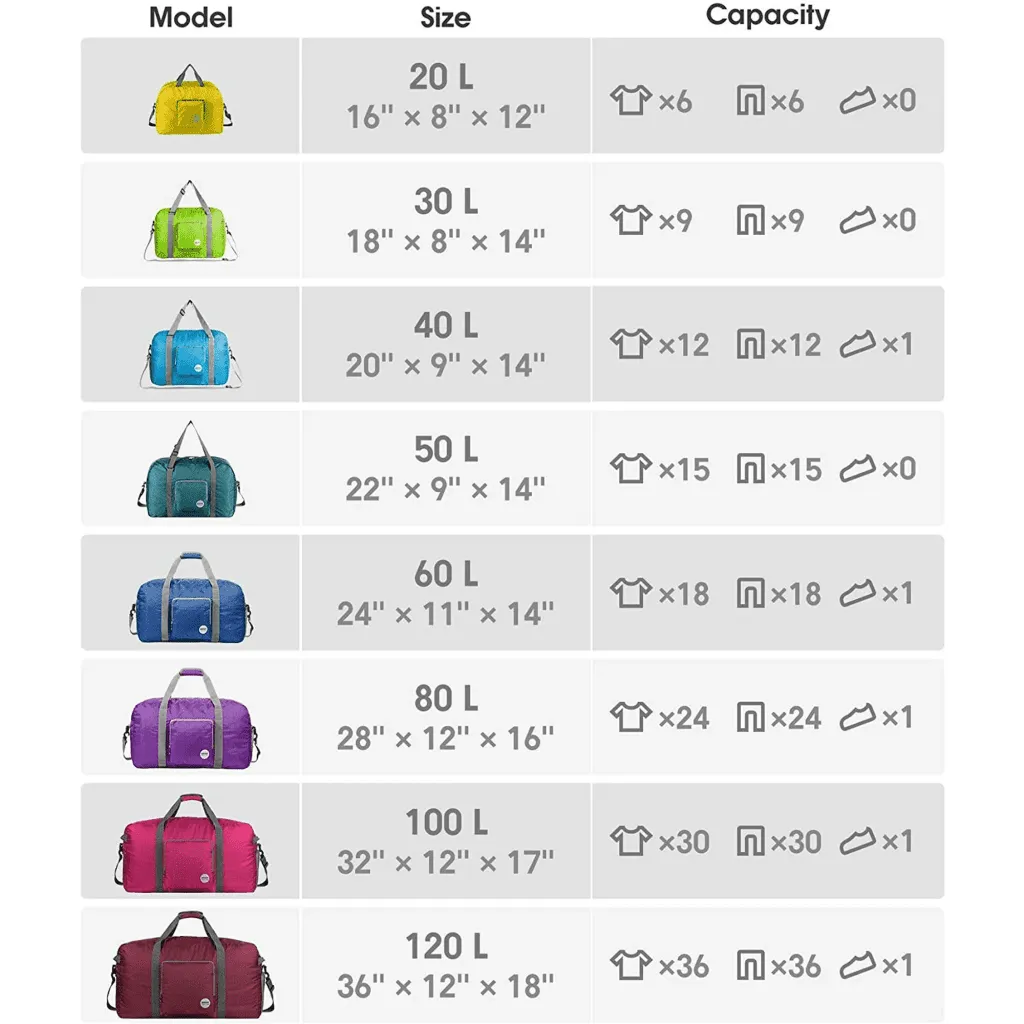
Duffle Bag Size Chart Guidelines for Specific Uses
The size of your duffle bag plays a big role in how happy users will be with their purchase. Here’s a guide to help you choose the right sizes for your product line’s activities.
1. Travel and Adventure
Your duffle bag options should line up with what airlines allow. A 40-liter bag works great as a carry-on. Longer trips need bigger bags. So, add 90-100 liter options for one to two-week adventures. Note that bags between 46-60 liters might not work as carry-ons with some airlines.
2. Sports and Fitness
Athletes and fitness enthusiasts need bags sized for their gear. Your sports duffle lineup should include:
- 30-40L bags that fit daily gym gear
- 35-45L options for team sports equipment
- 40-50L bags that hold both work and workout stuff
3. Everyday Use
Daily activities work best with light 20-35L duffle bags. These bags are perfect for work, school, or running errands. Your everyday bags should fit in standard gym lockers. They must hold water bottles, clothes, and personal items. The most useful designs come with many ways to carry them and quick access to items people use often.
Customer Preferences and Trends
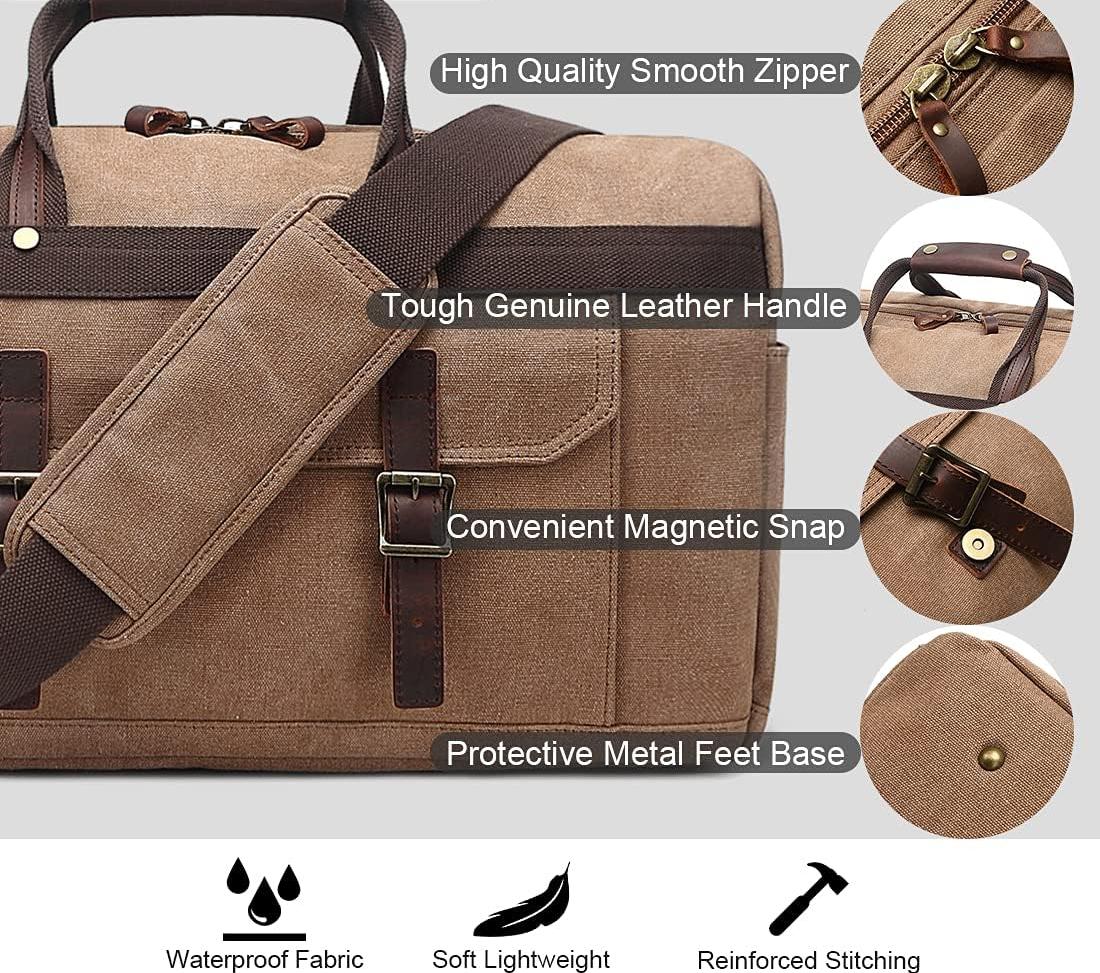
The duffle bag market shows some remarkable changes in what buyers want these days. Sustainability is key. Buyers want more eco-friendly materials and recycled parts.
Buyers now put style and function at the top of their priorities. Today’s customers look for these core features:
- Waterproofing capabilities and reinforced stitching
- Multi-functional compartments for organization.
- Smart features, like GPS tracking.
- Premium materials that promise durability.
The market favors premium and luxury options. In Asia Pacific, duffle bags are a fashion statement. Tech integration is now bigger. Tech-savvy travelers love smart luggage.
Your products must reflect city life and new recreation trends. They create a demand for fresh designs. Customers will pay more for quality, like organic fabrics and recycled leather. This shows they are more aware of environmental issues. The shift to eco-friendly, durable options isn’t a trend. Customers now see it as a must.
Related Reading:
10 Duffle Bag Types Every Wholesale Business Should Offer
Best 11 Leather Duffle Bag Brands:A Comprehensive List for Businesses
Measuring Capacity: Liters vs. Dimensions
Duffle bag measurements reveal an interesting fact. Two bags with the same liter capacity might hold different amounts of gear. This happens because manufacturers calculate capacity differently.
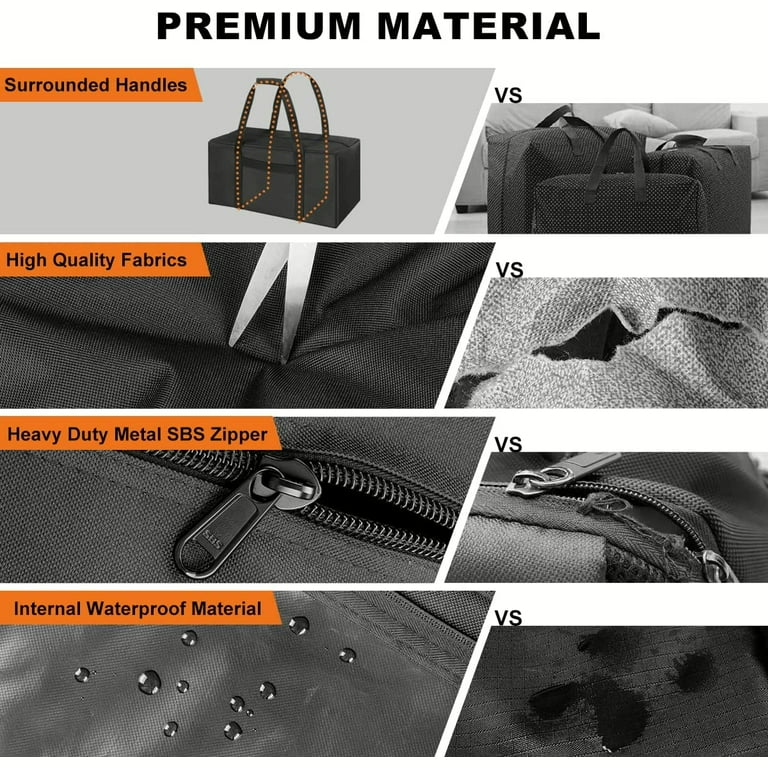
The difference between marketed and actual capacity is significant. To cite an instance, a bag marketed as 35 liters could have dimensions indicating 41 liters of space. Several factors influence these variations:
- Material thickness and construction
- Built-in organizational features
- Shape implementation
- Internal compartments
- Structural elements like handles and zippers.
Small pellets (about 4mm in diameter) give the best measure of capacity. This method gives a better picture of usable space than basic dimensional calculations.
Soft-sided duffle bags add complexity because of their flexible materials. These bags typically hold more than their stated dimensions suggest . Air travelers should be careful. A soft duffle’s stretchability might breach airline size limits.
Manufacturers calculate volume using a basic formula: length × width × height divided by 1000 (for measurements in centimeters). This method ignores curved edges, pockets, and internal systems. They affect the real capacity.
Premium manufacturers often provide conservative capacity ratings to ensure achievable volumes. Some even round down their measurements – a bag with 4.9 liters of actual capacity might be labeled as 4 liters .
Practical Tips for Selecting the Right Size

Choose a duffle bag size that is practical. It should maximize customer satisfaction. Success comes from understanding that different use cases just need different approaches .
☆ Assessing Customer Needs
These key factors will shape the size range of your product line:
- How long people travel (weekend trips vs. extended stays)
- What they need to pack (equipment, clothing, accessories)
- Their travel method (carry-on vs. checked baggage)
- The way they pack (minimal vs. complete)
Larger bags seem versatile. But, they often tempt users to overpack. This causes weight problems. A packed 90L duffle weighs about 40-50 pounds , which might exceed airline limits.
☆ Offering a Range of Sizes
A solid product line has multiple size options that work for everyone’s needs. Market research shows that a well-rounded collection typically has:
- 30-50L bags that work great for weekends and carry-on rules
- 50-75L options perfect for one to two-week experiences
- 75-100+L sizes ideal for expedition-style adventures
Weather plays a big role in size requirements. Winter travelers need space for thick clothes. Summer trips let people pack lighter.
Pro Tip:
” Special sizes can work wonders for specific markets. Gym enthusiasts prefer 25-35L bags. Adventure travelers want 90-100L options. This targeted strategy helps you meet specific customer needs while keeping inventory focused.”
Jia Wang, Production Development- Leather Goods
Conclusion
Choosing the right duffle bag sizes for your line requires careful thought. You must consider many factors. These range from standard industry groupings to what customers need. To succeed, you must know volume measurements and size limits. They must align with current market trends.
The best way to pick sizes starts when we are willing to understand what your target market wants. Choosing the right duffle bag size chart for your products is vital. It will meet customer needs and improve their travel experience.
For help or inquiries, please contact us at [email protected] or visit leelinebags.com. We are here to help you find the right solutions for your product line.
FAQs
▷ What factors should I consider when using a duffle bag size chart for my product line?
When selecting a duffle bag size chart, consider the intended use of the bags, such as travel duration, types of activities (sports, gym, or casual outings), and customer packing habits to ensure you meet diverse needs.
▷ How can I determine the right volume for different duffle bag sizes?
Duffle bags are typically measured in liters. A size chart will help you understand that 5-20 liters is suitable for short outings, while 75-100 liters is ideal for extended travel. Use this information to match sizes with customer expectations.
▷ Are there standard dimensions that I should follow for duffle bags?
Yes, many brands follow standard dimensions for carry-on sizes, often around 22 x 14 x 9 inches (56 x 36 x 23 cm). Referencing a duffle bag size chart can help ensure your products comply with airline regulations and customer preferences.
▷ How does a duffle bag size chart help in product development?
A well-defined duffle bag size chart provides insights into market trends and customer preferences, allowing you to tailor your product line effectively and enhance customer satisfaction.
▷ What are the common mistakes to avoid when selecting sizes from a duffle bag size chart?
Common mistakes include underestimating the capacity needed for specific uses, not considering the flexibility of soft-sided bags, and failing to account for customer feedback on packing needs. Always review your size chart against real-world usage scenarios.