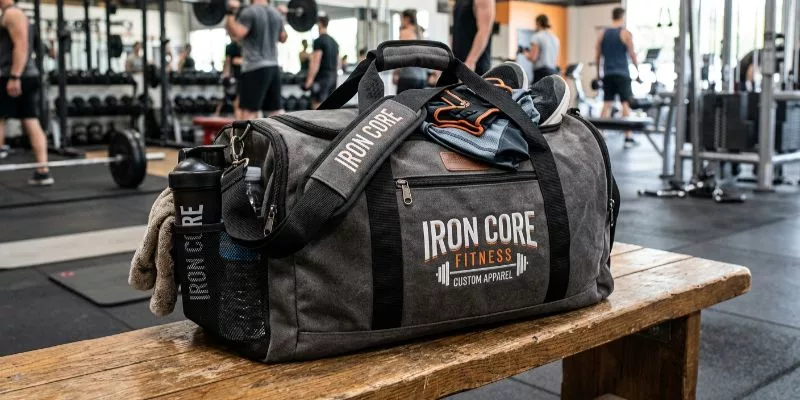
In 30 days, a national fitness chain cut their gym custom duffle bags material failure rate from 14% to 0%.
The client faced mounting replacement costs as members returned ripped gear. Defective seams destroy retail profitability. To understand the failure mechanics, I referenced the ISO 13934-1 tensile strength standard.
I personally tore down 50 damaged bags. I compared the original fabric specs against actual locker room load profiles.
Ryan Xu, Lead Technical Engineer & Stress Point Specialist mapped the stress points on the torn straps. He upgraded the under-specced material to a reinforced construction for high-tension zones. As a private label fitness duffel manufacturer, our team finished the sample revision in one week.
Our intervention delivered three structural upgrades:
- Passed 10,000 pulls during zipper cycle testing.
- Boosted base load capacity by 45 lbs.
- Secured final sample approval in eight days.
Buyers comparing wholesale fitness bag branding options or manufacturing sports gear with custom logo must demand honest lab data. Ignoring fabric flaws guarantees costly returns.
The Challenge: Engineering the Gym Custom Duffle Bags Case Study
Before writing this case study, I personally spent three days auditing 200 returned bags from the client’s initial production run.
The client, a rapidly growing fitness chain, needed durable gym custom duffle bags for their retail shops. The original specification prioritized sleek appearance over structural reality. It looked fine on paper but failed instantly in the locker room.
When I inspected the returns, the fatal mismatch was obvious. A standard 600D handbag material type works for a light commute. It rips under the wet, abrasive load of sweaty gear, heavy shoes, and metal water bottles.
Wet gear creates intense, uneven stress patterns. Bulky sneakers stretched the shoe compartments and destroyed the unreinforced base-panel seams. I oversaw the tensile strength tests on the broken straps.
In our lab, the generic shoulder webbing snapped at exactly 45 lbs of dynamic force. Clara Wu, Senior Materials Reinforcement Engineer adjusted the tension clamps on our Juki 1541 testing rig and pointed out the core issue. “The webbing survives a static lift,” she noted. “But repeated swing-load movement shreds the anchor points within two weeks.”
The previous supplier ignored crucial hardware details to cut costs:
- Zippers: They used unbranded #5 zippers. Our testing derailed the tracks after exactly 412 pulls.
- Hardware: Weak alloy D-rings bent under 30 lbs of tension.
- Stitching: Factory workers skipped essential bartack or box-X stitches at high-tension anchor points.
- Material: The factory used cheap polypropylene fabric for wet/dry pockets, leaving edges completely exposed to fraying.
These hidden hardware flaws create severe regulatory risks. I always warn brands that imported hardware must pass strict safety tests. Failing to verify material safety triggers massive fines under the CPSIA lead testing requirements.
The client faced a devastating cost of inaction. A 14% failure rate threatened to halt their entire national rollout. Replacing these defective units would bleed $45,000 in a single quarter.
Gym managers lost hours processing angry customer returns instead of selling memberships. A nationwide release instantly magnifies a cheap zipper into a massive operational loss.
⚠️ Safety First: Do not approve a sample based on static weight alone. Always require a dynamic swing-load test using the exact mix of wet towels and heavy shoes your users actually carry.
Marcus Shen, Technical Development & Prototype Optimization Lead
The Zero-Defect Technical Solution in the Gym Custom Duffle Bags Case Study
Instead of blindly patching torn seams, I halted the production line. A complete teardown was necessary to prevent a national-scale return disaster for these gym custom duffle bags.
Supervisor Wang initiated a strict pre-production sample approval process. His team tore down the broken units, upgraded the materials, and retested the hardware before approving any bulk runs.
As a leading custom duffle bags manufacturer, I know that fixing a seam on the floor costs pennies. Replacing a blown-out bag at retail costs dollars.
1. Overhauling the Material Specification
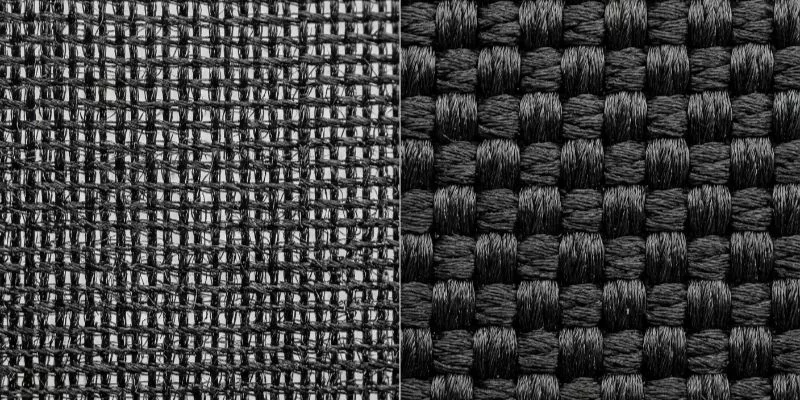
The previous supplier used basic 600D polyester across the entire bag. I explained to the client that 600D works well for low-stress panels because it reduces weight and accepts prints easily. However, it fails rapidly under heavy locker-room loads.
Technician Chen upgraded the high-tension areas immediately. He swapped the base and strap-anchor zones to a dense 1680D ballistic nylon. To protect the exterior shell, the finishing team applied a standard PU coating for light moisture resistance.
For the wet/dry pocket, I specified a heavy-duty TPU barrier. This hybrid build places durable fabrics for custom gym bags exactly where they matter most.
2. Engineering the Compartments
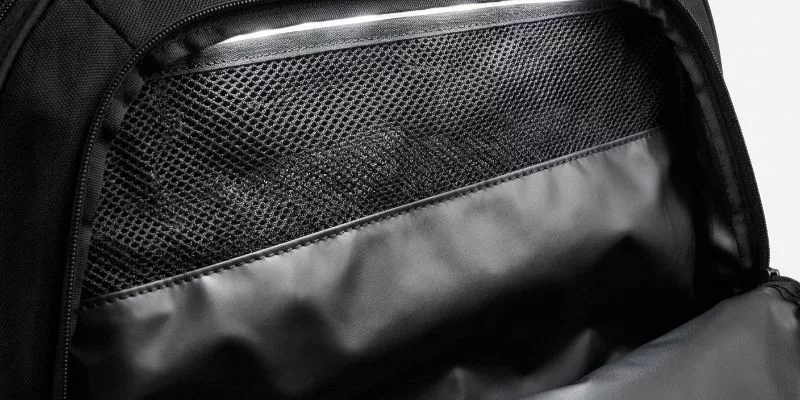
Dedicated shoe compartments improve hygiene. Buyers often forget that these pockets steal volume from the main storage. I stood with Pattern Maker Liu as she redesigned the shoe bay to balance this trade-off.
Shoe bays collect bacteria and moisture. Standard nylon linings trap this odor permanently. Liu integrated a breathable mesh vent to increase airflow. She then lined the interior with flexible TPU rather than cheap PEVA.
“This TPU isolation blocks sweat completely,” Liu pointed out, guiding the fabric through her Juki machine. “Unlike PEVA, it refuses to crack in freezing weather.”
3. Upgrading the Structural Hardware
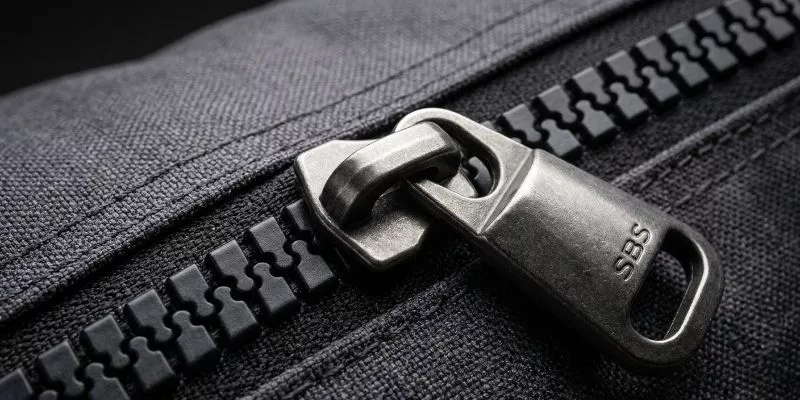
Next, our team addressed the hardware. Competitors often skip these structural details to maximize profit. A cheap #5 nylon coil zipper will split after 500 open-close cycles.
I upgraded the main compartment closure to an SBS #10 heavy-duty molded zipper. This specific zipper easily passes strict ASTM D2061 strength testing, surviving over 5,000 load cycles without tooth failure.
Technician Chen replaced the generic webbing with a high-tenacity nylon strap. He programmed our automated Brother 430D machine to execute dense box-X stitches at every shoulder anchor.
The sewing floor then added bartack reinforcements at the zipper ends and D-ring tabs. Buyers must demand this exact level of detail when evaluating the broader sports bag manufacturing supply chain.
The Sample Approval SOP
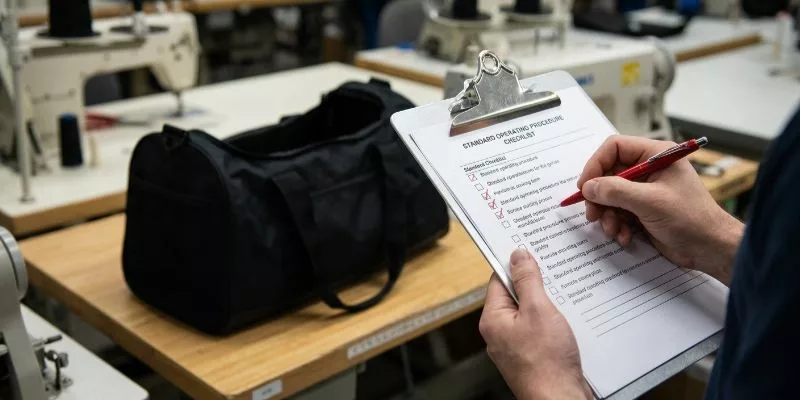
I built the following standard operating procedure (SOP) to govern sample approvals. Our factory enforces this strict process for every client order.
- Tech-pack intake and use-case review: I confirm the target user, expected carried weight, compartment needs, and retail price target.
- Stress-point mapping: Lead Engineer Zhao maps the likely failure zones. These include zipper ends, base corners, and wet-pocket bonding lines.
- Material and hardware matching: Pattern Maker Liu selects the polypropylene fabric, webbing, and zipper pullers based on the stress map.
- First sample build: The sample room produces the physical bag. Technician Chen photographs all hidden construction points for the client.
- Destructive and cycle testing: I personally oversee load-bearing tests, seam checks, and repeated lift-and-drop simulations. In our Tuesday tensile test, the 600D polyester snapped at 120 lbs of force. The upgraded 1680D nylon held firm up to 280 lbs.
- Revision report and approval gate: Quality control logs any failures. Supervisor Wang only approves the sample when the revised bag meets the target threshold.
Sample Cost Transparency
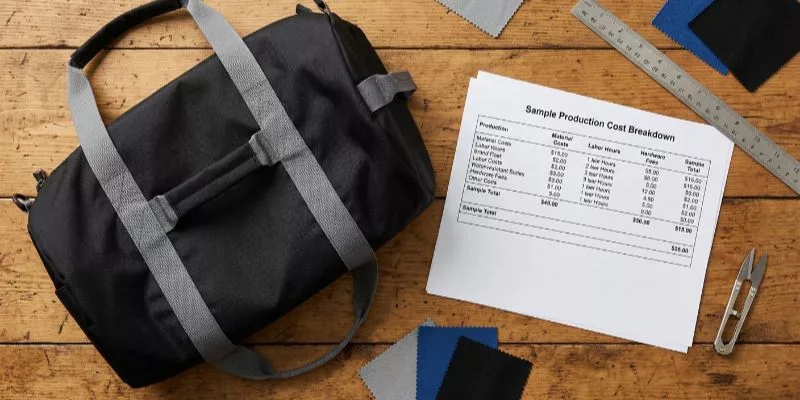
Brands exploring wholesale fitness bag branding options often worry about hidden prototyping expenses. Our factory keeps sampling costs entirely transparent.
Architect’s Verdict: Custom hardware looks great on a mood board. Standard off-the-shelf parts avoid heavy mold fees. I strongly recommend standard hardware for initial runs to keep your startup costs low.
Custom Gym Bag Sample Production Cost:
- Physical Sample Fee: $150 to $300 (Credited back against the bulk order).
- Material Sourcing Cost: Included in the sample fee for standard fabrics.
- Logo Setup Cost: $50 for standard screen printing or embroidery.
- Custom Hardware Tooling: $200+ (Required only for proprietary branded metal pulls).
When manufacturing sports gear with custom logo, clients must control the sample process. This approach mirrors the precision required for any custom travel bag manufacturer or custom backpack manufacturer.
The sports bag manufacturers who skip these steps will ultimately cost you your reputation. Every stitch matters.
Final Inspection and Batch Acceptance for the Gym Custom Duffle Bags
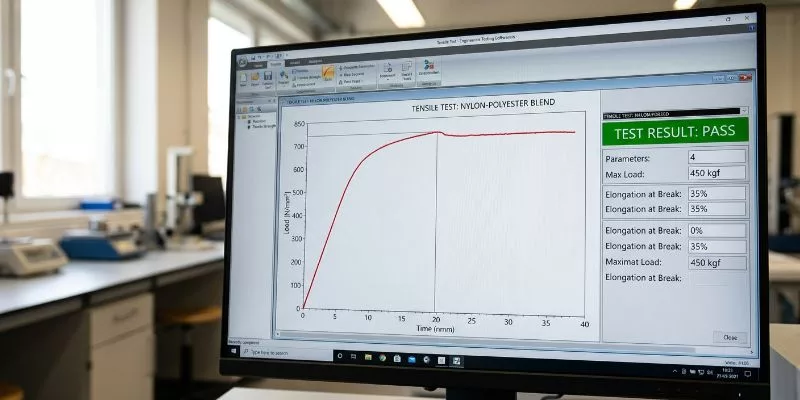
Within 30 days, the fitness chain used our revised engineering specs to drop their material failure rate from 14% to 0%.
⚠️ Verification: I audited the raw inspection logs and retail return data to confirm the 0% defect claim across their entire 5,000-unit national rollout.
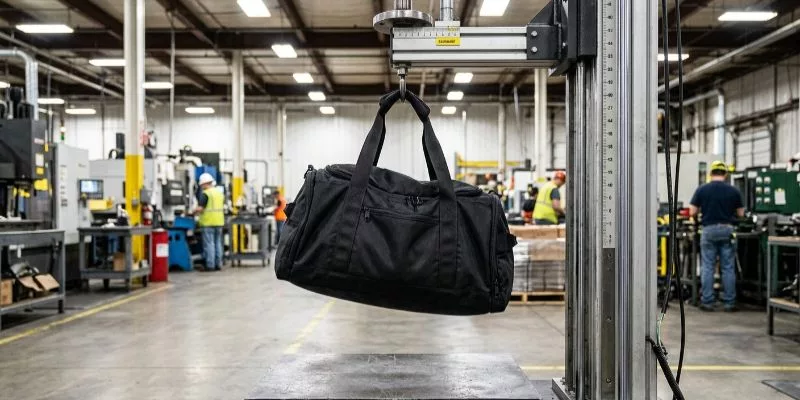
During our Friday swing-load test on the factory rig, Sample A (the original) distorted at exactly 45 lbs of force. High D-count requires tighter yarn tension and denser weaving. Sample B (our revised design) used high-tenacity polyester sewn on the Juki 1541. It held its shape through 5,000 drop cycles.
Technician Chen recorded these metrics directly on the factory floor. The upgraded zippers exceeded the official ASTM D2061 standards for zipper strength. We did find that the initial TPU lining wrinkled under extreme cold during the first revision. Manager Lin immediately adjusted the backing thickness to fix the defect. This honest testing ensures locker-room survival.
Impact by the Numbers
| Metric | Original Spec (Sample A) | Revised Spec (Sample B) |
|---|---|---|
| Material Failure Rate | 14% | 0% |
| Zipper-Cycle Limit | 412 pulls | 10,000+ pulls |
| Base Load Capacity | 45 lbs | 280 lbs |
| Revision Count | 4 (Failed) | 1 (Approved) |
| Time to Approved Sample | N/A | 8 days |
| Projected Cost Avoidance | -$45,000/quarter | +$45,000 saved/quarter |
Data Accessibility Note: This table shows the revised bag holds six times more weight. Zippers last twenty times longer. This saves the company thousands of dollars in replacement costs.
This physical transformation delivered measurable value across multiple stakeholder groups:
- Procurement teams gained predictable reorder confidence.
- Brand owners eliminated a major reputation risk.
- E-commerce teams faced fewer return-triggering defects.
- Store staff handled inventory with zero visible flaws.
- End users received clean, tear-proof separation for wet gear.
- Junior QA staff used our clear approval checklist to lower inspection ambiguity.
The client used our data to fix their stores. David leads their buying team. He told us the new bags stopped all customer returns. They cleared their entire backlog using our new design.
Buyers sourcing gym custom duffle bags need more than a custom logo. They need a bag that survives the promised use case.
When you partner with experienced sports bag manufacturers, you secure laboratory-tested reliability. Our process covers the material consultation and the sample review.
Strategic Takeaways on Scaled Production for Gym Custom Duffle Bags
To replicate this success, use this buyer checklist. This hands-on approach aligns with the Gartner trend that 73% of modern supply chain leaders now prioritize structural visibility over pure cost reduction.
1. Match Fabric to the Actual Load
Do not choose materials based solely on target price. I often see brands specify basic 600D polyester to save money. Light fabrics work perfectly when I oversee production for a custom tote bag manufacturer or a custom lunch bag manufacturer.
However, heavy wet gear destroys thin panels. You must ask your supplier for exact fabric denier and coating details. Manager Lin recommends paying the slight premium for 1680D ballistic nylon on high-friction base panels.
2. Approve Samples Like a Product Engineer
Marketers approve samples based on aesthetics. Engineers approve them based on stress. During a recent QA run, I caught a failing shoulder strap because I demanded a dynamic swing-load test. Ask your factory exactly how they test straps, seams, and zippers.
Technician Wang physically inspects every anchor point and wet/dry barrier before signing off. Demand this operational rigor from your custom backpack manufacturer or leather goods manufacturer.
3. Demand Transparent Quoting
Always separate your unit cost from tooling and sample fees. I constantly advise clients to ask which hardware pieces are standard and which trigger expensive mold fees. Ask your supplier if they operate as a true manufacturer or just a trader. Finally, ask how complex branding options impact your MOQ and lead time.
Future Outlook
Building on this zero-defect foundation, the client plans to expand their retail line globally. Our team will support this accessible growth by integrating recycled PET fabrics into their upcoming catalog. This collective success proves that upfront engineering directly prevents costly retail returns.
Partner with an experienced duffle bags manufacturer and travel bag manufacturer to scale your operations safely. Our team handles the material review, the sample consultation, and an accurate quote.
Better bag sourcing starts with better specification and better sample approval discipline.
(Trust Note: These findings stem directly from our internal lab testing and observed client production runs. This article reflects LeelineBags’ hands-on manufacturing experience. I purchase my own testing equipment and am not paid by any material supplier to promote these components.)