
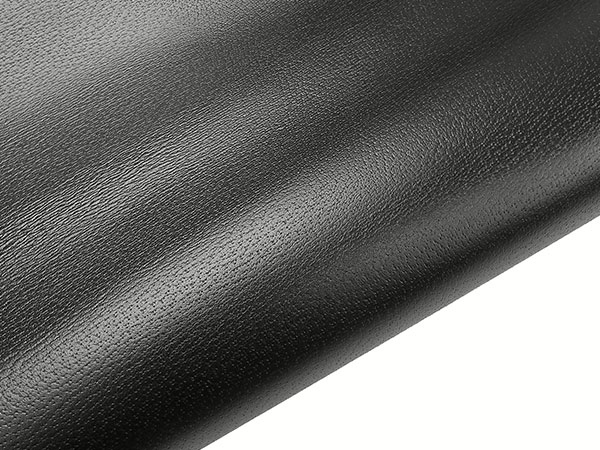
Pigskin leather stands as the world’s fourth most popular leather type. It makes up about 8% of yearly leather production - roughly 900 million square feet. This tough material matches cowhide’s durability but costs just $1 per square foot.
The choice between pig leather and cow leather depends on what you need. Many people ask “is pigskin leather good” or look at what custom handbag manufacturers suggest. The differences between these materials matter by a lot.
This detailed guide gets into pigskin leather and cowhide leather comparisons to help you shop smarter in 2025. You’ll find the main differences in how long they last, how they bend, what they look like, and what they cost. This knowledge helps you pick the right leather that fits your needs perfectly.
What is Pigskin Leather and Cowhide Leather?
Pigskin and cowhide are two popular choices in the leather industry. Each type has unique features that make them perfect for different uses.
Definition of pigskin leather
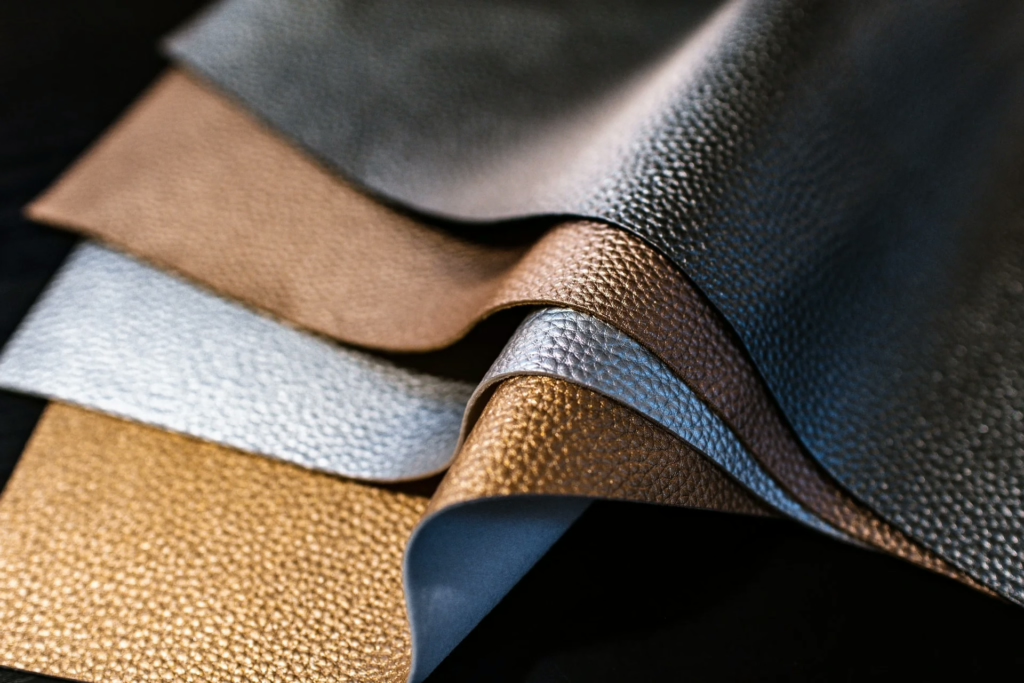
Pigskin leather comes from domestic pigs (Sus scrofa). It stands out from other leathers thanks to its unique grain pattern. You can spot it by looking at hair follicles that form triangular groups of three. Leather experts can identify this pattern right away.
The material is thinner than cowhide but packs denser fibers. This makes it incredibly durable and resistant to wear. Its natural porous structure creates tiny dimples that let air flow through easily.
Manufacturers began using pigskin in 1852. It was a cheaper option than goatskin. People loved it because it was both tough and flexible. Throughout history, its ability to stay flexible even when wet made it a valuable material.
Definition of cowhide leather
Cowhide leather comes from the natural, unbleached skin of bovine animals. The colors stay true to the animal’s original patterns, from solid shades to spotted designs. Since it’s a byproduct of the beef industry, cowhide is the most common leather source worldwide.
This leather type is one of the heaviest available and is famous for its strength and durability. It holds up well against scratches, tears, heat, and moisture.
A typical cowhide weighs about 25 kg (55 lb) and covers roughly 4.5 m² (50 ft²). Its large size makes it great for many projects that need tough materials.
How each leather is sourced and processed?
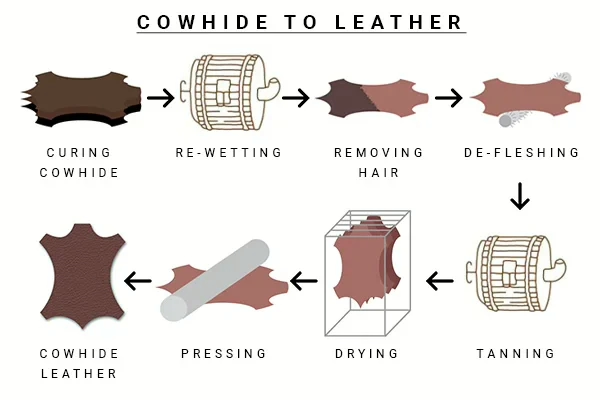
Both materials start as byproducts of meat production and go through similar processing. The main difference is their origins. Cowhide is popular in Western and African areas. In contrast, pigskin is found more in Asian countries, where pork is a common food.
The leather-making process has several important steps:
- Harvesting and preservation: Workers salt or brine cure the skins right after slaughter to stop decay. About 70% of hides worldwide get preserved before processing.
- Pre-treatment: The process starts with cleaning the hides. This includes soaking, removing hair, and scraping off impurities.
- Tanning: This vital step stops decomposition. Manufacturers use either chromium salts (more common) or vegetable tannins. Bookbinders usually prefer vegetable-tanned pigskin.
- Finishing: The final touches involve stretching, drying, and dyeing. Some manufacturers add protective coatings to make the leather look better and last longer.
Quality can vary a lot between pieces. Cowhide’s quality depends on many things - what the cow ate (grass or grain), its age, breed, weather conditions, and where it lived.
Pro Tips:
” Prioritizing pigskin leather from suppliers who implement closed-loop tanning processes can significantly reduce environmental pollutants, making your leather sourcing more eco-responsible without compromising product quality. “
— Centurion Leather, TANNERS, MANUFACTURERS AND EXPORTER OF ALL KIND OF VERY FiNE QUALITY OF CRUST, FINISH OF COW, BUFFALO.
Key Differences Between Pigskin and Cowhide
The way pigskin and cowhide are built and perform creates clear advantages for different uses. These differences will help you pick the right material for what you need.
1. Durability and strength
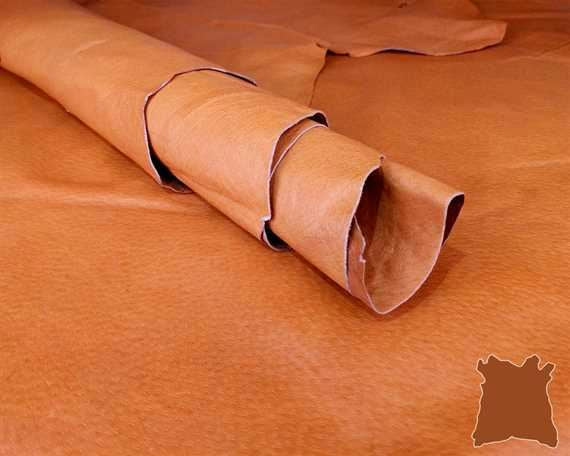
When we analyzed the fiber makeup, we found why these leathers work differently. Pigskin leather has thick fiber bundles that weave together tightly, which makes it strong and resistant to wear. This internal structure means pigskin is almost as tough as cowhide even though it’s thinner.
Cowhide is one of the heaviest types of leather you can find, and its thickness makes it really tough. When it comes to handling rough wear, cowhide beats pigskin in heavy-duty uses. That’s why it’s the top choice for construction work and places with constant friction.
2. Flexibility and softness
The original feel of cowhide is pretty stiff and needs some breaking in. But once you condition it properly, it becomes soft and supple with a nice feel to touch.
Pigskin, feels flexible right from the start and gets even better as you use it. This natural bendiness makes it perfect for things where you need good finger movement, which is why it’s used so much in gloves. When making custom handbags, craftspeople often pick pigskin for smaller items that need to flow and move naturally.
3. Breathability and comfort
Pigskin’s biggest strength is how well it breathes. Its natural holes let air flow through really well, which means less sweating during long wear or in hot weather.
The way pigskin breathes also makes it much cooler to wear in summer. Cowhide is denser, so while it doesn’t ventilate as well, it keeps you warmer in cold weather.
4. Water resistance and weather performance
Neither leather is fully waterproof, but they each handle water their own way. Cowhide keeps light rain out at first but gets really stiff after it dries. This stiffening can lead to cracks over time if it keeps getting wet and dry.
Pigskin stays flexible even when it gets wet. Its high lanolin content helps it dry soft without getting stiff, but its porous structure means water soaks in more easily.
5. Visual texture and appearance
Pigskin has a special surface texture with visible groups of three pores where bristles used to be. This creates a unique dimpled pattern that looks great in casual items.
Cowhide’s surface is smoother and more refined with a natural shine. Its fine, even pore pattern gives it that classic leather look that works so well in formal pieces.
Use Cases: Which Leather Works Best for What?
Choosing the right leather for specific uses depends on how material properties work in ground performance. Different leather types excel in various environments based on their unique features.
Custom handbag manufacturers: which leather to choose?

Pigskin gives custom handbag manufacturers good value at around $5 per square foot with solid performance. The thin, soft texture works especially well for linings and smaller accessories.
Cowhide bags offer premium durability and classic looks but cost more.
Footwear and accessories
Pigskin footwear excels where you need breathability and flexibility. This leather bends easily when wet, which makes it great for shoes that might get damp occasionally.
Cowhide works best for tough footwear. Its tough, thick texture gives added strength. This is true for styles like Apache, which are treated with wax and oil for waterproof outdoor shoes.
Cost, Availability, and Sustainability
Economic factors greatly influence leather selection. Their impact goes beyond just physical properties. Choosing materials wisely requires understanding costs, sourcing options, and environmental impacts.
Price comparison
Pigskin leather stands out as substantially more cheap. Standard grades cost about $1 per square foot, making it one of the most affordable natural leathers you can find. Higher quality versions might cost up to $5 per square foot. This makes it an cheap solution for custom handbag manufacturers looking for value.
Cowhide prices vary based on grade and processing. Standard cowhide costs between $3 to $6 per square foot. Premium grades can run $10-$15 per square foot. This price gap makes pigskin a great choice for projects that need natural leather qualities without breaking the bank.
Global availability and sourcing
Cowhide’s geographic story ties closely to the beef industry. Western nations and Africa lead production, which makes cowhide the most available leather source worldwide.
Asian markets dominate pigskin production. China and Vietnam take the lead because their pork consumption is nowhere near beef levels. China exports more pigskin leather than any other country, with Mexico being another big producer. Pigskin makes up about 8% of global leather production - that’s roughly 900 million square feet each year.
Environmental impact and ethical considerations
The Higg Materials Sustainability Index shows that cow leather affects global warming, water pollution, and greenhouse gasses more than synthetic or plant-based options. The leather industry’s sustainability claims need a closer look since cow hides make up just 10% of the animal’s value. This means the meat industry gets an indirect boost.
Chemical tanning creates major pollution problems for both materials. Chromium tanning, the most common method, releases harmful carcinogens into water supplies. The process needs about 250 liters of water to produce one kilogram of leather.
Plant-based leather alternatives are a game-changer for eco-conscious buyers. Materials from pineapple, mushroom, and cactus are great ways to get a smaller environmental footprint and avoid animal welfare issues.
Pro Tips:
” From a materials science perspective, when selecting leather for high-performance applications, consider pigskin’s microstructure which allows superior moisture vapor transmission, making it ideal for products requiring enhanced thermal regulation without sacrificing durability. “
— Peter (peter) Suen, leather and non-leather handbag/SLG and so on
Conclusion
Environmental impact is something to think about with both materials. You’ll need to balance their practical benefits against how sustainable they are when making your choice. Pigskin leather is breathable and flexible, while cowhide is durable. Knowing these differences helps you choose the leather that fits your needs and values.
Quality can vary a lot depending on where the leather comes from and how it’s processed. You might want to feel samples of both materials before you decide. This lets you experience their unique qualities firsthand. Choosing the right option will benefit you for years. It will offer a strong mix of performance, style, and practicality for your leather needs in 2025 and later.
Looking for custom handbags in different leather fabrics? Contact us at info@leelinebags.com or visit leelinebags.com - we’re the best bag manufacturer China and ready to help!
Related reading:
-
The Truth About Togo Leather: A Luxury Expert’s Honest Review
-
10 Trusted Backpack Manufacturers in Vietnam (2025 Verified List)
Frequently Asked Questions About Pigskin Leather
1. What are the main differences between pigskin and cowhide leather?
Pigskin leather is thinner, more flexible, and breathable, with a distinctive dimpled texture. Cowhide is thicker, more durable, and has a smoother surface. Pigskin stays flexible when wet. Cowhide, but, resists abrasion and tough weather better.
2. Which leather is more cost-effective?
Pigskin leather is generally more affordable, typically priced at $1-$5 per square foot. Cowhide is more expensive, ranging from $3-$15 per square foot depending on quality. This makes pigskin an attractive option for budget-conscious projects requiring natural leather.
3. How do pigskin leather and cowhide compare durability?
Despite being thinner, pigskin leather is surprisingly durable due to its dense fiber structure. Cowhide is tough and resistant to abrasion. This makes it perfect for heavy-duty use. Both materials offer good longevity when properly cared for.
4. Are there environmental concerns associated with these leathers?
Both pigskin leather and cowhide leathers have environmental impacts. Tanning both materials can pollute water and uses a lot of water. Cowhide production is associated with higher greenhouse gas emissions. For those concerned about sustainability, plant-based leather alternatives may be worth considering.