
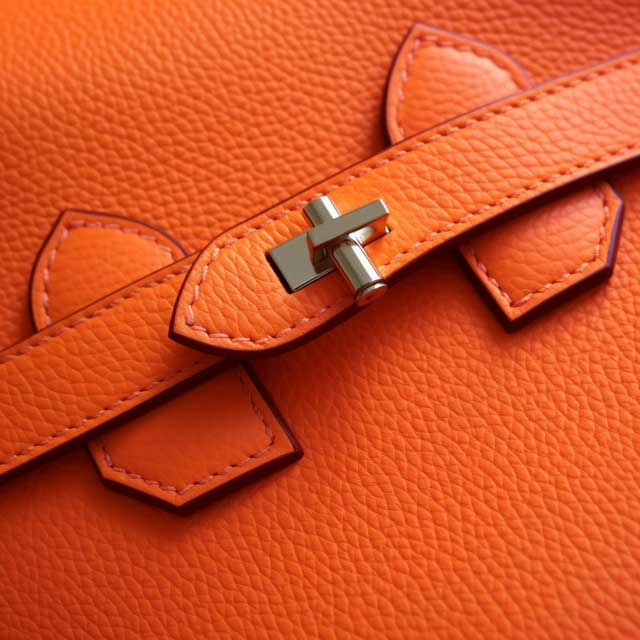
The creation of Togo leather demands an incredible 150 to 168 hours - a meticulous process that takes seven times longer than regular leather production. Hermès introduced this distinctive calfskin in 1997, and it has since become the life-blood of luxury leather goods,cherished by both heritage houses and custom handbag manufacturers seeking unparalleled craftsmanship.
This premium leather’s semi-matte finish and natural grain pattern immediately draw attention, but its true worth shines through its exceptional durability. Each piece develops its own unique patina as time passes and tells a distinctive story.
This detailed piece will help you decide if Togo leather deserves your investment, whether you’re thinking about a Birkin bag or want to know how it stacks up against Epsom or Clemence leather. Let’s get started!
| Category | Description |
|---|---|
| Name | Togo Leather (also called “Lychee Grain Calfskin”) |
| Specs | Approximately 1.2-1.6mm thick, lightweight, irregular natural grain texture, soft feel with a subtle matte finish. |
| Type | Calfskin (from young cattle), lightly embossed to preserve natural grain, minimal surface coating. |
| Features | 1. Soft & Durable: Resists deformation over time; feels like thick suede leather. 2. Scratch-Resistant: Grain hides minor scratches. 3. Breathable: Porous structure reduces stuffiness. 4. Aging Glow: Develops a natural sheen with use, not overly glossy. |
| Common Uses | Luxury handbags (e.g., Hermès Birkin), wallets, shoes—ideal for “casual yet refined” styles. |
| Care Tips | Avoid direct sunlight (prevents drying), wipe water spills immediately, condition with leather cream monthly. |
What is Togo Leather Really Made Of ?
Togo leather comes from baby calfskin and stands out with unique features that make it different from other premium leathers. This leather serves as the female version of Clemence leather and shows amazing versatility in luxury goods.
The unique grain pattern
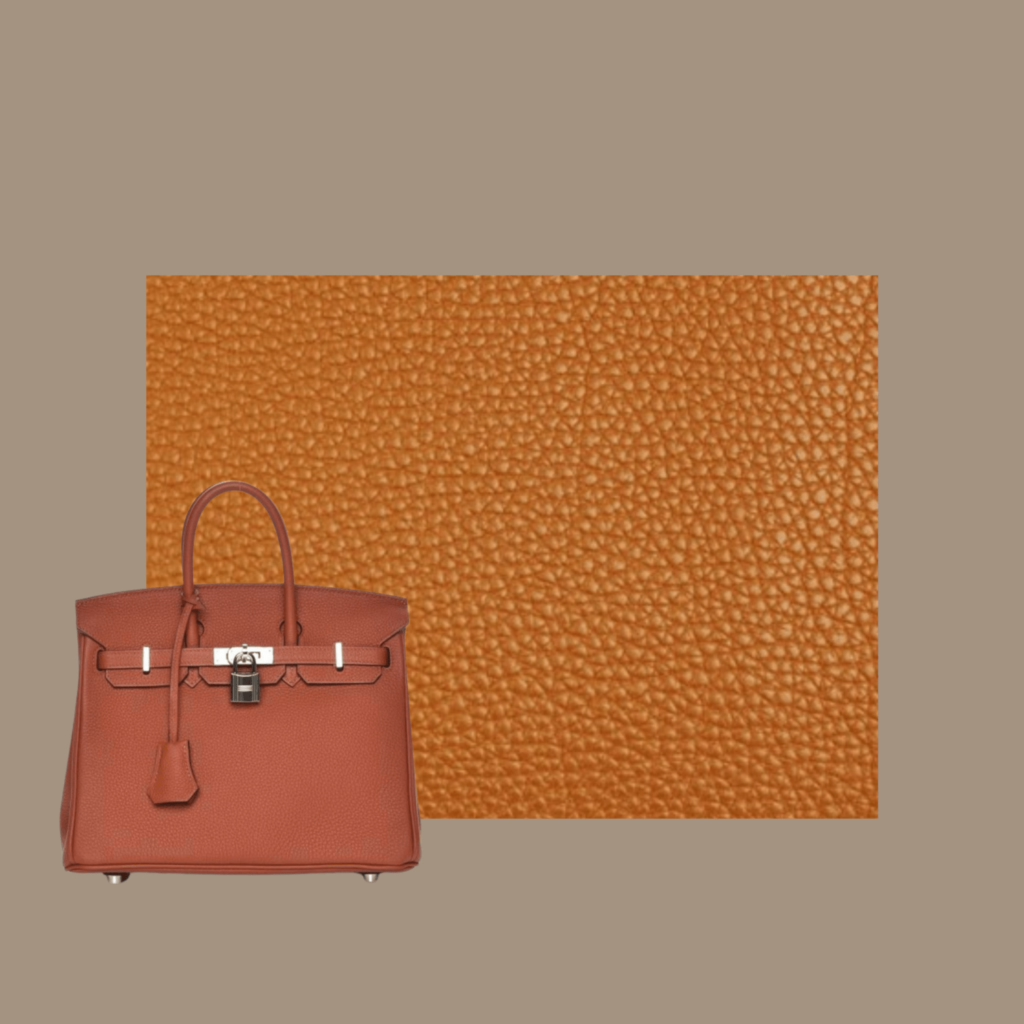
Togo leather’s surface has a soft pebbled finish with a signature fine-grained texture. The surface shows vertical veining that reflects light in a special way and helps hide scratches. Each piece gets its own character because these veins’ depth and prominence change between batches.
Production process
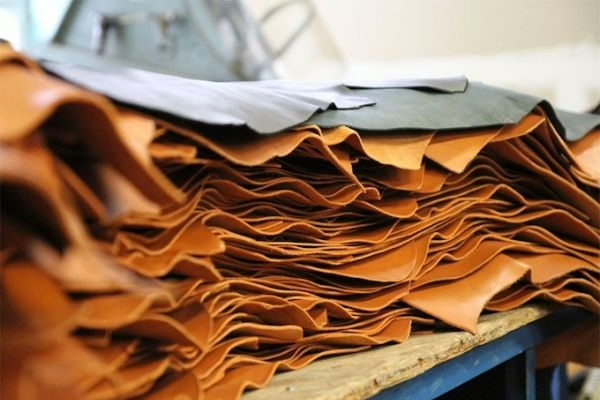
What is togo leather made of? Creating Togo leather needs an incredibly detailed process. The raw hide’s transformation into simple leather takes 150 to 168 hours - about 3 to 7 times longer than regular leather processing. Premium tanneries boost quality by using:
- Solar energy utilization
- Advanced water filtration systems
- Specialized grain enhancement techniques
The manufacturing process shrinks the textured surface by design, which reduces the skin layer’s area by 20%. This complex method gives the leather its special features and top-notch quality.
Quality indicators
Real Togo leather’s exceptional quality depends on several factors:
The material only comes from healthy calves with dense fiber structures. This careful selection will give a durable and supple product. The leather goes through both chrome and vegetable tanning processes, ending up 2.2 to 2.4 millimeters thick.
A semi-matte finish marks another quality indicator, along with these special features:
- Consistent round grain pattern across the surface
- Natural pebbled texture without artificial embossing
- The leather holds rich, deep colors well
- Light-reflecting properties that make scratches less visible
Togo leather looks great and keeps its shape really well, especially when used in luxury handbags and accessories. The material stays strong even with heavy items inside, making it perfect for everyday use.
The leather’s surface features add practical benefits - small pores and a naturally pebbled finish resist scratches while staying soft to touch. The leather gets better with age too, developing a beautiful patina through regular use.
Expert Advice:
” Optimize Togo leather’s colorfastness by employing hybrid tanning with 70% vegetable extracts and 30% chromium salts, ensuring UV-resistant pigmentation penetrates deeper into the dense grain structure for fade-resistant vibrancy across decades of use.“
— robin bauer, Head of Department Beauty, Luxury Brands & Leather Goods
How Togo Leather Performs in Real Life ?
Togo leather’s value goes beyond its luxury looks. The leather shows its true worth in real-life use. Tests and user feedback have given us a clear picture of what makes this premium material special.
⑴ Durability test results
Togo leather’s fine-grained texture naturally fights off daily wear. Its pebbled surface keeps scratches away and helps the leather look new even with regular use. The corners might show some scuffs, but professional restoration works well to fix these marks.
The leather’s strength comes from its dense fiber structure. Proper care makes Togo leather stronger as time passes, and it lasts five times longer than regular fabrics. This makes it perfect for items you use often, like handbags and wallets.
⑵ Weather resistance
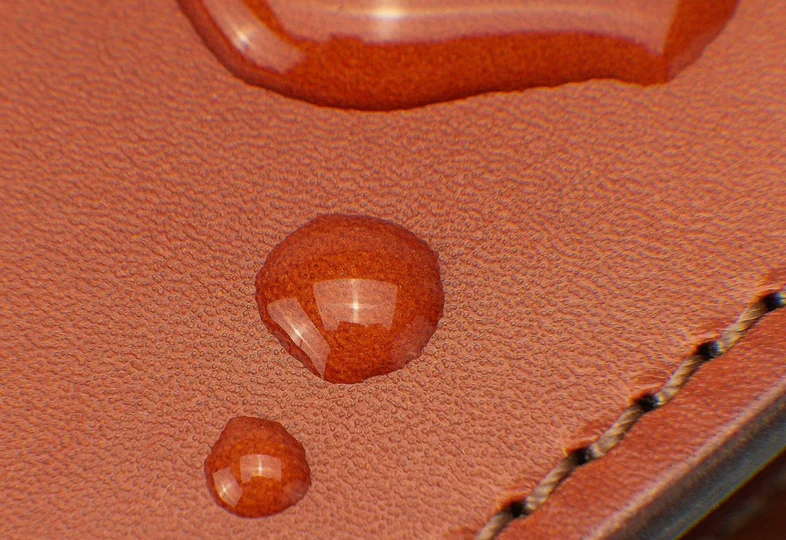
This leather stands up well to different weather conditions. It repels light rain, which helps protect your accessories from unexpected showers. Notwithstanding that, too much water can harm it, so you need to be careful when it rains.
Heat exposure is a vital thing to watch out for. Direct sunlight and high temperatures can cause:
- Color fading, darker shades suffer more
- Changes in the leather’s structure
- The leather might dry out and crack
⑶ Aging characteristics
The best part about Togo leather is how beautifully it ages. Time gives the material a patina - a natural shine that adds character instead of taking away from it. Each piece becomes unique art that changes with its owner.
Regular use makes the semi-matte finish a bit shinier. Of course, this progress doesn’t hurt its structure. The leather gets softer while keeping its shape and form.
Your Togo leather items will last longer if you keep them in a dry place, away from heat. Using special leather care products helps keep its beauty. Just stay away from harsh cleaners - they can damage the surface.
Common Myths About Togo Leather
People often misunderstand Togo leather, and these misconceptions mostly stem from its premium status in the luxury market. Let’s get into these myths through factual evidence and expert explanations.
▲ Price vs quality debate
Most people think Togo leather’s high price only reflects brand positioning. But the material’s cost directly relates to its superior craftsmanship and durability. Togo leather comes exclusively from carefully selected full-grain calfskin, which ensures optimal fiber density and natural characteristics, unlike lower-grade alternatives.
The discussion usually focuses on comparing Togo with other premium leathers like Epsom. Epsom’s heat-stamped grain can flatten and show white marks underneath when scratched. In stark comparison to this, Togo’s natural grain pattern keeps its integrity through years of use. This natural durability makes its luxury market position worthwhile.
▲ Maintenance requirements
A common myth suggests that Togo leather needs complex maintenance routines. The reality shows this leather needs very little maintenance. Simple care guidelines include:
- Staying away from harsh cleaning agents or DIY solutions that can harm the leather’s natural properties
- Keeping it safe from long exposure to intense light and heat
- Using a soft, lint-free cloth to wipe immediately if water touches the surface
Many believe Togo leather needs weekly conditioning. The truth is that over-conditioning can clog the leather’s pores and make it unnecessarily greasy. You should condition every 3-6 months or when the leather feels noticeably dry.
Some think commercial leather care products work well for all leather types. In stark comparison to this, premium Togo leather works best with specialized care products made for its unique characteristics. Using wrong products, such as household soaps or DIY solutions like vinegar and baking soda, can remove natural oils and cause permanent damage.
The leather naturally resists contaminants and water, which makes routine cleaning simple. Unlike other luxury materials that need constant attention, Togo leather keeps its appearance with minimal care. It develops an attractive patina that improves its character over time.
Togo vs Other Premium Leathers
Knowing the difference between premium leather types helps you make informed decisions about luxury accessories. Each leather variant has unique characteristics that match your priorities and needs.
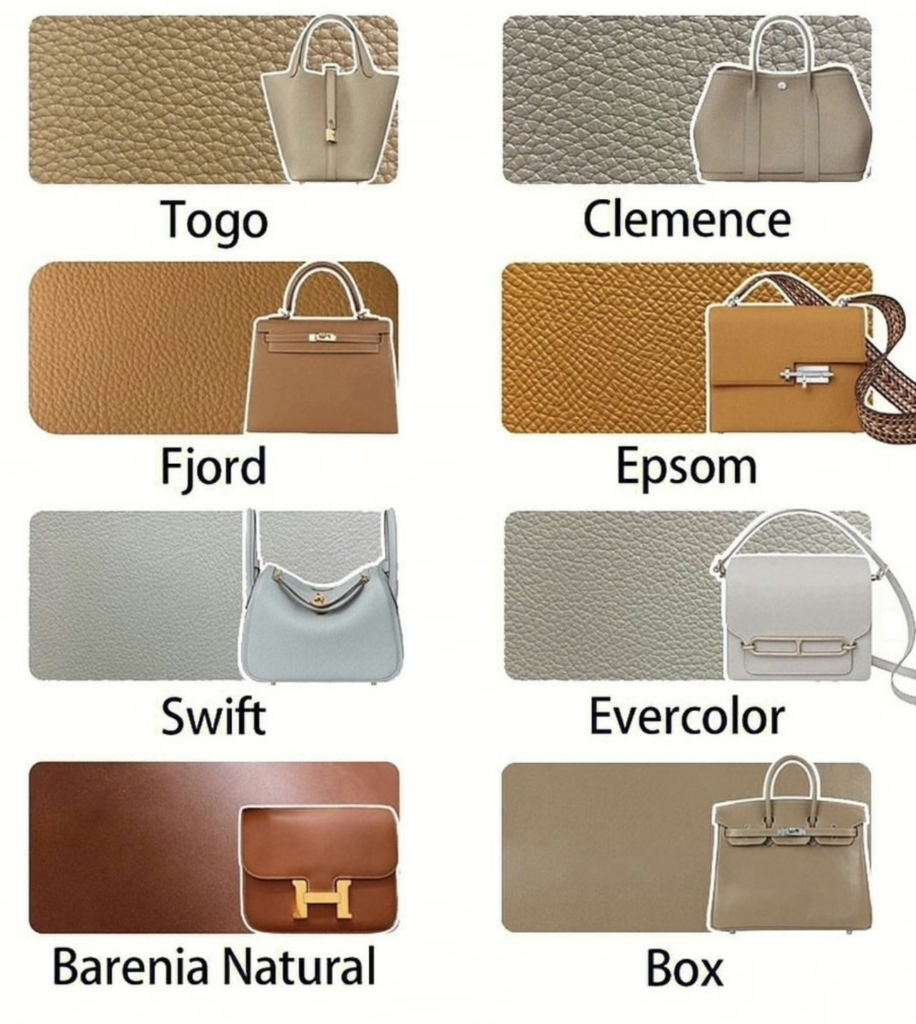
Epsom leather comparison
Epsom leather is different from Togo in its manufacturing process. This heat-embossed leather has uniform, pronounced grain and maintains a rigid structure throughout its lifetime. Though it weighs less, Epsom has several drawbacks:
- Colors look more vibrant because it absorbs dye better
- Scratches reveal white marks underneath that are hard to fix
- The grain pattern gets flat in areas you touch often
Clemence leather differences
Young bull hide creates Clemence leather, a thicker and heavier alternative to Togo. The key differences include:
- A larger, flatter grain pattern without the typical veining
- Higher oil content lets you rub out scratches easily
- A smoother feel with a semi-matte finish
- The leather tends to slouch more over time
Which leather suits your needs?
Your intended use should guide your choice between these premium leathers. Here are some factors to think about:
Epsom’s stiff nature and excellent water resistance make it perfect to create structured bags that keep their shape. A relaxed esthetic might lead you toward Clemence, with its unmatched suppleness and natural character.
Togo finds the sweet spot by combining durability with controlled slouching. This middle-ground position works especially when you have everyday use in mind, as it keeps its structure while developing an attractive patina.
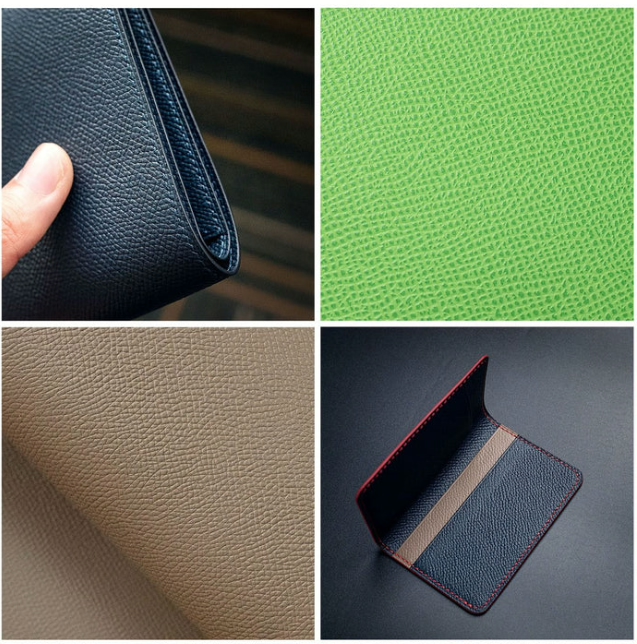
Epsom’s lightweight nature and scratch resistance are a great match for smaller accessories like wallets. Larger bags work better with Togo’s superior weight distribution and natural grain pattern.
Note that Clemence might be too heavy for smaller items but shines in larger pieces where its softness creates an appealing, relaxed look. Each leather ages in its own way - Epsom stays consistent, Clemence develops a relaxed character, and Togo achieves an elegant balance of both qualities.
Expert Advice:
” When crafting structured togo leather bag, reinforce stress points with double-stitched seams and tempered steel frames to counteract its natural pliability while maintaining the signature pebbled texture. This prevents sagging in box-style designs without compromising tactile appeal.“
— Shristi Chauhan, Fashion Designer || Fashion Stylist || Luxury Bag Designer || Garment Designer
Conclusion
Togo leather definitely stands as a remarkable achievement in luxury leather craftsmanship. Each piece takes more than 150 hours to make. It has unique traits, like its grain pattern and famous durability.
Your Togo leather investment delivers exceptional real-life performance. The material naturally resists wear. It also develops a lovely patina. This makes it ideal for luxury accessories. Simple care routines keep your Togo leather items looking great. You don’t need a complex maintenance schedule.
This leather’s balanced properties make it unique compared to Epsom and Clemence alternatives. Epsom gives structure. Clemence adds softness. Togo combines durability and elegance perfectly. A custom handbag that showcases these premium qualities might interest you. You can reach us at info@leelinebags.com or visit leelinebags.com to explore custom togo leather bag,or tote manufacturers tailored to your priorities.
Helpful Readings:
- What is Crocodile Leather: Properties, How its Made and Where?
- What is Fish Leather: How it’s Made and Where?
- Top 8 Backpack Manufacturers China
Frequently Asked Questions About Togo Leather
1. What makes Togo leather unique compared to other premium leathers?
Togo leather features a unique pebbled texture, vertical veining, and a soft, semi-matte finish. It strikes a balance between durability and elegance. Over time, it develops a lovely patina but keeps its shape and structure.
2. How long does it take to produce Togo leather?
Togo leather takes 150 to 168 hours to produce. That’s 3 to 7 times longer than regular leather processing. This meticulous craftsmanship contributes to its superior quality and unique characteristics.
3. Is Togo leather water-resistant?
Togo leather offers mild water resistance, providing some protection during light rain. But, long exposure to water can harm Togo leather. So, handle Togo leather items carefully in bad weather.
4. How does Togo leather age over time?
Togo leather gets better with age. It develops a unique patina that adds to its charm. The leather becomes increasingly supple with use while maintaining its essential shape and form.
5. What are the maintenance requirements for Togo leather?
Contrary to popular belief, Togo leather is relatively low-maintenance. Basic care involves:
- Avoiding harsh cleaners.
- Protecting from too much light and heat.
- Conditioning every 3-6 months or when the leather feels dry.
Using the leather regularly and doing little to it helps it develop a nice patina on its own.