
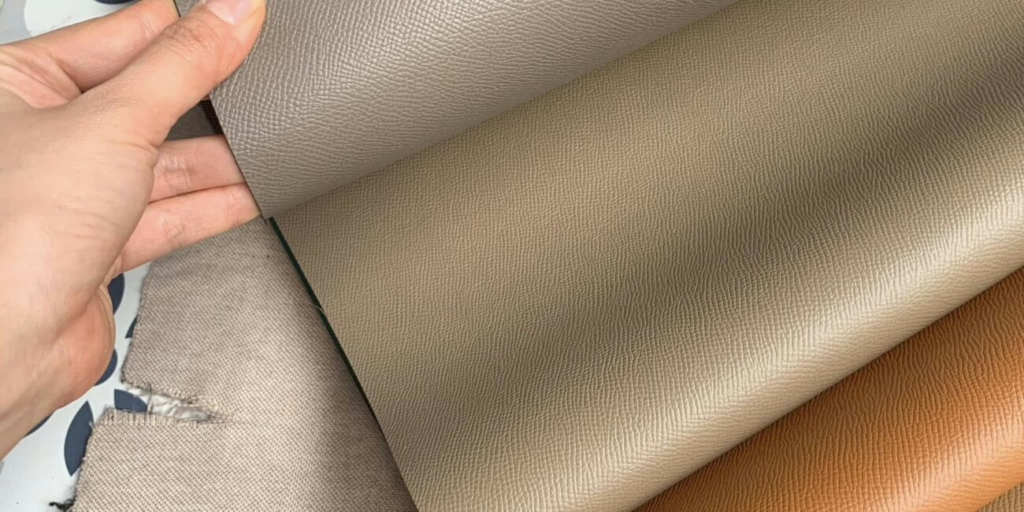
Have you noticed the buzz around Epsom Leather in the fashion world? This material is taking luxury by storm—but what exactly is it? Understanding the nuances of Epsom Leather can position you ahead of the competition. Custom bag manufacturers are increasingly seeking this upscale material, ensuring your products stand out in a crowded market.
This article reveals the key facts, history, and reasons why Epsom Leather is popular now. We’ll look at what makes Epsom Leather a top choice for custom bag makers. We’ll cover its definition, Hermès’ use of it, and current market trends. Understanding its qualities helps you make smart choices. This can improve your products and please your clients.
Don’t miss this chance to discover the latest in luxury materials! Ready to transform your bag line? Stay tuned! We will explore the exciting world of Epsom Leather. Here, quality meets innovation!
What is Epsom Leather?
It is a high-quality calfskin. It has a distinct embossed grain pattern and is very durable. Epsom leather was introduced in 2004. It offers a modern option to Courchevel leather. Now, it is becoming more popular in the luxury market.
Key Characteristics of Epsom Leather
- Features a fine crosshatch pattern embossed onto the surface. Very scratch-resistant and tough for daily use. Its rigid design helps it keep its shape well.
- Weight: Lightweight compared to other full-grain leathers, which makes it versatile.
- Finish: Semi-matte with a slight sheen, giving it a refined look.
- Water Resistance: Moderately water-resistant, suitable for various environments.
- Color Retention: Excellent dye uptake ensures vibrant hues that last.
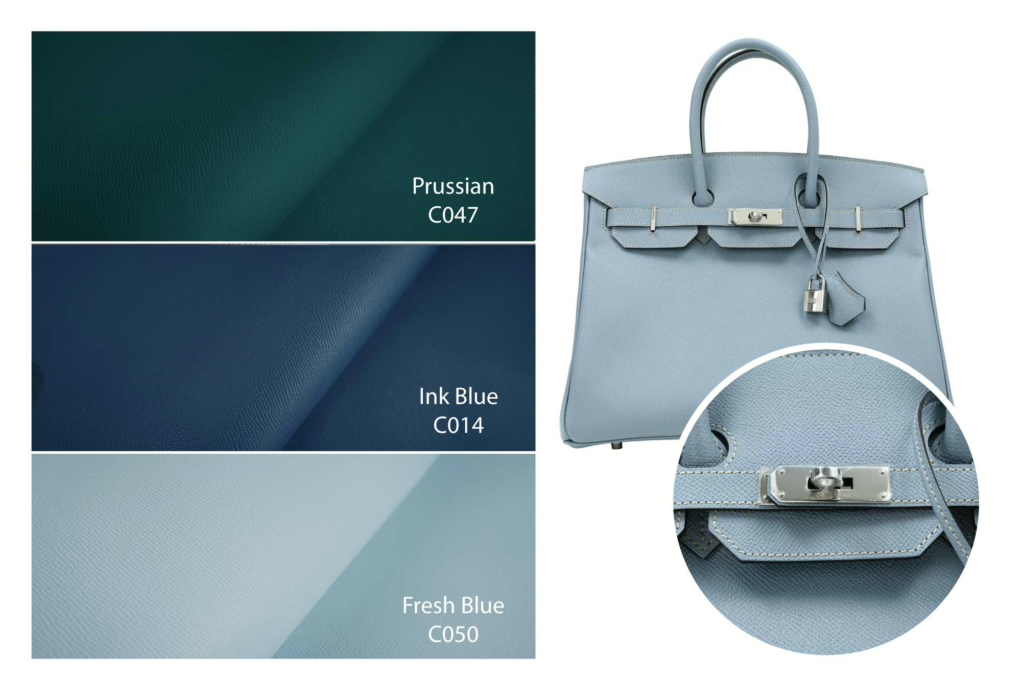
You’ll find Epsom leather in a range of luxury products, including:
- Handbags
- Wallets
- Watch straps
- Small leather goods
Top brands like Hermès use Epsom leather. This material makes their pieces both beautiful and strong. This leather is 1.5 to 1.8 mm thick. It has a stiffness rating of 4 out of 5. This makes it great for structured accessories.
While Epsom leather does not develop a patina like some other leathers, it maintains a lasting appearance with proper care. To clean, simply wipe it with a damp cloth and avoid excessive moisture or heat exposure.
Expert Advice:
” Insist on tanneries that provide ISO 17025-certified scratch resistance and colorfastness reports for each Epsom batch, 23% of ‘premium’ suppliers fail to meet Hermès-grade crosshatch depth (0.3-0.5mm) critical for structural integrity in bag frames.“
— Allen, Baoding Baigou TianShangXing bags leather goods co.ltd Sales Manager
Origins and Production
Epsom leather has its roots in Epsom, England, where it originated in the 19th century. This leather comes from top-quality calfskin. It’s made using a special tanning and embossing process.
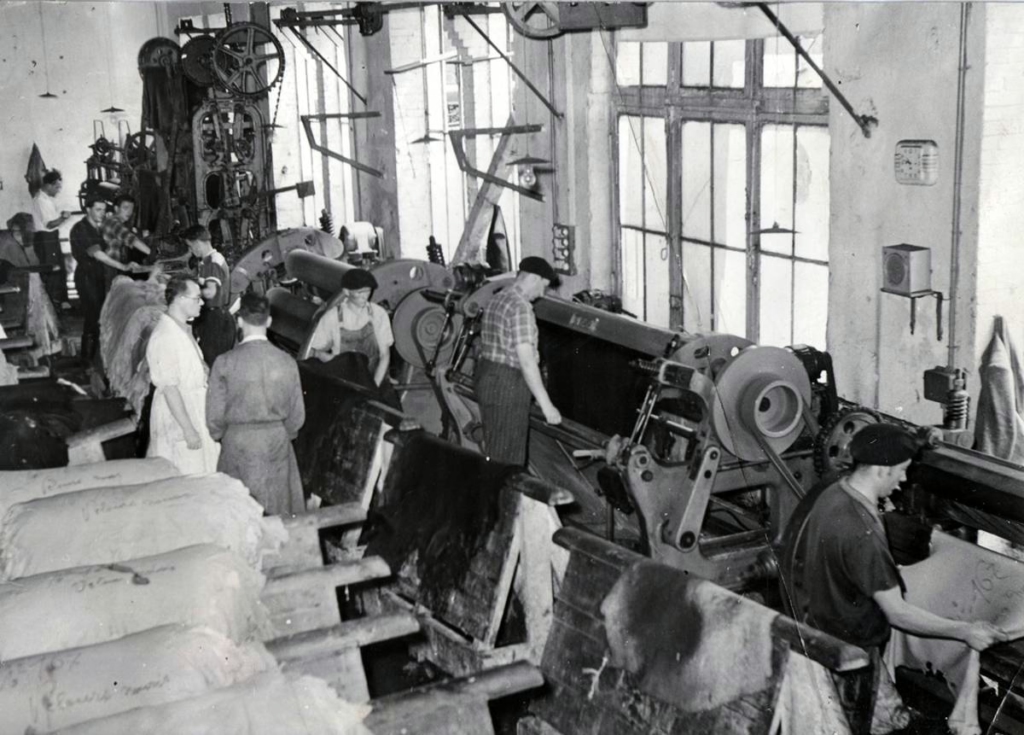
Today, it is refined by European tanneries like Tanneries Du Puy (acquired by Hermès in 2015) and Haas, ensuring you receive historically validated craftsmanship combined with modern innovation. By partnering with these tanneries, you secure access to traceable, high-quality calfskin—a critical advantage for brands prioritizing authenticity and heritage in their storytelling.

Advanced Production Process
The six-step production process ensures consistent quality and customizable aesthetics, directly benefiting your luxury product line:
- Calfskin Selection: Choose only hides with no scars or flaws. This ensures your products begin with perfect raw materials.
- Chrome Tanning: Enhances durability and water resistance, reducing returns due to wear and tear.
- Heated Embossing: Cross-hatch patterns are pressed into the leather using heated plates/rollers, creating a structured, rigid material ideal for maintaining bag silhouettes.
- Wax/Resin Finish: Adds a protective layer that resists scratches and simplifies cleaning—key for customers valuing low-maintenance luxury.
- Vibrant Dyeing: The compressed fibers absorb dyes evenly, allowing you to offer bold, fade-resistant colors that stand out in competitive markets.
- Quality Grading: Rigorous inspections ensure every piece meets luxury standards, minimizing defects in your supply chain.
Why Epsom Leather is Trending?
It is gaining popularity for several compelling reasons that benefit you as a consumer.
Epsom leather is highly resistant to scratches, scuffs, and water damage. You can easily clean it with just a damp cloth, making it perfect for everyday use and travel. Despite its rigidity, it is surprisingly lightweight. This makes it ideal for bags that maintain their shape over time without adding bulk.
Vibrant Color Options: This type of leather takes dye exceptionally well, offering a wide range of vivid colors. If you want bold, eye-catching accessories, It is a great choice.
Popularity Among Luxury Brands: High-end brands like Hermès use Epsom leather in iconic products like the Birkin bags and Kelly bags. Owning such items not only enhances your style but also elevates your status.
Modern Aesthetic: Epsom leather has an embossed cross-hatch texture. This gives it a trendy, modern look. It highlights clean lines and structured shapes, fitting well with today’s fashion.
Social Media Appeal: It has a unique texture and bright colors. These features make it a favorite among fashion influencers. This choice gives you an edge in setting trends.
Sustainability Concerns: As a pressed leather, Epsom can be seen as a more efficient use of raw materials. This feature appeals to environmentally conscious consumers like you.
Popular Uses of Epsom Leather
Epsom leather is a top choice in the luxury fashion industry. Its durability and visual appeal make it perfect for various high-end products.
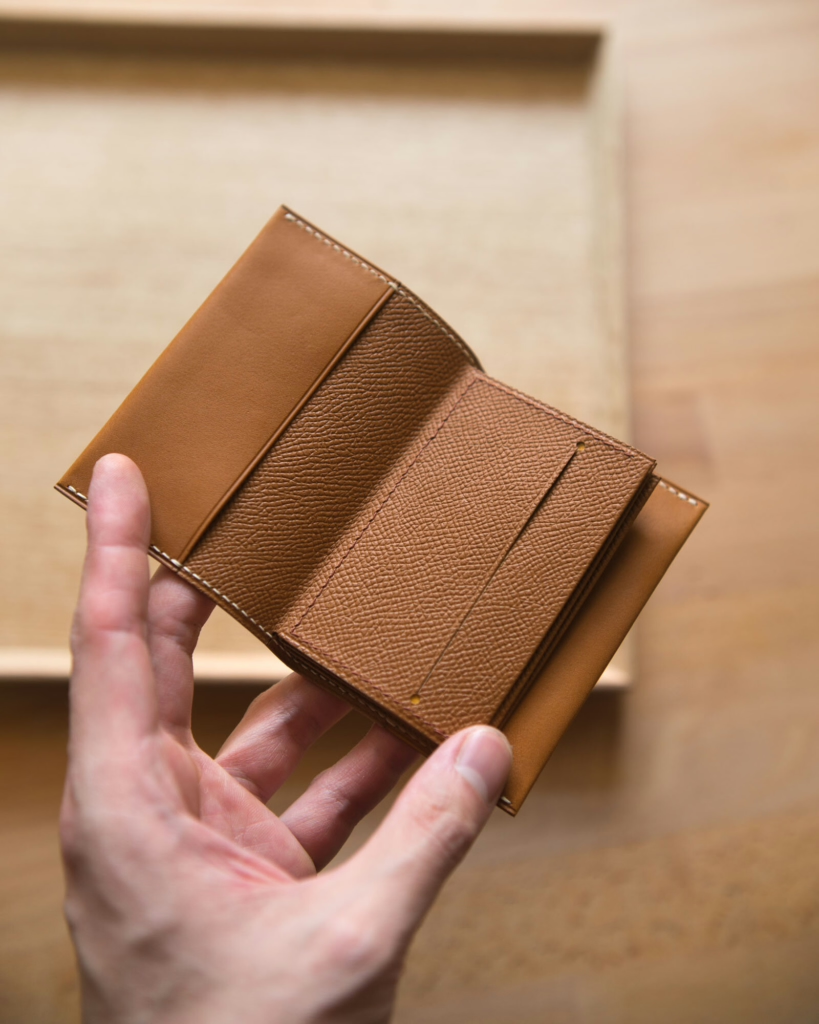
Key Applications of Epsom Leather
- Bags and purses
- Wallets and cardholders
- Keychains
- Phone cases
You will find that Epsom leather is scratch-resistant and water-resistant. It also features vibrant colors and is ideal for structured bags and accessories.
Luxury brands like Hermès use Epsom leather for their iconic Birkin and Kelly bags. These bags are especially popular in the structured Sellier style, where the rigid nature of Epsom helps them maintain shape over time.
In the watch industry, brands like Hermès, Cartier, and IWC offer Epsom leather strap options. The durability and crisp look of Epsom make it a great choice for luxury timepieces.
Fashion houses like Louis Vuitton, Gucci, and Prada use Epsom leather in some designs. But, it’s most closely linked to Hermès products.
Epsom vs. Other Leathers
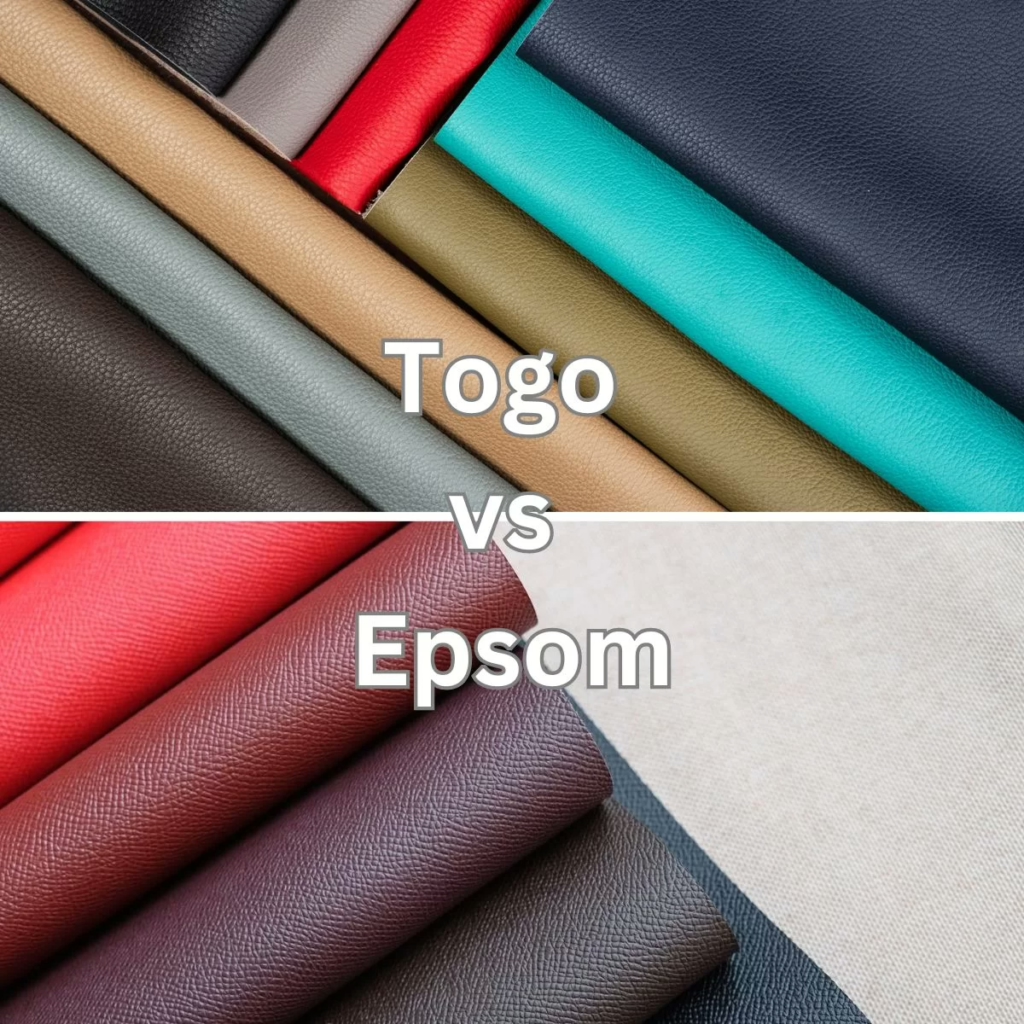
Epsom leather stands out due to its unique characteristics when compared to other popular Hermès leathers.
| Feature | Epsom | Togo | Swift |
|---|---|---|---|
| Texture | Artificial embossing | Natural pebbled grain | Smooth, no texture |
| Weight | Lightweight (Birkin 30: 800g) | Moderate (Birkin 30: 1.2kg) | Light (Birkin 30: 700g) |
| Durability | High scratch resistance | Prone to fingernail marks | Susceptible to creasing |
| Best For | Structured bags | Casual tote bags | Evening clutches |
Key Differences
- Texture and Appearance: Epsom features a small, even grain with a cross-hatched pattern and a slight sheen. This gives it a more structured and rigid appearance, unlike softer leathers such as Togo leather or Clemence.
- Durability: Epsom is highly scratch-resistant and keeps its shape well over time. It’s also more water-resistant than many other leathers, making it a practical choice for daily use.
- Color Vibrancy: The leather absorbs dyes exceptionally well, allowing for bright and vivid colors that enhance the look.
- Weight: Epsom is lighter than other leathers like Togo or Clemence, which adds to its versatility.
- Care: Cleaning Epsom is simple—you can just use a damp cloth. It requires minimal maintenance, making it suitable for users looking for convenience.
Comparisons with Other Hermès Leathers
- Togo: Softer, with a pebbled texture; develops a patina over time.
- Clemence: Wider, flatter grain; heavier and tends to slouch.
- Swift: Smoother surface but more prone to scratches.
- Chèvre: Lightweight goatskin with a slight sheen.
Epsom is often chosen for structured bags, such as the Birkin Sellier and Kelly Sellier. Togo and Clemence are typically preferred for more casual styles. Since its introduction in 2004, Epsom has gained popularity, especially for special order bags due to its vibrant color options.
Sustainability and Ethical Considerations
Epsom leather, made from calfskin through chrome tanning, raises significant sustainability and ethical concerns. As a buyer, you need to know these issues before buying Epsom leather products.
Key Considerations
- Water Usage: Leather production consumes between 5,000 to 20,000 gallons of water per ton of hides, which can impact local water resources.
- Chemical Pollution: The tanning process adds around 300 kg of chemicals for every 900 kg of animal hides. If not treated properly, these chemicals can pollute waterways.
- Deforestation: The leather industry plays a big role in deforestation. In the Amazon, about 80% of deforestation is tied to cattle ranching.
- Animal Welfare: Practices such as dehorning and branding raise concerns about the treatment of animals in the leather industry.
- Worker Health: Tannery workers often face hazardous chemicals and challenging working conditions, which raises ethical concerns about labor practices.
Alternative Options
Choosing more sustainable alternatives may be beneficial for your environmental impact:
Synthetic Leathers: PVC-based vegan leathers can release toxins, while recycled water-based polyurethane (PU) provides a safer option.
Plant-Based Leathers: Options like cactus or apple leather offer environmentally-friendly solutions without compromising on style.
Sustainable Brands: Some brands focus on sourcing leather as a by-product of the meat industry, using vegetable-based tanning agents, and treating wastewater responsibly.
As you think about Epsom leather, consider its durability and luxury. Also, keep in mind the key environmental and ethical issues.
Expert Advice:
” Incorporating Epsom Leather into your designs, consider leveraging its structured nature to create bold, architectural silhouettes. This can be particularly effective in accessories like handbags or watch straps, where maintaining shape is crucial.“
— Shristi Chauhan, Fashion Designer || Fashion Stylist || Luxury Bag Designer || Garment Designer
Conclusion
Epsom Leather is a strong, water-resistant luxury material. It comes from Hermès’ innovation and is popular for its style and practicality. This leather gives businesses a great chance to produce top-quality items. It meets the demand for luxury and durability that consumers want. By investing in Epsom Leather, you can enhance your brand image and attract discerning customers.
Thinking of investing in Epsom Leather? Share your thoughts below or explore more luxury trends!
In summary, Epsom Leather combines durability and luxury, making it a trending choice for modern products. If you need custom leather goods or custom bags, please feel free to contact us: info@leelinebags.com or visit leelinebags.com.
Further reading:
-
What is Nubuck Leather: Properties, How its Made and Where
-
What is Saffiano Leather: Benefits and Uses in Fashion
Frequently Asked Questions About Epsom Leather
1. Is Epsom Leather suitable for outdoor activities?
While Epsom Leather has moderate water resistance, it is best to protect it from prolonged exposure to rain or extreme humidity to maintain its quality.
2. How does the price of Epsom Leather compare to other high-end leathers?
The price of Epsom Leather is generally comparable to other premium leathers, depending on the specific product design, brand, and market demand.
3. Can Epsom Leather be used for custom designs?
Yes, Epsom Leather is ideal for custom designs due to its versatility in color and texture options, as well as its structural properties that allow it to maintain unique shapes.
4. How does Epsom Leather perform in extreme temperatures?
Epsom Leather may experience slight deformation in extreme temperatures, but it generally maintains its structure and appearance under normal conditions.
5. Can Epsom Leather be combined with other materials?
Yes, Epsom Leather can be combined with materials like metal or fabric to create diverse design styles and functionalities.