
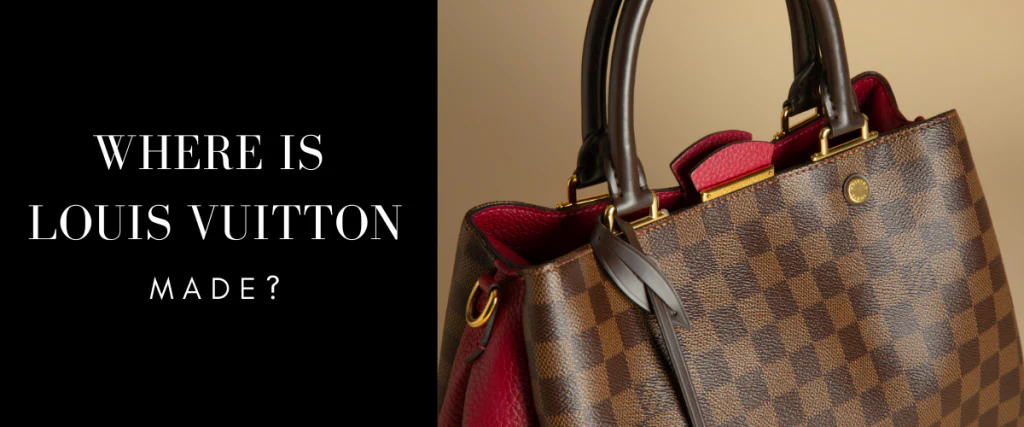
Where is Louis Vuitton made? If you are supplying custom duffle bags or looking into luxury custom duffle bag supplier, you need to know where is Louis Vuitton made its iconic products. Louis Vuitton is a top luxury fashion brand. It is known worldwide for its craftsmanship, heritage, and innovation. The brand’s reputation comes from its design and its global production network. It has high standards.
The location of Louis Vuitton’s production matters to consumers and businesses. For customers, knowing where a product comes from means it’s authentic and of good quality. For businesses, where a brand makes its products matters. It reveals its exclusivity, ethics, and supply chain.
Let’s takes you inside Louis Vuitton’s factories, shows how and where they make their luxury products. Discover the craftsmanship, innovation, and global reach of this iconic brand.
Where Is Louis Vuitton Made?
1. France: The Hub of Louis Vuitton Production
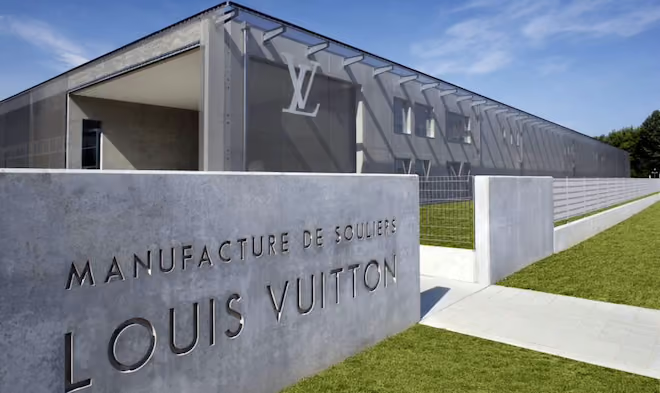
Louis Vuitton has a strong presence in France and that’s at the heart of its global production. The brand has key factories and ateliers across the country. They are vital for the high standards of craftsmanship and luxury that is Louis Vuitton.
Key Ateliers in France
- Azé and Vendome Ateliers: Louis Vuitton has invested heavily in its French production sites, including the Azé and Vendome ateliers. The Vendome site, located in a 11th century abbey, is a testament to the brand’s focus on quality. The renovation cost 20 million euros. Azé covers 6,500 m², Vendome 3,300 m² and has a dedicated team of leatherworkers for luxury bags.
- Beaulieu-sur-Layon Factory: This is Louis Vuitton’s factory of the future. It’s in Maine-et-Loire. Built in under a year, it spans 8,000 m². It has a “BREEAM Very Good” rating for its environmental standards. It was designed for sustainability and flexibility.
- Asnières Atelier: Asnières may not be as well known today but it’s one of Louis Vuitton’s historic ateliers. Famous for its traditional craftsmanship, this site has been part of the brand’s production since the early days.
Craftsmanship and Recruitment
French craftsmanship is at the heart of Louis Vuitton’s luxury. The company prides itself on preserving the traditional ways of making leather goods such as customized handbags, belts and more. The recruitment process for these ateliers is rigorous with simulation tests to assess dexterity, visual acuity and concentration, often supported by modern recruiting software. Those who pass go through extensive training which takes 12 to 18 months to complete.
These French factories and ateliers are the answer to where is Louis Vuitton made. By keeping a strong production presence in France, Louis Vuitton can offer products that are craftsmanship, luxury and heritage.
2. Spain: Leather goods
Louis Vuitton is well-known in Spanish brands handbags, especially in Catalonia. There, it makes high-end leather goods. The brand has several ateliers in the region. They aim to meet the global demand for luxury leather. They focus on craftsmanship and innovation.
Louis Vuitton Leather Goods Production Sites in Spain
- Barberà del Vallès: 3 production sites to increase capacity.
- Girona: A new 8,000 sqm site, much bigger than the previous 3,000 sqm, for handbags.
- Santa Perpètua de Mogoda: Another important workshop near Barcelona for leather goods.
Leather Crafting Expertise
The Spanish ateliers are home to skilled artisans. Louis Vuitton uses a mix of traditional know-how and modern innovation. This ensures its leather goods are of the highest quality.
Economic Impact and Employment
- Louis Vuitton has about 1,600 employees in Spain. Of those, 1,100 have new contracts with pay raises and upgraded job titles.
- Catalonia’s manufacturing generates about 240 million euros for the local economy each year.
Spain is vital to Louis Vuitton’s global production. It shows the brand’s commitment to luxury leather goods.
Expert Opinion:
“ For businesses, understanding where is Louis Vuitton made can inform sourcing strategies and highlight the importance of investing in skilled craftsmanship. By prioritizing artisan training and supporting local production, companies can enhance their brand identity and meet consumer expectations for quality and authenticity in luxury goods”
Merve Ece Topcu, Founder of Bagh Collection | Sustainable Leather Bag Designer & Manufacturer
3. Italy: Shoes and Ready-to-Wear
Italy is key to Louis Vuitton’s craftsmanship, especially in shoes and clothing.
Key Sites in Italy
Louis Vuitton has key sites in Italy. There, luxury and craftsmanship are paramount.
- Pontassieve (Tuscany): This site produces small leather accessories and handbags. It’s the third Louis Vuitton plant in Italy.
- Civitanova (Marche Region): A new 10,000 sqm footwear factory. 90 people, 70 of whom are skilled artisans, and it will expand in the coming years.
- Incisa and Rignano (Tuscany) are other important sites for leather goods.
Marche and Tuscany: Luxury Craftsmanship Hubs
The Marche region, and especially Civitanova, is renowned for its luxury shoe making. High-end brands, like Loro Piana, Fendi, and Prada, boost its reputation.
Tuscany is famous for its artisanal leatherwork. The region has multiple ateliers for Louis Vuitton and other LVMH brands, like Fendi and Celine. They aim to preserve traditional Italian travel bag brands know-how.
Louis Vuitton’s Commitment to Italian Craftsmanship
Louis Vuitton will preserve and develop Italian artisans’ skills.
- The brand will launch a program to teach shoe-making. It will pass on these skills for years to come.
- As part of its growth, Louis Vuitton will boost its Tuscany workforce from 270 to 450 in three years. New ateliers and a larger leather goods site will be built in Sieci, near Pontassieve.
By investing in Italian craftsmanship, Louis Vuitton reinforces its luxury brand and supports the local economy, keeping Italian artistry top of mind in global fashion.
4. United States: Global Reach
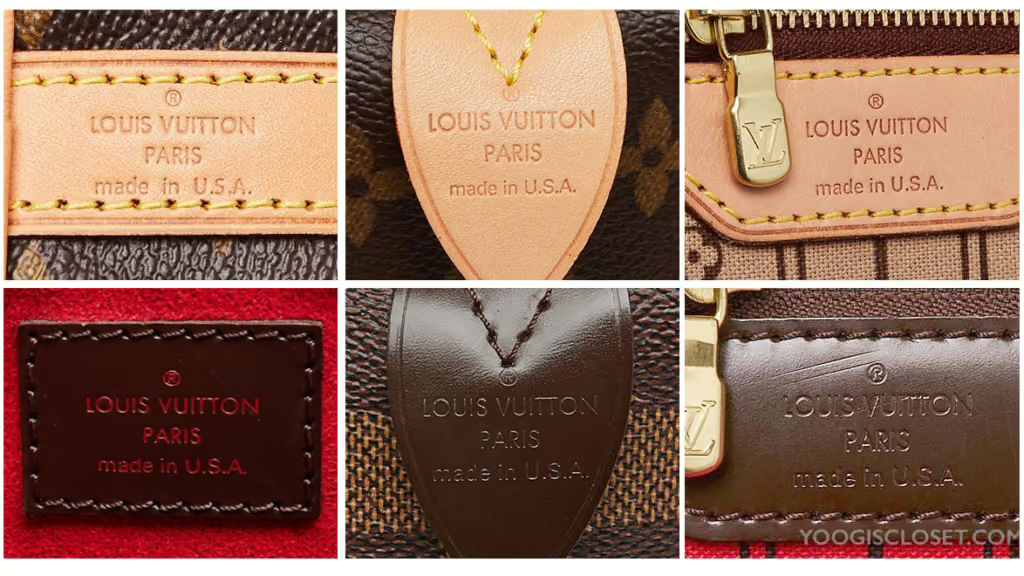
Louis Vuitton has three U.S. factories to meet the demand for luxury goods. It’s the world’s biggest luxury market. The sites are in California (San Dimas and Irwindale) and Texas (Keene, or Rochambeau Ranch). The California plants have operated for about 30 years. They produce many of the Louis Vuitton bags sold in the US.
U.S. Products
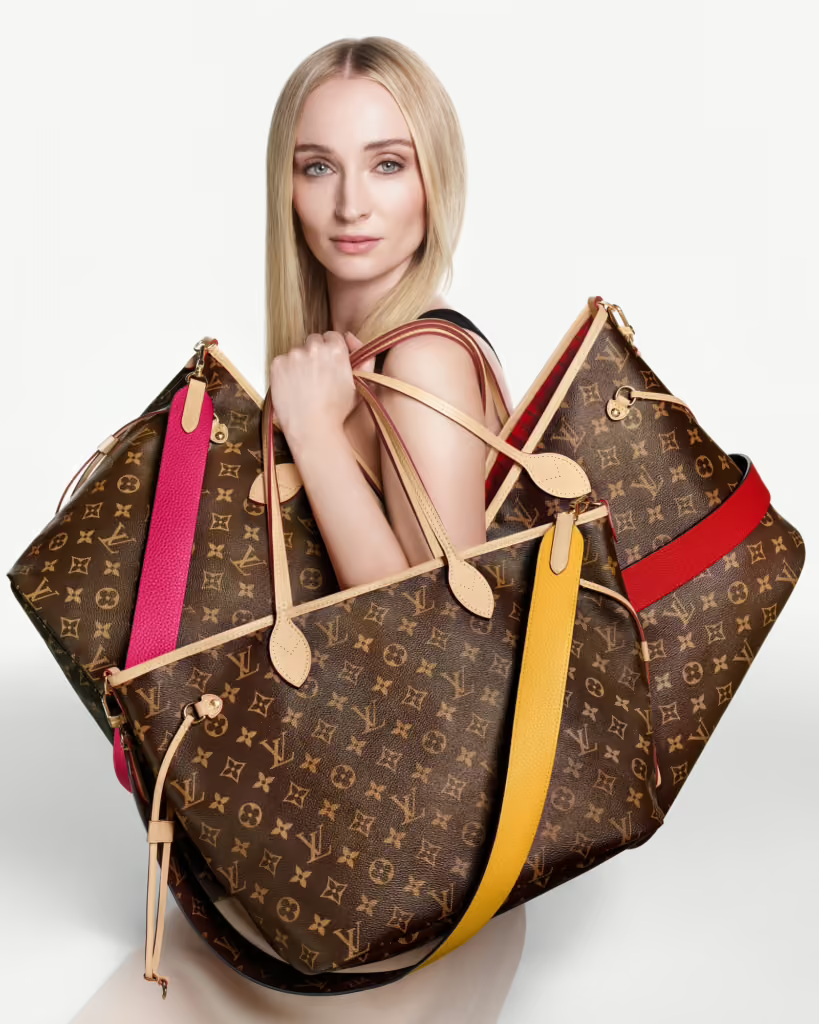
The U.S. sites produce several Louis Vuitton bags: Neverfull - Artsy - Graceful - Lena - Neo Noé - Palm Springs Backpack
These bags carry the “Made in the USA” label. The Texas site sells women’s handbags. It imports leather and hides from Northern Europe to ensure quality. Louis Vuitton’s U.S. expansion supports local jobs. It’s part of the brand’s Pledge to America’s Workers.
Learn more about its global production process today!
Discover the exquisite craftsmanship behind Louis Vuitton products and explore where Louis Vuitton is made.
Related reading:
History of Louis Vuitton Manufacturing
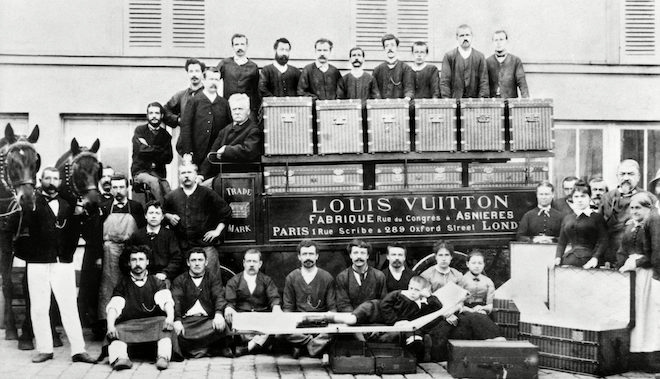
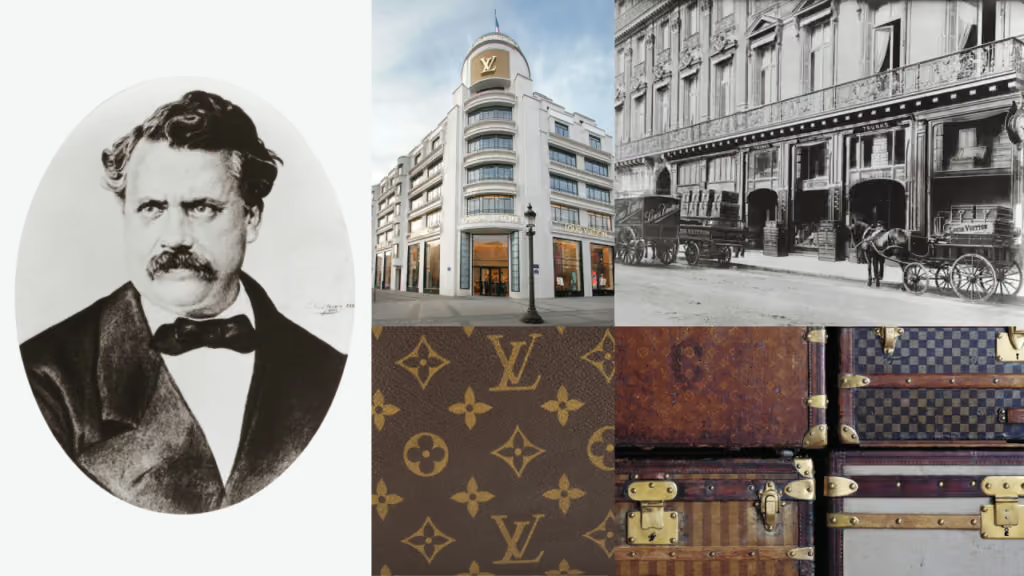
Where is Louis Vuitton made? Louis Vuitton’s craftsmanship history began in 1854. That’s when he opened his first workshop at 4 Rue Neuve-des-Capucines in Paris. This was the start of the brand’s journey in making luxury travel bag goods.
Louis Vuitton Manufacturing Timeline
- 1859: Louis Vuitton moved to Asnières, a suburb of Paris and built a new workshop. This would become the heart of the brand’s manufacturing. Today, Asnières is key for Louis Vuitton. It has 170 artisans who work on bespoke orders for A-list clients.
- 1892: After Louis Vuitton’s passing, his son Georges Vuitton took over the company. Georges launched the LV Monogram Canvas and added leather handbags. One of the first was the Alma, created in 1934 for Coco Chanel.
- 1930s: The brand launched iconic handbags like the Keepall, Speedy, and Noé. These bags, made from durable canvas by French artisans, were luxurious and practical.
- By the early 1900s, the Louis Vuitton workshop in Asnières had over 100 skilled craftsmen. The company grew and added more luxury travel goods and accessories to the product line.
Louis Vuitton Today
Today, Louis Vuitton continues to keep much of its production in France. Asnières is still a key manufacturing site. The brand has expanded globally but focuses on French craftsmanship. So Louis Vuitton products continue to be of the highest quality.
Sustainability in Louis Vuitton Manufacturing
Louis Vuitton is committed to reducing its environmental footprint and improving sustainability in its manufacturing. The brand aims to set a standard in luxury fashion. It will do this through eco-friendly initiatives.
Eco-Friendly Production: Louis Vuitton’s LIFE (Living In a Fully Sustainable Environment) program is about reducing energy consumption, cutting waste and using sustainable materials. The company has reduced energy use in its workshops by 30%. It did this by upgrading equipment and investing in renewable energy. New factories have bioclimatic designs. They cut energy use by 50% versus older plants.
Sustainable Materials and Clean Energy: By 2022, Louis Vuitton reached a milestone. 100% of its French sites and 71% of its global workshops used green electricity. The company wants to be 100% renewable by 2025. Louis Vuitton uses sustainable materials like biodegradable cork, eco-friendly cotton and recycled materials like Econyl made from regenerated nylon waste.
Green Architecture and Carbon Reduction: Louis Vuitton chose its factories for sustainability. It is reducing carbon emissions. The company plans to ship 100% of its best-selling products by sea or rail by 2026 to reduce air freight. It has also included green building certifications in its new facilities. They are HQE, LEED, and BREEAM. It installed photovoltaic panels that supply up to 30% of the energy needs of some sites.
More Louis Vuitton is cutting raw materials’ carbon impact by 8%. It will do this by using responsibly sourced and recycled materials. The brand is also promoting product repairs which have increased by 20% since 2016. Products like the LV Trainer are 90% recycled and biosourced, circular economy.
By being sustainable throughout its production Louis Vuitton is reducing its environmental impact while keeping the quality the brand is famous for.
Why Factory Locations Matter for Your Business?
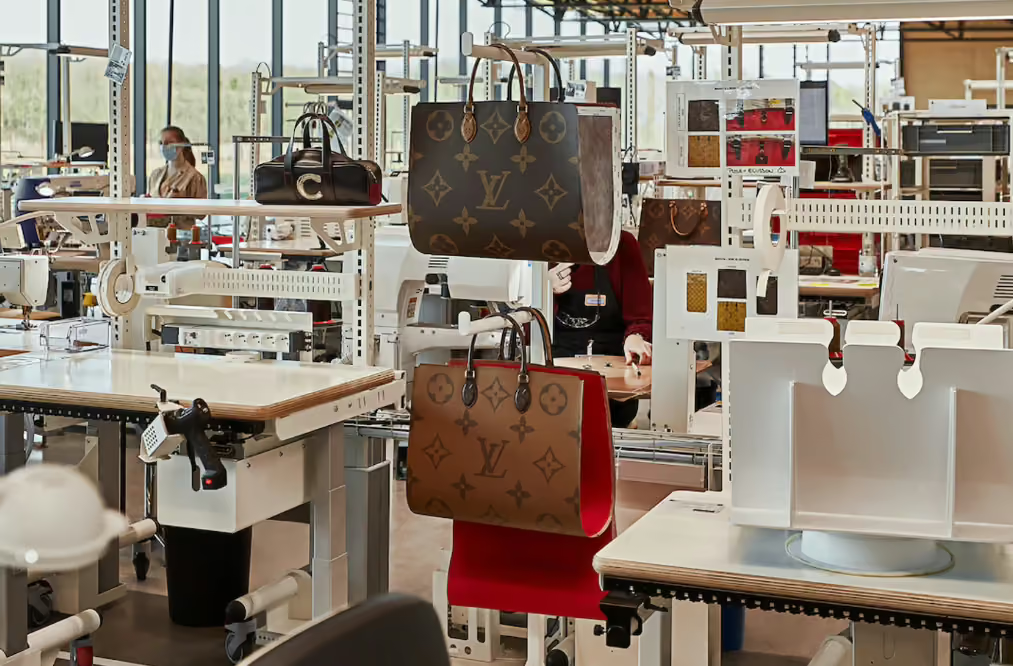
The location of your factories affects your brand image, operational efficiency and market perception. This is especially true for luxury goods. For high-end brands like Louis Vuitton, products build consumer trust. Their strategy relies on a perception of quality.
- Brand Image and Market Perception
Where is Louis Vuitton made? For Louis Vuitton France is at the heart of production. French craftsmanship and tradition is what makes the brand luxurious. Consumers associate products made in France with high quality and heritage. By keeping strong ties to French manufacturing Louis Vuitton maintains its luxury reputation worldwide. The same goes for you. Choosing top production locations will boost your brand values and heritage.
- Global Expansion
To meet growing demand, Louis Vuitton has expanded production to Spain, Italy leather manufacturers, and the USA. These new locations make the brand more agile and responsive to trends. Expanding into key regions will improve your supply chain. It will reduce lead times and better serve your customers.
☆ Geopolitical and trade considerations
Factory locations also help brands to manage trade risks. For example, Louis Vuitton’s Texas factory lowers trade risks between the US and the EU. Choosing stable low risk regions for production will protect your supply chain and ensure business continuity.
☆ Transparency and Consumer Trust
Being transparent about where products are made is key for luxury brands. Louis Vuitton is clear about origins on products like “Made in the USA” or “Made in France”. This transparency builds trust with consumers. They want to know where their products come from. You can boost your credibility by providing manufacturing details.
☆ Consistency of Quality
Despite global expansion Louis Vuitton ensures quality is consistent across all its factories. The brand invests in training to maintain the same standards in France, Italy or the USA. This quality guarantee ensures your products will always be of the same reputation wherever they are produced.
Expert Opinion:
“ As Louis Vuitton aims for 100% of its leather to be certified by the Leather Working Group by 2025, understanding where is Louis Vuitton made becomes increasingly important for businesses. Aligning with suppliers who prioritize environmental responsibility not only enhances brand reputation but also meets the growing consumer demand for eco-friendly products. “
MD. Asifur Rahman, Supplier | Manufacturer | Apparel | Garment | Jute | Leather | Bag
Conclusion
Louis Vuitton is produced in France, Italy, Spain, and the USA. This global presence is all about quality and craftsmanship. This article explains where is Louis Vuitton made. It also covers how production affects brand value and consumer trust.
For order custom leather bags, such as high quality suede leather bags, or learn more about Gucci bags China manufacturer, or need to know other information such as garment bag sizes, China gift bags, you can contact usemail us at info@leelinebags.com or visit leelinebags.com for custom bags of the same excellence. We are the BEST bag manufacturer China. We are here to help you!
Frequently Asked Questions About Where Is Louis Vuitton Made
1. Where Is Louis Vuitton Made Primarily?
Most Louis Vuitton bags are made in France, with additional production facilities in Spain and the United States.
2. What is the significance of Louis Vuitton’s French workshops?
The French ateliers are renowned for their craftsmanship, where skilled artisans use traditional techniques to create high-quality products.
3. Are there differences in quality between products made in different countries?
No, all Louis Vuitton bags, regardless of their manufacturing location, adhere to the same strict quality standards.
4. How does Louis Vuitton ensure sustainability in its manufacturing process?
The brand is committed to sustainable practices, utilizing eco-friendly materials and implementing energy-efficient technologies in its workshops.
5. What training do artisans receive at Louis Vuitton factories?
Artisans undergo extensive training, often lasting several weeks, to master the skills necessary for crafting Louis Vuitton products with precision and care.