
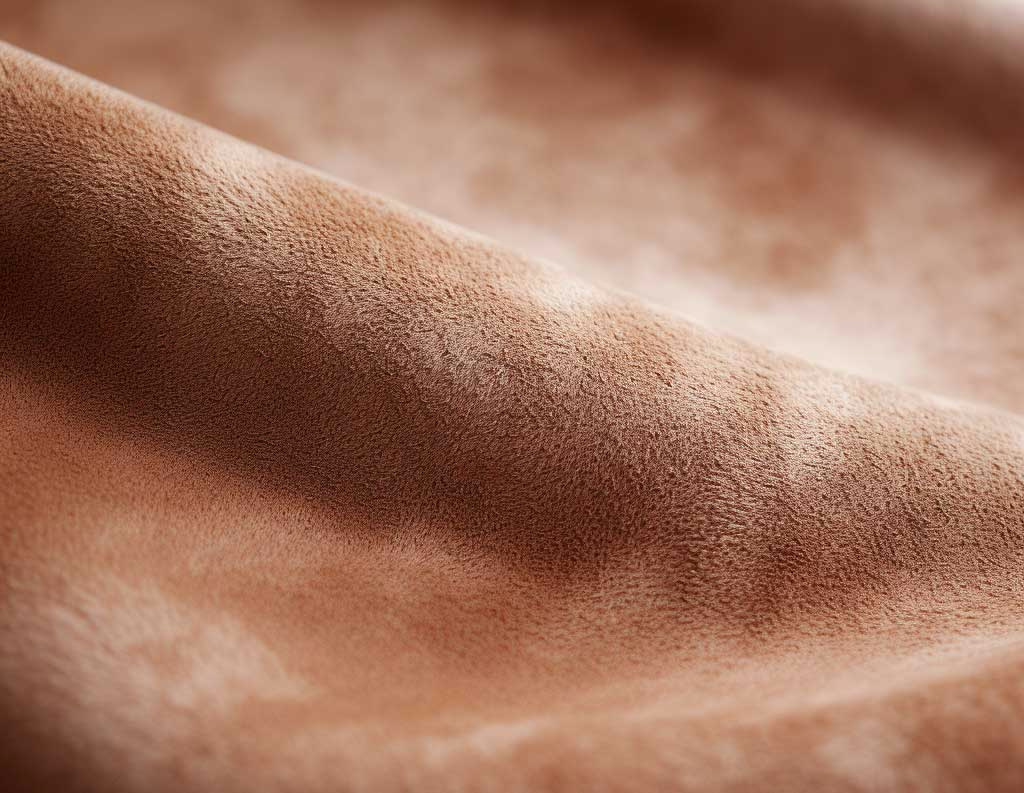
Suede leather is a soft material with a velvety texture made from the underside of animal hide. Its unique surface makes it feel smooth and luxurious. This sets it apart from regular leather. Suede’s soft texture improves products’ looks. So, it’s a favorite for fashion items like handbags.
For handbags, focus on high quality suede. Good suede lasts longer and keeps your products looking great. A sturdy, well-made suede handbag enhances your style and lasts.
In this guide, I’ll share key tips for selecting the best suede for custom handbags. You’ll learn about its features and the benefits of working with experienced handbag manufacturers. Let’s get started!
What is Suede Leather?
Suede leather is a type of leather that stands out for its soft, velvety texture and matte finish. It has unique qualities that set it apart from other leathers. It offers both benefits and challenges.
Characteristics of Suede Leather
- Soft and Comfortable: High quality suede is smooth and soft. It’s a favorite for stylish, comfy items.
- Elegant Look: Its fuzzy surface gives it a matte, luxurious appearance.
- Lightweight and Flexible: Suede is thinner and more flexible than most leathers. That’s why it’s commonly used for shoes and jackets.
Limitations of Suede Leather
- Fragile: Suede is less durable than most leathers. Its delicate surface can easily get scratched or damaged.
- It is sensitive to the weather. Prolonged exposure to the sun, heat, or moisture will fade, discolor, or mildew it.
These points can help you decide if suede leather suits your needs. But, remember its care and maintenance.
Factors Influencing Quality of Suede Leather
1. Age of the Animal
The animal’s age is key to the quality of suede leather.
Why Younger Animals Are Better? Younger animals have softer, more flexible suede. Their skin is smoother and more pliable. This gives it a luxurious feel. Younger hides have softer, more flexible fibers. This makes the suede suitable for many uses, from fashion to furniture.
Drawbacks of Older Animal Hides: As animals age, their hide fibers stiffen and lose flexibility. This makes the texture rough and may not meet high quality suede standards. Suede from older animals is often rough and not soft. So, it’s less desirable for premium products.
Best Sources of High Quality Suede
- Lamb and calf hides are popular for their ultra-soft, lightweight texture. They are perfect for high-end suede products.
- Younger Sheepskin: It is flexible and has a brush-like texture. So, it is an excellent choice for top-quality suede leather.
Suede from younger animals is softer and more luxurious. It is also of better quality. You will enjoy it more.
2. Type of Animal
The type of animal used in suede leather plays a big role in its texture, durability, and quality. Each kind of hide has unique features that suit different needs and preferences.
Lambskin Suede
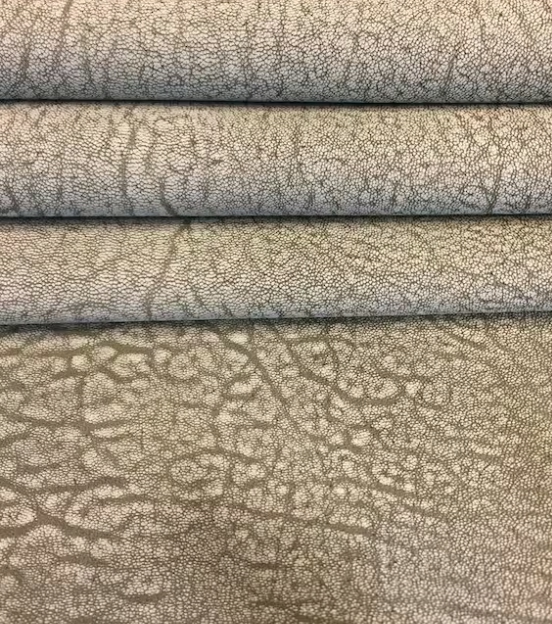
Softness: Lambskin suede is the softest option, giving a very smooth and plush feel. Its lightweight, delicate nature makes it ideal for premium clothing and accessories.
Best for: For a luxurious, soft touch, use lambskin. It’s great for jackets, gloves, and designer bags. Its soft texture feels premium.
Cowhide Suede
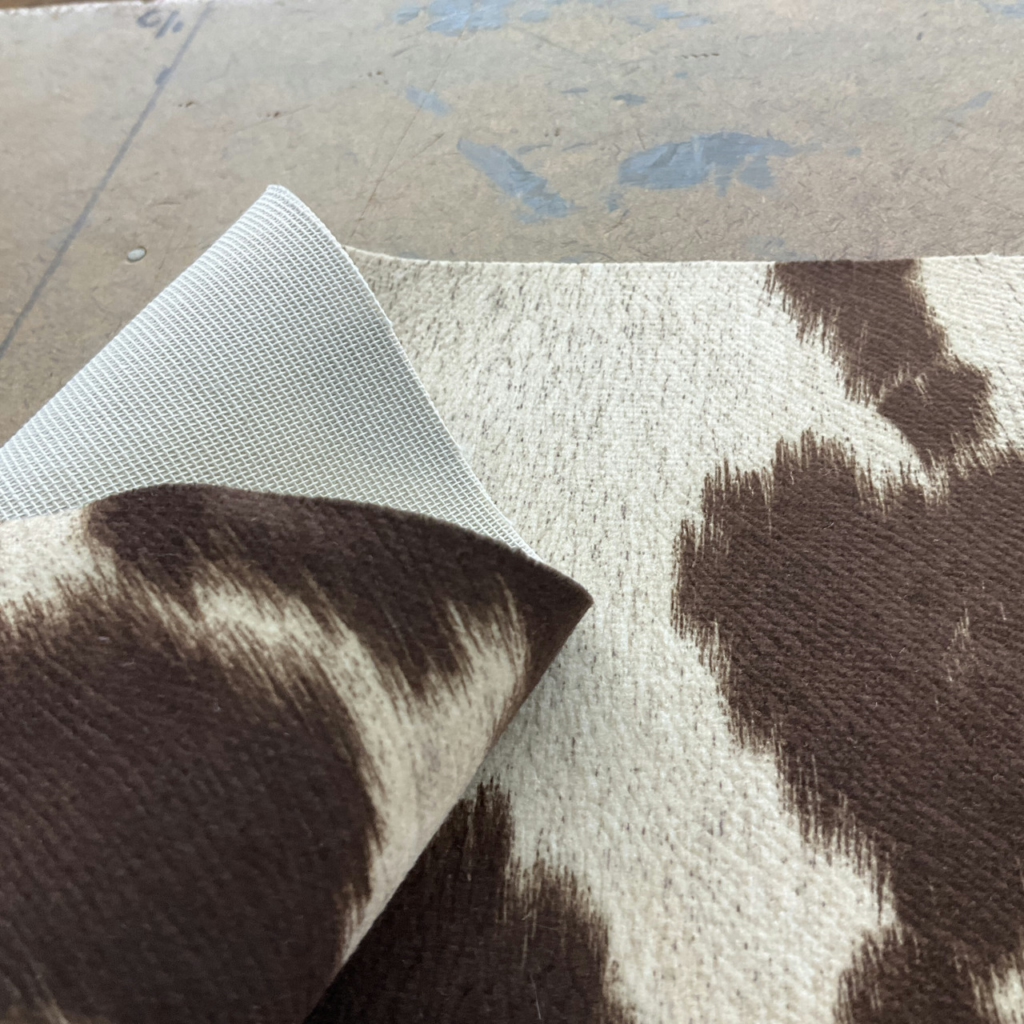
- Durability: Cowhide suede is thicker and tougher because it comes from older cattle. While it’s not as soft as lambskin, it is the most durable option.
- Best for: Cowhide suede is great for strong, durable projects. Use it for upholstery, workwear, or larger items.
Pigskin Suede
Pigskin suede is soft yet durable. It is between lambskin and cowhide. It’s tougher than lambskin but still has a soft feel.
Best for: Pigskin suede is great for many uses. It works for bags, upholstery, and casual clothes. So, it’s a flexible choice.
Each type of suede has its strengths, whether you rank softness, durability, or a mix of both. Pick based on your needs and the quality you want.
3. Is the Leather Split?
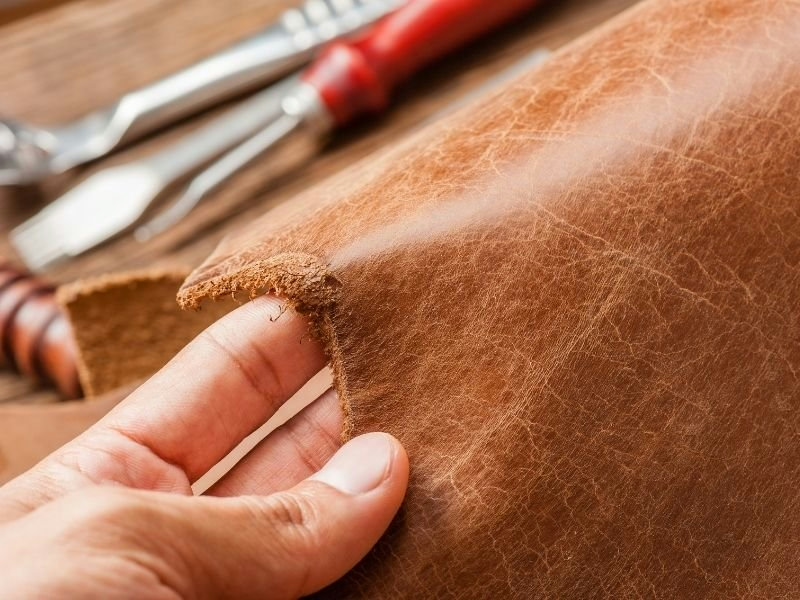
When choosing suede leather, consider if it’s split. Suede is made from the bottom layer of cowhide. This layer is split into two parts. The top part becomes full-grain leather. The bottom part is used for suede or split leather.
Characteristics of Split Suede
① Softer and Velvety Texture: Split suede is softer than top-grain leather. It has a velvety feel because of the loose fibers in the bottom layer of the hide. This softness makes it a popular choice for many products.
② Less Durable: Although split suede is soft, it is not as durable as full-grain leather. Over time, it may lose its appearance, becoming matted or shiny.
③ Suede Texture on Both Sides: Split leather has a soft, fuzzy texture on both sides, which adds to its look. But this texture wears down more easily, so it needs extra care.
Uses of Split Suede
- Best for Softness Over Durability: Use split suede for soft items. It’s less durable. It is ideal for clothing, shoes, bags, and furniture.
- Not Great for high-wear items: For high-use items, like work boots, split suede may not be the best choice. Full-grain leather or nubuck would be better for these uses.
Care and Maintenance: Needs Special Care: Split suede is soft and prone to damage. It needs careful maintenance. To keep its texture and extend its life, use suede protectors and cleaners made for suede.
Expert Advice:
For selecting the best suede leather, focus on the age and type of the animal; Additionally, prioritize suede from reputable tanneries known for their quality control to ensure a resilient and aesthetically pleasing product.
— Simon Han, Owner at Dison Accessories &Guangzhou Yosemite Leather | Bags Manufacturing
What Are the Origins of Suede?
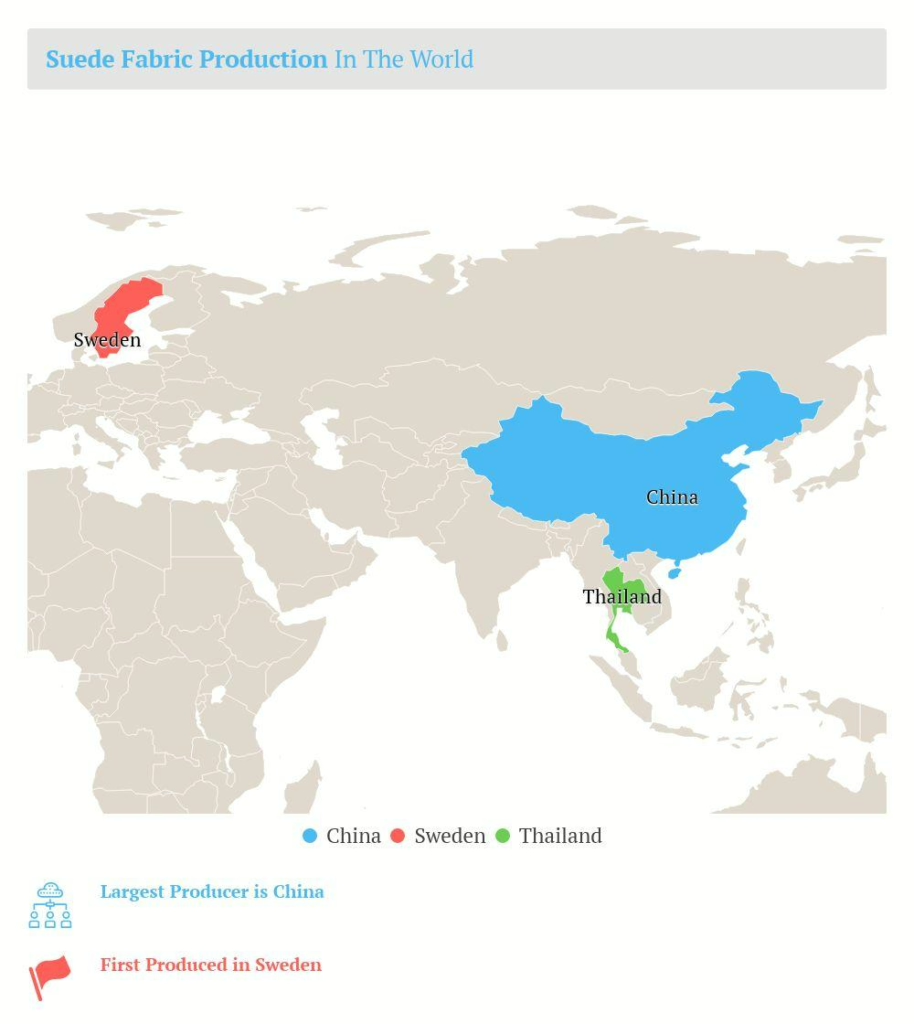
Suede has an interesting history linked to Swedish craftsmanship. It comes from Swedish tanning methods. Tanners found that the softer underside of leather could create a luxurious texture. The word “suede” comes from the French term gants de Suède, meaning “gloves from Sweden.” These gloves, highly prized in Europe, were some of the first items made from suede.
The Ancient Use of Suede-Like Materials
Before “suede” was used, ancient civilizations made similar, durable, and comfy materials. Early suede was made from the underside of animal hides, mainly lambskin. Goat, deer, and pig skins were also used. The soft, durable nature of suede made it a key material in ancient clothing and accessories.
The Tanning Process Behind Suede
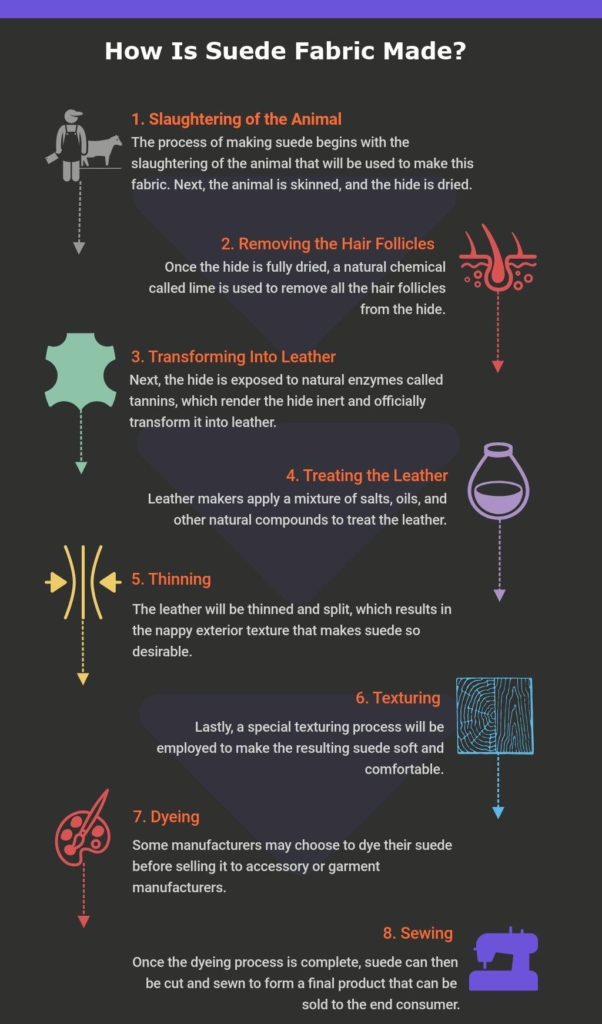
Making suede involves a special tanning process. Suede is made from leather too damaged for other uses. It is made by working with the underside of the skin. Various methods treat the skin. They include boiling in tree bark, salting, and rubbing with animal fat. These make it soft and wearable. They transformed rough, thick leather into the smooth, velvety suede we know today.
What Are the Different Types of Suede Leather?
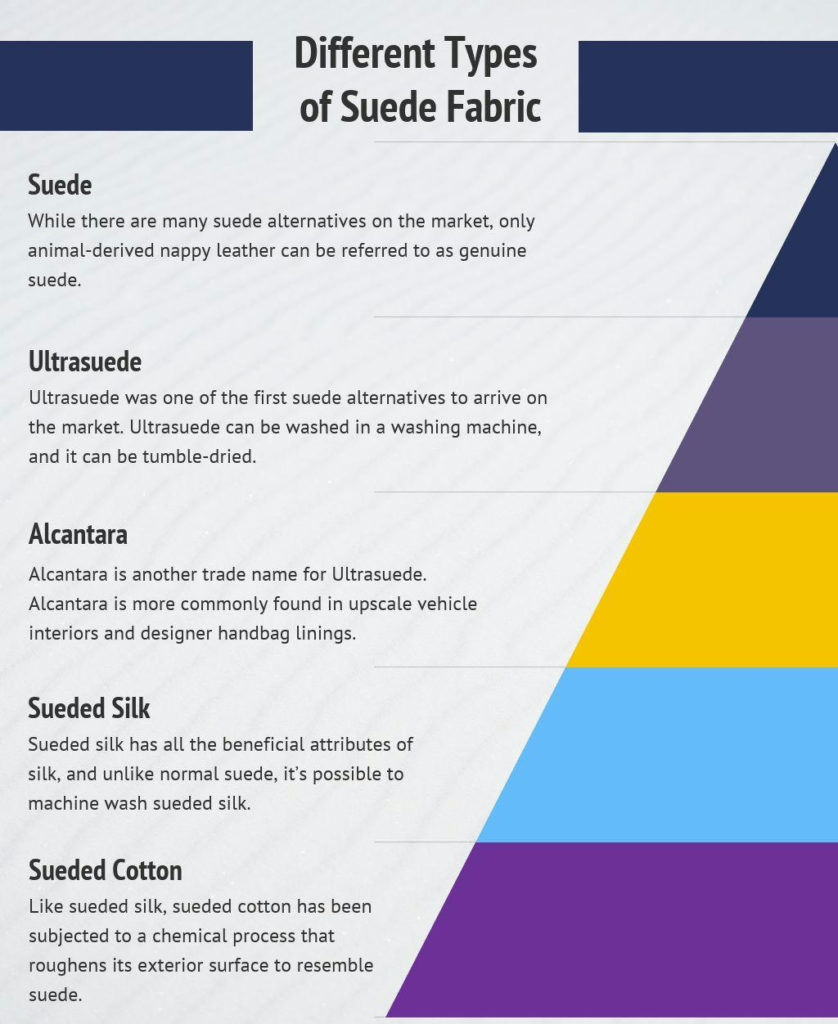
1. Cowhide Suede Leather
Thickness and Durability: Cowhide suede is thick and strong, making it highly durable. It comes from older cows. It has a tough texture that can endure regular use.
Cowhide suede is perfect for long-lasting items, like shoes and accessories. It maintains its integrity over time. Applications are commonly used in footwear and leather goods due to their robustness.
Water Resistance: Some cowhide suedes are treated to resist water. This makes them more practical.
2. Sheepskin Suede Leather
- Softness and Delicacy: Sheepskin suede from lambs is very soft. It feels luxurious and is perfect for high-end fashion items.
- Texture and Feel: It has a velvety touch. It is smooth and elegant. So, it suits jackets, bags, and accessories.
- Durability and Care: It is soft but needs extra care. Regular brushing and protective treatments are recommended to maintain its appearance.
- Usage: Popular for premium items like coats and skirts due to their luxurious texture.
3. Pigskin Suede Leather
Pigskin suede is both soft and tough. It is durable yet comfortable.
Thickness and Size: Typically 3 oz (1.0 – 1.2 mm) thick, providing consistent quality for various projects. Breathability and Comfort: Its breathability makes it ideal for shoes and bags.
Sustainability: Pigskin suede is a by-product of the food industry. It’s eco-friendly compared to synthetic alternatives.
What Is the Difference Between Nubuck and Suede?
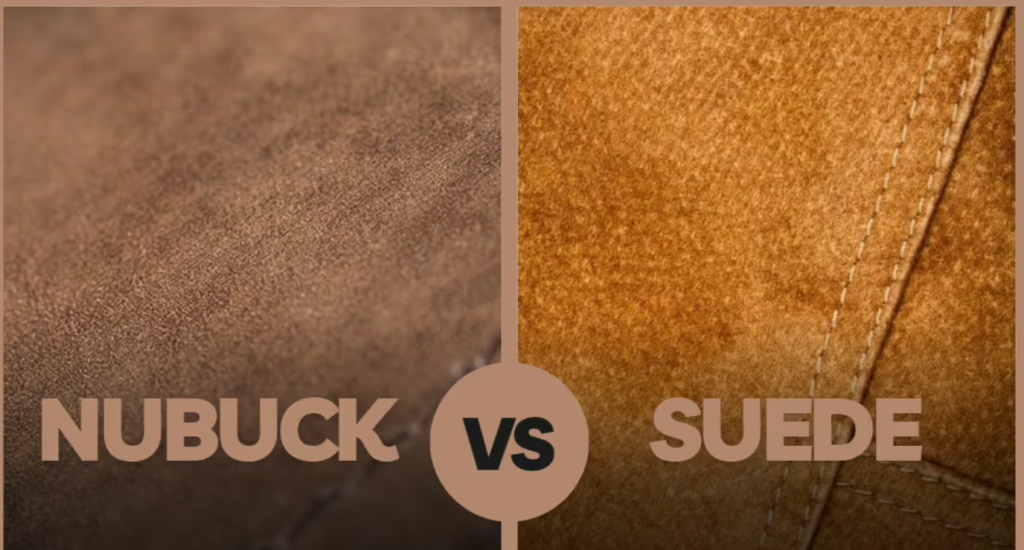
Knowing the differences between nubuck and suede can help you choose the right one.
★ Characteristics of Suede
Suede is made by sanding the inner layer of leather, which makes it soft, flexible, and thin. It feels plush. So, it’s ideal for high quality shoes, gloves, and other soft-touch items.
Suede has a longer nap (fuzziness), giving it a matte, velvety finish.
Suede is warm and comfy. But, it’s less durable than nubuck due to its thinner structure. It’s also more prone to stains and water damage, so it needs extra care and cleaning.
★ Characteristics of Nubuck
Nubuck is made by sanding the outer layer of leather, which is thicker and more durable than suede. This makes it great for footwear that requires extra strength.
Nubuck has a finer nap than suede, giving it a smoother, more refined texture. It feels soft but is a bit rougher than suede.
It has a luxurious, consistent look, with a more uniform color and texture than suede.
★ Durability and Maintenance
Suede is softer but more delicate. It’s more vulnerable to water and stains, so it needs careful cleaning. Use a suede brush and special suede shampoo to keep it in good condition.
Nubuck is more durable but can still get dirty and absorb liquids due to its open pores. Regular brushing and waterproofing are necessary to protect it.
Both suede and nubuck enjoy a silicone-based water and stain protector. Avoid soaking them, and don’t use leather creams, oils, or polishes.
By understanding these key differences, you can choose the right leather. It should fit your lifestyle and care preferences.
Recommended Reading:
- What is Embossed Leather: Types, How its Made and Where
- What is Faux Leather Fabric, Features, and Where to Produce
- How to Clean Leather Bag Properly: Step-by-step Guide
- What is Saffiano Leather: Benefits and Uses in Fashion
Choosing the Best Suede Leather
1. Consider Your Needs
Softness: If comfort and luxury are what you’re after, sheepskin suede is the way to go. It’s very soft and flexible, perfect for items like clothing or accessories that need to feel gentle. But keep in mind that sheepskin is more delicate and prone to stains, so it needs extra attention.
Maintenance Requirements: Suede can be sensitive to scratches, moisture, and other environmental factors. To keep it looking good, use a suede protectant. Brush it regularly with a suede brush. Use a suede eraser to remove scuffs. Cleaning with suede-friendly products is important to avoid damage and maintain its texture.
Environmental Considerations: Suede is vulnerable to water and moisture. It can cause lasting damage. Some treatments improve water resistance, but they aren’t foolproof. Keep your suede items dry. Avoid too much moisture, especially in humid, rainy areas.
Usage: How you plan to use your suede item plays a big role in your choice. For tough conditions, use stronger suede like cowhide or pigskin. Follow a strict maintenance routine. If you want something more luxurious for occasional use, try sheepskin suede.
2. Check the Material Composition
☆ Rank high-quality hides
Age and Type of Animal: Suede from younger animals is softer and more flexible. If you need something more durable, choose suede from older animals.
Animal Source: Different animals produce different types of suede. Make sure the source meets your specific needs.
☆ Focus on Synthetic Fiber Quality (For Microfiber Suede)
Island-Type Fibers: These fibers are made using dissolving methods. They feel soft and fluffy.
Orange-Shaped Fibers: Made by stripping fibers, they give synthetic suede its distinctive texture.
By examining these factors, you can choose suede leather. It will meet your needs for softness, durability, and easy maintenance.
Conclusion
When choosing high quality suede leather, focus on texture, durability, and quality. I recommend picking suede that feels soft and smooth with even coloring. Check the supplier’s reputation and their material sources. This ensures you get a genuine, durable product.
High quality suede lasts longer, feels better, and looks stylish. Well-crafted suede improves with age and keeps its charm for years.
Share Your Experience or Custom Orders. We’d love to hear about your experiences with suede leather. For custom handbags or more details, email us at info@leelinebags.com or visit our website at leelinebags.com.
Frequently Asked Questions About Suede Leather
1. What factors should I consider when choosing suede leather?
Consider the durability, softness, and maintenance requirements of the suede, as well as how you plan to use the item to ensure it meets your needs.
2. How does the age of the animal affect suede quality?
Older animal hides typically yield more durable suede, while younger hides are softer and more flexible, impacting the overall quality and longevity of the leather.
3. What is the difference between full-grain and split suede?
Full-grain suede is made from the top layer of the hide, offering more durability, while split suede comes from the lower layers and is softer but less resilient.
4. How can I maintain and care for my suede leather items?
Regularly brush your suede with a suede brush, treat it with a protectant spray, and clean stains promptly to preserve its appearance and texture.
5. Is suede water-resistant?
Suede is not inherently water-resistant and can be damaged by moisture; however, some treatments can enhance its water resistance, though they do not provide complete protection.