
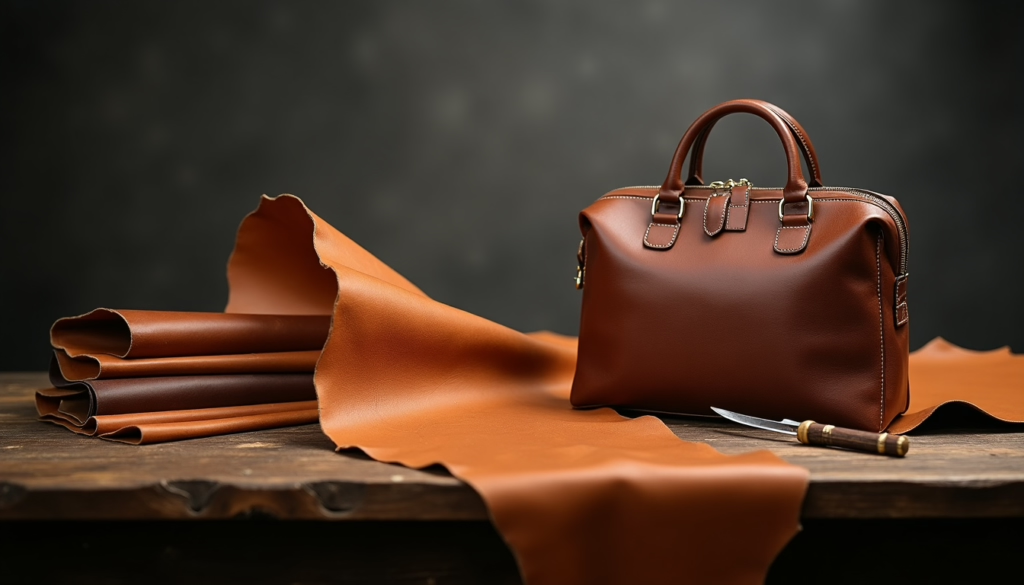
Cowhide leather makes up almost 70% of global leather production. This leadership in the leather industry makes sense once you think about what cowhide leather really is. It’s a versatile and durable material that’s both affordable and eco-friendly.
The leather’s exceptional durability comes from its thickness of 3 to 5 oz and sizes of 40 to 60 square feet. Its natural strength and resistance to wear make it perfect for furniture, car interiors, sports gear, and custom bags. Many custom bag manufacturers prefer cowhide leather because of its durability, flexibility, and ability to age beautifully. Products made from cowhide leather can last for decades. They develop a unique patina that makes them look even better with age.
This piece tells the full story of cowhide leather. It covers quality markers, grades, and how it’s used in the real world. You’ll learn everything you need to make smart choices about your leather purchases.
What is Cowhide Leather Made Of?
Cowhide leather has a complex natural structure. It contains 33% proteins, 65% water, and 2-6% fats. The leather’s strength and durability come from its rich protein composition, particularly collagen.
- ★ Natural Structure of Cow Hide
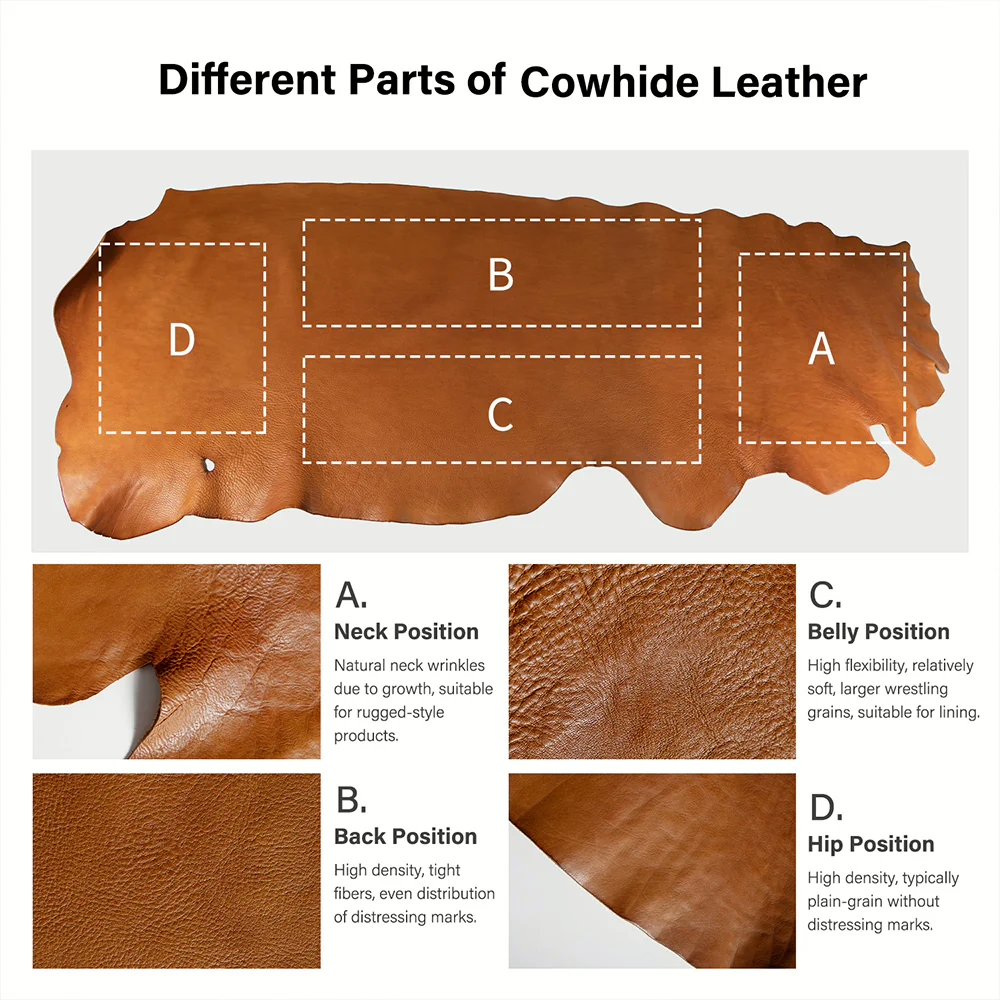
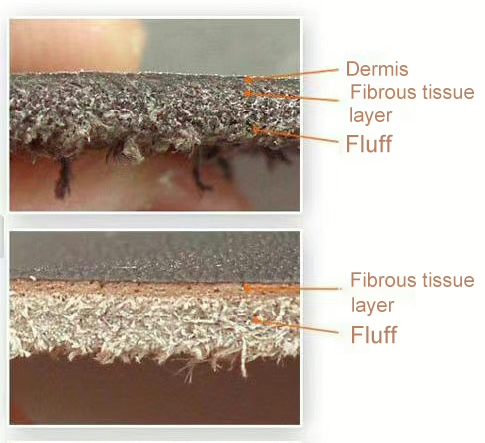
A hide has three main layers: the epidermis, dermis, and hypodermis. The dermis layer contains dense collagen fibers that make leather strong and flexible. These fibers create a natural crisscross pattern that forms a matrix, which makes the material durable.
- ★ From Raw Hide to Finished Leather
The transformation begins with fresh hides. Manufacturers process 30% of hides right away, while they preserve 70% through salting. The process starts when hides go through cleaning and soaking to remove dirt. The material then moves through several stages like liming, unhairing, and fleshing to prepare for tanning.
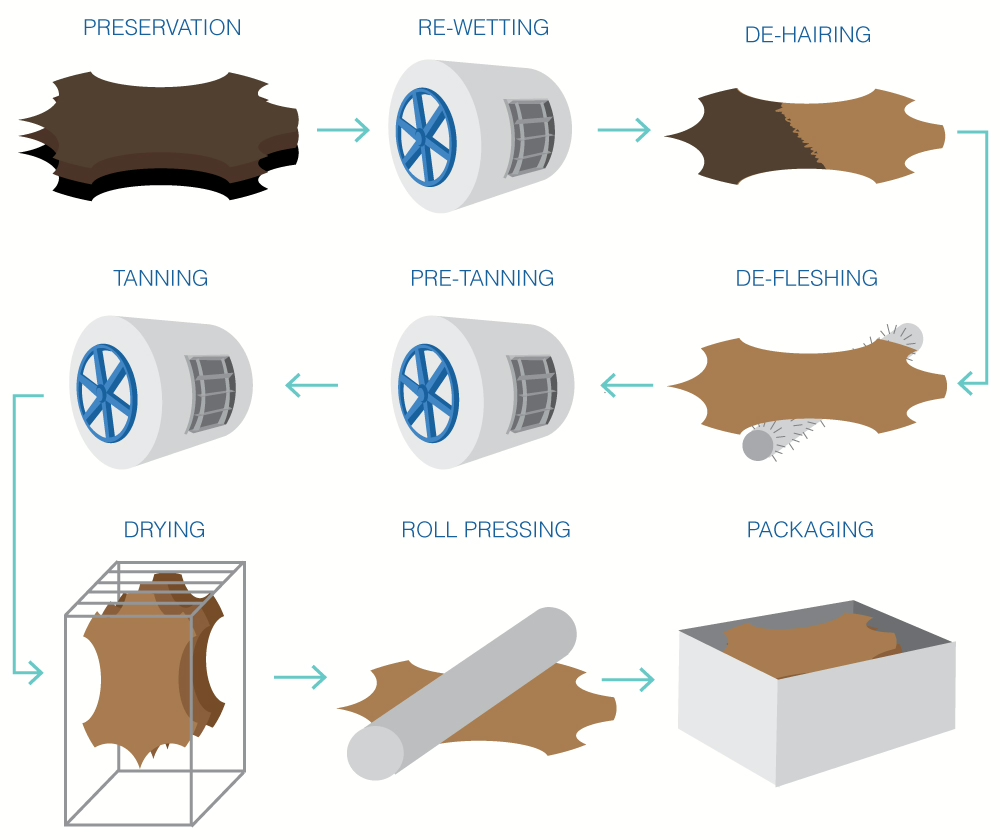
- ★ Chrome vs Vegetable Tanning Process
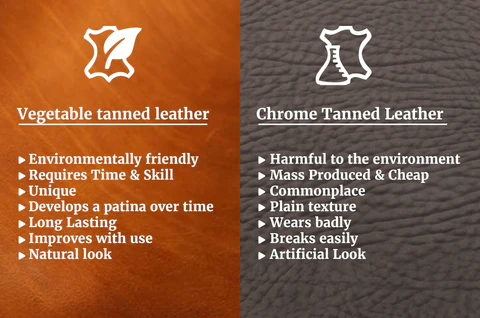
Each tanning method creates leather with unique characteristics. Chrome tanning emerged in the 1900s and uses chromium salts to produce soft, pliable leather in just 24 hours. Vegetable tanning uses natural plant extracts but takes up to two months. Chrome-tanned leather resists water better and holds color longer. Vegetable-tanned leather develops a beautiful patina over time and keeps its shape better.
The end use determines which method works best. Chrome tanning creates softer leather that works well for fashion items. Vegetable tanning produces firmer leather that’s perfect for belts and structured bags.
Expert Guidance:
Choosing cowhide leather for hot and humid climates, go for oil-tanned or waxed finishes—they offer better moisture resistance and help prevent mold growth. In colder regions, a semi-aniline finish is a great option since it keeps the leather breathable while providing extra insulation, making it perfect for premium upholstery and custom leather bags that need to withstand seasonal changes.
— Carina Lu, Sales Manager at KeyOne Bags Co.,Ltd. Luggage | Suitcases |Backpacks | BagsCC
Understanding Cowhide Leather Grades
Leather goods manufacturers in the USA utilize varying grades of cowhide leather—cowhide leather comes in different grades that show quality levels based on how they’re processed and their natural features. Each grade has its own properties that work best for different uses.
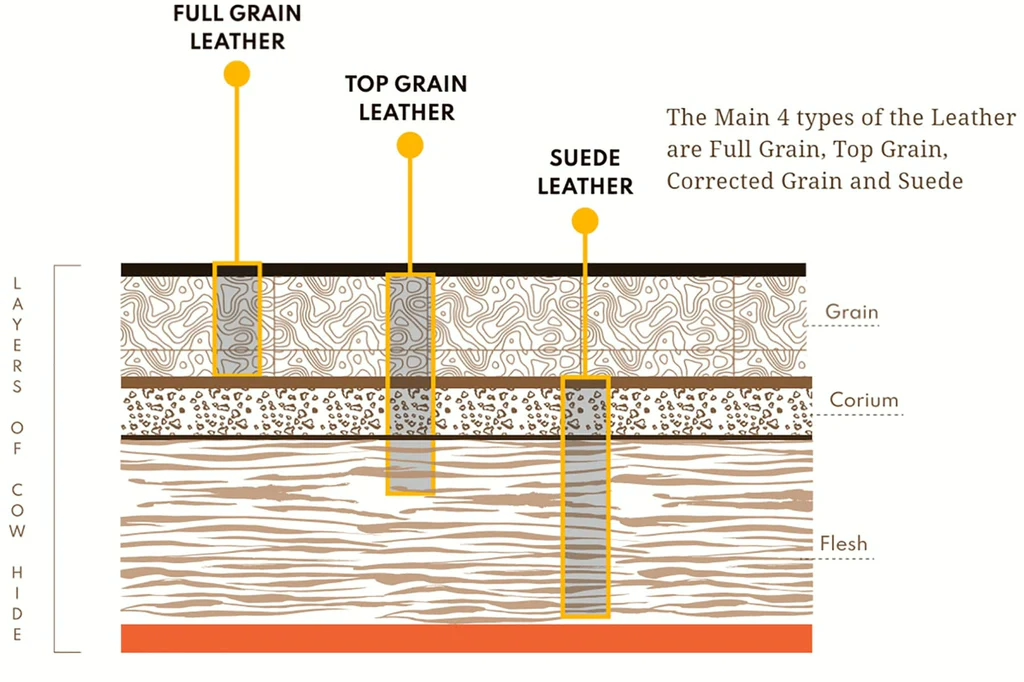
⑴ Full-grain Cowhide Quality Markers
Full-grain leather sits at the top of quality grades and keeps the hide’s complete natural grain pattern. Raw full-grain leather ranges from 6mm to 10mm thick. This leather absorbs moisture and oils. This helps it develop a lovely patina over time. Natural marks and variations make each piece unique. They give it its own character. The leather’s intact fiber structure lets it breathe and makes it incredibly durable.
⑵ Top-grain Processing Standards
Top-grain leather goes through specific refinement steps to look more uniform. The surface gets buffed and sanded to smooth out any flaws. This grade resists water really well because its natural pores seal up during coloring. These processing methods ensure the surface layer has the same texture and depth throughout.
⑶ Split Leather Characteristics
Split leather comes from the hide’s lower layers and has its own unique properties. This grade usually doesn’t show the original hide’s natural markings. Suede is the most popular type of split leather. It feels soft and flexible, making it perfect for shoes and fashion items. Split leather requires a lot of processing.
It often has artificial grain patterns added to improve its appearance. The quality and thickness vary by the hide’s part. Shoulder splits are cheaper. Side splits last longer. Belly splits offer the thinnest leather.
Physical Properties and Durability
Cowhide leather’s physical properties show amazing strength and toughness in many ways. Its density sits between 0.4 and 0.9 g/cm³, which makes it incredibly durable.
Tensile Strength Measurements: You’ll find cowhide leather’s tensile strength ranges from 8-25 N/mm². Tests show shoe upper leather reaches an impressive 317.795 kg/cm². The leather can stretch between 42-52.9%, which makes it perfect in many uses. These strength features come from the leather’s unique three-dimensional fiber network.
Water and Heat Resistance
Cowhide leather naturally resists water, but its effectiveness changes based on how it’s treated. Chrome-tanned leather works best against water, making it great for items that get wet often. The leather lets water vapor pass through at 18.566 mg/cm²-hrs, which helps control moisture just right.
The leather handles temperature changes like a champ. Its high air content slows down heat transfer, which gives it amazing insulation properties. This means the leather can:
- Keep you warm when it’s cold
- Help you stay cool in the heat
- Balance temperature by managing moisture
Too much water can hurt the leather’s quality since soaking it pulls out important oils. But treating it with waterproofing products improves its resistance and lets it breathe normally.
Common Uses and Applications
Cowhide leather’s exceptional durability and versatility make it a top choice in many industries. This material shows up everywhere - from luxury car interiors to custom-crafted bags.
Furniture and Upholstery
Premium cowhide leather is great for furniture. We use it for sofas, chairs, and ottomans. The material’s thickness for upholstery ranges between 1.0 and 1.5 mm. Upholstery-grade cowhide is water-resistant and easy to care for. This makes it ideal for furniture that gets a lot of use.
Custom Bag Manufacturing
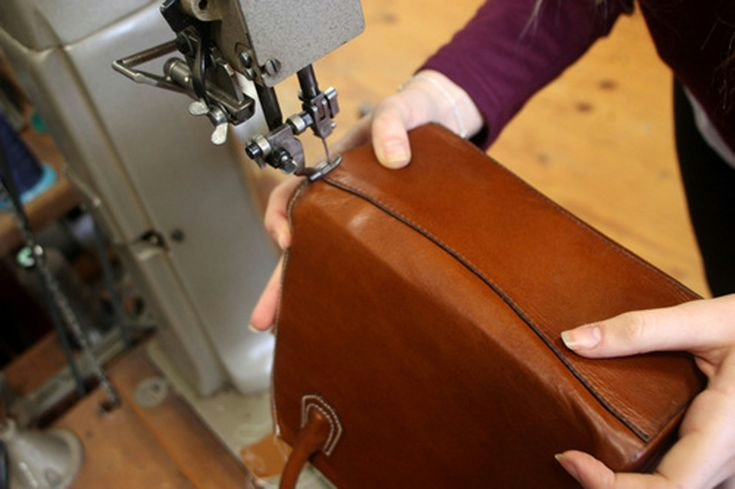
Custom leather bags must specify material characteristics. Full-grain cowhide, sized 20x13x13 inches, is ideal for strong custom duffle bags. It forms a sturdy base for your travel gear. Brazilian cowhide is popular with custom bag makers, such as personalized tote bags manufacturers. Its quality and unique grain patterns set it apart.
Automotive Industry Uses
Cowhide leather raises the quality of vehicle interiors through specialized applications. Corrected grain leather is a type of cowhide that is chrome-tanned and pigmented. It is typical in mid-range car upholstery. Manufacturers select full-grain bovine nappa for touch points, like steering wheels. They use aniline or semi-aniline finishes to enhance the feel. The thickness typically varies from 0.9mm to 1.3mm. This range helps keep passengers comfortable and preserves value over time.
Fashion and Accessories
The fashion industry uses cowhide leather’s versatility in many ways. Here are the main uses:
- Full-grain leather creates long-lasting, premium hardware accessories like wallets and belts.
- Cowhide’s water-resistant properties benefit footwear manufacturing.
- Top-grain leather appears in fashion bags thanks to its elegant look and affordability.
The material works well with many finishing techniques. It can be smooth or textured. This flexibility meets different styles and functional needs.
Expert Guidance:
For custom bag manufacturers requiring a more consistent grain texture, using lightly sanded full-grain cowhide with micro-pigment coating ensures uniformity while maintaining breathability. Additionally, a milling process enhances softness, making the leather more suitable for high-end fashion accessories where both aesthetics and durability matter.
— MARTIN (MARTIN) WONG, Director of handbags development
Conclusion
Cowhide leather is proof of nature’s remarkable gift that combines durability with versatility. The material has a complex structure. It contains 33% protein and special collagen fiber arrangements. These features give it amazing strength.
Cowhide leather is a great investment. Chrome tanning makes it water-resistant. Vegetable tanning helps it gain a rich patina over time. With proper care, your cowhide leather products can last for decades. They will also become more beautiful over time.
Need high-quality cowhide leather handbags? We can help! Contact us at info@leelinebags.com or check out leelinebags.com for expert guidance. Our team is here to help you find the perfect leather solutions for your business needs!
Suggested Reading:
- What is Aniline Leather? An Expert Guide to Pure Leather Quality
- What is Faux Leather Fabric, Features, and Where to Produce
- Why Expert Leather Makers Choose Top Grain Leather: Facts You Should Know
- What is Saffiano Leather: Benefits and Uses in Fashion
Frequently Asked Questions About Cowhide Leather
1. What are the main grades of cowhide leather?
The main grades of cowhide leather are full-grain, top-grain, and split leather. Full-grain is the highest quality, retaining the natural grain and characteristics. Top-grain leather looks a bit more uniform. Split leather comes from the lower layers of the hide.
2. How can I identify high-quality cowhide leather?
High-quality cowhide leather feels smooth and silky. It has rich colors that don’t crack or dull. It’s flexible, even when firm, and develops a lovely patina as time passes. It should not have a plastic-like surface or feel dry and coarse.
3. What are the common uses of cowhide leather?
Cowhide leather is popular. People use it for furniture, upholstery, custom bags, car interiors, and fashion accessories. Its versatility makes it great for many items. These include sofas, car seats, wallets, belts, and shoes.
4. How durable is cowhide leather?
Cowhide leather is exceptionally durable, with tensile strength measurements between 8-25 N/mm². It offers good water and heat resistance, especially when chrome-tanned. With good care, cowhide leather products can last for decades. They develop a unique patina that makes them even more attractive as time goes on.
5. What is the difference between chrome and vegetable tanning for cowhide leather?
Chrome tanning uses chromium salts to make soft leather in just 24 hours. This method also provides great water resistance and keeps colors vibrant. Vegetable tanning uses natural plant extracts. It can take up to two months. This process makes leather that gains a beautiful patina and keeps its shape well over time. The choice depends on the intended use of the leather.