
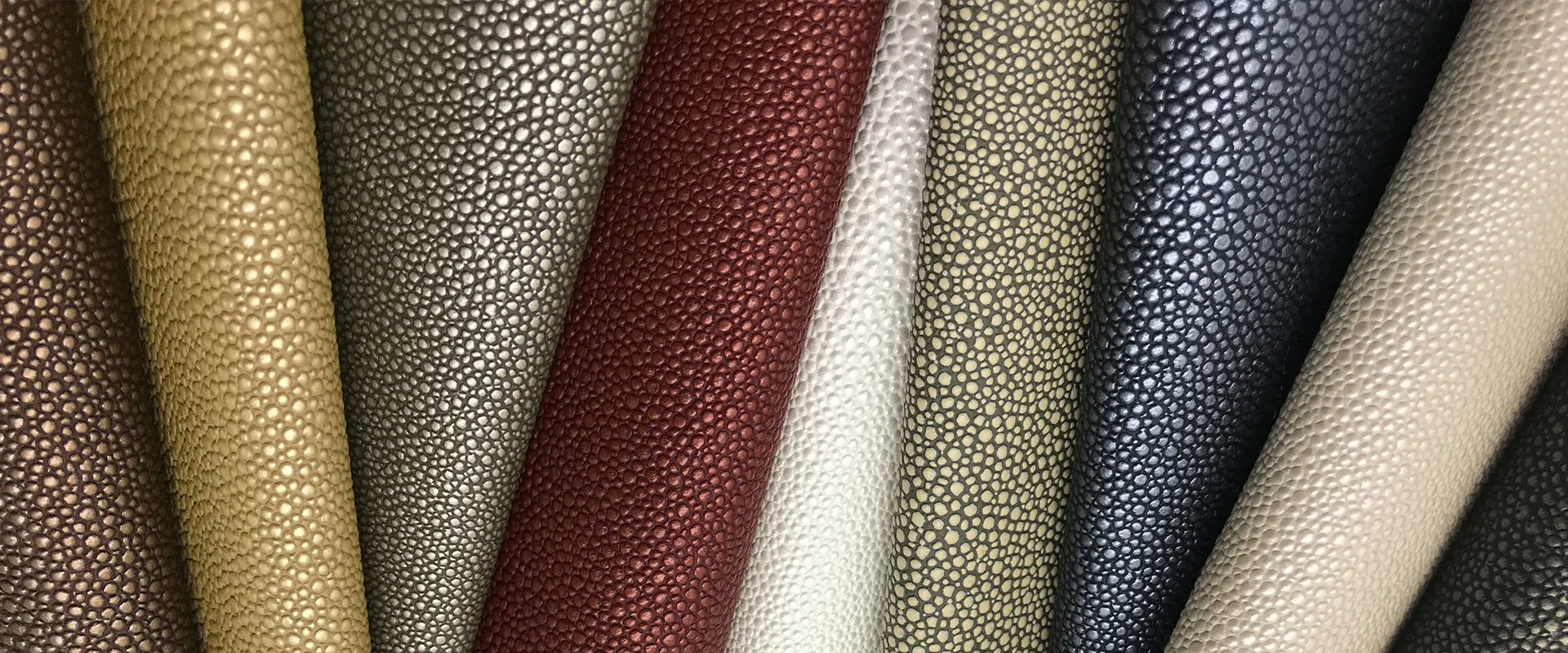
Stingray leather is one of the toughest exotic materials. With proper care, it can last more than 30 years. This unique leather has great qualities. It’s a top pick for premium accessories, even though it has a scary reputation. Many custom handbag manufacturers prefer stingray leather. It’s luxurious, durable, and eye-catching. Its unique texture and strength make it perfect for custom designs. Clients want style and durability, and this material delivers both.
The leather we call shagreen comes from the top part of specific ray and shark species. The most striking feature of stingray hide is its surface. It’s covered in small, hard spheres known as pearls. These tiny spheres are made of dentin with an enamel coating, making them as hard as human teeth. The material naturally repels water. It also resists scratches, punctures, and tears. This is due to its calcium bubbles and fibers that run in many directions.
This piece gives you the complete story about stingray leather. You’ll learn about its unique texture, amazing durability, how it’s made, and its origins. It’s everything you need to know about this remarkable exotic leather.
What is Stingray Leather?
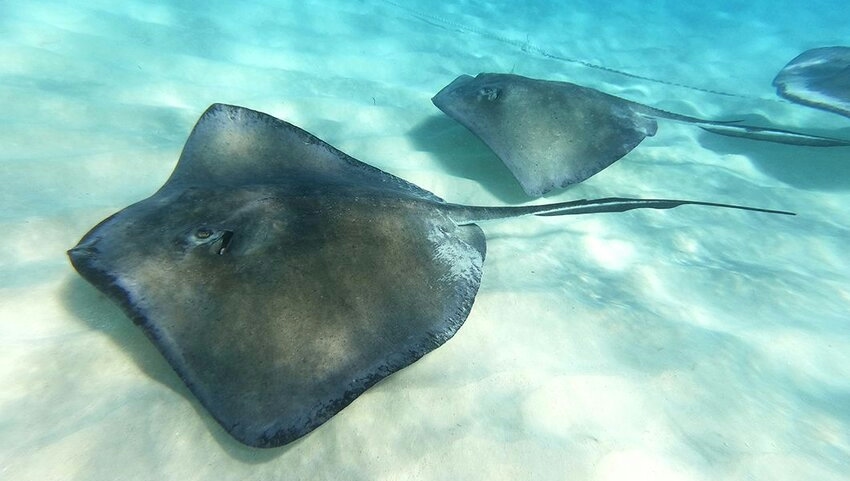
Stingray leather comes from certain ray species’ dorsal skin after fishermen harvest the meat for food. This unique material has got worldwide attention because of its distinctive look and amazing durability.
Origin and species used
Thailand, Indonesia manufacturers, and India lead the export of stingray leather. Leather makers use several species like Dasyatis zugei, Himantura jenkinsii, and Dasyatis Sephen. Thai farms now supply most stingray leather. These farms serve both food and leather industries.
People use the stingray’s exterior wings for meat - a common protein source in many Asian countries. The dorsal skin becomes leather through tanning. Everything gets used in this environmentally responsible approach. The stingray leather’s economic value has led to careful management of wild populations. Yet some Indo-Pacific whipray populations face pressure from rising demand.
Why it’s called shagreen?
“Shagreen” has a fascinating story behind its name. The term first described rawhide from horse or onager skin. European craftsmen started using this name for sharkskin or rayfish leather in the 17th and early 18th centuries.
The word links to the Turkic “sagri,” meaning “rump of a horse” - a nod to its original source. Shagreen’s popularity spread across regions and time. Japanese samurai used it for sword grips in the 13th century. The material became fashionable in Louis XV’s French court during the 18th century.
How it compares to other exotic leathers?
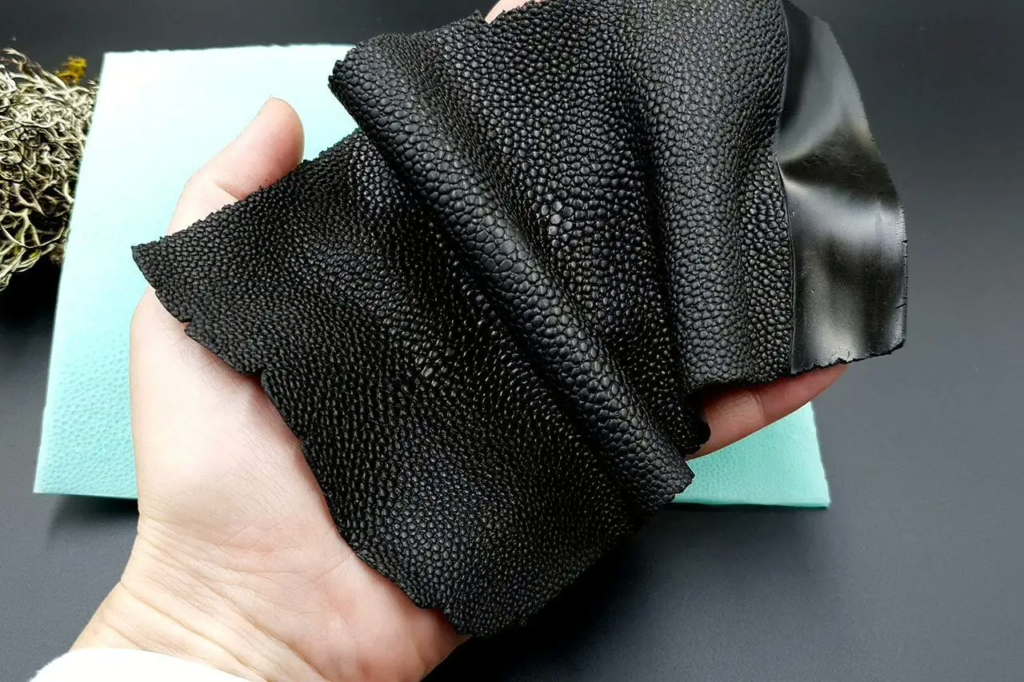
Stingray leather’s exceptional qualities make it unique among exotic leathers. This tough material outperforms traditional cowhide by 20 times. Its strength comes from microscopic fibers that cross like fabric, unlike conventional leather’s parallel structure.
The leather resists scratches, scuffs, punctures, and tears remarkably well. Water can’t easily penetrate it, and it stands up to flames. It also stays clean easily. With a 4 on the Mohs hardness scale, this leather proves much more durable than other exotic types.
Stingray leather makes up a tiny part of the fish leather market, which itself is just 1% of all leather production. But its unique qualities make it perfect for premium products that just need exceptional durability and striking looks.
Specialist Advice:
” Integrate advanced finishing techniques like micro-embossing or precision dyeing to customize stingray leather’s distinctive texture, enhancing the exclusivity and appeal of your products while preserving its natural durability and water resistance.“
— Simon Han, Owner at Dison Accessories &Guangzhou Yosemite Leather | Bags Manufacturing | Cross-Industry Sourcing|Sustainable Solutions
Texture and Appearance of Stingray Skin
Stingray leather’s unique feel grabs your attention the moment you touch it. No other exotic leather on the market today matches its distinct surface texture.
Calcium nodules and enamel coating
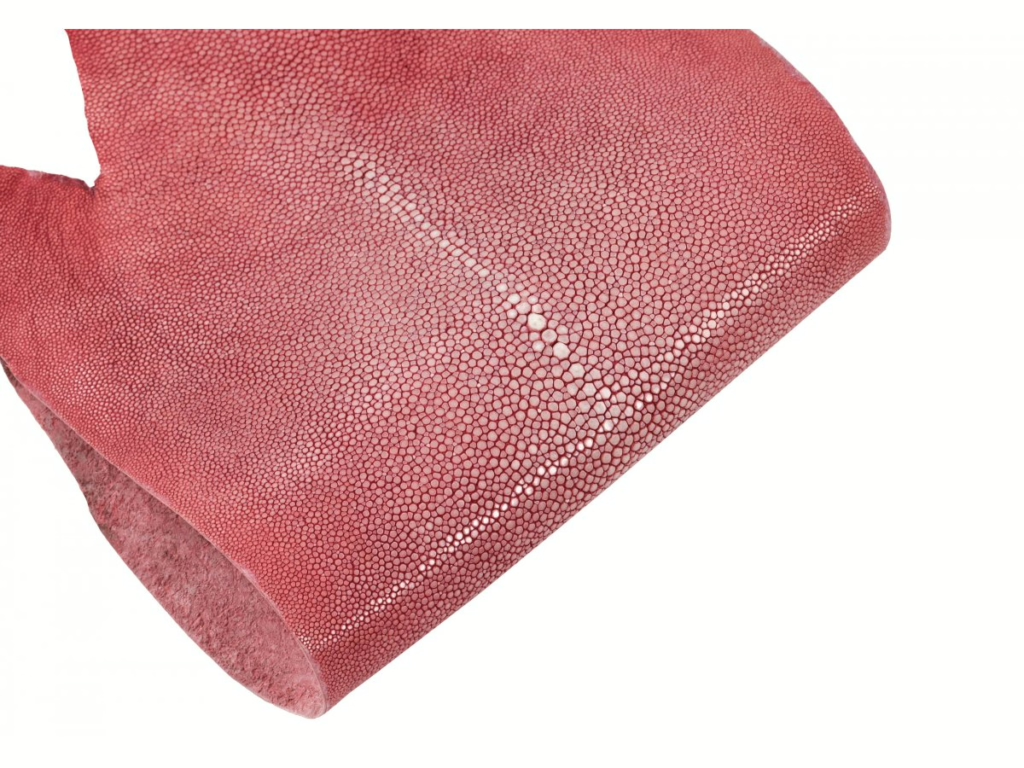
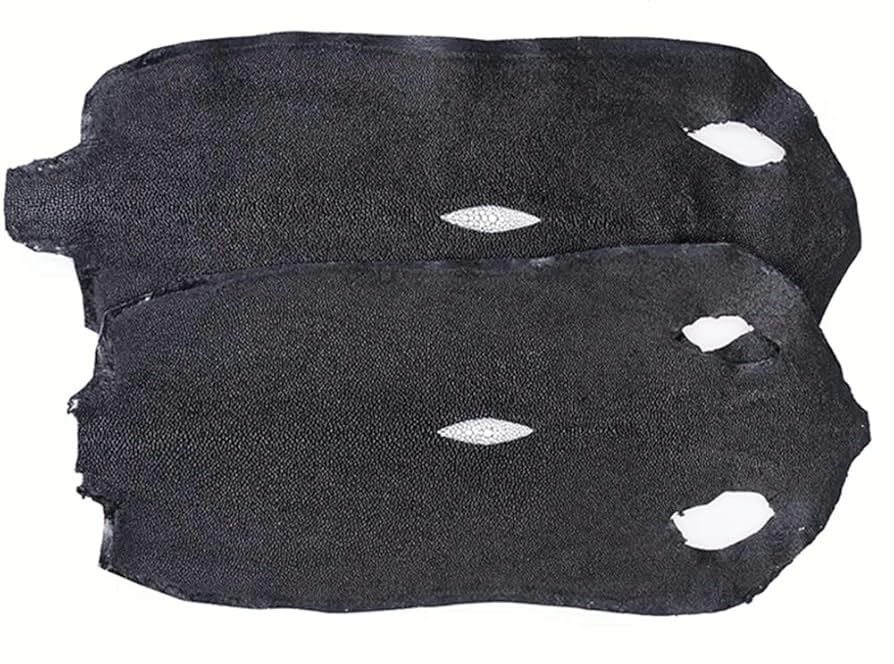
The stingray’s dorsal skin has calcium deposits that create its signature look. These hard bumps, called dermal denticles, have a dentin base with an enamel coating - just like human teeth. A prominent diamond-shaped “crown” or “eye” sits at the center of each skin where these calcium nodules are most dense.
These calcium deposits did more than look good - they protected stingrays from predators. The nodules were so hard that samurai warriors used stingray skin as armor. The surface looks like tiny pearls or beads that get smaller as they spread from the center to the edges.
Sanded vs unsanded finishes
You can find stingray leather in two main finishes: unsanded and sanded. The unsanded type, known as “caviar” or “full pearl” finish, keeps the natural bumpy texture with its original beads. This gives you the most authentic feel with its original raised surface and rough texture.
Sanded stingray (shagreen) goes through polishing to create a smoother surface. All but one of these skins make it through the sanding process, which makes polished stingray cost about 30% more. Sanding affects the top enamel layer and sometimes shows the undyed dentin underneath.
Color options and patterns
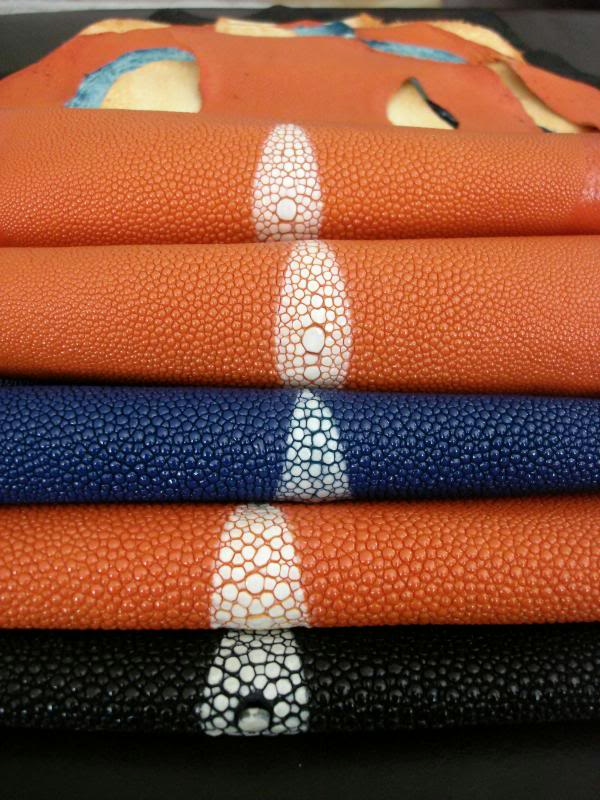
The original stingray leather has a pale color, but chrome tanning opens up endless color options. The calcium nodules are hard to dye, so they keep their sparkling white look even after coloring, which creates beautiful contrast.
Black is a classic choice that makes the central crown stand out. Blues, greens, reds, pinks, purples, and earth tones are also popular. Some makers create specialty finishes with metallic, holographic, and printed patterns that look like tiger, zebra, or giraffe skin.
Skilled artisans can shape the crown into crosses or long lines to create something unique. A well-finished stingray leather catches light beautifully and shimmers in a way that shows off its exotic appeal.
Durability and Resistance Features
Stingray leather stands out as an unmatched material because of its amazing resilience and resistance. The leather’s unique structure protects against damage better than regular leather types.
Is stingray leather durable?
Absolutely! Stingray leather ranks among the most durable exotic leathers you can find. The leather’s toughness comes from two main features. First, it has calcium-rich nodules on its surface. Second, it has fibers that run in random directions. This structure prevents tears better than regular leather. Regular leather has fibers that run in the same direction, making it easy to split. Japanese samurai knew how tough this leather was and used it as armor to protect against slashes and stabs.
Water resistance and flame resistance
Stingray leather repels water really well, though it’s not completely waterproof. Water beads roll right off with barely any marks. The leather’s marine origins give it natural water resistance, so it needs less protective treatment.
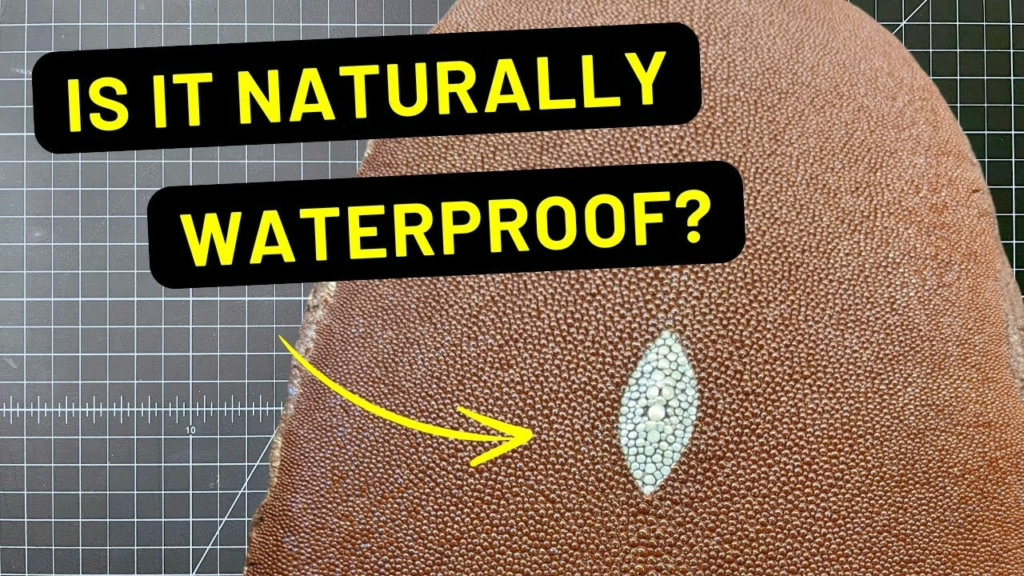
The leather has another surprising quality - it won’t burn. Real shagreen stays intact when exposed to flame, while fake versions melt quickly. This special quality made it perfect to create fire-bellows back in the day.
Scratch and puncture resistance
The leather rates 4 on the Mohs hardness scale. Your fingernails can’t scratch it - you’d need a knife to cause any damage. Tests show stingray leather is 25 times more resistant to abrasion than cowhide. Scientists tested stingray skin to make protective gloves and found it stops cuts, punctures, and wear really well.
Lifespan with daily use
Stingray leather products last over 30 years with daily use if you take care of them. The leather keeps looking good because it resists wear so well. Basic maintenance will give a lifetime of use. That’s why stingray leather is worth the investment - it truly lasts a lifetime.
How Stingray Leather is Made?
Raw stingray skin transforms into luxurious leather through several specialized techniques. After removing the dorsal skin, experts use specific processes to boost its natural properties.
Tanning and dyeing process
The raw stingray hide needs really thorough cleaning with coarse salt to stop decay. The skin then goes to a tannery where workers place it in drums with water and chemicals for the first tanning stage. Chrome-based tanning makes the hide soft while keeping its strength. The leather spends up to two weeks in wood caskets filled with water, chemicals, and coloring agents.
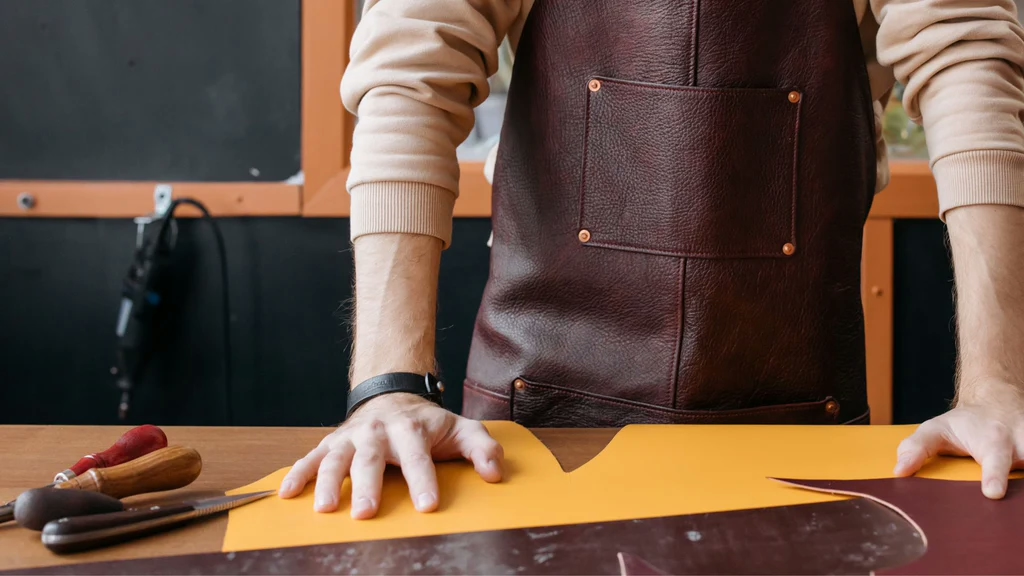
Some makers use a “deep dyeing” technique that colors both leather and calcium beads. The hides go back into drums where dyes create the desired color. Some specialty artisans buy unfinished leather to create their own unique dye patterns.
Sanding and polishing
Stingray skin can take two finishing paths:
- Unsanded (caviar finish): Stays in its natural bumpy state after dyeing
- Sanded (shagreen): Gets processed after dyeing for a smoother surface
Sanding removes part of the surface enamel and sometimes shows undyed dentin underneath. Sanded skins get a polished finish through a machine that creates a striking shine. All but one of these skins survive the sanding process, which leads to higher costs for polished stingray.
Production countries and volume
Global stingray leather production stays small at under 18 million square feet yearly. Indonesia and India lead production, with India being the top exporter. Pakistan buys more stingray leather than any other country. Thailand’s successful stingray farms now supply both food and leather industries,making it an attractive sourcing destination for the bag manufacturer Thailand relies on for high-quality exotic leather goods.
Cost per square foot
Stingray leather’s price changes based on quality, size, and finish:
- Square foot: USD 16.00–USD 50.00
- Half hide: USD 24.00–USD 70.00
- Full hide: USD 40.00–USD 150.00
Sanded finishes cost about 30% more than unsanded ones. Special finishes like metallic treatments can push prices even higher.
Specialist Advice:
” When selecting stingray leather for custom handbag production, prioritize suppliers who provide consistent grading and traceability of the raw material, as this ensures reliable quality and supports ethical sourcing practices critical for maintaining brand reputation.“
— Danny Wong, GM-Handbags/SLG Manufacturer,Leather Goods Supplier/China and Philippines’s factory
Conclusion
Stingray leather stands out as a remarkable material in the exotic leather world. Its unique surface has calcium nodules, making it both durable and beautiful. The leather’s natural water resistance, flame resistance, and superior scratch protection make it a premium choice for long-lasting accessories.
This amazing material’s story goes back centuries. Japanese samurai used it in their armor, and European royal courts prized it in luxury goods. Modern artisans continue this legacy by turning raw stingray hide into stunning products through careful tanning, dyeing, and finishing.
Want to learn more about stingray leather? Feel free to reach out to us at info@leelinebags.comor visit leelinebags.com to order custom bags made from different fabrics. We’re here to help you!
Helpful Readings:
- What Is Hairon Leather: Its Unique Qualities And Uses
- Best 9 Bag Manufacturer In Japan
- Best 8 Manufacturer Of Bags In The Philippines
Frequently Asked Questions About Stingray Leather
1. What makes stingray leather unique?
Stingray leather is known for its distinctive texture, featuring calcium nodules that create a bumpy surface. These nodules, made of the same material as human teeth, provide exceptional durability and resistance to wear.
2. How durable is stingray leather compared to other types?
Stingray leather is considered one of the most durable exotic leathers available. It’s about 20 times stronger than regular cowhide. With proper care, it can last over 30 years. This material is very resistant to scratches, punctures, and tears.
3. Is stingray leather water-resistant?
Yes, stingray leather has natural water-resistant properties. It’s not fully waterproof, but it quickly repels water. It also shows minimal marks when wet, so it needs less protective treatment than other leathers.
4. How is stingray leather processed?
Stingray leather undergoes a meticulous process involving cleaning, preserving, tanning, and dyeing. The hides are usually chrome-tanned. They can be finished in two ways: unsanded, for a caviar look, or sanded, which gives a shagreen texture. Each method offers a unique appearance.
5. What products are commonly made from stingray leather?
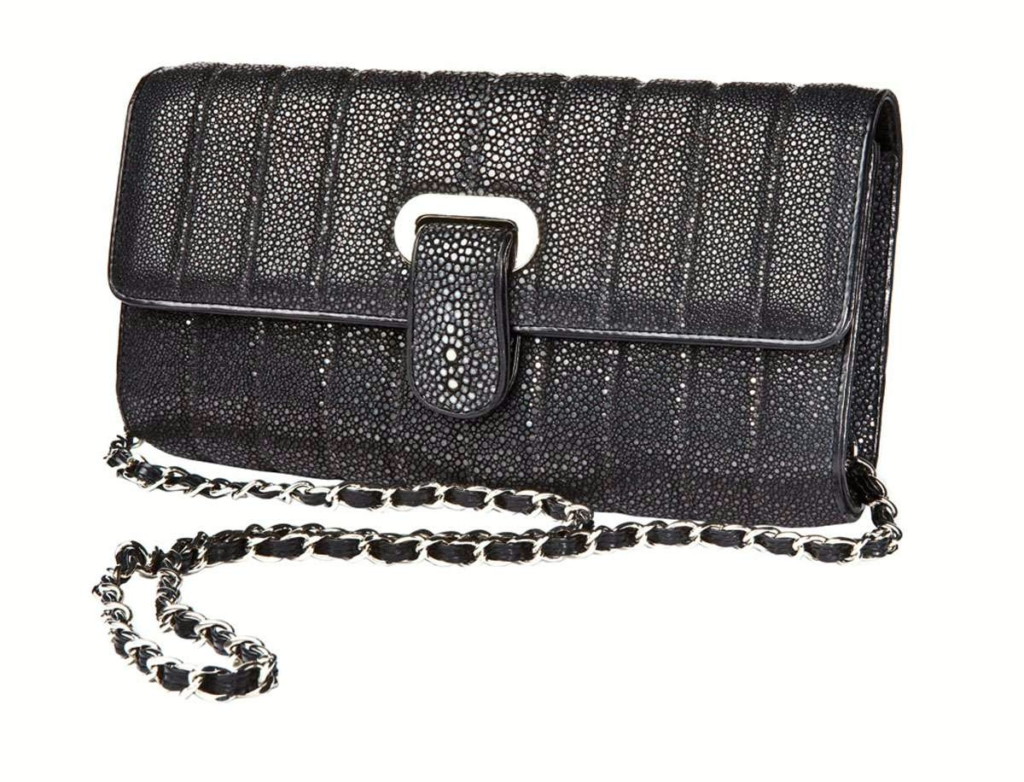
Stingray leather is often used for high-end accessories such as wallets, watch straps, handbags, and phone cases. Its durability and unique look make it a favorite for luxury items. These items need both strength and a special style.