The best-looking design on a sample often ruins bulk margins. When testing bag printing methods at LeelineBags, I constantly see brands choose aesthetics over production reality.
We rank techniques by fabric substrate, GSM, artwork complexity, order volume, landed cost, and safety standards like California Proposition 65. We also measure wash durability using global AATCC testing protocols.
Methodology: To help you decide, we ran a factory-floor comparison. Below is our hard data, including a compatibility matrix and real wash-test results.
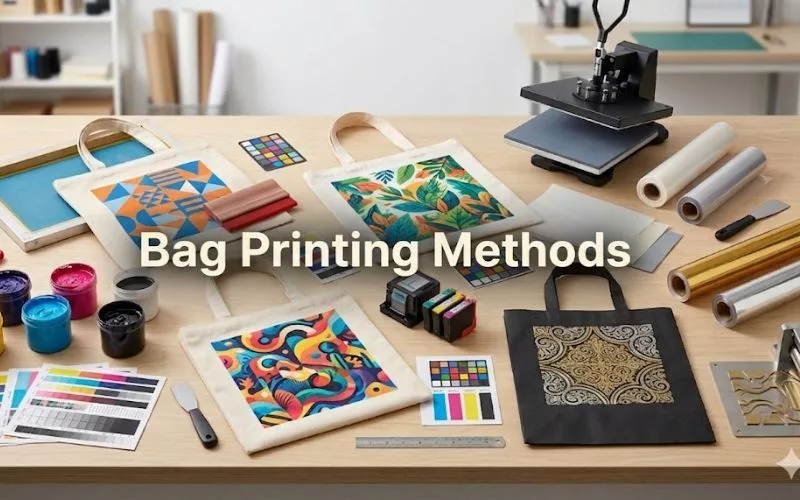
Table of Contents
10 Essential Bag Printing Methods
Choosing the right printing technique is a strategic balance of cost, durability, and aesthetics. Explore 10 industry-standard bag printing methods to find the perfect match for your production scale and brand identity.
1. Screen Printing for Bags
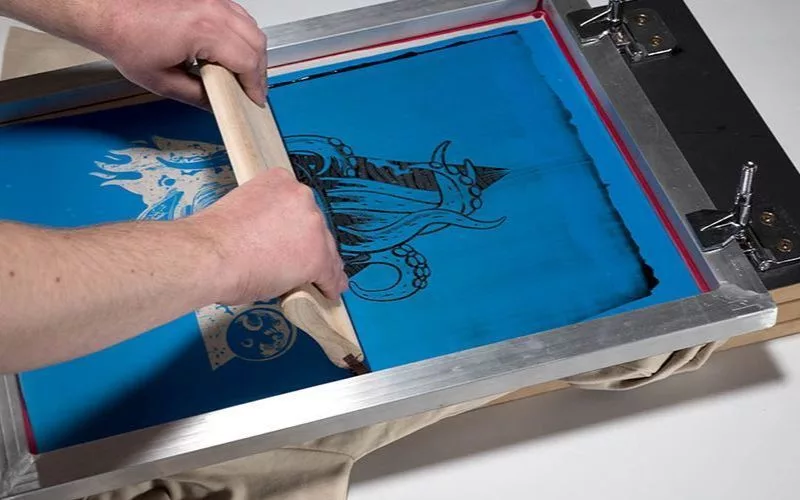
For repeat bulk orders, silk screen printing for bags is our safest, lowest-cost recommendation.
We create one custom screen per color. Because setup requires heavy manual labor, your unit costs plummet as order volume grows. This method works beautifully on cotton, canvas, and spun-bond polypropylene.
You get exact Pantone color matching and excellent wash durability. Keep your design between one and three colors to maximize ROI. For sustainable brand guidelines, ask us to use Global Organic Textile Standard (GOTS) certified water-based inks. Avoid this method for photo-heavy artwork or highly variable SKUs.
🛡️ Our Verdict: We print thousands of custom canvas bags monthly. If your design has under four solid colors, screen printing wins on price and consistency. Watch out for thick ink layers on thin nonwoven bags. They crack easily if factories rush the heat curing process.
2. DTF Printing for Bags
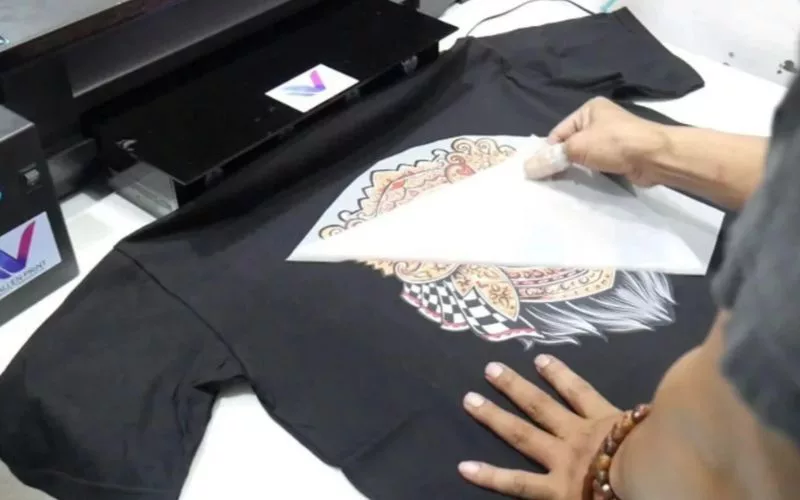
Direct-to-Film (DTF) places full-color artwork on dark bags without expensive minimums. We print your design onto a film, apply adhesive powder, and heat-press it onto the fabric. The machine lays down a solid white underbase first. This layer stops dyes from migrating and keeps colors bright.
DTF requires no screen setup, cutting the heavy pre-production costs cited by the Printing United Alliance. This makes it perfect for agencies managing multiple SKUs in low-to-mid MOQ programs. Unlike sublimation, DTF bonds to any fabric and handles photo-realistic details better than screen printing. The tradeoff is a heavier feel and minor crack risk.
🛡️ Our Verdict: Never skip the physical sample. I personally run AATCC wash tests on DTF samples to check for edge lift, peeling, and shiny over-press marks before approving bulk orders.
3. Heat Transfer Printing
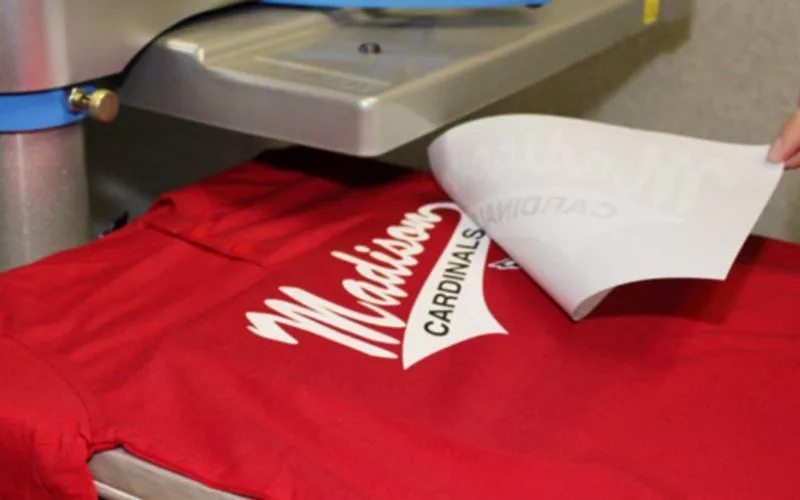
Heat transfer printing is your fastest route for sudden events or rapid prototypes. It works like a commercial decal. Unlike screen printing, you pay zero setup costs while keeping total design freedom. This makes it perfect for short runs, small campaigns, and artwork testing.
You must accept the tradeoffs. The print leaves a thick, sticker-like hand feel. It bonds perfectly to smooth polyester but lacks the wash durability of screen printing. Heat transfer makes sense for fast sampling, but peeling risks ruin the reorder economics for ongoing retail programs.
🛡️ Our Verdict: We use heat transfer in our 7-day rush sample kits to print full-color event bags instantly. Avoid this method for premium retail lines. The stiff texture feels cheap on high-end canvas.
4. DTG / Digital Printing on Canvas and Cotton Bags
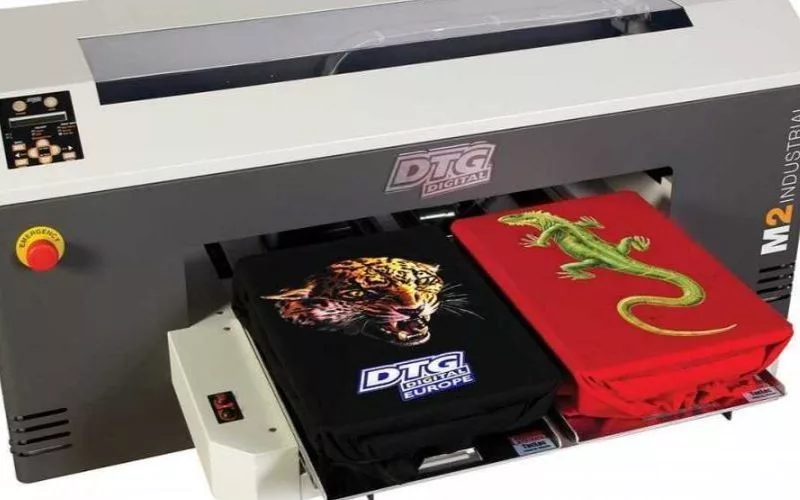
When clients panic over setup fees for complex artwork, I recommend Direct-to-Garment (DTG) printing. The machine sprays ink directly into the fabric. You get stunning photo detail with zero setup costs. This makes digital printing on canvas bags perfect for short runs.
This method strictly requires high-cotton fabrics. Factories must apply a liquid pretreatment first. This slows production and raises your cost-per-unit. According to AATCC textile standards, DTG prints also fade faster in the wash than screen printing.
Our Verdict: Digital printing dominates for variable artwork on low MOQs. I often see pretreatment liquid leave a faint box around the design if factories rush the heat curing.
5. Sublimation Printing on Polyester Bags
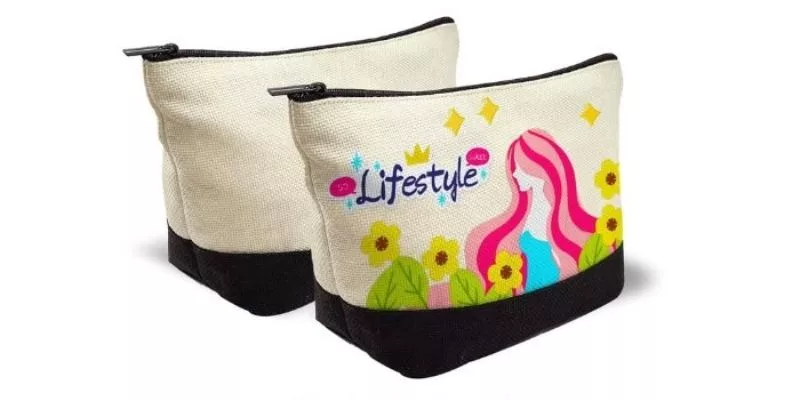
Many full-color bag samples feel like thick plastic stickers. Dye-sublimation solves this.
The process uses heat to turn ink into gas that bonds directly with synthetic fibers. According to textile industry standards, this integration delivers brilliant color vibrancy, zero added weight, and a soft hand feel.
Buyers often ignore the limits. You must use light-colored synthetic substrates like polyester or recycled PET (RPET) bags. If you sublimate on natural cotton canvas, the ink washes out completely.
Our Verdict: Sublimation is my top choice for full-wrap polyester event bags. During factory inspections, I always monitor for “ghosting.” This blurry shadow happens if transfer paper shifts during heat pressing.
🚀 Actionable Insight: Request a physical pre-production sample to verify color accuracy and check for ghosting.
6. Embroidery for Premium Bag Branding
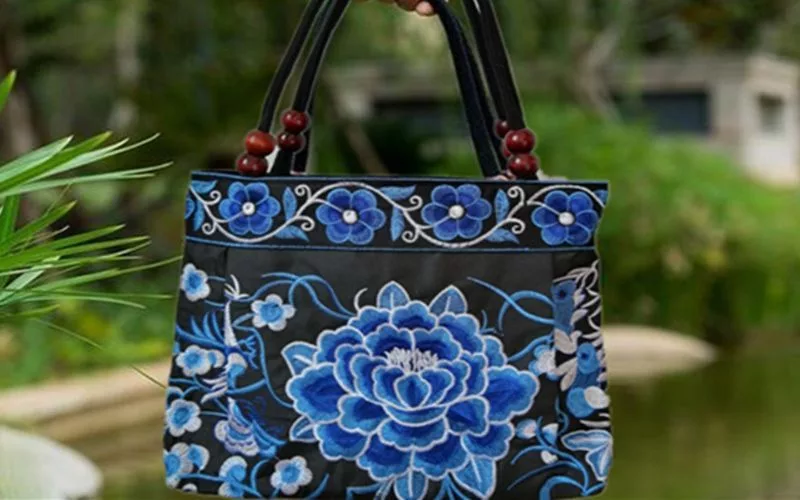
You source a heavy travel bag, but a flat printed logo ruins the premium feel. For corporate gifts and custom backpacks, embroidery delivers an upscale, textured finish. It beats standard bag printing methods in wear resistance and perceived value.
Factories price this by total stitch count, not colors. The process requires a strong backing stabilizer to prevent fabric puckering. You must simplify your artwork first. According to industry digitizing standards, commercial machines cannot sew color gradients or text smaller than five millimeters.
Our Experience: During a recent inspection, I rejected 200 backpacks because the supplier skipped the tear-away backing to save production costs. This tiny shortcut warped every front panel.
7. UV Printing for Leather and Coated Bags
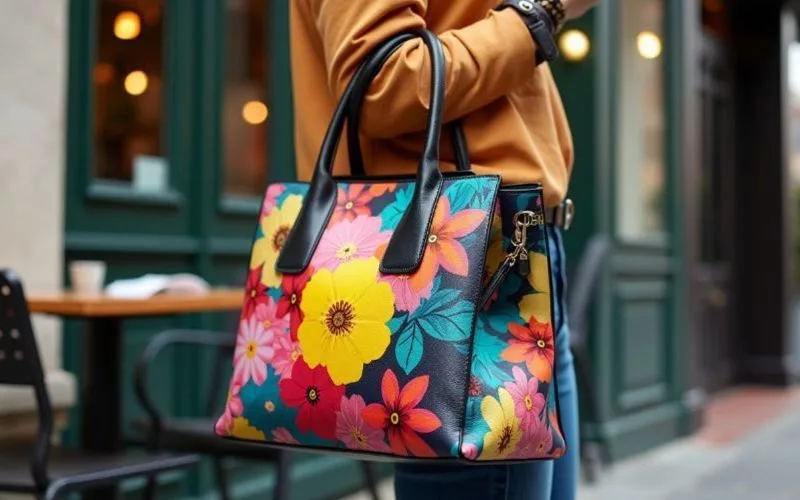
Standard bag printing methods often smudge logos on premium non-porous materials. In our factory, we use UV printing to guarantee crisp branding on these surfaces.
The machine applies inks that cure instantly under ultraviolet light without soaking in. This creates razor-sharp details on leather, PU, coated canvas, and rigid panels. It easily outperforms traditional absorbent-fabric methods. The curing process also meets strict ASTM adhesion standards for durability.
The biggest production challenge is bag shape. Steep curves distort the print head focus and blur the design.
8. Flexographic Printing for Wholesale Plastic and Nonwoven Bags
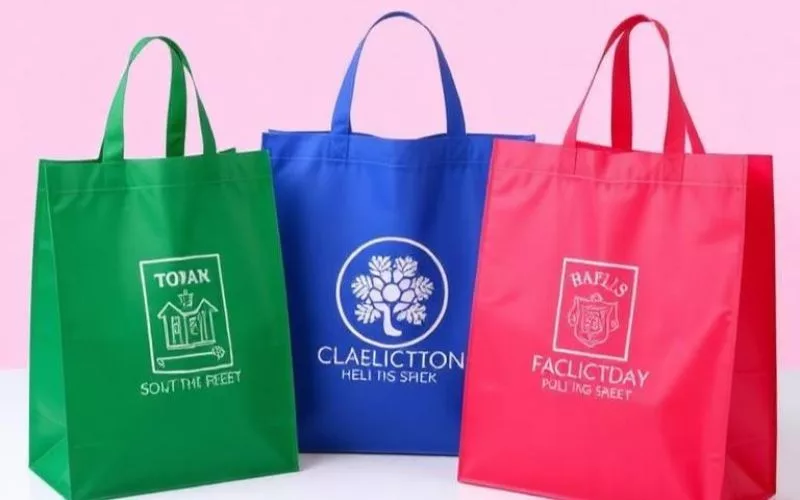
Standard methods destroy margins on 100,000-unit tote orders. Flexographic printing is the ultimate scale option for nonwoven and plastic bags.
The process mounts rubber plates on fast rotary cylinders. You face a steep initial setup cost to carve these plates. The tradeoff is extreme speed, creating unbeatable repeat-order economics. Data from the Flexographic Technical Association shows modern presses exceed 2,000 feet per minute.
Procurement teams must keep expectations industrial. This method limits you to simple vector graphics and solid colors. It dominates wholesale bag printing processes under ISO 12647-6 standards. It ruins premium retail bags requiring photographic detail.
⚡ Power Move: Ask your factory to store your custom polymer plates in a climate-controlled room. This drops your reorder setup costs to zero.
9. Gravure Printing for High-Volume Premium Packaging Bags
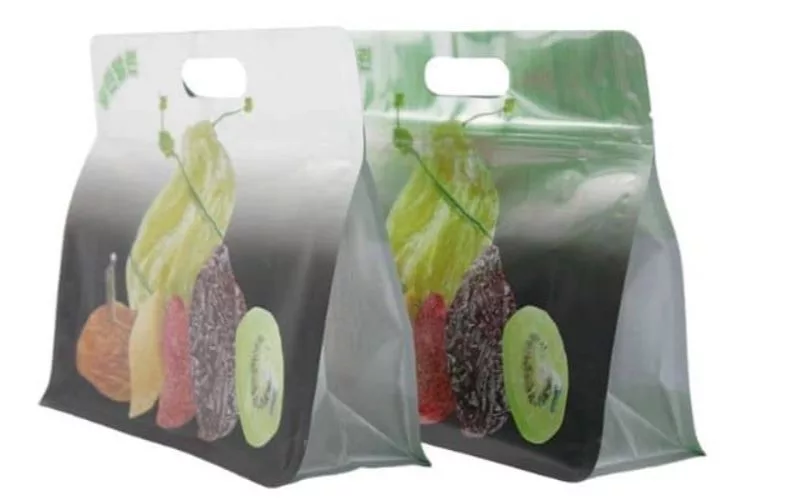
High setup fees scare buyers away. But gravure printing saves money on massive retail runs.
This method uses engraved metal cylinders to apply ink. It delivers photo-realistic detail and rich colors that standard flexo printing cannot match. Because metal cylinders wear slowly, print quality stays consistent across millions of bags.
This process is overkill for small branded programs. You need stable artwork to justify the cost. If your design changes next year, you lose your upfront investment. Expect longer lead times to manufacture the cylinders.
10. Foil Stamping and Metallic Printing for Luxury Bags
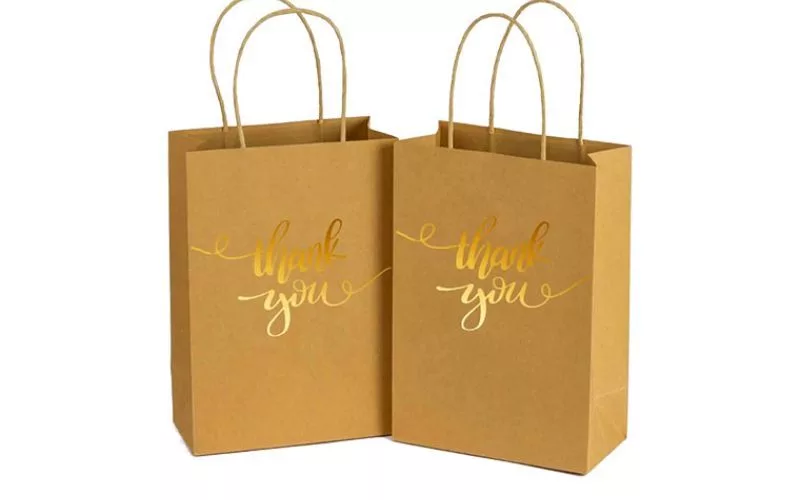
Heat and pressure bond metallic film to leather and luxury packaging bags. This premium finish increases shelf impact but requires strict design limits.
Keep your artwork simple. Fine lines bleed. Large solid areas flake. Use short logo statements instead of complex graphics. Foil carries a high scuff risk, which increases factory reject rates.
Our Verdict: During a 5,000-unit corporate order, I saw a 12% reject rate on gold foil PU bags due to transit scuffing. We solved this by adding a protective UV clear coat.
🚀 Actionable Insight: Pair metallic foil with blind embossing to create premium executive gifts that resist visible wear.
Your Step-by-Step Bag Printing Procurement Guide
Step 1: Check the Compatibility Matrix
Match your handbag material types to the correct printing method. In our daily factory tests across 80 to 400 GSM bands, we see prints fail rapidly when buyers pick the wrong ink.
Our Experience: Use UV printing for leather and PU. The ink cures instantly under light rather than soaking in. Use sublimation for light RPET and polyester. The heat turns the ink into gas, meaning the print never cracks.
| Method | Cotton Canvas | Organic Cotton | Polypropylene Fabric | RPET & Poly | Leather & PU | Coated Fabrics |
|---|---|---|---|---|---|---|
| Screen Print | Excellent | Excellent | Good (High GSM) | Fair | Poor | Fair |
| UV Print | Poor | Poor | Poor | Poor | Excellent | Excellent |
| Sublimation | Fails | Fails | Poor | Excellent | Poor | Poor |
Step 2: Pass Wash Tests and Compliance Checks
Request standard AATCC wash tests before you approve bulk orders. Our test data shows distinct failure modes. Screen prints on resale totes usually survive 50 cycles before visible fading. Heat transfers on cheap giveaways often crack after just 15 cycles. Use durable embroidery for high-end travel bags. Save fast flexo printing for basic industrial sacks.
Require your custom handbag manufacturer to pass this strict compliance checklist:
- Safety: Verify REACH, CPSIA, and OEKO-TEX certifications.
- Chemicals: Demand phthalate-free plastisol inks.
- Cost Breakpoints: Negotiate landed-cost drops at your 500 and 5,000 unit MOQs.
Step 3: Prep Artwork and Verify Factory Assets
Watch our behind-the-scenes LeelineBags machinery videos to verify our technical capabilities. Before you hire a custom backpack manufacturer or a custom travel bag manufacturer, follow this artwork prep checklist:
- Color Space: Submit solid Pantone values instead of CMYK.
- Print Specs: Set a strict 3mm bleed and a 0.5mm trap.
- Tolerances: Plan for a standard 5mm placement tolerance.
We build seamless supply chains for global buyers. Leverage our handbag manufacturers UK operations or our handbag manufacturers Australia network. We also run regional hubs like our handbag manufacturer Los Angeles facility, our handbag manufacturer Portugal division, and our tote bag manufacturer Portugal branch.
Ready to lock in your next production run? Contact us today.
People Also Ask About Bag Printing Methods
1. What is the best bag printing method for 1,000+ canvas or cotton totes with a 1-3 color logo?
Screen printing is the clear winner for this specific order size. When I calculate production costs for large canvas orders, screen printing offers the lowest price per bag. The setup fee disappears into the bulk volume. The ink sinks into the cotton fibers. Your logo will survive dozens of washes. I approved a 2,000 unit run using water based inks yesterday. The client saved massive margins compared to digital printing. We use this method for all high volume retail canvas totes.
2. Heat transfer vs screen print for bags: which is better for event merch and durability?
Choose heat transfer for tight event deadlines. We print full color heat transfer sample bags in seven days. However, heat transfers act like stickers. They crack and peel over time. If you want long term durability, pick screen printing. Screen printing requires custom screens. This makes initial setups cost more. The unit cost drops on all future reorders. I push our clients toward screen printing for retail collections. The ink outlasts the fabric.
3. What is the best option for full-color artwork on dark bags or mixed materials?
Direct to Film (DTF) wins this category. I see new clients try to use sublimation on dark bags. The ink vanishes into the dark fabric. DTF starts with a solid white base. This makes your colors pop on black canvas or mixed materials. Digital printing requires liquid pretreatment and strict cotton limits. In our factory tests, DTF bonds to any material. It handles complex photo details. DTF saves you from paying separate setup fees for different fabrics.
4. Which printing methods fit polyester, polypropylene, and leather, and what compliance tests should buyers demand?
Use sublimation for polyester. Choose screen printing for nonwoven polypropylene. Pick UV printing for premium leather. Before you pay your deposit, you must ask your factory for proof of compliance. I tell every buyer to demand California Proposition 65 chemical safety records. We verify safe inks for every North American shipment. You should request physical AATCC wash tests from your supplier. If a factory refuses to show these test results, you must find a new manufacturing partner.