
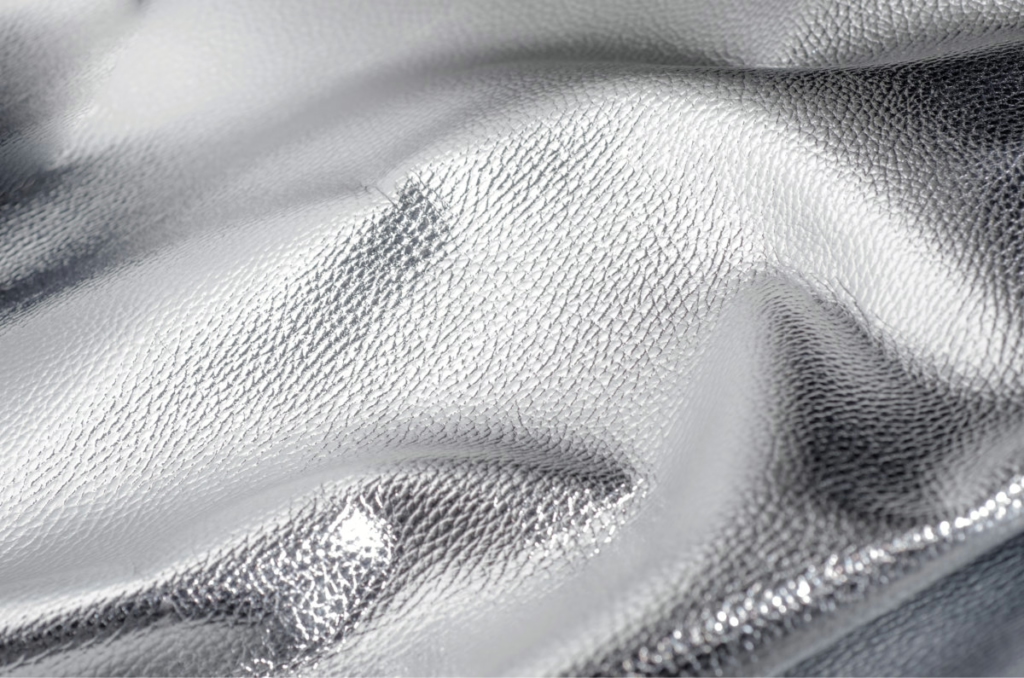
The striking gold, silver, or copper sheen of metallic leather draws attention, yet the reality is simpler. A metal foil just a few microns thick adheres to the leather’s surface. This glamorous material comes with hidden quality issues that buyers often miss.
Many custom handbag manufacturers showcase striking metallic leather bags in their collections. The complex lamination process needs specialized high-temperature machinery, a fact rarely mentioned. The metallic leather’s durability is nowhere near that of standard leather. Its surface tends to wear off and develop a flaky, faded look that ruins its original appeal.
This guide will show you the key signs of metallic leather’s quality. You’ll learn why some items wear out more quickly than others. You’ll learn to test genuine craftsmanship before making a purchase. These hidden factors can protect you from future disappointment when buying that eye-catching metallic accessory.
The Basics of Metallic Leather
Metallic leather combines traditional craftsmanship with modern finishing techniques, and it’s more than just its stunning looks. The knowledge about this unique material will help you make smart choices when you’re looking at metallic leather bags.
What makes leather ‘metallic’?
The journey from basic leather to metallic starts with soft leathers. You can find these in lambskin, goatskin, calfskin, and cowhide leather. The real magic happens during the finishing stage through special techniques.
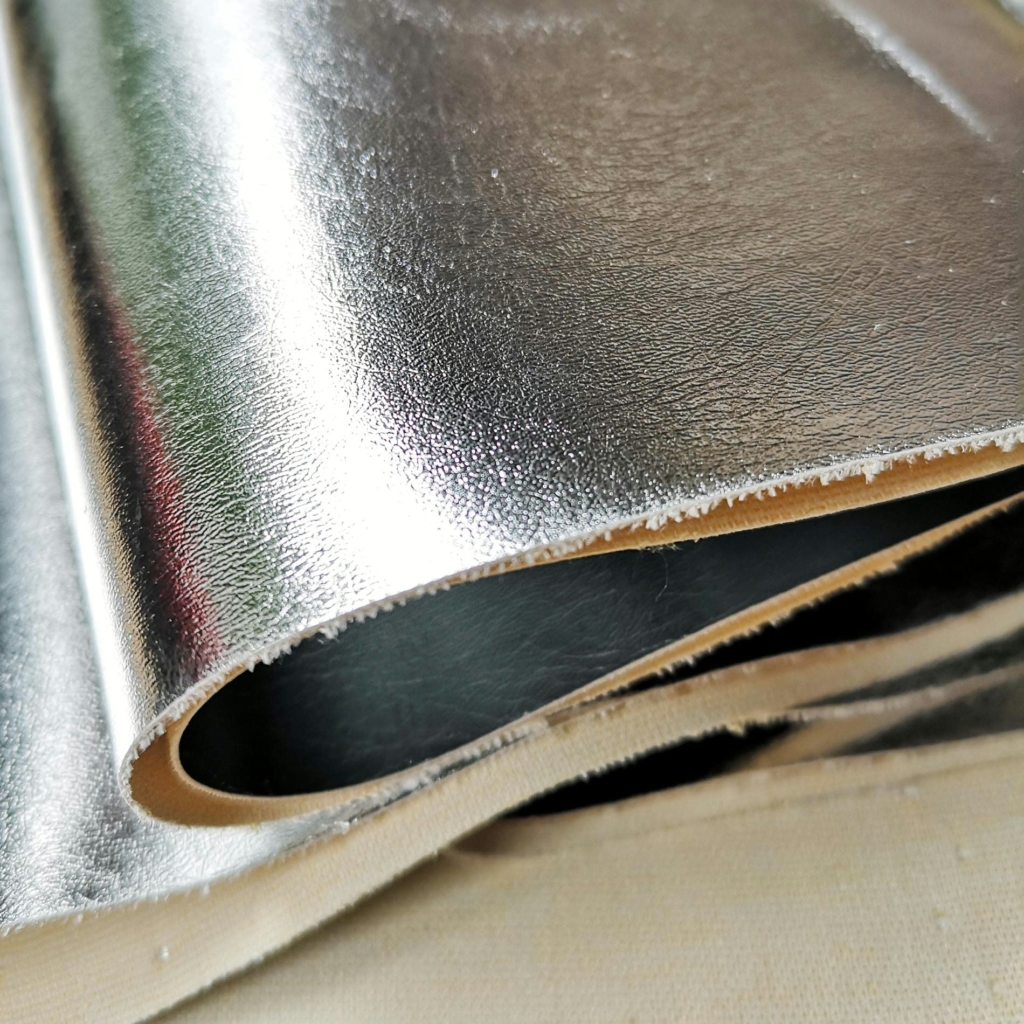
Manufacturers mostly use foil stamping to create that mirror-like shine people love in high-end accessories. They heat-press a thin metal foil onto leather with special transfer equipment. Some craftsmen use metallic pigments instead - these are paint-like materials with concentrated metal powders like aluminum, copper, or zinc mixed in a gel base.
Skilled artisans create unique finishes by mixing techniques and layering pigments with foils. This gives them custom effects like gradients or iridescence. The end result changes based on their method - foil stamping gives sharp, reflective surfaces while pigments create a subtle, pearly glow.
This process needs special machines that reach exact high temperatures to make sure the metallic elements stick properly to the leather. The technique works on leather of all types, including those with embossed patterns that add visual depth.
Common misconceptions about metallic finishes
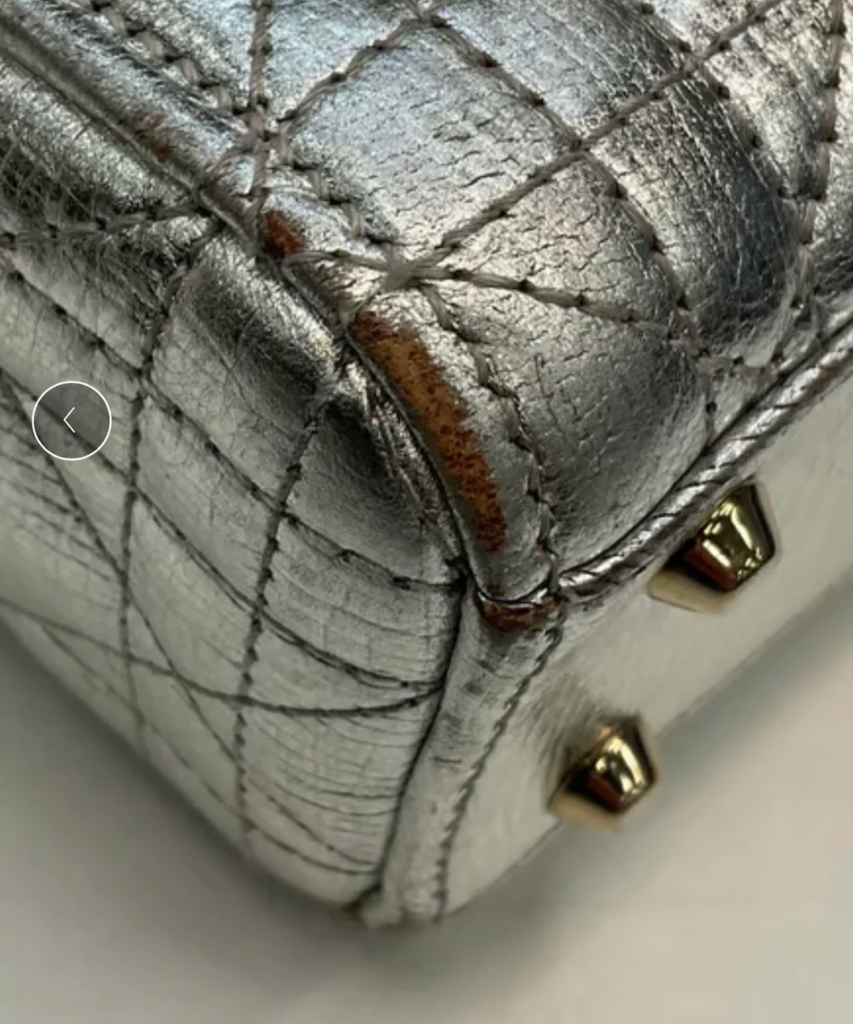
People often think all metallic leather has the same quality level. The base leather’s quality is different from piece to piece. Many buyers also wrongly assume metallized leather will last forever.
Standard finishes last much longer than metallic ones. The metallic coating wears away over time and leaves a flaky, faded look that’s nowhere near its original glamorous appearance. The metallic elements might completely disappear and show just the leather underneath.
The leather type itself leads to another mix-up. The shimmering surface doesn’t always sit on top of full-grain leather. Manufacturers often put metallic treatments on lower-quality split leathers or even suede. You might pay top dollar for what’s basically a cheaper material under that pretty surface.
People’s view of metallic leather as just decorative isn’t quite right. The lamination process boosts water resistance and surface durability. This doesn’t make up for the finish wearing away eventually.
Pro Tips:
” If you plan to use metallic leather in high-touch areas like handles or straps, request a sample swatch and conduct a 24-hour abrasion test; this will reveal premature pigment transfer or foil lifting before committing to a full order. “
— Kate Yang, Guangzhou Fiedle Leather Bag Co.,ltd – Foreign Trade
Related reading:
How Metallic Leather is Really Made?
The way manufacturers create metallic leather uses advanced techniques that affect its durability, looks, and value. Standard leather treatment is not the same as making it shine. That shine requires special equipment and precise methods.
Foil stamping vs. metallic pigments
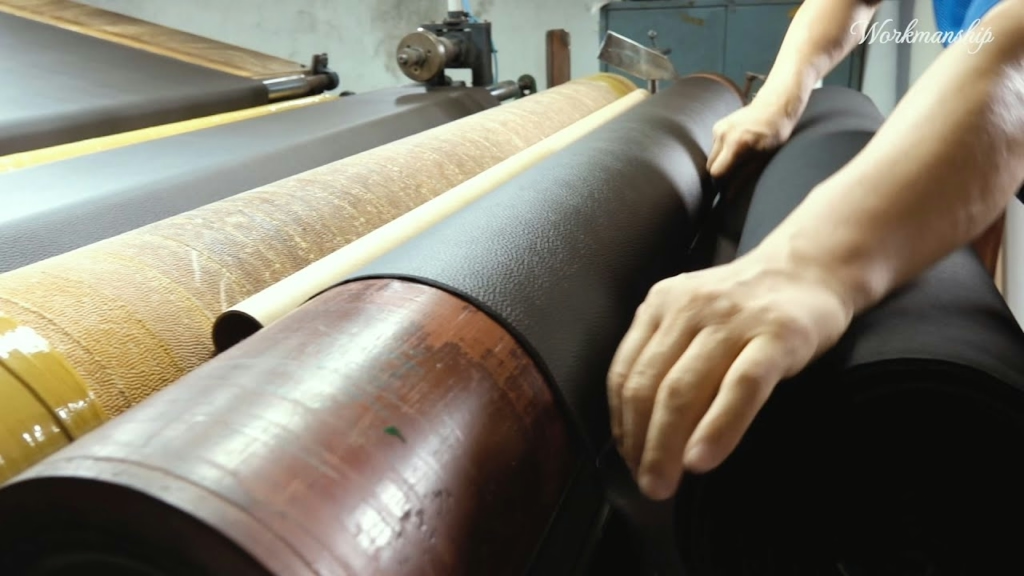
Metallic leather gets its gleaming surface from two main techniques. Foil stamping uses heat to press thin metal foil right onto the leather with a metallic foil transfer press. This creates a mirror-like, reflective finish that works great for luxury accessories. The foil sticks to the leather when heat turns on an adhesive layer and melts the release layer at the same time.
Metallic pigments work quite differently. These are made of concentrated metal powders—usually aluminum, copper, or zinc—mixed in a gel medium. Artists add this mixture as a thin, bonded layer that dries into a subtle, pearly sheen. Many custom handbag makers prefer this method because it gives more depth.
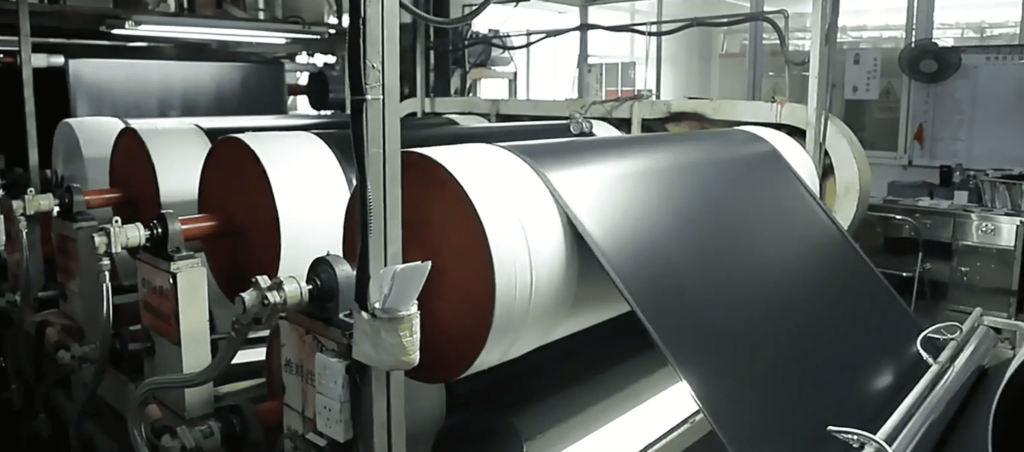
Expert craftsmen often blend both methods to create special effects. This combination lets them make custom finishes like gradients or iridescent looks with more visual depth.
Why lamination matters more than you think?
Lamination creates the vital bond between metallic elements and leather surface. The process needs exact temperature control and pressure—factors that substantially affect durability. Bad lamination causes the metallic layer to flake, crack, and peel off too soon.
Quality-focused manufacturers invest in special lamination equipment. These machines will give a metallic layer that sticks evenly across the whole leather surface instead of just looking bonded for a while.
The role of base leather quality
Here’s a secret leather experts know: stunning metallic finishes can’t fix poor-quality base leather. Most metallic leather starts with soft, wearable types—lambskin, goatskin, or calfskin. The base leather’s qualities guide the final product’s flexibility, durability, and life span.
Whatever the stunning surface looks like, a metallic leather bag’s success depends on its foundation. Top manufacturers opt for premium base leathers. They focus on leathers with few flaws, the right thickness, and solid tensile strength. Some makers use metallic treatment to hide low-quality split leathers or heavily corrected hides, basically covering up quality problems with a pretty surface.
What Affects the Quality of Metallic Leather?
Quality assessment helps distinguish exceptional metallic leather from flashy imitations. Similar shine doesn’t guarantee equal performance or longevity. These quality factors help you make smart investments.
Durability issues with cheaper finishes
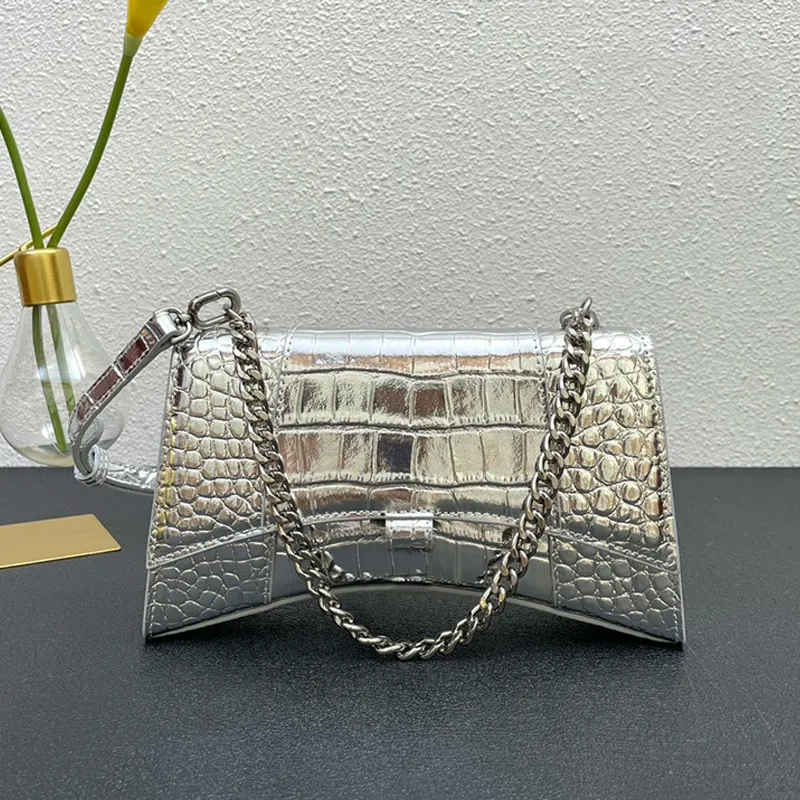
Reflective surfaces on cheaper metallic leather tend to deteriorate fast. Poor application methods lead to uneven coverage that wears down quickly. Manufacturers often skip proper surface preparation. They may also use low-grade metallic pigments. This can lead to poor bonding.
Cheap metallic finishes also lack proper protective coatings. Without this vital layer, the metallic surface easily gets scuffed, scratched, and ages too soon. That stunning metallic leather bag loses its shine through everyday use.
How to spot poor adhesion or cracking?
You can avoid disappointment by spotting quality issues before buying. Look out for these warning signs:
- Uneven shine from different angles
- Stiff texture that stays pressed down
- The metallic coating peeling from the leather base
- Small cracks along fold lines or edges
The quickest way to check durability is to look at the leather in natural light instead of showroom lighting. Good quality metallic leather shows consistent shine without any dull patches.
Why flexibility is often compromised?
Making flexible metallic leather presents one of the biggest challenges. Adhesives that bind metallic pigments or foils naturally restrict leather’s movement. Manufacturers must balance visual appeal with wearability.
High-quality metallic leather should feel soft despite its special finish. To test flexibility, press the surface gently—good pieces show small wrinkles that smooth out quickly. Lower quality pieces stay stiff or keep permanent creases.
The truth about full grain vs. split leather in metallics
Full grain leather, usually leather’s highest grade, rarely works well with metallic finishes. Natural markings and pores in full grain create patchy metallic coverage.
Custom handbag makers prefer top grain or split leather for metallic treatments. Top grain’s first cut keeps leather’s strength while offering a smoother surface for metallic finishing. Split leather might lack natural character but takes metallic finishes evenly.
Leather quality still plays a huge role. A well-finished split leather often performs better than poorly finished full grain options.
What Expert Craftsmen Don’t Usually Share?
What you see in shiny showroom displays and polished marketing photos isn’t the whole truth. Leather craftsmen guard their trade secrets closely, and these hidden practices directly affect your metallic leather’s quality and lifespan.
Shortcuts taken in mass production
Factories often skip vital steps while making metallic leather items. They replace traditional multi-step lamination with quick-dry adhesives that don’t last. Many producers cut corners by applying thinner metallic coatings - sometimes just half as thick as they should be. They do this to save money and speed up production. The rushed curing process creates a perfect-looking finish that starts to fail in months instead of years.
Why some metallic leather bags age poorly?
Your metallic leather bag might look worn too soon because of several hidden issues. Most metallic finishes don’t have proper UV protection, so they break down and change color in sunlight. The glue that attaches metal to leather can become brittle over time. This is especially true in cold weather. When you bend the material, tiny cracks appear on the metal surface. These cracks can grow into visible wear marks. Even the best metallic leather shows some aging, but cheaper pieces can fall apart after just one season.
How to test for real quality before buying?
Here’s what you should check before you buy:
- Fold the leather gently - good quality metallics won’t show white stress lines
- Use your fingernail to lightly scratch the surface - poor finishes scratch too easily
- Push your thumb hard against the metallic surface for 30 seconds - cheap finishes will dent
The hidden cost of high-shine finishes
The shiniest metallic finishes trade durability for looks. Less reflective metallic leather lasts much longer than mirror-bright options. Custom handbag makers rarely tell you that high-shine metallics need special cleaners and conditioners that add substantially to your maintenance costs. Hand oils or perfumes can leave permanent marks on most metallic leather products.
Pro Tips:
” For optimal longevity, store metallic leather goods in breathable dust bags and avoid plastic covers, as trapped humidity can accelerate delamination and tarnishing of the metallic layer. “
— Simon Han, Owner at Dison Accessories &Guangzhou Yosemite Leather |Bags Manufacturing | Cross-Industry Sourcing|Sustainable Solutions
Conclusion
Metallic leather’s lustrous appearance without doubt fascinates many, but the quality beneath that shimmering surface tells its true story. Our deep dive revealed several significant factors that set exceptional metallic leather apart from flashy knockoffs. The quality of the base leather forms the foundation everything else builds upon. It also matters how well the lamination techniques and adhesion methods are executed because these directly shape your metallic leather items’ daily wear resistance.
The eye-catching shine of metallic leather comes at a price. The process that creates its stunning finish often makes it less flexible and durable than standard leather treatments. All the same, knowing these trade-offs helps set realistic expectations about how these pieces age.
You can reach us at info@leelinebags.com or visit leelinebags.com to learn more about metallic leather or order custom leather bags—as the best bag manufacturer in China, we’re here to help!
Further reading:
-
The Truth About Togo Leather: A Luxury Expert’s Honest Review
-
What Is Mycelium Leather: Everything about this Vegan Fabric
Frequently Asked Questions About Metallic Leather
1. How durable is metallic leather compared to standard leather?
Metallic leather is generally less durable than standard leather. The metallic coating can wear off over time, leading to a flaky, faded appearance. High-quality metallic leather with good lamination can last a long time if you take care of it.
2. What should I look for when buying metallic leather products?
Look for consistent reflectivity, flexibility without permanent creases, and no visible separation between the metallic coating and leather base. Gently fold the leather to check for white stress lines, and press your thumb against the surface to test for quality. High-grade pieces should maintain their appearance after these tests.
3. Can metallic leather be cleaned and maintained easily?
Metallic leather requires special care. Use cleaners and conditioners specifically designed for metallic or delicate leathers. Avoid exposure to moisture, sunlight, and harsh chemicals. Regular maintenance with appropriate products can help preserve the metallic finish and extend the product’s lifespan.
4. Is full-grain leather commonly used for metallic finishes?
Surprisingly, full-grain leather is rarely used for metallic finishes. Manufacturers often prefer top-grain or split leather for metallic applications as they provide a smoother surface for even coverage. The quality of the underlying leather still significantly impacts the final product’s durability and feel.
5. How can I tell if a metallic leather product is of good quality?
Quality metallic leather should feel supple despite its specialized finish. It should have consistent reflectivity without dull spots when viewed from different angles. The surface shouldn’t scratch easily when lightly rubbed with a fingernail. Additionally, high-quality pieces will not show permanent creases when gently pressed.