
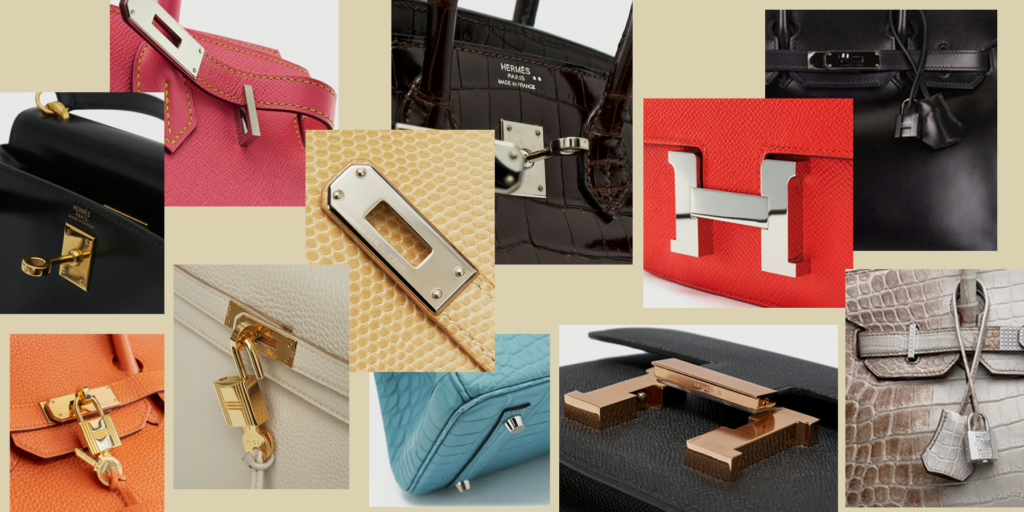
Quality hardware for making bags can turn a basic bag design into a beautiful masterpiece. Crafters face a big challenge. They need to find reliable suppliers among over 30 choices. Aliexpress might seem like a good deal, but quality issues often hide behind those low prices.
Custom bag manufacturers need to pick their components carefully. Magnetic snaps, cap rivets, D-rings, and swivel hooks have various finishes. These range from antique brass to rose gold. The right handbags making supplies and hardware for making bags make all the difference. Strong materials that support weight and daily use will shape your project’s success. Experienced crafters have picked up useful tips about bag-making accessories. They wish someone had shared these insights with them when they began.
Ready to elevate your bag designs from amateur to artisan? Let’s get started!
Common Hardware Quality Issues Professionals Face
Poor hardware for making bags quality can ruin a great bag design and upset customers. Professional crafters face several challenges that affect their final products.
Metal plating problems: Poor plating processes create many issues with how hardware looks and lasts. Gold-plated parts often show trouble first. Their shine begins to peel, exposing the base metal underneath. Bad plating results in color changes and dull finishes, damaging the hardware’s appearance. Cleaning might bring back some shine temporarily, but only re-plating can fix these defects properly.
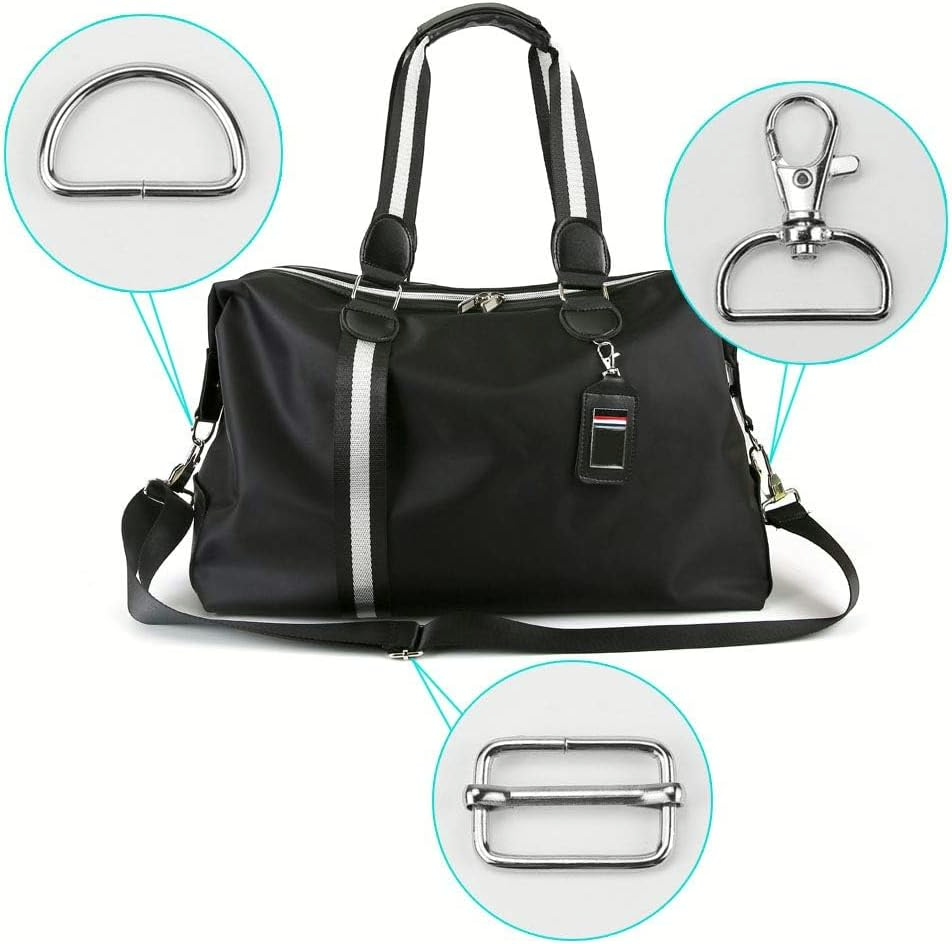
Weak points in clasps and hooks: Snap hooks and clasps must close attention. They support heavy weight and face stress. Metal snap hooks remain the best choice for durability. The right size selection is vital - small hooks might fail with heavy loads, while big ones look out of place on delicate bags. Hardware with loose fastening or weak joints tends to break during normal use.
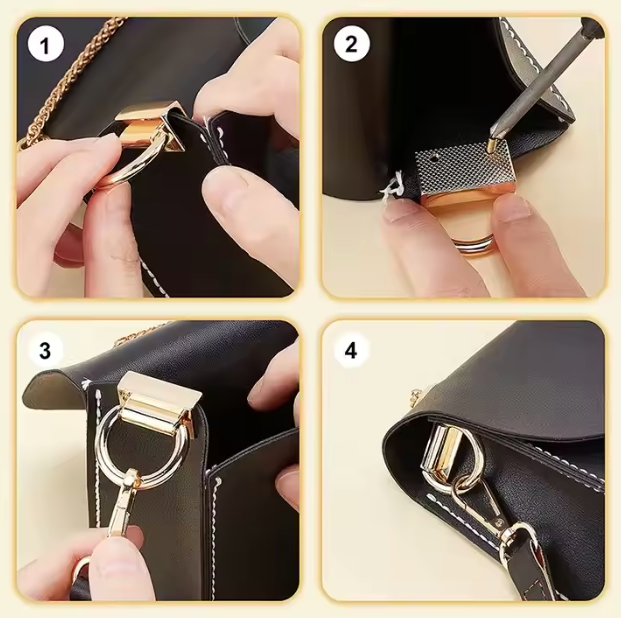
Size inconsistencies between brands: Different manufacturers’ measurements and specs vary by a lot. This causes trouble for professional bag manufacturers when hardware parts don’t fit well. The misalignment affects both how the bag works and looks. These size differences especially affect:
- Strap and D-ring attachment points
- Closure mechanisms and magnetic snap placement.
- The finished bag’s proportions and visual balance
Crafters should test their tools well before buying in bulk. This helps them keep quality high. Quality metal parts should feel sturdy. They must hold a steady temperature. Plus, they need to have uniform plating on all surfaces. The hardware must be tested with various materials. Some metals can react with fabrics or leather. This may cause staining or damage to the materials.
The environment plays a big role in hardware performance. Daily moisture, air, and wear can cause tarnishing and weaken structure. Choosing materials that resist corrosion like stainless steel or high-quality brass becomes vital for lasting durability.
Professional bag manufacturer need strict quality control measures to tackle these hardware challenges. They must test at every production stage and get relevant certifications to ensure consistent quality. Careful material selection and thorough testing help crafters minimize common hardware issues and deliver products their customers expect.
Expert Insight:
” When engineering hardware for making bags, always pair D-ring thickness with strap width ratios (e.g., 10mm rings for 25mm straps) to prevent stress fractures. Prioritize sand-cast zinc alloys over die-cast variants for high-tension hardware for making bags like bag bases—their 23% higher yield strength reduces deformation under 50+ lb loads.“
— Thierry Adida, CEO OF FRANCE BAG
Hidden Costs Behind Cheap Bag Hardware
Cheap hardware for bag making seems like a good deal, but hidden costs can cut into your profits fast. A good grasp of these hidden costs helps you make better choices about bag-making supplies.
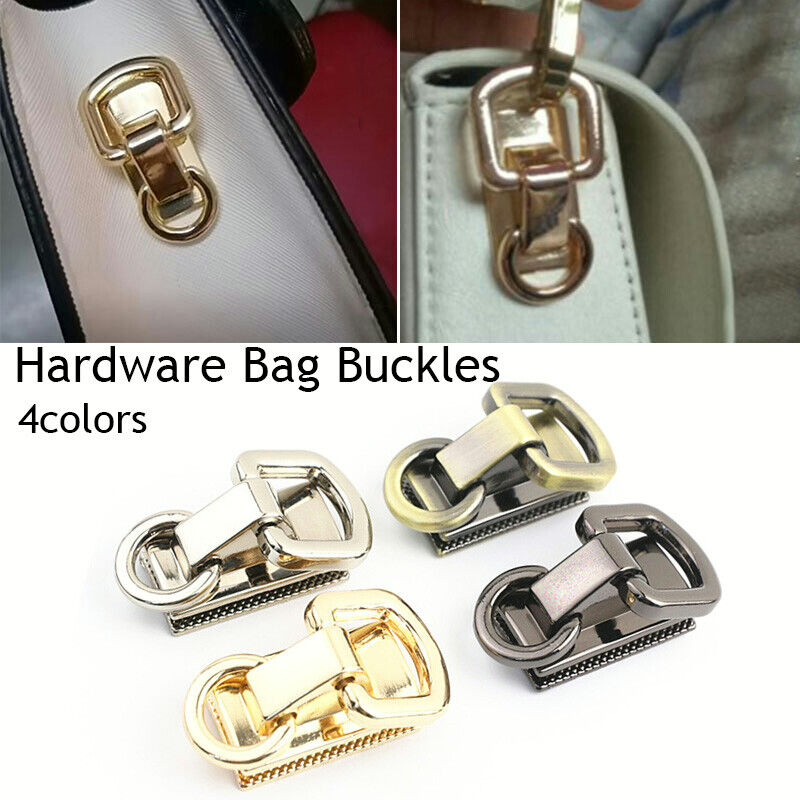
★ Replacement frequency: Low-quality hardware for making bags just needs frequent replacements that create unexpected costs. Cheap clasps and hooks break during normal use and repairs disrupt production schedules. Generic manufacturer zippers fail more often than premium brands like YKK. You waste time and money replacing faulty parts instead of making new products.
★ Customer returns effect: Bad hardware for making bags quality hurts customer satisfaction and your business reputation. Hardware failures mean product returns for fixes or replacements. Most manufacturers provide a one-year warranty for hardware defects. But, processing claims can take 4 to 6 weeks. This affects both your customer relationships and cash flow.
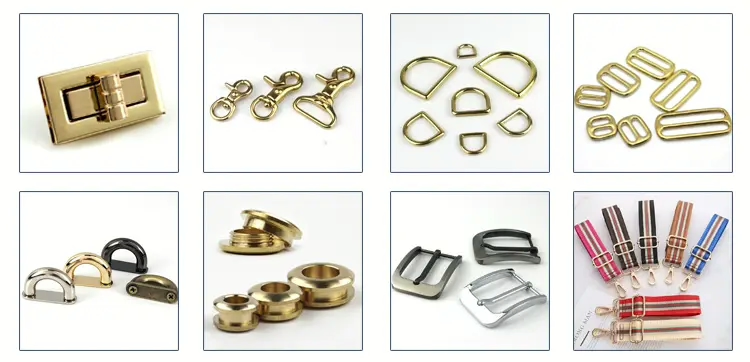
★ Bulk buying mistakes: New crafters often make mistakes that get pricey when buying hardware for making bags in bulk:
- Wrong size selections mean ordering twice and paying more for shipping
- Poor quality materials damage products and upset customers
- Not getting samples first results in unsuitable bulk orders
Cheap hardware for making bags costs more than the original price suggests. Quality components last longer and reduce returns and complaints. Mutually beneficial alliances with reliable suppliers help control production costs through:
- Quality products throughout manufacturing
- On-time deliveries that keep production moving
- Better prices from long-term relationships
Premium hardware costs more upfront but saves money over time. To name just one example, brass hardware works better than zinc options because it lasts longer and resists corrosion. Quality materials prevent tarnishing and keep products looking good longer.
Smart sourcing means testing samples fully, checking supplier reviews, and looking at total costs rather than just the purchase price. Understanding these hidden expenses helps crafters make decisions that boost their profits.
How to Test Hardware Quality Before Buying?
To ensure durable and high-performing hardware for making bags, follow a step-by-step quality testing process. Crafters check hardware parts carefully before spending a lot of money.
Simple strength tests: The first step is to scrutinize what materials make up your hardware for making bags components. Quality pieces should be made from tough materials like stainless steel or brass. Here are the key checks you need:
- Load Testing: Add weight step by step to copy real usage conditions. Quality hardware should handle at least 100 pounds of force
- Dynamic Testing: Move and jostle the hardware to see how it performs under stress
- Functional Assessment: Open and close clasps and buckles many times to check if they work smoothly
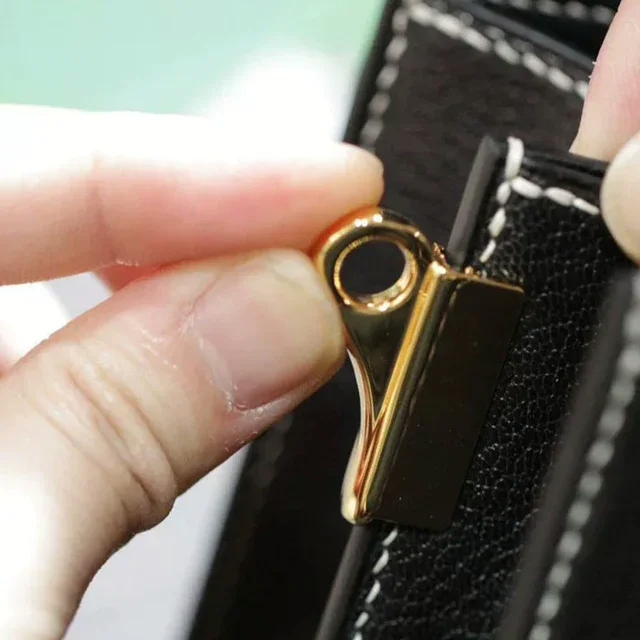
Plating durability checks: The quality of plating affects how good it looks and how long it lasts. Here’s what you need to check:
- Visual Inspection: Check if the plating looks even on all surfaces with no spots or differences
- Salt Spray Assessment: Put hardware in humid conditions to test how well it fights rust
- Chemical Resistance: See how the plating holds up against common substances
Beyond these simple checks, you might want to try specialized testing methods. A full picture should include impact testing of handle strength. You should focus extra hard on stress points where straps connect to rings or clasps.
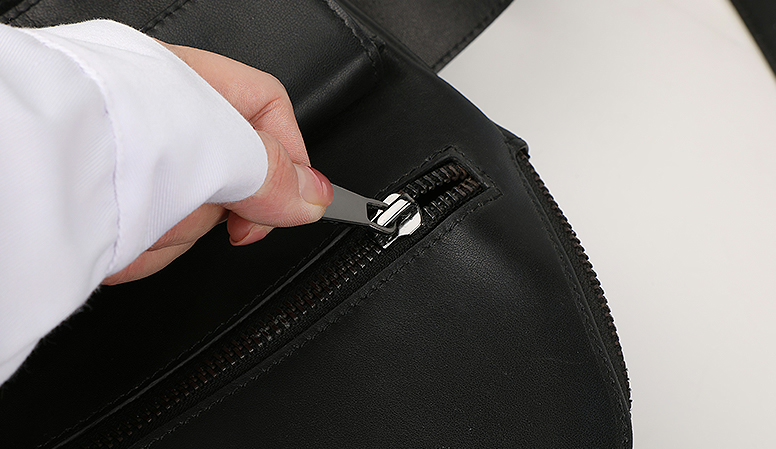
Check zippers carefully. They should work smoothly, without getting stuck or having misaligned teeth. Good zippers should move easily but still close securely. The reinforced parts need extra attention, especially where they carry much weight.
Note that hardware measurements must line up exactly with your design specs. When your pattern needs specific sizes, like a 38mm ring, picking the closest standard size will give a proper fit. This kind of proper hardware testing saves both time and money by catching problems early in production.
Professional crafters often use special tools like rivet presses and hole punches to test accurately. But even without fancy equipment, careful manual testing can show hardware quality. The key is to assess how easily parts attach, how well they hold up under stress, and how well they work overall.
Smart Ways to Source Quality Hardware
Expert Insight:
“ For hardware for making bags used outdoors, choose industrial-grade anodizing (Type III) – it stops corrosion in humid climates and keeps colors from fading, even with daily sun exposure.“
— MARTIN (MARTIN) WONG, Director of handbags development
Smart bag hardware sourcing needs good planning and market knowledge. Crafters find the best deals by checking prices closely. They also build strong ties with suppliers.
● Wholesale vs retail pricing: Buying wholesale gives you much better prices than retail. Direct purchases from manufacturers cut down unit costs with bulk pricing. You’ll need business credentials like an Employer Identification Number (EIN) to get these special rates. Building good relationships with suppliers has its rewards. You get early access to new products and more favorable payment terms.
● Minimum Order Quantities: Suppliers must certain Minimum Order Quantities (MOQ) to reduce their production costs. These rules help them spread their setup costs across more units and keep prices reasonable. Good suppliers start giving bulk discounts at 10 pieces, with bigger savings on larger orders. A clear understanding of MOQ rules helps you:
- Keep your inventory balanced with what you need
- Get better prices on bigger orders
- Keep your quality consistent
● Sample testing strategies: Smart crafters test samples carefully before placing big orders. Sand-cast brass hardware, known for its strength and authentic feel, needs a full evaluation. Professional testing looks at:
The physical strength and finish quality of materials. Brass parts weigh about 15% more than zinc options and last much longer under stress. Quality hardware goes through strict testing for rust protection and defects.
Good sourcing involves selecting suppliers for their material quality and their production processes. High-grade brass hardware costs more upfront. But it saves money in the long run. It lasts longer and resists corrosion better. Crafters who pick suppliers that focus on solid brass parts get good quality. They also manage their stock better when the suppliers have reasonable MOQs.
Many professional crafters team up with others to meet least orders without storing too much inventory. This lets them access premium materials while keeping their storage costs low. Smart sourcing choices help bag manufacturers meet quality standards while addressing business needs.
Conclusion
Good hardware for making bags can mean the difference between bags that last for years and those that wear out in months. Premium hardware costs more at first, but it offers lasting value. You’ll need fewer replacements, have fewer returns, and enjoy better product quality.
Smart testing protocols help identify reliable hardware for making bags before bulk purchases. Checking strength, plating durability, and size accuracy saves resources. It also ensures quality. Crafters who test hardware and form partnerships build stronger brands. This also leads to happier customers.
The success of bag making largely depends on hardware choices. Quality components boost durability and lift the esthetic appeal of your creations. Questions about custom bags, leather goods, or hardware accessories? or need a cosmetic bag manufacturer, contact us at info@leelinebags.com or visit leelinebags.com.
Your investment in premium hardware directly affects your craftsperson’s reputation. Research suppliers, test samples, and build relationships with reliable vendors. These foundations help create products that last and keep customers returning for more.
Suggested Reading:
- Why Do You Want to Product Test Handbags :Ensuring Durability and Safety
- How To Manage Lead Times And Production Schedules For Handbags?
- Top 12 Bag Manufacturers in China
Frequently Asked Questions About Hardware For Making Bags
1. What are some common quality issues with hardware for making bags?
Common issues are:
- Metal plating problems, such as peeling or discoloration.
- Weak points in clasps and hooks that may break under stress.
- Size inconsistencies between brands that can affect functionality and looks.
2. How can I test the quality of bag hardware before purchasing?
You can do easy strength tests. Just add weight and move it to mimic real use. For plating durability, conduct visual inspections, salt spray evaluations, and chemical resistance tests. Also, check for smooth operation of zippers and the proper alignment of components.
3. Is it worth investing in expensive hardware for making bags?
Yes, investing in high-quality hardware is often more cost-effective in the long run. Premium components might cost more at first, but they lower replacement rates. This means fewer customer returns and better product quality over time. In the end, they save money and protect your reputation.
4. What’s the difference between wholesale and retail pricing for bag hardware?
Wholesale purchases typically offer large cost advantages over retail options. Buying directly from manufacturers in bulk quantities often results in lower per-unit costs. But, wholesale transactions usually require business credentials and may have minimum order quantities.
5. How do professional crafters source quality hardware for their bags?
Professional crafters build long-term ties with trusted suppliers. They test samples fully before buying in bulk. Sometimes, they team up with other makers to reach minimum order amounts. They also focus on suppliers who use high-grade materials. Solid brass components are a key choice. This helps improve durability and prevent corrosion.