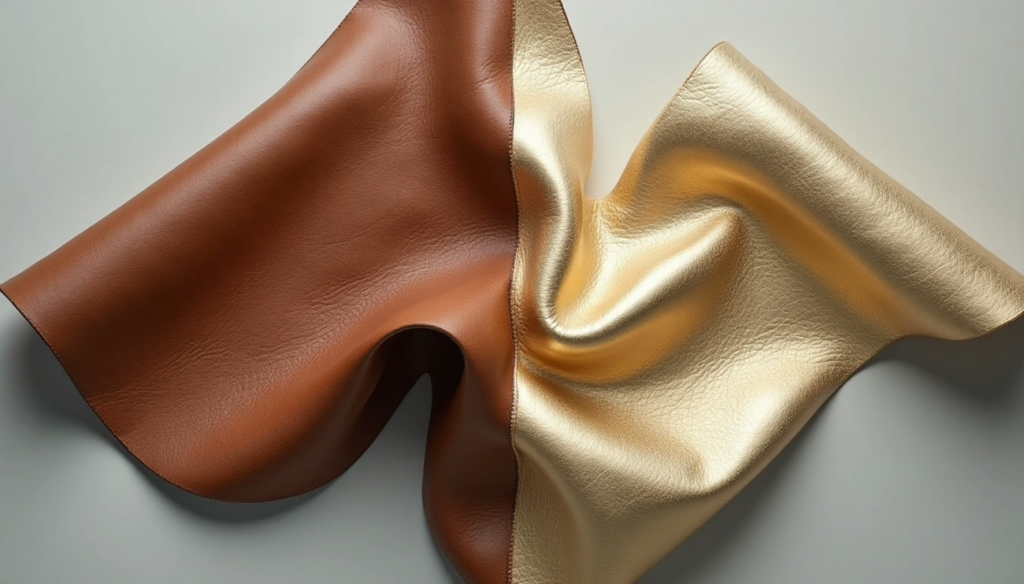
Have you ever wondered how luxury handbags and accessories get their shiny metallic look? Laminated leather has a striking look thanks to a special process. This method puts a thin metal foil on the leather surface, giving it a glossy or semi-glossy finish. It often combines two or more layers of leather or adds materials like plastic or film.
A closer look at laminated leather reveals its unique appearance. Metal films just a few microns thick create this look. These films can be applied uniformly or in patterns based on the desired esthetic. Custom handbag manufacturers appreciate this flexible material for its look and usefulness. The lamination process requires high-temperature machines. This ensures the metallic layer sticks perfectly. Gold, silver, and copper are the most popular metallic shades used. Leather experts classify all leathers coated with a film as laminated or coated leather. You’ll find more about these differences as you read through this piece.
Table of Contents
What is Laminated Leather and How is it Different?
Laminated leather stands out from other types in the leather industry because of its unique manufacturing process and special properties. The manufacturing process changes its look and characteristics in ways that set it apart from regular leather.
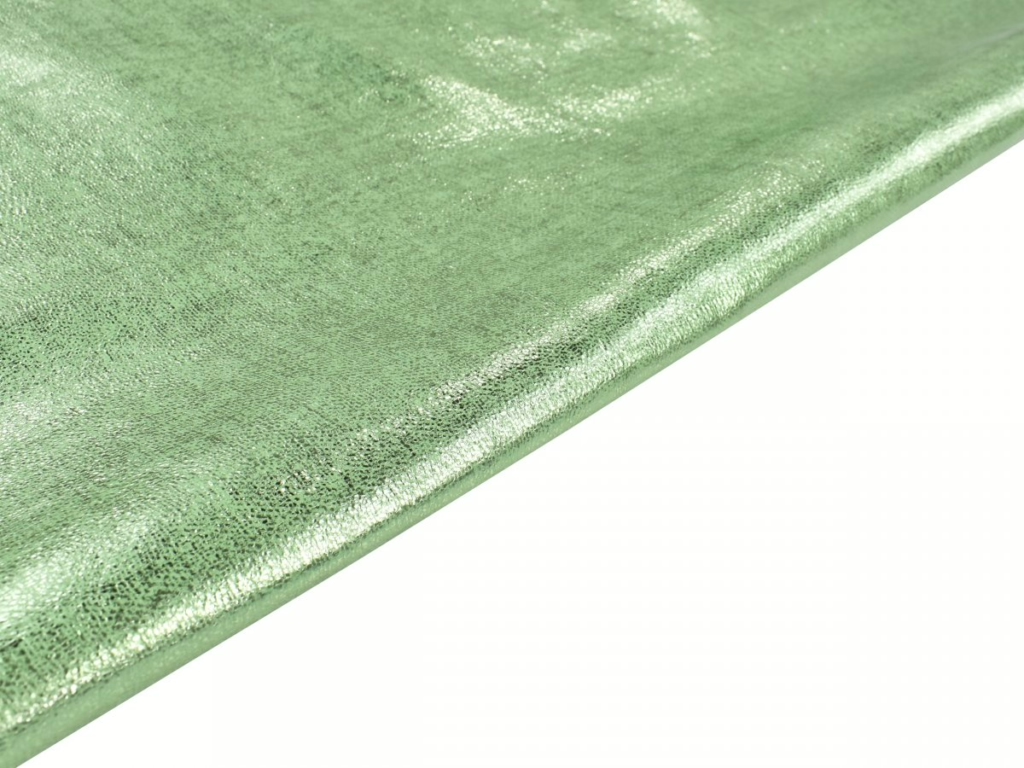
Definition and Composition of Laminated Leather
Manufacturers create laminated leather by joining two or more leather layers together, or by combining leather with plastic sheets or other materials. They use specialized machines that work at high temperatures to apply a thin metal foil to the leather’s surface. This creates a glossy or semi-glossy finish. The foil measures just a few microns thick. Manufacturers can apply it evenly or create patterns to achieve different esthetic effects.
Laminated Leather vs Bonded Leather
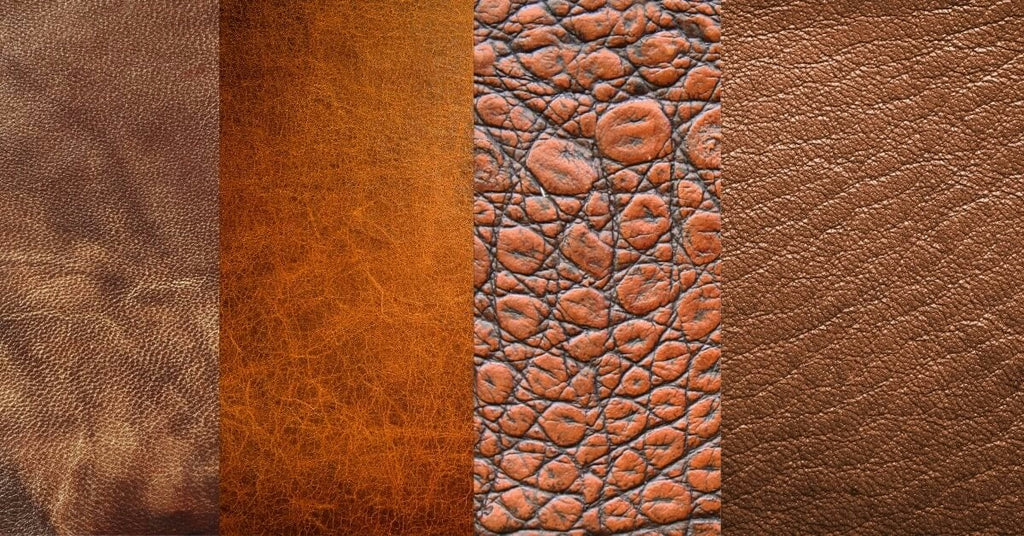
These materials might look alike at first, but they differ by a lot in how they’re made and how long they last. Bonded leather uses shredded leather scraps held together with latex or polyurethane binders to create flat sheets. It tries to look and smell like real leather but isn’t as strong or long-lasting. It also has no legal least need for leather content. Laminated leather proves much more durable because it uses whole leather pieces as its base.
Is Laminated Leather Real Leather?
The answer depends on how much real leather goes into the final product. Industry standards say that if leather makes up less than 50% of the total thickness, you should call it a laminate rather than genuine leather. Most manufacturers use lower-grade leathers as the base for lamination. They also sometimes split a single hide into many thin layers. Then they add polyurethane coatings to build the material back up.
Coated Leather vs. Laminated Leather
Leather experts group all leathers with a film coating into two categories: laminated or coated. Coated leather has its own specific definition. The surface coating must not exceed one-third of the total thickness but should be more than 0.15mm. Pigmented leather differs because it gets its color from spraying instead of lamination. Metallic leather needs thin layers to create a polished metal surface look. The downside is that foil-coated leathers might peel apart more easily than non-foiled types. This happens because the coating doesn’t bond well enough with the leather fibers.
Expert Tips:
” Optimizing the lamination cycle by precisely controlling the dwell time at peak temperature can significantly improve adhesion without compromising the leather’s natural texture. Excessive heat or pressure risks damaging the grain, so fine-tuning these parameters for each leather type enhances both appearance and performance. “
—————— Peter (peter) Suen, leather and non-leather handbag/SLG and so on
Laminated Leather Manufacturing Process Explained
Modern machinery and precise technical processes turn regular leather into stunning laminated leather. This unique material needs exact temperature control, specific pressure levels and carefully chosen materials.
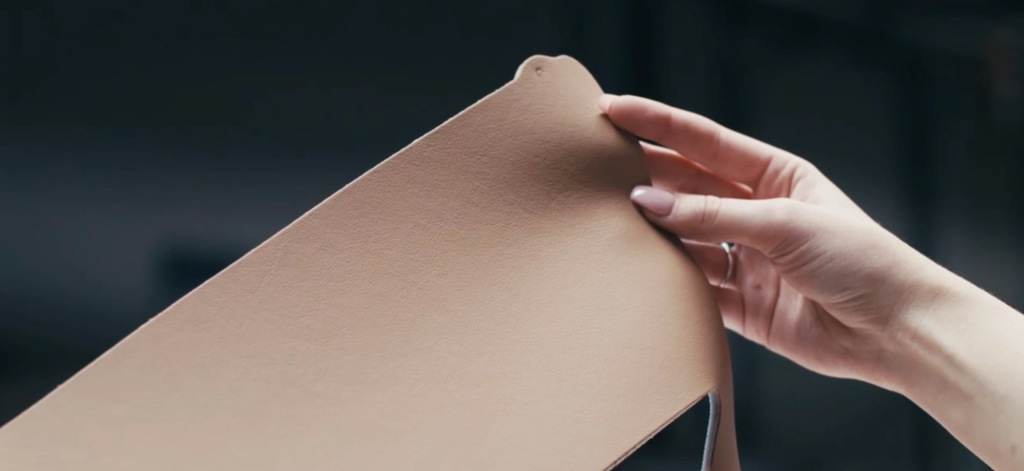
High-Temperature Foil Adhesion Process
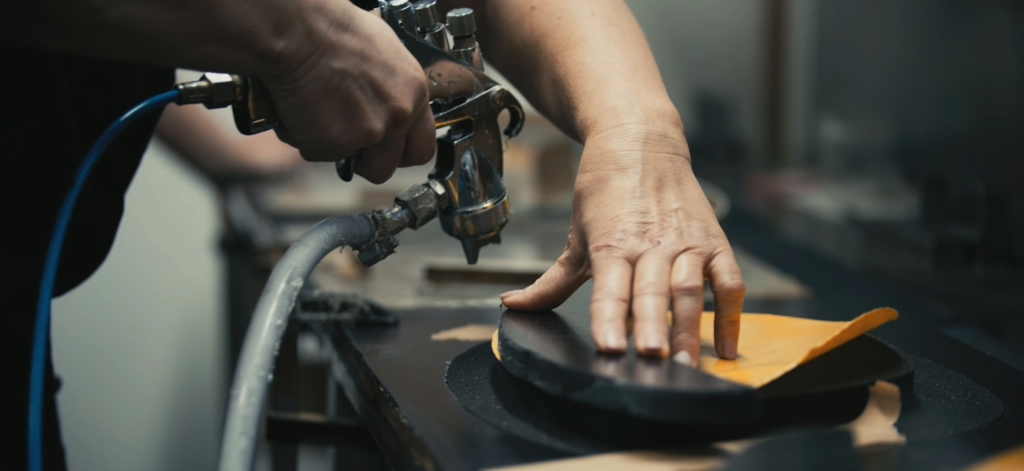
Specialized machines that reach and maintain specific high temperatures are the foundation of lamination. The process needs temperatures between 150°C and 165°C to properly bond materials in typical clamshell applications. Metal foil bonds with leather through precise heat and pressure controls. Different leather types need different temperatures. Synthetic leather works best at lower temperatures (90-110°C) to avoid surface damage.
Types of Foils Used: Metallic, Transparent, Patterned
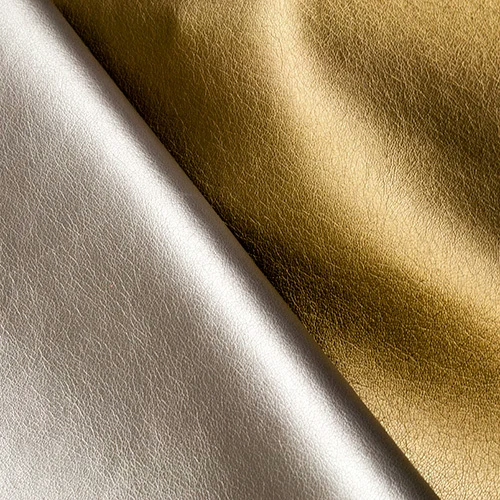
Leather lamination uses several foil varieties:
- Metallic foils: Available in gold, silver, bronze, and various other colors; these create the signature shine laminated leather is known for
- Transparent foils: Allow the natural leather grain to show through while adding protection and gloss
- Patterned foils: Include holographic patterns that create dynamic, shimmering effects that change with light
- Color foils: Provide solid, non-metallic colors for more subtle applications
These foils measure just a few microns thick yet create remarkable visual effects.
Lamination on Printed and Embossed Leather
Manufacturers can apply foil lamination on leather that already has prints or embossing. The process starts with coating the grain side with latex solution or polyurethane. A hydraulic press then creates a hair-cell print. The next step places polyurethane foil over the surface under specific temperature and pressure. Some synthetic leather transfer foils can handle deep embossing without quality loss.
Back Lamination for Upholstery and Automotive Use
Back lamination differs from decorative front lamination in its purpose. Upholstery and automotive applications need materials laminated to leather’s back to boost durability and prevent stretching. Lower temperatures around 90°C protect leather’s natural qualities during this process. Car interiors enjoy back-laminated leather that prevents creasing in heavily used seat areas. Stronger materials hold their shape well. They also make sewing easier and cut down on waste in production.
Key Properties and Performance Characteristics
Laminated leather offers unique performance benefits compared to regular leather types. You can use it in specific cases where you need both durability and good looks.
Durability and Resistance to Wear
Laminated leather stands strong against environmental damage. A polyurethane film layer helps the material resist water while letting it breathe. The leather shows great chemical resistance and doesn’t react with road salt (NaCl). It works well even in temperatures down to -25°C. The lamination makes the leather system 14-23% stronger. This creates a tough material that handles daily use really well.
Color Retention and Gloss Longevity
High-temperature lamination will give a secure bond between foil and leather. This keeps the shine and quality intact for years. The protective layer guards both color and prevents UV fading. The color stability changes based on the finish type. Pigmented surfaces hold their color better than aniline finishes.
Stretch Leather and Flexibility Enhancements
Lamination changes leather’s stretch and flex properties in surprising ways. The laminated leather’s tensile strength barely changes after stress testing. Split leather, in stark comparison to this, loses about 36% strength under identical conditions. The material loses around 14% of its ability to change shape after long stress cycles. This means laminated leather keeps its form better than regular leather, but you’ll notice it’s not as flexible.
Risks of Delamination and Color Migration
The bond between leather and lamination layer can fail. This usually happens from poor adhesion or environmental stress. Color migration creates another big issue, especially in shoes and leather goods. Dyes move between materials when solvents in adhesives help them transfer. Sometimes adhesive solvents pull color from one part and leave it on another. This creates visible stains that hurt the product’s looks.
Applications in Fashion and Custom Manufacturing
Laminated leather creates endless creative possibilities for fashion designers and manufacturers. Its distinctive sheen helps products stand out in competitive markets.
Use in Handbags, Shoes, and Wallets
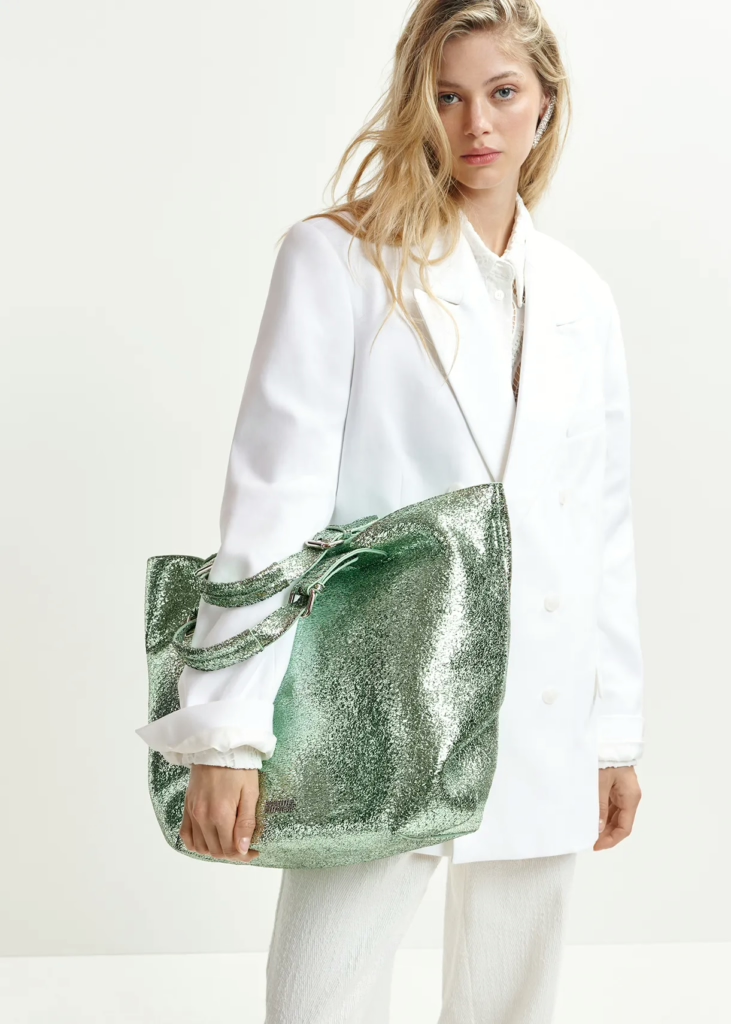
Luxury brands love using laminated leather in their high-end accessories. To cite an instance, Givenchy’s Antigona Toy bag collection features laminated lambskin leather that creates a striking silvery-gray appearance and complements the bag’s pentagonal design. Laminated leather raises ordinary accessories to new heights with subtle opaque finishes or bold metallic tones. We selected silver, gold, and copper finishes to create statement pieces. Muted metallic finishes bring a modern touch to classic shoe designs. They offer both style and durability. Italian craftsmen show this material’s versatility by creating horsebite laminated leather wallets that blend practicality with luxury appeal.
Custom Bag Manufacturers and Design Flexibility
Custom bag manufacturers choose laminated leather because it adapts well and looks unique. These manufacturers provide leather textures of all types for customization, including full-grain leather, top-grain leather, and vegan leather alternatives. Clients can specify every detail in the custom manufacturing process—from compartments and stitching to hardware and personalized branding through embossing. Laminated leather’s ability to hold precise embossing and maintain intricate patterns makes it perfect for creating distinctive brand identities. This material works well with both printed and embossed designs and allows multilayered esthetic effects.
Expert Tips:
” When choosing the metal foil for lamination, think about its look and how its thermal expansion matches the leather substrate. Mismatched expansion during temperature fluctuations can speed up delamination, so choosing foils with compatible mechanical properties is crucial for long-term durability. “
—————— Centurion Leather, TANNERS, MANUFACTURERS AND EXPORTER OF ALL KIND OF VERY FiNE QUALITY OF CRUST,FINISH OF COW , BUFFALO.
Conclusion
Laminated leather is a remarkable material that blends stunning looks with practical benefits. This piece showed you how this special leather gets its glossy shine when thin metal foils are applied under high heat. The material is a lot more durable than bonded leather since it uses whole pieces as its foundation instead of shredded scraps.
For more info on leather or custom handbags, contact us at [email protected]. You can also visit leelinebags.com. We are the best bag manufacturer China and are here to help you!
Further Reading: The Truth About Togo Leather: A Luxury Expert’s Honest ReviewFAQs
Q1. What exactly is laminated leather?
Laminated leather is a composite made from layers. It can be two or more layers of leather, or leather mixed with materials like plastic or film. It’s made by applying a thin metal foil to the leather. High-temperature machines are used, which gives it a glossy or semi-glossy finish.
Q2. How does laminated leather differ from regular leather?
Laminated leather has a distinctive appearance due to its metallic or patterned surface layer. It offers enhanced durability, water resistance, and color retention compared to regular leather. But, it may be less flexible and can potentially delaminate over time.
Q3. What are the main applications of laminated leather?
Laminated leather is widely used in fashion accessories like handbags, shoes, and wallets. It’s also popular in custom bag manufacturing due to its design flexibility. Additionally, it’s used in automotive and furniture upholstery for its durability and ability to maintain shape.
Q4. How durable is laminated leather?
Laminated leather is highly durable, offering increased resistance to wear, water, and chemicals compared to conventional leather. Laminating leather boosts its strength by 14-23%. This makes it great for everyday use.
Q5. Can laminated leather be customized?
Yes, laminated leather offers excellent customization options. It can handle precise embossing and keep detailed patterns. This makes it great for creating unique brand identities. Custom bag manufacturers can offer various textures and finishes, allowing for personalized designs compartments, stitching, hardware, and branding.