
What Is 210D?
This metric measures the thickness of the yarn, impacting the product’s durability and weight. As you navigate the market looking for reliable backpack manufacturers, knowing about 210D fabric can be a game changer.
Why is 210D a popular choice?
Simple: it delivers a winning combination of lightweight, cost-effectiveness, and durability. This fabric withstands wear and tear while being light enough to enhance user experience. For you, choosing 210D could mean more resilient products without straining your budget.
Intrigued? Discover how 210D can elevate your brand and explore our insights on selecting the right custom travel bag manufacturer! read on to find out how!
Definition of 210D
What Is 210D?
210D is a denier measurement for fabric. It helps businesses assess material performance and cost efficiency. Denier (abbreviated as “D”) quantifies fiber thickness by measuring the weight in grams of 9,000 meters of yarn.
210D fabric uses polyester fibers that weigh 210 grams for every 9,000 meters. This provides a great mix of being lightweight and durable.
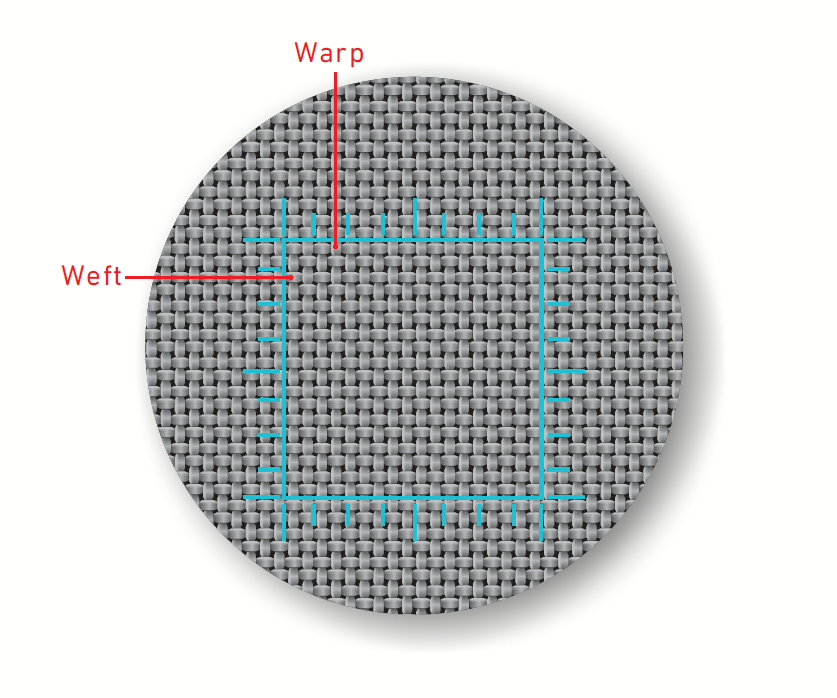
This measurement refers to a special weave in 210D Oxford fabric. It usually features a 2x1 or 3x1 basket pattern. This design boosts tear resistance and makes the fabric stronger.
This fabric is made of 100% polyester. It has a yarn density of 150 x 88 threads per inch. Weighing about 180 gsm, it’s perfect for products that need to reduce bulk while staying strong.
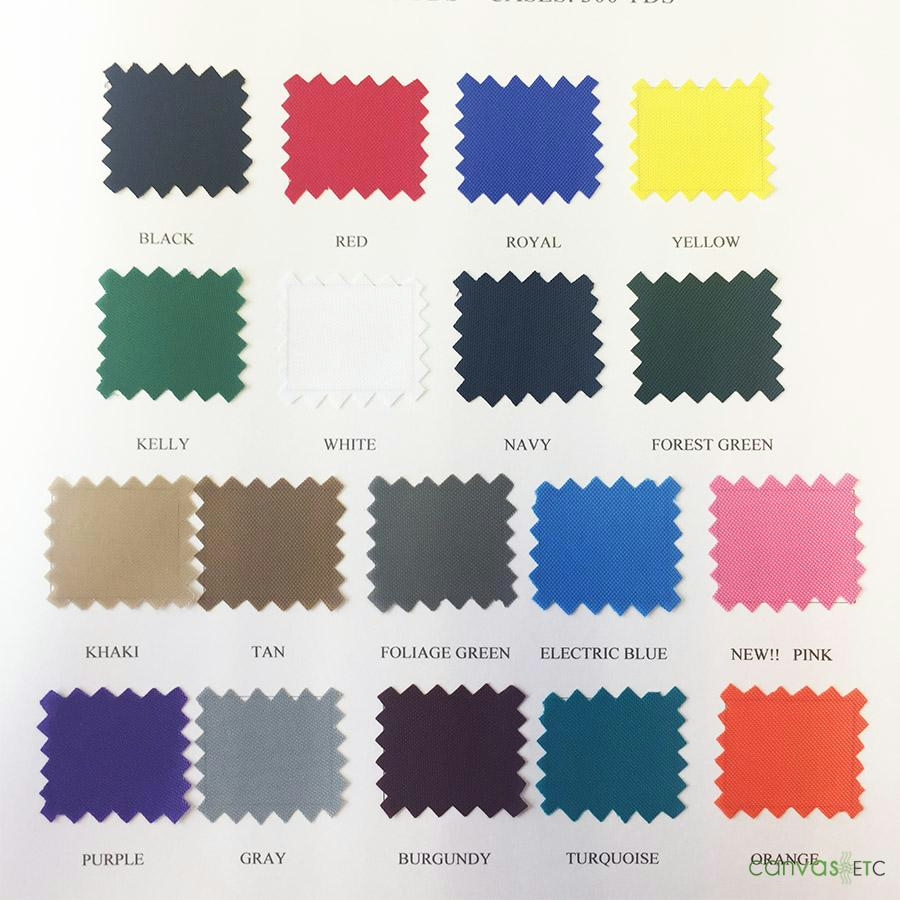
- Key Benefits for Your Business
1.Enhanced Performance with Coatings:
To meet demanding commercial applications, 210D Oxford fabric undergoes PU (polyurethane) or PVC (polyvinyl chloride) lamination. This coating process bonds a protective layer to the fabric’s surface via heat and pressure, delivering:
- Waterproofing: Impermeable barriers for wet environments.
- UV Resistance: Extended product lifespan under sun exposure.
- Abrasion Resistance: Reduced wear in high-friction use cases.
2. Superior Strength-to-Weight Ratio:
Despite its thinner profile compared to 600D fabrics, 210D Oxford offers exceptional tensile strength (resistance to stretching) and tear resistance. This makes it a cost-effective choice for:
- Luggage and Bags: Lightweight yet durable travel solutions.
- Outdoor Gear: Tents, covers, and backpacks requiring portability.
- Corporate Branding: Custom-printed promotional products with long-term usability.
3. Cost and Logistics Advantages:
With a standard width of 59”/60”, 210D fabric minimizes material waste during production. Its lightweight nature also reduces shipping costs—a critical factor for bulk orders.
For businesses prioritizing budget-friendly durability and versatile functionality, 210D fabric delivers a competitive edge. This material is ideal for travel accessories, outdoor gear, and branded goods. It meets commercial needs and keeps quality high.
Pro Tips:
” From a sustainability consultant’s perspective, if your business is considering What Is 210D, prioritize suppliers who offer recycled polyester options; this not only maintains material performance but also aligns your brand with eco-conscious market trends. “
— Steven Zhu, GM at tool bags & storage travel backpack manufacturer
Material Composition
What Is 210D? 210D Oxford fabric is made for tough use and flexibility. It blends 100% polyester fibers with smart weaving and coating methods.
Core Structure & Technical Specifications
- Base Material: High-tenacity polyester yarns in a 210D (15×19 or 17×21) configuration, woven in a tight Oxford-style pattern (2x1 or 3x1 basket weave) to enhance tear resistance.
- Weight: Ranges from 72–110 gsm, optimizing portability without sacrificing strength.
- Width: Standard 150cm (59”/60”) rolls cut waste during bulk production.
Performance-Enhancing Coatings:
To meet diverse industrial demands, 210D Oxford fabric is treated with:
- PU (Polyurethane):
- Creates a flexible, waterproof barrier.
- Ideal for outdoor gear exposed to rain or humidity.
- ULY (Urethane Laminated Yarn):
- Boosts abrasion resistance for high-wear products like tool bags.
- PVC (Polyvinyl Chloride):
- Adds rigidity and waterproofing for industrial covers or protective cases.
- DWR (Durable Water Repellent):
- Applied to specialized variants (e.g., 210D ROBIC nylon) for quick-drying surfaces.
By leveraging 210D’s adaptable composition, you can deliver high-performance solutions—from waterproof travel gear to rugged industrial equipment—while maintaining competitive pricing.
Common Applications
What Is 210D? 210D fabric is highly versatile and finds its place in various applications that must durability and lightweight properties. Here are some common uses of 210D fabric:
☑ Backpacks and Bags
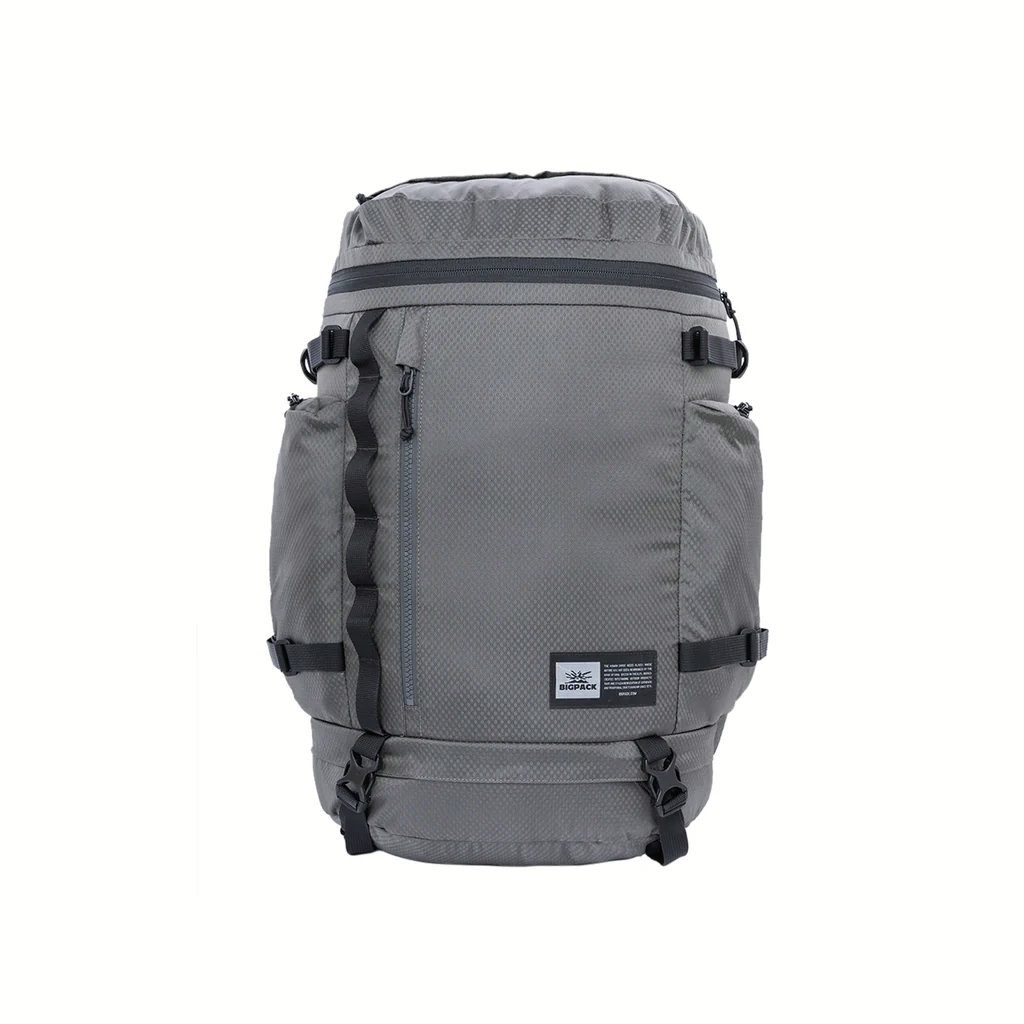
You’ll find 210D polyester oxford fabric widely used in travel backpacks, duffel bags, and computer bags. These bags are tough yet light. This makes them easy to carry and keeps your belongings safe.
☑ Outdoor Shelters
Tents, camping canopies, and awnings for outdoor use often use 210D fabric. This is especially true for those with silver-coated or PU-coated finishes. These coatings improve the fabric’s waterproof and UV resistance. They help your shelter perform well in all kinds of weather.
☑ Protective Outdoor Covers
Tarps, car covers, and furniture covers are made from 210D material to shield against rain and sunlight. This long-lasting fabric ensures your outdoor items remain protected.
☑ Industrial and Marine Applications
In industrial settings, 210D fabric is used to protect machinery and provide storage solutions in harsh environments. It’s also used for boat covers and sails, offering robustness and resistance to moisture and wear.
☑ Sewing and Upholstery
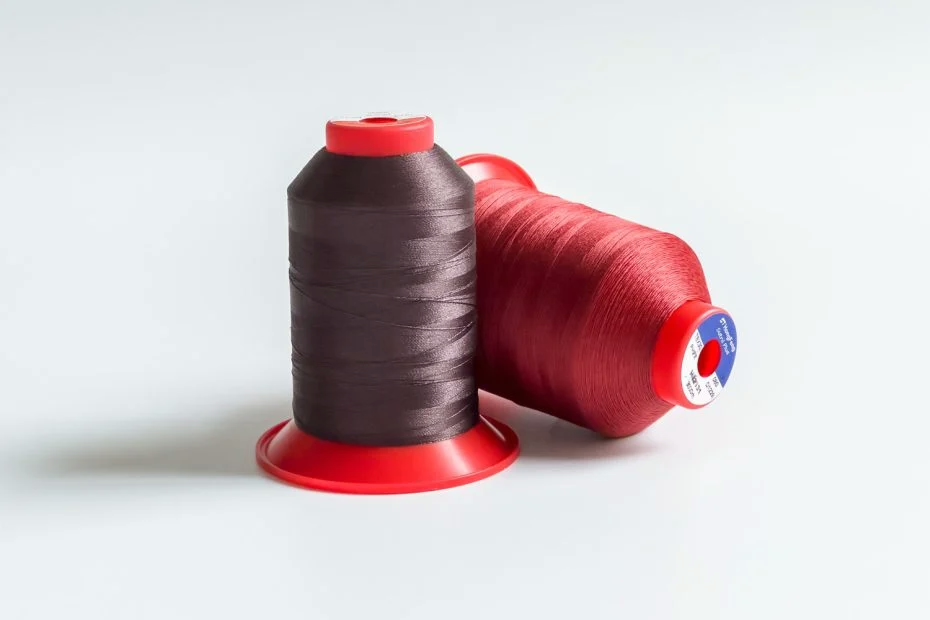
For stitching outdoor gear and marine upholstery, 210D 3-ply polyester thread is used. It is strong and resists UV damage.
210D fabric is strong yet flexible. It’s a budget-friendly option that gives lightweight protection from wear and weather. Whether for tents, travel bags, or promotional items, this fabric meets various demands effectively.
Comparison to Other Fabrics
A. 210D vs. Higher Denier Fabrics (420D, 600D)
| Fabric Type | Weight (g/m²) | Material Base | Key Features | Water Resistance | Tear Strength |
|---|---|---|---|---|---|
| 210D Oxford | 80–120 | Nylon/Polyester | Lightweight, abrasion-resistant, cost-effective | Moderate (with coating) | Medium |
| 300D Oxford | 120–160 | Nylon fabric | Durable, UV-resistant, stronger weave | High (PU-coated) | High |
| 420D Oxford | 160–200 | Nylon | Heavy-duty, waterproof, UV-stable | Excellent | Very High |
| 600D Oxford | 200–250 | Polyester | Ultra-durable, scratch-resistant | High | Extreme |
| 210D Dyneema/Gridstop | Varies | Composite | Ripstop design, cut-proof, ultralight | Variable | Extreme |
Thickness and Durability
- 210D: This fabric consists of thinner fibers, which means it has a less robust construction. It’s best for lighter applications.
- 420D: Offers a medium weight that balances durability and weight, making it suitable for various products.
- 600D: Crafted with significantly thicker fibers, this fabric provides superior strength and abrasion resistance, ideal for rugged use.
Weight Considerations
- 210D: Being lightweight, 210D is perfect for applications where reducing weight is crucial, such as in travel gear.
- 420D: It strikes an excellent balance, making it a popular choice for items needing a compromise between durability and weight.
- 600D: This strong material is made for heavy-duty use. It can handle tough conditions.
Water Resistance
All these fabrics can be treated with polyurethane (PU) for enhanced water resistance. Among them, 600D offers the best water resistance, while 420D provides a good level of protection when coated.
Cost Factors
- 210D: It is the most affordable due to lower material usage, making it ideal for budget-conscious projects.
- 420D: Moderately priced, it provides an excellent value for its durability.
- 600D: Although more expensive, its long-lasting durability makes it worth the investment.
Common Applications
- 210D: Best for lighter bags, rainwear, or applications that don’t face heavy wear.
- 420D: Great for bags, raincoats, and smaller outdoor gear that need both durability and lightness.
- 600D: Perfect for larger backpacks, duffel bags, and heavy-duty outdoor equipment requiring superior strength.
When you know how denier fabrics differ, you can make better choices. This helps you balance wear, weight, budget, and exposure to the environment.
B. 210D vs. 210T
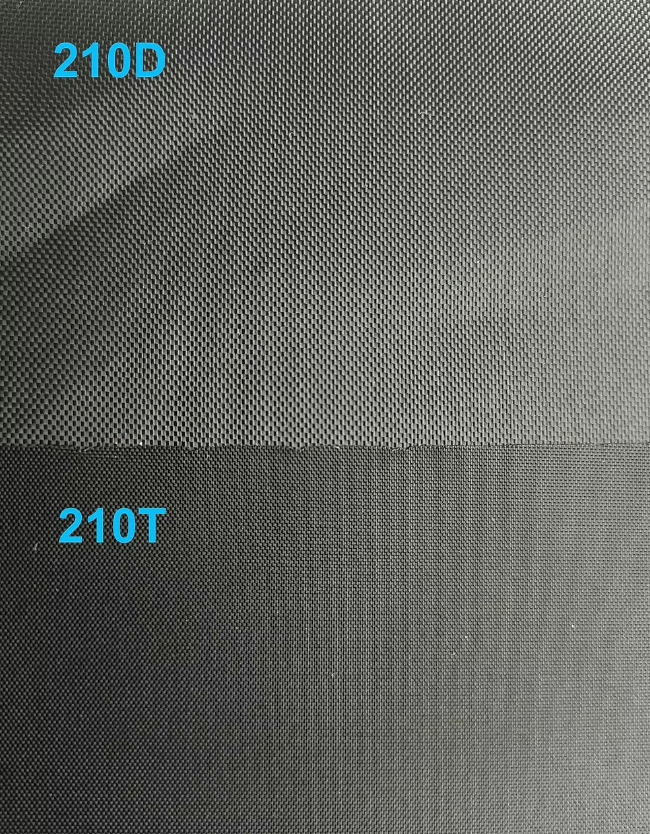
When discussing 210D fabric types, you may encounter the terms 210D and 210T. Understanding the difference can significantly impact your choices in materials for your products.
What Is 210D?
210D refers to the denier, a unit of measurement indicating the thickness and weight of yarn. Specifically, 9,000 meters of 210D yarn weigh 210 grams. This means that the fabric made from 210D yarn is stronger and more durable compared to fabrics with a lower denier, such as 75D or 40D.
Threads and Weaves: What Is 210T?
But, 210T refers to thread count, which shows how many threads are woven together in one square inch of fabric—210 threads in total. A higher thread count results in a denser and tighter weave, creating a smoother surface that can improve water and wind resistance.
Key Differences
- Measurement Type:
- Denier (D): Measures yarn thickness or weight.
- Thread Count (T): Measures the number of threads per square inch.
- Strength vs. Density:
- A 210D fabric is designed for toughness, suitable for outdoor gear and applications where durability is essential.
- A 210T fabric is often used in applications where weave density is crucial, such as taffeta linings and lightweight tents.
Real-World Examples
- A fabric labeled as “210D x 210D 108T” indicates that 210 denier yarns are woven with a density of 108 threads per inch.
- Conversely, a simple “210T” label means there are 210 threads per inch, irrespective of the yarn’s denier.
Both measurements showcase different qualities of the fabric, making them not interchangeable. Be sure to choose between 210D and 210T based on your product needs, ensuring you have the right balance of strength and smoothness.
Pro Tips:
” I recommend brands conduct hydrostatic head testing when evaluating what is 210D for outdoor applications, as this metric will reveal the fabric’s true waterproof performance under simulated rain or pressure—critical for premium gear. “
— Daniel Yan, Marketing Manager | Glintbags; Bag Maker | School bag, Backpack, Travel bag,
Conclusion
What Is 210D? This versatile fabric is perfect for a range of products, including custom backpacks and travel bags. 210D fabric is known for its durability and lightweight properties, making it an ideal choice for your business needs.
If you have custom bags, handbag customization requests, or want to know more about What Is 210D? don’t hesitate to reach out to us at info@leelinebags.com or visit l eelinebags.com. As a leading bag manufacturer China, are also a cooler bag manufacturer, we’re here to provide the right solutions for you!
Further reading:
-
What Is GSM in Fabric? A Comprehensive Guide to Understanding Fabric Weight
-
Manufacturing Certifications Of Bags You Need To Know In 2025
Frequently Asked Questions About What Is 210d
1. What Is 210D and Why Should My Brand Consider It for Our Products?
210D refers to a denier measurement that indicates the thickness and weight of polyester yarn used in fabrics. For brands, 210D fabric offers an ideal balance of lightweight construction and durability, making it perfect for products like backpacks, travel bags, and outdoor gear. Choosing 210D helps your brand deliver reliable, cost-effective solutions that enhance customer satisfaction.
2. How Does 210D Fabric Benefit Corporate Branding and Promotional Items?
What Is 210D? It’s a versatile, lightweight, and durable fabric that can be custom-printed with your company’s logo or message. Using 210D for branded merchandise ensures your promotional items are both practical and long-lasting, increasing the visibility and perceived value of your brand at events, trade shows, and client giveaways.
3. What Is 210D’s Competitive Advantage Compared to Other Fabrics Like 420D or 600D?
About what is 210D, it stands out for its superior strength-to-weight ratio and cost-effectiveness. While 420D and 600D offer higher thickness and durability, 210D is perfect for brands seeking to minimize shipping costs and material waste without sacrificing quality. It’s especially suitable for bulk orders and products where portability is key.
4. What Is 210D’s Role in Sustainable and Efficient Manufacturing for Businesses?
210D fabric is lightweight, which reduces shipping costs and environmental impact. Its standard width minimizes material waste during production. For businesses focused on sustainability and efficiency, 210D supports eco-friendly practices while maintaining high product performance.
5. Can 210D Be Customized to Meet Specific Business Needs?
What Is 210D’s flexibility? 210D polyester can be treated with coatings like PU or PVC for added waterproofing, UV resistance, and abrasion protection. This makes it adaptable for various business applications—from rugged outdoor covers to stylish corporate bags—allowing your brand to offer tailored solutions for different markets.