
Where Is Bottega Veneta From?
You’ve admired Bottega Veneta’s sleek leather bags, but do you know where these luxury staples truly come from? The answer lies in Italy’s Veneto region, where the brand was born in 1966. Bottega Veneta stands out from mass-produced accessories. Its heritage is all about artisanal craftsmanship. Think of it as Italy’s version of custom bag manufacturers, but with a rich legacy of understated elegance.
Luxury shoppers like you value knowing the origins of these bags. It adds to their prestige. Each piece shows years of skill in weaving intrecciato leather. This technique has been perfected in Italian workshops. Owning this bag isn’t just about style; it’s an investment in a unique tradition. Fast-fashion brands can’t replicate that story.
Ready to uncover how Bottega Veneta redefined luxury without flashy logos? Continue reading to learn how it went from a small Italian workshop to a global icon. You’ll also see why real style comes from craftsmanship, not just labels.
Origins and Founding
Where Is Bottega Veneta From?
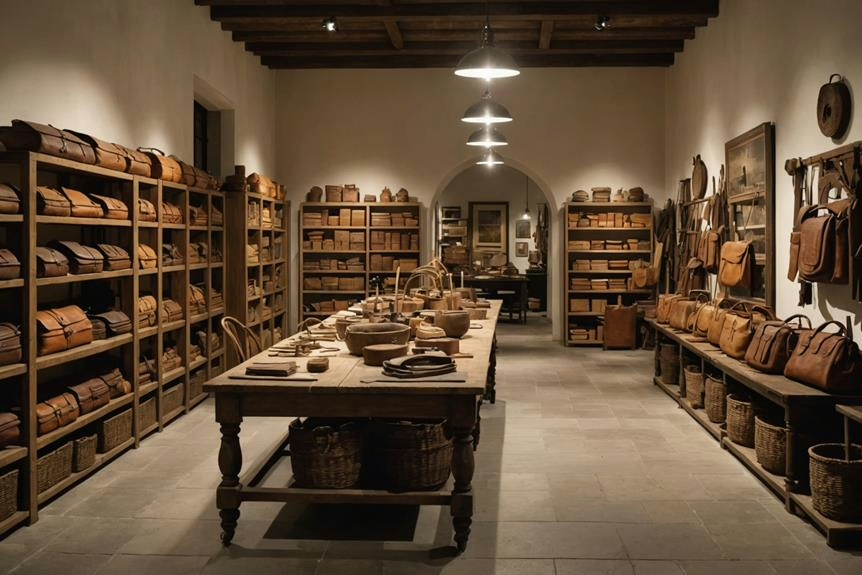
The brand began in 1966 in Vicenza, Italy, a city famous for its Renaissance craftsmanship. Michele Taddei and Renzo Zengiaro aimed to mix traditional art with modern design. Vicenza, in the Veneto region, is known for its leatherworking heritage. Because it’s close to tanneries, Bottega Veneta had access to skilled artisans and fine materials. This helped the brand grow during the luxury boom of the 1960s.
Key Details That Define Its Heritage:
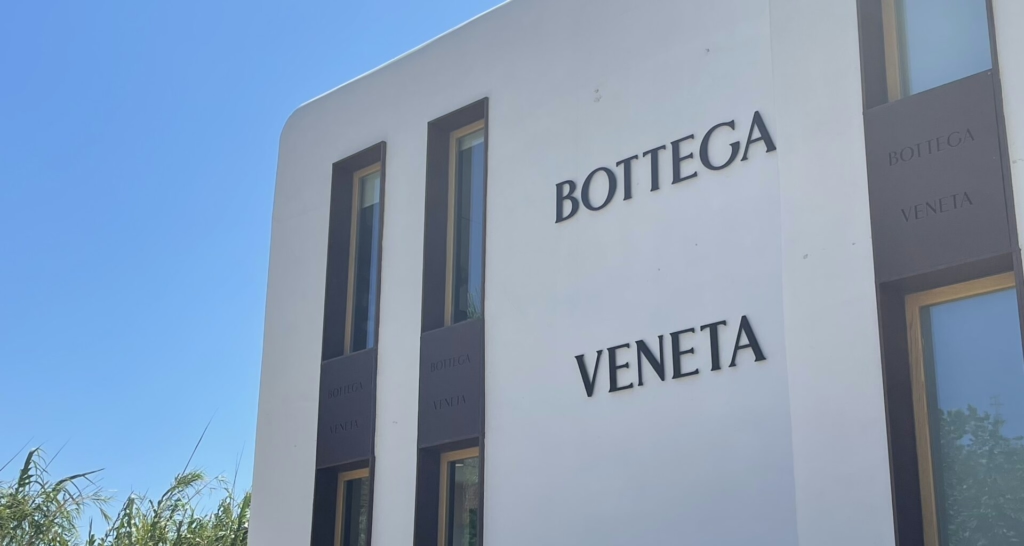
1️⃣ The Name: “Bottega Veneta” translates to “Venetian Shop”—a nod to its roots. Bottega evokes medieval guilds where masters trained apprentices, while Veneta ties it to the Veneto region. Unlike brands named after designers, this choice celebrates collective craftsmanship over individual fame.
2️⃣ The Craft: Early emphasis on leather goods led to the iconic intrecciato weave. This handwoven design arose from a need, as machines struggled with delicate strips. By the 1970s, this technique meant understated luxury. It drove demand in the U.S., especially among Bergdorf Goodman customers.
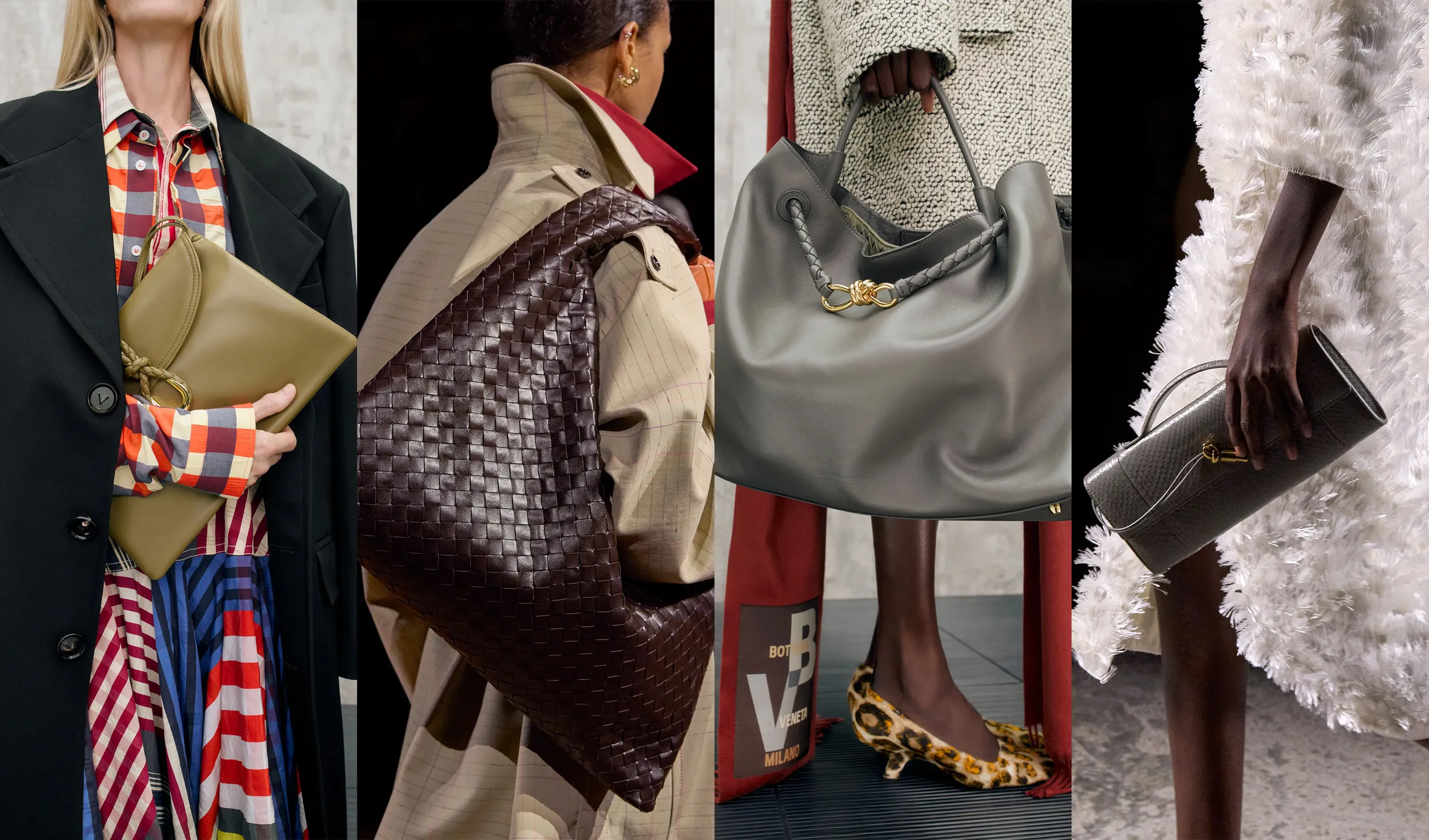
3️⃣ The Philosophy: The slogan “When your own initials are enough” (1970s) rejected flashy logos, appealing to tastemakers like Lauren Hutton. It mirrored a cultural shift toward subtlety, boosting sales among elites who valued craftsmanship over branding.
Why does this matter to you? Understanding Bottega Veneta’s origins isn’t just history—it’s about owning a piece of art shaped by centuries of Italian tradition.
Pro Tips:
” Where is bottega veneta from? Bottega Veneta’s roots in Vicenza, Italy, underscore its artisanal heritage. Knowing where is bottega veneta from understand how its intrecciato weave technique, born from necessity, became a symbol of understated luxury.“
— Shristi Chauhan, Fashion Designer || Fashion Stylist || Luxury Bag Designer || Garment Designer
Manufacturing and Craftsmanship
For those who value craft over logos, Bottega Veneta’s bags are more than accessories—they’re wearable heirlooms. Let’s break down how and where is bottega veneta from? , from Italian workshops to your wardrobe.
Materials & Mastery
The Workshop: Tucked in Montebello Vicentino (Veneto), the brand’s main atelier operates in a sprawling, eco-restored 18th-century villa. Surrounded by 200-year-old trees and vineyards, this isn’t just a factory—it’s a sanctuary for craftsmanship, where tradition meets cutting-edge sustainability.
The Leather: Bottega Veneta’s “slow leather” comes from top Italian tanneries, like Hermès. It uses eco-friendly treatments with less water and fewer chemicals. This process gives it a soft, unique feel. Young calfskin ensures minimal flaws, while suede leather and nappa leather age gracefully, becoming richer with use.
Techniques That Define Luxury
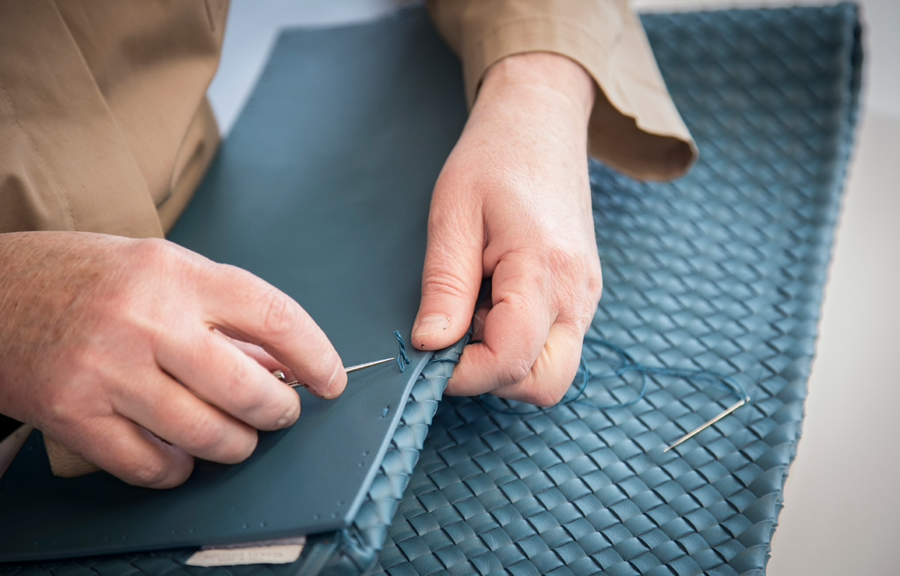
Intrecciato’s Secret: Each weave uses double-faced leather strips. These strips are hand-braided through slits—no machines or shortcuts. Artisans spend 8 phases perfecting raw edges: brushing, recoloring, and stitching ~80 seams by hand for bases and handles. The result? A seamless interior-exterior, free of lining.
Time Invested: The Cabat bag demands 48 hours of undivided attention from one artisan. For groundbreaking designs like the Kalimero, over 30 experts collaborate for up to a year—from sketch to final stitch.
Why You’ll Care?
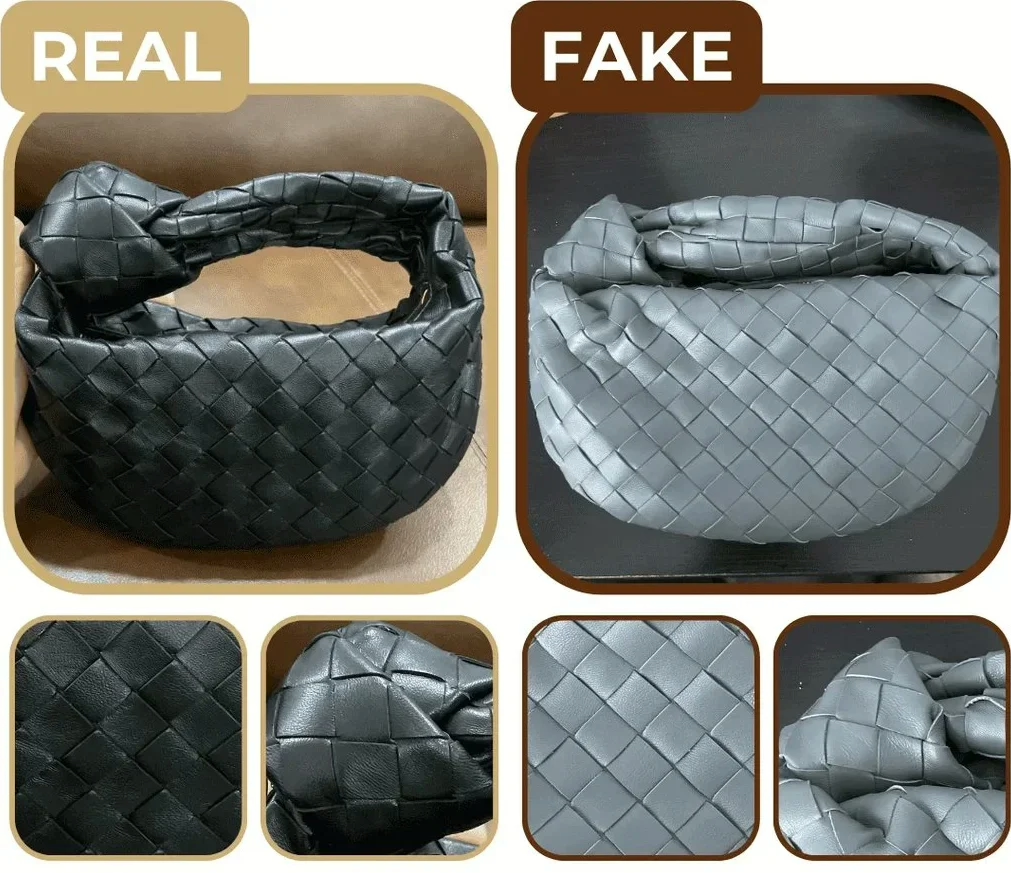
- Exclusivity: Only a handful of Cabats are made annually, each numbered for rarity.
- Durability: The Certificate of Craft offers free, lifelong repairs. This shows that these bags are made to last for generations.
- Ethics: Eco-friendly practices (reduced chrome waste, renewable energy in workshops) align with conscious luxury.
Signature Materials and Techniques
You know Bottega Veneta’s bags are Italian-born, but how do they achieve that unmistakable blend of elegance and durability? Let’s explore the signature materials and weaving methods from Vicenza’s artisanal history. They are designed to make your investment last.
Comparative Table: Bottega Veneta’s Signature Materials & Techniques
| Material/Technique | Origin & Craft Connection | Key Characteristics | Iconic Use |
|---|---|---|---|
| 1. Nappa Leather | Sourced from Italian lambskin, tanned in Veneto using heritage chromium methods. | Silky, fade-resistant, lightweight durability. | Intrecciato clutches, vintage revival. |
| 2. Butter Calfskin | Young calf hides from Lombardy tanneries, reflecting Northern Italy’s premium cattle farming. | Butter-soft, matte finish, slouch-friendly. | The Pouch’s relaxed, logo-free allure. |
| 3. Paper Calfskin | Experimental finish developed in Vicenza workshops, mimicking parchment textures. | Matte/distressed hybrid, avant-garde adaptability. | Padded Cassette’s bold geometric lines. |
| 4. French Calfskin | Imported from French farms but hand-finished in Veneto, merging cross-border luxury. | Tight grain, patina-rich, heirloom longevity. | Limited-edition collector’s totes. |
| 5. Intrecciato Weave | Born in 1970s Veneto due to machine limitations; perfected by local artisans. | Hand-braided, seamless, no lining required. | Cabat tote, Kalimero bucket bag. |
1. Nappa Leather: The Foundation of Elegance
Origins and Traits: Nappa leather is made from lambskin. It is tanned using chromium or aluminum sulfate. People love Nappa leather for its softness, flexibility, and durability. Its smooth, matte finish won’t fade from water-soluble dyes. This makes it perfect for detailed craftsmanship.
Bottega Veneta uses Nappa leather for its famous intrecciato weave. You can find this in items like the Intrecciato Nappa Leather Clutch. The material is lightweight but strong. This means that even vintage bags maintain their shape and shine for decades.
2. Butter Calfskin: Subtle Luxury Redefined
Origins & Characteristics: Butter Calfskin comes from young calves. It gets its name from its buttery texture—silky, soft, and a bit stretchy. Its matte finish exudes understated sophistication.
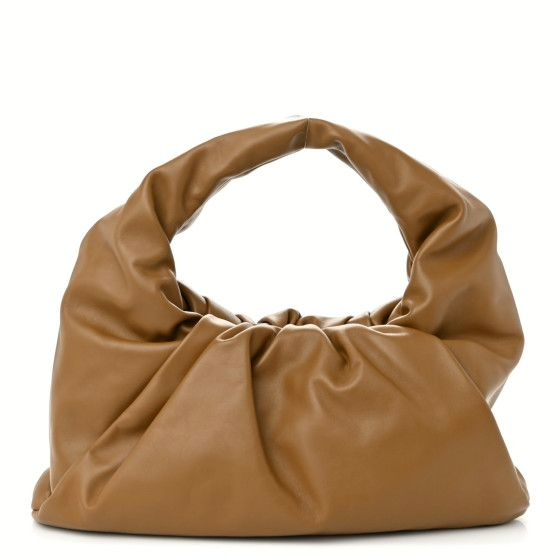
Application: This leather shines in relaxed designs like The Pouch, where its pliability allows for a slouchy silhouette without compromising structural integrity. The Mini Pouch in Camel exemplifies its ability to blend everyday functionality with high-end appeal.
3. Paper Calfskin: A Study in Contrast
Origins & Characteristics: Though interpretations vary, Paper Calfskin typically features a matte, paper-like texture. Older versions might have a shiny, worn look. In contrast, modern ones, like the Off-White Padded Cassette Crossbody Bag, focus on a sleek, simple style.
Application: This versatile material adapts to bold and neutral designs alike, offering a unique aesthetic. Its adaptability makes it a favorite for statement pieces that balance avant-garde flair with practicality.
4. French Calfskin: The Epitome of Refinement
Origins & Characteristics: French Calfskin is made from young cattle in France. It features a tight grain and a wonderfully soft texture. Over time, it develops a rich patina, enhancing its elegance.
Application: This leather is for limited-edition collections. It makes bags and accessories into special heirloom pieces. Its durability and refined finish ensure it ages gracefully, embodying Bottega Veneta’s commitment to longevity.
5. The Intrecciato Weave: Craftsmanship as Legacy
Origins & Technique: The intrecciato technique began in the 1970s. It arose from a problem: early machines were unable to work with delicate leather. Artisans began hand-weaving thin strips through slits in a base layer, creating a flexible, durable textile. The process remains entirely manual, requiring precision and hours of labor. Variations & Application:
- Classic Intrecciato: The diamond weave seen in the Cabat tote bags is a hallmark of the brand.
- Maxi Intrecciato: A modern reinterpretation with larger squares, featured in designs like the Padded Cassette Crossbody, offers a contemporary twist.
Each bag undergoes meticulous finishing: raw edges are brushed, seams are hand-stitched (up to 80 points per bag), and colors are matched to perfection. The result is a seamless interior and exterior, free of lining—a testament to the artisan’s confidence in their craft.
Recent Developments

1. Daniel Lee (2018–2021): The Quiet Radical
Reviving Relevance: Appointed in 2018, British designer Daniel Lee (formerly of Céline) injected hedonistic minimalism into Bottega Veneta’s DNA. His tenure saw:
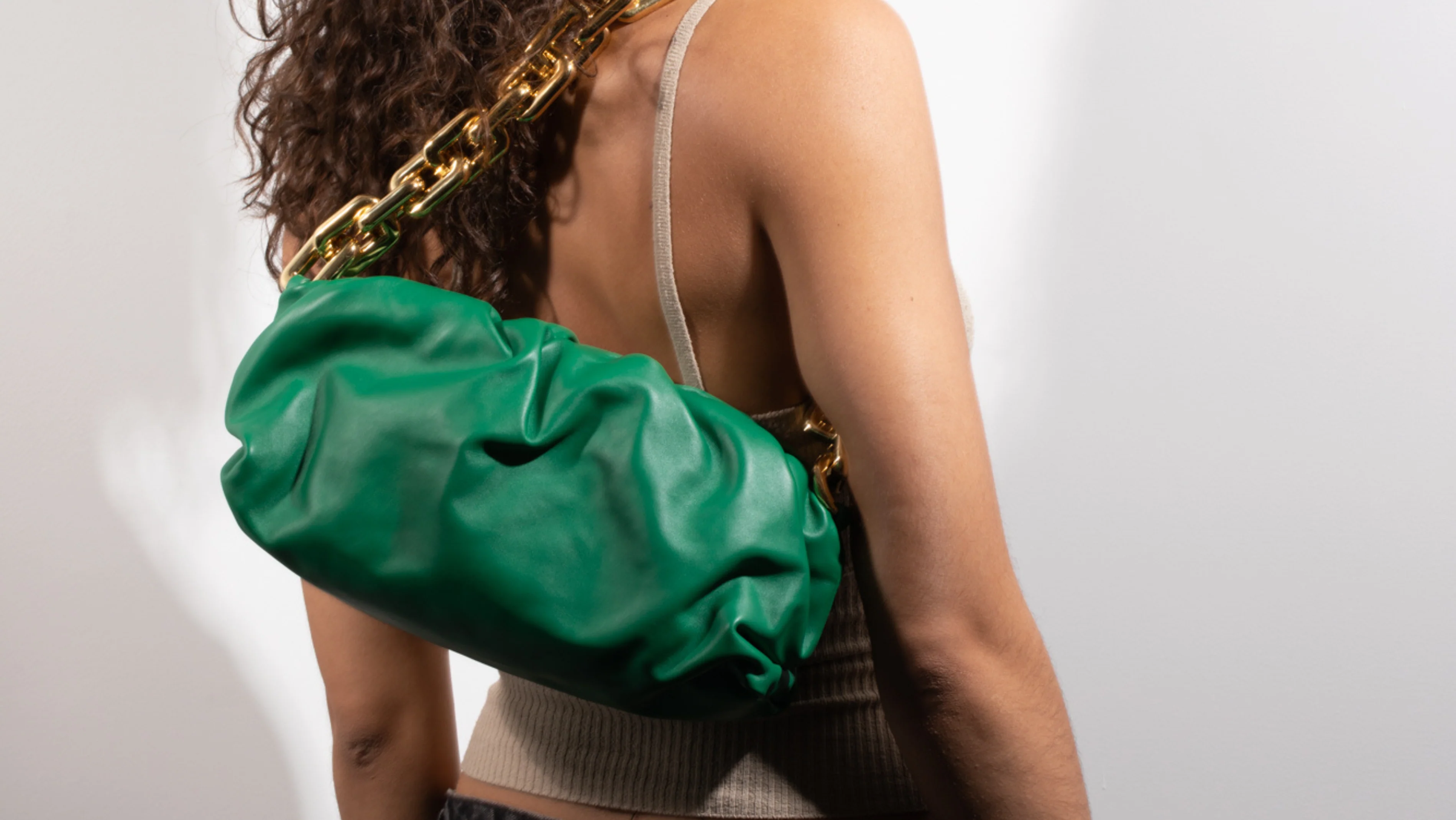
- The Pouch Clutch: A supple, dumpling-shaped bag in butter calfskin became the fastest-selling design in brand history, embraced by celebrities like Rihanna and Kanye West.
- Color Revolution: Vibrant hues like “Parakeet” lime green and oversized intrecciato pieces turned art fairs into runways, driving a 2.2% sales surge to €1.2 billion in 2019 (Bain & Company).
- Logoless Luxury: Lee doubled down on Bottega Veneta’s anti-logo philosophy, earning him Designer of the Year at the 2019 British Fashion Awards.
Legacy: Despite his abrupt 2021 exit, Lee’s impact endured—proving heritage brands could thrive in the hype-driven luxury market.
2. Matthieu Blazy (2021–2024): The Material Magician
Craftsmanship as Spectacle: Blazy, Lee’s former deputy, deepened Bottega Veneta’s artisanal roots while pushing boundaries:
- Kalimero Bucket Bag: A unique design made without stitches. It wraps around a wooden block, mixing old-world methods with modern style.
- Leather Illusions: Fall/Winter 2022 featured leather mimicking denim and flannel, showcasing trompe l’oeil mastery.
- Inclusive Process: He reduced the size of design teams and brought artisans into the creative process. This respects the guild traditions of Vicenza.
Legacy: Dubbed “The Magician of Milan” (The New York Times), Blazy balanced innovation with reverence for Italian workshops, sustaining sales even as competitors faltered.
3. Louise Trotter (2025–Present): A New Chapter in Craft
Historic Appointment: In January 2025, British designer Louise Trotter became Bottega Veneta’s first female creative director—a milestone for Kering’s male-dominated portfolio. Her pedigree includes reviving Carven and redefining Lacoste’s sporty elegance.
What to Expect:
- Discreet Opulence: Known for “clothes that feel like staying in bed” (Trotter), her designs will likely emphasize fluid silhouettes and architectural tailoring.
- Cultural Advocacy: CEO Leo Rongone highlights her alignment with Bottega Veneta’s mission to merge “exquisite design with sublime craft.”
- Female Perspective: As one of few women leading a major luxury house, her tenure could redefine how heritage brands address modern femininity.
Pro Tips:
“ Where is bottega veneta from? Understanding that Bottega Veneta is from Vicenza, Italy, learn its commitment to eco-friendly practices. The brand’s use of sustainable materials and processes in its workshops reflects a dedication to reducing environmental impact.”
— Angelo Chen, School bags, Diaper bags, Backpacks Disney FAMA, Walmart, NBCUniversal, BSCI audit factory From China
Conclusion
Where is bottega veneta from? Bottega Veneta’s journey begins in Vicenza, Italy. Here, old-world craftsmanship from the Renaissance meets today’s luxury. The intrecciato weave, premium Nappa leather, and careful hand-stitching are more than just methods. They celebrate the Veneto’s rich artisanal heritage.
Owning a Bottega Veneta piece is more than just having a bag. It’s a piece of Italian culture, blending tradition with innovation. Every stitch, dye, and shape shows a belief: luxury comes from quality, not logos.
Inspired to create your own timeless designs? At LeelineBags, we bridge craftsmanship with vision. For more details about manufacturers, such as Gucci bags China manufacturer, Reach out at info@leelinebags.com or visit leelinebags.com—let’s craft excellence, together. ✉️✨
Suggested Reading:
- Where Are Will Leather Goods Made? The True Story Behind Oregon’s Finest Leather Brand
- Where Are JanSport Backpacks Manufactured? From Seattle Startup to Global Production
- Top 10 Bag Manufacturers In Vietnam You Should Know
Frequently Asked Questions About Where Is Bottega Veneta From
1. How does Bottega Veneta’s Italian origin influence its design philosophy today?
Where is bottega veneta from? Rooted in Vicenza, Italy, Bottega Veneta’s commitment to artisanal craftsmanship remains central. Even as trends shift, the brand’s Veneto heritage ensures designs prioritize timeless techniques like intrecciato weaving over fleeting styles, keeping its Italian identity intact.
2. Are all Bottega Veneta bags still made in Italy?
Yes. Despite global demand, where is bottega veneta from? Bottega Veneta’s production stays firmly in Italy, specifically in Montebello Vicentino (Veneto). This ensures adherence to centuries-old leatherworking traditions, distinguishing it from brands that outsource manufacturing.
3. Does Bottega Veneta collaborate with artisans outside Italy?
About where is bottega veneta from, While the brand’s core workshops are Italian, Bottega Veneta occasionally partners with global artists for limited collections. However, these collaborations are executed within its Veneto ateliers, maintaining strict quality and craft standards tied to its origin.
4. How can buyers verify the Italian authenticity of their Bottega Veneta bag?
Each bag includes a hidden “Made in Italy” stamp and a serial number traceable to its Veneto workshop. The brand’s Certificate of Craft also details the artisan’s process, linking your purchase directly to its Italian roots.
5. Has Bottega Veneta’s Veneto origin impacted its sustainability practices?
Absolutely. Where is bottega veneta from? The brand’s Italian heritage drives eco-conscious innovation, like “slow leather” tanning in local tanneries and solar-powered workshops in Montebello Vicentino. These efforts honor Veneto’s craft legacy while advancing green luxury.