
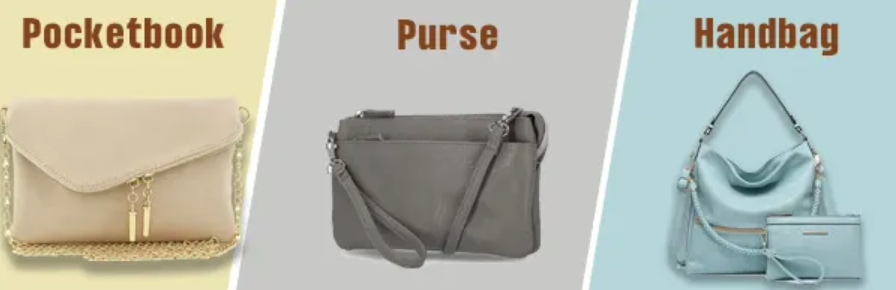
Ever wondered why some call it a pocketbook vs purse or handbag? Let’s unravel the mystery! For custom bag manufacturers and brands like yours, these terms matter a lot. They help you avoid buying mistakes. They also keep you in tune with global markets. Plus, they connect better with groups like Gen Z, who prefer “handbag” instead of old-fashioned words. Mislabeling risks customer trust and disrupts supply chains, costing time and revenue.
Clarity in terminology sharpens product positioning. Imagine targeting luxury buyers with “pocketbook” instead of “purse”—the mismatch could alienate audiences. Similarly, precise categorization streamlines production workflows, helping you optimize inventory and collaborate seamlessly with suppliers. For custom bag manufacturers, this precision ensures designs meet regional preferences and reduce costly revisions.
Ready to transform linguistic nuances into strategic advantages? This article breaks down historical context, design differences, and market-specific strategies. Dive deeper to decode the nuances.
Definition and Origins
The words pocketbook vs purse or handbag, each have unique histories and uses. Learning where they come from can help you pick the right one for your needs.
Pocketbook: From Paper Money to Women’s Bags
- Origin: The term “pocketbook” goes back to the 18th century. It first meant a small book or wallet for paper money and documents.
- Evolution: In the 19th century, Americans began using it to describe small, wallet-like bags for women.
- Characteristics: Pocketbooks are small and easy to carry, perfect for times when you need to bring just a few items.
Purse: The Medieval Coin Carrier
- Origin: “Purse” comes from the Latin word bursa, which means a small pouch for coins. People used this term since the Middle Ages.
- General Use: It grew to mean women’s handbags, usually bigger than pocketbooks.
- Today: I find that “purse” is a common term that young people like. It works well for daily use.
Handbag: Sophistication Redefined
Historical Insight: “Handbag” showed up in the 1900s, first meaning luggage that men carried. It later came to mean women’s larger, shaped bags.
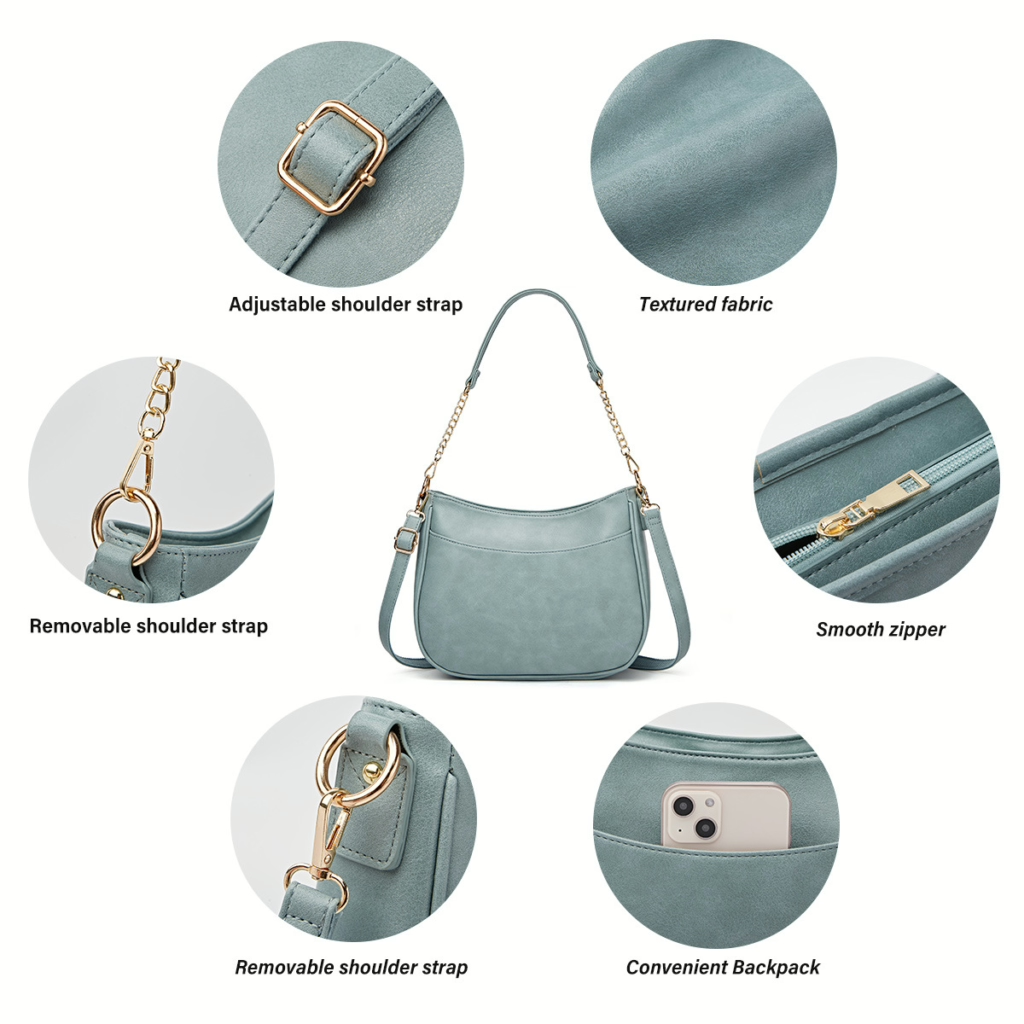
Features: These bags hold more items and have fancy designs. I think they’re great for formal events and work settings.
Key Milestones:
- 1841: Samuel Parkinson orders the first modern handbags.
- 1901: The word “handbag” first appears in print.
- 1950s: Designer handbags become popular.
Through history, the differences between pocketbook vs purse or handbag have stayed strong. They shape what different age groups prefer and how people use them today. Older folks feel nostalgic about “pocketbook,” while younger people prefer “purse” or “handbag” for daily use or work.
Expert Advice:
” Develop hybrid textiles for Pocketbook Vs Purse Or Handbag lines—think vegan leather with embedded antimicrobial coatings for Purses, and lightweight, waterproof recycled nylon fabric for Handbags—to meet rising demand for durable, hygienic, and eco-conscious accessories across demographics.“
Regional Usage
The terms pocketbook vs purse or handbag have different regional uses in the US and across the world. I find these differences key for businesses creating marketing plans.
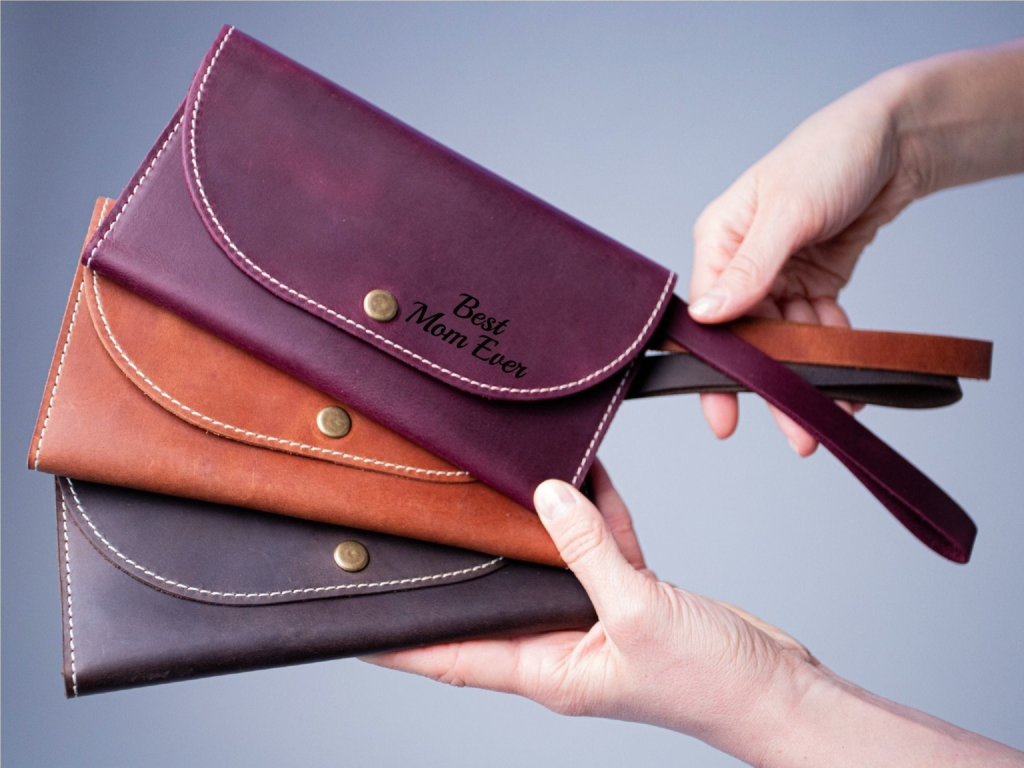
Regional Differences in the United States:
- Northeast and Southeast: People in these regions use “pocketbook” often. Older folks tend to use this term more.
- West, Southwest, and Midwest: People here tend to use “purse” instead.
- Urban Areas: Fashion-focused city areas use “handbag” most. This term links to designer and high-end bags.
- Latino Communities: These groups almost never say “pocketbook.” They prefer “purse” or Spanish words for bags.
International Differences:
- United Kingdom:
- “Purse” means a small wallet for coins and cards.
- “Handbag” means larger bags.
- Australia: Like in the UK:
- “Handbag” means larger bags.
- “Purse” means money holders.
- Canada: Uses terms like the US, with some small regional changes.
Generational Preferences:
Older Generations: Use “pocketbook” more often, mainly in the Northeast and Southeast.
Younger Generations: Like “purse” or just “bag” better.
Time-of-Day Preferences
- Daytime: People use “pocketbook” more during the day.
- Evening Events: “Purse” becomes more popular.
I’ve found that for retailers, knowing these regional and cultural word choices for pocketbook vs purse or handbag makes a big impact on customer connections. When you match your product names and ads to what locals say, I believe you create stronger bonds with shoppers.

Size Differences
Size plays a major role when choosing between a pocketbook vs purse or handbag. I find that size affects how you’ll use each bag and which one fits your needs best.
⑴ Dimensions
- Pocketbooks: These are the smallest option, ranging from 5-10 inches in width. Evening clutch pocketbooks are tiny - just 5-8 inches wide and 2-4 inches high. I love these for carrying just the basics.
- Purses: These medium-sized bags measure 10-15 inches wide. A standard purse is about 12 inches wide and 8 inches high. I find these perfect for carrying my everyday items.
- Handbags: These are the biggest option, measuring 10-20 inches in width. Large tote handbags can be up to 20 inches wide and 15 inches tall. I use these when I need to carry lots of items.
⑵ Strap Drop Lengths
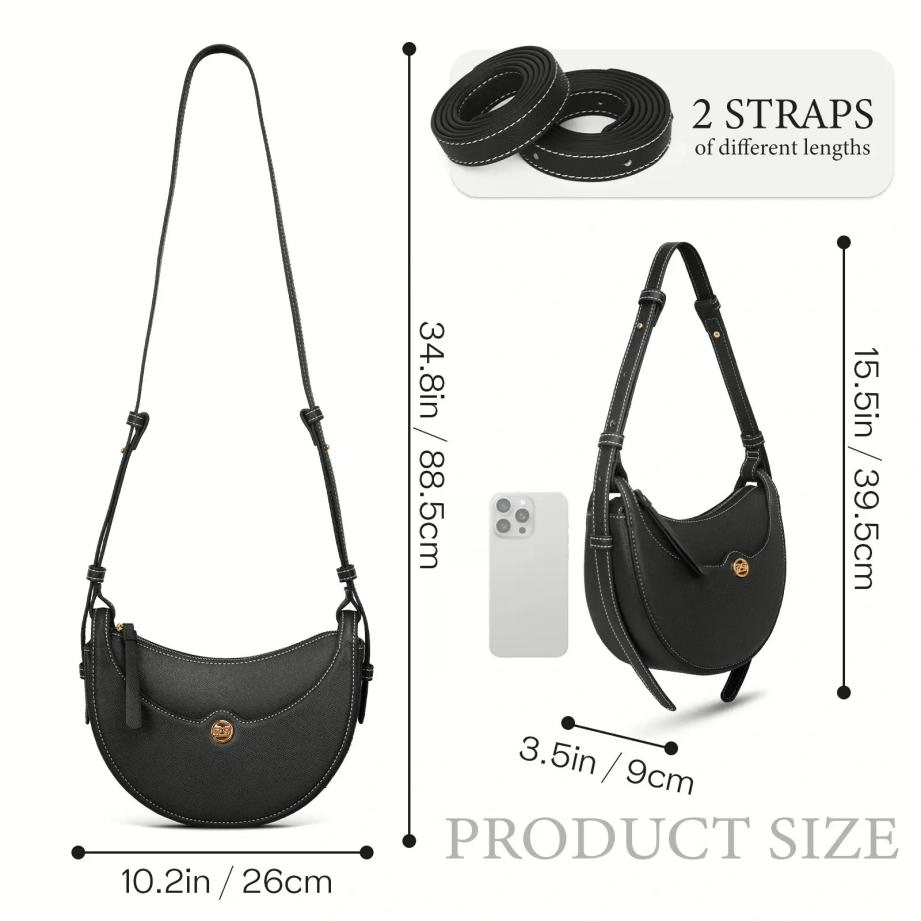
- Purses: These have shorter straps with a 9-12 inch drop. They sit comfortably on your shoulder.
- Handbags: These feature longer straps with 17-23 inch drops. You can wear them on your shoulder or across your body.
⑶ Capacity and Functionality
Pocketbooks: Great for basics like a phone, cards, and keys. I use mine for formal events.
Purses: Perfect for daily use. They fit a wallet, makeup, and phone with ease.
Handbags: Ideal for work or travel. They have room for a laptop, papers, or water bottle.
Your bag choice should match what you need to carry, where you’re going, and what style you like best.
Design Features
Pocketbook vs purse or handbag are different in design. These differences affect their appeal to users and how efficiently they are made. Pocketbooks lean into simplicity: their flat, rectangular shape (historically for cash and documents) now adapts to minimalist trends with accordion-style interiors. Purses balance functionality and style—think clutches or wristlets with 1-2 compartments and snap closures, ideal for casual outings.
Handbags, but, are where design innovation shines. With tote structures, satchel profiles, or convertible straps, they cater to diverse lifestyles. Exterior slip pockets, removable organizers, and protective metal feet boost utility and durability. High-end materials (full-grain leather, exotic skins) and bold hardware accessories (branded zippers, buckles) further position handbags as premium products.
For your brand, these differences unlock strategic advantages:
- Audience Alignment: Use sleek, fabric-based purses for younger demographics seeking affordability, while handbags with luxury textiles appeal to professionals.
- Cost Optimization: Simplify pocketbook designs with lightweight materials, saving resources for intricate handbag detailing like laptop sleeves or RFID pockets.
- Market Differentiation: Highlight handbags’ multifunctional hardware (adjustable straps, key fobs) to stand out in crowded markets.
Tailoring designs to these categories cuts production errors and boosts brand relevance.
Occasions for Use
Aligning pocketbook vs purse or handbag with specific occasions isn’t just about style—it’s about meeting consumer demands and boosting sales. Pocketbooks, with their slim profiles and lightweight design, excel for quick errands or evening events where minimalism is key. Think cash-and-card-only scenarios: coffee runs, weddings, or cocktail parties.
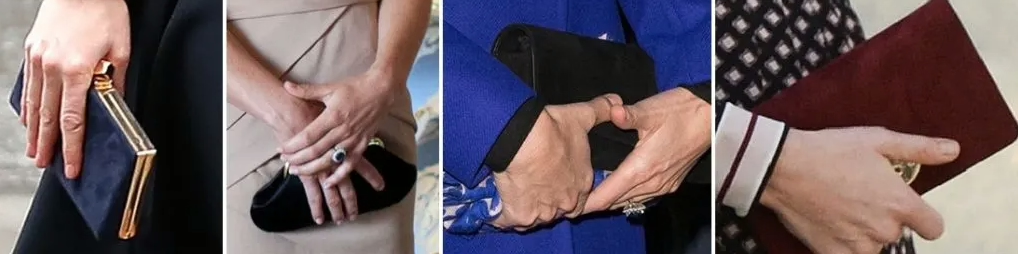
Purses strike a balance, catering to casual outings like lunches or shopping trips. Their mid-sized compartments (wallet, phone, makeup) and versatile designs (crossbody styles, clutches) appeal to millennials seeking practicality without sacrificing aesthetics.
But handbags dominate multipurpose use. Professionals rely on structured tote bags for work (laptops, documents), while travelers need roomy designs with secure closures. Seasonal trends also matter: summer calls for breathable canvas fabric handbags, while winter demands luxe leather or suede leather.
For your brand, these distinctions mean:
- Targeted Collections: Design sleek pocketbooks for formal events, durable handbags for commuters, and convertible purses for casual versatility.
- Material Strategy: Offer weather-resistant fabrics for travel handbags or metallic finishes for evening purses.
- Demographic Alignment: Gen Z gravitates toward crossbody handbags for hands-free convenience, while Gen X prioritizes professional totes.
By tailoring designs to occasion-specific needs, you reduce returns and build brand loyalty.
Expert Advice:
“Create geo-specific pocketbook vs purse or handbag catalogs: emphasize ‘Handbags’ as work essentials in urban U.S. markets, but rebrand the same designs as ‘luxury Purses’ in UK campaigns where terminology carries premium connotations, avoiding linguistic mismatches that dilute brand value.”
— Ricky Cheng, CEO of HOYUEN HANDBAG FACTORY
Conclusion
Knowing the key differences between pocketbook vs purse or handbag helps you pick the right bag. I find pocketbooks best for everyday use, purses perfect for style, and handbags great for those who need space. Each bag type meets different needs. If you run a business, picking the right custom bags for your customers matters a lot.
Want custom bags for your business? or need a Handbag Manufacturers in China, I suggest reaching out to us at info@leelinebags.com. You can also check out leelinebags.com to see what we offer. We have many options to fit your needs.
Further reading:
-
Checked Bag Vs Carry On: Pros, Cons, And How To Choose?
-
Backpack vs Messenger Bag: Style, Storage & Comfort Tested
-
Bogg Bag Size Comparison: Original vs Baby vs Bitty [2025 Guide]
Frequently Asked Questions About Pocketbook vs Purse Or Handbag
1. Why do terminology differences (pocketbook vs purse or handbag) matter for my brand?
Mislabeling these terms can lead to marketing misfires, regional misunderstandings (e.g., “purse” means wallet in the UK), and generational disconnect. For example, calling a Gen Z-targeted crossbody bag a “pocketbook” may alienate buyers. Precise terminology ensures your custom bag designs resonate with specific markets and demographics.
2. Which bag type has the highest demand for professional use?
68% of working women prefer handbags due to their larger capacity (5–10 lbs), laptop sleeves, and organizational features. For custom bag manufacturers, prioritizing handbag designs with RFID pockets and adjustable straps caters directly to this high-demand professional market.
3. How do regional preferences affect bag design choices?
In the US Northeast, “pocketbook” appeals to older audiences, while urban markets favor “handbag.” For international clients (e.g., UK/Australia), avoid using “purse” for larger bags—it refers to wallets there. Custom manufacturers like Leelinebags optimize designs by aligning terminology and features with regional trends.
4. What design features make handbags more profitable than purses/pocketbooks?
Handbags command premium pricing through luxury materials (full-grain leather), multifunctional hardware (removable straps, metal feet), and tech-friendly compartments (water bottle holders, tablet sleeves). These features justify higher margins and meet demand from style-conscious professionals.
5. Can one bag design work for both casual and formal occasions?
Convertible purses with detachable chains or minimalist handbags in neutral colors bridge this gap. For example, a crossbody purse with metallic accents transitions from daytime errands to evening events. LeelineBags specializes in creating versatile custom designs that maximize usability across occasions.