Most ODM handbag projects fail before the first sample. This guide maps the failure points from competitor workflows and internal LeelineBags project data.
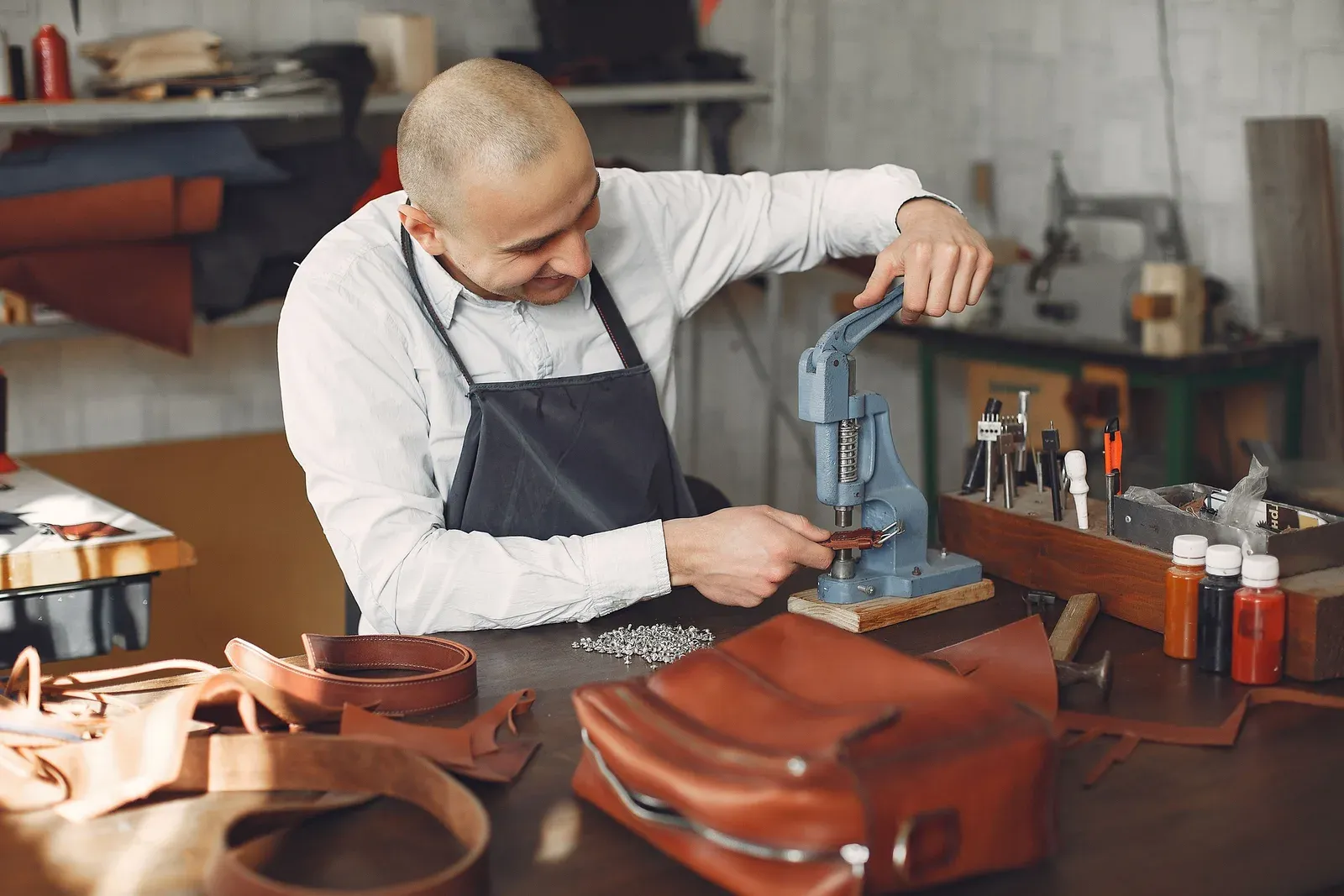
In my experience, a well-built sample has rigid gussets that hold shape and hardware that feels dense, not hollow. A weak one bends edge paint until it whitens.
This guide is for brand founders, product developers, and sourcing managers who need strict quality control. Learn to customize a pre-developed ODM handbag, approve the right sample, and reach bulk faster and cheaper than full OEM.
ODM wins when specs, approval discipline, and change limits are controlled. Expect a tight sampling window, strict approval gates, and cost leaks in unchecked spec changes.
Feasibility questions come up on the first call. Send the base style, target quantity, and launch date.
Compare the Three Sourcing Models
| ODM | OEM | Private label | |
|---|---|---|---|
| Who owns the design | Factory chassis; buyer customizes | Buyer; factory builds to spec | Factory |
| Who owns the molds and pattern | Factory | Buyer, per contract | Factory |
| What you can change | Branding, lining, hardware finish, minor pockets, packaging | Anything, including silhouette and structure | Logo and packaging only |
| MOQ and cost direction | Lowest; no design or tooling bill | Highest; NRE, tooling, and longer sampling | Lowest; tied to the factory’s hero styles |
| Sampled how | Against the factory’s approved base | Full development cycle from a brief | Against the factory’s catalogue |
| Best for | Brand founders who need their own bag quickly | Teams with proprietary geometry or structure | Fast launch, least control |
The three models share one factory floor but not one brief. A change that alters silhouette, handle anchor, or bottom geometry is OEM work even when the base looks like a catalogue style.
Prerequisites Before Sampling
Time: 2 to 3 hours. Difficulty: low now, expensive later.
This list grew out of recent customization projects. A missing item froze a buyer’s sample for one to three weeks.
Numbers to lock.
- Target retail price and target landed cost per unit.
- First-run quantity plus a realistic year-one reorder number.
- Market destination, launch deadline, and packaging destination: retail shelf, wholesale carton, or Amazon FBA.
- Reference silhouette and must-have dimensions in millimeters.
Documents to prepare.
- Mood board, brand guide, and vector logo files.
- Color references with physical swatches.
- Packaging reference samples.
- A draft spec sheet. Tech pack optional. Draft mandatory.
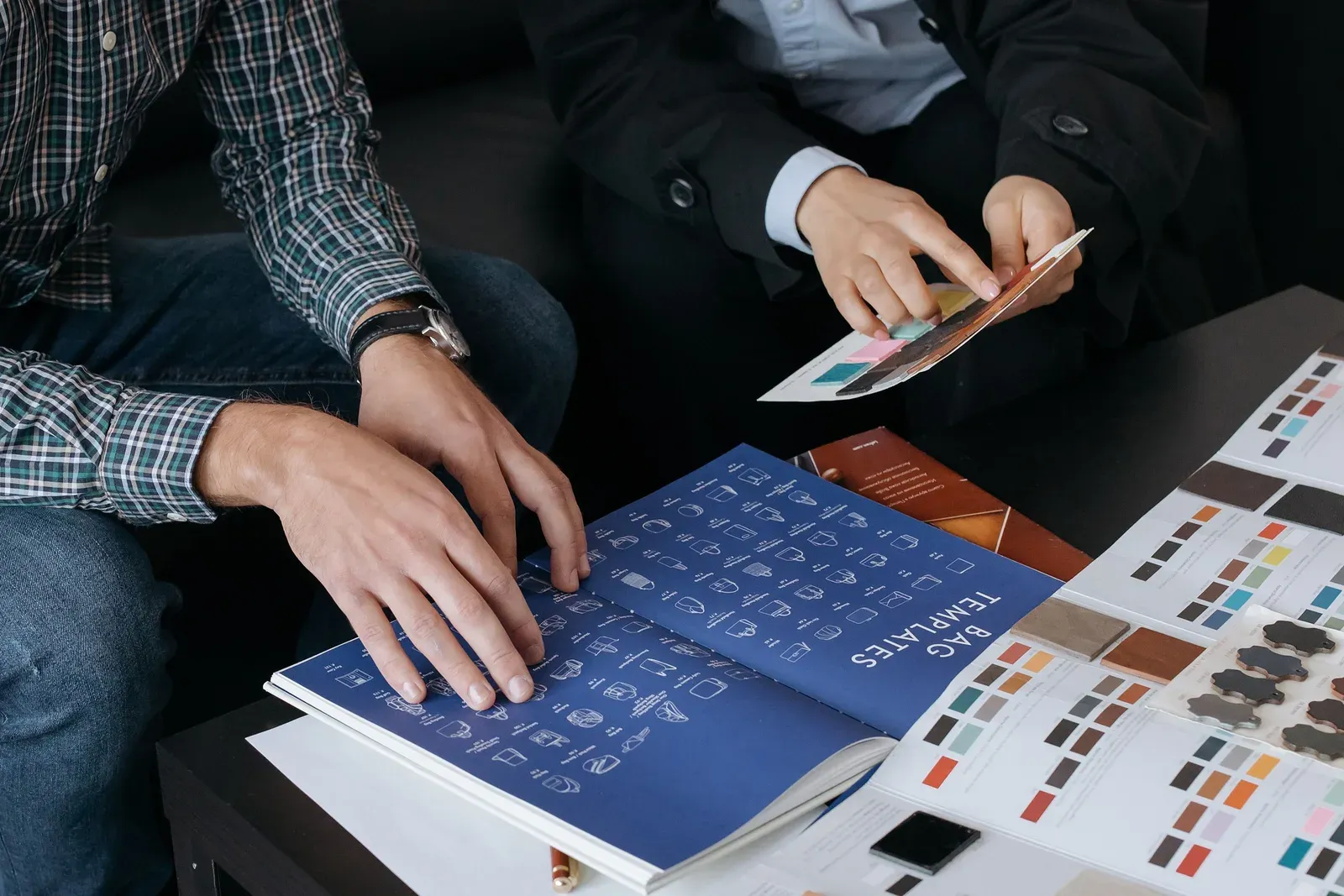
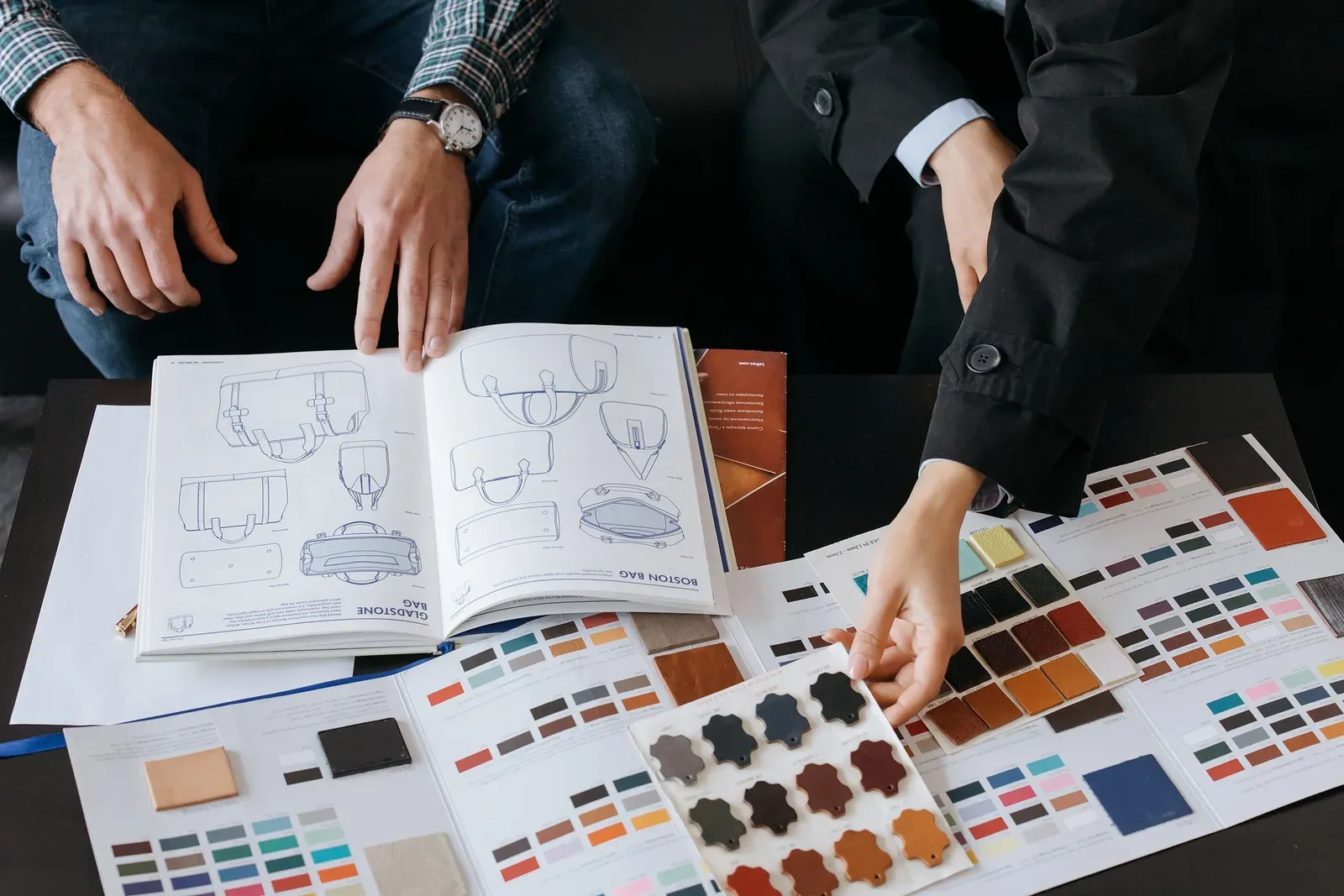
Gather and compare physically: leather swatches, finish panels, zipper pulls, and print proofs. Screens lie about color and hand feel.
Sampling teams check physical swatches before quoting. Comparing coated canvas or woven options? Read leather weight and thickness first.
The redacted intake brief lists these exact fields; screenshot it before requesting a sampling slot.
Low Minimums: What to Confirm First
Bag MOQ, fitting MOQ, and leather dye-lot MOQ are three separate decisions. A 100-unit tote quote once lost two weeks because the zipper pull carried a 1,000-piece minimum.
Ask for all three numbers in one message.
🧠 Author’s Experience: I request dye-lot confirmation in writing. Two dye lots on one SKU looks like a defect to the buyer’s customer, not a supply issue.
⚠️ Safety First: Sustainability, child safety, California Prop 65, and EU REACH claims need documents in hand before launch. Source ISO 9227 salt spray reports, EU REACH documentation, Amazon FBA packaging requirements, and the official HTS classification database. Verbal promises are not evidence.
Step 1: Shortlist the Base Style
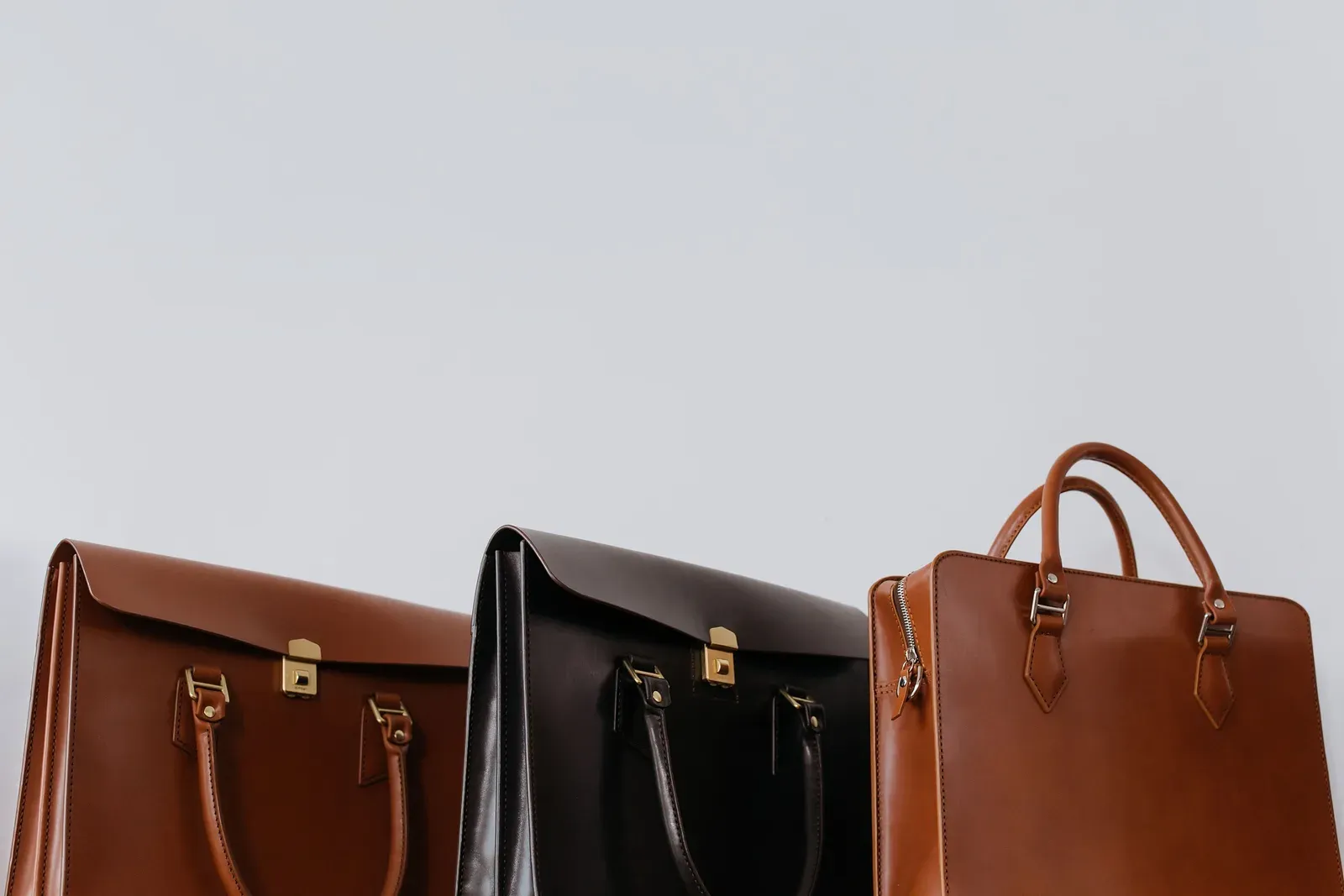
Start with three to five factory styles that already match the target silhouette, size class, carry mode, and construction family. This is the first hard decision.
Inspect the base sample in person. It must stand upright on a shelf. It should collapse softly when pressed and recover without creasing.
Twist the handle anchor. It should resist rotation. Shake the bag. Fittings should feel dense and not rattle. If the chassis twists or rattles, stop.
ODM-safe changes include logo application, lining color, and leather swaps within compatible thickness ranges. Minor pocket adjustments, standard fitting finishes, packaging, hangtags, and label branding stay in ODM.
Major shape changes and new bottom geometry often push the project into OEM fees. So do new handle attachment architecture and custom frame trim.
Large gusset-depth changes and structural reinforcements that alter pattern balance usually require OEM redevelopment.
| Change area | Can change easily | Can change with sampling risk | Usually requires OEM redevelopment |
|---|---|---|---|
| Branding | Logo, labels, hangtags | Foil or emboss on textured leather | New logo hardware |
| Materials | Lining color, standard leather | Leather thickness swap | New reinforcement system |
| Geometry | Minor pocket depth | Small gusset adjustment | New bottom shape or frame |
| Hardware | Standard finish | New pull style | Custom frame architecture |
| Structure | None | Small reinforcement patch | Handle anchor redesign |
Apply one decision rule. If brand value rests on silhouette exclusivity, skip ODM early. Do not force an ODM chassis into an OEM brief.
For feasibility support, LeelineBags custom handbag manufacturing will score the brief before sampling. The chosen style should already meet 70 to 80% of the intended function.
This workflow assumes a floor that can actually run it. LeelineBags has manufactured since 2015 in Wuhan: 50,000 m², 500+ people, 500,000 units a month. ISO 9001 is certified; BSCI, OEKO-TEX 100, and GRS are available on request.
That scale is what turns three base styles into a priced, trackable sample rather than a brochure promise.
🧠 Author’s Experience: A logo mockup once went to approval on a chassis that twisted at the handle anchor. The branding was fine. The base failed. Check the empty bag first.
Step 2: Write the Tech Pack
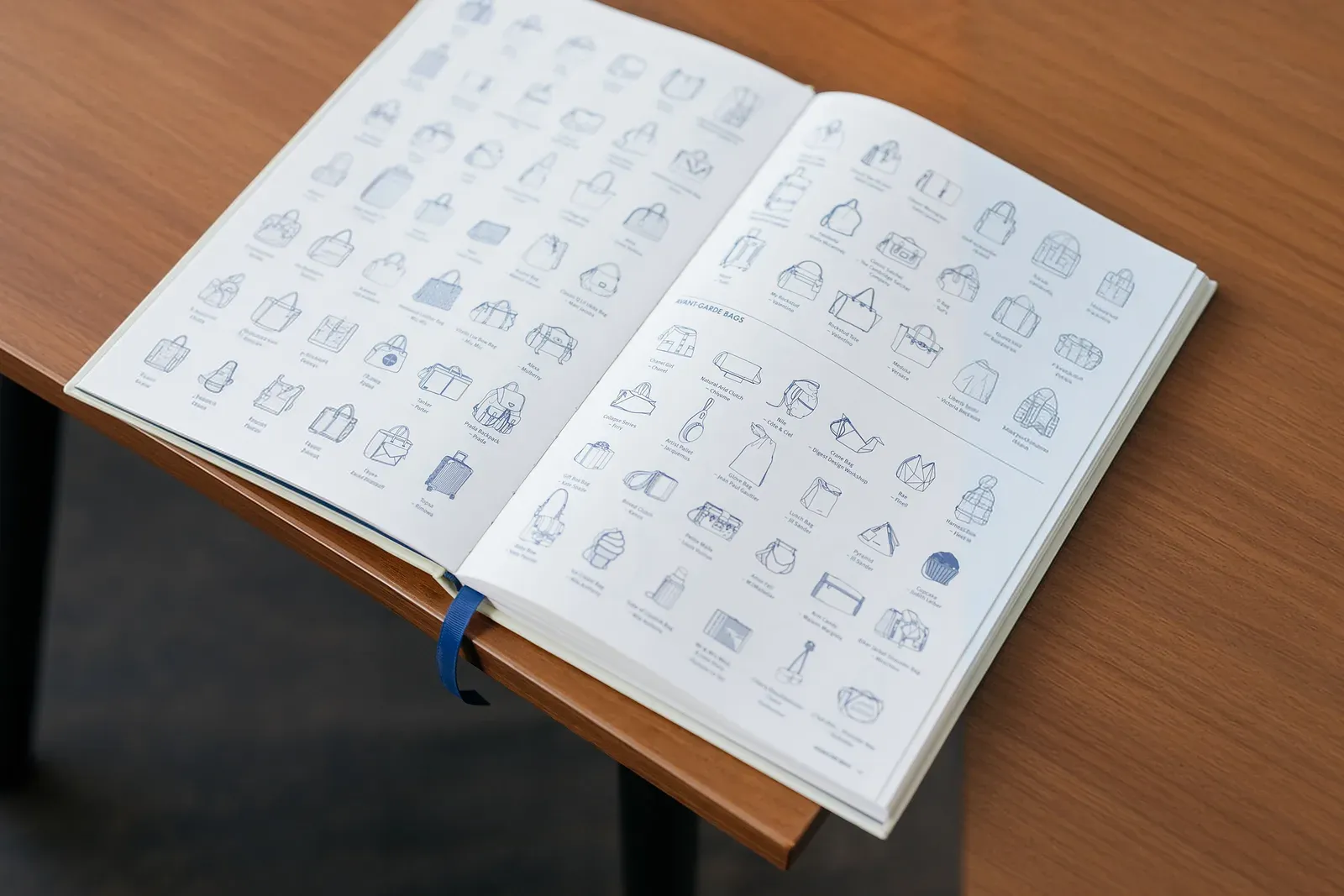
Even in ODM, the tech pack becomes the source of truth. I treat it as the approved change log. Revisions stay dated, numbered, and traceable to a prototype.
Replicate the redacted LeelineBags engineering template. It caught three costly omissions that normally stall a first prototype: backing material, zipper tape color, and edge-dye Pantone.
Require visual-first anatomy: front exterior, back panel, side profile, bottom, interior, pocket view, fitting close-up, and exploded callouts with numbered labels.
A good callout reads like: “01: top zipper track, 8 SPI, 0.6 mm thread.” Not a paragraph.
Non-Negotiable Spec Fields
A complete tech pack carries these fields:
- Finished dimensions and tolerance range.
- Outer material, lining material, backing material, and interlining.
- Thread thickness and stitch density or SPI.
- Seam allowance.
- Zipper code, zipper tape color, and puller type.
- Logo size, position, and application method.
- Hardware finish and plating color.
- Edge paint thickness or coat count, plus the exact edge-dye Pantone reference.
Tie material callouts to fabric options for woven and synthetic panels. Use handbag linings for interior specifications. That keeps one swatch reference behind the whole BOM.
Wording discipline: numbered callouts and short directives. For example: “02: clean edge paint buildup, three coats, no whitening at flex.”
The primary method is an annotated PDF or AI/CAD export. The alternative is a spreadsheet-plus-photo pack for early-stage teams.
For dense hardware or coating specs, cite an official source only: the manufacturer user manual or an official material specification reference. Do not cite competitor blogs.
What buyers forget most often: thread thickness, backing material, reinforcement tape, exact edge-dye color, hidden magnet placement, zipper tape color, and protective feet spacing.
Check the sensory details in the template. Stitch lines must be evenly spaced. Edge paint must build clean coats. The zipper must glide without tooth drag.
A 0.8 mm thread on a 10 SPI seam looked ragged. A 0.6 mm thread at 8 SPI matched the approved hand sample.
Step 3: Approve Material and Trim
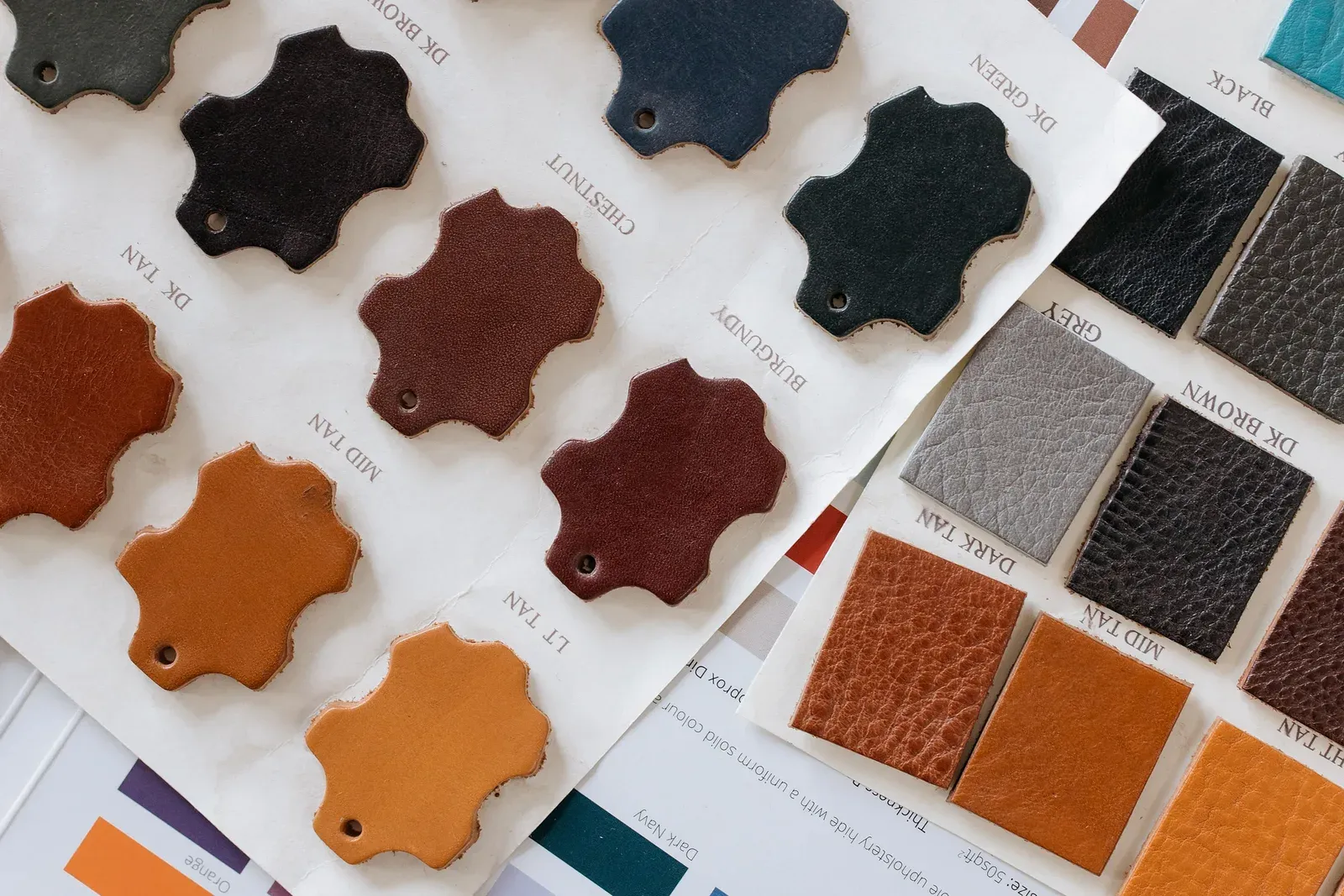
In our project records, most sample resets started with a material or trim surprise. Approval now happens before sample payment, not after the first prototype.
Sign-off splits into four buckets: outer material, lining and backing, fittings, and packaging.
Leather minimums belong in the first: stock colors may support smaller launch runs. Custom dye lots can force far higher hide commitments than the bag-unit MOQ suggests.
Use LeelineBags leather goods manufacturing for leather feasibility checks, and ask for both numbers in writing.
| Trim lane | What you get | Cost and lead time |
|---|---|---|
| Stock fittings, no logo | Fastest, lowest risk | No mold fee |
| Stock fittings with laser engraving or debossing | Branding on a proven part | Small setup fee, short delay |
| Custom die-cast parts | Unique part | Mold fee and longer lead time |
Choose practical finishes: light gold, gunmetal, brushed brass, or matte black. Approve appearance and corrosion performance separately. A finish can match Pantone and still fail salt spray testing.
See hardware accessories for the trim library. Reference ISO 9227 for the salt-spray method and the supplier’s Safety Data Sheet before signing off on plating.
Check with your own hands: leather temper, grain consistency, fitting weight, plating smoothness, and edge-paint flexibility. A stiff temper cracked at the gusset fold. A soft temper sagged on the top handle.
The leather quality control checklist covers the failure grades behind each check.
Rosa Xie on Why Structure Fails
Rosa Xie, a handbag factory principal, is the person I call before a structural spec is locked. Rosa Xie’s answer on the failure points buyers report most often:
- Why do handle drops fail? “The anchor holds, but the drop loop stretches. Load testing exposes weak thread and poor bartack placement.”
- Why do gussets collapse? “A structured tote folds when the gusset stiffener is too short and the bottom board cannot spread load.”
- When do backing boards beat softer interlinings? “Use boards for base panels and large flat fronts. Use soft interlining for curved pockets.”
- Why does leather temper force pattern changes in ODM? “Temper changes stretch and fold memory. The pattern must compensate, even when the silhouette is approved.”
Cost control: lower minimums with stock colors, shared linings, shared zipper programs, engraved standard hardware, and fewer launch colorways. Do not cut corrosion specs.
A round should close with a locked BOM, a realistic MOQ by component, and a yes/no answer on ODM fit.
🧠 Author’s Experience: A buyer paid for samples, then learned the custom dye lot required 800 hides for a 100-bag launch. Lock material architecture first.
Step 4: Run the Sample Sequence
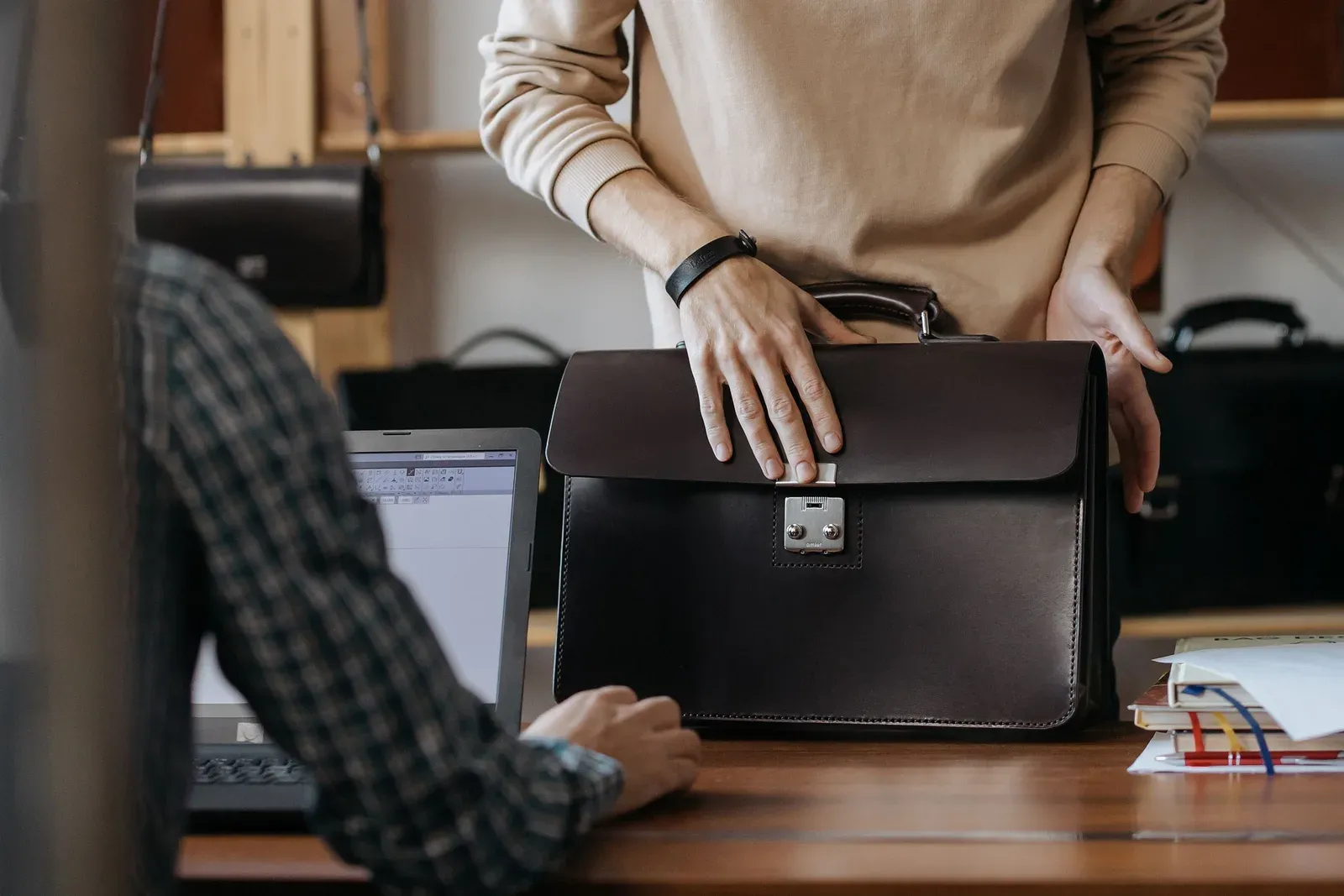
The sampling floor runs four gates. Skip one and the cost lands in bulk. A 300-unit tote order restarted twice because the buyer treated a proto as a PPS.
Run these gates in order. Do not compress them.
- Proto. Confirms construction logic and proportion. It answers “can this shape be built?” Nothing else. Do not judge edge paint color here.
- Revision round. Fixes fit, tolerance, and pattern errors marked on photos. One consolidated comment sheet per round.
- Pre-production sample (PPS). Confirms the exact production materials, fittings, and finish. This is the sign-off unit, not a concept.
- Golden sample. The signed, dated reference both sides keep. Bulk must match it exactly.
Sampling Timeline
Averages across recent LeelineBags projects:
| Stage | Average days |
|---|---|
| Intake confirmation | 1.5 |
| 2D paper pattern or modification notes | 3 |
| Material booking | 4 |
| Custom hardware die-casting, if any | 12 |
| First 3D sample | 7 |
| Revision loop | 6 |
| Final PPS approval | 3 |
The “7-day sample” claim holds only after materials and comments are locked. Die-cast hardware adds 12 days on its own. Book that early.
Rub the leather grain; it should feel consistent, not waxy. Press the edge paint: tacky means under-cured.
Zip it closed with your eyes shut. You want a clean glide, no tooth grind. Lift it by the handle and hold for 30 seconds. Sharp pressure at the palm means a failed drop.
Snap the fittings twice: dense, not tinny. Smell the lining: sharp chemical odor signals trapped solvent.
Review checklist: dimensions, silhouette accuracy, leather thickness, lining execution, pocket usability, zipper operation, handle drop, fitting finish, logo placement, edge painting, smell, packaging fit.
Approve physically. Mark comments on photos and cite the spec line. Video sign-off works for urgent teams, but in my experience structured premium bags still need a physical PPS.
Bulk production does not start until all revision comments are closed. The golden sample must be signed, dated, and version-controlled.
Step 5: Freeze Responsibilities and QC
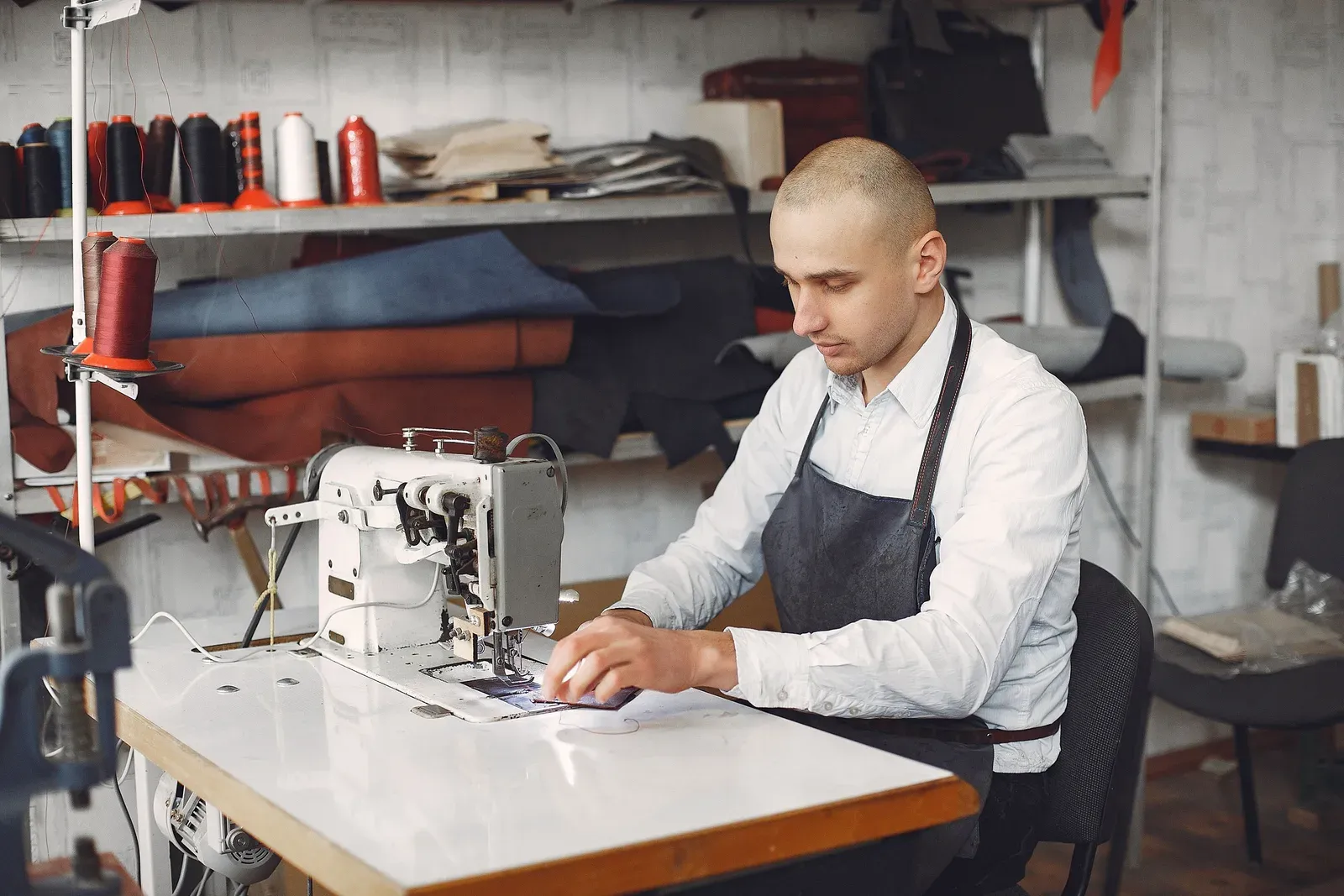
After signing the golden sample, stop. Do not release the bulk deposit until responsibilities are frozen in writing. A missing responsibility clause caused a three-week delay on a 500-unit order.
Contract layer. Separate factory-owned design assets from buyer-controlled brand elements. Factory-owned: the base silhouette, pattern geometry, and existing hardware molds. Buyer-controlled: proprietary logos, custom lining prints, branded lock plates, and packaging artwork.
Reference a China-specific NNN agreement (non-disclosure, non-use, non-circumvention). Factories will sign an NDA and still reuse buyer logos on other clients’ samples. The non-use and non-circumvention clauses are what give it teeth.
Three QC Gates
Cutting approval. Before the factory cuts bulk material, inspect the first cut panel against the golden sample. Check dimension tolerance, needle-hole straightness, and logo alignment. A misaligned needle hole on the gusset means the pattern shifted.
In-line inspection. During production, check stitch consistency and seam pull. Pull a seam firmly; it should not gap. Rub edge paint on a flex point; it must not crack or whiten.
Spin the zipper: a clean glide, no tooth drag. Feel hardware plating, which should not feel sharp at the edges. Compare two units to confirm finish consistency.
Pre-pack inspection. Before cartons close, inspect all units. Check pocket function, carton label accuracy, and magnetic closure centering. A magnet that lands off-center means the hidden pocket pattern is wrong.
Acceptance language. Use the chosen AQL plan; see AQL inspection standards and ISO 2859-1 for the sampling tables. Critical defects stay at zero tolerance, and premium programs often tighten major-defect AQL from 2.5 to 1.5.
Rosa Xie warns against one habit in particular: signing a lot definition broad enough to swallow a defect.
“The lot reads clean until you notice the same zipper fault on every third bag,” she says. “Define the defect before you count it.”
Reference the official Prop 65 or EU REACH compliance source for material compliance. The full quality control checklist turns these gates into a sign-off sheet.
The signed golden sample, final BOM, inspection checklist, and approval version number must match before full production starts. I keep a one-page match sheet. Any mismatch stops the line.
Step 6: Lock Freight and Compliance
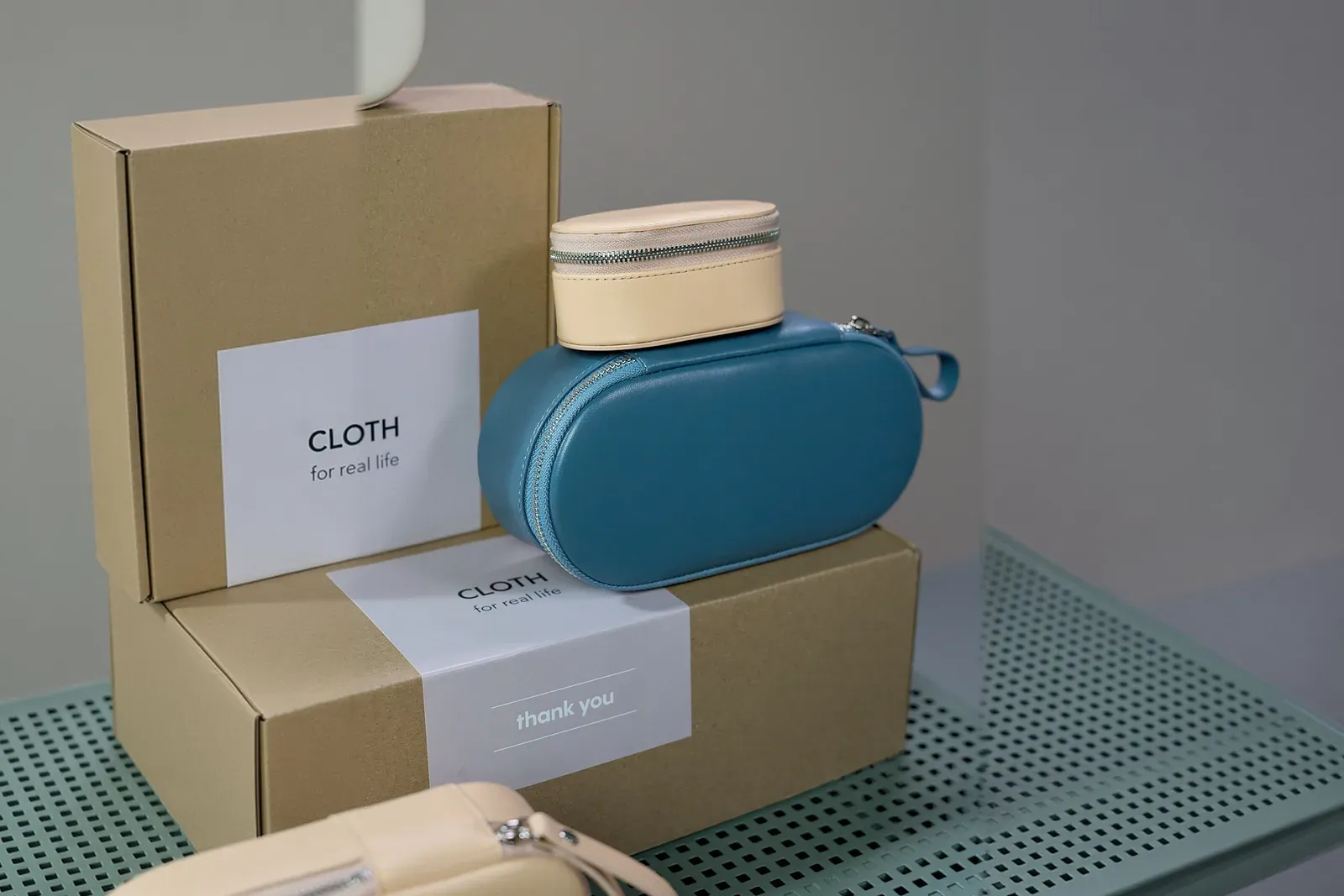
Three buyers in recent launches booked freight before confirming the production slot. Two missed the launch date. Confirm these before public messaging: bulk quantity, production slot, inspection date, freight mode, Incoterm, and destination compliance.
Build the Landed Cost Sheet
Build the landed cost sheet before the freight quote: unit cost, sample fees, mold fees if any, testing, packaging, duty and tariff exposure, freight, fulfillment prep, and a buffer for rework or delay. Keep the sheet to one page.
Factory production lead time is not launch lead time. A 25-day production run often becomes 60 days door-to-door after material booking, transit, and customs.
For HS classification, genuine leather handbags fall under one code family and synthetic or textile handbags under another. Classification changes duty rates; verify with the official USITC HTS database.
The handbag import duty guide walks the HTS 4202 decision tree.
Packaging, Cartons and FBA Readiness
Check shipping readiness directly: barcodes must scan clean, tissue wrap must be scuff-safe, polybag warning print must be legible, and cartons must not bulge or crush at the corners.
For Amazon FBA, add four checks: suffocation warning on polybags, barcode placement on the unit, carton size and weight limits, and unit packaging that protects hardware and edge paint.
Build the calendar backward from the required delivery date, through fulfillment prep, customs, transit, inspection, production, and material booking.
Rush freight is the backup. Faster transit does not fix a weak sample approval or late material booking.
Once the BOM, sample sign-off, and launch date are locked, the launch review is the last checkpoint.
🧠 Author’s Experience: A buyer booked rush air freight to save a launch while the PPS was still unapproved. The freight arrived on time. The product did not. Never use expedited shipping to cover a sampling delay.
Sourcing Location Shifts the BOM
The same brief carries different MOQs and lead times by country. Handbag manufacturing in Portugal suits small leather runs.
Craft workshops in the UK trade volume for flexibility. Bag manufacturing in California keeps stock close to a US warehouse.
Where Customization Budget Leaks
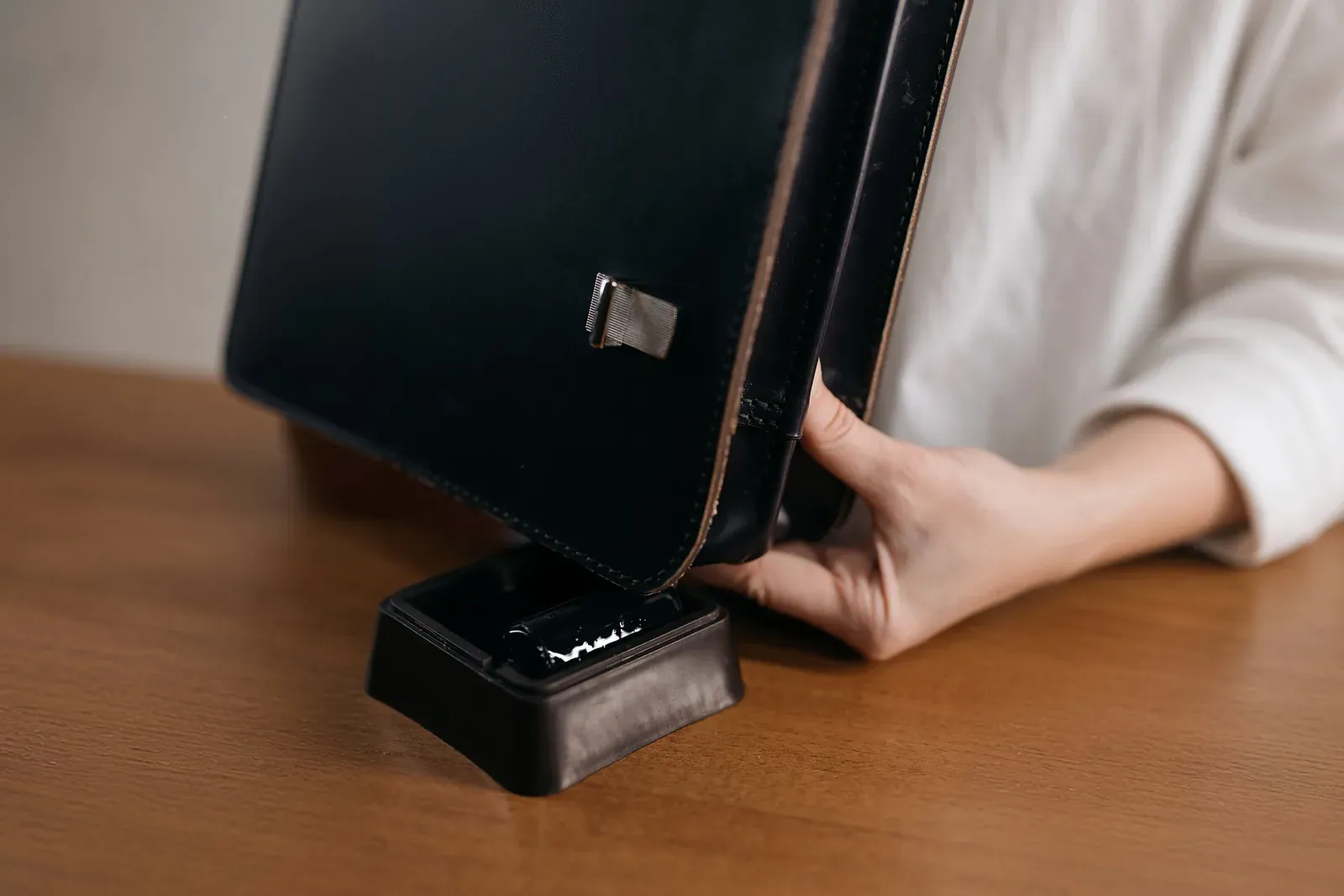
These failures burn the most budget. A physical tell precedes the cost.
Sample Feels Wrong in Hand
The leather feels spongy. The backing slips. The handle squishes, and edge paint ridges under the thumb. That means the factory matched the silhouette, not construction.
Reject it and request one corrected round. Keep a physical golden spec card with caliper readings and thread samples; photos hide 0.4 mm leather substitutions.
MOQ Jumps After the Quote
One component carries a hidden minimum: custom leather color, custom die-cast mold, or multi-color packaging.
Isolate that line item and re-quote it on its own. The fix is usually the stock-leather or engraved-part lane from Step 3.
Structured Tote Walls Collapse
Walls bow inward. The handle anchor creeps. The drop loop stretches.
Revisit the interlining and handle-drop geometry notes before PPS. The bag structural integrity breakdown explains where the load gives way. Fix structure first; decoration cannot rescue a weak chassis.
Bulk Does Not Match the Sample
Bulk units show thinner edge paint, lighter hardware, darker zipper tape, or looser stitch count. Pause the production release. Match golden sample, BOM, and inspection checklist by version number, then confirm QC checkpoints before restart.
Landed Cost Blows Up at FBA
Customs flags a wrong HS code. Barcodes fail to scan. Polybag warnings are missing. Cartons exceed FBA limits.
Run the Step 6 packing checks before freight booking, not after arrival.
Decision rule: if two sample rounds still expose structural instability, stop calling the project ODM. Re-scope it as OEM, or redesign the brief.
The ODM Verdict

A controlled launch rests on five assets: a chosen chassis, a locked tech pack, an approved golden sample, a QC plan, and a freight calendar. With those in place, a launch carries far less risk than an ad-hoc project.
🧠 Author’s Verdict: ODM pays when the chassis is already right and the changes stay inside the approved lanes. A buyer who wants a new silhouette, a new handle anchor, or a new bottom geometry is buying OEM work at ODM prices and will pay for it twice. Approve the empty bag before you approve the logo.
Adjacent categories: duffles, sports bags, and garment bags.
Trust note: this guide uses process analysis, internal project patterns, and technical interviews to educate buyers. Timing, MOQ, and feasibility claims need validation against final materials and destination-market requirements. I receive no manufacturer kickbacks for these findings.
Frequently Asked Questions About ODM Handbag Customization
1. What is ODM handbag customization?
ODM handbag customization starts from a factory’s proven base bag, so the pattern and structure already exist and only the surface is yours to change.
The model stops working when your brand rests on a shape no chassis offers. At that point the honest answer is OEM, not a longer change list.
2. How many units should I order for a first ODM run?
For a first ODM run, order the smallest quantity that covers stock leather, standard hardware, and a shared lining. Do not accept one blended MOQ.
Ask for bag MOQ, hardware MOQ, and dye-lot MOQ in one written message, then price each against the hundred-piece pilot cost before fixing a first-run size.
3. How long does ODM sampling take?
The seven-day figure applies to the first 3D sample alone, with materials and comments already signed off. The per-stage averages sit in the Step 4 timeline; plan the launch backwards from final PPS approval rather than from the first sample.
Custom die-cast hardware is the longest single line in that table. Book it before promising a launch date.
4. What should I check on the golden sample?
Approve in person, not by video alone. The empty bag should stand upright, the handle drop should hold for 30 seconds without sharp palm pressure, the zipper should glide cleanly, and edge paint should not whiten at flex.
One client approved by video and missed a two-shade zipper tape swap. Physical sign-off stops in ten minutes.
5. Can I use my own logo on an ODM bag without losing rights?
Yes, if factory-owned design assets are separated from buyer-controlled brand assets. The base silhouette, the pattern geometry and the existing molds usually stay with the factory; the logo, custom lining print, and packaging artwork stay with the buyer.
Use an NNN agreement covering non-disclosure, non-use, and non-circumvention; an NDA alone leaves the non-use clause to chance.
6. What AQL should I use for premium ODM handbags?
Set critical defects at zero and tighten major defects to 1.5 for premium bags. Many programs use 2.5, but premium programs run tighter.
Use ISO 2859-1 as the base AQL standard and inspect all units pre-pack. Cutting approval and in-line checks catch pattern shifts before cartons close.
7. How much does ODM sampling cost?
Sampling cost breaks into three parts: the sample fee itself, any tooling or mold fee, and the material commitment behind it.
Stock hardware and stock colors keep all three low. A custom dye lot or a new die-cast part can dominate the bill.
Ask for the three lines separately. A blended sample price hides which component is expensive, so you negotiate the wrong one.
The sample fee comes back against the bulk order only when the written quote says so.
8. Is there a mold fee for custom hardware?
Only for custom die-cast hardware. Stock parts with laser engraving or debossing carry a small setup fee and a short delay, not a mold fee.
A unique die-cast piece needs a mold, and that fee is usually paid once per part, not per order.
That is why the hardware lane matters early: choosing an engraved standard part instead of a new mold often cuts both the setup cost and about two weeks from the sampling timeline.