
Where are michael kors purses made?
Michael Kors began his fashion design journey at just 21. He launched his first women’s collection then. His vision and talent laid the foundation for what would later become a global luxury empire. The brand’s story has changed a lot since the early days. Back then, Michael Kors purses were made in Italy.
The production landscape has transformed dramatically. Most Michael Kors bags are made in China. The brand now also has factories in India, Sri Lanka, Vietnam bags brand, Korea, bag manufacturer Thailand, and bag manufacturers in Turkey. Michael Kors is a well-known leather goods manufacturers. Quality is still the brand’s main focus, even with these changes. These products are made with premium materials, including Saffiano leather. It is known for its durability and unique texture.
This piece gives a close look at where Michael Kors bags are made. You’ll learn to identify real products by checking their tags. You’ll learn what makes these luxury accessories special in craftsmanship and quality.
Where Are Michael Kors Purses Made?
Michael Kors makes nearly all its products in Asia as of fiscal 2024, based on dollar volume. The brand’s manufacturing locations have changed to balance quality with cost-effectiveness.
Current manufacturing locations in 2025
Where are michael kors purses made? Vietnam dominates Michael Kors’ manufacturing with a 44% market share. China comes close at 45%, while Peru contributes 8% of production.
| Country | Market Share |
|---|---|
| China | 45% |
| Vietnam | 44% |
| Peru | 8% |
Other manufacturing locations without specified market shares include:
- Bag manufacturer Indonesia
- Bag manufacturer Philippines
- Taiwan
- Turkey
- South Korea
Independent third-party manufacturing contractors manage the production process from start to finish. These contractors source materials and trim. The brand chooses its manufacturing partners based on their capabilities, production capacity, competitive pricing, and delivery speed.
Why MK moved from Italy to Asia?
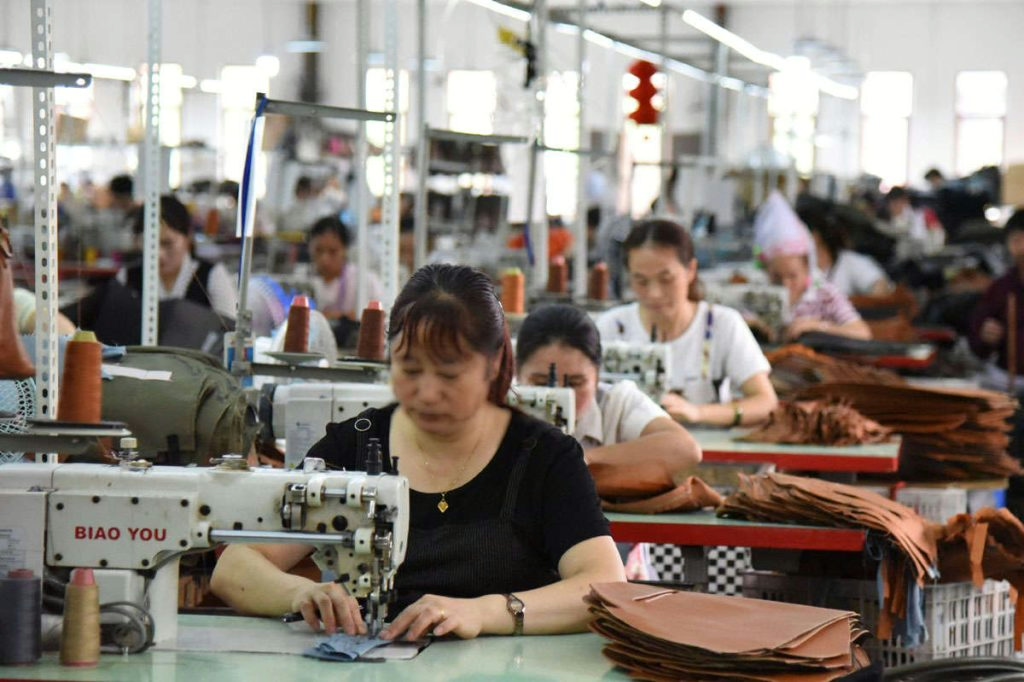
Michael Kors’ choice to move production from Italy to Asia makes sense. Asian manufacturing provides several cost benefits through:
- Lower production costs
- Strong supply chains
- Skilled workforce
- Modern manufacturing infrastructure
The brand can keep prices competitive while meeting customer demand worldwide. Michael Kors is known as an attainable luxury brand. This manufacturing approach allows for stylish products that cost less.
Key manufacturing hubs and their specialties
Where are michael kors purses made? Each production hub brings something special to Michael Kors’ manufacturing network. The brand sources goods from 17 countries and ships through 22 West Coast ports of origin.
Vietnam and China are the top spots for handbag production. These locations excel at large-scale production with strict quality standards. The Philippines and Indonesia specialize in leather goods. Taiwan focuses on technical components and specialized materials.
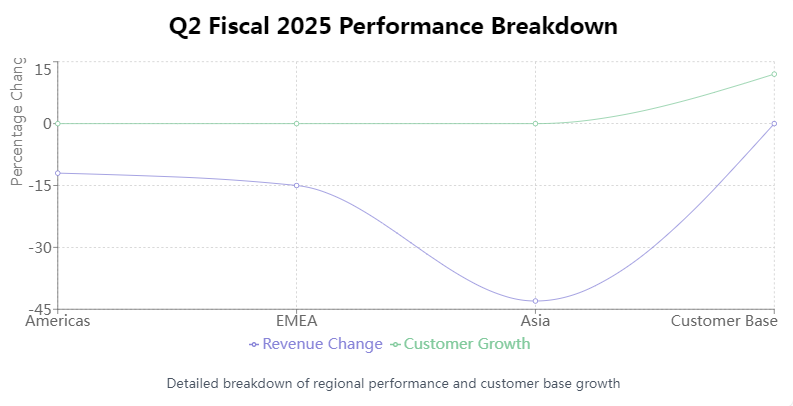
Recent financial numbers show how this manufacturing network affects regional performance. In the second quarter of fiscal 2025, revenue patterns varied. The Americas dropped by 12%. EMEA fell by 15%, and Asia decreased by 43%. Michael Kors’s customer base still grew by 9 million new customers, showing a 12% increase.
The brand keeps adapting its manufacturing strategy as global markets change. Michael Kors has a diverse production network. This gives it flexibility and helps maintain quality at all facilities. This setup helps the brand quickly respond to market needs. It also helps maintain its spot in the attainable luxury market.
Expert Advice:
” While relocating production to Asia reduces costs, Michael Kors must ensure that factories in Vietnam, China, and other hubs adhere to the same artisanal standards as their original Italian facilities. This balance is critical to preserving the brand’s reputation for high-quality craftsmanship in where are michael kors purses made.“
— Benny Yehezkel, CEO Himalaya bags and luggage Ltd.
Inside Michael Kors Factory Operations
Michael Kors emphasizes material choice and quality in their production process. The brand’s dedication to excellence shapes how they make their products, right from raw materials to final checks.
Raw material sourcing
Michael Kors chooses innovative, eco-friendly materials that don’t compromise style or quality. Their signature handbags, crafted by skilled handbags manufacturers, are made from high-end materials. These include Saffiano leather, cowhide leather, suede leather, and calfskin, which vary by model.
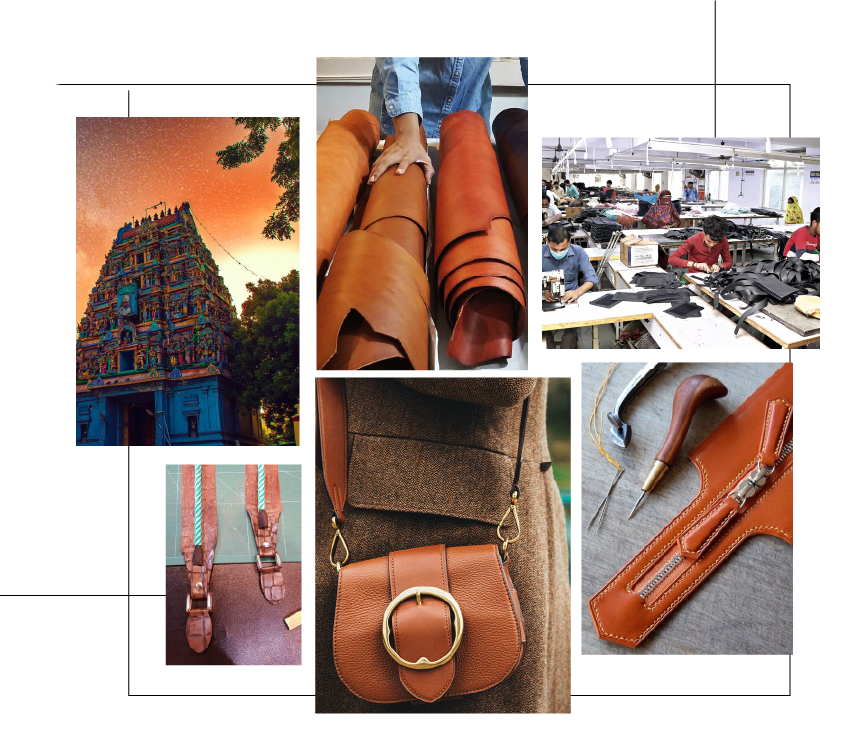
The brand works with certified tanneries that meet strict environmental standards. These tanneries need Gold- and Silver-medal ratings from the Leather Working Group. About 50% of the materials in KORS LOVES products are eco-friendly.
Michael Kors uses polyester or nylon materials inside their bags. These materials last long and are easy to maintain. The brand also cares about green packaging. Ninety-nine percent of their store packaging can be recycled or comes from sustainable sources.
Quality control measures
Michael Kors uses many layers of quality checks. Teams in North America, Europe, and Asia track their third-party manufacturers carefully.
The brand carefully screens potential suppliers through an internal risk assessment. Their quality control includes:
- Regular on-site audits by independent third-party auditors.
- Surprise facility inspections when needed.
- Detailed checks of manufacturing processes and supplier code compliance.
- Private interviews with workers, sometimes supported by AI interview assistants for structured feedback collection.
- Full review of facility records
Michael Kors sets high standards for craftsmanship. Each authentic bag must have perfect stitching, consistent color, and premium hardware accessories. Zippers should glide easily, and straps need sturdy holes and strong metal buckles. Michael Kors uses better production techniques and careful inspections to ensure every detail meets quality standards.
Manufacturing Standards and Practices
Ethical manufacturing practices are the lifeblood of Michael Kors’ global supply chain operations. The brand cares about more than just making products efficiently. It also focuses on worker welfare and protecting the environment.
△ Worker conditions and fair labor
Michael Kors has strict labor standards. They enforce these through their Code of Conduct for Business Partners. The code bans forced labor, bonded labor, and child labor at all stages of manufacturing. The brand requires suppliers to:
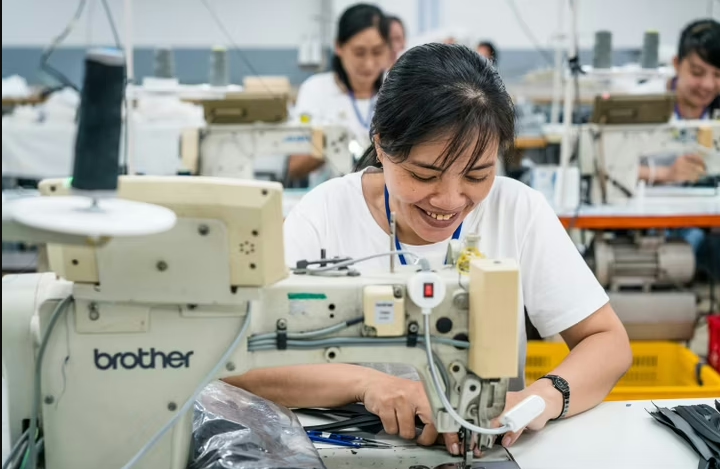
- Pay fair wages that match local laws.
- Create safe working conditions.
- Let workers move freely and keep their travel documents.
- Stop charging recruitment fees to workers.
Recent reports show persistent challenges. In 2023, labor issues arose at some facilities. This prompted Michael Kors to launch immediate investigations into these claims. The brand teams up with manufacturers to address these issues and install fixes.
△ Environmental impact
Michael Kors’ environmental initiative has set clear sustainability targets. The brand now gets 70% of its energy from renewable sources. Its steadfast dedication to environmental responsibility shows through:
- Lower greenhouse gas emissions from direct operations.
- Materials from certified tanneries that meet environmental standards.
- Store packaging that’s 99% recyclable or sustainably sourced
The KORS LOVES badge marks products made with at least 50% eco-friendly materials or leather from certified tanneries.
△ Quality benchmarks
Michael Kors runs a complete system of checks and standards for quality assurance. Independent third-party auditors regularly check each manufacturing facility. These reviews look at:
- Production processes and supplier code compliance
- Worker interviews are held away from supervisors.
- Facility records and documents
- Raw material quality and source verification
The brand partners with tanneries that earn Gold and Silver-medal ratings from the Leather Working Group. Michael Kors makes products that are durable and well-crafted. They use better production technology and have strict quality checks to ensure this.
How to Verify Your Bag’s Manufacturing Origin?
You can verify your Michael Kors bag by checking its manufacturing tag system. Every authentic bag comes with specific identifiers that tell you where and when it was made.
Suggested Reading:
- Leading 10 Italian Travel Bag Brands You Should Know About
- How Do You Know If Michael Kors Bag is Real?
- 9 Top Leather Goods Manufacturers in the USA
☆ Reading the manufacturing tag
A genuine Michael Kors bag has two layered tags on its right interior side. You’ll see a white tag on top and a gray tag underneath. These tags show important details to help you check if your bag is real.
The white tag has a unique 12-digit code. This code includes the serial number, style number, color, and the place of manufacture. You can verify this code online—just search for it to check if it matches your bag’s model.
The gray tag underneath tells you two vital things:
- A two-letter country code that shows where it was made.
- A four-digit code that tells you when it was made.
To cite an instance, see a tag with ‘PH’ and ‘0910’ - this suggests your bag came from the Philippines in September 2010. The most common country codes are ‘CO’ for Colombia and ‘PH’ for the Philippines.
Expert Advice:
- “ To maintain consumer trust, brands like Michael Kors must enhance transparency by providing detailed insights into where are michael kors purses made. Implementing blockchain technology for tracking production origins can further authenticate claims and build credibility among luxury buyers.“
— Park Xu, International Sales Manager for Luxury Paper Bags
Conclusion
Where are michael kors purses made? Michael Kors hit the ideal blend of quality and price by relocating their production to Asia. The brand moved away from Italy but didn’t compromise on their strict quality controls and material standards. These standards remain crucial in their factories worldwide.
Knowing the origin of your Michael Kors bag helps you identify real products. It also lets you appreciate the craftsmanship behind every design. The brand shows their steadfast dedication through green practices, fair labor policies, and tough quality standards at every factory.
Manufacturing tags are a great way to get verification details with clear markers of where and when the product was made. These detailed authentication features show how Michael Kors values openness and quality. For more leather goods, Chinese backpack, please contact us at info@leelinebags.com or visit leelinebags.com to learn more.
Further reading:
-
Where Is Burberry Made? Overview of Its Production and Craftsmanship
-
Discover Where Coach Bags Are Manufactured: Quality and Craftsmanship
Frequently Asked Questions About Where Are Michael Kors Purses Made
1. Where are Michael Kors bags manufactured?
Where are michael kors purses made? As of 2025, Michael Kors bags are primarily manufactured in Asia, with Vietnam and China being the main production hubs. Other manufacturing locations include Indonesia, the Philippines, Taiwan, Turkey, and Korea.
2. How can I verify the authenticity of my Michael Kors bag?
To verify authenticity, check the interior tags. Real Michael Kors bags have a white tag. This tag shows a 12-digit code. Underneath, there is a gray tag. It has a two-letter country code and a four-digit production date. The stitching, hardware quality, and craftsmanship should also meet high standards.
3. Why did Michael Kors move production from Italy to Asia?
Michael Kors shifted production to Asia primarily for cost-effectiveness and to maintain competitive pricing, which explains where are michael kors purses made today. This move allows the brand to offer stylish products at more attainable price points while meeting global demand.
4. How does Michael Kors ensure quality in their manufacturing process?
Michael Kors implements strict quality control measures, including regular audits of manufacturing facilities, thorough inspection processes, and adherence to rigorous craftsmanship standards, ensuring excellence in where are michael kors purses made. They also source materials from certified suppliers and tanneries to maintain quality.
5. What environmental and ethical practices does Michael Kors follow in manufacturing?
Michael Kors is committed to sustainability and ethical practices. They source 70% of their energy from renewable sources, use materials from certified tanneries, and ensure 99% of store packaging is recyclable or sustainably sourced. The brand also prohibits forced labor and child labor in their supply chain.