The cooler bag material you choose for your branded or custom cooler bags can make a huge difference. It affects durability and performance. The right cooler bag material ensures the bag’s durability and usefulness. It makes the bag a valuable tool for your clients.
As a manufacturer of custom cooler bags, we know what the best cooler bag material is. For outdoor events, corporate giveaways, or retail, use quality materials. They should match your brand’s image. Choose cooler bag material that are strong, offer good insulation, and allow for customization.
Want to know more about the materials for your cooler bags? Keep reading to find out how to make the best choice for your business!
Table of Contents
Various Cooler Bag Material Types
1. Polyester
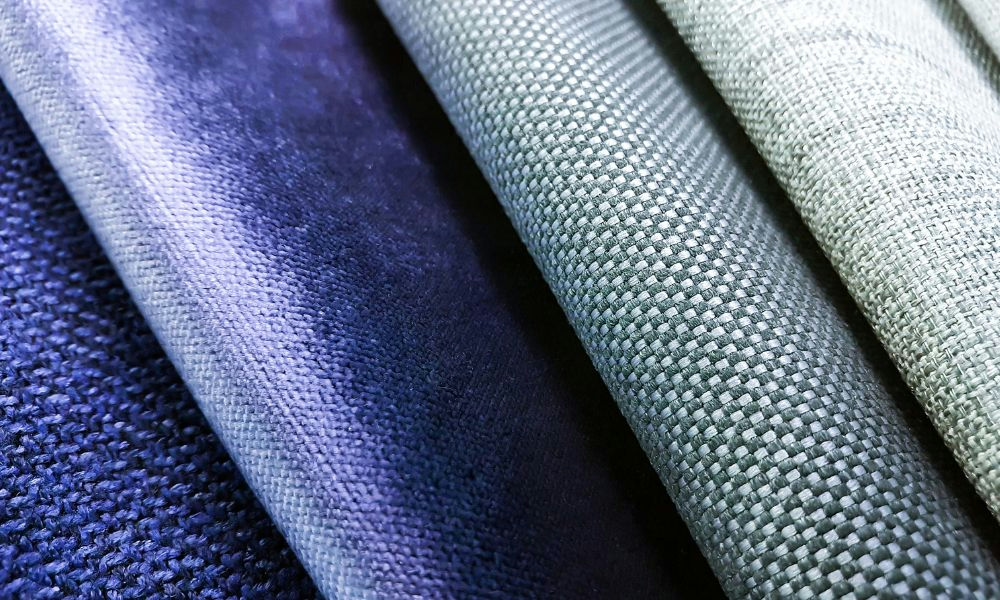
Polyester is a popular choice for cooler bags. Why should you consider it for your products?
Let’s look at its advantages.
⑴ Strength and Durability: Polyester is strong and durable. It resists wear and tear. This is vital for cooler bags that get rough handling outdoors. This strength ensures that the bag stays intact, even in tough conditions.
⑵ Abrasion Resistance: Polyester is highly resistant to abrasion. Cooler bags made from this material will last, even with regular use. They will keep their look and performance. This makes it ideal for customers who need a bag that won’t show damage easily.
⑶ Easy Maintenance: Polyester cooler bags are easy to maintain. You can clean them quickly with a damp cloth and mild detergent, keeping them in good condition. This simple care saves your customers time and extends the life of the bags.

⑷ Lightweight Yet Strong: Polyester is lightweight. So, it’s great for the active. Even though it’s light, it’s still strong and functional. Your customers will appreciate how easy it is to carry without sacrificing quality.
⑸Insulation Compatibility: Polyester suits insulation materials like closed-cell foam, PEVA, and polyurethane foam. This combination improves the bag’s ability to keep items cold for a longer time.
In summary, polyester is durable, lightweight, and easy to maintain. It also works well with insulation. It offers both strength and convenience to your customers.
2. Nylon

Benefits of Nylon for Cooler Bags
- Tough and Durable: Nylon fabric is strong and wear-resistant. Your cooler bags will last longer in tough conditions.
- Water-Resistant: Nylon keeps your cooler bags dry in wet conditions.
- Easy to Clean: Cleaning your cooler bag is simple, making it easier to maintain and extend the life of the bag.
- Lightweight Yet Strong: Nylon’s lightweight makes the bags easy to carry. It is strong, too.
- High-Denier Fabric: Brands like Yeti use high-denier nylon for the outer layer of their cooler bags. It makes them more durable and resistant to damage.
With nylon, you can sell customers a reliable, long-lasting cooler bag. It’s perfect for outdoor adventures. It’s also easy to maintain.
Expert Insight:
” The advantages of nylon in cold storage bags cannot be ignored. Nylon provides the perfect balance between durability, water resistance, and flexibility. It can remain light in harsh environments and is ideal for outdoor activities. In addition, its versatility in high-density variants, such as those used by high-end brands, ensures that the cooler bag not only performs well, but also lasts longer in harsh conditions.“
———— Elena Huang, Outdoor&sport bags manufacturer, supplier China
3. Canvas

It has a classic look and is eco-friendly. If you want to enhance your products and support sustainability, use canvas fabric. It’s also a great choice.
Canvas cooler bags may not be as water-resistant as polyester or nylon. But, they excel in insulation and durability. They are perfect for customers who want durable, cool products. They do not mind if the material isn’t as water-resistant.

Key Benefits of Canvas for Your Cooler Bags
- Durability: Canvas is strong and long-lasting. It is a reliable choice for cooler bags that will endure daily use.
- Eco-friendly: If sustainability matters to your brand, canvas is a top choice. It’s especially popular with consumers who care about the environment.
- Effective Insulation: Canvas provides good insulation, keeping items cool for a long time. While it may not be as effective as materials like closed-cell foam, it is great for everyday use.
- Customization: Canvas is easy to customize. You can use embroidery, screen printing, heat transfer printing, and woven labels. This lets your brand create unique, personalized cooler bags that stand out.
4. Vinyl

It offers benefits that work well for short-term or budget-conscious consumers.
① Key Benefits of Vinyl for Cooler Bags:
▷ Cost-effective: Vinyl is cheaper than alternatives like nylon. So, it is a better choice for both manufacturers and consumers.
▷ Water-resistant: Vinyl resists water. It keeps contents dry in rain and damp conditions.
▷ Ideal for short trips: Vinyl works best for quick, short-term use. If you’re designing for brief trips, vinyl is a good option.
② Drawbacks to Consider:
- Poor breathability: Vinyl doesn’t let air flow easily, which can trap moisture inside the bag. This may cause food to spoil faster, especially over longer periods.
- Not suitable for extended storage: Vinyl has poor breathability. It’s not ideal for long trips where food must stay fresh.
What about using vinyl fabric in your cooler bag?
It will make them cheap and water-resistant. Just be sure to market it for shorter durations to address its moisture retention issues.
5. PEVA (Polyethylene Vinyl Acetate) Lining
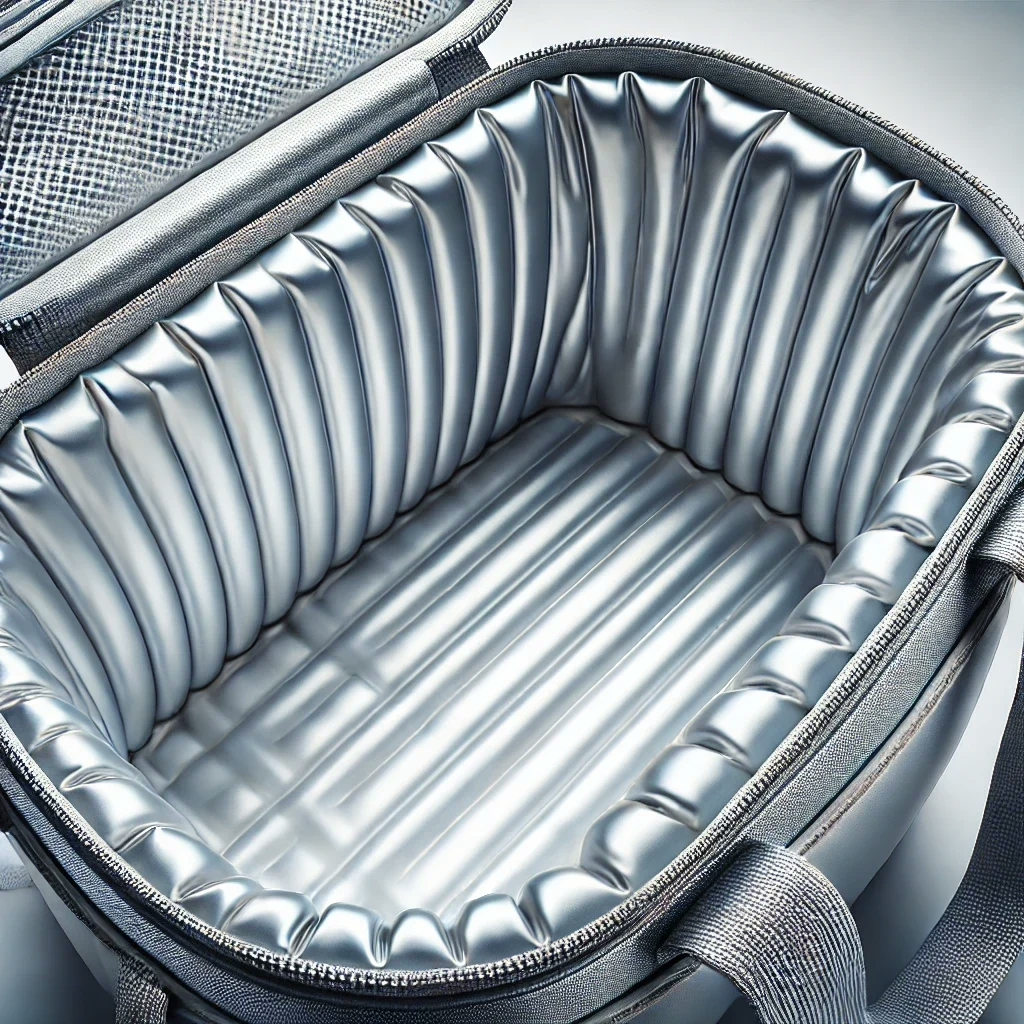
It offers a great mix of safety, durability, and performance.
PEVA is a vinyl alternative without chlorine. It has many benefits for cooler bags. It’s lightweight and flexible, plus it’s highly waterproof and resistant to both high and low temperatures. This means your cooler bag will keep everything inside safe, no matter the conditions.
Key Benefits of PEVA Lining for Cooler Bags
- Great Insulation: PEVA provides excellent insulation, keeping cold temperatures for a long time. This is essential for keeping food and drinks fresh, making it a top choice for cooler bags.
- Easy to Clean: The smooth surface of PEVA makes cleaning simple and quick. This matters to customers who value hygiene and practicality in their cooler bags.
- FDA-Approved Safety: Since PEVA is food-grade, it is FDA-approved. This means your customers can trust it for storing food and drinks safely.
- Eco-Friendly: PEVA is a more environmentally friendly option compared to traditional vinyl materials. It offers a sustainable choice without compromising performance.
Using PEVA material for your cooler bags boosts their value and appeal. It meets the needs of eco-conscious and practical consumers.
Insulation Materials
1. Closed-Cell Foam Insulation

Closed-cell foam insulation is a great option for cooler bags. It helps keep things cold longer and is very durable. This insulation is firmer and tightly packed. It blocks air and moisture. So, it keeps things colder for longer. Popular brands like YETI, RovR, and Engel use closed-cell foam. It has excellent thermal performance.
Thicker insulation means cooler bags can keep ice longer.
For example, the YETI Flip 18 kept its contents at 32°F for 16-24 hours and 45°F for up to 40 hours. The Engel HD30 kept ice for four days, with some ice still left on day five.

Benefits for Your Cooler Bag Product Line:
- Better temperature control: Closed-cell foam keeps items cooler for longer.
- Durability: Tough materials, like 840 denier fibers and TPU, make your cooler bag strong and reliable.
- Higher value: Better insulation makes your product more appealing. It offers a cooler bag that beats the competition.
Want your cooler bags to perform better and last longer? Choosing closed-cell foam insulation could be the solution.
Expert Opinion:
“Closed-cell foam insulation is a great choice for improving the performance of cooler bags. Its packed structure helps maintain cold temperatures for longer. Brands like YETI and Engel use this material to keep contents at the right temperature, proving its reliability and high quality. For businesses looking to create top-notch cooler bags, investing in closed-cell foam insulation is a smart way to boost customer satisfaction and extend product life.”
————Mia Huang, Outdoor bags designer-tactical backpack, diaper bags manufacturer
2. Open-Cell Foam Insulation

Open-cell foam insulation is a common choice for cooler bags, but it has its drawbacks. It offers a flexible, lightweight design, but it might not be the best option if you need excellent cold retention.
Key Benefits:
- Flexible and Portable: Its soft design makes it easy to pack and carry, ideal for on-the-go use.
- Sweat and Leak-Proof: Coolers with this insulation are designed to resist sweating and leaking, keeping your items dry.
- Affordable: It is generally a more cost-effective insulation compared to closed-cell foam.
Limitations to Consider:
▶ Lower Cold Retention: Open-cell foam lets air and moisture pass through. So, your cooler will struggle to stay cold. Tests showed temperatures rose to 46°F–55°F after 40 hours.
▶ Less Effective Than Closed-Cell Foam: If cold retention is essential, you might want to consider closed-cell foam insulation for your products.
Relevant Articles:
How to Select the Ideal Cooler Bag Sizes for Your Brand Needs?
How Does Cooler Bag Work? Essential Knowledge for Businesses
10 Best China Insulated Cooler Bag Manufacturers With Export Certificates
Is Nylon Waterproof? Key Facts You Should KnowConclusion
For businesses, high-quality cooler bags are key. Insulation materials like closed-cell foam provide superior cold retention and durability. They are ideal for long-term use. Meanwhile, budget materials like vinyl and open-cell foam meet short-term needs. They don’t compromise usability.
The right cooler bag material for your cooler bags improve their performance and your brand’s image. If you need custom cooler bags, or beach bag manufacturer, please feel free to contact us at [email protected] or visit leelinebags.com.
FAQs
1. What is the most durable cooler bag material?
Nylon and polyester are highly durable cooler bag material, resistant to wear and tear, making them ideal for cooler bags designed for frequent or rugged use.
2. Which material offers the best insulation for cooler bags?
Closed-cell foam insulation paired with materials like PEVA or polyester provides excellent temperature retention, keeping items cold for extended periods.
3. Are there eco-friendly cooler bag material available?
Yes, canvas and PEVA are eco-friendly options. Canvas is durable and sustainable, while PEVA is a non-toxic, recyclable alternative to traditional vinyl.
4. What is the easiest cooler bag material to clean?
Materials like polyester, nylon, and PEVA are easy to clean with a damp cloth and mild detergent, making maintenance simple for end users.
5. How do I choose the right material for my brand’s cooler bags?
Consider your target audience’s needs, usage frequency, and budget. For premium durability, choose nylon or closed-cell foam. For eco-conscious clients, canvas or PEVA are excellent options.